Fox Meadow Winery

A revisit to Fox Meadow had been on my radar for a bit, but good fortune allowed me to get there sooner than I anticipated. Not only were they participating at a high-tier wine tasting at L’auberge Provencale, owners Cheryl and Dan Mortland were the ones pouring. Needless to say I couldn’t pass up an opportunity to schmooze, and an appointment was set for the next morning.

As you drive in the first thing you notice is the scenery. Located around 1700 feet on the Blue Ridge Mountains, it has one of the most amazing views I’ve ever seen in the state. I’ve admired it so much that when I set up this blog, I even made it my site’s profile picture. The view is just THAT good.
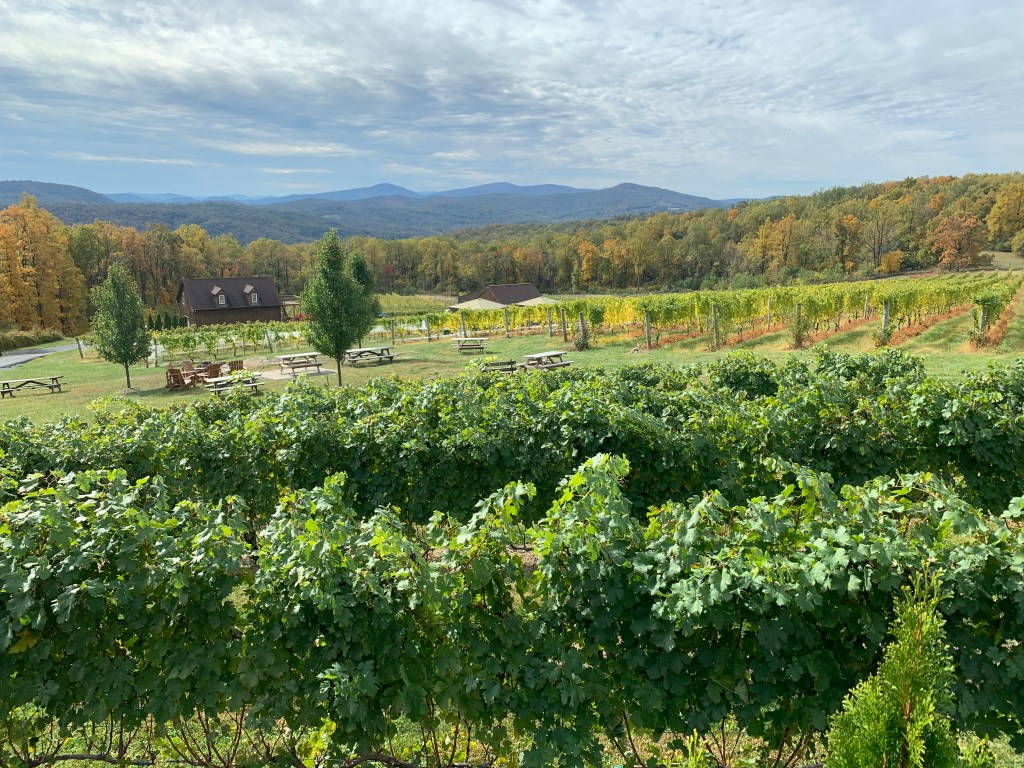
Look at that view!

When I arrived Dan was seated at a table near one of the windows, busily typing away. I’m not sure how he was able to get any work done since if it was me, I’d have just sat there all day and enjoyed the fall colors. Nevertheless, he greeted me and gave the background on their operation.

Wine making is definitely in the family’s blood; Dan proudly showed me a certificate on the wall detailing how the family was now in its 8th generation in the wine business, with roots going back to Germany. Today, his son Bob manages the business while Tom Payette, a well-known east coast consultant, is the wine maker.

As they say in real estate – it’s all about LOCATION LOCATION LOCATION. I suppose that’s always true, but it’s doubly accurate for vineyards. Fox Meadow produces around 3000 cases/year (mostly estate fruit) using 12.5 acres under vine. Most of the vineyard is composed of French varietals, although they have some Pinto Grigio and Vidal as well. Sadly their Riesling will soon be a thing of the past, as it doesn’t grow well enough to warrant keeping it.

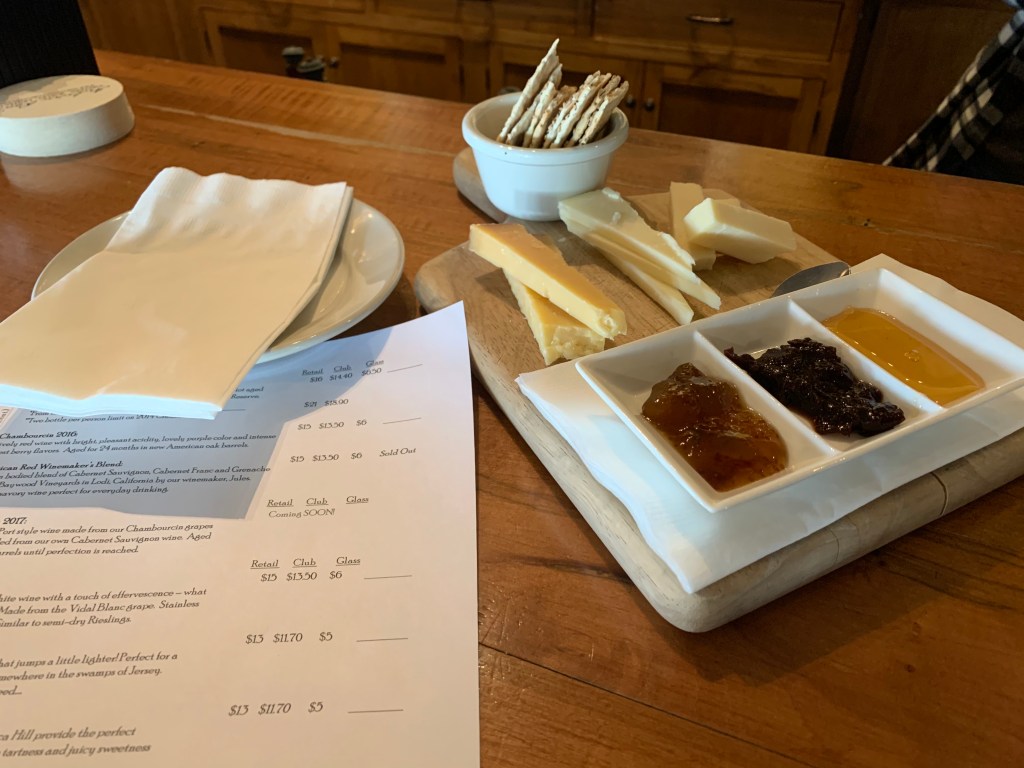
After chit-chatting about the vineyard we delved into the wines. Here, wines are paired with a tiny bite of food to bring out the more subtle flavors of both. My favorite was the Amish cheddar, which accentuated the creaminess of the Chardonnay it was paired with. It’s a nice touch that only a handful of Virginia wineries do.
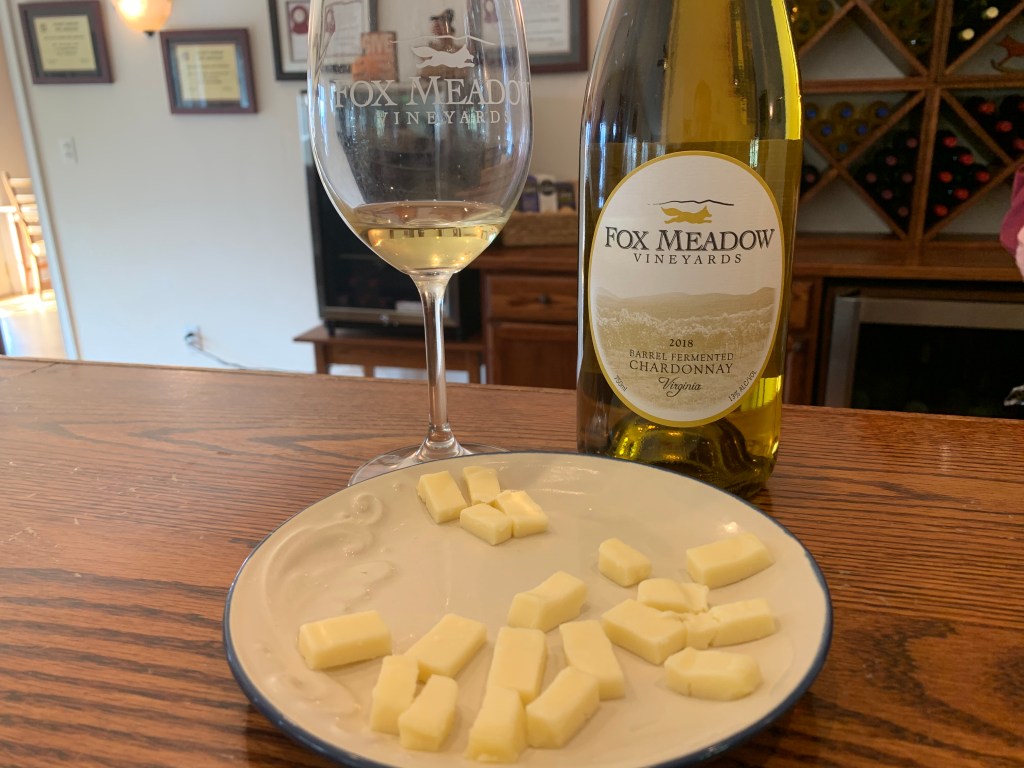
What I tried:

2018 Pinot Grigio: Bright, with nectar notes. Paired with a Tuscan cheddar which softened the finish.

2018 Chardonnay, made in new-ish French oak. Although 2018 was a horribly wet year this came out very nicely.

2017 Riesling: Made in a semi-sweet style with notes of citrus and flowers.

2017 Chambourcin: Made in American Oak. Full bodied and had a big mouthfeel. Pomegranate notes.

2018 Sunset: Not sure what the grapes were, but I think it was a blend. Reminded me of fruit punch.

2017 Merlot: Not part of the main tasting – but I had an opportunity taste it the night before and I kept going back for refills. A few glasses made the price of admission to an otherwise pricy event well worth it.

We polished off the tasting with a dry rose which had an amazing cherry color.

Dan finished my visit with a visit to the barrel room and bottling line. They had only recently harvested and the wines were just beginning their multi-month fermentation process; periodically we’d hear a ‘glug glug glug’ from the barrels. I was heartened to hear the 2019 growing season was especially awesome here, perhaps the best they’ve ever had in the 14 years they’ve been making wine. While these wines will take another 2-3 years before they’ll be behind the tasting counter, I’m planning on returning a lot sooner than that.

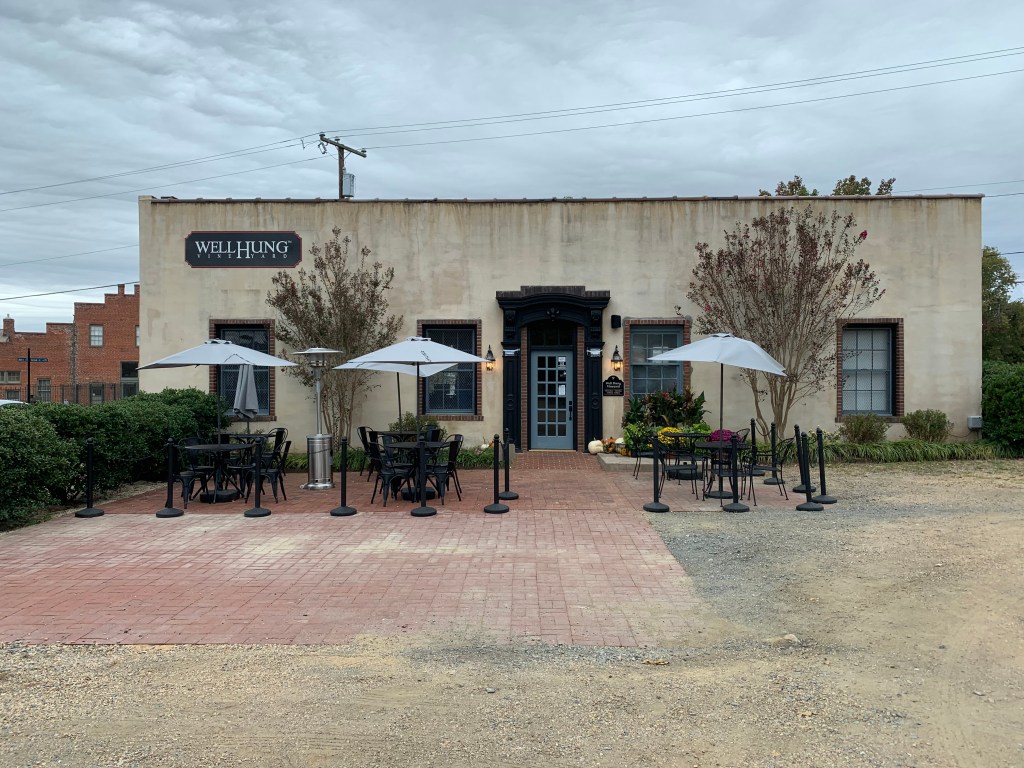
Well Hung Wine Tasting Room

Well Hung is the cheekiest name in the Virginia wine scene. Established in 2008, it only recently found a brick-and-mortar home in Gordonsville, right down the road from the BBQ Exchange.

If you’ve been around the Charlottesville wine scene for a while, you’ve probably heard of the name. Well Hung was started by a trio of ladies with a sense of humor (and taste for wine). The name came from a comment about how the grape bunches were ‘well hung’ (off the vines, that is). The name took off…and there you go!

More recently, Well Hung’s wines have been made at Prince Michel Vineyard, using grapes sourced from all over Virginia and sometimes Washington State. No word on where the ‘nuts’ come from, though…

This isn’t just a tasting room; it has a kitchen that serves mostly flatbreads and sandwiches.  I ended up with the “French Kiss” chicken breast with brie, which was quite scrumptious.

Janice was the manager that day; she guided me through a tasting of their wines as well as the backstory of the place. Only open since September 2019, they seemed busy when I first entered but fortunately it quieted down after the lunch-crowd mostly departed. She started off as a govie, but (unlike me) she decided she decided to chase that dream in the hospitality industry, while I still toil behind a desk (at least it pays my wine bills, though).

What I tried:

2018 Viognier: Very soft

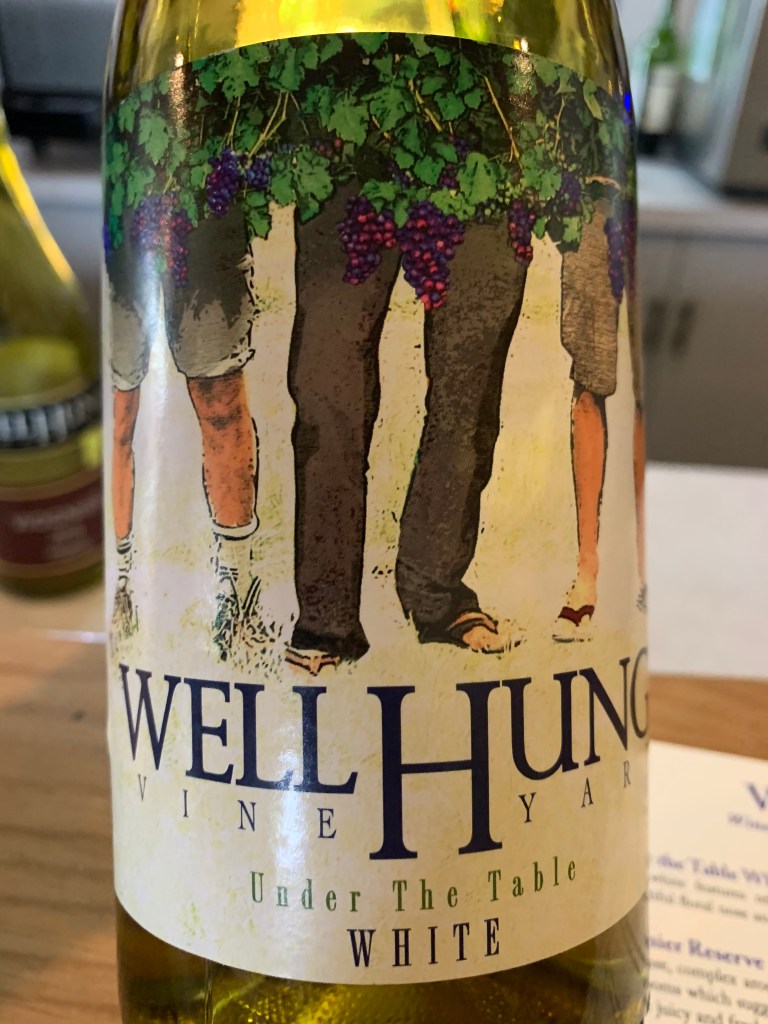
Well Hung White (VA and Washington fruit): Citrusy

Rose: Pinot Noir: Cranberry/rhubarb notes

Under the Table Red: Janice called this a “gateway red”, as its versatile enough for white and red drinkers. Also good as a mulled wine, or chilled.

Red Tryst: Cab heavy blend; I liked this a lot

2017 PV: Powerful!

Wishful thinking: Very sweet

I can’t do a blog on Well Hung without talking about their…nuts. This is the funniest label I’ve ever seen, and I can’t help but pick them up as a gag-gift for friends.

Otium Cellars

Otium Cellars has one of the best ‘this is who we are’ views I’ve ever encountered. You drive up the dirt road past the horse barn and find yourself at what looks like an alpine ski lodge. It’s like you’ve taken a trip to Bavaria, except you’re here to drink wine instead of beer.

The German theme doesn’t stop there. Otium has a total of 18 acres under vine (and a production of 2-4000/year), with a decided focus on German varietals. Grüner Veltliner, Blaufränkisch, and Dornfelder all have a home here (not Riesling though; not cool enough). Saying these grapes are “rare” in Virginia is an understatement; a handful of VA wineries have one or two of these, but I dare you to find another place in the state that concentrates on German-style grapes like Otium does.

Of course, this makes perfect sense once you realize who the owner is. Gerhard Bauer is an immigrant from Germany who was living here in Loudoun with acreage to spare. When the tax bill came he decided to put that land to good use. His solution? Grow grapes! And not just any grapes, but ones from his homeland.

Tasting room manager Chris explained that opening a winery wasn’t the original plan; Gerhard wanted to stick with only operating a vineyard. But when it came time to sell their fruit – surprise! Nobody was familiar with German grapes, so Gerhard couldn’t find a buyer. So quite accidentally, the vineyard became a winery.

Otium opened its tasting room in 2012 – and the place is stunning, both inside and out. It’s a tribute to the quality he put into his wines (and the local’s thirst for vino) that what Gerhard thought was a 2-year stock in wine only lasted 8 months. I don’t blame them one bit – Otium’s wines here tend to be exceptionally well aged, with a tendency towards full bodied reds. Gerhard’s son Max may not have set out to be a wine maker, but he learned to become an exceptional one.

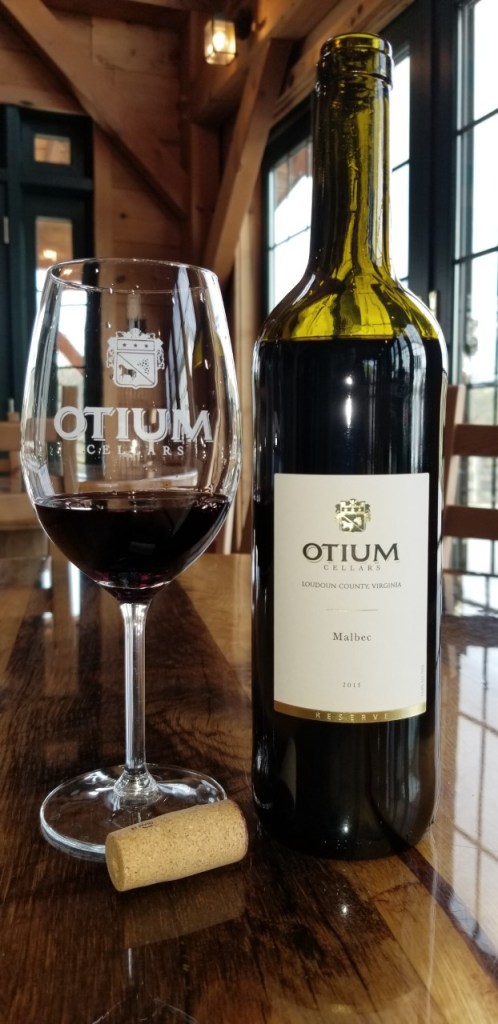
After my tasting I sat down at one of the inside tables with my picnic lunch and enjoyed the view – accompanied by a bottle of the Malbec. I wish we could have visited the horses’ stabled next door, but as Otium doesn’t own them we couldn’t get up close. I suppose admiring the log-cabin room would have to suffice. The Riedel-style glasses were a nice added touch.

I spoke at length about the German varietals, but I’m going to give a special shout-out to that Malbec. This is another hard to find varietal in Virginia, especially as a 100% vintage. I thought they were going to rip it out because of its difficulty, but – surprise! – it’s going to stay!

2017 Grüner Veltliner: Pineapple-y notes, made in steel.

2016 Chardonnay: Creamy but smooth, butterscotch ending.

2015 Chardonnay: Also nice but toastier.

2014 Blaufränkisch: Lots of black cherry; 24 months in Hungarian oak, cranberry-ish notes.

2014 Merlot: Black currant, some oakiness to it (but in a good way), and good mouthfeel.

2015 Malbec: Favorite of the day! Very different from other Malbecs; full bodied but less fruit notes except that strong emphasis on black cherry.

2015 Cabernet Sauvignon: More black currant notes, also lots of tannin.

2015 Dornfelder: Some pepper notes, but even more earth.

2015 Merlot Reserve: Cherry notes

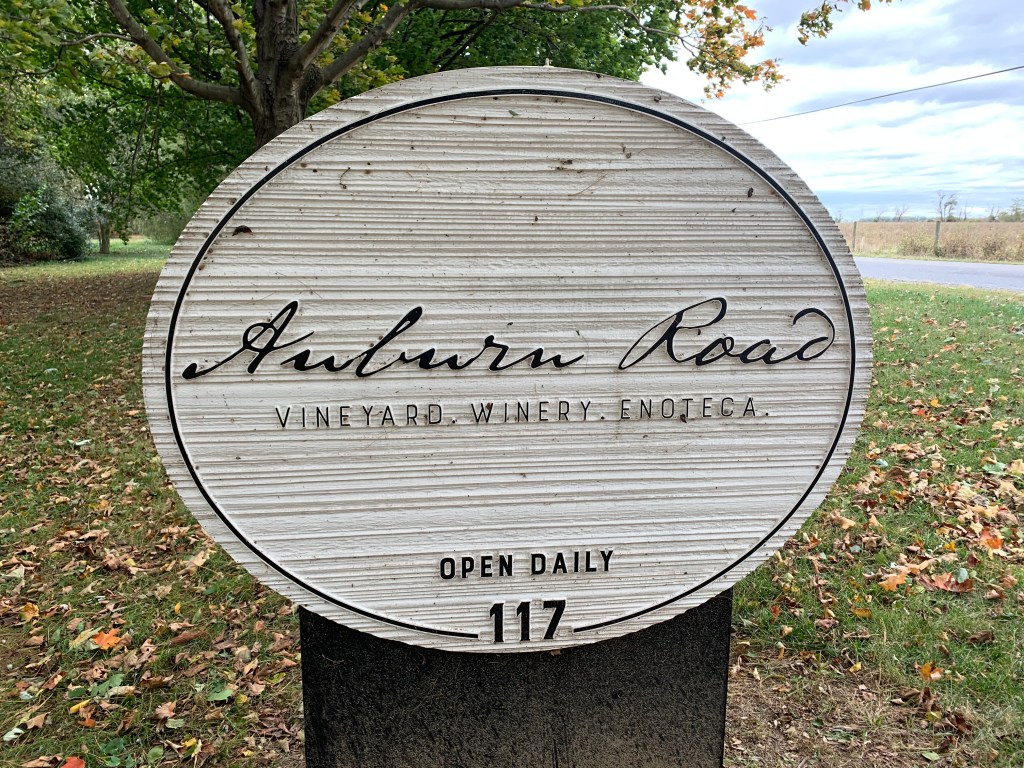
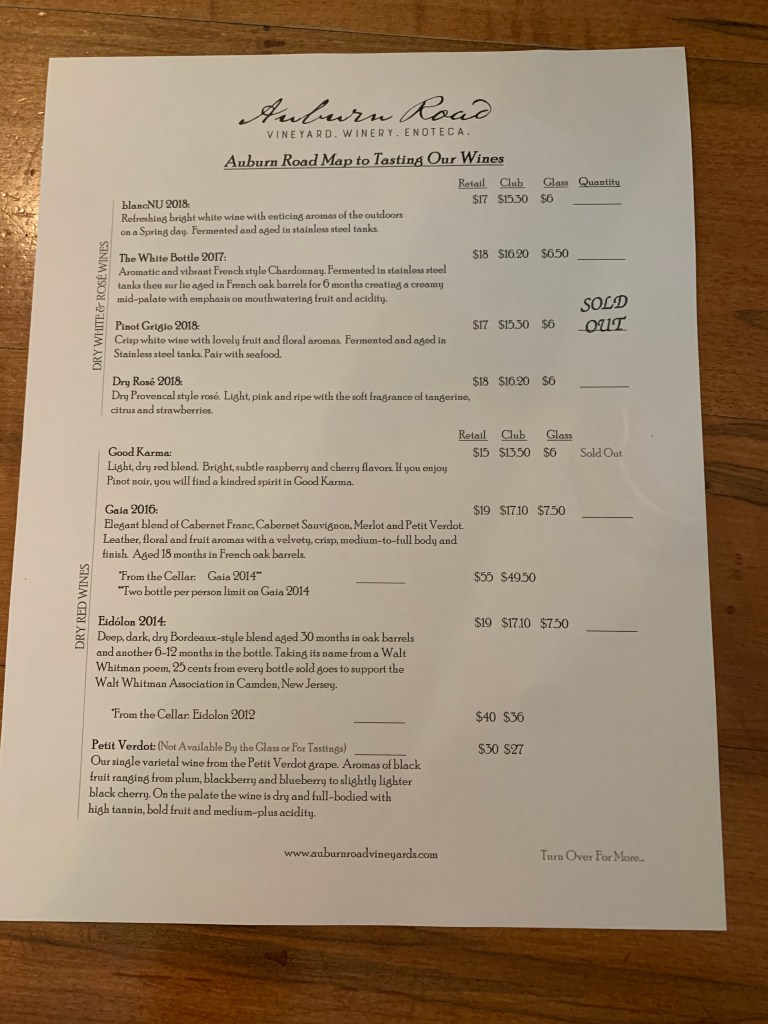
Auburn Road Vineyard

New Jersey’s nickname is “The Garden State”. As someone who grew outside NYC that moniker seemed surprising…until I visited southern NJ. I swear, the burbs of northern end of the state is like a different world from the farmland in the southern part.

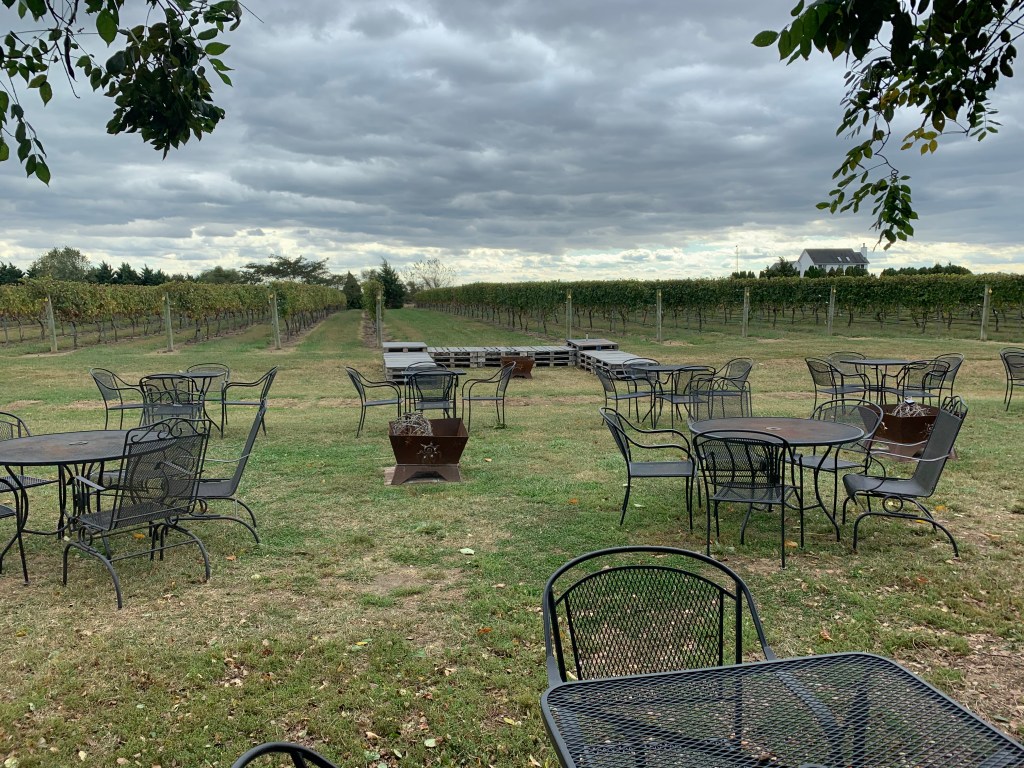
I found Auburn Road several years ago by accident; after traveling several hours on I-95 I wanted a pit-stop, and looking at my wine map I found a winery conveniently close to the Delaware Bridge. I passed farm after farm until I drove down a dirt road advertising the ‘enoteca’, located in a refurbished horse barn.

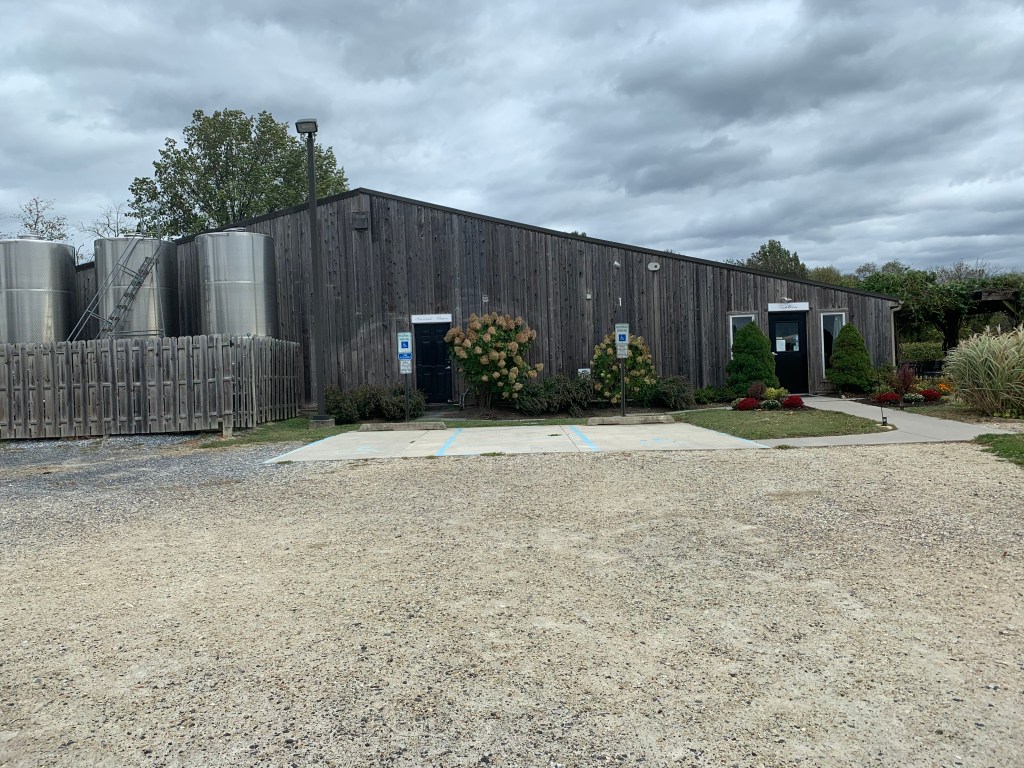
To my surprise, they had not only wine but were also serving pizza – something that’s on the menu many evenings. Needless to say, you won’t go hungry or thirsty here, so I’ve been back several times.​

Auburn Road is on the border of two appellations; the Inner and Outer Coastal Plain AVAs. The former is a mix of silt, sand and clay; the latter is characterized by sandy or sandy loam soil. On top of that, the Delaware River acts as a mellowing influence to the weather, so the temperature here rarely gets especially cold and it isn’t quite as humid as my home of Virginia. In other words – this is not only FARM country, but good terroir for vines.​​​

Owner Scott Donnini explained he started off as a… corporate lawyer! That’s right, no farm or winery background at all (although he IS New Jersey Italian…so that should count for something on the wine background). Ironically enough, one of Scott’s consultants was none other than Tom Payette, from Grey Ghost Vineyards in Virginia. Scott’s wife Julianne became the (self-taught) wine maker, and in 2007 they opened to the public.

Today they have 23 acres of vines on two vineyards (one sandy loam/clay, the other gravely/sandy) and produce around 4500 cases/year. The vineyards are a mix of vinifera and hybrids, including Chambourcin, Vidal and Cayuga. Of the vinifera, Cabernet Franc is the star…although Petit Verdot is making inroads (Scott was very proud of his). It’s actually a similar story to Virginia – the terroir of the two have a lot in common, so New Jersey’s younger wine industry is taking cues from what’s going on in the Dominion state.​​

Scott explained Auburn Road’s biggest challenge is getting the public to take New Jersey wines seriously. The reality is when people think of NJ, vineyards and wineries are NOT what they think of – despite the “Garden State” nickname and hosting over 65 wineries. Still, it’s a growing business, and NJ wines are starting to get noticed.

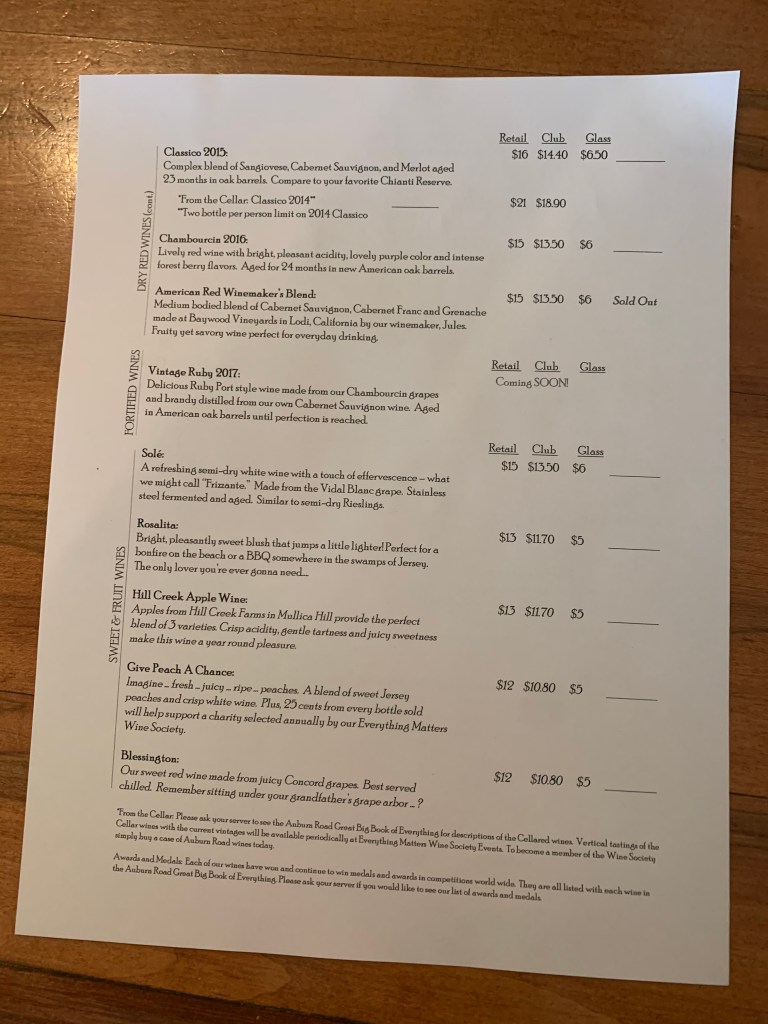
As for the wines they make, Auburn Road makes a mix of sweet and dry styles. Scott noted that he and Julianne are in the business of making people happy, so they have a huge assortment of wines of all styles including several fruit wines. I personally tasted about a dozen samples, and still didn’t complete the roster.

I particularly liked the red-blends. Good Karma was a nice ‘starter’ red, and well-priced too. Gaia had the best complexity, while Eidolon was the heaviest and smokiest. As befitting a winery that styles itself after Italy, they even had a Chianti-style! All were well done.

Of the whites, I ended up bringing home a bottle of the 2017 Chardonnay (the “White Bottle”), which I thought had great acidity and was nicely complimented by its French Oak. But I liked the Provence-style Rose a lot too, as well as the 2018 NV Blanc.

Of the sweeter options, I found myself surprised by their Vidal Blanc – which went down way to easily (the surprise was not that it wasn’t well done, but I usually don’t enjoy this grape). Rounding out the lighter options were the “Give Peach a Chance” (which I swear was like biting into a fresh peach) and their Granny Smith-driven apple wine.

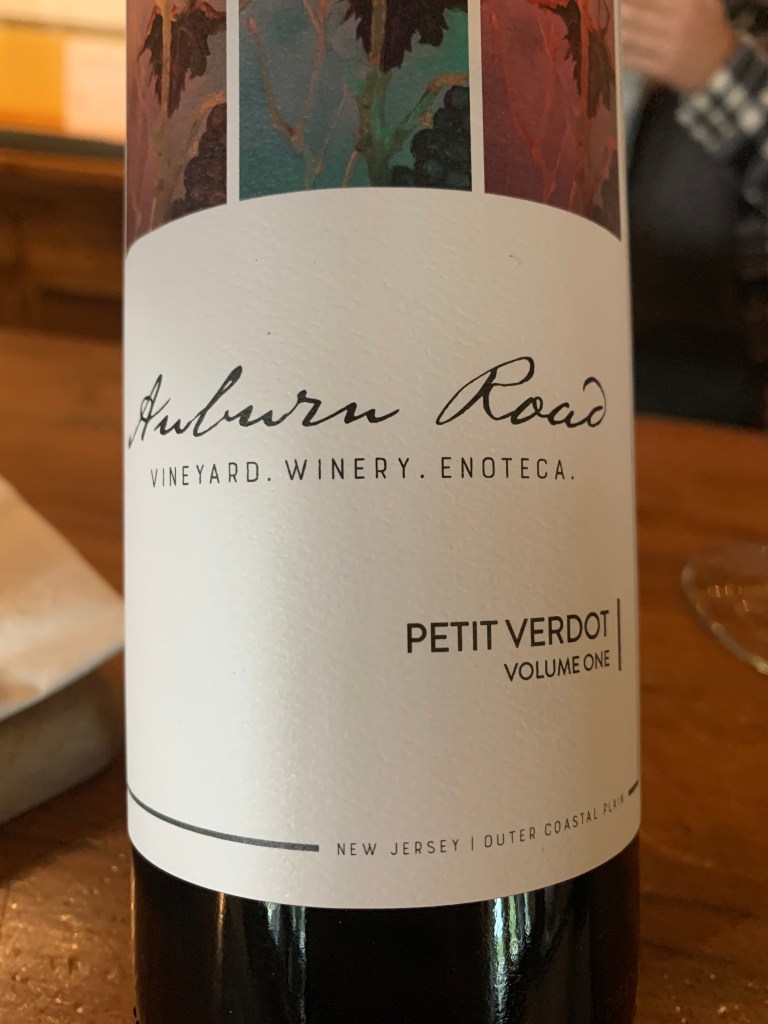
One of the biggest surprises was their Petit Verdot. I’m a huge fan of this grape, which grows well all over the eastern seaboard. It was rustic to me – but in this case, I say that in a good way. I tasted strong black cherry and earth notes. I’d decant this to smooth it out, but it’s definitely drinkable now.

So if you never been to a New Jersey winery – start here! If all of them are like this, you’ll be back soon enough.

Hark Vineyards

Hark Vineyards is a place I’d been looking forward to visiting for a long time. Located north of Charlottesville in a neck of the woods packed with wineries (literally – it’s all forests here), it’s trip that’s guaranteed to quench your thirst.

I initially planned visiting the Friday of their opening weekend, but delayed when I realized they’d likely be too packed to answer geeky wine questions. Fortunately switching to Sunday morning paid off; nobody else had yet to arrive, so I had the tasting bar all to myself.

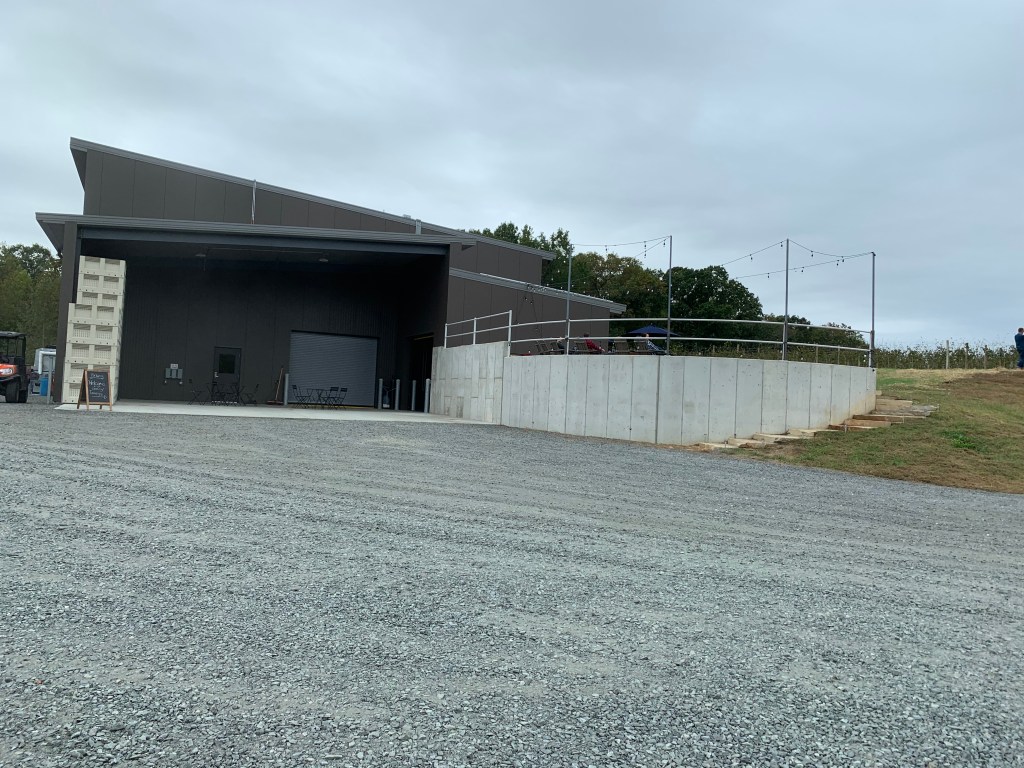
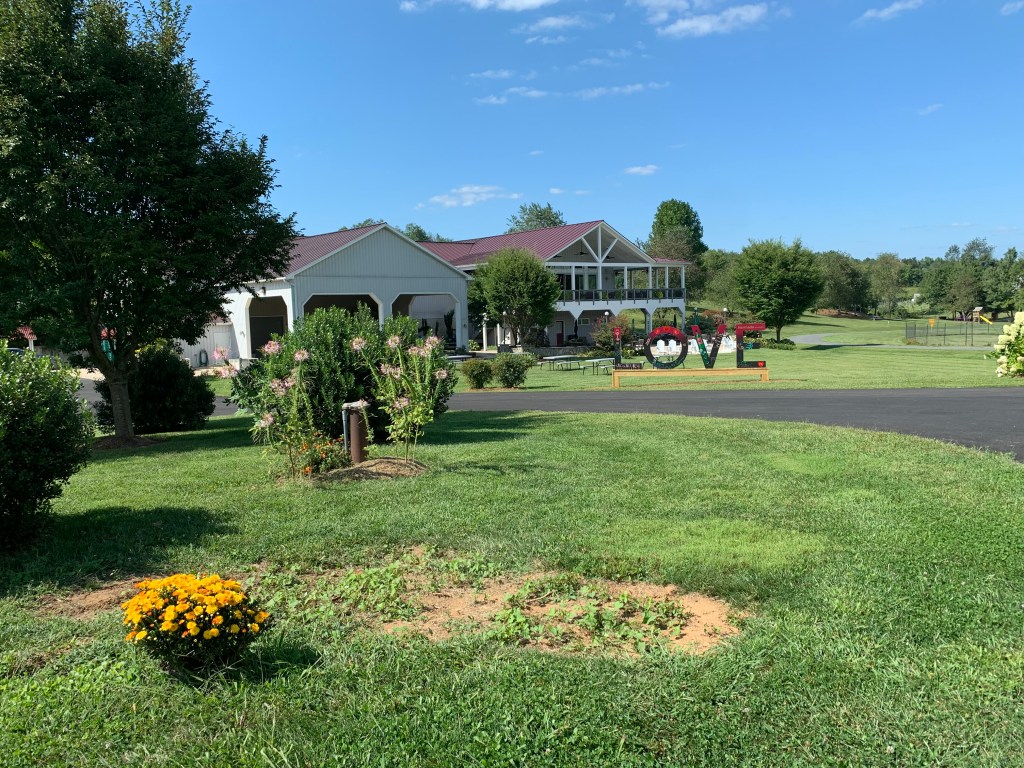
Although open to the public, Hark presently lacks a purpose-built tasting room. Fortunately, an ad-hoc bar in the production building serves just fine. Just drive past the old farm building (don’t despair! It’s not the tasting room) down the winding road.

Tasting room associate Paxton welcomed me when I walked in; owners Aaron and Candice Hark arrived soon thereafter. Between the three of them, I was treated to generous pours as they gave me the low-down on the business.

The Harks were bitten by the wine bug years ago. Eventually they found this parcel of land and liked it so much they put an offer on it immediately. Their eye for good terroir paid off; now they have 18 acres planted, all French varietals with the exception of Vidal and Pinot Gris. Hark’s focus on vinifera tells me they have lots of confidence in this site’s ability to grow great wine.

As soon as you walk in you can’t help but see the production building is HUGE. Candice joked how tiny their fermenters looked in the middle of the ginormous space. While modest now, they expect to be able to reach around 10,000 cases/year when at full production.

While the venue was impressive, more impressive is their collection of talent. Jake Busching is their wine maker. While not well-known to the general public, industry veterans recognize him as someone who’s been around the VA wine scene for decades. Jake not only makes Hark’s wines, you can taste his own lineup of wines here.

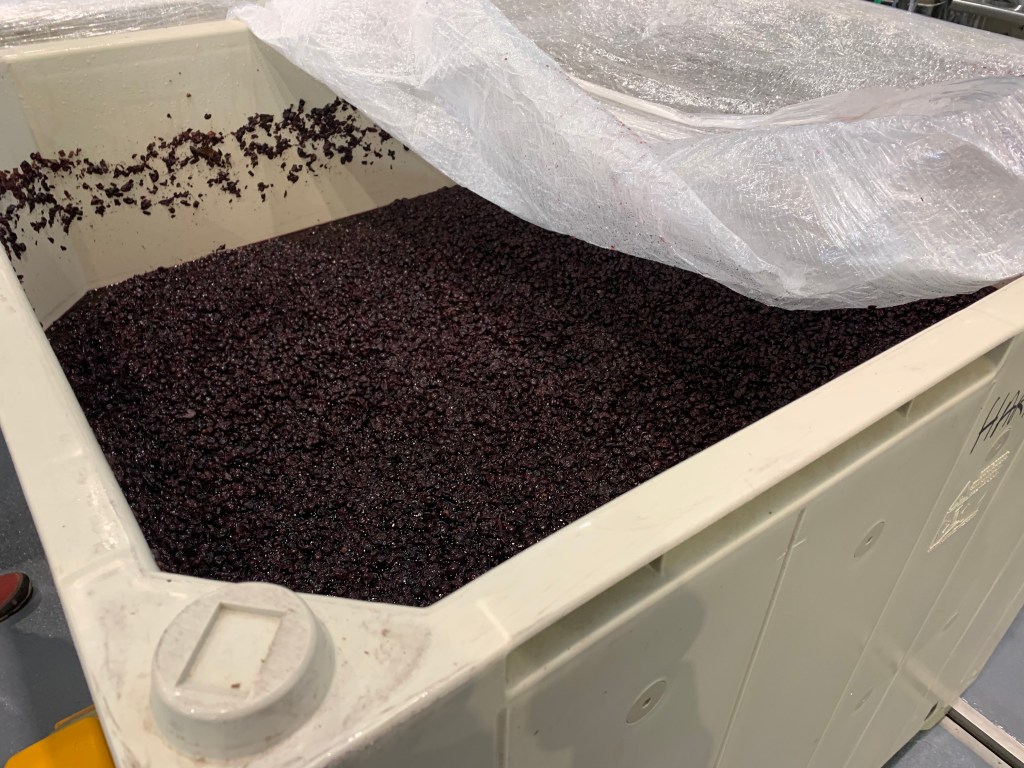
After our tasting, Aaron and Candice gave me the grand tour of the place (note to all readers; this is one of the perks to wine blogging…just saying). Assistant winemaker AJ Greely showed me the reds juice in their bins that had just been picked, followed by a barrel tasting of their recently picked Merlot.

AJ shimmied up the barrels with her wine thief to get some samples. Candice’s eyes light up after she tried it out; the freshness reminded me of a Beaujolais. To say we were near-giddy in excitement is an understatement; 2019 has been a great growing year and this vintage promise to be one of the best any of us had experienced.

We finished the day with a drive through the vineyard, stopping at where the future tasting room would be. The views promise to be stunning.

As for the wines…

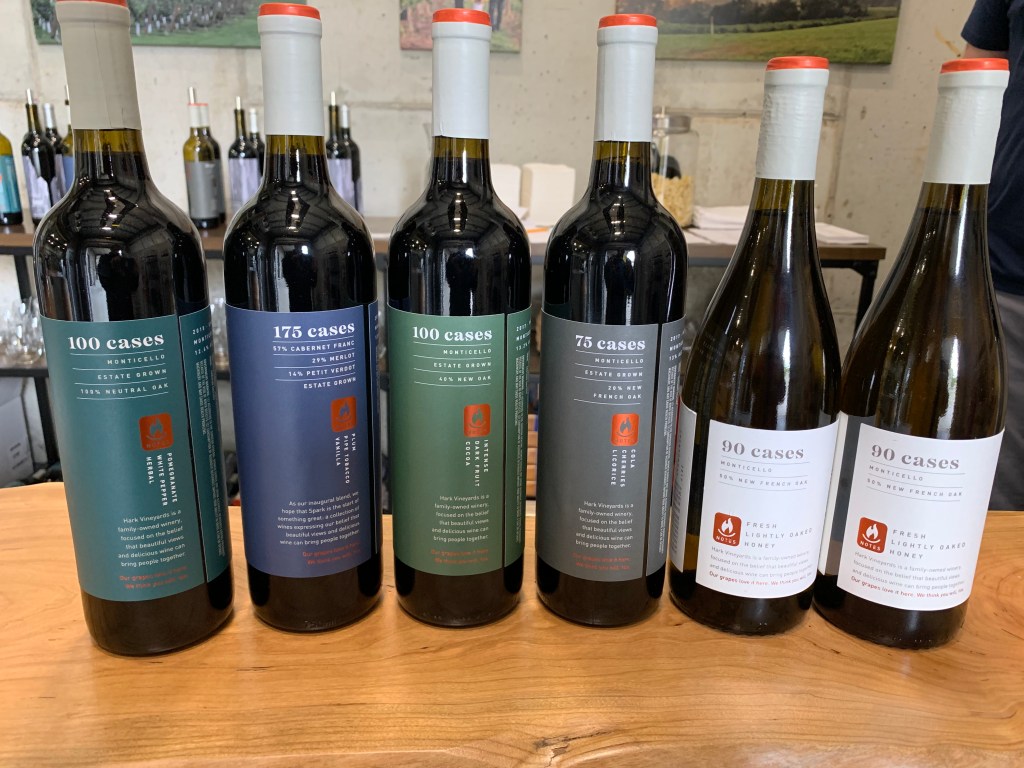
The current slate of Hark white wines are 100% estate grown. The Busching wines are made with fruit from local growers he has relationships with, including Honah Lee (where Mike Shaps gets a lot of fruit from).

For whites, we started with a pair of Chardonnays, then the Viognier. The toastiness of the 2018 Chard was a pleasant surprise, given how wet it was that year. The 2017 had a bigger mouthfeel and benefited greatly from the new French Oak. A nice honeysuckle-driven Viognier rounded out the whites.

Next were the two Hark reds; a 2018 Cabernet Franc and a 2017 Merlot. The Franc was light with pomegranate notes; the Merlot reminded me of…cola! That’s right; a new tasting note for me!

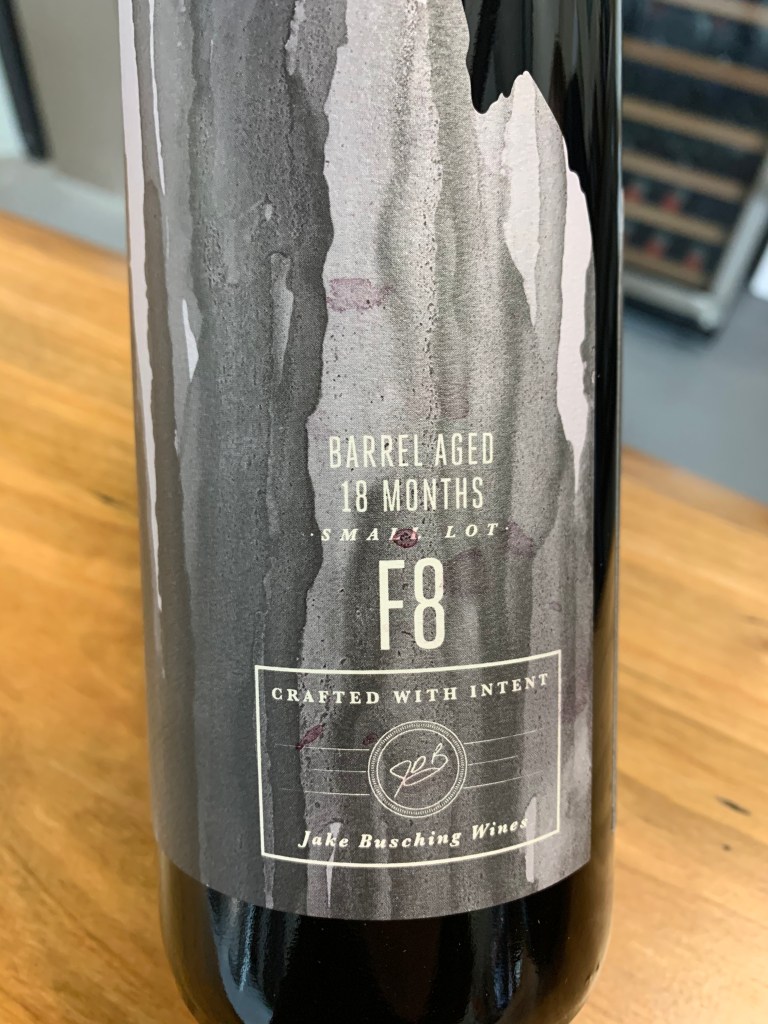
Last but not least were the Jake Busching wine lineup. Across the board, Jake’s wines were INTENSE. I mean slap-your-face intense. First the 2017 Petit Verdot, followed by the 2016 Tannat. The very yummy and relatively softer 2017 “Spark” Bordeaux blend was practically a reprieve by comparison. But then….then came the 2016 “F8”, a 50/50 Tannat-Petit Verdot blend.

Let me tell you…that F8 was niiiiiiice. These are two grapes that play very well together. I’ve only had a handful of 50/50 blends like this and I can’t wait to do a blind tasting with all of them. I had to buy a bottle, even if it is likely to be a short-lived addition to my collection.

All in all, this is a strong start to Hark. Thanks to Aaron and Candice for their great hospitality, and I’ll be seeing Jake in a few weeks at a separate event!

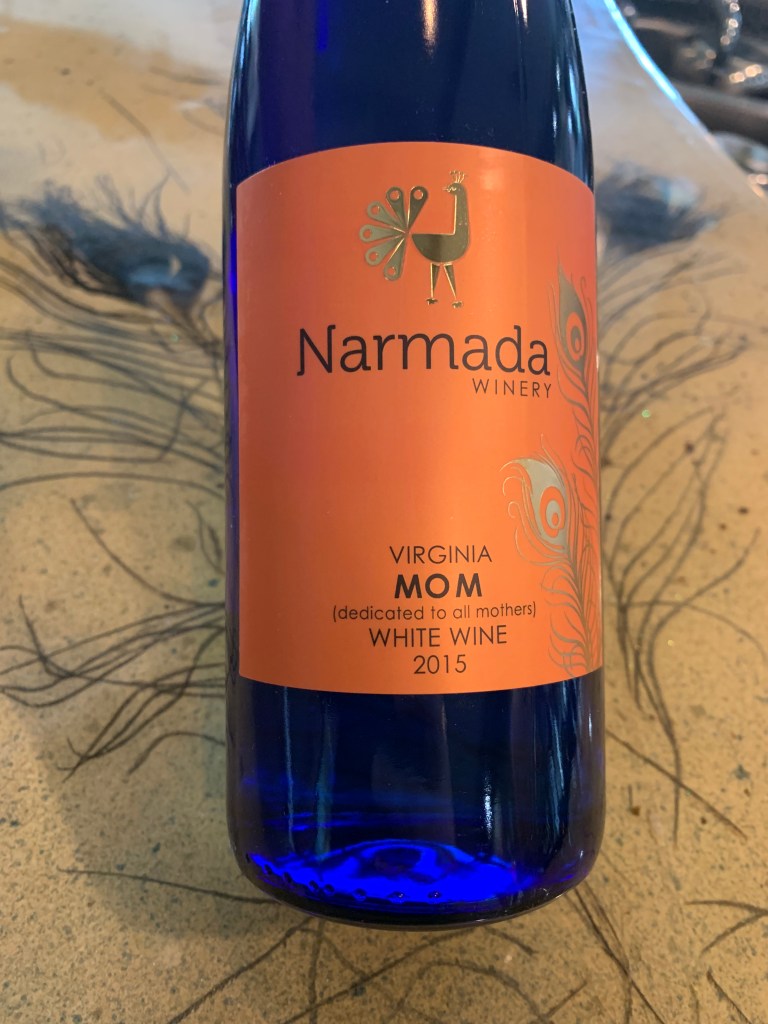
Narmada Winery

Trick question – how much do you love your mom? Maybe more importantly – how much does your mom love you? What would she sacrifice for you? These are important questions in understanding how Narmada got started.

Narmada was founded by Sudha and Pandit Patil, both originally from India. Pandit wished to study in the U.S. but lacked the funds to do so. Undeterred, he applied for a scholarship to New Mexico State University – and earned one. But that scholarship didn’t cover a plane ticket. To pay for it, his mother sold her family jewelry to pay for the ride over. Narmada is named after her, because she’s the reason this winery exists.

Now, THAT’S what I call a backstory!

Sudha and Pandit married when she was 17. Their parents arranged the marriage – but on the condition Pandit had to not only take her with him to the States, but also further Sudha’s education. He agreed, and Sudha pursued her education with vigor. First came a BS in Chemistry from George Mason, followed by a dental degree at Georgetown, and lastly an MS from the University of Maryland.

Over the years they indulged in their passion for traveling, and with traveling came an interest in wine. As the 1990s arrived the Patils started thinking of retirement. But while driving home from dinner at The Inn at Little Washington they discovered a farm down the road from Grey Ghost was for sale. As Grey Ghost was already a favorite of theirs, the idea of starting a vineyard was intriguing.

While both of their parents had a farming or gardening background, looking back Sudha admits they had no idea what they were getting into. But fortunately for all of us who love Virginia wine, in 1999 they purchased the property. The vineyard was planted five years later.

The initial plan was to grow organically – but Mother Nature had a vote on that decision. After fighting weather and Japanese beetles, in 2005 they switched strategies started to utilize pesticides. Now, Narmada has 10 varietals planted on almost 20 acres of vines, split about evenly between vinifera and hybrids. Occasionally they purchase fruit from Horton – usually Tannat – but most of their wines are made from estate fruit.

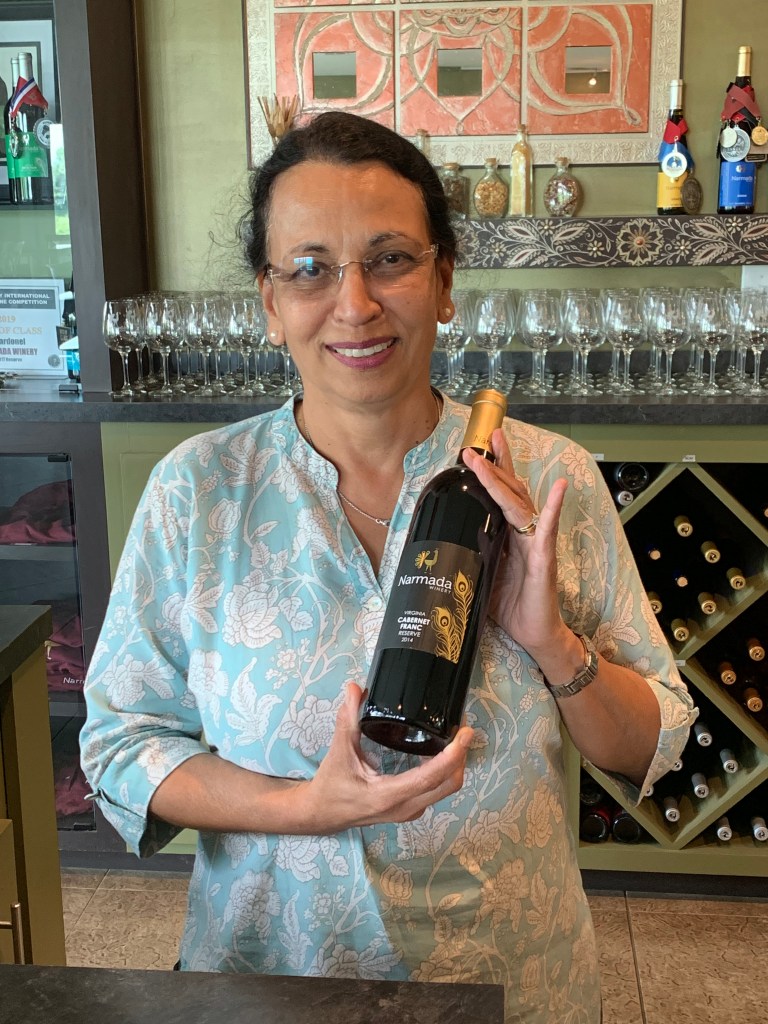
Sudha has been the winemaker since they opened in 2009. One thing that always struck me about Narmada’s wines is they often seem to have a spiciness to them, which I attribute to her cultural and educational background. It also helped that she took classes with Jim Law, who she calls the “guru of Virginia wine”. Now Narmada makes around 3000 cases/year.

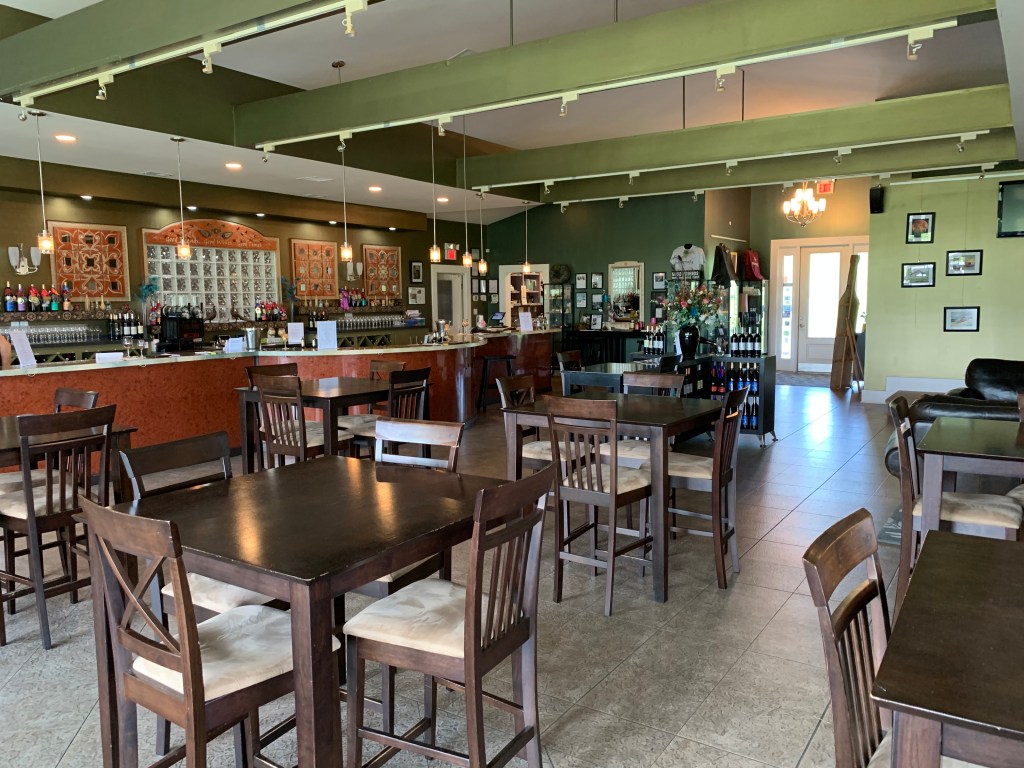
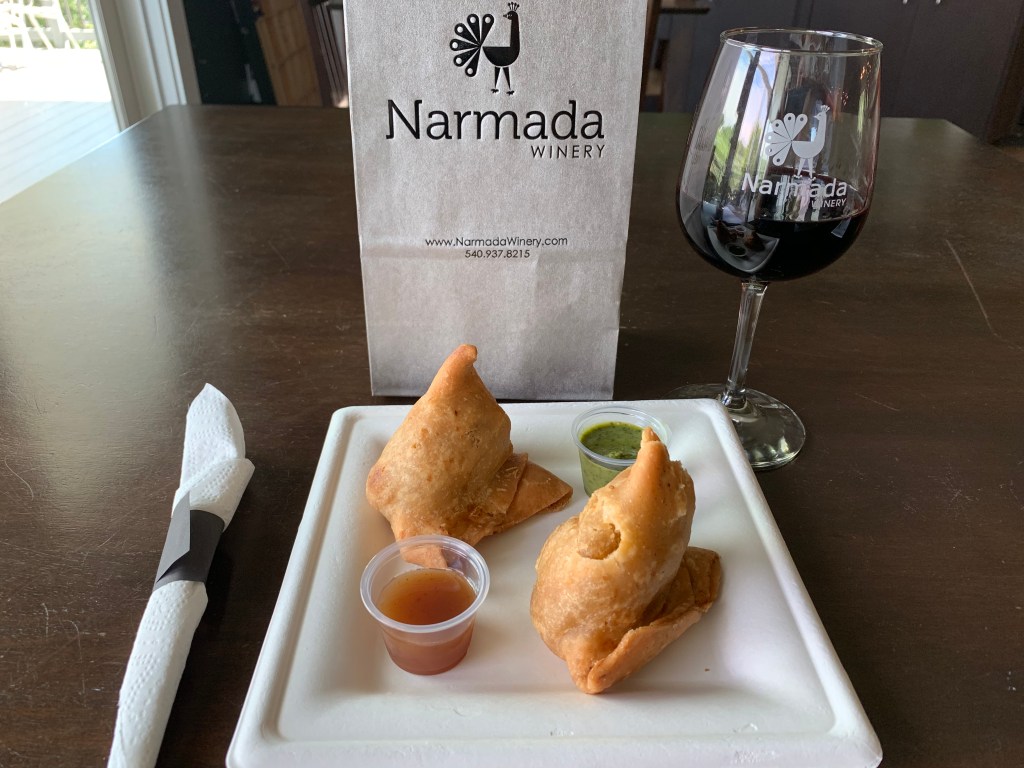
As soon as you walk in, you can sense the Indian theme permeating all aspects of the venue, whether it be the décor, the soft music in the background, or the even the food. That’s right – they have Indian food here! I admit I indulged myself with some samosas.

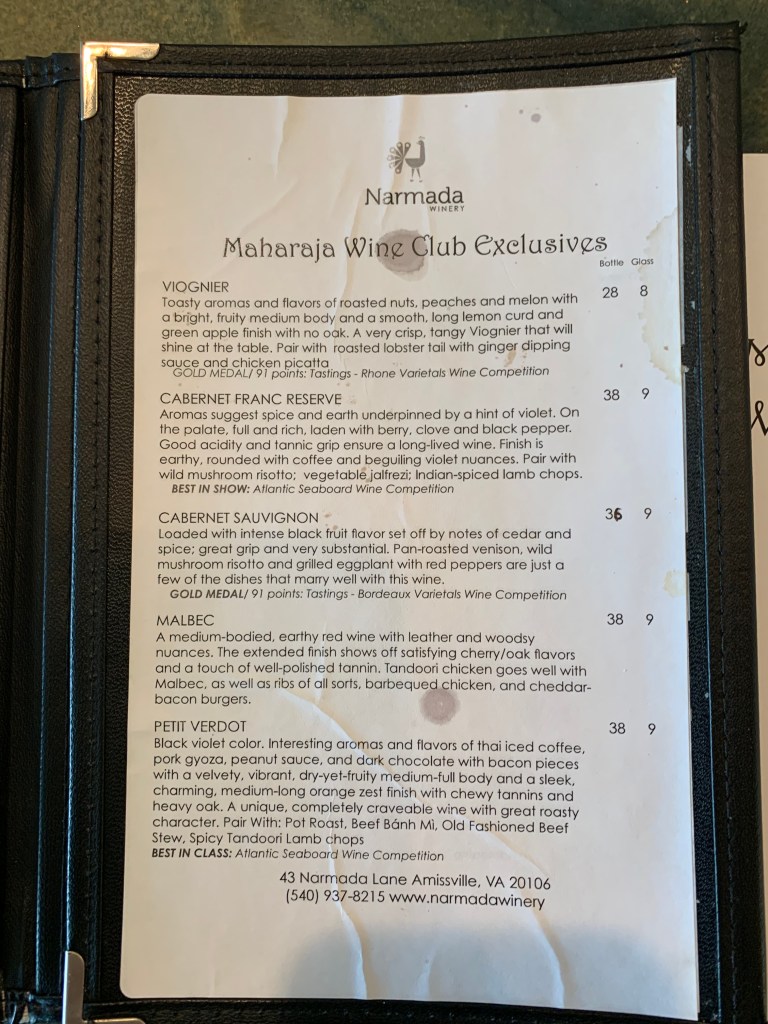
As for the wine, Narmada boasts a large selection from sweet to dry with several options that lie in-between. Sudha kept pouring…and pouring…but I obviously wasn’t going to say ‘no’ to anything. My tasting experience started off well and everything just kept getting better and better (no that’s not the alcohol talking – it really was that good).

2015 “Dream” (Traminette): Subtle for this grape, light and crisp.

2015 Mom (Vidal and a bit of Chardonel): Some pineapple on the nose, semi-sweet but only barely.

2017 Chardonel: Made in neutral barrels; some citrus on the nose and palate.

2018 Gualabi (Rose): Made with Chambourcin and a dash of some other grapes. Lots of strawberry and watermelon notes.

2014 Reflection: Chambourcin heavy; semi-sweet.

2015 Melange: The first of two Bordeaux-blends that I tried; the fruit notes are there but not overly so.

2014 Yash-vir: Another Bordeaux-blend; bold but well balanced. My second favorite of the day.

2015 Cabernet Franc Reserve: Suvi’s favorite; some spice and pepper notes while retaining red fruit.

2017 Merlot: Another winner; 100% Merlot fruit, noticeably earthy.

2014 Cabernet Sauvignon: Very round mouthfeel; smooth tannins. I swear, every time I thought I had a favorite the wines just get better and better!

2016 Petit Verdot (with a splash of Cab Franc): Jammy nose, plumb and blackberry notes.

Legacy: Traminette heavy but with Vidal and Chardonel; sweetened with mango. I’m not a sweet wine drinker but I really liked this one.

Allure: A desert wine made with Chambourcin and a little Tannat; the nose reminded me of bourbon (which is a good thing).

2014 Midnight (Chambourcin): Semi-sweet; very fruity. Reminded me of a sagria.

2016 Tannat: MY favorite of the day; and that says a lot since there was a lot to love here. Great nose; smooth but full bodied. Just an all-around amazing wine.

Ramulose Ridge Vineyards

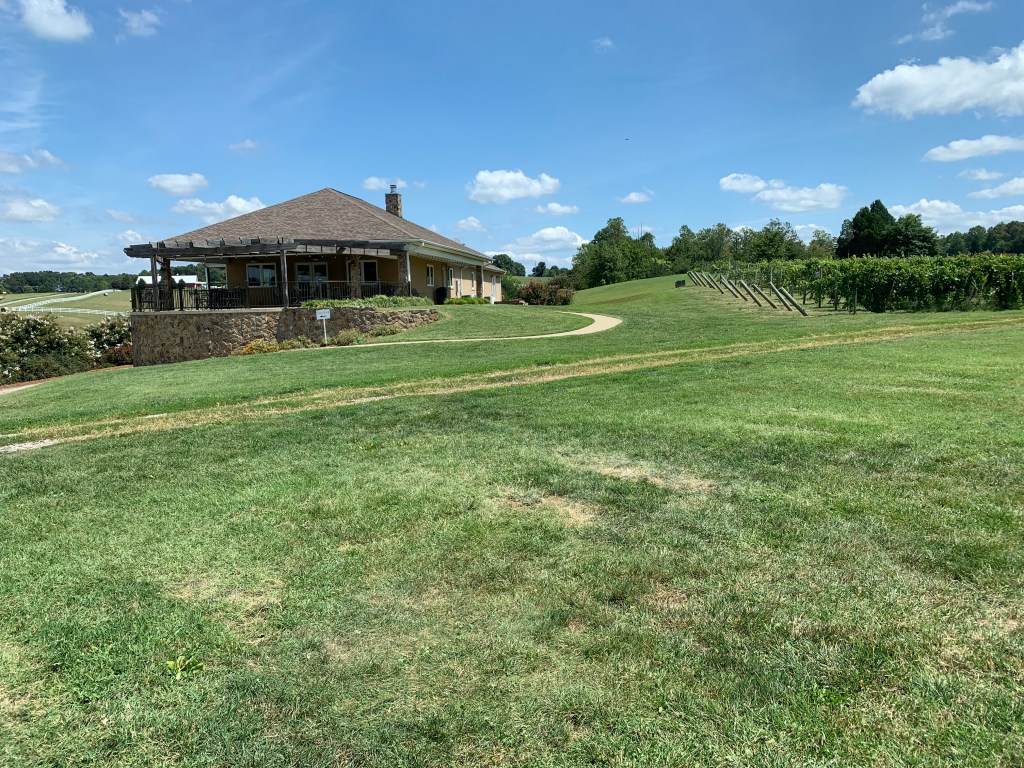
Ramulose Ridge Vineyards was one of the last visits of my latest Southern Virginia excursion; although to be technically correct, they are in the Virginia Mountains AVA. Located a short drive from Smith Mountain Lake, the area is a mix of residential housing and farm country. It’s a pretty area to visit, both for the lake and nearby city of Roanoke.

Driving there it’s easy to miss the turn into the long driveway; after a false start I passed through the gate towards the house in the distance. Sadly, I couldn’t linger here, although that patio upstairs overlooking the vineyard seemed very inviting.

In an industry full of places where most tasting room associates are all too often only somewhat acquainted with their wines, Ramulose was a treat as owner/wine maker Sandi Ramaker was pouring. Although the tasting room was busy we still found a corner to chat.
Ramulose Ridge translates as “Having many branches”; certainly an apt description for a vineyard. Sandi and husband Jim were living in Hong Kong when they decided to turn their Virginia property into a winery. While many places utilize consultants and hire a wine maker, they decided they wanted to forge their own path. In preparation Sandi studied enology at UC Davis, and together they researched what to plant for their future vineyard.

Today they have 5 acres of vines, roughly split between hybrids and vinifera.  Notably these vines include Syrah, Malbec and Muscat; all varietals that are rare for Virginia. Sandi was justifiably proud how they’ve produced several vintages of each – although the Malbec was long gone when I visited. At the time of my visit they were producing just under 3000 cases/year, all made with estate fruit.

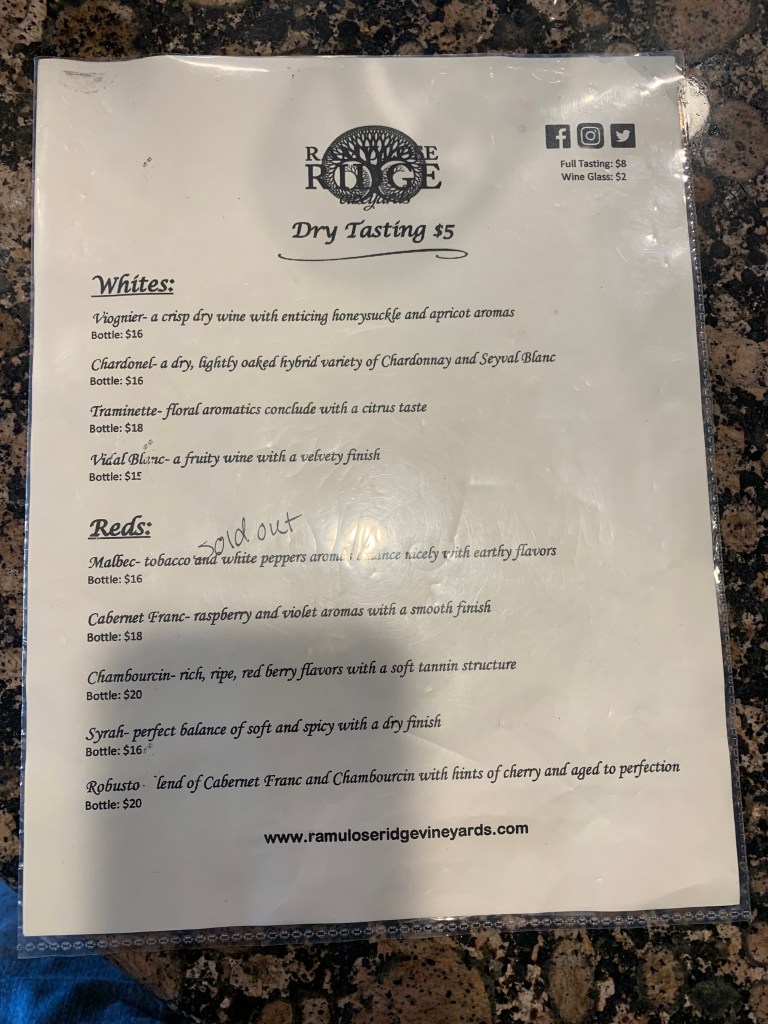
The tasting menu was surprisingly extensive for such a small vineyard. But if that’s not enough they also make small packets of fruit-driven wines. Think of them as sippy packets, but for adults!

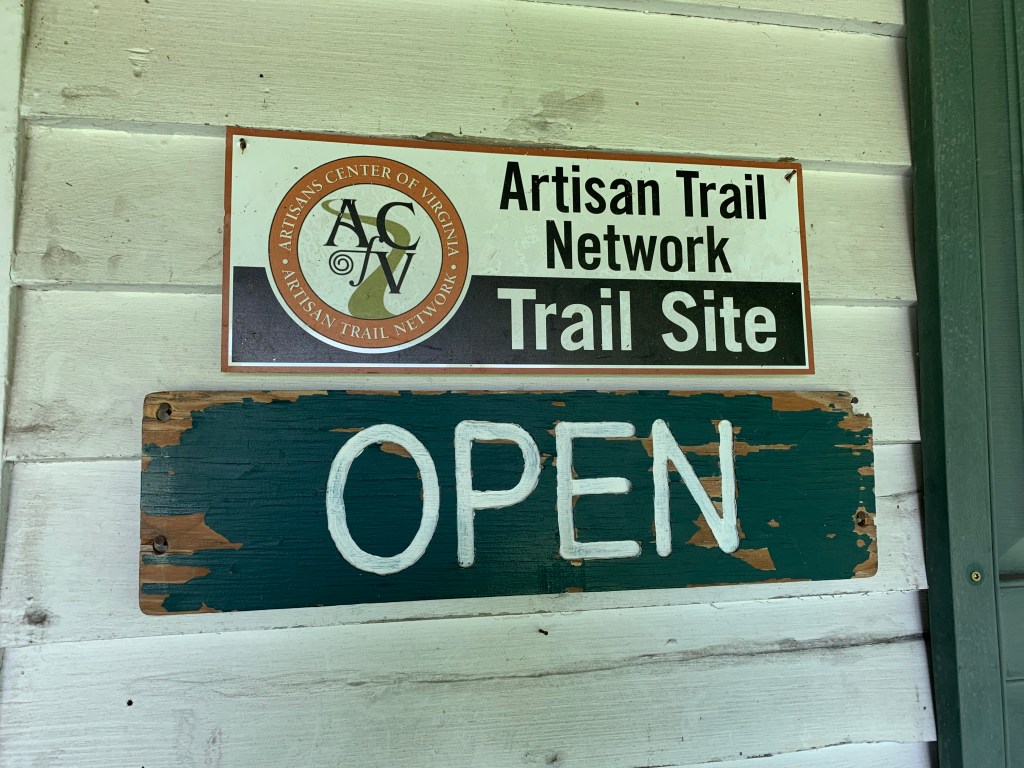
I was also surprised to learn that Ramulose is a participant in the Virginia Wine and Cigar Trail; I actually didn’t know there was such a thing. It’s quite useful to know, since my dad is a cigar smoker but not a wine drinker, so now I can hook up mom and dad at the same place.

Across the board I thought the wines were well made. For someone who was more-or-less a winemaker by accident, you definitely could have fooled me. I was also shocked how well priced everything was. Coming from northern Virginia where bottles often start in the low 20s and often go higher, it was a pleasant surprise to see well-made reds in the under $20 range.

Viognier: Crisp, apricot notes.

Chardonnel: Light oak, very nice

Traminette: Also apricot, but more of a full bodied white.

Muscat: Specifically, “Golden Muscat”, a sub-variety of the Muscat family. At 4% sugar this is most definitely a sweet wine.

Vidal Blanc: While it has 1% sugar it almost fooled me into thinking it was a dry wine.

Cabernet Franc: Very unusual for a Franc but I liked it a lot (and bought a bottle). Almost raspberry notes, with some spice. Very nice wine.

Syrah: One of a handful of Syrahs in Virginia. Spicy, definitely a good steak wine.

Pineapple: Served in a package. Good porch sipping wine that is good for a sangria base.

Hickory Hill Vineyard

After hanging out at Hickory Hill for a bit, I got the vibe that this is one of those establishments where the atmosphere and camaraderie is just as important as what’s served at the bar. Located on the north side of Smith Mountain Lake, Hickory is a 1920-s era house converted into a winery. Visiting here is a bit like stepping back in time, as you’re surrounded by farm country, southern charm, and wine instead of mint julips.

Wendy Furrow was my server – and Hickory Hill’s wine maker. She told me how her dad Roger Furrow planted the vineyard in 1992 and opened as a full winery in 2001. As the tasting bar got crowded her dad took over my tasting and history lesson, starting with how he got into wine in the first place.

See, Roger was serving in the Army when he was ordered to inventory the Officer’s Club’s wine cellar. As he tells the story you can almost get a visual of him dusting off these bottles with odd French labels, scratching his head while wondering “What does this taste like? Where does it come from?”. That curiosity grew, so when he ‘retired’ he started a winery.

Of course ‘retirement’ and ‘winery’ are two words that are totally in opposition to one another, as operating a vineyard is a tough job (but somebody’s gotta do it). Now Hickory has 4 acres of vines, including Vidal, Chardonnay, and Cabernet Sauvignon, and makes 600 cases/year.

One thing that immediately struck me was how well-aged their reds are. Virginia wineries often struggle to have anything more than 2-3 years old on the tasting menu. But here, seeing 2013 vintages was shocking. Special kudos for planting Cabernet Sauvignon; it’s tough to ripen up elsewhere in Virginia but they are doing a good job of it here.

What I tried.

2018 Full Pond: Chardonnay blend, with a tiny bit of Vidal. Clean and Crisp.

2017 Chardonnay: Made in French Oak, which gave it nice toasty-ness. This went down way to easily.

“Lake Mist” blend (Chardonnay and Vidal): Semi sweet, porch sipping wine.

2013 Cabernet Franc: Very nice, and had a softness to it that likely came with age. Still had noticeable tannin.

2013 Cabernet Sauvignon: Rustic as opposed to soft, while retaining good tannin.

Smith Mountain Lake Country Red: Stainless steel Cab & Merlot blend.

Smith Mountain Lake Redbud (Rose-style): Chardonnay and Cabernet blend. A little heavy by Rose standards, but I like my roses that way so this was actually a plus.

Smith Mountain Lake Sunset (Vidal): Sweet desert-style wine. Reminiscent of ice wine. Crisp and well balanced.

Smith Mountain Lake Sweet Red Sail. Sweet red blend that was Cab-heavy. Good all-purpose wine for sweet and dry wine drinkers.

Thanks to Wendy and Roger for the chat!

Brooks Mill Winery

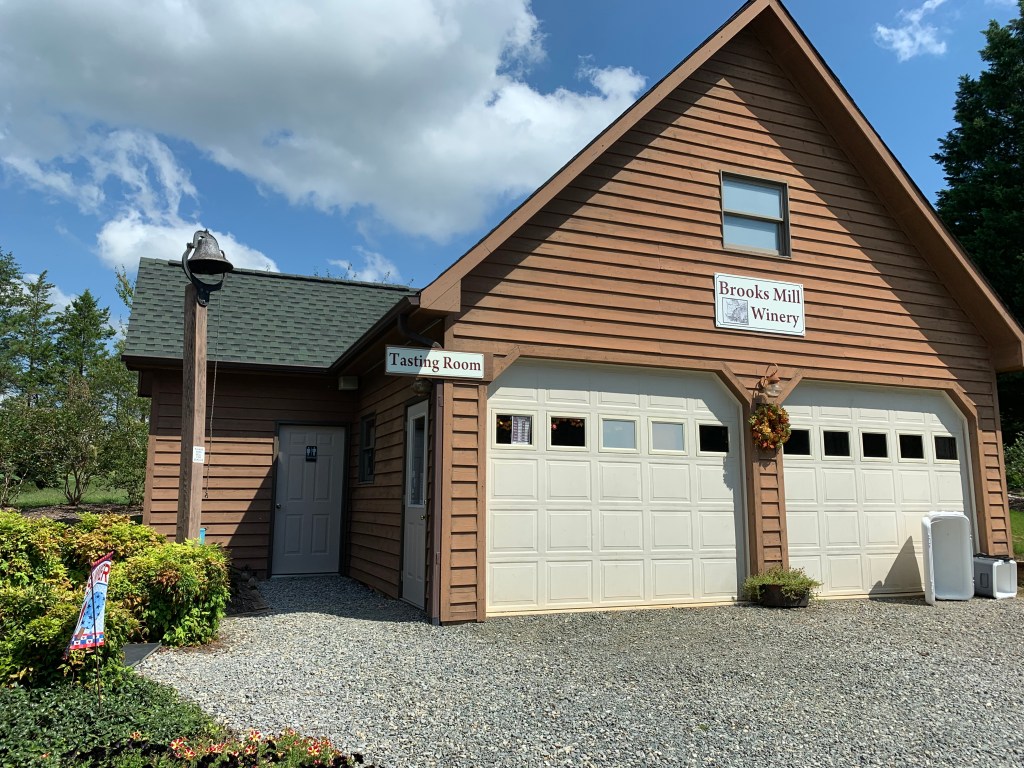
Brooks Mill is one of the least pretentious wineries I’ve ever visited. Located in a suburban neighborhood, its tasting room/production area is a converted garage next to the owner’s home. If the ‘winery’ is closed no worries – just ring the outdoor bell and someone will be with you shortly.

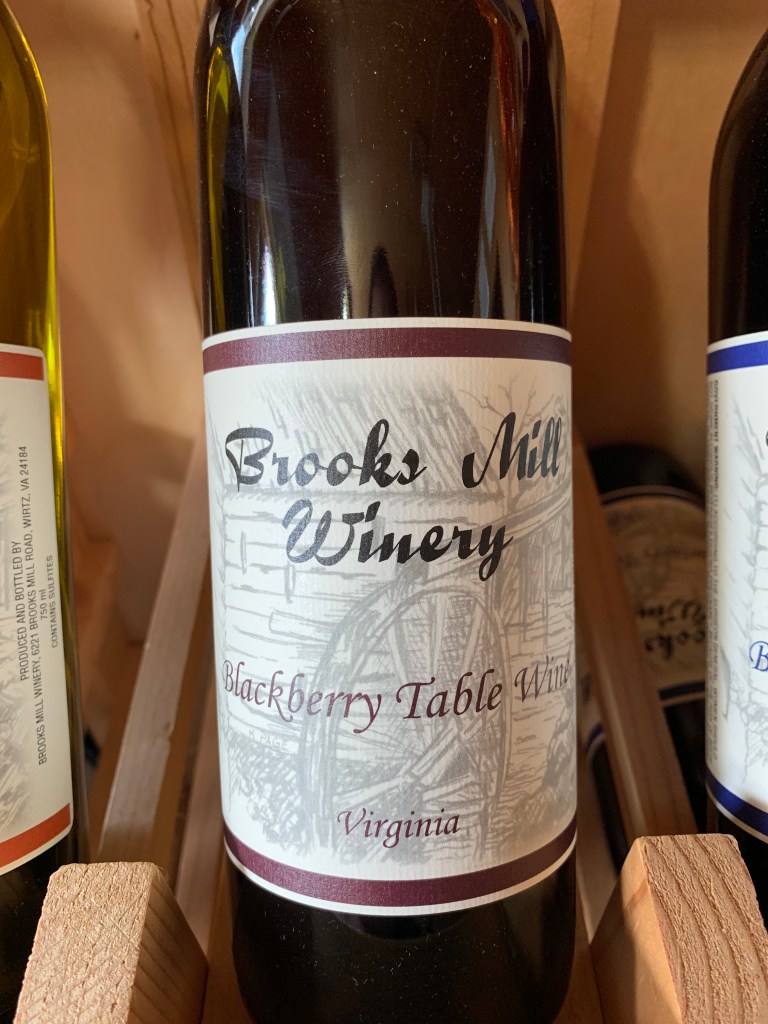
Co-owner Rhonda Page was my server; her husband is the wine maker. She explained how he loved blackberry wine so much he decided to make it himself; the hobby expanded from there. Now Brooks Mill (named after an old local landmark) has been open 10 years and produce all sorts of fruit wines – not just blackberry!

Rhonda explained a lot of their business comes from tourists visiting Smith Mountain Lake, although they are also active on the local festival circuit. Almost on cue a small party came in and sure enough – they were out-of-towners having fun at the lake’s campgrounds and beaches, and stopped here for a few bottles.

All the wine made at Brooks Mill is from fruit; not a single ‘grape’ wine was in sight. Almost all the fruit they use is local, with the blackberries coming from their own property.

Fruit wine has a reputation for being sweet, but I found my samples to be a mix of dry, sweet, and everything in between.

For the 100% fruit wines, I liked the semi-sweet plumb the best; it reminded me of a plumb-based desert. But the sweet blueberry and peach wines were also nice. Rhonda recommended the former with ice cream, and the later tasted exactly like the fruit it came from.

They also had a blend of Chambourcin and blueberry, made in a dry style. Actually this combo works well, as Chambourcin is naturally fruity already. But the sangria was by far my favorite of the trip. Made with maraschino cherries and Gatorade, they sell ‘kits’ for making this at home.

For such a tiny place, I really enjoyed my visit to Brooks. Fruit wine isn’t something I’d have all the time, but when it’s hot out I’d be happy go get a bottle from here.

Villa Appalaccia

While visiting new wineries was the focus of my last trip, some places are just so good you must visit them again. Villa Appalaccia is one such location.

When I made my first visit here in September 2018, it was at the end of the day and my notes weren’t all that great. So this time I called ahead (with the assistance at the great people at Stanburn) and was lucky enough that one of the owners was available for an interview. Needless to say, I scurried over as quickly as I could.
Visiting here is one of the prettiest drives in all of Virginia wine country – and that’s saying something. Villa is right off the Blue Ridge parkway. For those who have never been, you’re missing something special.

Tim and Julie Block took over the winery late last year. Both had long been in the corporate world but wanted to try something new, and realized they wanted a venture they could share with the family. While neither had a background in viticulture, Tim brought with him experience in the restaurant business and both had a love of wine. As new winery owners go, that’s at least as a good of a start as most that I’ve met!

Julie talked to me at length about how both of them fell in love with the local area – especially because of the similarities the Blue Ridge has with Tuscany. The previous owners were definitely inspired by Italy, and incorporated not only Tuscan-style architecture but Italian grapes as well.

Speaking of grapes – some of the varietals grown here can’t be found anywhere else in Virginia. Sure, a few places have Sangiovese, Pinot Grigio, or Aglianico. But Vermentino is VERY hard to find, and Villa is the only Virginia winery that I know of that has Corvina, Malvasia, Montepulciano, and Pinotivo. Julie explained many of these are very tough to grow in the local terroir, but in keeping with the Villa’s theme she seemed determined to keep as many Italian varietals as they could. All told they have 11 acres under vine, plus some other vinifera.

As for the styles of wine, all the whites are done in stainless, and the reds a mix of stainless and/or barrel. Even the styles of wine are reminiscent of Italy.

Pinot Grigio: Big mouthfeel, some citrus notes. Lots of character here.

Rosa: A nice, pink colored, prosecco-style Merlot rose.

2016 Sangiovese: Made in the soft Chianti style. Nice complexity, good fruit notes, more blackberry than strawberry notes.

2014 Toscanello: Based on a Super Tuscan, this blend has Cabernet Franc, Aglianico, and Sangiovese. The fruit is noticeable but not overly fruity.

Aglianico Reserve. Very nice! Some bramble fruit.

Raspberry Taxi: Tart by itself, but excellent with chocolate.
Some of the rarer wines were in short supply when I visited, so I suspect I’ll have to arrange a 3rd visit just to try the rest!