Maggie Malick Wine Caves

It’s fashionable to model your wines after Bordeaux. If not Bordeaux, then maybe Napa. But the owners of the “Wine Caves” decided to look for inspiration elsewhere. Because here, you’ll find wines reminiscent of not only the Rhone, but Uruguay as well – with a Virginia twist.

Maggie & Mark Malick are the namesakes of this place; she’s the wine maker and he’s the viticulturist. They got their start in the wine business in 2001 when they bought a Christmas tree farm and converted it into a vineyard. Today, they have 15 grape varieties on 30 planted acres. Considering how around 80% of Virginia’s wineries grow maybe 10 acres of vines or less – that’s a lot!

When I asked Mark if I could drop by to see the vineyard, he said sure – how about 8 AM? That wasn’t exactly what I had in mind but hey…when you visit a farmer, you need to work farmer’s hours. Fortunately he switched things up and I did a tasting in the early afternoon, followed by a tour of the vineyard.

Flag of Uruguay; Tannat is their national grape.

Even if you’ve never been to Maggie, you may have (indirectly) tasted the ‘fruit of their labor’. A large portion of their grapes are sold throughout Virginia – in part because they didn’t have the space to utilize everything they grew. That’s changing though; a new tasting building was almost ready to open when I visited, which should free more room for production and storage. Mark seemed especially happy that he wouldn’t have to sell his precious Tannat grapes.

Terroir is probably the most important ingredient to great wine, and this place knocks it out of the park. In a microclimate protected by the ridgelines of Loudoun Valley, Maggie has one of the most diverse vineyards I know about. Sure, they have your typical Bordeaux grapes. But beyond those they have varietals you just don’t see very often – including Albariño, Tannat, Malbec, and Tempranillo. But what really impressed me were the rows of Grenache, Syrah, Mourvèdre – the ingredients for their Rhone-inspired “GSM” blends which first sparked the Malick’s interest in winemaking. Mark admitted these grapes don’t do well in Virginia but he is too stubborn to give up – much to the benefit of the rest of us.

Mark, guarding the Tannat vines.

Maggie isn’t just an aerospace engineer; she’s a mad scientist. You’d have to be in order to create the concoctions they’ve produced. I’m talking about combos like a Tannat/Viognier blend (90%/10%), their “Duet” Chardonnay/Petit Manseng blend (50/50), and (coming up) a Tannat/Tempranillo blend. I’ve seen a few Tannat/Petit Verdot blends around (and Maggie has one of those too), but I’d dare anybody to show me another Virginia wine maker with this breadth of experimentation.

Maggie at a previous barrel tasting, likely holding her Tannat/Viognier blend

As much as I enjoyed my vineyard joy ride and conversations, the best part of any winery visit is to taste the wines. I was VERY lucky as they brought out several bottles that weren’t readily available. What I tried:

2017 Petit Manseng (sweet): 2% residual sugar so it had its sweetness. Orange peel notes, heavy, but not desert-wine sweet

2018 Petit Manseng (dry): Grapefruit notes, made in steel.

2018 Viognier: Melon notes, soft but not overly floral

2018 Rose: Made with Cabernet Sauvignon! I don’t see many Virginia Roses made with Cab, although that was almost certainly due to 2018 being a horribly wet year.

2018 Sunset Sonata (Rose): Off dry, rich with notes of strawberry

2015 Cabernet Franc: Plumb or cherry notes, which is a major departure from the bell pepper or leather flavors I often find in Virginian Cab Francs. It also seemed a little vegetal, which in this particular case was not a negative descriptor in any way.

2016 Cabernet Franc: Rich but young nose. Spiced up with 8% Tannat, which made me VERY happy (I’m a Tannat fanatic)

2016 Mourvèdre: Earthy, maybe a little vegetal (again – this is the rare case where this is not a negative). My server recommended leaving this one open for an especially long time.

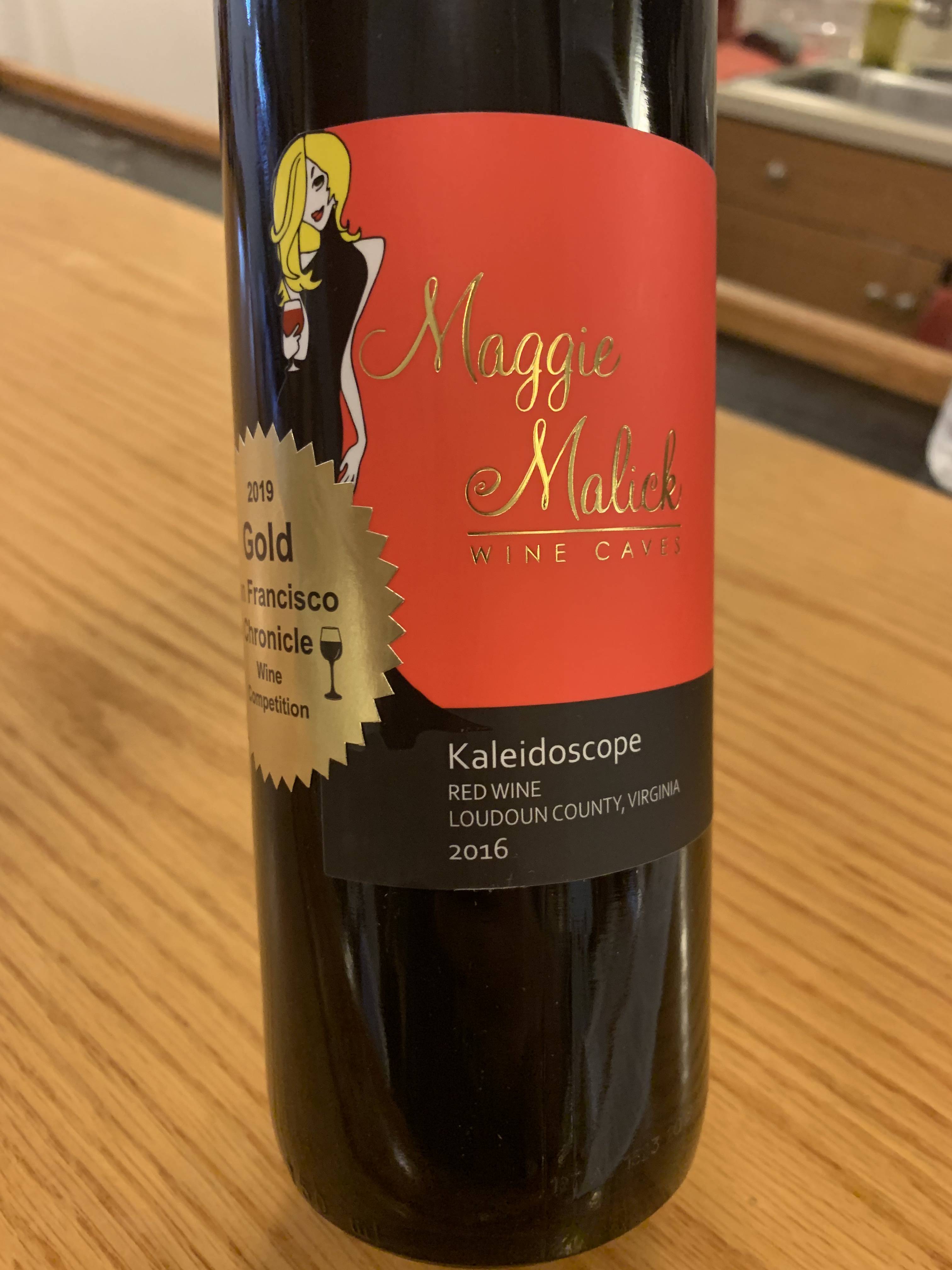
2016 Kaleidoscope (Bordeaux blend): Very good & rich.

2016 Tannat: Now we’re talking! Fruit on the nose, good tannin and acid. I still haven’t forgiven myself for not grabbing their double-gold 2014 Tannat when I had the chance…

2018 Duet (50/50 Chardonnay/Petit Manseng): Unusual blend made in Hungarian oak that may have been a way to experiment with the rain-soaked 2018 grapes. Very complex; you definitely got the Petit Manseng and it tasted heavy on the tongue but this quality was mitigated by the Chardonnay. I ended up buying a bottle so I could show it off.

2018 Sauvignon Blanc: Melon notes and nice acid.

Forever Farm and Vineyard

Forever Farm is a passion project for a couple who apparently thinks ‘retirement’ equals ‘more work’. Originally from New Jersey, Bob and Teri Riggs caught the wine-bug while living in California and for some crazy reason decided to open a winery on their new home in Virginia. “Retirement” as a farmer/wine maker; hey, if you love it then it’s not really work, is it?

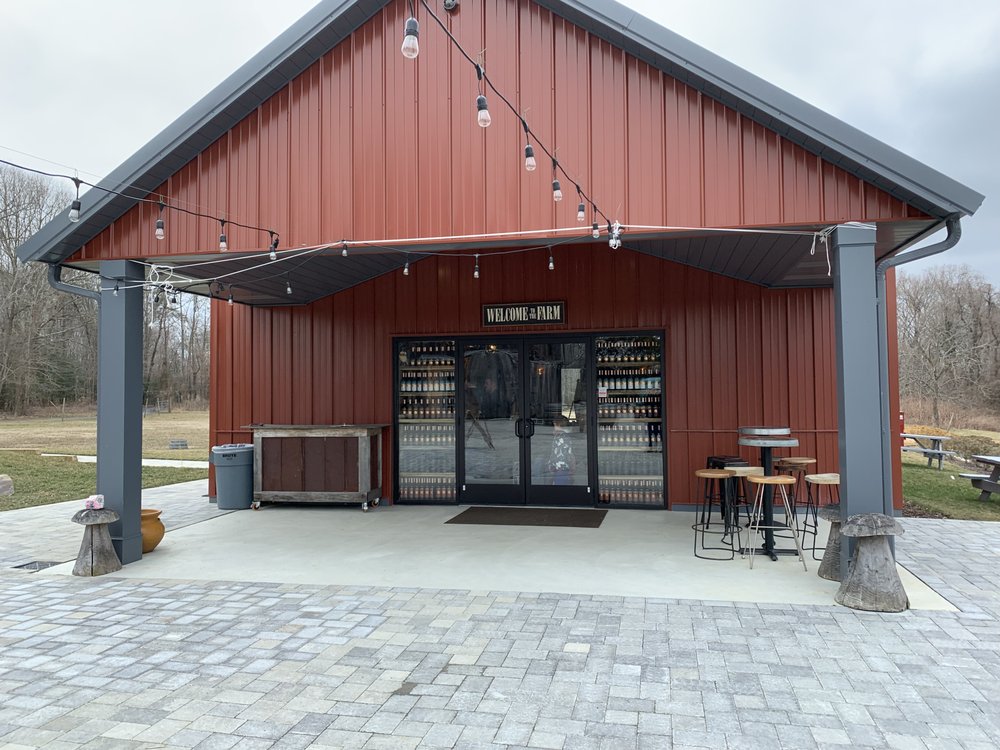
The farm is tiny; just under 2 acres of grapes are planted (they get more fruit from elsewhere) plus a small tasting room right next to the barn. For the time being they are strictly appointment only, but may change things up once they grow their inventory of wines & get into the rhythm of running the joint.

Cabernet Franc and Cabernet Sauvignon are planted, but the majority are hybrids like Chardonel and Chambourcin. They also have Noriet, Geneva Red, and Corot Noir; Cornell University hybrids that are especially hardy. It’s a smart choice; too many places try to grow grapes they like rather than what the terroir dictates, so these should do the owners well.

I made an appointment on their opening weekend. When I arrived the place was hopping! Bob & Teri took turns giving me the lowdown of the property while pouring my tasting, and afterwards I settled down with a glass of their Boykin blend. Even their son got in on the fun. A practicing Yogi visiting home from India (!), he’s also the photographer responsible for the pictures on several of their bottles.
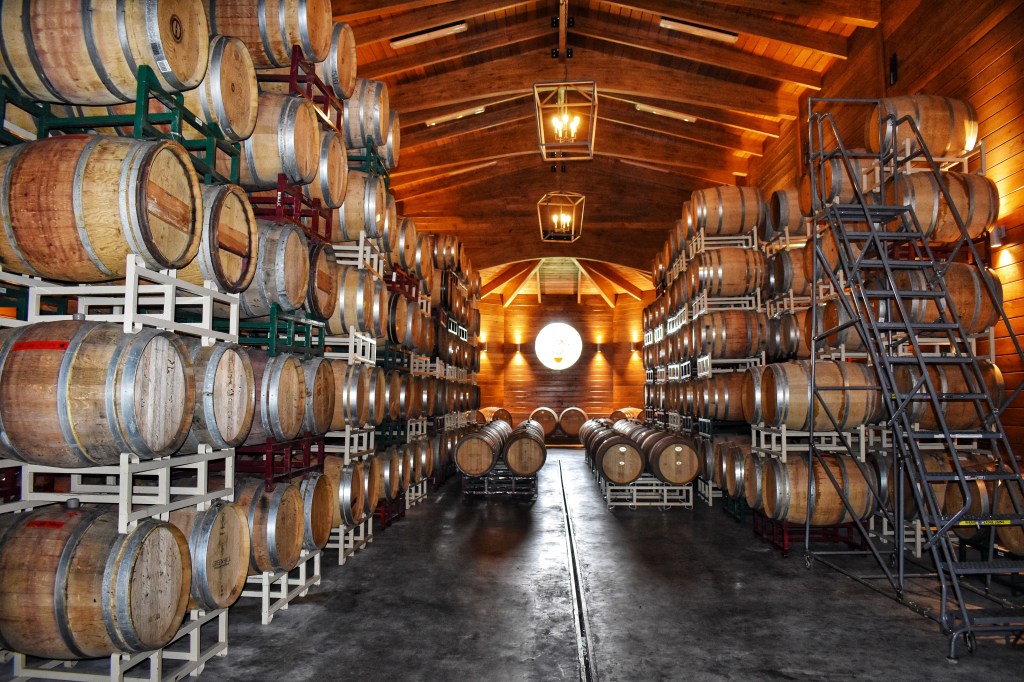
Since they don’t have a lot of estate wines, Forever Farm is supplementing them with bottles from a local distributor. Not surprisingly a few were Italian wines (Bob’s Italian heritage is another inspiration for wine making) but overall it was an eclectic mix of purchased bottles, estate wines, and wines made with locally-sourced fruit.

Of the wines they made, what I tried:

White Oak (white blend): Chardonnay and Chardonnel; big mouthfeel.

Rose: Made with Cabernet Franc; soft but not sweet.

Boykin (red blend): Named after their (dearly departed) dog George, it was a blend of Chambourcin, Merlot, and some Cab Sauv. I already liked it, but if you’re a dog lover you’d enjoy the fact that $1 gets donated to a Boykin Spaniel Rescue charity.

I enjoyed my visit! Try a glass while relaxing near the pond.

Veritas Vineyard & Winery

I have a special affection for Veritas, as it’s the spot of my first overnight trip in Charlottesville. It was my 40th birthday and my present to myself was to stay at their B&B down the road – The Farmhouse. Needless to say, it was a pretty awesome birthday. Do the dinner – it’s worth it!

This time I arranged a tour. My guide was George Hodson, a member of the clan that runs the place. His parents founded Veritas in 1999, way before Virginia wine tourism was even a thing. Now, at 15K cases/year Veritas is one of the larger producers in the area. But it’s still a family run operation, with all three kids working various roles including that of Veritas’ head wine maker.

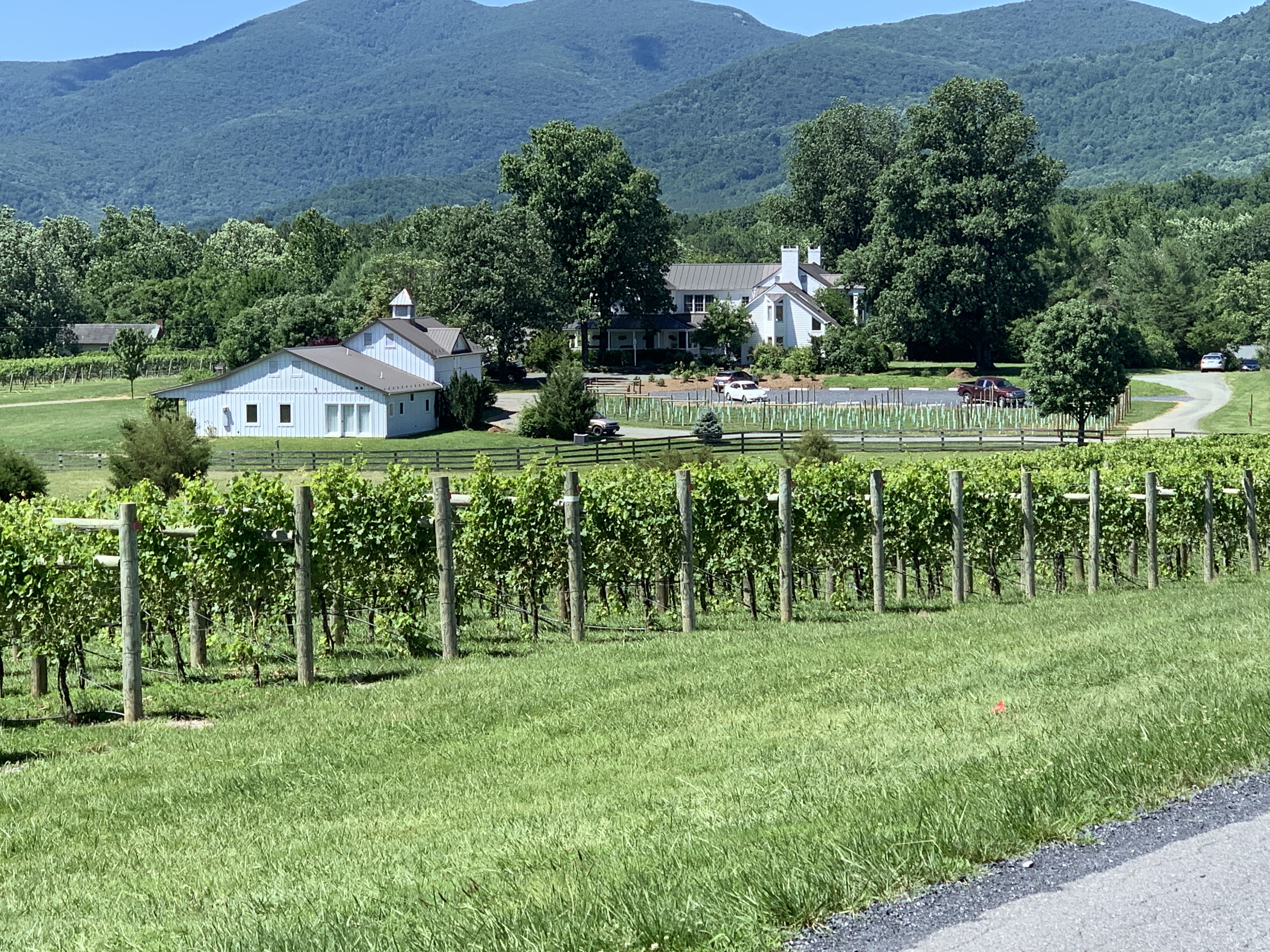
Since I’m all about dirt we started my visit with a tour of Veritas’ 60 acre vineyard (another 30 acres are offsite). Standing at the top of the hill I could quickly see this location is exceptionally suited for vinifera. Nearby Rockfish Gap gives their vines excellent airflow, and with an elevation between 700-1400 feet they are less susceptible to frost damage. Since good fruit is always the basis of good wine, this was a positive indicator of things to come.

Veritas tends to be traditional in the grapes they grow & styles of wines, but they weren’t trying to duplicate France or – even worse – California. I found plenty French grapes and some hybrids (hello Chambourcin and Traminette), but no Cabernet Sauvignon. Oddly enough this was a plus for me, because too many Virginia wineries plant grapes that simply aren’t suited to our terroir. That said, Emily Pelton – one of Virginia’s few lady winemakers – is also the winemaker at Flying Fox down the road, where she gets to showcase her experimental side.

The Farmhouse at Veritas

We did a return trip to the tasting room to try some of Emily’s wines. I liked all of them, but they definitely saved the best ones for last. What I had:

2018 Sauvignon Blanc: Good acid; green apples notes and some tartness

2017 Viognier: Unlike a lot of Viogniers this was not overly floral. 5 months neutral oak. Noticeable body & mouthfeel.

2017 Harlequin (Chardonnay): Some butter, a touch of oak, apple notes.

2014 Petit Manseng (Petit Manseng dessert wine): Dry & heavy on the tongue, 14.2% alcohol.

White Star (white blend): You could tell based on the nose this had some Traminette; easy drinking wine.

2018 Rose: Beautiful pink color! I’m a sucker for Roses that ‘look’ like how I think a Rose should look.

2017 Cabernet Franc: Soft and (relatively) mild; only a little bit of spice. But no tobacco or bell pepper notes, which I find many places tend to overemphasize. Definitely a well-made Cab Franc.

2017 Claret (Bordeaux blend): 8 months in oak; black fruit with some tannin.

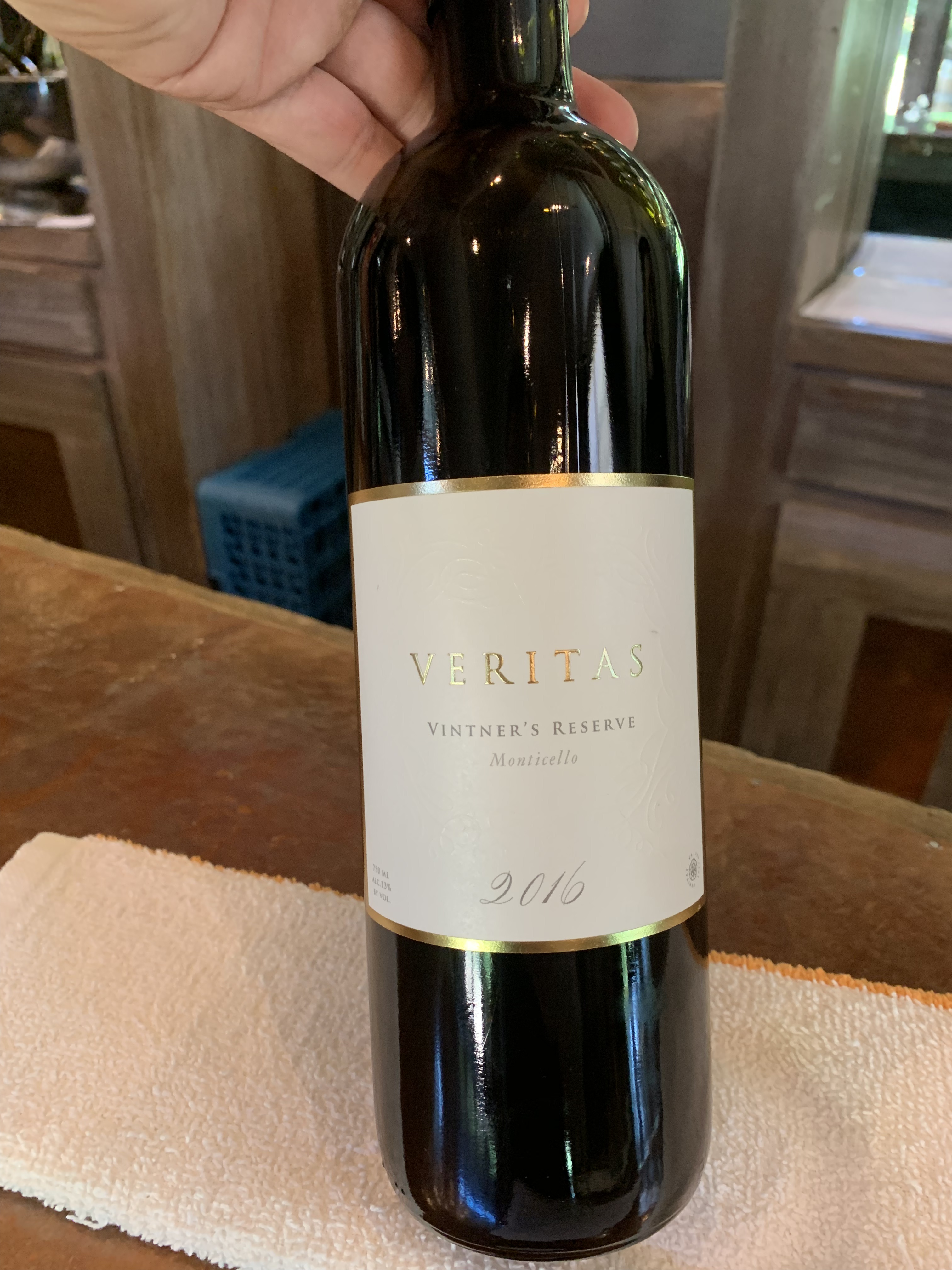
2016 Vintner’s Reserve: Now we’re talking! Petit Verdot heavy; as a PV fan you can excuse me if I savored this longer than my previous servings. Restrained tannins; the mouthfeel spread out nicely. This was my favorite of the bunch…until…

2016 Petit Verdot: 16 months French Oak. To me this is the quintessential Virginia grape, so forgive me if my love of the Vintner’s Reserve was quickly displaced.

Red Star: Blend but heavy on the Chambourcin; another easy drinking red.

Othello’s port-style: Malbec and Tannat, which I found an unusual blend but they played well together. Not alcohol-y but still bold while retaining the fruitiness. Definitely one of the nicer ports I’ve had in a while (PS – Tannat is up there with PV for favorite grapes).

Last but not least was their Kenmar Ice-style wine, where the grapes are flash-frozen. I enjoyed it – especially since I don’t often get to try many in this area.

Not tried this time was their kitchen or an outdoor concert – maybe next time?

Early Mountain Vineyard

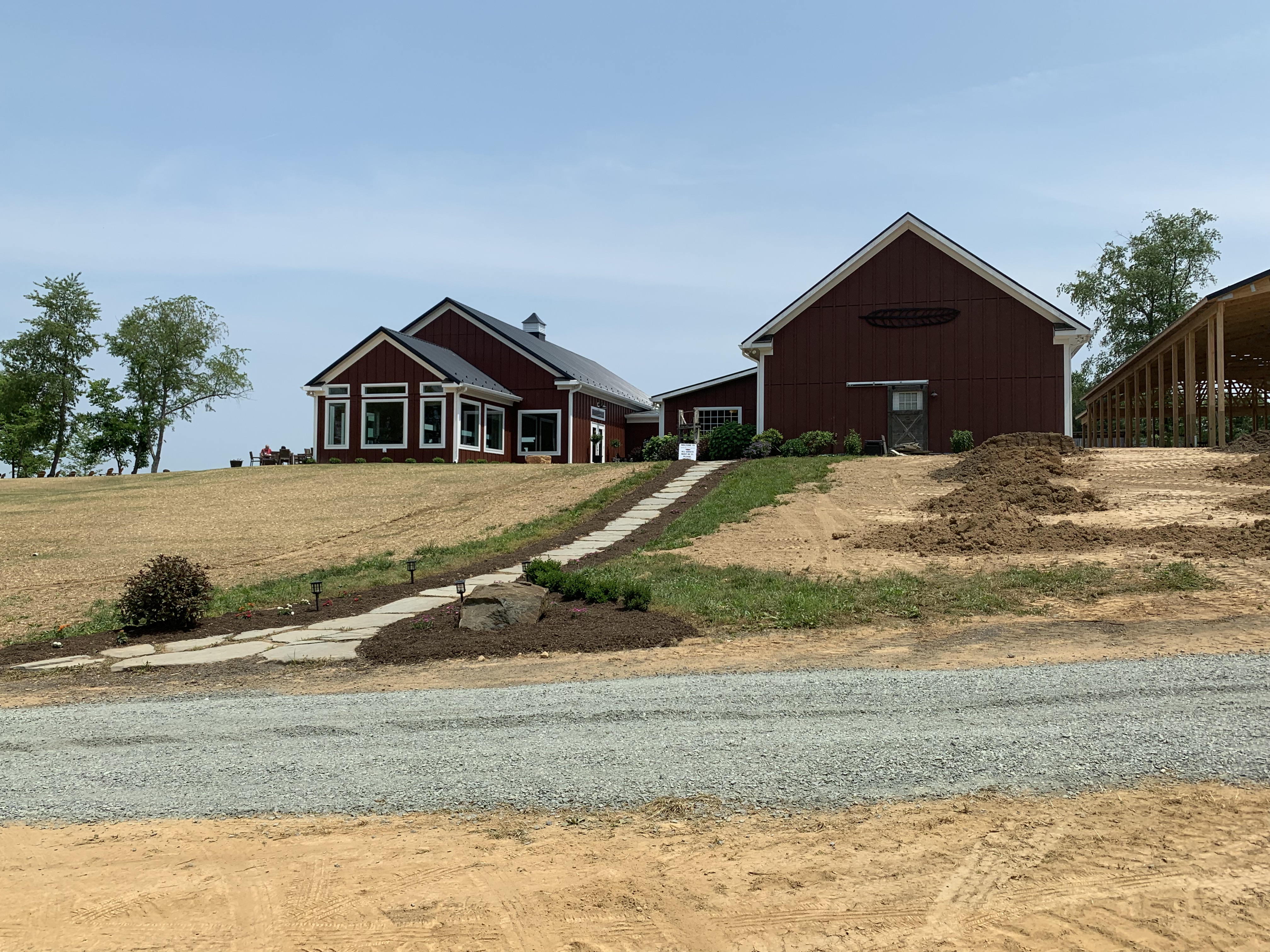
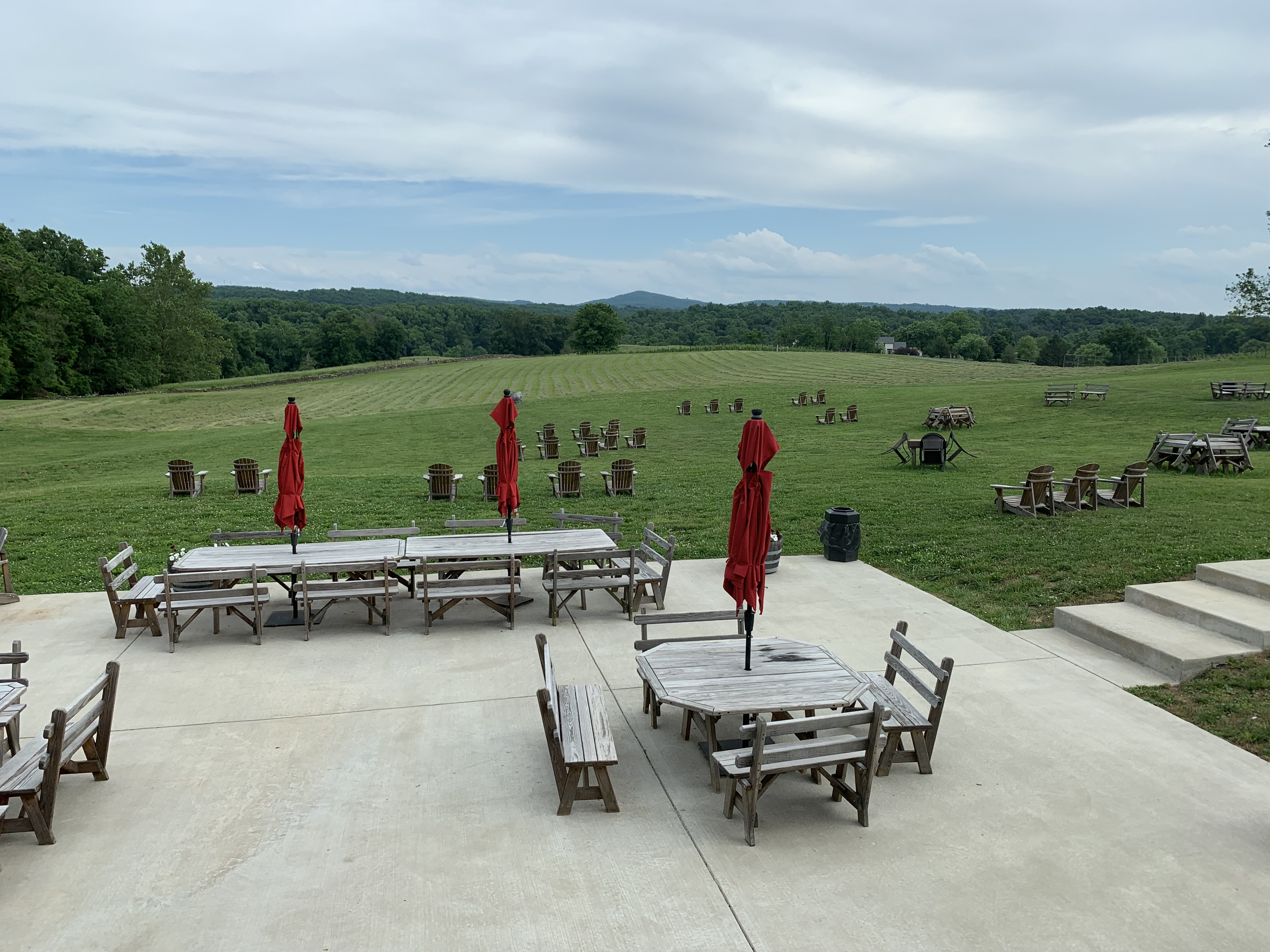
Early Mountain is everything that I would hope for in a winery. First off, the entire building is amazing to look at. The people who built it didn’t skimp on the details, be it a huge indoor space or a conference room decorated with wine bottles. Flight of wine? Yes please – take your choice of several options. Maybe a bite to eat? OK sure – here’s a menu from their kitchen. Maybe you’d like to sit outside on the porch? No problem – just check out the patio, where the view goes on for miles.

I’d been here several times, but it had always been on the tail end of a larger trip. This time, my taste buds came prepared for a more extensive visit.

With 35 acres of vines on this property (plus 20 on their leased Quaker Run site) they have a lot of fruit to choose from. While 90% of their grapes are estate, they do the usual horse-trading for grapes from other Virginia wineries. They make around 10,000 cases/year, plus their custom crush operation.

Ben Jordan is their wine maker. The guy has a fascinating back-story; he bounced around several jobs before landing at Early Mountain, including a previous stint as a playwright. Playwright to wine maker? This dude needs to write an autobiography. But when no less that Jay Youmans (the man in charge of the annual Virginia Governor’s Cup competition) tells you that he’s a guy to keep your eye on, you pay attention.

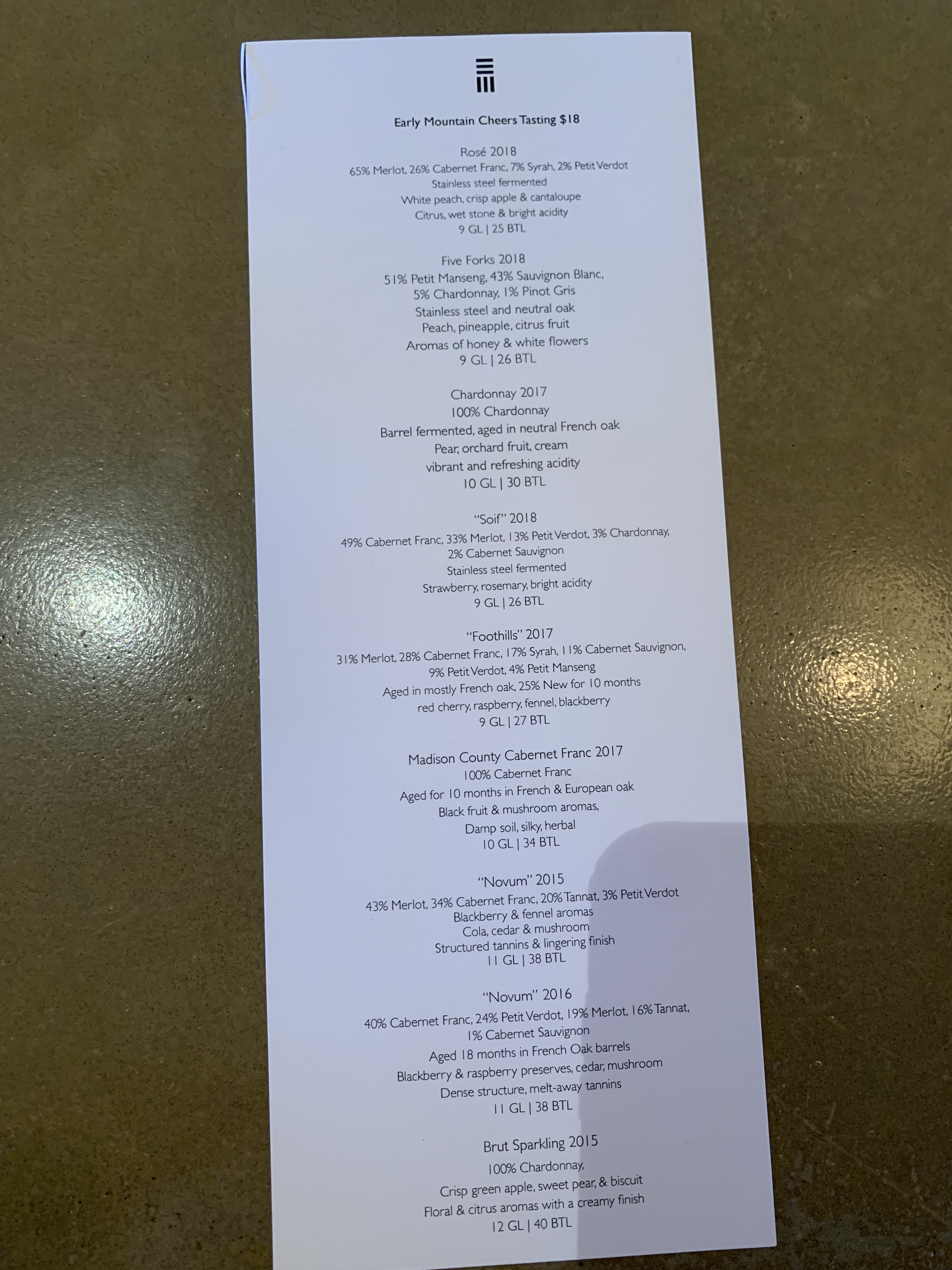
I went with the extended tasting (because why wouldn’t you?). One thing I learned is Ben REALLY likes blends, even if it was just a dash of something out of the ordinary. Several reds had a little Tannat or Syrah…or even more fascinating…a tiny amount of Petit Manseng or Chardonnay. Wait – white wine in my reds?! But hey – I loved them, so no complaints here.

What I tried:

2018 Rose: Made in steel; Merlot-heavy red blend with great color.

5 Forks white blend: Petit Manseng & Sauv Blanc, with a splash of Chardonnay and Pinot Gris. Very complex, creamy nose with notes of leche.

2017 Chardonnay: The French oak was noticeable but not overpowering, thanks to using neutral barrels. Nice acid; I liked this one a lot.

Soif (pronounced “Swaff”): A Cab Franc/Merlot blend with a little Petit Verdot and 3% Chardonnay. Made in stainless, which I suspect made the fruitiness more pronounced and lower on the tannins. Reminded me of a Beaujolais.

2017 Foothills: 6 blends; your traditional Bordeaux styles (minus Malbec) plus some Syrah and a smaller portion of Petit Manseng. Liked it a lot; nice raspberry notes.

2017 Cabernet Franc: Smooth but with a little spice. None of the tobacco or pepper notes that I’m accustomed to in other Cab Francs.

2015 Novum (red blend): I loved the nose!!! I swear I could nurse this glass for an hour before sipping it. Again with the raspberry notes on the palate.

2016 Novum: Another red blend, but heavier on the Merlot (which I found very pronounced). Nice medium body with noticeable fruit but not entirely fruit-forward.

I shouldn’t forget one of the coolest thing about their wine flights – they also have a rotating flight of wines from other Virginia wineries. Last time I was here, I had Ankida Ridge’s Pinot Noir. The time before that, a set of wines from southern Virginia. The philosophy is that when Virginia wines can enter the spotlight, all of Virginia wins. So why not give harder to find Virginia wines the chance to find an audience here? It’s a great concept, since as the old adage goes – a rising tide really does raise all boats.

A special shout-out to Aileen Seiver, Early Mountain’s director of marketing who kindly gave me a tour. Aileen has a really tough job; in marketing Early Mountain, she also takes visitors to other Virginia wineries like Afton Mountain and RdV (I’m sure there’s work in there somewhere).

Slater Run Vineyard

Slater Run is a new-ish winery that has long had a nearby tasting room/wine store, but only recently expanded its seasonal tasting room at the owner’s home/vineyard into a facility that can be open all year. While I liked the old setup, the new room is very roomy and posh. But even better is the view of the hills and vineyards right outside. At 1,000 cases/year they are still on the small side, but with 12 acres of vines they have plenty of room to expand.

This location has a very ‘adults only’ vibe (and no pets allowed either). I know some will not appreciate that, but given there’s a slew of dog and family friendly locations down the road I think it’s nice to have something only for the grownups.

Their wine maker is Katell Griaud. She’s worked in Virginia a number of years, mainly in Charlottesville but also as an advisor to nearby Casanel. As you can imagine, her wines are stylistically similar to French wines; the reds tend to be blends, the whites very crisp, and everything is made in French Oak. They even have a desert wine from Katell’s family’s winery in France.

What truly blew me away is Slater Run has the rare distinction of one of the few wineries that I liked-to-loved EVERYTHING on the tasting menu. Seriously…there wasn’t a single ‘meh’ wine in the lot.

What I tried:

Pinot Gris: Made dry but could fool a sweet wine lover

Chardonnay: Strong green apple notes

Rose: Amazing pinkish color, made in the Provence style (of course)

Cabernet Franc: Bramble fruit notes

First Bridge red blend: Cab Franc & Merlot heavy; everything just balanced together very nicely

Roots red blend: Right-bank style that was bolder than the First Bridge. 45% Cab Sauv, 25% Cab Franc, 20% Petit Verdot, 10% Merlot.

KALIAN desert-style wine: Almost syrupy; I liked it but you’d have to be a desert wine lover to really enjoy it.

Quattro Goombas

Quattro Goombas – an Italian term for ‘4 friends’ – is a winery/brewery combo near-ish Middleburg. While they don’t have vineyards of their own, they do source some of their grapes from Virginia, with the rest coming from…well…all over!

I visited early on a Saturday but the place was already getting busy. Fortunately the crowd inside cleared out, and soon I had the tasting associate all to myself. Not only that, she very kindly allowed me to sample a few extra items that I might not otherwise have had.

While I didn’t visit the brewery this trip, next time I will. They also make great pizza on site, and changes to Virginia law has made it possible to take your beer and/or wine anywhere on the property. Brewery-winery combos are a new thing in Virginia, but this place is one of the originals.

What I tried:

  • Pinot Gris: Well balanced; clean mouthfeel initially but the fruit came out afterwards
  • Chardonnay: Light oak was noticeable plus bright acid
  • Sorelle (off-dry Riesling): You’d think it’s sweeter than it is, but the grape is fooling you
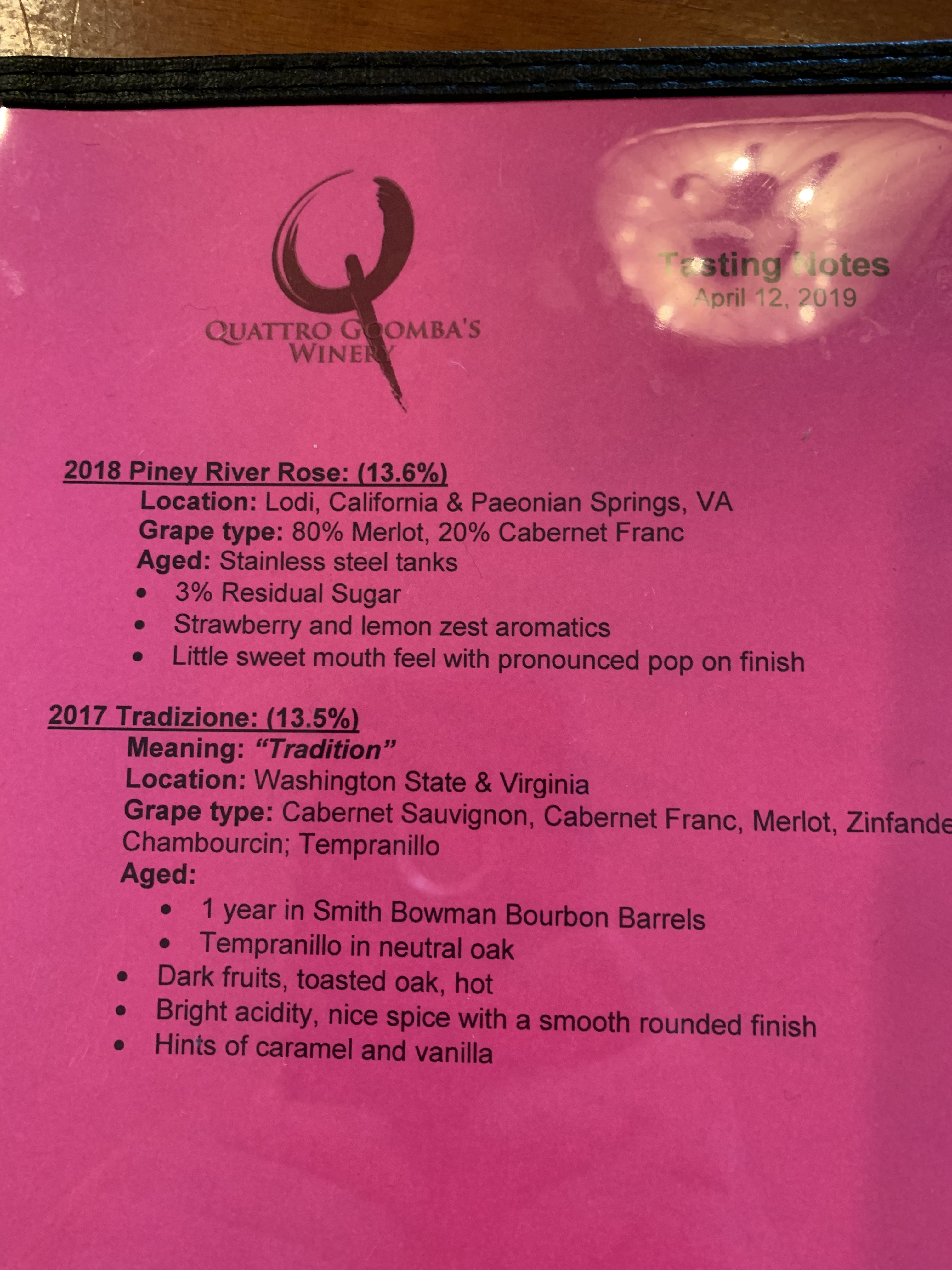
  • Rose (Lodi, California): Clean with a tint of strawberry
  • Piney River (Chambourcin heavy, w/Cab Franc): Very fruit driven
  • Zinfandel (with an assist with some Cab Sauv and Merlot): No notes on this one!
  • Curico (red blend): Chilian grapes; big and bold
  • Petit Verdot: Virginia fruit; unusually fruity instead of bold like I’m accustomed to
  • Traditione (Washington state and VA fruit): Very rich mouthfeel, made in a bourbon barrel

Greenhill Vineyard

When I think of Greenhill, the terms ‘classy’ and ‘swanky’ come to mind. The tasting room reminds me of a French country house with windows overlooking a vineyard. And if that’s not enough, the members tasting room is a manor house, just down the road. Like I said – swanky!

Mike Shaps is the current winemaker, although many of the current vintages were made under Sebastien Marquet. Both guys are great fits for this place. I’ve always loved Sebastien’s wines (he also used to service Doukenie) but I suspect Mike Shaps will kick it up yet another notch. Working with 14 acres under vine (maybe more off site as well), this gives Greenhill a fair amount of leeway in their production.

Given the surroundings, this is definitely an adults-only, no dogs experience. Luckily I was able to grab a spot on the patio outside and order some snacks and my flight from there. That’s right! While you can certainly taste wine at the bar, they likewise offer seated tastings. Classy – remember?

As you would expect from a winery that definitely gets their inspiration from France, they have amazing chardonnays, red blends, and sparklings. Luckily my server was kind enough to give me a few on top of the usual options.

What I tried:

2017 Chardonnay: Soft, with a tad of butter but actually made in steel

2017 Reserve Chardonnay: Amazing! Very aromatic and expressive. French oak

2017 Ontology: Made with Chambourcin, although I never would have guessed it. While Chambourcin is usually fruity, this was unusually bold and the fruit was more subtle. This was the surprise of the bunch

Philosophy: Very close for 2nd favorite. Ripe red fruit flavors. Red blend with 27% Cab Sauv but also with Cab Franc, Merlot and Petit Verdot

2016 Mythology: 80% Merlot 20% Petit Verdot, 15 months French Oak

2017 Petit Verdot: Tasting young. As PVs go, this wasn’t overly bold either. Surprisingly only 6 months in French oak! Still liked it

2016 Superstition: Syrah heavy, medium weight

2017 Riesling: Estate wine. Some tropical fruit, especially honeydew

2017 Seyval Blanc: Strong notes of honeydew, very easy drinking

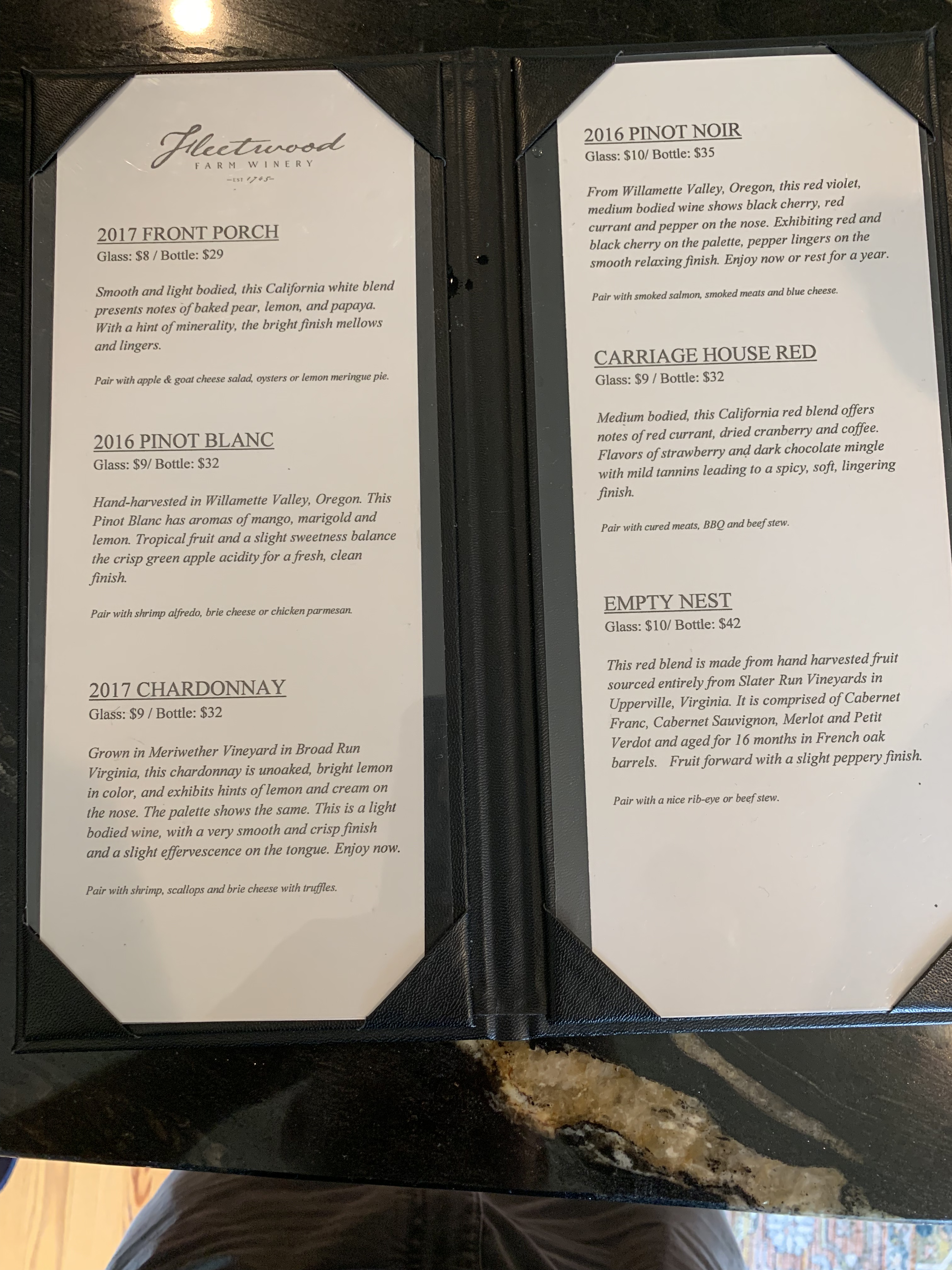
Fleetwood Farm

Fleetwood is a colonial-style farm farmhouse which was converted into a tasting room. The owners have a landscaping business and it shows; the building is a nice combination of Colonial Williamsburg and modernistic. Literally everything on the inside is nicely appointed and the outside is well manicured.

While they advertise themselves as a winery, the vibe felt very much like an upscale wine tasting bar. The lawn has a view of the 4 acre vineyard (all Norton right now), and there’s an outside building for events. When I asked about their business model, their manager told me her intent is to put a lot of emphasis on wine education – although I also see this place being a big wedding destination. They even had several sommeliers on staff, which is unusual for a winery.

The home is very historic as well; I didn’t get to do a full tour, but they did have a plaque celebrating a visit by George Washington. Yep; it’s good to be Virginia gentry, since you only stay in the finest places. They also have the original smokehouse next to the tasting room.

Two options were available when I visited; a tasting of just rose & sparklings, and a separate tasting composed of their house wines & ‘visiting’ wines. These rotate fairly quickly, so if you like something grab it while you can! On my previous visit I had a Virginia Petit Verdot (presently their wine maker is Pearmund Cellars), although this time my favorite was a rose from India. The charcuterie board was also pretty amazing.

If you’re in the mood for an adults-only experience – especially if they have music outside – this is a great option!

Great Frogs Winery

Great Frogs is a place I’d had my eye on for a while before I visited. While it’s a legit vineyard, it has a very urban feel to it since it’s literally right outside Annapolis. At over $30 a tasting (online bookings only), I figured it would deliver a different experience than most.

My guests and I were quickly greeted upon our arrival with a seat at the bar. 6 x wines were served, along with small snacks. The tasting room was on the small side, but given it was delivering a more personalized tasting event I don’t see why it needed to be any bigger than it was.

Their wines are mostly if not entirely estate, with 15 x acres under vine (both on this property and others).  While the grapes were the same Bordeaux or hybrid grapes that I’ve been long accustomed to, I was genuinely surprised by what they did with them. Some were very unique blends; others had tasting profiles I never would have expected. Definitely worth a revisit.

What I tried

  • Chardonnay: Toasty, with salted caramel notes. Very nice Chard that I’d happily try again.
  • “Tanyard”: A Vidal/Chambourcin combo that sorta reminded me of rose but wasn’t rose. Fuller bodied than I would have given it credit for.
  • Cab Franc: Some spice but still smooth.
  • Vintner’s Reserve: Bolder red but with a good vanilla nose. Spice and pomegranate notes.
  • Cold Blooded: Made in Minnesota Oak. Earthy nose and on the palate.
  • Atomic 29: Reminded me of cherry soda (in a good way)