
Few Virginia wineries have what are sometimes called ‘old vines’. Those that do will most likely happily let you know about them, with the implication that “old vines = better wines”.
But what does the term ‘old vines’ actually mean, and why are they important?
There is no legal definition for what constitutes a wine made with ‘old vines,’ although private organizations have their own criteria.
In 2024, the International Organization of Vine and Wine defined an “old vine” as a plant that is documented to be 35 years or older. Plots where 85% of such vines meet this criterion may be considered ‘old vineyards.’ Several other organizations, including the South African Old Vine Project and the Old Vine Registry, use these definitions.
The Historic Vineyard Society has a different set of criteria, only certifying California vineyards with vines that are a minimum of 50 years old and when at least 1/3rd of producing vines can be traced to the original planting.
Few old vines exist in Virginia. Prohibition wiped out Virginia’s wine industry, and it wasn’t until the 1970s that it started making a comeback. Even Virginia’s oldest wineries seldom have anything left of their original vineyards.
Fortunately, a number of older vineyard plots do survive. Such vines are living time capsules, representing the kind of wines Virginia’s viticultural trail blazers thought would perform best.
Many of these surviving vines are Burgundy or Bordeaux varieties that remain popular today. Chardonnay is still produced at Virginia’s two oldest commercial vineyards, Meriwether Vineyard and Montdomaine Vineyard. Founded in 1976 and located at Pearmund Cellars, Meriwether is recognized by the Old Vine Registry as Virginia’s oldest vineyard. Montdomaine was founded in 1978 and is located just below Michael Shaps Winery.

Older vineyards are also the home of varieties that were once more prevalent in the state. Cool-climate vines often struggle in Virginia, a fact only appreciated after decades of trial-and-error. While many wineries have since torn out their riesling, Gray Ghost Vineyards, Shenandoah Vineyards, and a handful of others still tend to their plots.
Virginia’s first vineyards also widely utilized French American hybrid grapes, such as chambourcin and seyval blanc. These vines are relatively easier to maintain; an important consideration in a then-young industry with little institutional knowledge of how to handle more finicky vinifera.
Why Winemakers Prize Older Vines
A well-tended grape vine can last 50 years or more, which makes ‘old vine’ status obtainable. The “Mother Vine” in Roanoke, considered the oldest grapevine in North America, was first recorded in 1584.
While younger vines are more productive, older ones are often thought to produce higher quality fruit. The reasons for this are complex, but much of the credit goes to how older vines have deeper root systems.
Deep roots allow older vines to more easily access water and nutrients that are inaccessible to younger vines, which is especially beneficial during periods of drought. This more balanced intake allows them to create more complex, intensely flavored fruit.
Older vines have an additional advantage in wet regions, such as Virginia.
The roots of younger vines are more likely to become saturated during periods of heavy rainfall, diluting their fruit’s flavor profile.
Older vines are less likely to encounter this problem. The soil above them acts like a shield, preventing water from penetrating to the roots far below. This allows their fruit to maintain good chemistry, despite pre-harvest deluges.
Linden Vineyards winegrower Jim Law has observed older blocks have additional benefits beyond deep roots.
“Older vines sometimes ripen up to 10 days later. This helps keep them in the sweet spot of late September/early October when nights are cool; a big advantage in our warmer climate. They are also more homogenous, which leads to more synchronistic ripening. This is important for quality,” he wrote over email.

Even so, it’s overly simplistic to assume old vines are superior to younger ones, according to winegrower David Lambert. David manages the winegrowing at both Shenandoah Vineyards and Stoney Creek Vineyards, two of the oldest in the state.
In answering a question about the quality of ‘old vine’ wine, David opined, “The answer is not as simple as old vines vs. young vines. Newer clones are superior to the older clones with questionable genetics. In particular, the 2018 riesling plantings at Shenandoah Vineyards ripen fruit sooner, have clusters that are looser, and are less prone to bunch rots, allowing them to produce wine superior to our 1981 riesling plants.”
Finding “Old Vine” Wine In Virginia
There are opportunities to sample wine from Virginia’s oldest vines, if you know where to look.
Pearmund Cellars is one of the few wineries in Virginia that makes wine exclusively from ‘old vine’ blocks. Next year Pearmund will celebrate the 50th anniversary of its Meriwether Vineyard with a special labeling of its “Old Vine” chardonnay, vinified from these blocks.
Gray Ghost Vineyards produces a Reserve Cabernet Sauvignon that is only made from its 1988 block. Fruit from these vines have been consistent award winners, most recently earning a Best in Class award from the 2024 East Meets West Challenge at Santa Rosa, California.
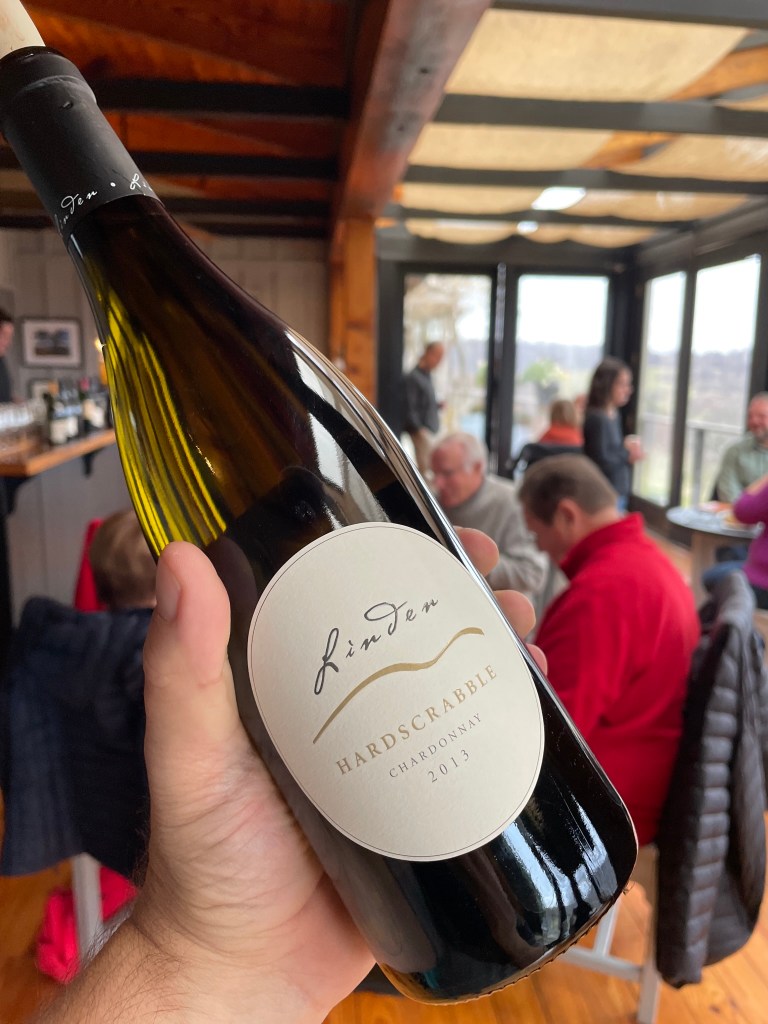
Linden Vineyards uses fruit from its 1985 and 1988 blocks (as well as its 2010 block) for its Hardscrabble Chardonnay, although the proportions differ every year.
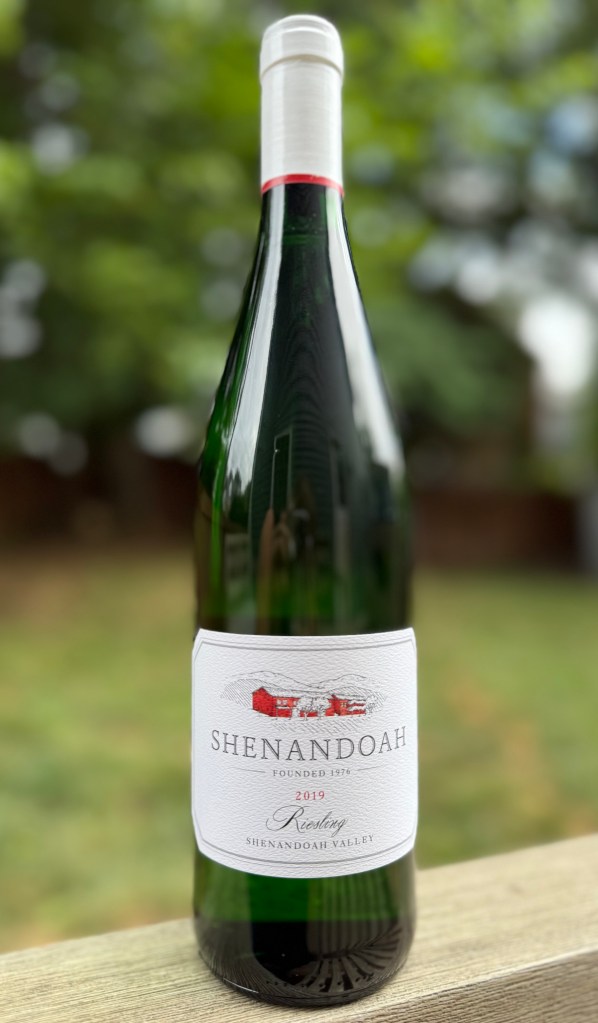
Shenandoah Vineyards’ 2019 Riesling, made with vines planted in 1981, won Gold at the 2023 Virginia Governor’s Cup.
If you ever find yourself at a vineyard with old, gnarly trunks – ask about them! There’s likely a story behind how they’ve persevered.




 Wine Trails and Wanderlust