
Several years ago while visiting wineries around Charlottesville, I encountered a curious sight. In the city that is the epicenter of Virginia wine was…a sake brewery.
What? Sake??? In Virginia?

Yet thinking about it, my surprise was misplaced. Sake exports from Japan have more than doubled from 2012 to 2022, according to figures provided by the Japanese Sake & Shochu Makers Association. Not only is the US the world’s top sake importer, there’s a growing local sake industry as well.
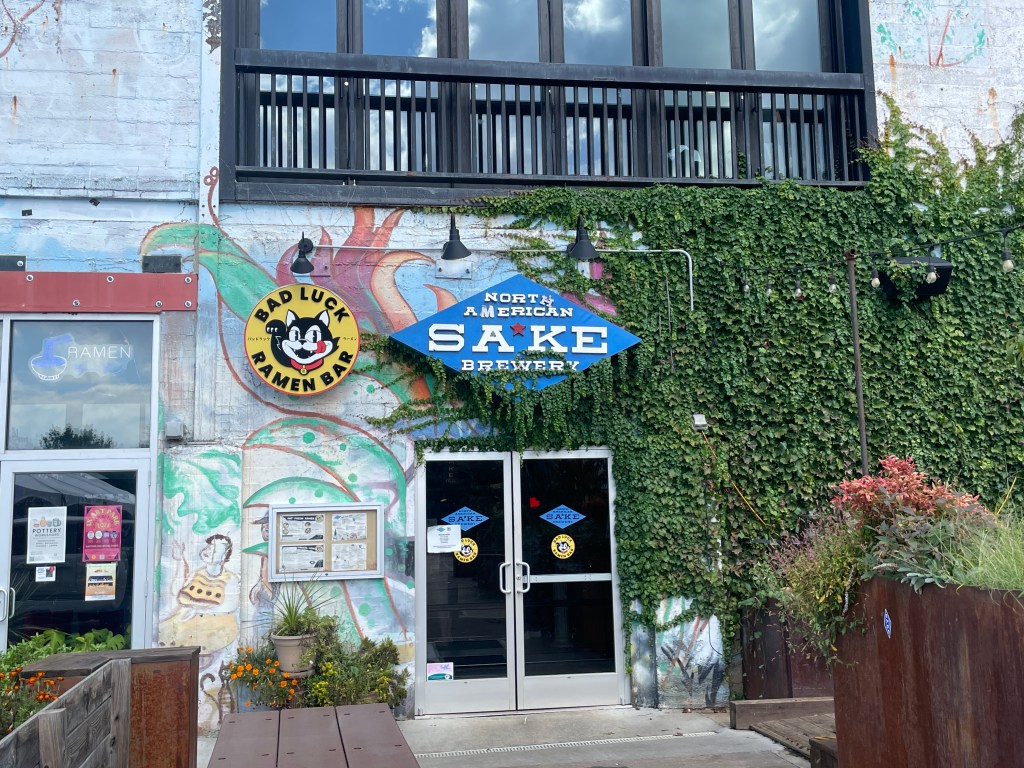
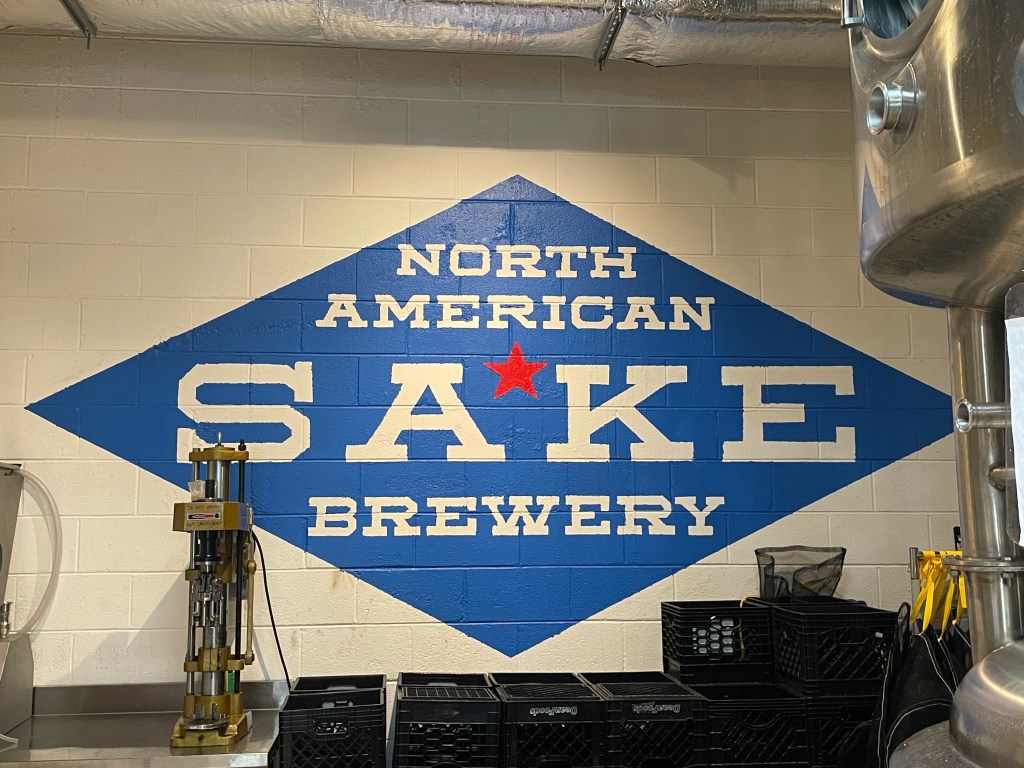
Charlottesville based North American Sake Brewery is one of only 20 or so sake breweries in the US, and the first (and only) in Virginia. Founder and head brewer Andrew Centofante gave me a lesson on sake brewing and a tour of his facility.
“Sake is such a fascinating and historic beverage. It’s a pretty niche market, but it’s one of the fastest growing beverages there is,” Andrew said during our interview. “As people explore Japanese cuisine, they are finding sake is a key part of it.
About 15 years ago, I went to an “izakaya” (casual drinking establishment) in Japan,” he continued. “The bartender walked me through different styles, regions, and profiles of sake, and it hit me that sake was similar to the craft beer movement. A few years later, I started making sake at home, and that led me to go back to Japan to work at a 200-year old brewery outside Osaka to learn the craft.
We’ve been open since 2018, making very traditionally handcrafted sake as well as some experimental styles.”

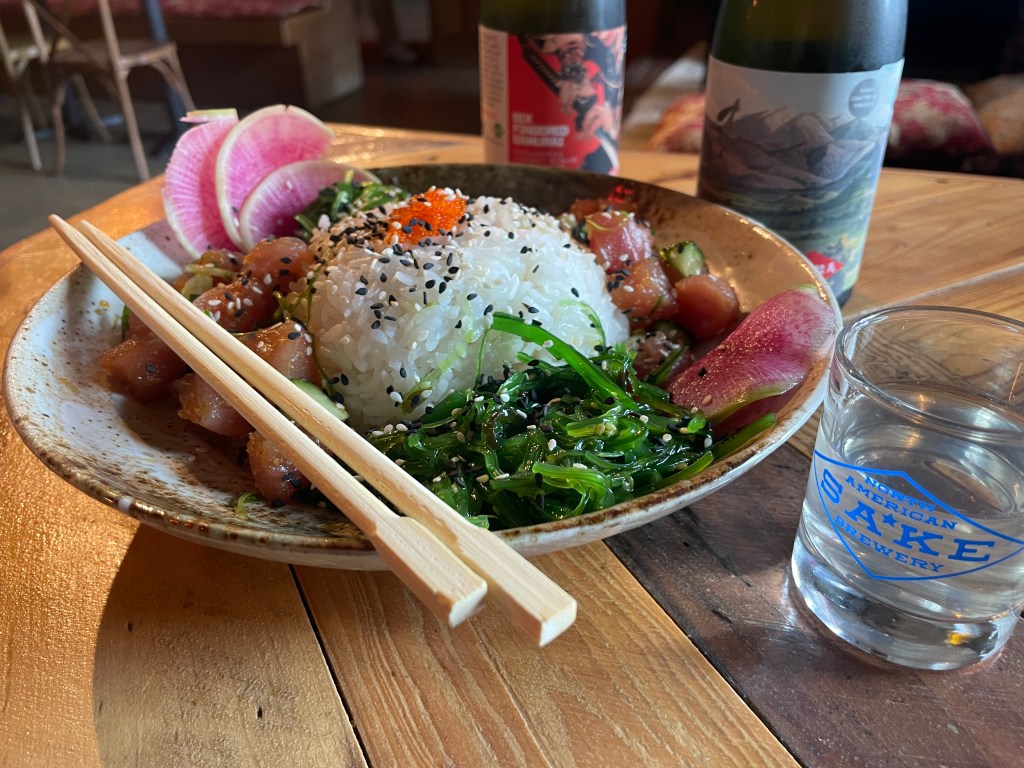
Defining Sake: Beer? Rice Wine? Or Something Unique?
The four basic ingredients for sake are rice, koji, water, and yeast. Of these, koji is likely the ingredient least-understood by American audiences.
Koji is a mold, cultured in hot, humid conditions to promote propagation. It’s an integral part of many of Japan’s most famous drinks and dishes, including sake, miso, and soy sauce.
Brewers apply the mold to rice, ensuring it’s thoroughly spread over every grain. When the brewing starts in the tank, the mold provides the enzymes to convert the rice starch into sugar. This sugar is then devoured by the yeast, which turns it into alcohol.
This process is called “multiple parallel fermentation,” and it’s what makes sake brewing unique.
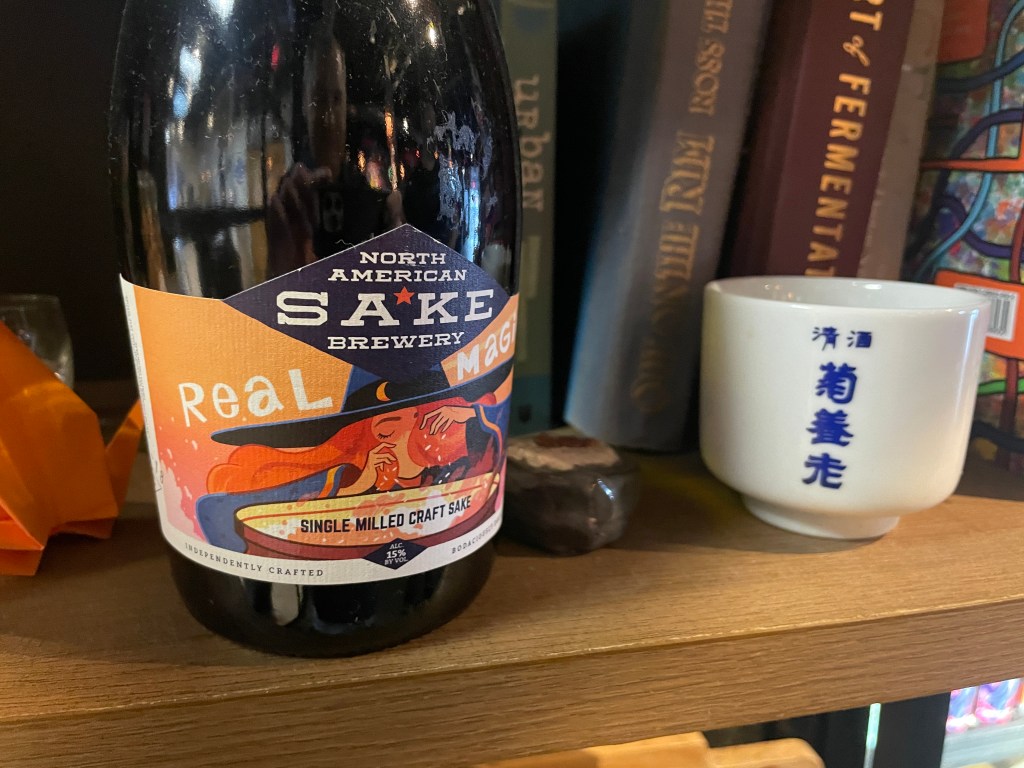
While sake is usually referred to as ‘rice wine,’ that definition is a misnomer. Sake is its own category of alcoholic beverage, despite often being classified as either a wine or beer in the western world.
Andrew gets the question of, “Is sake a rice wine?” all the time. “Like wine, you can sip it, savor it, pair it with food. Sake is the same way. It has nuance of character, but the process is grain based, so it’s much closer to brewing than winemaking.
While they use similar processes, sake and beer come out at very different strengths. Since sake usually has around 15% alcohol and is sipped like wine, it’s often classified as rice wine.”
Balancing Creativity With Tradition
Unlike wine, which is ‘terroir’ driven, sake is more brewer-driven, according to Andrew.
“We talk a lot about the concept of intent in sake making. That’s what makes sake a difficult beverage to understand.”
The brewer’s treatment of their rice greatly influences the end product, a process called milling.
“Milling is where we remove fats and other proteins to get to the grain’s “shimpaku,” or starchy core, and it helps delimitate the style of sake you create,” Andrew explained while showing a handful of rice grains. “The more milled the rice is, the fruitier and more aromatic the end product is. The less it’s milled, the more earthy and savory notes you’ll get.

The kind of rice you use is important, but think of it like a white canvas. It’s the brewing that helps bring out the nuanced flavor and aroma.
We get our rice from Arkansas. The farm we use has been making sake-specific rice for years. Sake rice is a short-grained style, usually with a great shimpaku that’s easy to mill and melts well in the tank.”
Japanese sake already comes in many different styles, based on the ingredients and production methods used. Local producers like North American Sake aren’t afraid to get even more creative to appeal to American consumers.
Andrew pondered my question regarding how far local sake diverges from what’s found in Japan before answering.
“It’s an interesting question. The sake industry in North America is so young, there aren’t defined styles of sake in terms of regionality. Being in the US, we have this huge opportunity to break out of traditional sake conventions.
We play on the edge of what sake is, and make everything from super-premium to fun, table sakes. There are people who are casual drinkers who just want something fun, or something gluten free.
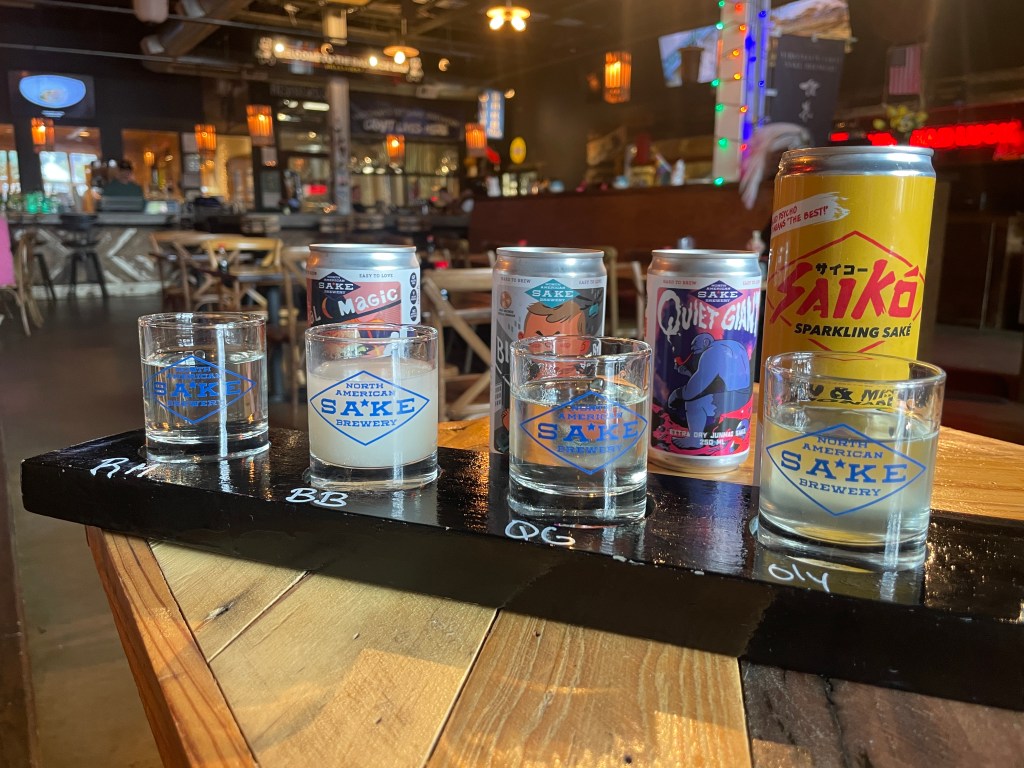
For this crowd we make fruited styles using regional fruits or herbs, we make sparkling sake, and we’ve done collaborations with different brewers to make hopped sake.
But we also have customers who are looking for great sake. Since we’re in the game of making sake, we have to be as good or better than any Japanese sake out there.”

 Wine Trails and Wanderlust