Briede Family Vineyard

Briede is a very different experience than most other wineries. For one it’s small – 5 acres of vines (half Cayuga and half a Cornell University hybrid grape called Arandell), the tasting room is tiny, and it’s a good distance away from…well…basically anything else. That said, I loved my experience.

Owners Paul and Loretta Briede were serving when I visited. They kindly gave me the history of the place, and explained how their love of wine and Champaign in particular encouraged them to build their own vineyard. Afterward Paul gave me a personal tour of his vineyard, including how he wanted to keep it as ‘organic’ as possible (2019 update: because of how bad the 2018 growing season was, they eventually introduced non-organic pesticide to combat black rot).
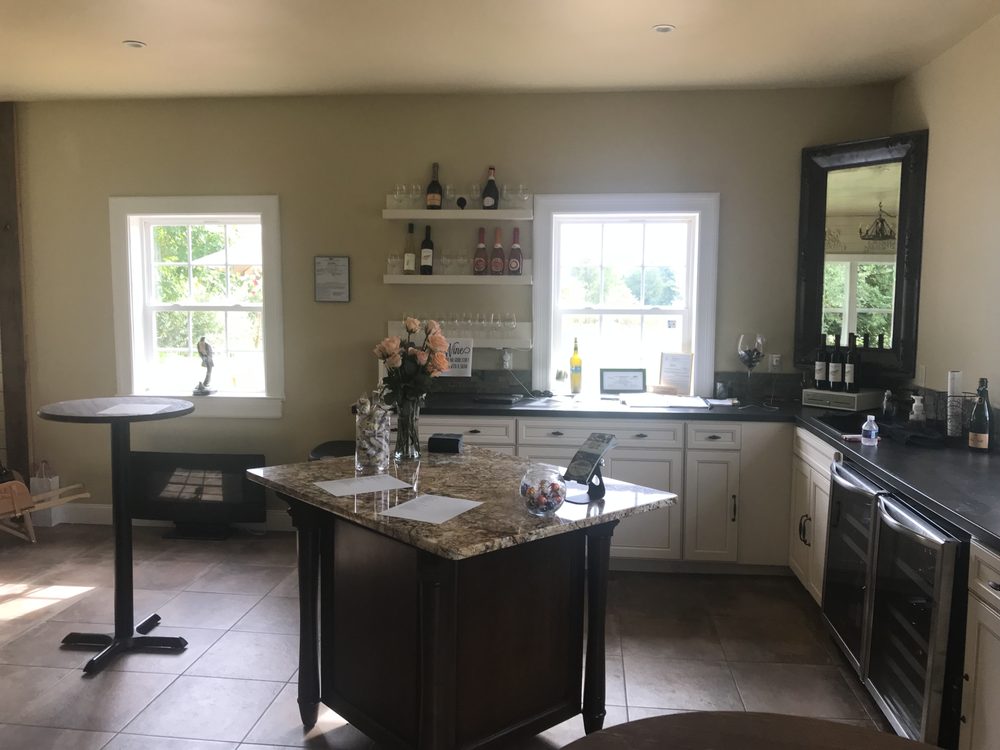
When I visited, four tasting options were available; 1) wines from the winery’s own vineyard, 2) a trio of roses, 3) an assortment of imported (but reasonably priced) French sparklings and roses, and 4) an assortment of even fancier sparklings. I did options #1 and #3.

When I saw they had Cayuga on the menu, I privately despaired – since I’ve always HATED this grape. Neither did I have high hopes for their Arandell, as hybrids are hit or miss for me. But color me shocked when I enjoyed both! Not surprisingly their wine maker is Matthew Finot, who is one of VA’s best.  

The Cayuga is made in an almost Champaign style, and the Arandell is kinda-sorta like some Italian varietals I’m more used to. It’s hard to describe, but this is definitely one of the best hybrids I’ve ever found.

Yes it’s far, but the chance to experiment with new wines and a great selection of imported sparklings makes it worth the trip.

Williamsburg Winery

Williamsburg is one of the oldest, biggest, and most award-winning wineries in Virginia. Opening in 1988 right outside Colonial Williamsburg, it occupies a huge expanse of tasting rooms and production facilities. It even has its own restaurant on premise – which I happily visited after my tasting for some crab cakes paired with Sauv Blanc. And if that’s not enough, they even have their own hotel. How’s this for ‘all inclusive’?

Because they are so busy it’s advisable to make a reservation in advance. Different tasting options are available, depending on if you’re looking to sample their library wines or not. You can also do a tour which includes an introduction to the history of Virginia wine. During my first visit years ago, this is where I first learned about how Thomas Jefferson is in fact the ‘godfather’ of American wines, and also how American vines saved wine production around the world after the phylloxera bug was accidentally unleashed.

At 40,000 cases a year (40 acres under vine, plus some grapes are brought in from California or Washington state) they are a BIG producer. The wines made from local grapes tend to be light on tannins (for reds) or heavy on the minerals (for whites).

I teamed up with a friend and picked different wines from their ‘standard’ tasting menu…although I think my server snuck in a few extra wines on top of that.

What I tried:

Sauvignon blanc: honeydew taste; went well with a seafood lunch.

Chardonnay (American oak): very light and fresh tasting.

“Midsummer” white: Semi dry, tasting creamy with a butterscotch nose

Governor’s White (Riesling): Washington grapes I think; very nice.

Claret: Nicely balanced red blend.

Petit Verdot: Early, not especially heavy.

Adagio: Excellent (and expensive) red blend, really big mouthfeel.

Gabrielle Archer: Very well balanced red

Moscotto desert wine: Too sweet for me, but not bad.

Dining At The Inn at Little Washington

Curse you, Anthony Bourdain – why did you have to entice me with episode after episode of fine dining? Why couldn’t you stick with cheap street food –  you know, something I can always afford? I know you thought everything was delicious, but don’t blame us if the uber-exquisite restaurants usually looked more enticing than the hot-dog stands.

An idea was born on that episode I watched you dine in Lyon, an itch that wouldn’t go away until I scratched it. I’d never dined at a Michelin star restaurant before, much less one with three. So vising here was definitely my way of ‘go big or go home’.

It starts with hanging out at the elegant waiting area. Remy XO while your table is prepared? Maybe a cocktail? Yes please – that rum-infused cider was amazing, as was those spicy dried pineapple bites. Oh, your table is ready – please let me escort you to the dining room.

Seat with extra fluffy pillows? Of course. Some sparkling water while you peruse the menu. Three pre-fixe options were available, although you can swap out individual items from one option to another. I went with the “gastronaut”, except I exchanged my coconut sorbet with the chocolate-hazelnut mousse.

The first serving looked like a tiny cannoli – the fancy term for this plate is it’s an ‘amuse bouche’; something that demonstrates the cook’s talents and whets your appetite. It was possibly the single most flavorful item I’ve ever had in my life.

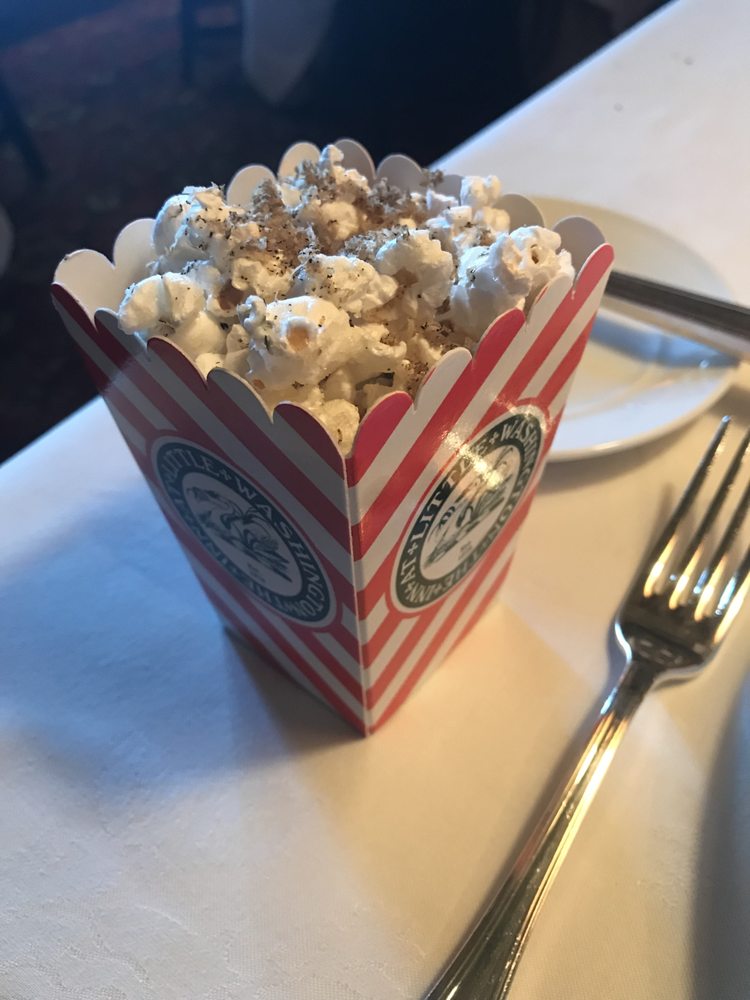
Next up was the caviar vinaigrette (note – I’d never had caviar before…it tasted…wet). But what killed me was the popcorn. Yes that’s right – they believe dining here should be a show, and shows should serve popcorn. Of course, THIS popcorn has white truffle shavings on it. Beat that AMC! A tiny soup-like concoction washed it down.

The next few dishes were a whirl – which says a lot considering the entire experience was just over 2 hours. The foie gras was especially amazing; the sauce was almost enough for me to pass out from bliss.

Special thanks for my servers for never looking down their nose at my admittedly inexperienced questions, and offering up excellent wine paring advise. I went with a half-bottle of a Rhone wine, but as it wasn’t enough I also got a glass of New Zealand carminiere. Maybe I should have gone with the $150 option to pair all the dishes with their recommended wine, but I was very happy with the options I had.

Oh – also thank you for the quick tour of the kitchen!

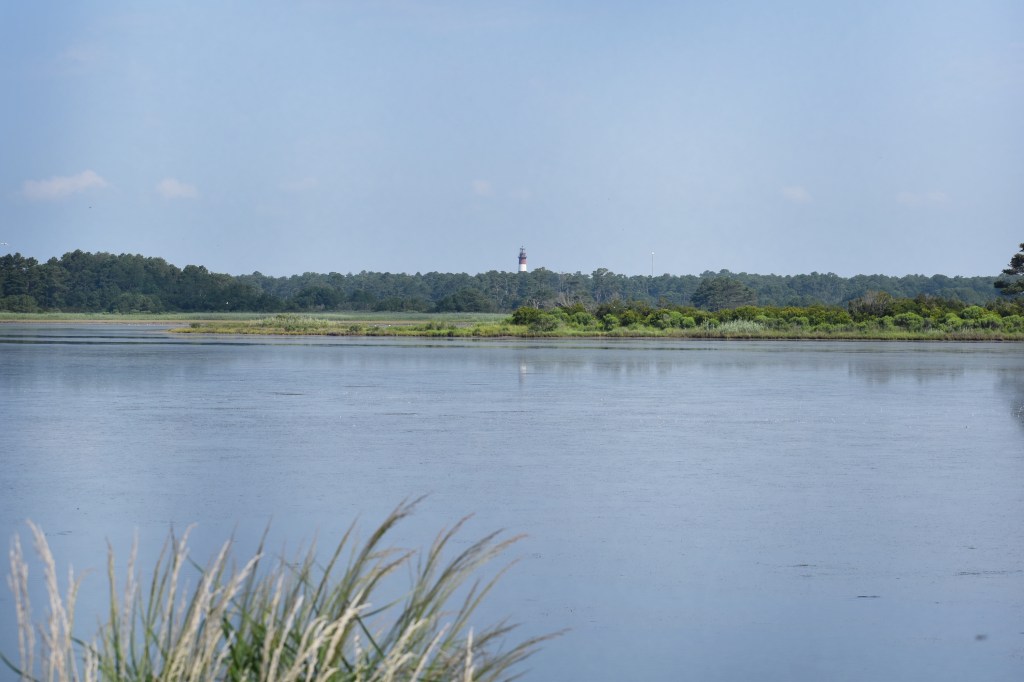
Assateague and Chincoteague Islands

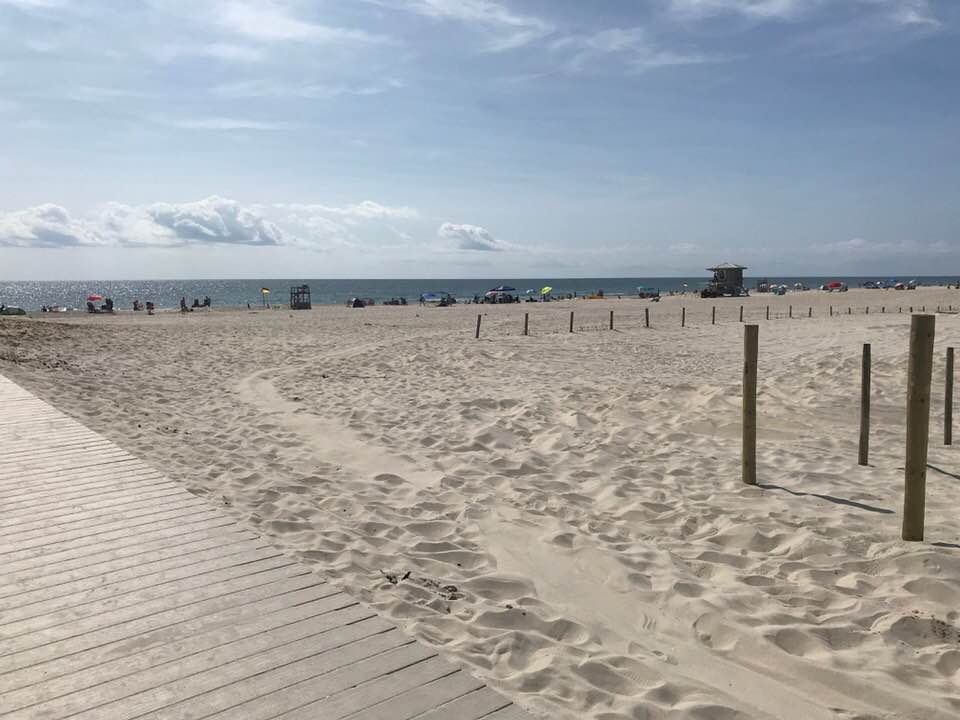
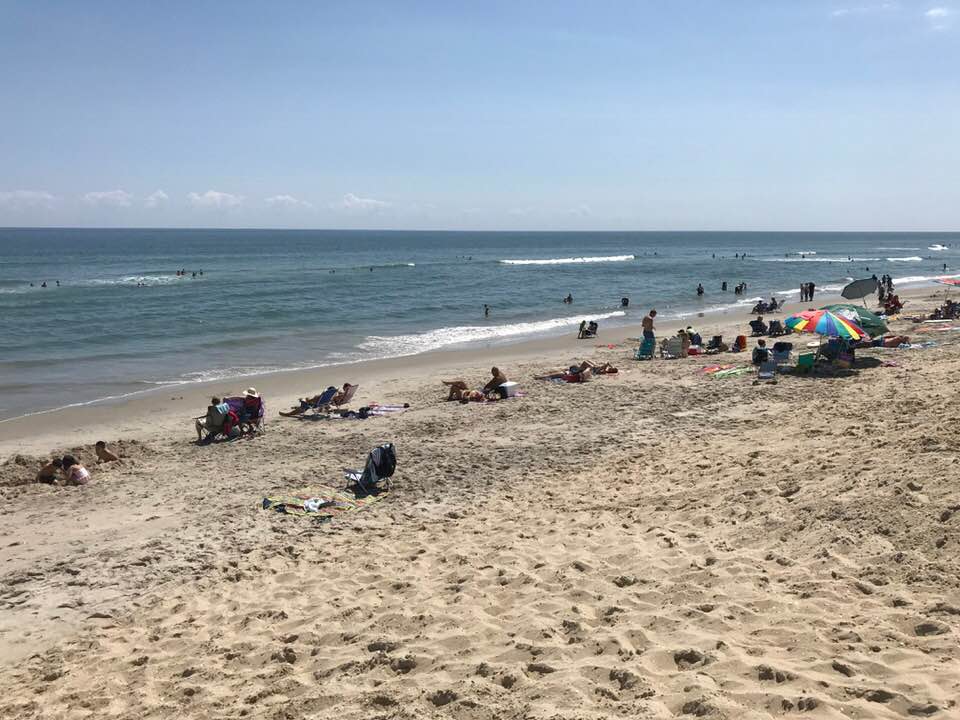
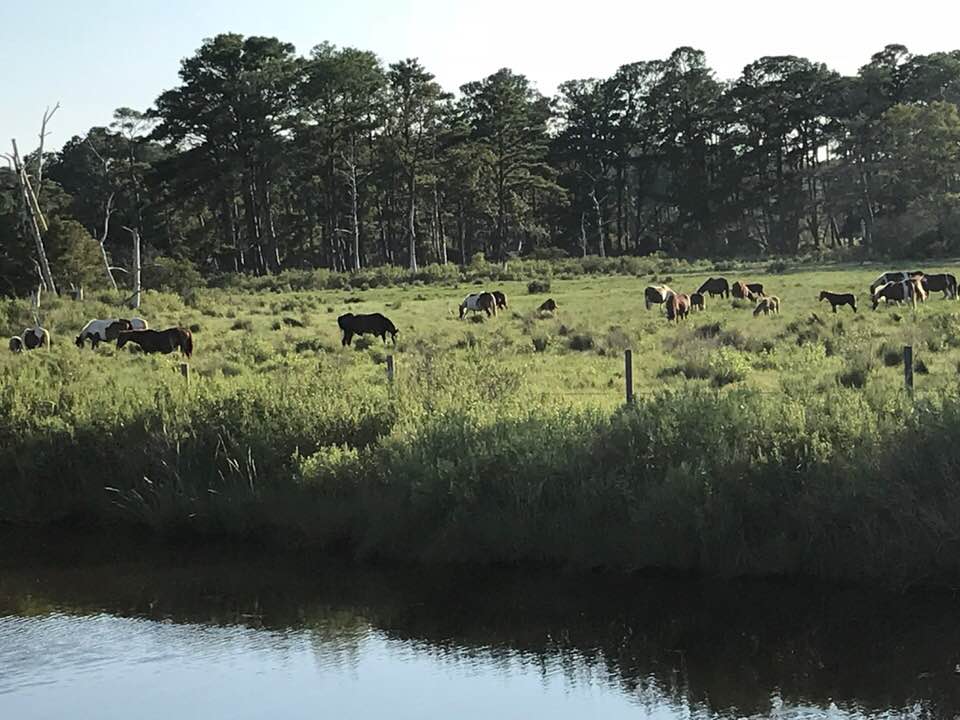
Assateague Island is one of my all-time favorite get-aways. A 37 mile-long barrier island stretching from just south of Maryland’s Ocean City into Virginia, it’s not well known even within the state. Sure, it has beaches and islands, but we have lots of those. It has something that’s much harder to find – wild ponies!

“Ponies” is a misnomer. The herd are mostly made of adults, although their diet doesn’t allow them to grow very large. The myth is their ancestors washed ashore from a floundering Spanish galleon, only to make their homes here. More likely, they are descended from horses left unattended by tax evaders who tried to hide their wealth on the island…only to lose them in the wild. But that’s not nearly as cool a story, so the Spanish myth persists.

The park is divided between Virginia and Maryland, with the latter being the more touristy of the two. The closeness to Ocean City would make the beach popular in any circumstances. But coupled with several packs of wild horses and beach-side campgrounds, it definitely gets crowded.

Unlike the herd in on the Virginia side of Assateague, the horses here roam free – so watch where you drive.

Chincoteague Island

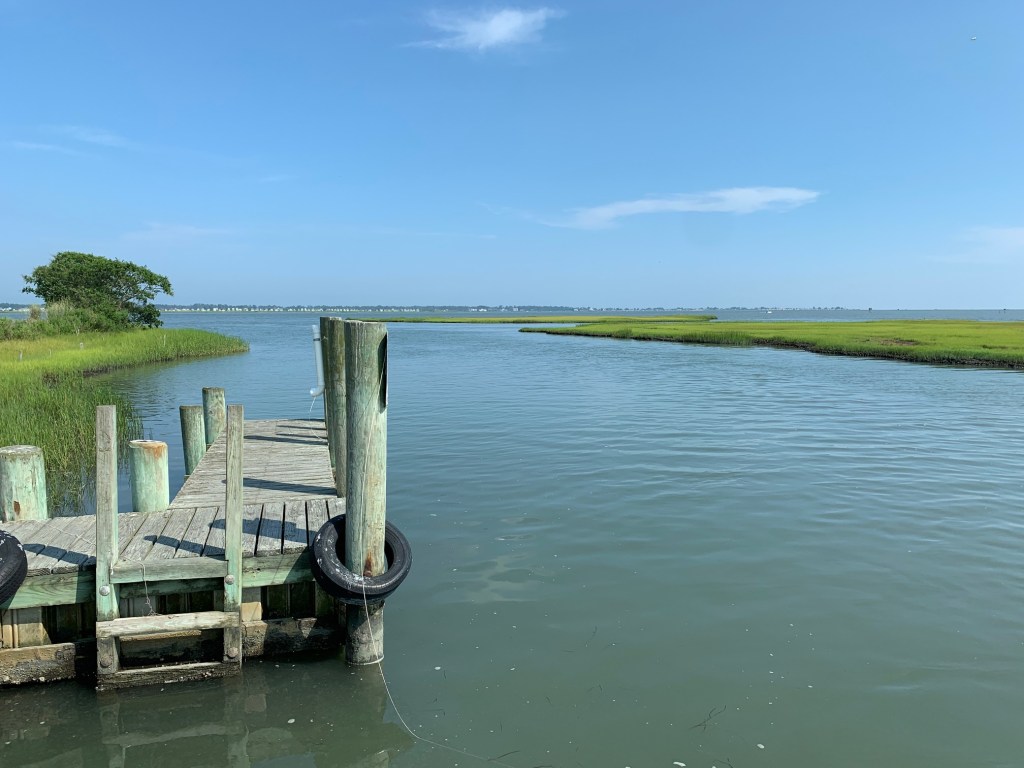
I prefer the quieter Virginia side, an hour south. You enter the Virginia side of Assateague via Chincoteague Island, home to a small community stacked with small shops and B&Bs. This is the setting of Misty of Chincoteague, a popular children’s book back in the 1950s.

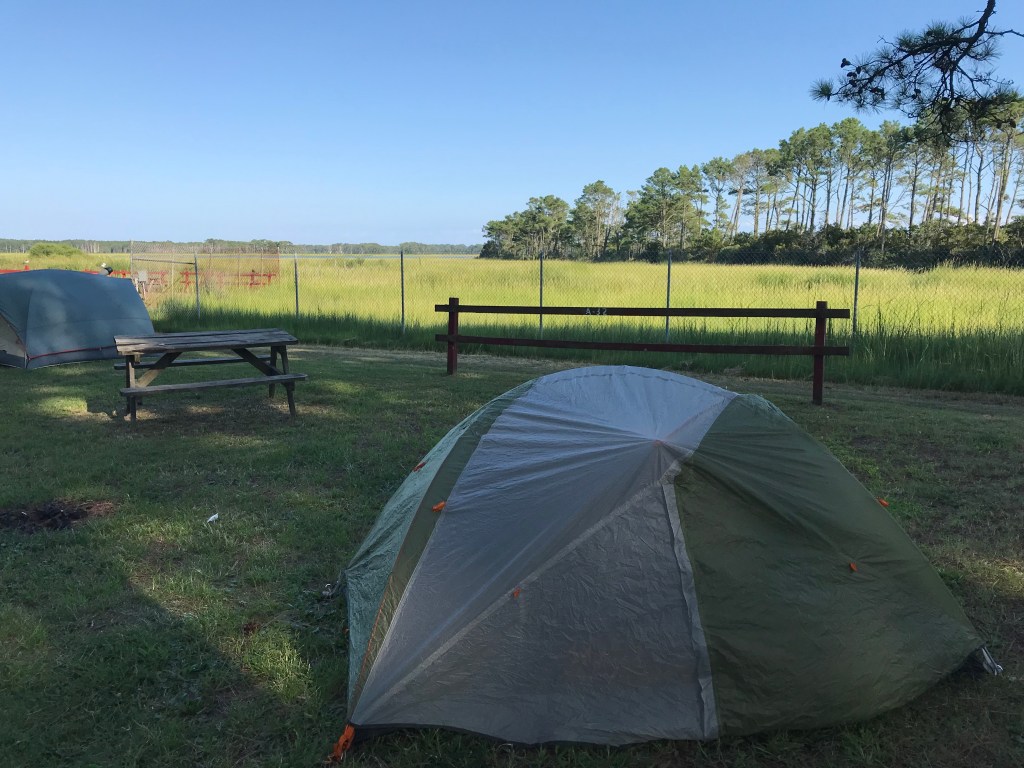
When visiting Chincoteague, I often stay at Tom’s Cove Campground; it’s very family-oriented, with lots of spots overlooking the bay. A number of RVs seem to make an almost permanent home there, in addition to weekend campers. The camp store has your basic amenities, and the showers are more than serviceable. The worst you have to worry about (besides mosquitos) are late-night parties.

Horses on Virginia side are fenced in and can usually only be seen at a distance – for their protection, no doubt. It’s not unusual to see long lines of cars parked along the road, their windows down and phones & cameras taking in the view.

The park offers other attractions, including nature walks, biking, and a beach. Overall, you can traverse the entire island in half an hour.

Of course the star of the show are the ponies. Every July the town does the ‘running of the ponies’, where they take the ponies from Assateague and swim them over to the town for the equivalent of an annual checkup.

Telling this story gives me Anthony Bourdain-esque guilt trips; if you share a fun travel story, people will come. And too many people ruins the fun for everyone. So do me a favor…keep this on the down-low…OK?
Chatham Vineyard

Located on the Delmarva Peninsula separating the Chesapeake Bay and the Atlantic (and only winery in the Chesapeake AVA), Chatham is a bit out of the way, even by Virginia wine standards. Operated by the Wehner family, they’ve been operating the place since it opened in 2005. Jon is actually a second-generation wine grower himself. I arrived early in the morning, and as the first visitor of the day I had the place to myself.

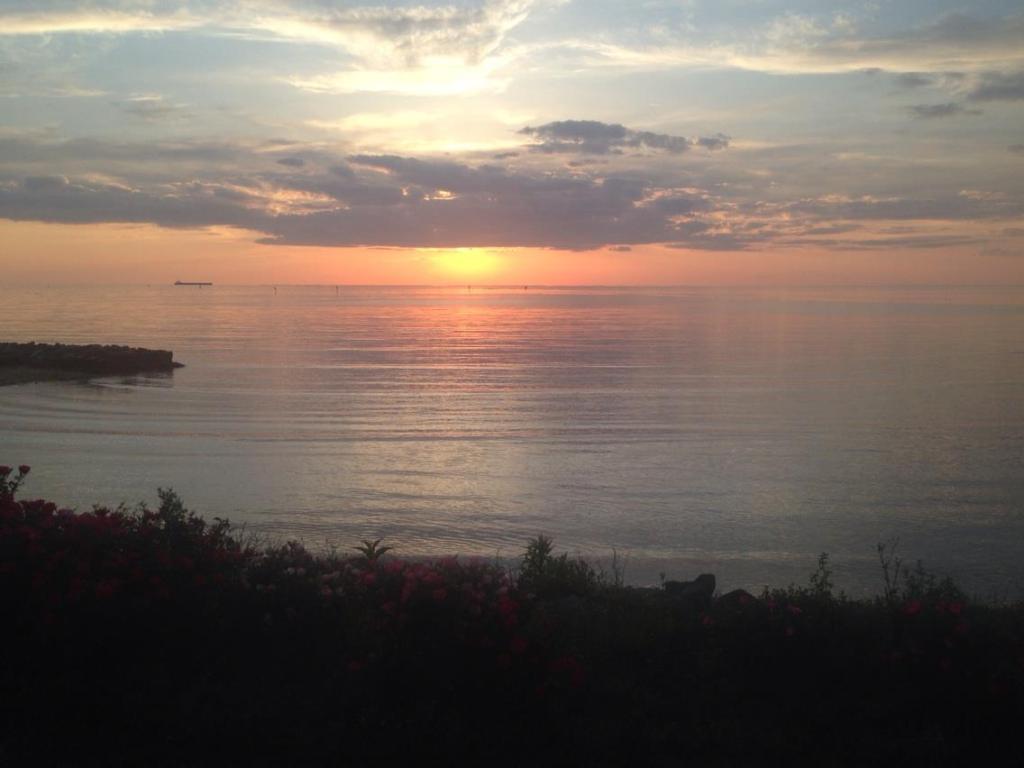
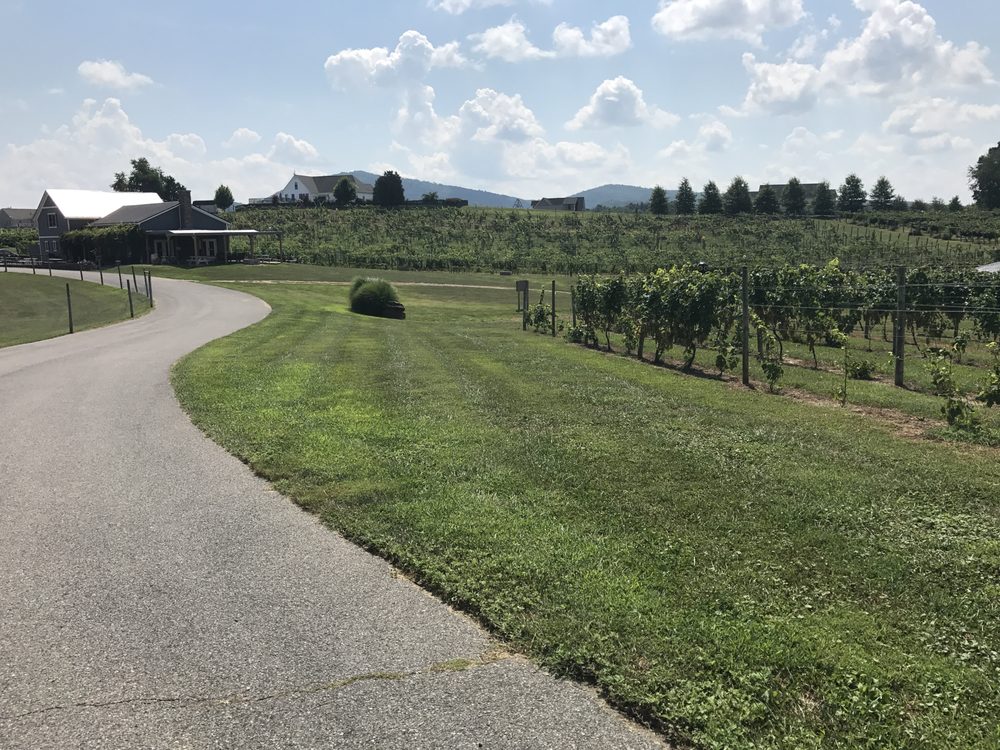
Visually the place is stunning. The property is right next to the water, so there was always a cool breeze to enjoy. You drive down the road past long rows of vines, passing the historic manor home (where the family still lives) before entering the production/tasting room.

Chatham’s story begins…35 million years ago (work with me here) when a meteor strike created what would become the Chesapeake Bay. The vineyard’s location on a peninsula can be described as a trade-off of different growing conditions; it never gets the heat a California-type vineyard gets, but at the same time it never gets particularly cold. The result is a terroir friendly to a lot of grapes, especially those who like mineral-rich whites.

Bordeaux’s influence is strong here. Today, they have 20 acres of French vinifera and make around 5000 cases/year. They even have a visiting French wine maker!

While I liked the reds, I LOVED the whites. Across the board, they were light and refreshing, often with nice minerality to them. I especially liked the 2017 Chardonnay, fermented in steel.

Next up was the rose was a nice pinkish color.

But a not-distant 3rd favorite was their French oak Chardonnay – it was a perfect example of how to get the most out of your oak barrels but not over-doing it. A bottle of that eventually went home with me.

Bozzo Family Vineyard

Bozzo is owned by a ‘retired’ lawyer who loves wine. I say ‘retired’ in quotes because wineries are labor intensive businesses to manage, so he must be a true workaholic to want to do this in retirement!

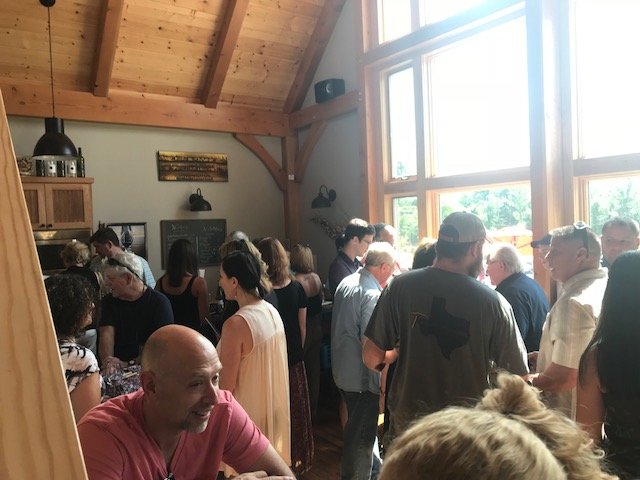
I visited on their opening day, and it was packed! But having a lot of people waiting in anticipation of your opening day must be a good thing. I actually found them by accident a year ago, and had been on their mailing list since then.

The tasting room is small-ish, at least compared to some other wineries nearby. But that’s not a bad thing at all. The place was still new-ish but everything was running smoothly.

Unlike some newer wineries, Bozzo invested heavily in their wine production before they opened up – they were already on their 2nd or 3rd vintage (depending on the grape) of several wines, all from locally sourced fruit. But their 9 acres should soon yield enough fruit for them to produce 100% estate wine.

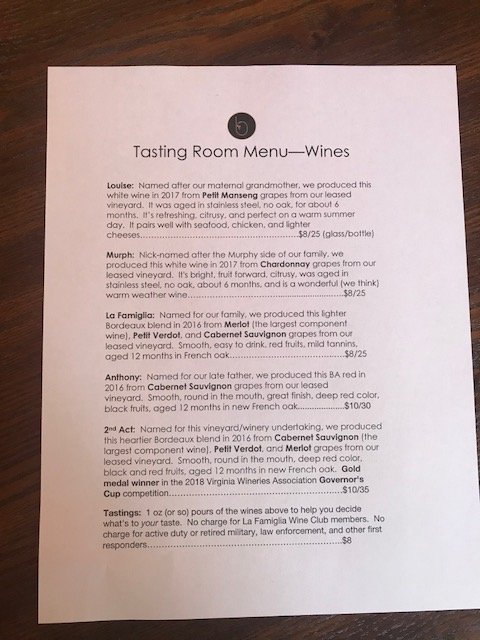
They had 5 wines for their tasting, all named for family members. What I tried:

Louise (Petit Manseng): Made in a dry style, although the grape’s natural sweetness still shone through.

Murph (Chardonnay): Made in steel. Very clean, some citrus. Great hot weather wine that I enjoyed a lot.

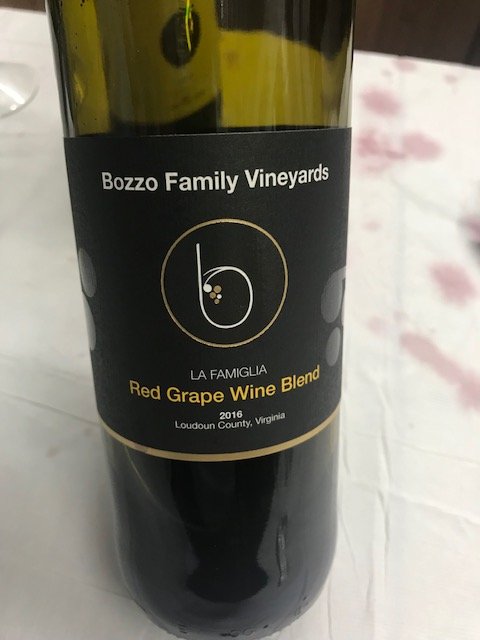
La Famigila (Merlot heavy red blend): Favorite of the lineup. Plumb notes came out nicely. At $25 this is a steal.

Anthony (Cab Sauv): Only one I wasn’t in love with, although to be fair I seldom find VA Cabs that I really like.

2nd Act (Cab Sauv heavy red blend): Another winner. Incredibly long finish. Snagged a gold at the Virginia Governor’s Cup competition this past year – which says a lot for the owner, who got gold his first try!

The Winery at Kindred Pointe

I’ve been here several times, but this last visit really stood out. And I learned that Michael Shaps – one of the Virginia’s most famous wine makers – is behind the wines! Even better, as of last year, they made this place into a cidery (curtesy of one of the owners) in addition to the winery! The good news keeps on getting better.

Kindred used to be a horse farm, and the tasting room is the former stables (horses are a key motif here). The tasting room is totally cozy, with a fire burning and comfy chairs all over. Even before drinking, the appearances had me impressed.

Production-wise, this place is small; likely under 1000 cases/year, some estate grown (Chambourcin and Viognier) but most grapes purchased from other vineyards. But when you have Mike Shaps as your wine maker, this is not a bad thing since he sources from all over.

Normally my tasting notes differ from what my servers suggest, but here everything they described was spot on. They have 3 tasting options; red, white, and sweet, plus a cider option (up to 6). So you definitely won’t go thirsty here!

Whites: The Viognier was crisp, clean, and notes of peach – one of the nicer ones I’ve had in a while. The Chardonnay was nice as well. The Petit Manseng was made in a desert style; so sweet, but more syrupy than sugary sweet. I even liked the Rose (a rarity for me), which had a great orange-y color but more of a semi-sweet, with nice acidity.

Red: Malbecs are hard to find; the fruit came from Charlotsville and had notes of tart strawberry, like you get when you pluck them straight from the patch. The Cab Sav had obvious notes of being in American oak, almost overpoweringly so. The Chambourcin was one of the bolder ones I’ve had in a while, also made in American oak. The Merlot was just OK.

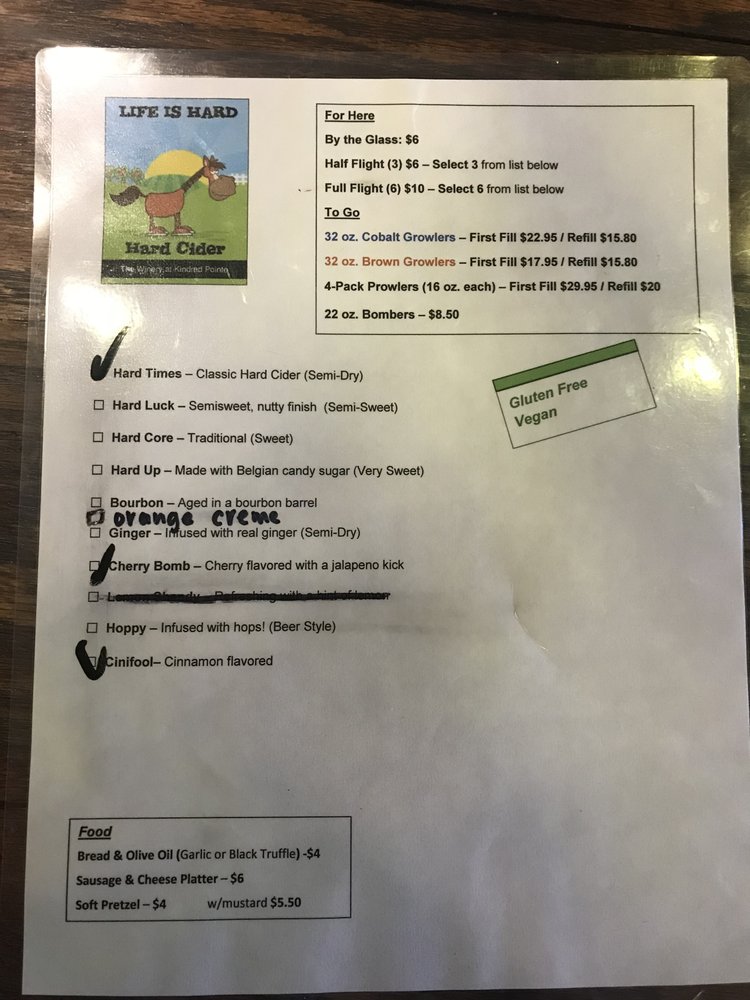
Cider: I couldn’t resist a flight of 3 x cider samples. I skipped the ones advertising hops or sweetness, although maybe that was a mistake since I found the Hard Times too dry for me. The Cinifoot was advertised as cinnamon flavored, although I barely tasted it. But I LOVED the Cherry Bomb, which interestingly enough had a jalapeno finish (I like jalapenos, BTW).

I finished everything off with some mulled wine, which was perfect for this winter day.

Hammerstone Cellars

Hammerstone Cellars is definitely a work of passion. The owner had farmland, a love of wine, and decided “Hey, let’s put this land to use”. 5 acres of vines, many of them experimental plantings to see what grows best.

The wine tasting room is part of the owner’s home – it has an enclosed porch but the tasting ‘room’ itself is tiny. It’s so small, comparing Hammerstone to larger ‘destination’ wineries is like comparing apples & oranges. If you’re looking for a small place where you can chat with the wine maker, you’re in luck! Because he was behind the bar and took my geeky wine questions.

They only opened in May 2017 and for now, their selection of wines is a mix of their own Hammerstone labeled bottles and some ‘guest’ wines. Their grapes are from VA, but with almost 5 acres planted they will be estate in a few years (or close enough). Fortunately, their wine maker is the same person who works for Pearmund Cellars & others, and he happens to be one of my favorites in the area!

What I tried (PS – all these wines had excellent price points for the value):

14 Cabernet Franc: Unusual for Cab Francs; I swear I had raspberry notes.

13 “Social Cluster” (Cab Sav/Merlot): Big wine, and it’s nice to see Cab Savs blends in VA that don’t break the budget.

Norton: Blended with another grape (I don’t remember which) to take the bite off. Nortons aren’t my favorite but this was better than most.

Viognier: Creamy, not overly floral like others. As Viogniers go, this was downright subtle.

16 Chardonnay: Creamy nose & finish.

Social Cluster white blend: Nice complexity to it; I forget the grapes but likely Chardonnay heavy.

Cuvee Blanc: Traminette based, although the nose wasn’t quite as overpowering as other Traminettes.

Rose: Strawberry nose and watermelon finish.

Whitebarrel Winery

Great visit, made even more special that this was in an American Viticultural Area (AVA) that I was otherwise unimpressed with. Excellent service too!

This was a random spot on my wine map…until I turned into a picturesque road to a winery that was surrounded by vines. I was the first customer of the day so my server Maria gave me extra attention.

Whitebarrel makes about 4500 cases/year and has 12.5 acres of grapes. Most of their product is estate, although they bring in Merlot and a little Chardonnay.

3 x wine flights of $5 each were available; the “Traditional” (single varietals), the “Blends”, and the “Fusions” (this being a fusion of wine with fruit). I tried the first two.

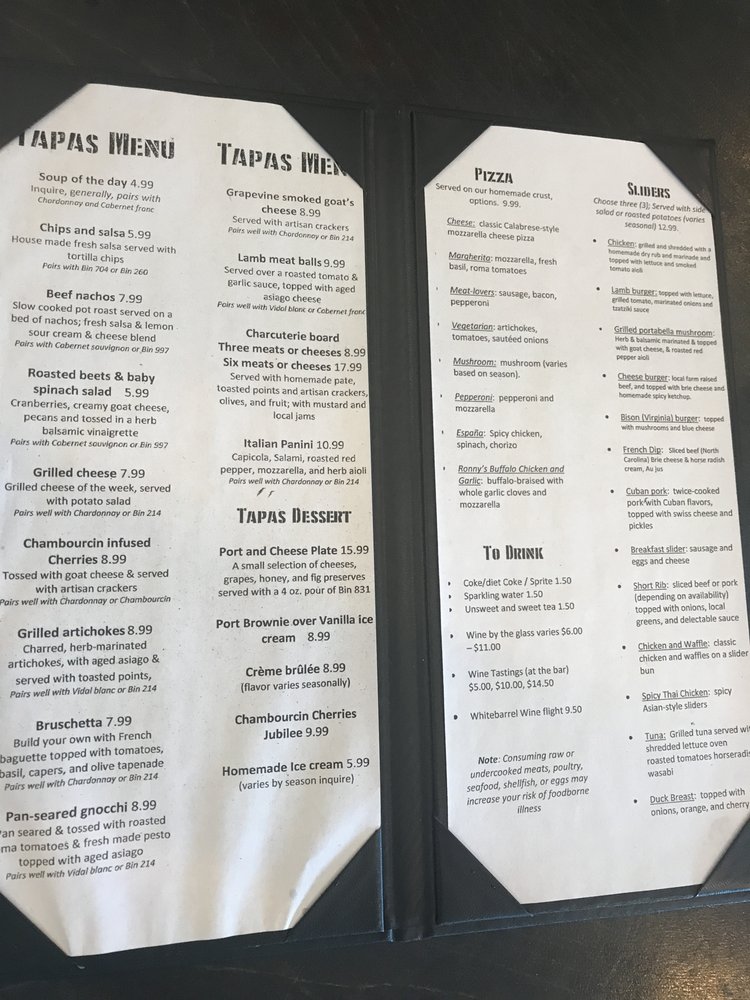
They also have tapas-style food servings. I later had an excellent goat cheese & cherries bowl and grilled cheese sandwich. I’m glad I came hungry because this is a great pit stop for lunch.

My wine notes are weaker than they should be, but this is a portion of what I tried:

Chardonnay (don’t know what vintage): Very nice, with apple notes and pale gold color. Despite typically not being a white drinker this was my favorite of the lineup.

Vidal: Very clean & crisp.

13 Cabernet Franc: Mellow, earthy. I wouldn’t have placed this as a Cab Franc.

Cabernet Sauvignon: Blackberry notes.

Chambourcin: Long finish, although this isn’t my favorite grape

Chardonnay/Vidal/Reisling blend: Another very nice white wine.

Cold Harbor Battlefield

One of the most engrossing battlefields I’ve been to, hands down. It’s right around the corner from Gaines’ Mill battlefield, so you can do a double header.

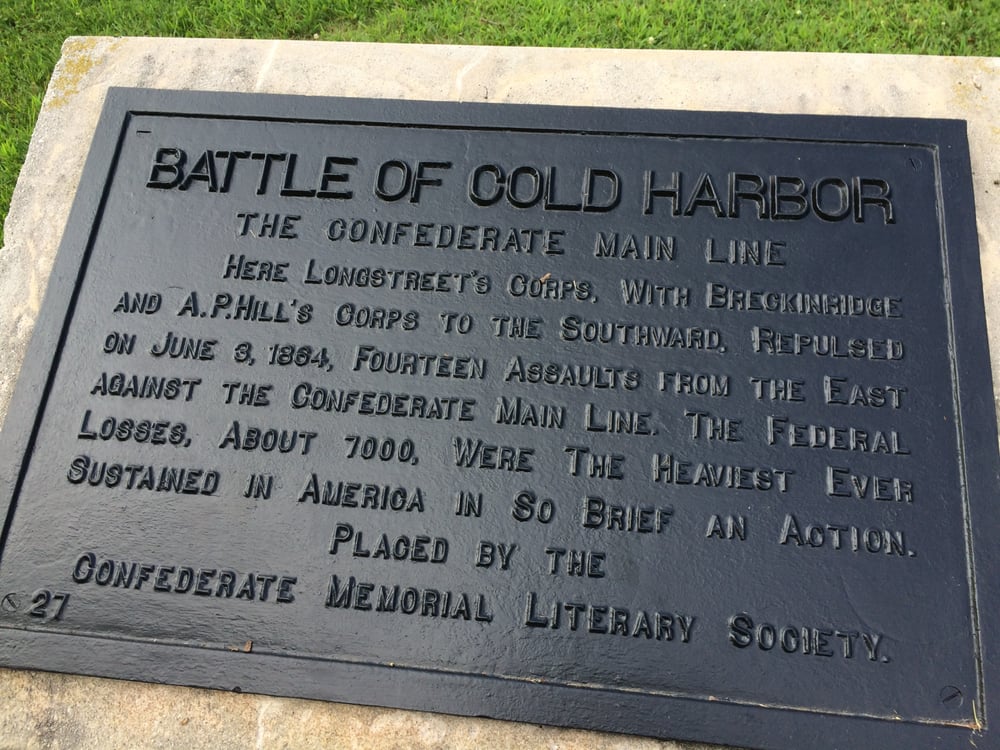
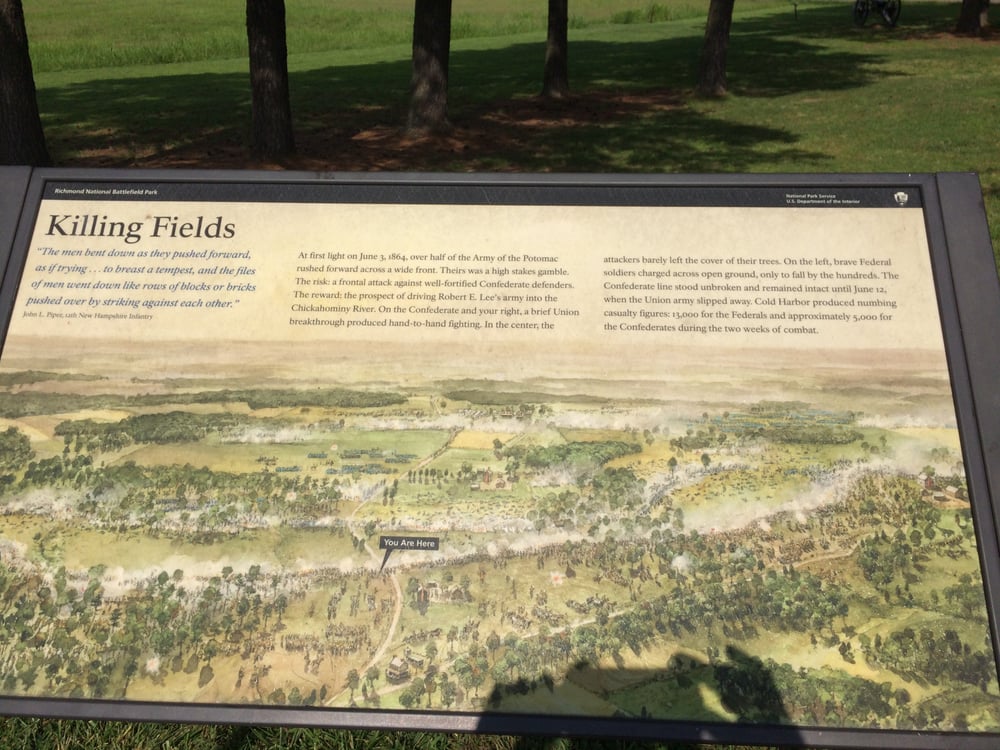
Cold Harbor was one of the last battles of General Grant’s 1864 “Overland” campaign. Lee constantly anticipated Grant’s moves, who time and time again found the Confederate army entrenched between him and Richmond.

Grant once again tried to maneuver around Lee, this time at an intersection known as Cold Harbor. Unfortunately, confused orders and bad maps caused a critical delay, which Lee took advantage of by converting his hasty defensive position into a strong fortification. Even worse, the Union army failed to detect the extent of this trench line. When Grant’s attack kicked off on June 3rd, his army plummeted into one of the most lopsided engagements of the war.

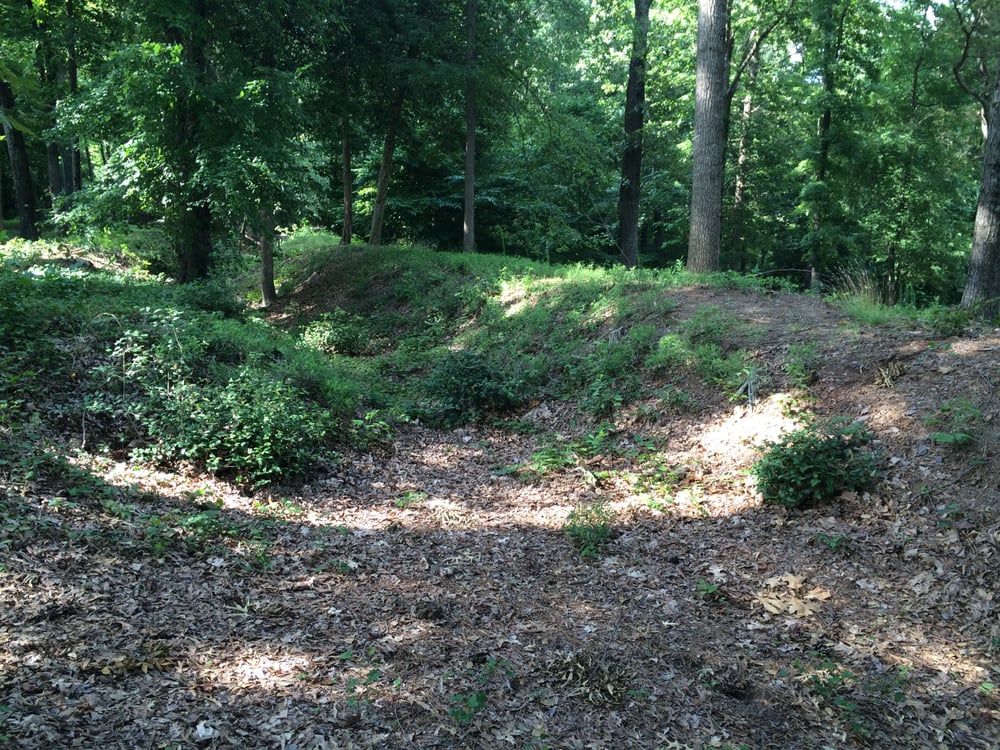
Today, the trench lines of both sides are easily visible, and surprisingly close together. The Confederate line is placed on a low ridge and passes through the woods, not far from the parking lot near the visitors center. You can either take a walking or driving path; I chose to walk.

My trek was rewarded with a series of plaques detailing various small engagements and a close up look at the trenches of both sides. It was especially sad to see a plaque which explained how during a temporary truce, one recovery party discovered a trench with 244 Union dead and only 3 survivors.

The loop takes you through to the Union side and ultimately back to the visitors center. It was a sobering walk. The diary entry of one mortally wounded Union soldier still haunts me: “June 3. Cold Harbor. I was killed”.