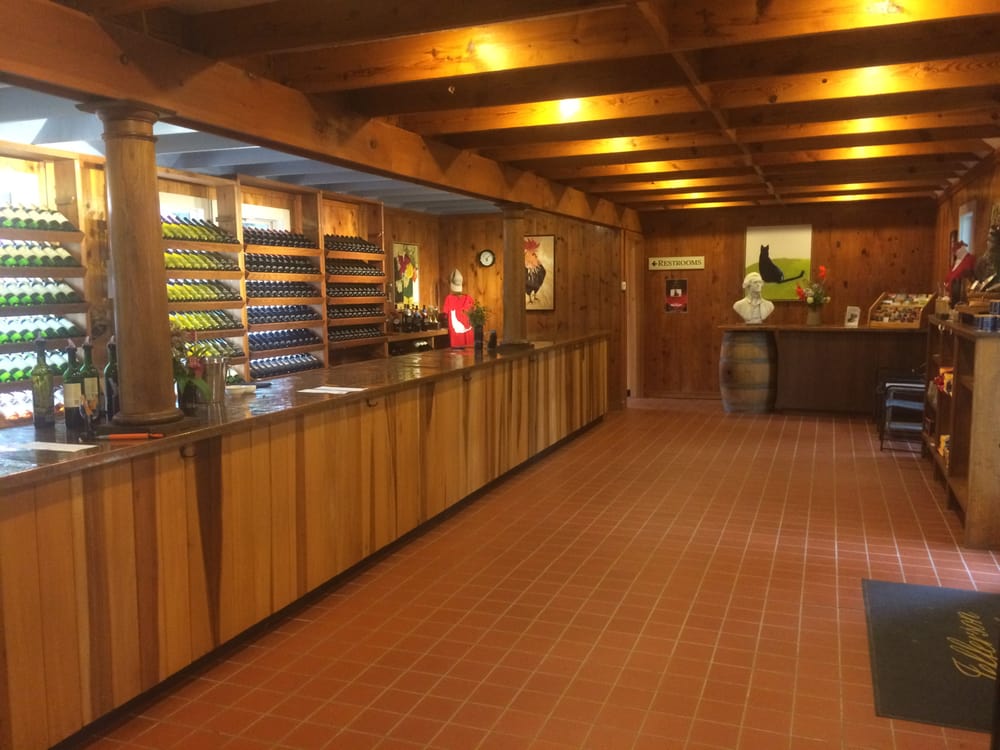
Chestnut Oak has a tiny tasting room but great assortment of wines. This was my second visit. While they’ve been making wines since 2009, the tasting room has only been around since 2014. I believe their 8 acres of vines have been around for even longer than that. It’s a good thing when wineries focus on the fruit first and open to the public later.
Located not far from Barboursville winery, the two locations couldn’t be more different. As soon as you walk in you notice the brightly colored walls that gives it a hippy vibe. Bonus points for being dog-friendly as well.
In the past they specialized in flights of Cabernet Sauvignon and Petit Manseng. Now they have a broader selection of wines, although they still seem to focus on those two.
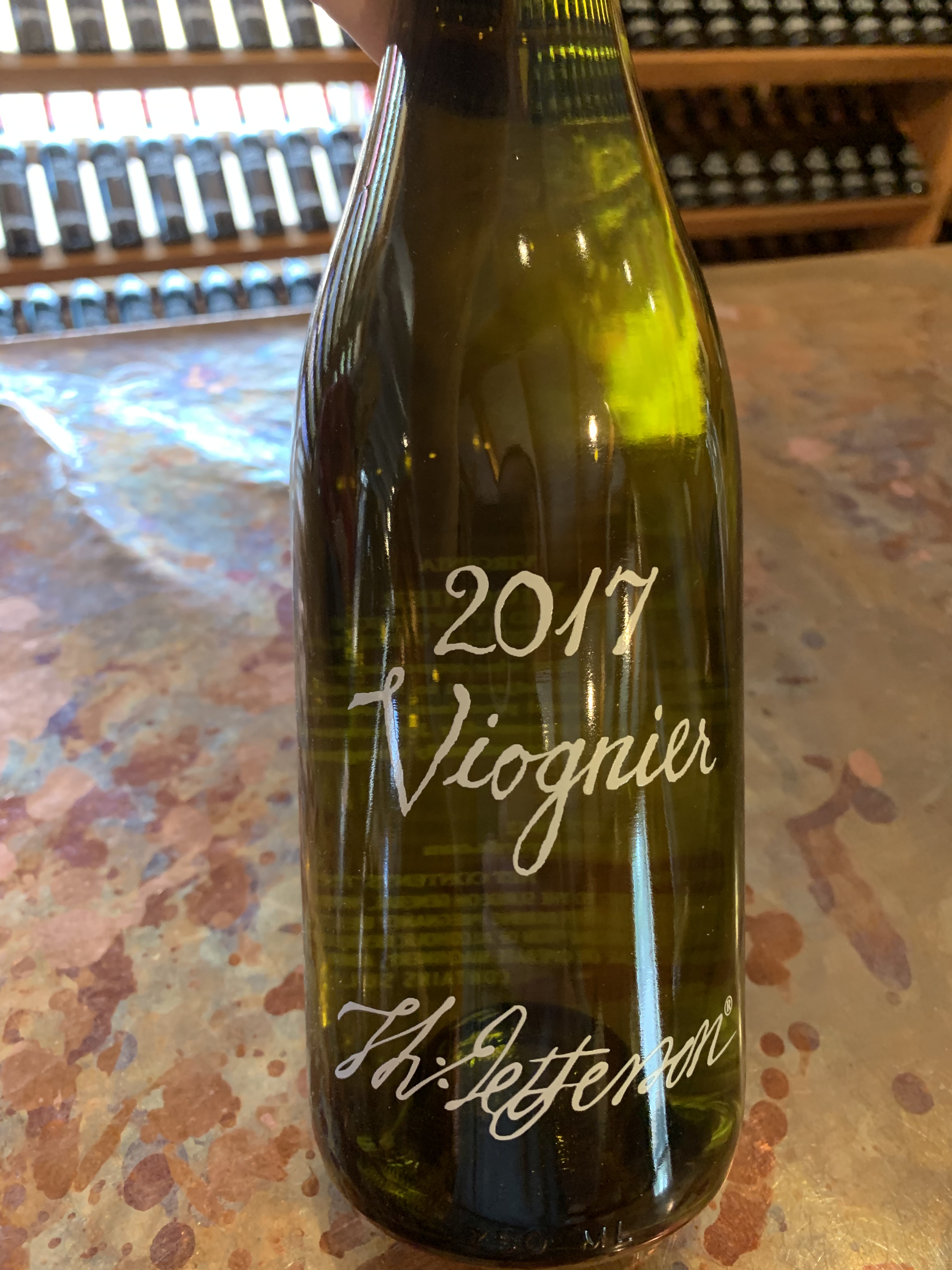
Of the wines I tried, the standouts were the 16 Cabernet Sauvignon which had cherry-ish notes, the 16 Petit Verdot/Cab Franc blend (which was nice) and the 17 Viognier which was not overly floral. Good Cab is hard to find in Virginia, but they are hitting it out of the park here.
I missed out on their “Chestnut One” red blend! Apparently it’s a competition winner. Hopefully they’ll bring back the Cab and Petit Manseng flights, because those were fun.
I revisited Jefferson after a 4 year delay. It’s actually quite a wonder why I waited so long; Charlottesville is one of my favorite wine regions, PLUS it’s right next door to Montichello. As a history buff, this place is a magnet.
It’s hard to talk about this winery without also mentioning it’s namesake. Thomas Jefferson (I’ll call him TJ for short) is literally the founding father of all American wine, despite failing to make a single decent wine himself. A dedicated oenophile, TJ felt Virginia’s terroir was perfect for wine making. He was right – but what he DIDN’T have was a microscope. Little did he suspect that the US east coast is home to a tiny bug named phylloxera, which does nothing except dine on a grape vine’s rootstock. While native American vines are resistant, TJ’s imported French vines were not. Alas, his vineyards never had a chance.
Courtesy of Jefferson’s Facebook page
Had he visited today though, I’m positive he’d have loved this place. They are neighbors with his home of Monticello, so the view is hard to beat. While their tasting room doesn’t have seating, they do have a separate building with indoor seating. Dogs can visit the main tasting room and hang outside as well. Over 20 acres under vine, so they are a good-sized producer.
My servers were very friendly, and I lucked out – they were doing a special tasting of their 14 Petit Verdot this weekend, and were happy to let me sample it. Score!!!
What I tried:
Rose: Off dry; light
2017 Viognier: Wonderful!!! Honeydew notes. Best Viognier I’ve had in a long time
2017 Chardonnay Reserve: Too oakey for me
Vin Rouge (mostly Merlot): Light, soft red
2016 Cab Franc: Soft for a Franc; pepper notes, cherry finish. Very nice
2017 Petit Verdot: Nice nose but too young right now
16 Meritage: Kinda oaky but OK
2014 Petit Verdot: Ooooohhh myyyy! Loved this one. So smooth…
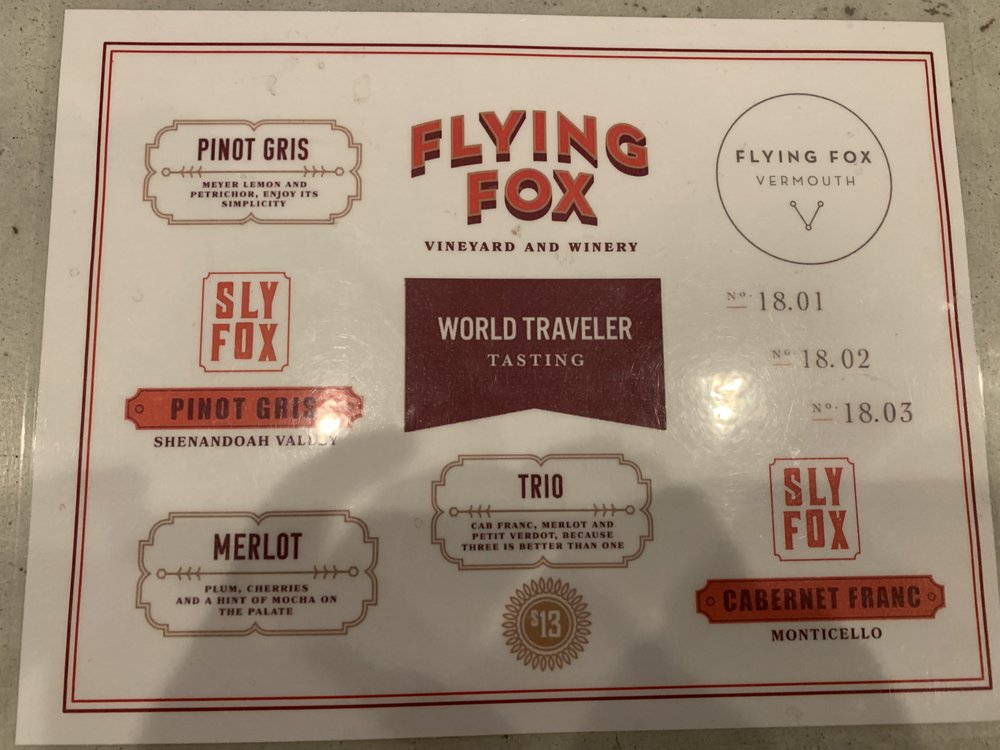
For those who remember the old location down the road, this is going to be a brand new experience for you. In 2018 Flying Fox was sold to members of the same family who own Veritas winery, which is where their wine is made. Emily Pelton is not only a co-owner, but their wine maker for both locations.
Experimentation is a key theme here. Having the Flying Fox label provides the owners with the flexibility to try out new techniques and wine types. They have a total of 14 acres under vine, although its association with Veritas gives them the opportunity to broaden the number of varietals they have access to.
While the old building looked like someone’s home, this has more of a lounge/industrial vibe to it. It’s also conveniently located at the crossroads of several nearby wineries, including Veritas, Afton Mountain, and Valley Road. This is not a section of Virginia that will let you go thirsty.
Nate was my server, and he was definingly excited by his wine! He walked me through a tasting of 6 x samples.
My first two were both Pinot Gris, although stylistically they couldn’t be more different. The first had lots of green apple; good, but pretty typical of what you’d expect to find in a Pinot Gris.
But the second was an ‘orange wine’, an ancient style you almost never see. It was skin fermented, which gave it it’s color. It was sorta tangy, almost salty. I kinda liked it, but was mostly taken aback how different it was.
2015 Merlot: Amazing plumb/cherry nose and black cherry on the palate.
The 2014 “Trio” red blend had some fruit on the palate.
“Sly Fox” Cabernet Franc was aged in bourbon barrels, but despite that it wasn’t over powering. I bought a bottle.
Perhaps the most interesting one was their vermouth. I’d always thought of this as a drink mixer, but actually vermouth is a fortified wine made with wormwood and viognier, which gave it a very floral-y nose. This is definitely the first vermouth I’ve ever had at a Virginia winery, and a good showcase for Flying Fox’s willingness to try new things.
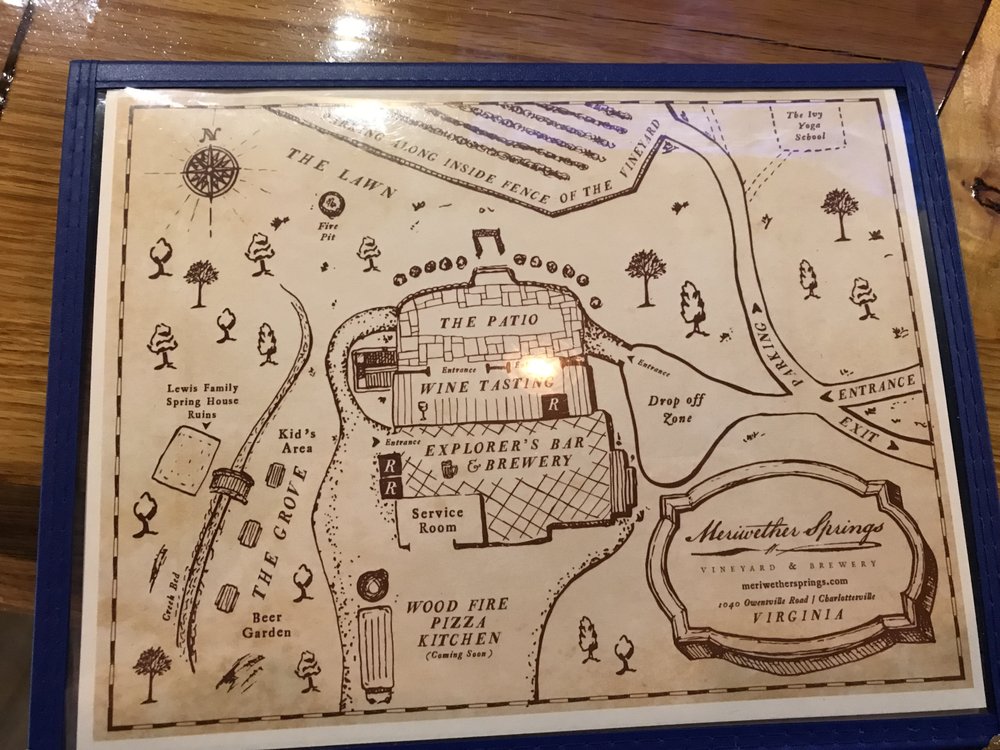
As the name implies, this properly is on the estate of Meriwether Lewis. That’s right – the same dude who (along with his buddy Clark) traveled all the way from Virginia to the Pacific coast and back. Now this property is an event center that more recently opened as a wedding destination, brewery, and (most importantly for me) a winery. I bet Lewis didn’t see that one coming!
I arrived on a Friday afternoon so things were relatively tame. But I can imagine this place getting super busy on weekends and in the evenings. They were still installing the pizza oven when I arrived, but food trucks seemed to be a frequent visitor here.
While as a winery they are new, they’ve been growing grapes and making wine for several years. In fact Matthieu Finot (of King Family fame) is their wine maker. So in terms of devotion to good wines, this place is definitely on the right track.
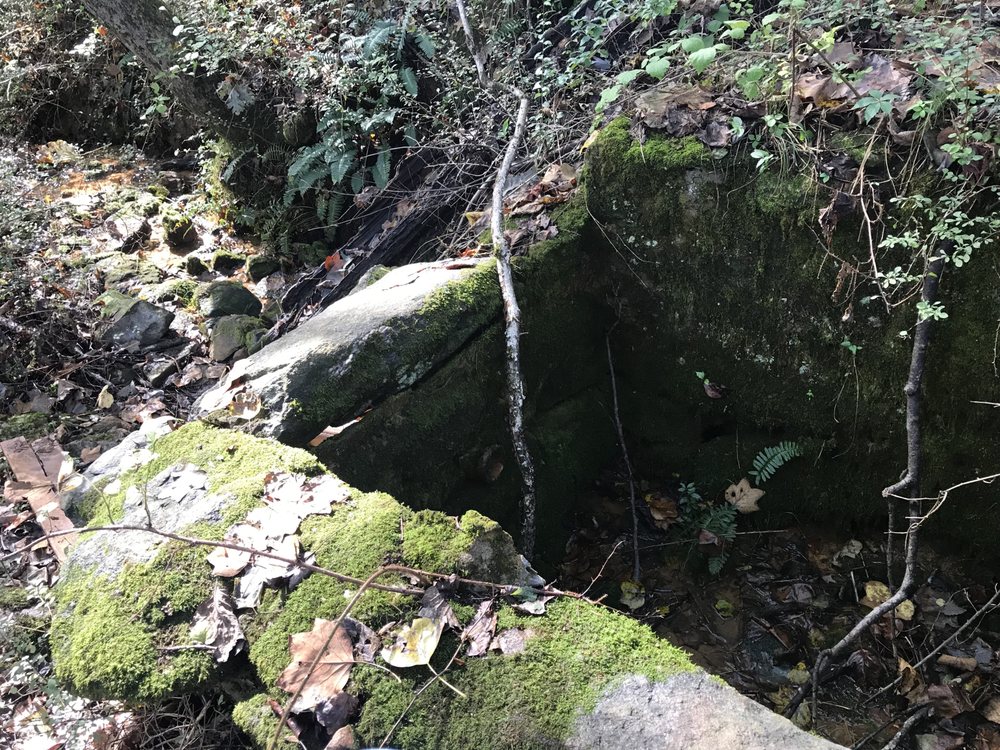
Since I’m a huge history buff, I need to talk a bit about the property. Merriweather Lewis was a Virginian who grew up on this property, once known as Locust Hill. Most of that farmland has since turned into a residential area (his original home is now a B&B down the street). No original structures remain intact, although there is a well that is original.
Original well from Locust Hill
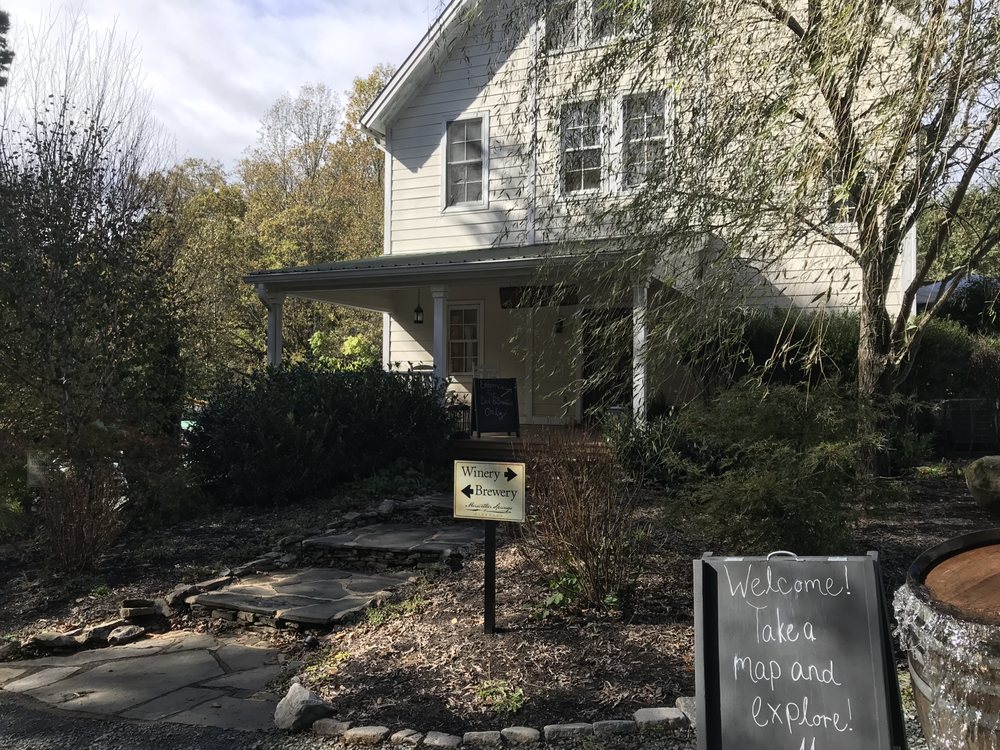
The main building looks like a home that was changed into a tasting room. There was still a fair bit of renovating going on, although the basement was ready to go. Not seen but also on the property is a home that can be rented out on Air B&B for weddings. I settled down and perused the options while my servers brought me up to speed on their offerings.
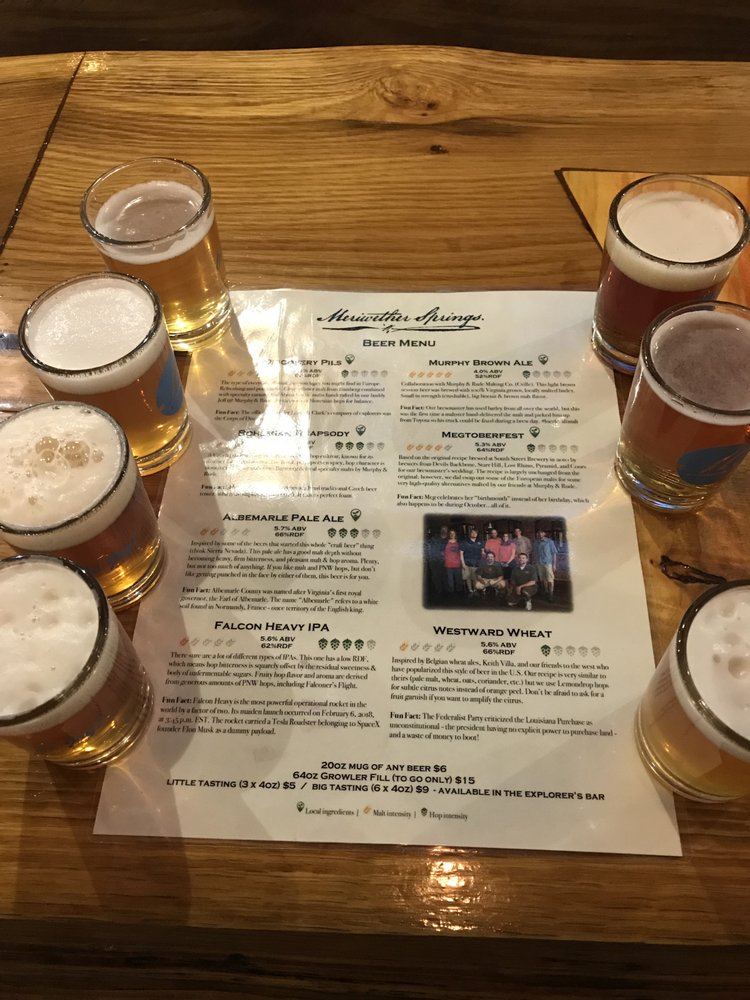
The staff were well versed on both the wines and beers, and neither option seemed to be more in favor over the other. Not wanting to miss out I had a mini flight of craft beer as well. Because seriously, who can miss out on a beer called “Westward Wheat”?
OF COURSE I tried the beer. But this was a wine excursion first and foremost, so after a few sips (OK, more than few sips) I delved into the wine.
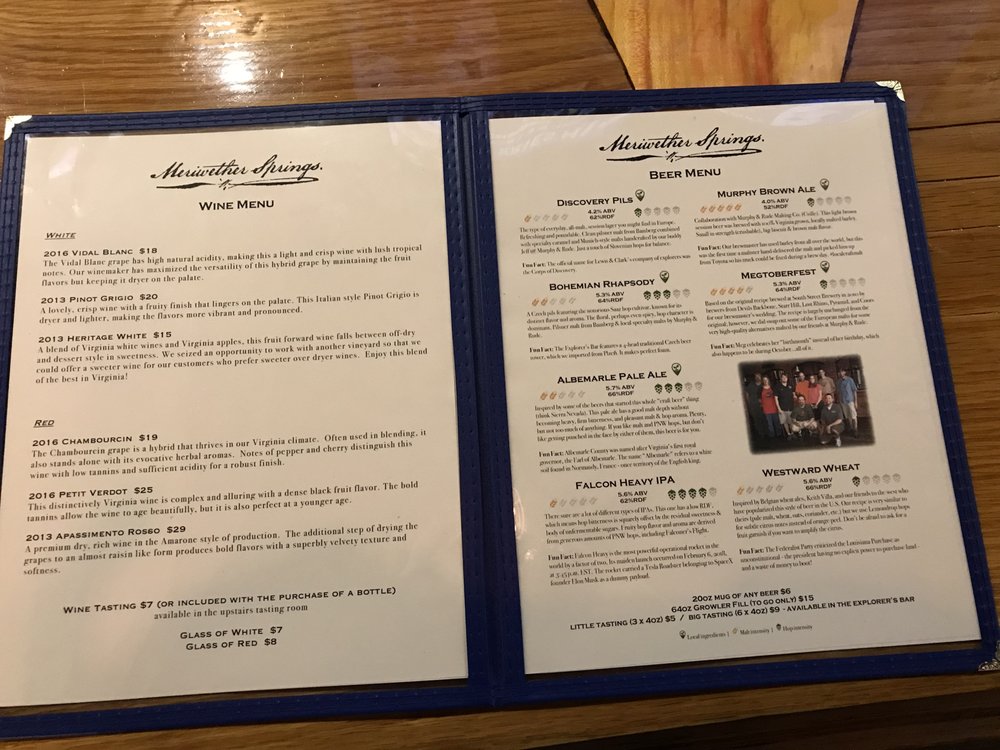
Of the whites, I tried but don’t have notes on the Vidal. But the Pinot Grigio was refreshing. But the most interesting of the whites was the White Heritage, which was an apple/vidal combo.
For the reds, I liked the Chambourcin. But the biggest surprise of the visit was their “Apassimento” amaretto-style Chambourcin (its made in a different method than other typical wines – something about drying the grapes). It was very raison-y, if that makes sense. This is the first amaretto style I’ve ever had in Virginia so I didn’t really know what to make of it.
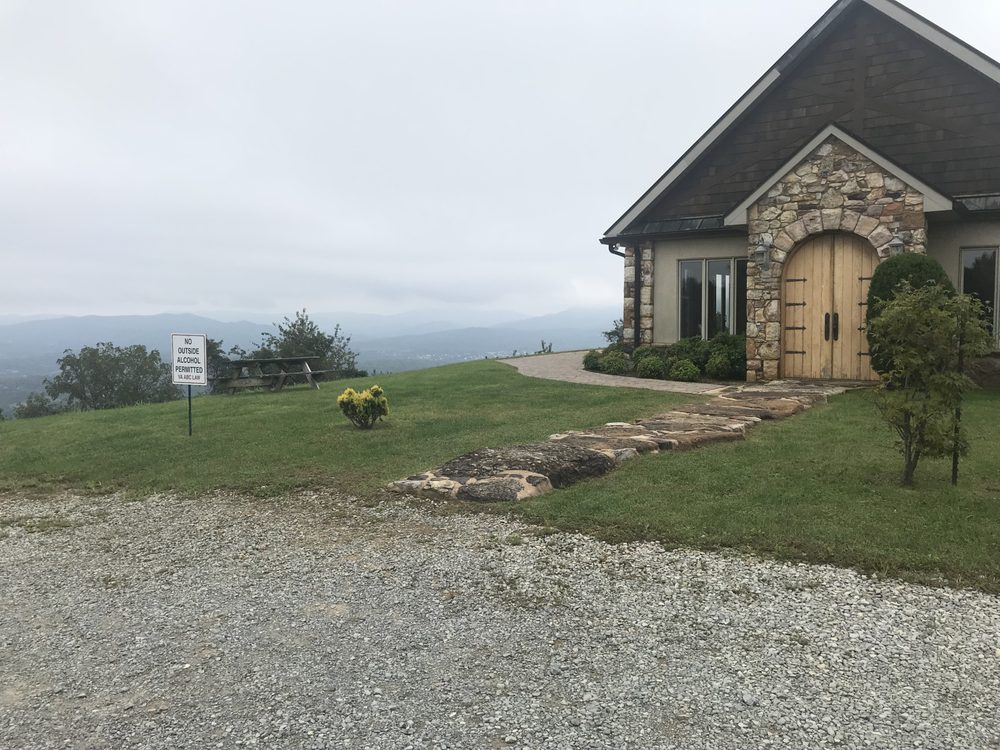
As I was driving up the mountaintop towards Valhalla it should have been obvious that this was an aptly named winery. Valhalla of Norse mythos is said to be an enormous drinking hall where fallen warriors would wine & dine after a glorious death. Well, I’m not a Viking and I didn’t have a Valkyrie guiding me to the afterlife (I was driving a Hyundai Sonata instead of a winged horse, to be truthful about it), but I was totally down with the ‘wine and dine’ part. Heck, the tasting room is even reminiscent of a longhall.
Valhalla Vineyard is one of the older wineries in the state, opening its doors in 1998. That means its these are old vines, which tend to produce more layered wines. At 2000 feet of elevation, the site’s 20 acres have amazing drainage, lots of sun, and cool air; just the right conditions for great wines. The fact it has a fantastic view of Roanoke is an added bonus.
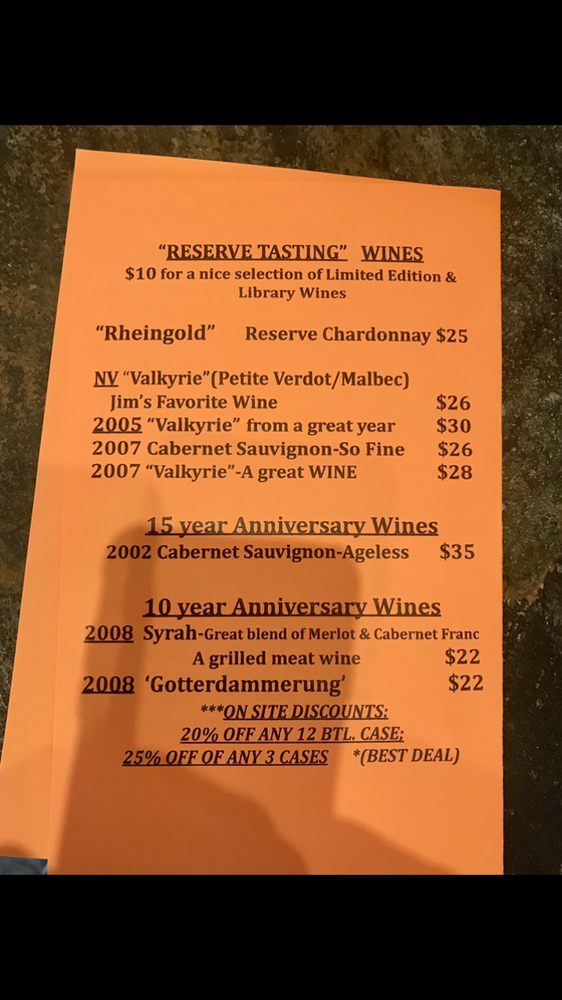
I arrived close to closing time on a Sunday but they still kindly sat me through a full tasting. Several options were available, but of course I went with the Reserve tasting and got pours of several other vintages on top of that.
Choosing wines from here was drafting a fantasy football roster with an unlimited number of picks. At some point I just stopped taking notes as my taste buds became overwhelmed with liquid goodness. And if this I wasn’t already spoiled enough, they kindly allowed me to take home the bottles that were open, rather than pour them out at the end of the day. SCORE!!!
This place is unabashedly about big, bold red wines; and well aged ones at that. Their average tasting is the equivalent of a library tasting elsewhere. What I tried:
2008 Gotterdammerung: Red blend that was still fruity and a bit spicy. And it was only $22 (!!!).
2005 Cabernet Sauvignon: Extremely smooth.
Sangiovese (didn’t get there year): Light color but enough bite to keep me happy.
2002 Cabernet Sauvignon: Nice, although it was getting past its prime.
2008 Cornucopia (red blend): It was bold for my palate, although maybe not to the same standards as others on this list.
Non-vintage (NV) Valkyrie: Red blend made with grapes from different years. Actually one of my favorites of the bunch.
2007 Valkyrie: Cab Sauv/Shiraz blend: My favorite; still bold after all these years. Only $28.
Alicante Bouschet: A French hybrid still planted worldwide (including southern France).
I will definitely be back here; preferably as my first option of the day, with food pairings to go with everything. The only downside is I might not make it to any follow-on activities.
One of my favorite visits in all of the Blue Ridge AVA wineries I’ve visited. All wineries have a story behind them, but I’d say Iron Heart’s story is among the coolest. The name has a double meaning; it honors the site’s history as a steel mill, as well as the strength of character of the women who once owned the farm.
Their wine labels reflect this background. All of them depict the various ladies who work here or family & friends of the vineyard. It may well be the most feminist line of wine labels I’ve ever seen.
The winery is a bit out of the way. This area isn’t famous for its vineyards (although it could be – this corner of Virginia is choc-full of good places to visit) so you need a bit of motivation to make this trip. It is farm country almost all the way, with a smattering of reminders of SW Virginia’s industrial age.
I visited on a slow day so I had the place mostly to
myself. The tasting room is very cozy, and is decorated with little farm
tchotchkes on the wall. My server was
kind enough to guide me through the farm’s history as she poured.
Their vineyard has 10 acres of vines. While the focus
is on hybrids, they have some Riesling, Chardonnay and Cabernet Franc as well.
While the winery has only been open since 2016, the vines were planted before
that so they’ve had fruit for a while.
I was a little surprised that two Rieslings were available; a dry and a sweet. Fun fact – the high elevation here means this is one of the few places in Virginia that Riesling grows relatively well. But my favorites of the tasting were the dry Chardonnay and the smooth Cabernet Franc (which will go to mom in the future).
Visits to Burke’s Garden is what happens when you spend too much time on Google Earth. Maybe it’s the explorer in me, but I love to scroll all over the world. One day I was looking at the SW corner of Virginia and discovered an unusual bowl-shaped valley and thought…”What’s this”?
That’s Burke’s Garden at the bottom on a topographic map
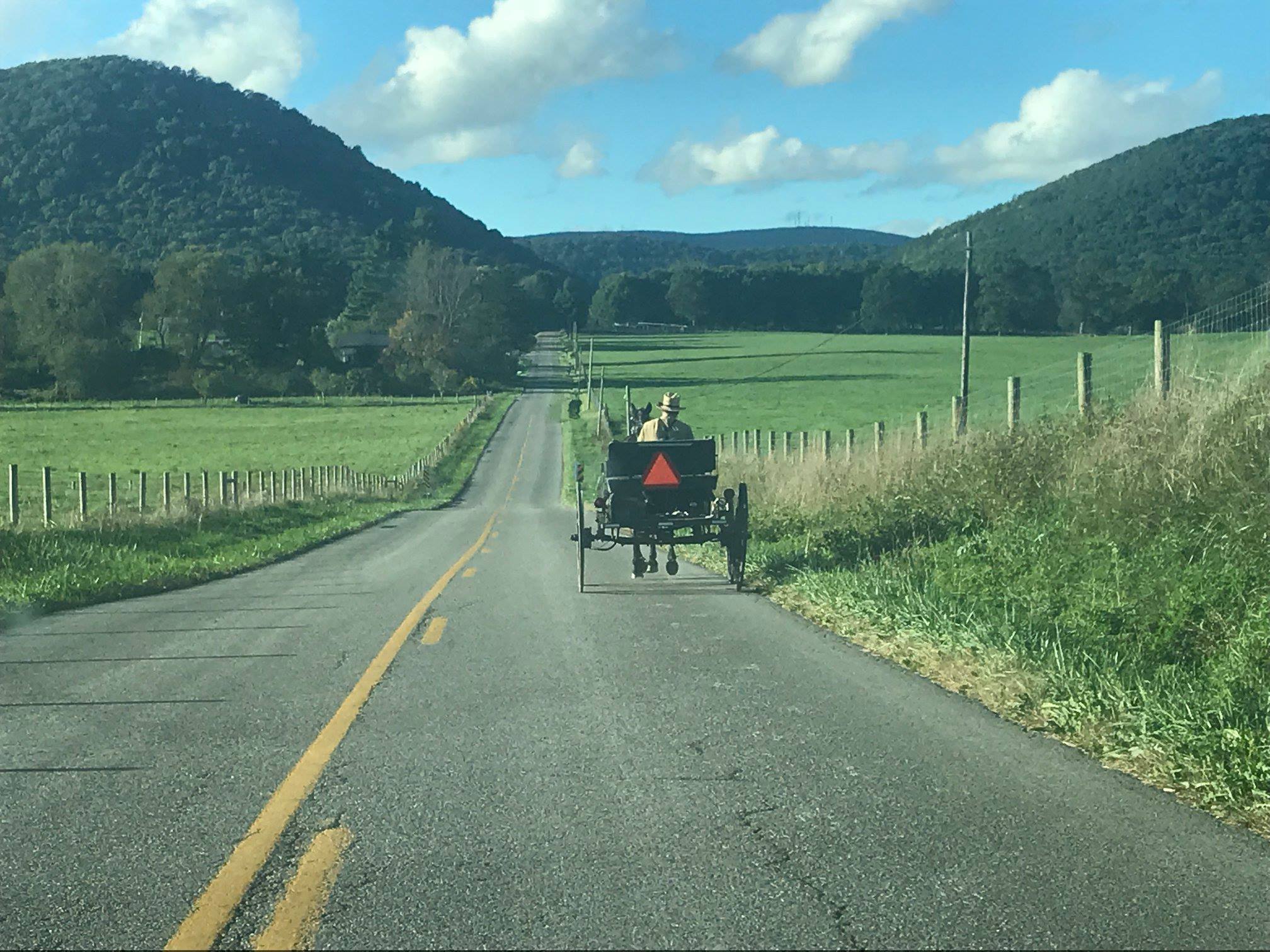
What I found is one of Virginia’s natural wonders; a lush valley surrounded by high mountains, practically cut off from the rest of the world. Today, it’s the home of about 300-ish people – mostly Amish – who take advantage of the fertile land to raise high-poundage cattle.
I stayed at the Burke’s Garden Cottage, a B&B a short drive down from the local general store. This may be a misnomer; it’s stocked with fresh baked goodies and they offer good, hearty meals as well. Because seriously – you can’t go wrong with Amish food.
At the end of every September they throw a festival full of music, arts & crafts, and of course food. If you’re going to pick a time to visit, this would be a good one. But short of the dead of winter it’s not like there’s every going to be a bad time to visit this place.
Not visited this trip is part of the Appalachian Trail, which crosses the crest of the valley. From what I could see there is definitely some excellent hiking here. I was too busy soaking up the serenity of it all to explore much beyond the country roads – but maybe next time?
New River is a neat little place tucked away in a residential area. It’s still new-ish; only opening in late 2016. The tasting room is the basement/backyard of the owner’s home, and the vineyard (I think they have a total of 5 acres) was next door.
When I visited it was PACKED – people were hanging out on the patio having a few glasses. I got the sense this was a favorite local hangout. And why not? I rather like the idea of a place I can walk home from.
Anthony was my server, and he took me through a tasting of a smattering of their dryer wines. The menu is varied – I saw everything from dry muscadine to sauv blanc to strawberry wines available. Needless to say, they have something for every palate – doubly so if you enjoy sweet wines.
While most of their wines were locally sourced, they also imported some muscadine fruit from North Carolina (a growing wine destination in its own right). They also had a sizable number of fruit wines, and (not tasted) a chocolate mint wine. Most of their wines trended towards sweet and made in steel, although I concentrated on the dryer options.
Across the board I found their wines to be easy drinking. My (surprise) favorite varietal was a hybrid called Leon Millot – a grape normally found in southern France. I’d never heard of it before and was impressed with this choice. But I could go for the semi-sweet Sauv Blanc as well.
They have far more wines than I could have easily tasted, but if you want to expand your palate, try it out.
To get to Giles Mountain, prepared to do a lot of driving. Fortunately this is a good thing, since the scenery here is drop dead gorgeous! Nestled in a small valley in the Blue Mountain AVA, Giles is a farm-turned-winery about 40 minutes away from Blacksburg. Suffice to say, unless you’re a local only people who are really interested in expanding their palate or chalking off names of a very long wine list are likely to visit.
My server explained how this was a passion project that sorta got out of hand (a common theme among wineries, no doubt). The tasting room is just around the corner from the owner’s home. The room was brand new, and takes advantage of the hilltop views.
As with most wineries in this area, they specialize in hybrids. The terroir of this area doesn’t lend itself to your typical Bordeaux varietals, so instead they planted 3-4 acres of Chambourcin and Vidal. All their wines are estate with the exception of some Cabernet Franc.
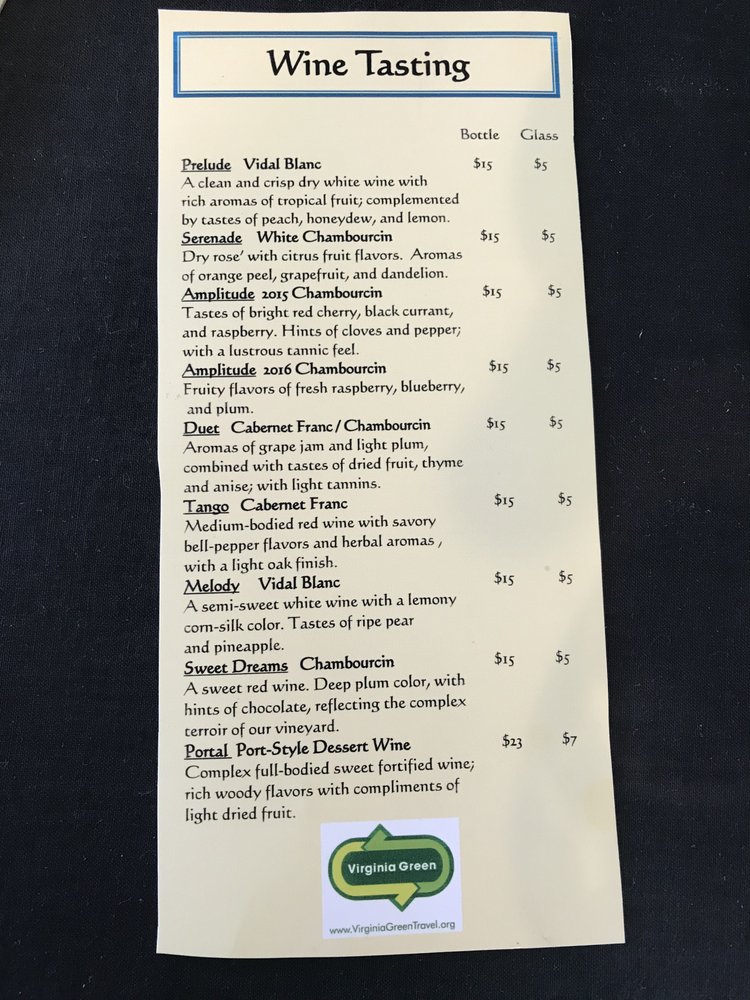
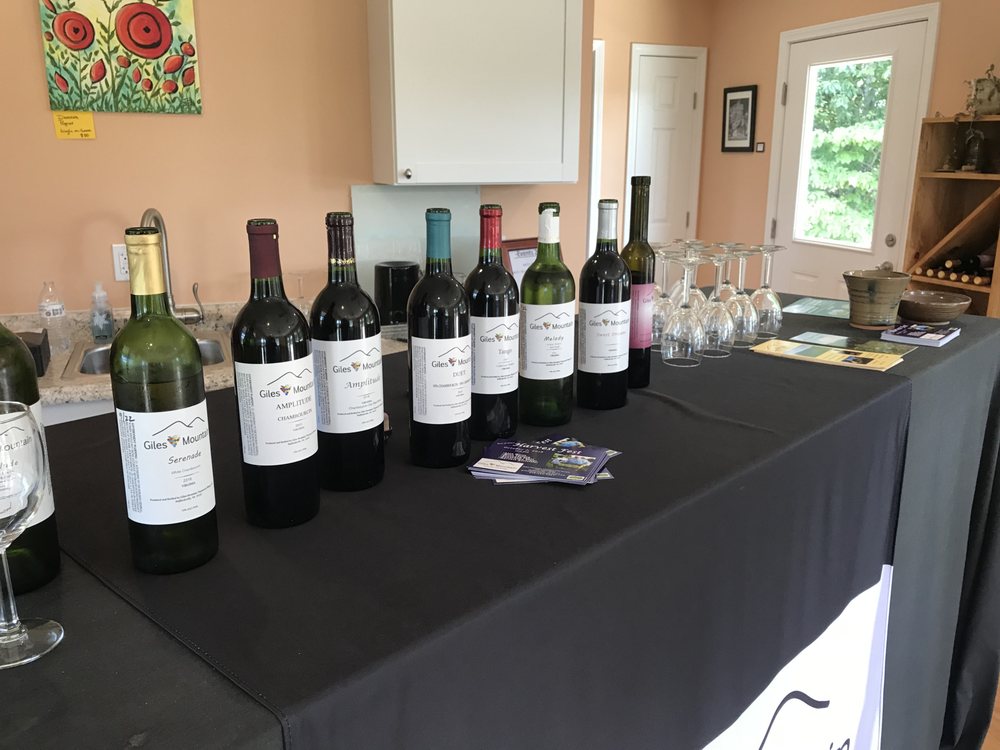
Given how much Chambourcin they have, they were doing flights of different vintages and ever decided to experiment a bit. What I tried:
“Prelude” Vidal: No notes on this one, although (truth in advertising) Vidal isn’t my favorite grape.
White Chambourcin: Reminded me of a dry rose. It’s called a ‘white’ because it’s made without any skin contact, so it looks like a white wine even though it’s a red.
Duet (Chambourcin/Cab Franc): Not bad, although the Cab really stood out.
2015 Chambourcin: Very fruity, even by Chambourcin standards. I ended up with a glass of this while I enjoyed the view outside.
2016 Chambourcin: I liked it, but not quite as much as the 2015.













 Wine Trails and Wanderlust