Virginia Chardonnay Blind Tasting Showdown

I’ll start off by saying this: I love Chardonnay. I’m not alone, given it’s the 2nd most planted white grape in the world and 2nd most planted variety in Virginia.

People who say “Anything but Chardonnay” are probably referring to cheap, overly oaked versions from California. But Chardonnay is something of a chameleon, found in a variety of styles shaped by its growing condition and its winemaker’s preferences.

I’ve long thought Virginia does Chardonnay very well. Two of the most famous Chardonnay producers, Michael Shaps and Jim Law, seem to have an especially strong affinity for Old World-style Chardonnays. Michael Shaps makes authentic Burgundies from his Maison Shaps, and Jim Law refers to his Hardscrabble Chardonnay as his flagship wine.

My blind tasting events has always had a great cross-section of participants, but this one had something of an “A-Team” of wine palates including Kathy Wiedemann of Vinous Musings (also one of the state’s best blind tasters and a Governor’s Cup judge), Paul Armstrong and Warren Richard of Virginia Wine Time, and Stephanie Vogtman, a consultant with extensive experience in the Virginia wine industry.

Having an A-Team of tasters required an equally impressive lineup of wines, many of which I accumulated specifically in anticipation of this event. The A-Team brought several more.

The wines:

  1. 2019 Chatham Church Creek (Steel). Grown in the Eastern Shore. Winemaker Jon Wehner.  This wine is also one the best seafood wine in Virginia (with all due respect to Barbourville’s Vermentino).
  2. 2018 Veritas Reserve. Grown in the Monticello AVA. Winemaker Emily Pelton. Brought in by Stephanie.
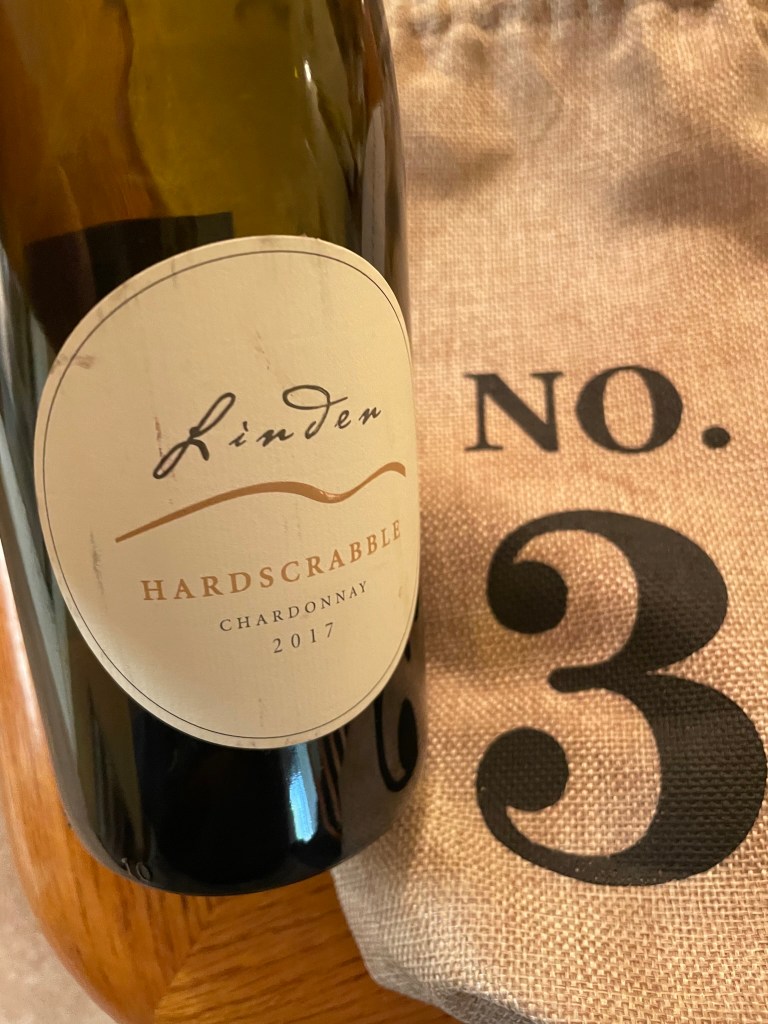
  3. 2017 Linden Hardscrabble. Grown not far from Front Royal at Linden’s estate Hardscrabble vineyard. Winegrower Jim Law. One of the most – arguably the most – famous Chardonnay growers in the state.
  4. 2019 Early Mountain Vineyards Madison County. Grown on I believe EMV’s estate vineyard. Winemakers Ben Jordan and Maya Hood White. This dynamic duo makes several vineyard-specific Chardonnays, but this was my favorite of the bunch I sampled. This EMV was brought by Kathy.
  5. 2019 Michael Shaps Wild Meadow Vineyard. Vineyard located in Loudoun. Winemaker Michael Shaps. This wine also won a place in the 2021 Governor’s Case, so I special ordered it for this event.
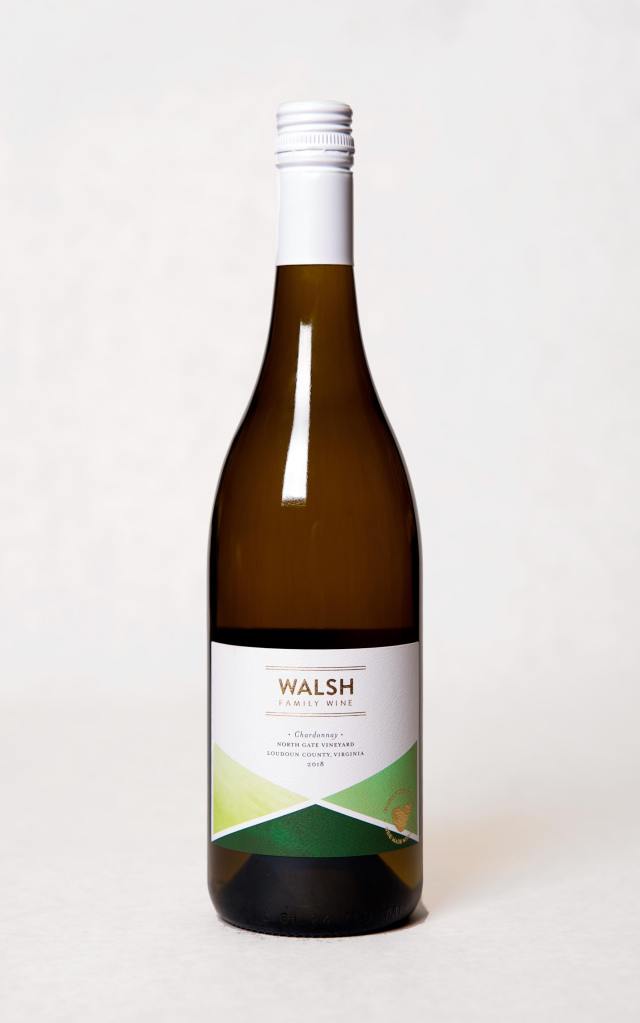
  6. 2019 Walsh North Gate Vineyard. Grown at the estate vineyard of Walsh Family Wine in Loudon County. Winemaker Nate Walsh. I don’t recall what drew me to this wine, but I’ve always enjoyed Nate’s wines so this was an easy choice.
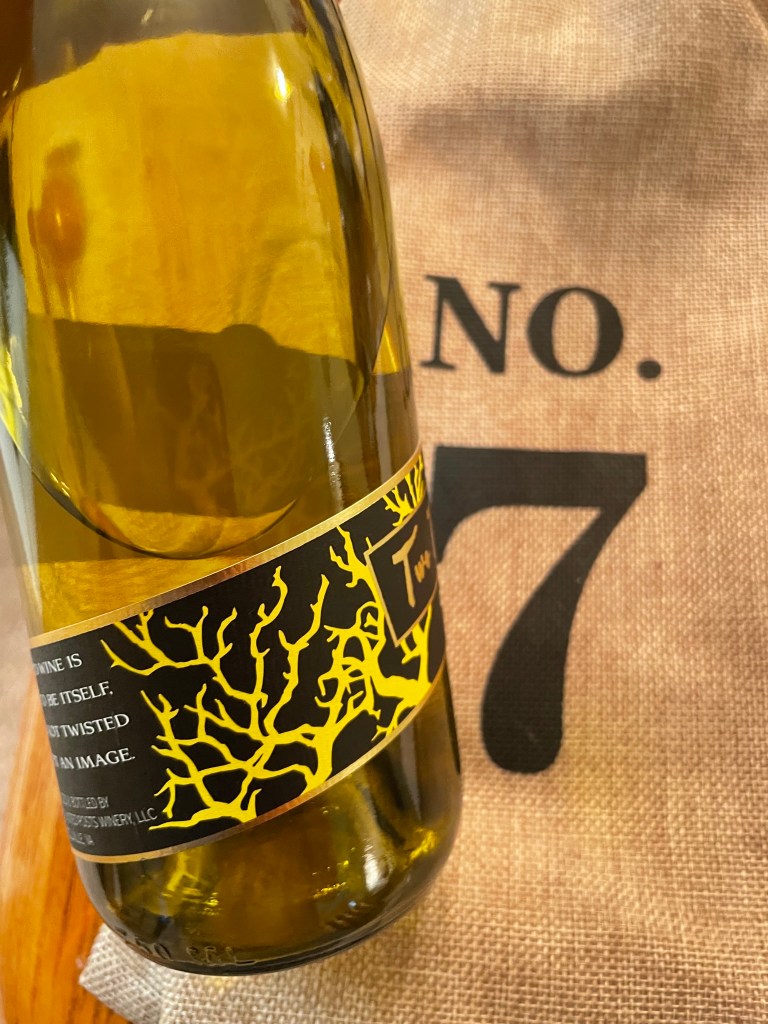
  7. 2018 Two Twisted Post. I believe grown on their estate vineyard in Loudoun Valley. Winemaker Theresa Robertson. Brought by Paul and Warren.
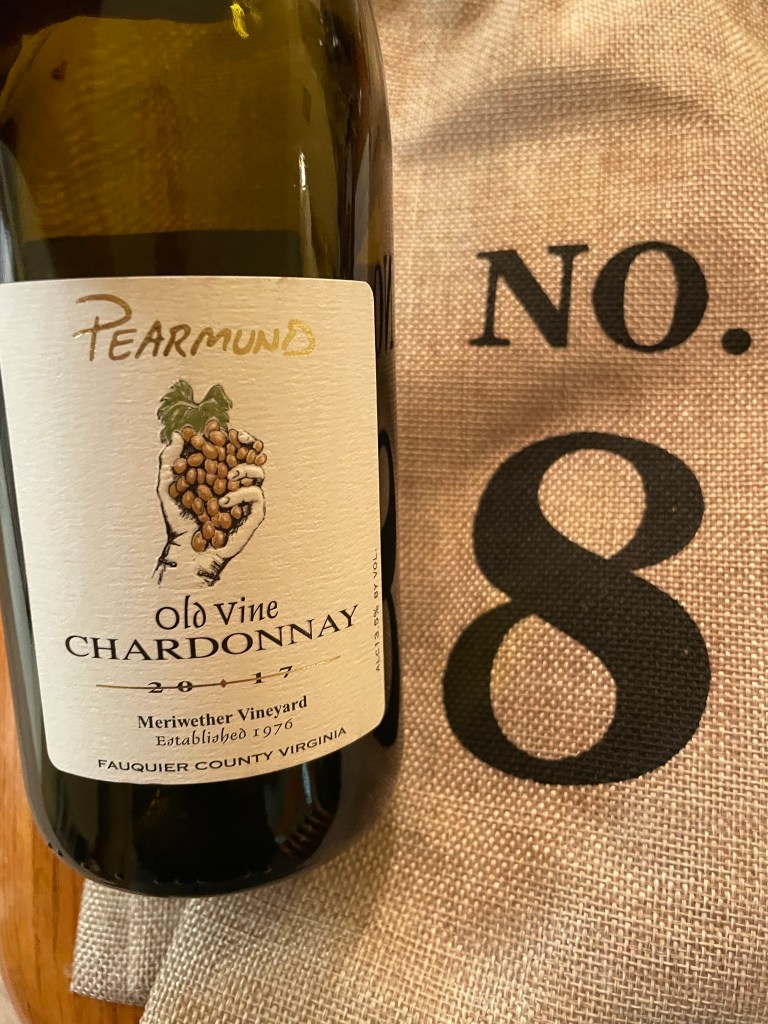
  8. 2017 Pearmund Old Vine. Grown at their estate vineyard near Broad Run (which incidentally has some of the oldest Chardonnay vines in Virginia). I believe the winemaker at the time was Ashton Lough.
  9. 2019 Keswick: Grown at their estate vineyard in the Monticello AVA. Winemaker Stephen Barnard. I tried this a few years ago during a visit and as soon as I had this sweet ambrosia I knew this was going to be a participant at my event.

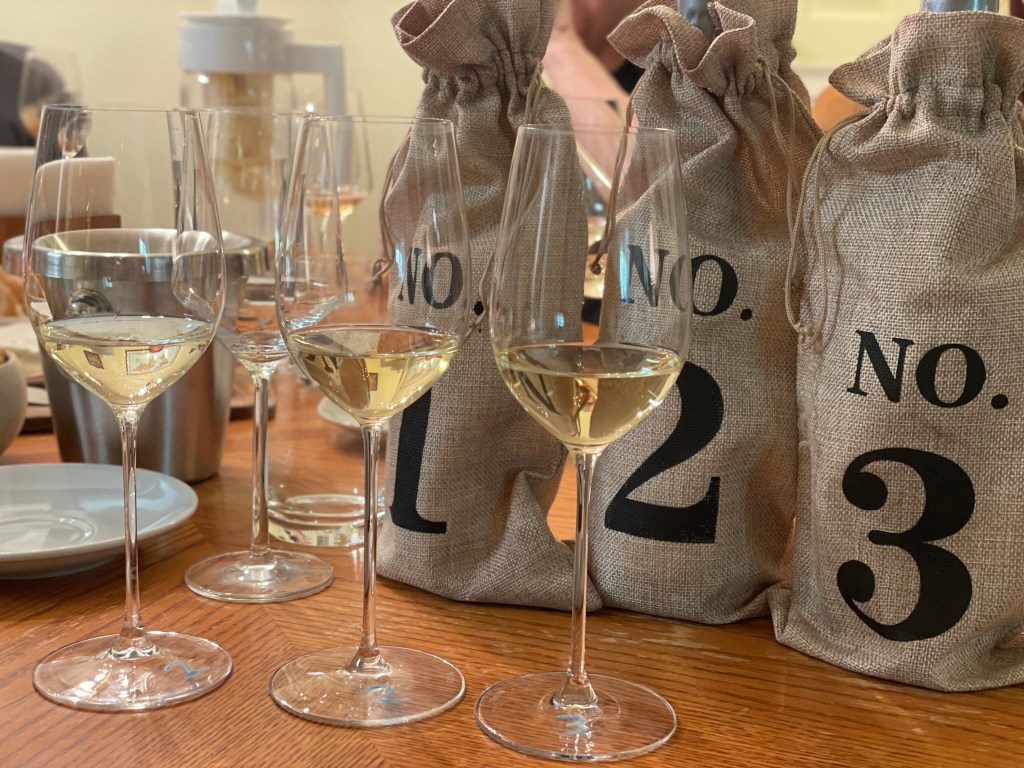
Flight #1:

  • Wine 1. 2019 Chatham (1st winner)
  • Wine 2. 2018 Veritas (3rd)
  • Wine 3. 2017 Linden Hardscrabble (2nd)
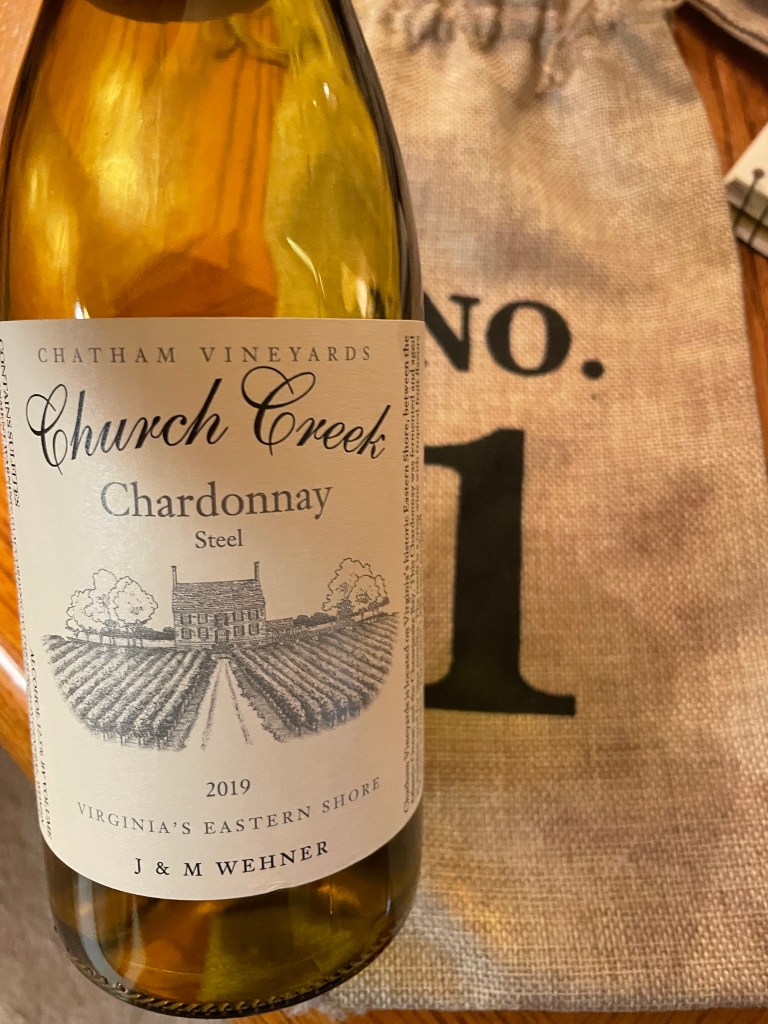
By coincidence, we started out the gate with what turned out to be one of our favorites of the day – the 2019 Chatham (Steel fermented). Most of us had sampled this wine before and were fairly certain of its identity, but we decided to wait till the end before we played ‘guess the bottle’.

The Chatham presented its distinct minerality. This was a soft, fresh “sipping wine”. Lemon or clementine zest on the palate.

Next up was Veritas. Although 2018 was a rough year I think Veritas made good adjustments for this vintage. While the oak was a bit pumped up, pairing it with food brought out those oak-profile characteristics in a good way.

The Linden Hardscrabble shouldn’t need any introduction, given Jim is one of the premiere Chardonnay-makers on the east coast. This was a higher-acid wine, which presented some pink fruit notes (grapefruit?) and even a trace of pineapple.

Putting these three winemakers in the same lineup was almost unfair, especially since the 2017 and 2019 Chardonnays are outstanding vintages. In retrospect I was a bit surprised that Linden didn’t rank higher but the A-Team was united; it was Chatham all the way. Veritas and Linden had a near-tie for 2nd place.

Votes:

  • Kathy: 1/3/2
  • Matt: 1/2/3
  • Paul: 1/3/2
  • Stephanie: 1/2/3
  • Warren: 1/3/2

Flight #2:

  • Wine 4: 2019 Early Mountain Vineyard Madison County (2nd)
  • Wine 5: 2019 Michal Shaps (3rd)
  • Wine 6: 2019 Walsh Family Wine (1st winner)

Let me start off by saying this was my favorite round! There wasn’t a single wine here I’d ever say no to.

The key term to describe Early Mountain Vineyard’s Madison County Chardonnay was ‘lush’. Fresh nose, long ripe apple finish. Notes of orange zest. We were it was a mix of neutral and newer American oak (it was actually neutral French and newer European oak). The wood was well integrated.

The Michael Shaps 2019 had a tropical nose (maybe a dash of Petit Manseng?) and it gave a big ‘pop’ of tropical fruit, like mango and pineapple. We felt this was definite a ‘food wine’.

The Walsh Family Wine had a softer nose with a whiff of flowers. I swear I got a bit of tannin here. Very diverse profile of tasting notes, to include some sweet orange. Creamy finish. We felt this would be great with creamy dishes or seafood. “Very Burgundian” was mentioned. Probably the most versatile wine of the lineup.

Walsh was easily our favorite, with EMV and Shaps vying for 2nd place.

Votes:

  • Kathy: 6/4/5
  • Matt: 6/4/5
  • Paul: 6/4/5
  • Stephanie: 6/4/5
  • Warren: 6/5/4

Flight #3:

  • Wine 7: 2018 Two Twisted Posts (2nd)
  • Wine 8: 2017 Pearmund Old Vine (3rd)
  • Wine 9: 2019 Keswick (1st winner)

Off the bat you could tell the first two wines were far darker than anything we’d had before, with an almost orange hue. This was the closest round in terms of favorites, since Two Twisted Posts and Keswick were especially appreciated.

The Two Twisted Posts had an almost hay color. Yellow flowers on the nose…maybe daisies? Yellow apple, lemon, citrus on the palate. Close #2 for this round.

The Pearmund was oakier than we preferred. There was an almost green quality to this bottle. Notes of celery or asparagus were mentioned.

The Keswick was well liked all around, ranked 1st or 2nd by all. Caramel, crème, apple on the plate. Flinty notes and wild flower on the nose. Someone mentioned a candied lemon quality here. It was also an especially high acid wine. Someone mentioned ginger on the back end.

Votes:

  • Kathy: 9/7/8
  • Matt: 9/7/8
  • Paul: 9/7/8
  • Stephanie: 7/9/8
  • Warren: 7/9/8

Finalist Round:

  • Wine #1: 2019 Chatham (2nd)
  • Wine #6: 2019 Walsh (1st winner)
  • Wine #9: 2019 Keswick (3rd)

No special tasting notes here. We took a break to eat, thinking maybe this might change our earlier tasting notes. But ultimately, our palates were still on the same path as they were before.

These were three clear winners, with the fresh minerality of the Chatham vying with the versatility of the Walsh. But for this round, Walsh won.

Votes

  • Kathy: 6/1/9
  • Matt: 1/6/9
  • Paul: 1/9/6
  • Stephanie: 6/1/9
  • Warren: 6/1/9

Overall Favorite: 2019 Walsh Family Wine
Not the main question – did the best wine win?

I think to ask this question misses the point. Any blind tasting is the product of that day, with that group, with that food. I could repeat the same wines days later and we easily could have gotten different results. And if we had tried pairing them with a different set of dishes, the final selections would have been more different still.

But I’m not at all surprised we picked Walsh. I think Nate is really under-rated, and this wine seemed to go with everything and satisfy every palate. I purposely tasted every wine on its own as well with a bite of food, and Walsh always stood out.

Not surprised either that Chatham or Keswick made it to the finals. Chatham was the ‘most different’, likely because of its minerality and lack of any oak (I’m really happy it went first). Keswick likewise was bright, fresh, and very quaffable. Interestingly enough, all were from the 2019 vintage, which was ripe yet young enough to retain their ‘fresh’ characteristics.

Next up: Viognier.

Virginia Rieslings vs the World

Virginia’s diverse climate allows it to produce nearly every grape imaginable. The state is fortunate to not only have a number of French and Italian varietals, but also vines from Germany, Spain, Portugal, and elsewhere.

That aside, saying Virginia isn’t known for Riesling would be a major understatement. Riesling’s home is Germany, although it’s also found in the New York Finger Lakes, Oregon, California’s Central Coast, and certain parts of Australia.

Riesling requires cool growing conditions, so it loves high elevation or warm spots in areas otherwise known for colder weather. That limits the places in Virginia where Riesling is truly suitable. Most of Virginia’s 25 acres of Riesling is found in the Shenandoah and Roanoke Valleys, although a tiny number of vineyards east the Blue Ridge such as Linden and Grey Ghost also have it.

To understand why Virginia has so little of this varietal, I approached Luke Trainum, winemaker of Hazy Mountain Vineyards & Winery. Their Riesling is planted in their second vineyard, a steep hill in the southern Shenandoah Valley. He explained (and I’m only slightly paraphrasing):

“Riesling east of the Blue Ridge struggles, mostly due to humidity. It grows well for us in the valley so long as we are not facing a year of excess moisture or oppressive humidity. As a varietal it is quite prone to botrytis so keeping the canopy clean with plenty of airflow is paramount.

As a vine it is not especially needy, but it does require the steps of the growing season to be well timed and executed properly. As for production, they tend to throw smaller, lightweight clusters that reduce the yield as far as tons per acre goes but really draws out potent aromatics and a concentration of flavor. In the vineyard you can tell you are in the Riesling block just by the smell standing in the middle of it.

Overall, it is enjoyable to grow and very exciting to work with in the winery. Even though it does not throw us the largest crops, what it does give us is a tremendous depth of flavor and aromatics.”

Since there is so little Virginia Riesling, I picked three places – Hazy Mountain, Linden Vineyards, and Rockbridge Vineyards (southern Shenandoah Valley) – and put them against wines from the Finger Lakes and Germany.

I tried to only sample dry Rieslings to make everything as comparable as possible, although the Rockbridge was off-dry.

The contestants:

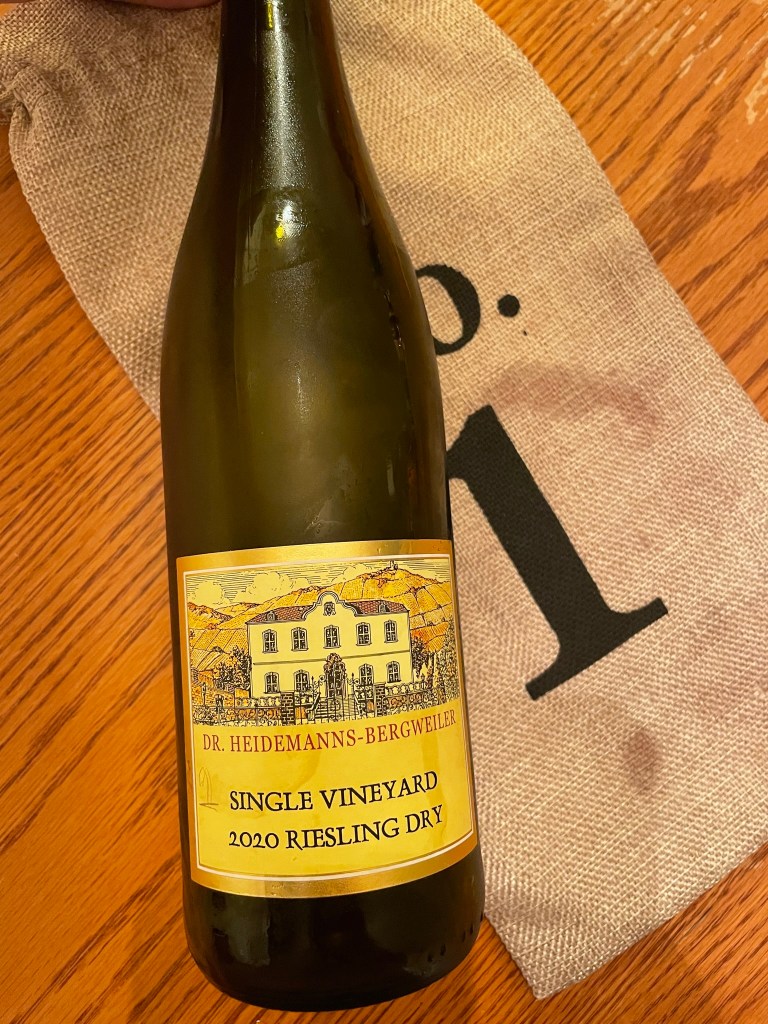
  1. (Germany, Mosel) 2020 Dr. Heidemanns-Bergweiler ($19.99, Total Wine)
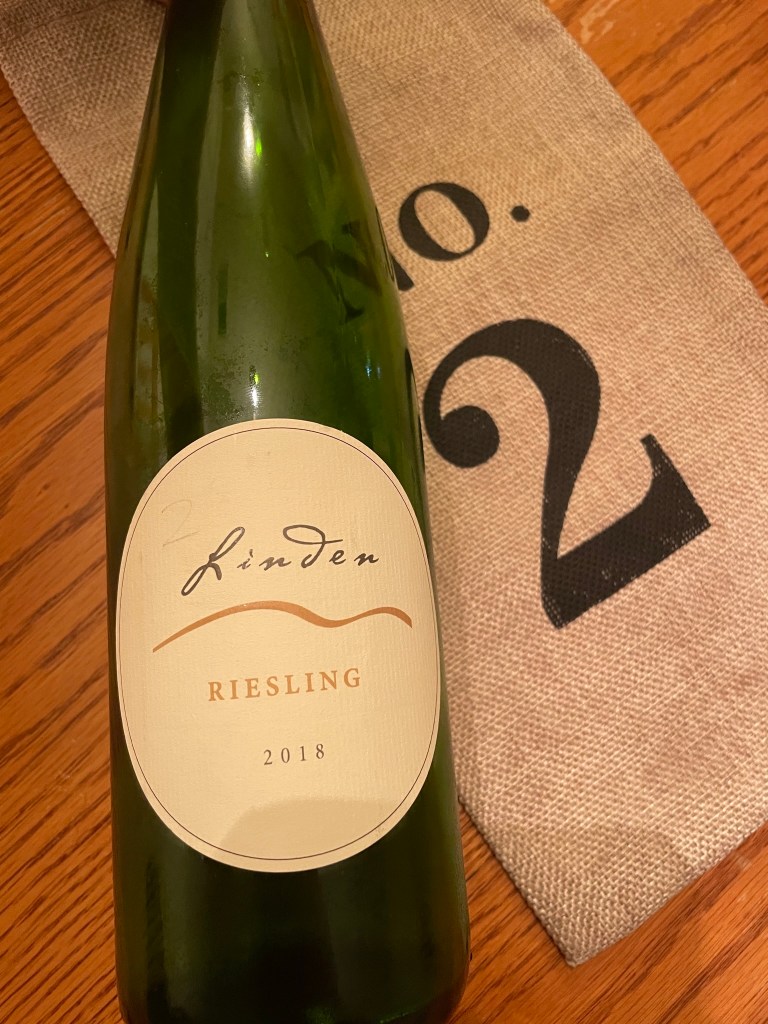
  2. (Virginia) 2018 Linden Vineyards ($25 at the winery)
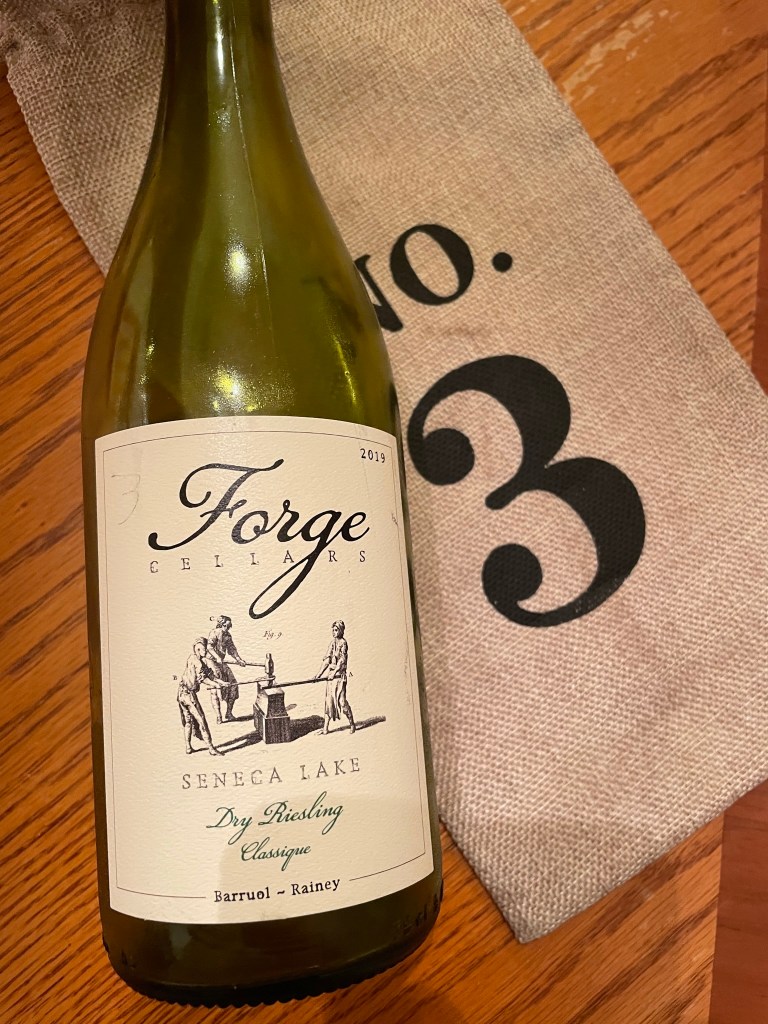
  3. (Finger Lakes) 2019 Forge Cellars Classique ($17.95 at local wine shops)
  4. (Germany, Pfalz) 2019 Pfeffingen Dry Riesling ($17.95 – $21.95)
  5. (Finger Lakes) 2017 District Winery Riesling ($23 at the winery)
  6. (Virginia, Shenandoah Valley) 2015 Rockbridge White Riesling ($21, sold out at the winery)
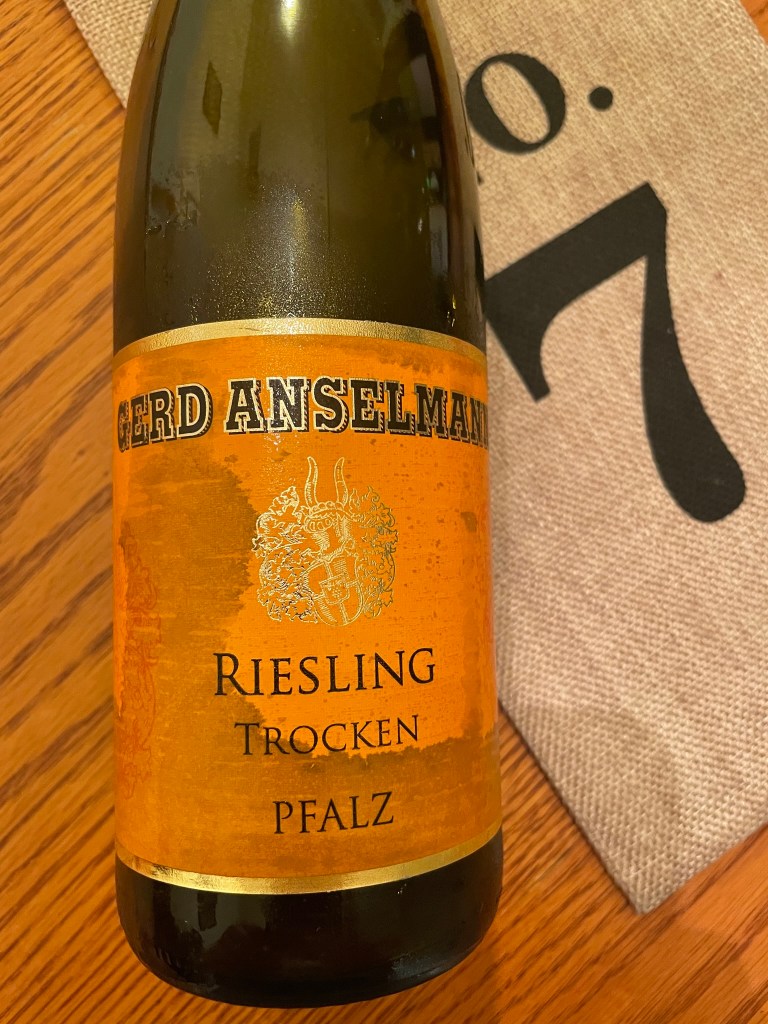
  7. (Germany, Pfalz) 2020 Gerd Anselmann Riesling (Dry) ($19.99, Total Wine)
  8. (Finger Lakes) 2019 Dr. Konstantin Frank “Eugenia” ($32, Wine Searcher)
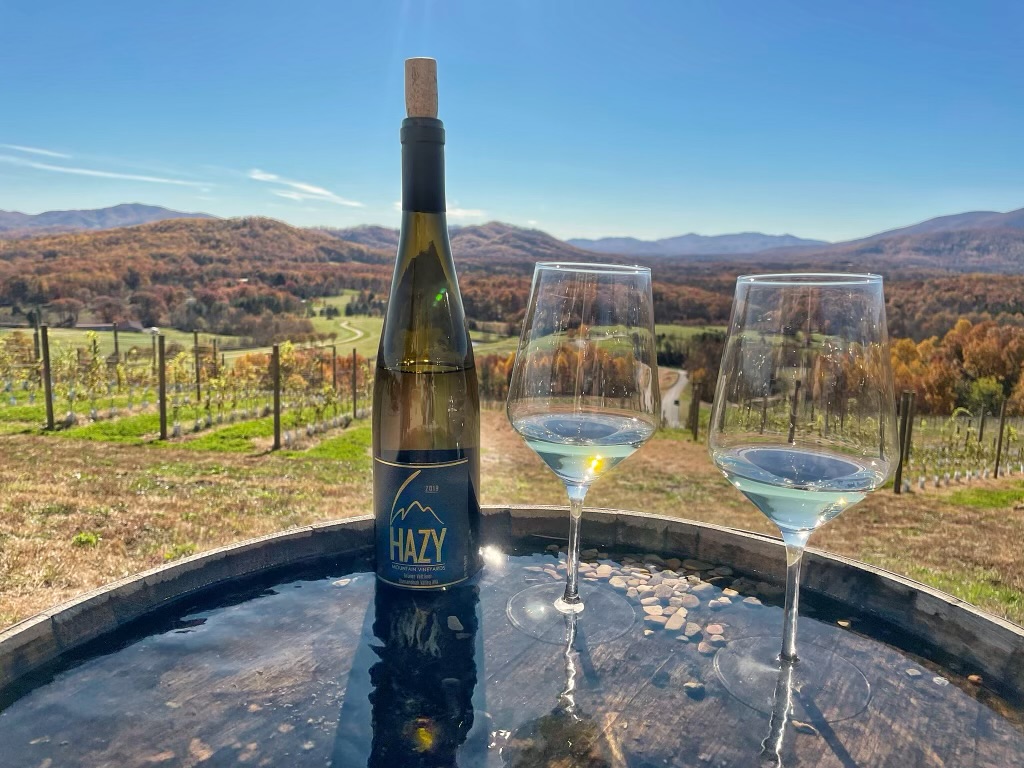
  9. (Virginia, Shenandoah Valley) 2019 Hazy Mountain Vineyards Riesling ($27 at the winery)

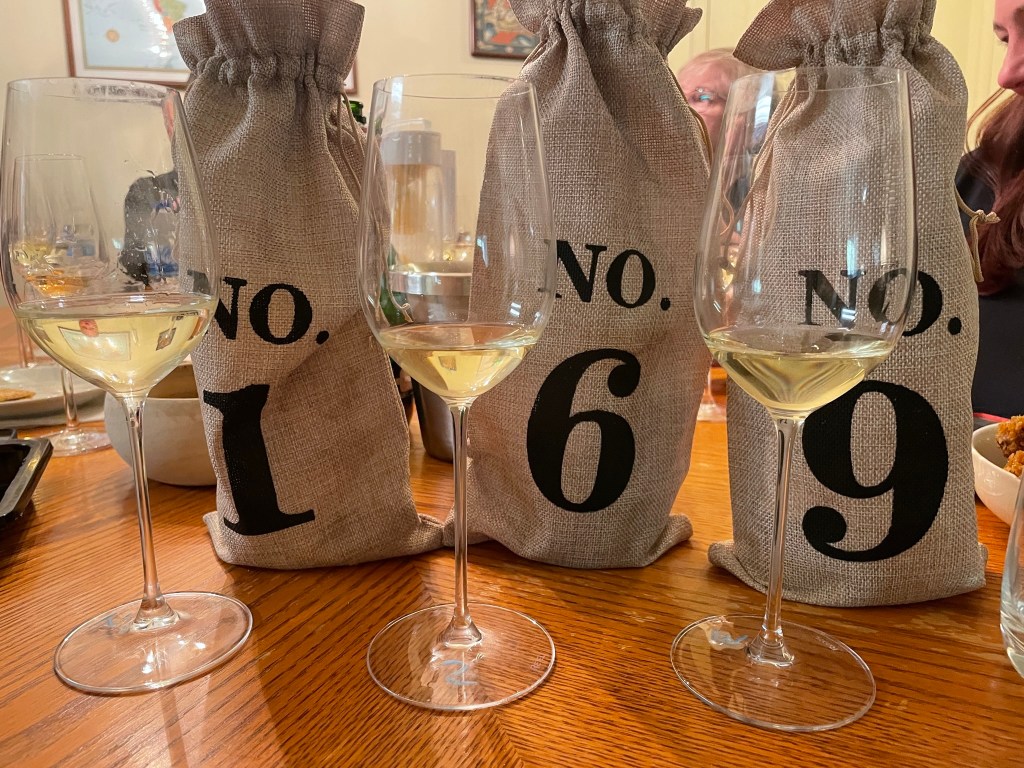
    I did this event with a group of friends, with all bottles bagged up. I allowed people to split votes between two bottles.

Flight 1 / Round 1:

  • Wine 1: 2020 Dr. Heidemanns-Bergweiler (Germany, 2 full votes)
  • Wine 2: 2018 Linden Vineyards (Virgina, 2 full votes, 2 x ½ votes, Winner)
  • Wine 3: 2019 Forge Cellars Classique (FLX, 1 full vote, 2 x ½ votes)

Fun round! The votes were well spread. Bottle #2 (Linden) was the favorite but not by a huge margin.

We found the German Dr. H. to be very Pinot Grigio-like, which threw us off. Lighter color, tropical notes (especially peach). Notes of lime on the palate. A very drinkable wine.

The Linden 2018 was a pale gold. Our participants noted aromas ranging from lemon-y, petrol, to minerality. Granny Smith on the palate. This wine also had more body. Winemaker Jim Law called this “A pretty, light bodied, playfully styled Riesling.” I thought this was a very nice wine in a vintage that was incredibly wet and difficult.

The Forge Cellars was a pale gold with slate, lemon, and petrol on the nose. Super high acid. Very round on the palate.

Overall I think we gravitated towards the drinkability of the Linden.

Flight 2 / Round 1:

  • Wine 4: 2019 Pfeffingen Dry Riesling (Germany, zero votes)
  • Wine 5: 2019 District Winery Riesling (FLX, 4 votes, winner)
  • Wine 6: 2015 Rockbridge White Riesling (Virginia, 3 votes)

This was my favorite round!

The Pfeffingen had a really light color. Flint on the nose, lemon or lemongrass on the nose and palate. Some noted ginger on the nose as well.

The District Winery was described as “The type of Riesling I want to be recommended to me.” Long, zesty finish. We had all sorts of notes on the nose, including pear, apple, limestone, chalk, even rubber (petrol was not described). Lots and lots of lemon on the palate.

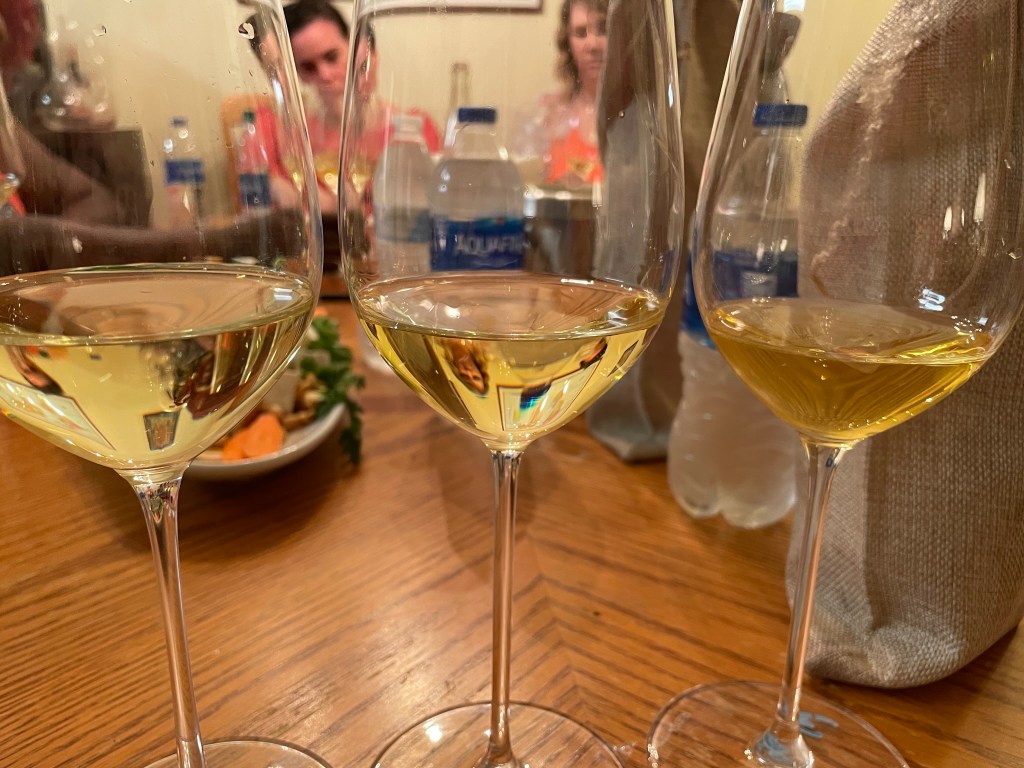
The Rockbridge was probably the most unique wine of the night – but in a good way. We noted it seemed to have a touch of noble rot, which was a quality that when it was loved, it was really loved. Nose had notes of honey and maybe wax, while the body was oily or waxy, with an almost ginger ale quality to it. The color was also exceptionally dark, with an almost orange hue.

I asked winemaker Shep Rouse for details, and he explained “I used icewine to sweeten it although the icewine grapes were frozen in a freezer. The Riesling is estate bottled and grown at 2,000 ft elevation. There was little noble rot in the constituents but the cryoconcentration of the juice for the icewine creates Botrytis-like character.”

From left to right; Pfeffingen, City Winery, and Rockbridge. Look at the color on the right glass!

Some who voted for Rockbridge said it was their favorite wine of the night – although noble rot characteristics gave it something of a ‘you can only enjoy one glass at a time’ quality to it.

Flight 3 / Round 1:

  • Wine 7: Gerd Anselmann Riesling (Dry) (Germany, zero votes)
  • Wine 8: 2019 Dr. Konstantin Frank “Eugenia” (FLX, 3 votes)
  • Wine 9: 2019 Hazy Mountain Vineyards Riesling (Virginia, 4 votes, winner)

The German Gerd was possibly our least favorite wine of the evening. Fruity nose but it seemed off balance. Acidity on the lower end.

The Dr. Konstantin Frank had various descriptions. On the nose we found petrol, tire, flint, slate. On the palate it was ripe fruit, maybe yellow apple. Higher acidity here too.

The Hazy Mountain was a lighter color, and I swear had some ‘funk’ on the nose. Honey on the palate, as well as apple and pear notes. But the funk was a feature not a flaw; it didn’t appear on the palate at all. I suspect if I had given it more time to breathe this aroma would have dissipated and the wine would have gotten even more votes.

Final Round:

  • Wine 2: 2018 Linden Vineyards (Virginia, 1 vote)
  • Wine 5: 2017 District Winery Riesling (FLX, 5 votes, winner)
  • Wine 9: 2019 Hazy Mountain Vineyards Riesling (Virginia, 1 vote)

I don’t have detailed tasting notes beyond what’s already written. The Linden was probably the easiest drinking of this set. The District Winery was very well balanced.

Winner? D.C.’s very own District Winery, which used Finger Lakes fruit.

Drinking these wines was fun. But equally fun was talking about them – and we had plenty to talk about.

Put simply, all of us were SHOCKED that two Virginia Rieslings made it to the final round. As much as we love Virginia wine, none of us had faith that our Rieslings would stand up to either Germany or the Finger Lakes. Yet here were at the final round, two Virginia wines on the table and none from Germany.

So what happened?

Our best guess is that the German wines we had were…put simply…probably not this country’s best examples. Germany exports lots of Riesling, so we were likely getting cheap wines meant for an American audience. I suspect Germany also focuses on off-dry Rieslings as opposed to drier versions, so that may have further skewed the ratings.

Even with that in mind, Finger Lakes didn’t kick-butt as I would have thought. Dr. Konstantin and Forge Cellars are world-famous Riesling producers, yet neither got through their first round (I admit, I did love that Forge).

But the simplest answer is that when Virginia makes Riesling, it does it well. Out of the nine wines we blind-tasted, the three Virginia bottles easily landed in the top half. Some would have put the Rockbridge wine as the best of the evening. That’s a damn good showing for a region that is hardly known for this varietal.

So next time you’re debating picking of a Riesling – look for one from Virginia! The price points of Virginia Rieslings are very comparable to those of elsewhere, and I’d humbly say the quality was superior.

Virginia Petit Verdot Blind Tasting Showdown Part II

This was my second Petit Verdot showdown in a month, mostly by coincidence. Weather and COVID forced me to constantly change the date of the initial event, to the point that half my friends who bought bottles in anticipation of the first event couldn’t make it when it finally happened. So the only solution was to have a second one.

My previous Petit Verdot blind tasting was a 2017 vintage-only event, so I switch it up in order to avoid being repetitive. This time, I allowed Petit Verdots from any vintage, from any area around the world.

The upside to this was by a varietal tasting across vintages made me appreciate the strong variation our weather causes. I felt the tasting profile of the 2016-2017 PVs were noticeably ‘bigger’ but had a few years to mellow, while the 2018s were notably softer. The 2019 tended towards being ripe and young.

I didn’t realize this at first, but the 2018s were lower in alcohol and at least one was a blend. This seemed to work in their favor, since Petit Verdot on its own is so bold it cries out for a hearty meal, so the easy-drinking PVs showed very well in our event.

The addition of a pair of California Petit Verdots added an interesting dimension. I did a little bit of research and realized that there are only 800 acres of Petit Verdot in California (compared to around 23,000 acres of Cab Sauv).

Most I opened 2-3 hours before the event, although a few guest wines weren’t opened till we started. We sampled 3 wines at a time, plus a ‘winners’ round of the top 3.

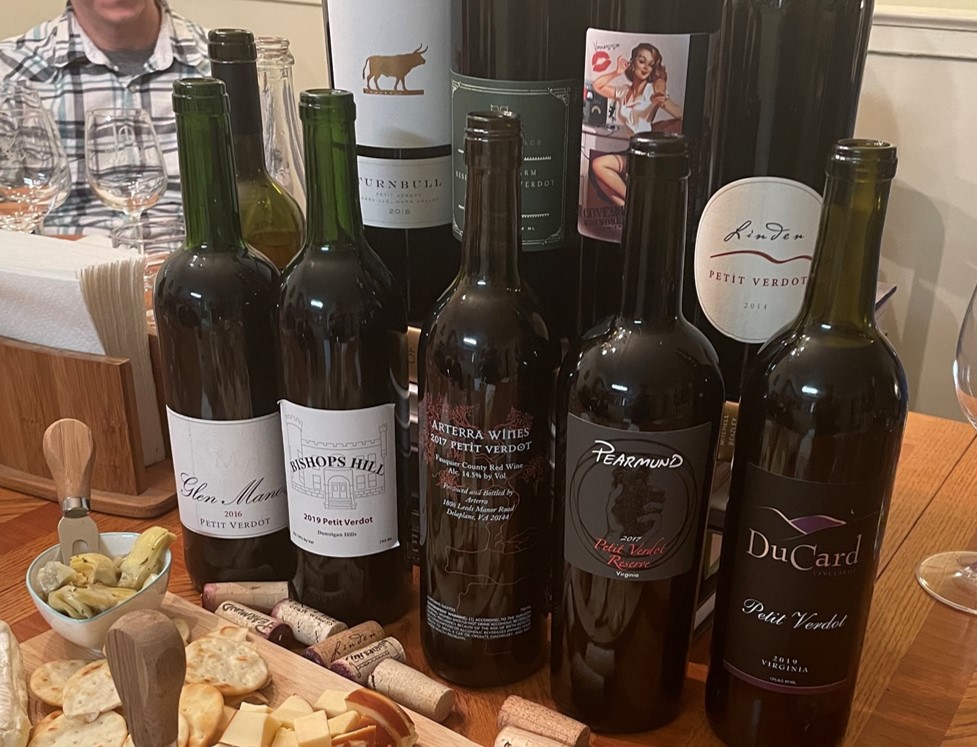
  1. 2018 True Heritage (12% alcohol, VA. Also 25% Merlot)
  2. 2016 Turnbull (14.9% alcohol, NAPA
  3. 2016 Glen Manor (14.3% alcohol, VA)
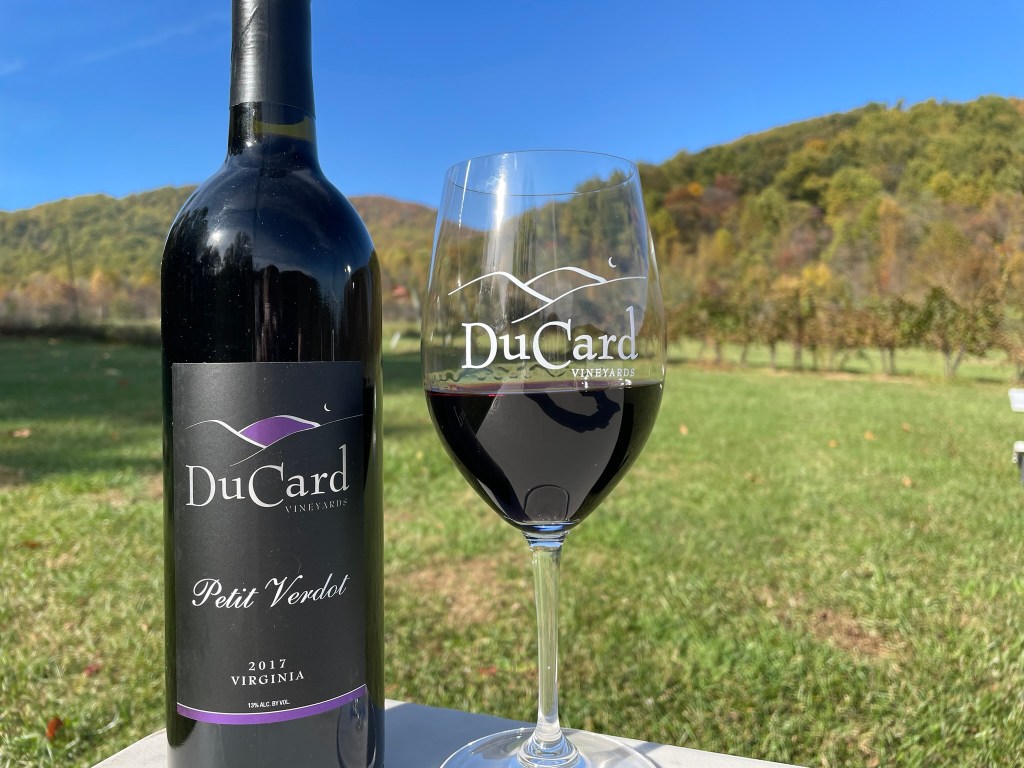
  4. 2019 DuCard (13% alcohol, VA)
  5. 2018 Vint Hill (VA)
  6. 2017 Arterra (14.5% alcohol, VA)
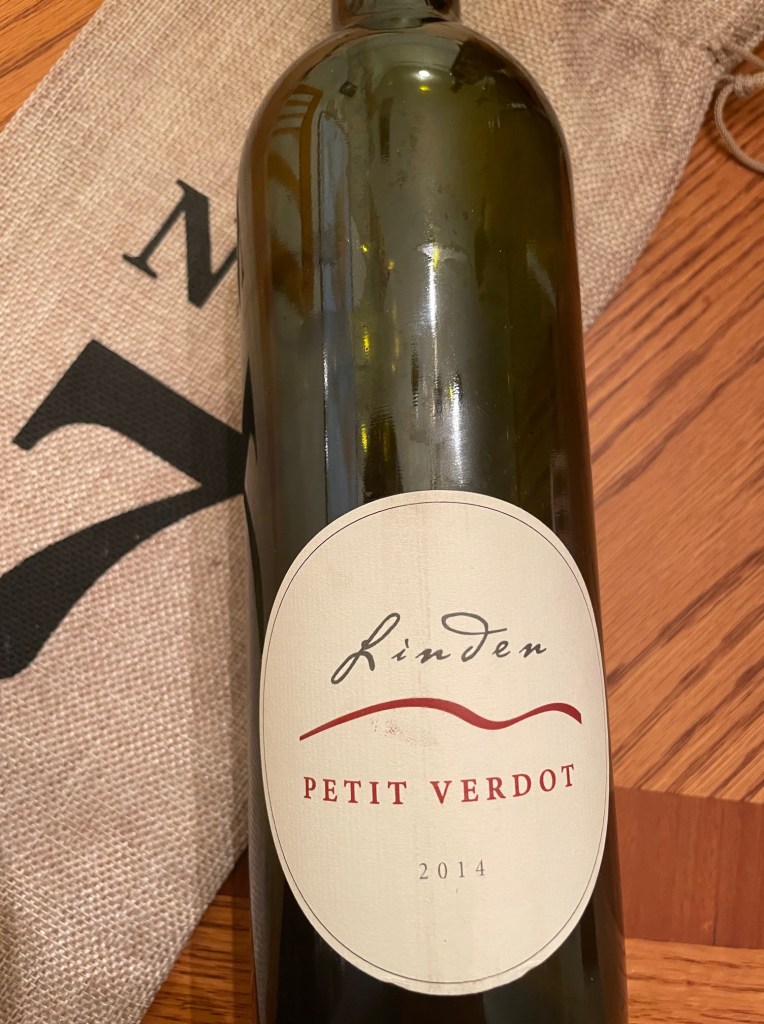
  7. 2014 Linden (13.9% alcohol, VA. 88% PV, 8 Cab Sauv, 4 % Carménère)
  8. 2019 Bishop Hill (14%)
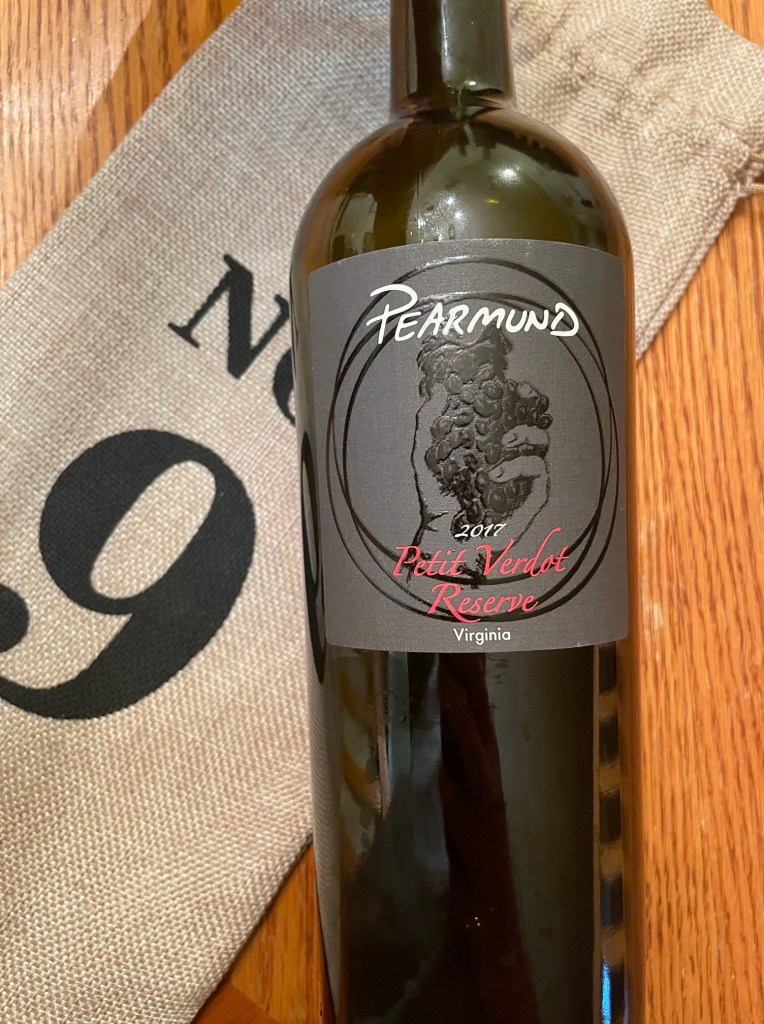
  9. 2017 Pearmund Reserve (13.5%)

Round 1/Bracket 1:

Veritas and Glen Manor have great reputations. The wine from True Heritage was made by Emily of Veritas, although using fruit from a farm near Keswick. Glen Manor needs no introduction; their 2017 Petit Verdot was one of my favorites from the previous event.

The bottle from California was easily identifiable. I suspect this would have showed better in a full Riedel glass with a full meal, but we had to do with smaller sampling glasses.

Wine 1: 2018 True Heritage: 4.5 votes (winner). Well balanced. Not a lot of any one particular note but it seemed to be a well-rounded crowd pleaser. I later saw that this was 25% Merlot, which made it considerably easier to drink as a stand-alone wine.

Wine 2: 2016 Turnbull: 1 vote. Strong alcoholic burn. It also had a sweet liquorish quality to it. The higher-than-expected level of alcohol was a turnoff for many of us, as our group has grown accustomed to Virginia PV. We didn’t do this wine any favors by not serving it with food or giving it a limited decanting time. I suspect either would have upped our opinion of this wine.

Wine 3: 2016 Glen Manor: 3.5 votes. It seemed closed at the time we tried it. It was likewise a crowd pleaser but didn’t seem as expressive as the True Heritage. I opened it over 2 hours before tasting, but it probably could have taken even more time to open up.

Our eight judges were all over the place and some had a hard time deciding a favorite, so I allowed half votes. But the softness of the True Heritage won the round.

Round 1/Bracket 2:

This was my favorite round. DuCard’s 2017 PV was the favorite of the previous event, although the youth of the 2019 showed. I was pretty certain I could identify Arterra’s wine based on the long finish, which many people commented on.

Wine 4: 2019 DuCard: 2 votes. Younger and very expressive wine. Ripe fruit on the nose, some fruit notes. Spice notes and higher alcohol on the palate. I thought the color was a lighter shade than the rest.

Wine 5: 2018 Vint Hill: 2 votes. Smooth. Little spicy but not overwhelming. Also a lighter shade than the rest. I personally voted for bolder, in-your-face wines but the guests who prefer easier drinking wines liked this a lot.

Wine 6: 2017 Arterra: 4 votes (winner). This wine seemed all about the finish. Oddly enough, it didn’t seem to have as much going on in the front of the palate, at least during this initial tasting. I later learned this was one of our higher alcohol level (14.5%) wines, although that surprised me since it wore the alcohol level very well. The Arterra improved the most with decanting.

Round 1/Bracket 3:

This event was a bit lopsided since I believe the 2017 Pearmund had cork taint, a problem that occurs roughly 2% (maybe more?) of all bottles. The Linden was very easy drinking and showed as a younger wine than it really was, which is a huge tribute to Jim Law’s winemaking.

I enjoyed the 2019 Bishop’s Hill. This wine’s California heritage (but made in Illinois) was easy to spot but didn’t come off as the alcohol-bomb the California Turnbull wine was. The only thing holding this back is its youth. This Petit Verdot earned Best in Class (up to $39.99) and double gold at the 2021 San Fransisco Chronical Wine competition, so it was a great addition here.

Wine 7: 2014 Linden: 6 votes (winner). Easy drinking, bright fruit, slightly acidic. We thought it was a higher alcohol wine but actually not. I later discovered it was 88% Petit Verdot fruit, with 8% Cabernet Sauvignon and 4% Carménère, which added to its drinkability.

Wine 8: 2019 Bishop Hill: 2 votes. This bottle seemed to conform the most to the ‘book definition’ of what a PV should be like. Blueberry nose. Ripe fruit. Although it was only a tad higher in alcohol than its Virginia counterparts, for some reason it seemed more obvious about it than I anticipated.

Wine 9: 2017 Pearmund: 0 votes (corked). I’m convinced there was a fault somehow. Very musty and funky. It was earthy but in a bad way. We were all surprised to learn it was a Pearmund wine, since a number of us have visited Pearmund and tried this very same wine and enjoyed it.

Round 2/Final:

We stopped for a food break before resuming. I think the Linden wine lost some ‘ooomph’ by this time, while the Arterra was gaining steam. Maybe there’s a sweet spot in how long wine should aerate, but we did the best with what we had.

The True Heritage continued to be the favorite for those seeking a smooth, easy drinking wine. The Arterra gained in popularity not just because it was ‘good’, but compared to the others it was ‘different’. Being interesting to drink made it a winner for this event.

Wine 1: 2018 True Heritage: 2.5 votes. Our notes were all over the place. Several noted it was very tart and improved. I thought it actually lost something from an earlier round. Others felt it was very consistent, well balanced, and drinkable.

Wine 6: 2017 Arterra: 4.5 votes (winner). Earthy, notes of black fruit. Smoother than the other two. Someone detected mocha on the nose and felt it was well balanced. It was one of the highest alcohol level wines of the evening, but unlike the California wines the alcohol level wasn’t as prominent.

Wine 7: 2014 Linden: 1 vote. This had become a tad milder from the previous round. Full mouthfeel. One of us kept insisting it was a higher alcohol level wine but that was proven wrong.

I’m not the least bit surprised that Arterra won. Winemaker Jason Murray has a very impressive track record with bold reds (his Tannats are some of my favorite in the state) but this Petit Verdot really blew everyone away.

I think part of that was its uniqueness, which I believe is from the use of natural yeast (Arterra’s trademark). It was high in alcohol but didn’t seem that way; smooth yet racy. It just stood out for a lot of reasons that I can’t put my finger on. Not surprisingly, their 2017 Crooked Run won a similar event.

I asked winemaker Jason Murray for some details, and he explained the perception of a lower degree of alcohol was due to a combination of Virginia’s weather (hot, humid), good site selection, and his viticultural practices (especially late picking and lower yields).

The use of native yeast also brings out more vivid fruit flavors. It also creates a different form of molecular alcohol, which may be why our palates perceived it differently.

Virginia Petit Verdot Blind Tasting Showdown: The 2017 Vintage

“The brown bag doesn’t lie” is one of my favorite quotes. Virginia does Petit Verdot exceptionally well and it’s one of my favorite varietals not just in the state, but in the world.

Some friends and I tried 6 different Petit Verdots in a blind tasting, with two ‘bonus PVs’ from Italy and New York to top off the night. The NY one was good (and the Italian bottle may have been slightly off) but based on this small sample size felt Virginia is clearly the leader in this varietal.

Petit Verdot is a Bordeaux grape but only used there for blending, giving red blends color and tannin. The name translates as ‘little green one’ because it rarely ripens well in this region. Full varietal Petit Verdot wines are a rarity in France, with this grape comprising around 2% of Bordeaux’s red grapes.

But Virginia’s warmer climate allows the fruit to ripen while maintaining its acidity, and its thick skin and loose clusters makes it well suited to our weather. As of 2019 (the date of the last detailed Virginia grape report), there were nearly 300 acres of Petit Verdot in the state, making it Virginia’s 3rd most planted varietal (after Chardonnay and Cabernet Franc, and a touch ahead of Merlot).

I picked 2017 for two reasons. Most importantly, I find high-acid, high-tannin wine need time in the bottle. Virginia wineries seldom have the luxury of having enough wine in stock to wait until they are ready. Fortunately, 2017 was something of a bumper crop and I’d been stocking up on this vintage in particular.

The 2017 vintage was also one of the best in recent decades. This year was Virginia’s 4th hottest summer since 1895 and had limited rainfall. It also had cool nights, so growers enjoyed the best of both worlds.

We had a good array from of producers from around the state, including several of my all-time favorite Petit Verdot makers.

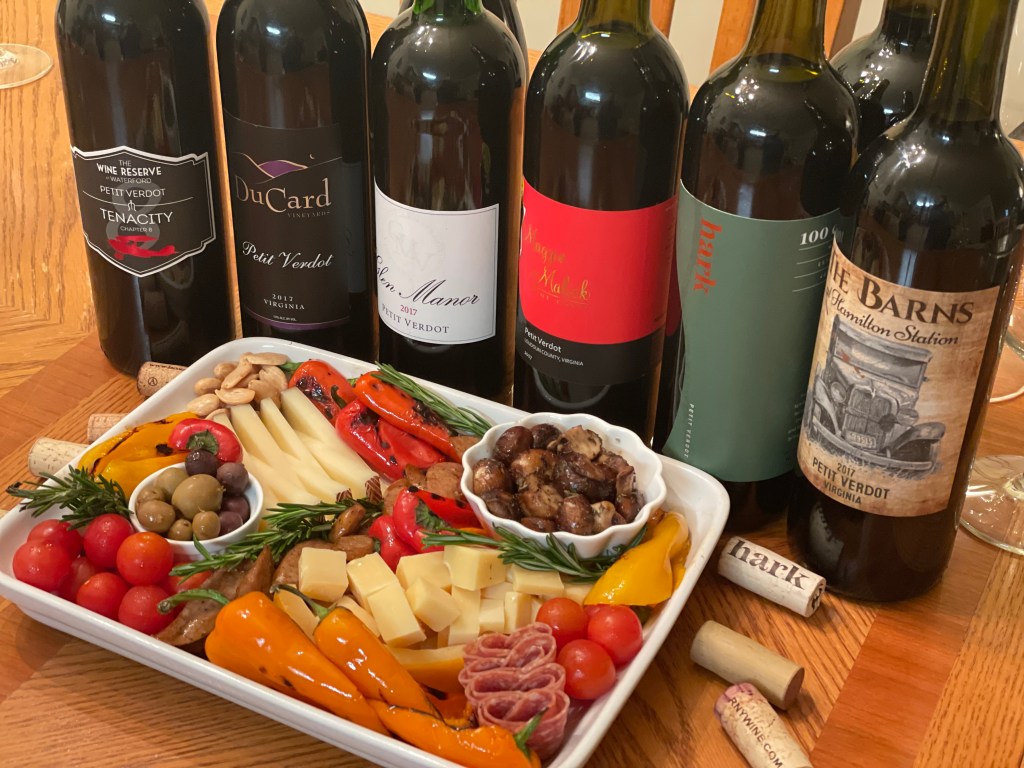
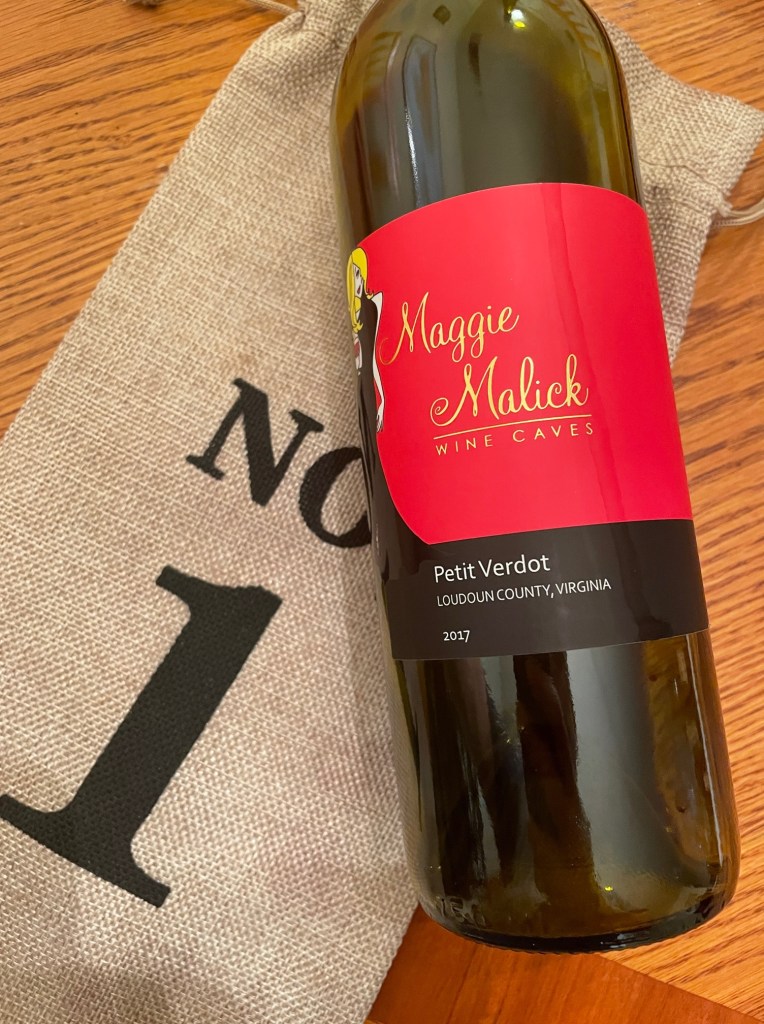
  1. Maggie Malick 2017 Petit Verdot (Loudoun Valley)
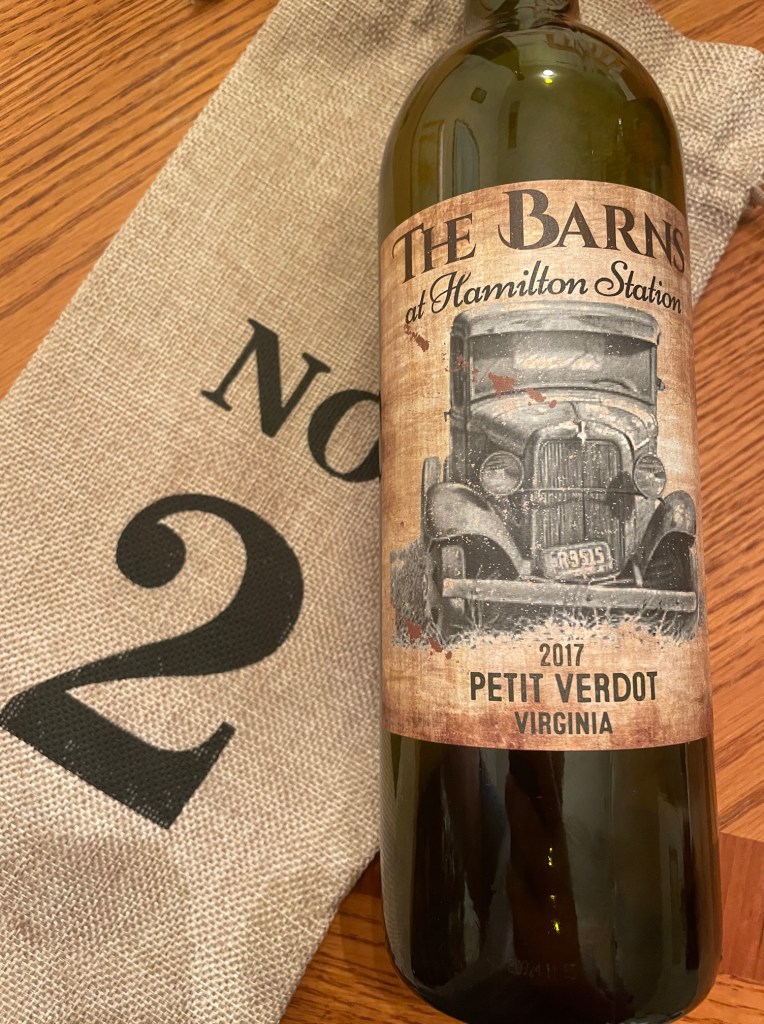
  2. The Barns 2017 Petit Verdot (growing site unknown)
  3. Glen Manor 2017 Petit Verdot (Front Royal)
  4. Hark 2017 Petit Verdot (Monticello AVA)
  5. The Wine Reserve at Waterford 2017 Petit Verdot (Northern Virginia)
  6. DuCard 2017 Petit Verdot (Eltan, near the middle of Shenandoah Park)

Round 1 / Bracket 1

  • Maggie Malick (Wine #1) 2 Votes
  • The Barns (Wine #2) 4 votes, Winner

The Maggie Malick was probably the lightest PV of the evening. Herbs and eucalyptus on the nose. Some red fruit notes. Soft initially but had a bitter back-end.

The Barns was almost stereotypical “Virginia PV”. It hadn’t been open for very long so we found this bottle to be rather one-dimensional (it opened up during our next tasting). Graphite on the palate. It also surprised us with a loooong finish. Not complex but very drinkable.

Round 1 / Bracket 2

  • Glen Manor (Wine #3), 1 vote and three half votes, Wildcard to next bracket
  • Hark (Wine #4) 2 votes and three half votes, Winner

This was our toughest round, and we went back and forth on our favorite. We were so torn I allowed people to split their votes. Eventually the Hark won by a tiny margin, but we loved the Glen Manor so much we gave it a wildcard to the next bracket.

The Glen Manor was very smooth and easy drinking. It had bright acidity and light pepper notes. Gravel and black fruit on the palate.

The Hark was more tannic but still smooth. Herbal notes on the nose and body to back it up. Some of us detected tart cherry. Complex but still approachable. Less acidic than the Glen Manor.

The deciding factor here was food. We hadn’t broken out the BBQ yet, but we did have cheese plate that offered lots of small bites. That’s when someone discovered how awesome the Hark was when paired with a bite of sautéed Andouille chicken sausage.

It was hard to argue with the logic of “Yes!! But the sausage!!!!”, which was probably the best single food & wine pairing I’ve had all year. Sausage + Hark PV = not just winning this bracket, but winning in life.

Round 1 / Bracket 3

  • The Wine Reserve (Wine #5)
  • DuCard (Wine #6) 6 votes, Winner

The Wine Reserve got stuck in a tough bracket. It did have a great nose, which one guest described as “Smells like Christmas”. Red fruit and some tartness on the palate. I did think it was a little harsh.

The DuCard had this wonderfully deep, pronounced fruitiness. Berry and plumb on the nose. Soft and easy drinking.

It was DuCard all the way here.

We stopped the tasting to indulge in some BBQ before continuing to the next bracket.

Round 2 / Bracket 1

  • The Barns (Wine #2) One half vote
  • Glen Manor (Wine #3) 5 votes and one half vote; Winner

Words were getting difficult here, but I’ll try.

The Barns had improved with some aeration. I was starting to sense the tannins and the nose had a whiff of graphite.

But that Glen Manor? That had such a great mouthfeel. We went with Glen Manor.

Round 2 / Bracket 2

  • Hark (Wine #4) 2 votes and one half vote
  • DuCard (Wine #6) 3 votes and one half vote, Winner

Another tough round. We detected some spiciness on the Hark. Most importantly, some extra bites allowed us to conclude it was the best food wine of the evening.

The DuCard by comparison was less acidic, and I was getting a cooked fruit quality on the palate. Smooth.

If we had more sausage we may have given Hark the win, but since we were trying to judge these on their own the DuCard took this round.

Round 3 / Final

  • Glen Manor (Wine #3) One vote
  • DuCard (Wine #6) 5 votes, Winner

Put simply, we loved both wines. Both were similar in that they were easy drinking yet complex. I could have picked either one, but in the end we gave the DuCard the win for best of the evening.

I’d hate to say that this event ‘proves’ anything. Even if we repeated the same wines with the same people, we could easily have gotten different results. But overall, I’m still not surprised these two made it to the top.

Cana Vineyards Wins The 2022 Virginia Governor’s Cup

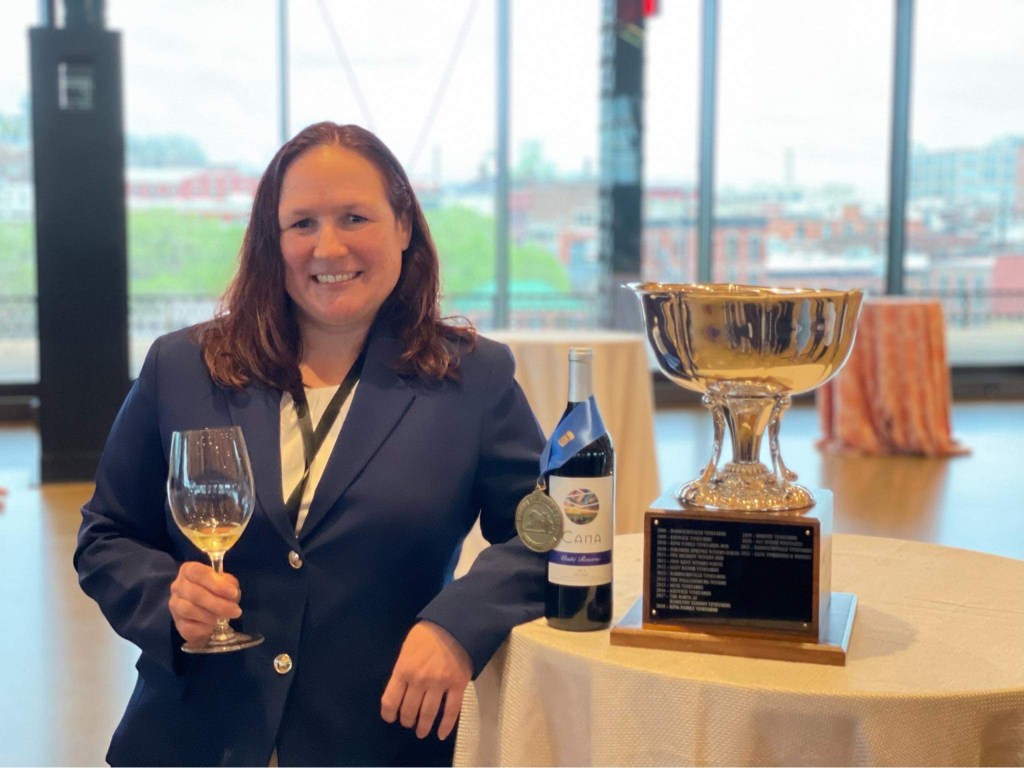
On March 24th, Governor Glenn Youngkin announced Cana Vineyards & Winery as the winner of the 2022 Virginia Governor’s Cup for its 2019 Unité Reserve, a Petit Verdot-heavy red blend. Owners Lisa & Bryce Petty and winemaker Melanie Natoli accepted the Cup at a packed gala, held at Richmond’s Main Street Station. This year’s Governor’s Cup was the first time the Gala was open to the public.

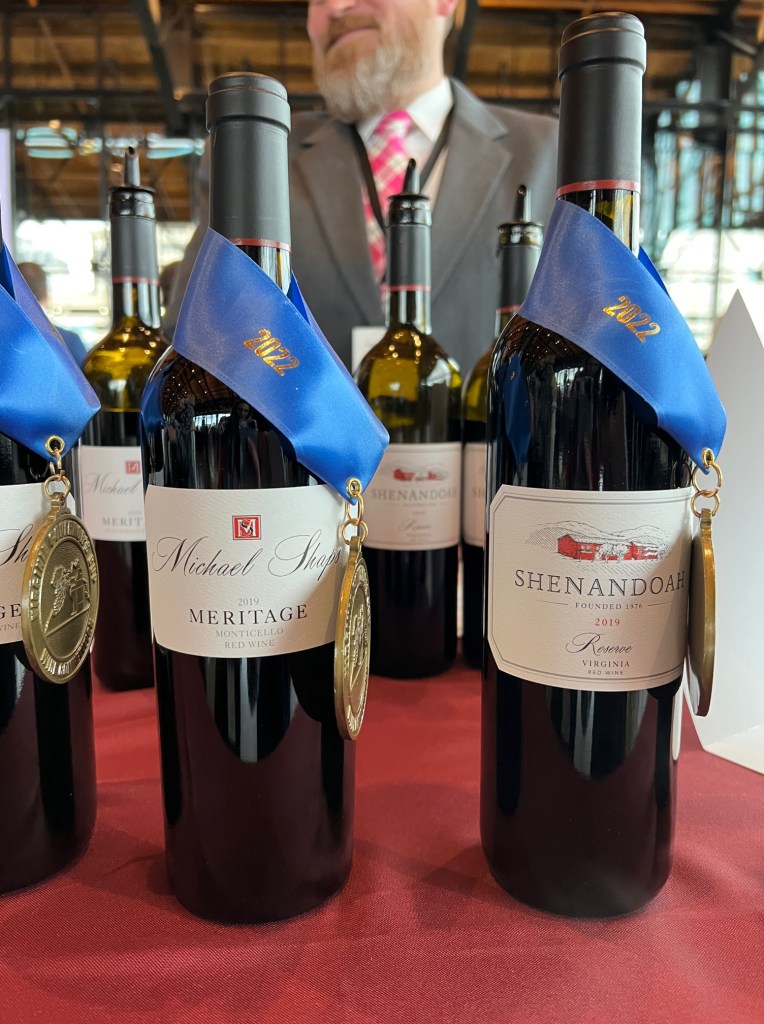
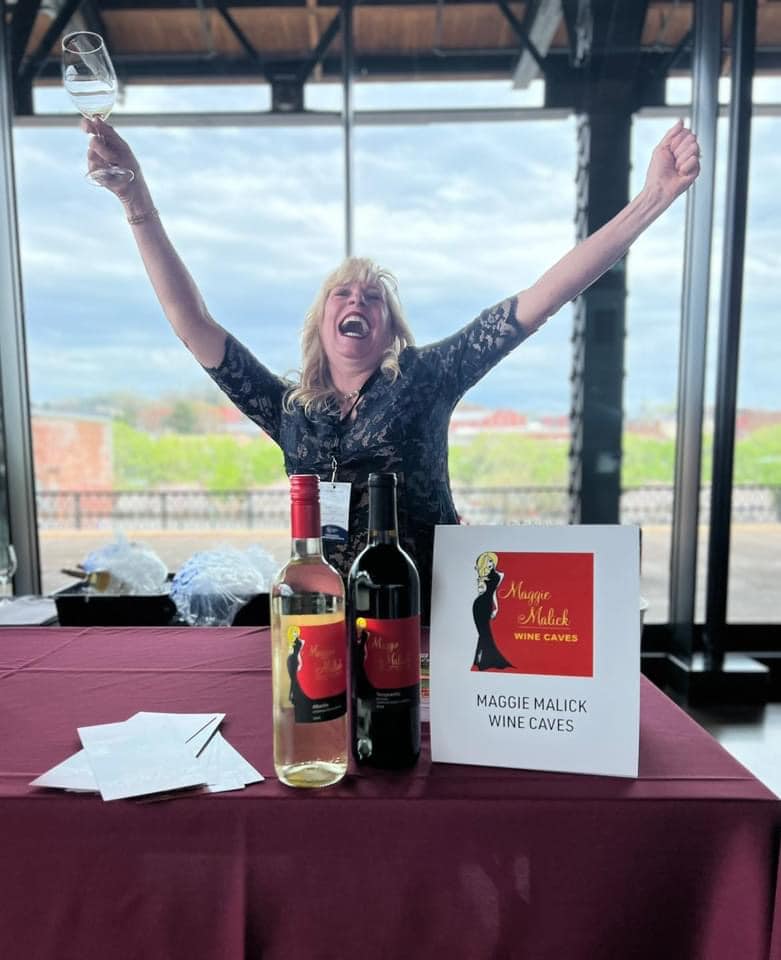
Melanie made history as the first woman to ever receive the Governor’s Cup. The competition also set a record with three women winemakers – Melanie, Maggie Malick of Maggie Malick Wine Caves, and Rachel Stinson Vrooman of Stinson Vineyards – behind four of the competition’s 12 top-scoring wines, which will form the Governor’s Case.

The remaining Case wines, representing Charlottesville, Northern Virginia, and the Shenandoah Valley, were also revealed. Albemarle Ciderworks won Best in Show for its 2019 Virginia Hewes Crab cider. 127 gold medal winners were announced earlier in the month.

The 2022 Virginia’s Governor’s Case

  1. Cana Vineyards & Winery 2019 Unité Reserve (Cup Winner)
  2. 50 West Vineyards 2019 Ashby Gap
  3. Barboursville Vineyards 2020 Vermentino Reserve
  4. Cana Vineyards & Winery 2019 LeMariage
  5. Maggie Malick Wine Caves 2020 Albariño
  6. Michael Shaps Wineworks 2019 Chardonnay
  7. Pollak Vineyards 2017 Meritage
  8. Rockbridge Vineyard 2018 V d’Or
  9. Shenandoah Vineyards 2019 Reserve
  10. Stinson Vineyards 2017 Meritage
  11. Trump Winery 2015 Brut Reserve
  12. Wisdom Oak Winery 2019 Nineteen

The Governor’s Cup is Virginia’s premiere wine competition, featuring wines that are entirely grown and made in the state. Competition Director and Master of Wine Jay Youmans changed the format and strengthened judging standards in 2012, turning the Cup into a world-class competition. Cases of these top-scoring wines are sent to wine critics around the world, promoting the Virginia wine industry to a national and international audience.

Jay and his team of judges blind tasted over 600 entries, their highest number ever. This year’s competition was marked by two trends; the rising quality of Virginia wine as a whole, and the diversity of wines the state is capable of producing.

Competition judge and wine writer Frank Morgan said of this year’s competition, “In the ten years I’ve served as a judge for the Virginia Governor’s Cup, the quality of wines was higher across the range of varieties. I was especially impressed with the Cabernet Franc, Chardonnay, Petit Verdot and especially the red Bordeaux-style red blends.”

Annette Boyd, Director of the Virginia Wine Marketing Office, also noted how this year’s scores were buoyed by Virginia’s overall improving quality as well as a pair of especially strong vintages. The majority of wines came from 2017 and 2019, harvests winemaker Luca Paschina of Barboursville Vineyards called “Excellent to Outstanding” due to fruit that was almost universally praised as ripe and well balanced.

This year’s scores back up their observations. On a 100 point scale, those scoring 85-89 points earn silver and 90 or more are awarded gold. The strength of this year’s Cup submissions were such that all but a handful won at least silver.

This year’s competition both reaffirmed the Cup’s love of French grapes amongst its top wines, while demonstrating how Virginia is increasingly looking beyond Bordeaux for inspiration.

Bordeaux-style red blends made up over half the Case, alongside a Chardonnay and Chardonnay-based sparkling. Rounding out the case is a dessert wine, Vermentino, and the Case’s first Albariño.

Yet Virginia is still a young wine region, experimenting with new varieties to find those that work best in our terroir. A number of these gold medal winners showcase how Virginia’s exploration of new grapes and styles of winemaking made this year’s gold medal wines its most diverse set ever, taking cues from both California and Europe but forging a style that is distinctly Virginia.

Judges awarded the Cup’s first gold to a Tempranillo (Spain) from Maggie Malick Wine Caves and the first gold in over a decade to a Syrah (southern France) from Beliveau Farm Winery. Albariño (Spain) and Nebbiolo (Italy) were well represented despite relatively small plantings in the state. Petit Manseng and Petit Verdot, lesser-known French varieties winegrowers praise for their suitability in Virginia’s climate, also made strong showings.

Dry and off-dry wines made with hybrid grapes (a crossing of American and Mediterranean vines) also had their best-ever showing. Beliveau Farm also won for its 2017 Soul Singer Chambourcin, and both Grace Estate Winery and Old House Vineyards were recognized for their Vidals. While hybrids have traditionally lacked mass market appeal, climate change is forcing vineyards to reevaluate what they should plant and these under-appreciated varieties are amongst those leading the way.

This diversity isn’t limited to grapes; sparkling wine, cider, and mead all set new medal records in the Cup.

Six sparklings took gold. The nationwide popularity of sparkling wines has seen local bubbly sales surge, with a number of Virginia wineries now offering everything from casual pétnats to serious méthode champenoise-style wines.

Ciders and meads were also well represented, earning 23 gold medals between them. These beverages reflect the changing demographics in Virginia’s beverage market as new drinkers shift to lighter offerings. Nearly 1/3rd of new ‘wineries’ in Virginia are actually cideries or meaderies. The Cup’s ciders were reviewed by a separate set of judges.

Many of this year’s gold medal winners are still available at their respective wineries. Wine lovers can download the 2022 Virginia Governor’s Cup® Gold Medal Wine Trail app at Virginiawine.Org. The App allows users to plan their trips around wineries that earned gold at the Governor’s Cup, enter raffles for prizes, and view discounts.

SHARE THIS:

Virginia Governor’s Cup Gold Medal and Case Roster

A compilation of all Gold Medal and Governors Case winners in the Virginia Governor’s Cup, 2012-2024.

Blends are listed when the composition is known.

The Governor’s Cup competition actually started in 1982. But in 2012, competition Director and Master of Wine Jay Youmans changed the format and strengthened judging standards.

Don’t forget to follow my Facebook page at Wine Trails and Wanderlust | Facebook

Or my Instagram Matthew Fitzsimmons (@winetrailsandwanderlust) • Instagram photos and videos

Mixing It Up With Locally Crafted Vermouth

Saying Virginia is known for its craft beverages is an understatement. The state hosts almost 300 wineries, over 200 breweries, roughly 40 distilleries, at least 30 cideries, and nearly a dozen meaderies. But did you know we make our own vermouth as well?

If there was ever a beverage that’s misunderstood, it’s vermouth. It’s not quite a wine, but not quite a spirit either. Most people think of it as a cocktail mixer (think Negronis and Martinis) or aperitif, but vermouth can be enjoyed on its own.

Even defining vermouth is becoming difficult as American producers become more creative in their choice of botanicals. Virginia vermouths are equally diverse.

So What’s A Vermouth?

Put simply, vermouth is an aromatized (flavored with spices, herbs, or other florals) fortified wine. It likely started as a medicinal tonic, as the beverage’s botanical qualities made the medicine go down more easily. The alchemists who made the first vermouths must have realized they were on to something, so a trend began.

Modern vermouth includes a wine base, bittering agent, spirit for fortification, and a sweetener. While traditionally made with wormwood (vermouth is actually the French pronunciation of the word wermut, the German name for this herb), the term vermouth is increasingly applied to any aromatized wine. However, purists would argue that without wormwood, it may be an aromatized wine but it’s not a vermouth.

Vermouth’s popularity is in large part due to its versatility. It provides cocktails an array of flavor profiles without requiring the bartender to add more ingredients. When you narrow it down, there are three major types of vermouth; sweet (red), dry (white), and blanc.

Sweet vermouths are usually paired with richer drinks like bourbon or rum and are a component of Manhattans and Negronis. Dry vermouth goes with lighter spirits. Blanc vermouths are typically a half-way point between the red and white versions, and may be sipped straight.

Virginia Vermouths Gaining Traction

Only a handful of vermouths are made in Virginia, usually by local winemakers. This small scale production means local ingredients play a prominent role, giving mixologists something new and exciting to play with. Virginia vermouth-makers can also boast that these are craft products, with a quality and complexity that allows them to be enjoyed on their own or used in a cocktail.

Kelly Allen and Andrew Napier of Artemisia Farm and Vineyard are amongst this small group of vermouth-makers. Kelly explained, “We want to capture Virginia’s terroir as an abstract essence.” While Artemisia’s current focus is their CSA farm, making bitters, sparkling, and vermouth is a growing project. Members of their Paetreon even receive a small sample of what’s to come.

Vermouth wasn’t one of the products in Rosemont Vineyards & Winery‘s original business plan, but Justin Rose loved the idea of making something new.

“It was really our distributor’s idea. We had some white wine we hadn’t used. But our distributor asked us to make one so we jumped at the idea. We’ve partnered with Capitoline, which has the expertise on the botanicals we should use and how.

Ours is a little different. We use birch bark instead of wormwood as a bittering agent. Traditionally the botanicals are infused into the wine, but we use the botanicals in the brandy first then blend it. We also use local honey instead of sugar as a sweetener, which gives it a nice aromatic profile. So we’ve tried to keep it regional and local.

It’s something that we’re ramping up from a fun little side project to something that now has turned into a bigger project. We’ve used it on the rocks as an aperitif, or occasionally as a gin and tonic.”

For Flying Fox Vineyard, vermouth fits into the winery’s profile as a place for winemaker Emily Pelton to test her more experimental ideas. Their vermouth was inspired by Emily’s exploratory trip to Portugal where she noticed how many people were enjoying it as a drink as opposed to a mixer.

Co-owner George Hodson said that led to a focus on developing a more sippable drink, where the intensity was dialed back so not to be as sweet or bitter, but more in the middle. ”Local botanicals are the key,” George explained. “It was lots of trial and error; especially learning when we add these bittering agents.” Even the brandy is derived from their own grapes.

Flying Fox Vineyards, Sarah Hauser photo credit

Emily’s formula was a hit. While a large portion goes to the local bar scene, over half of their production is sold at the winery. George explained this format, “fundamentally flips the vermouth world. More people are getting used to sipping it on its own.”

Flying Fox makes four vermouths, each with its own seasonal flavor profile. While they make over 1000 bottles a year, they’ve continually ramped up production to meet growing demand.

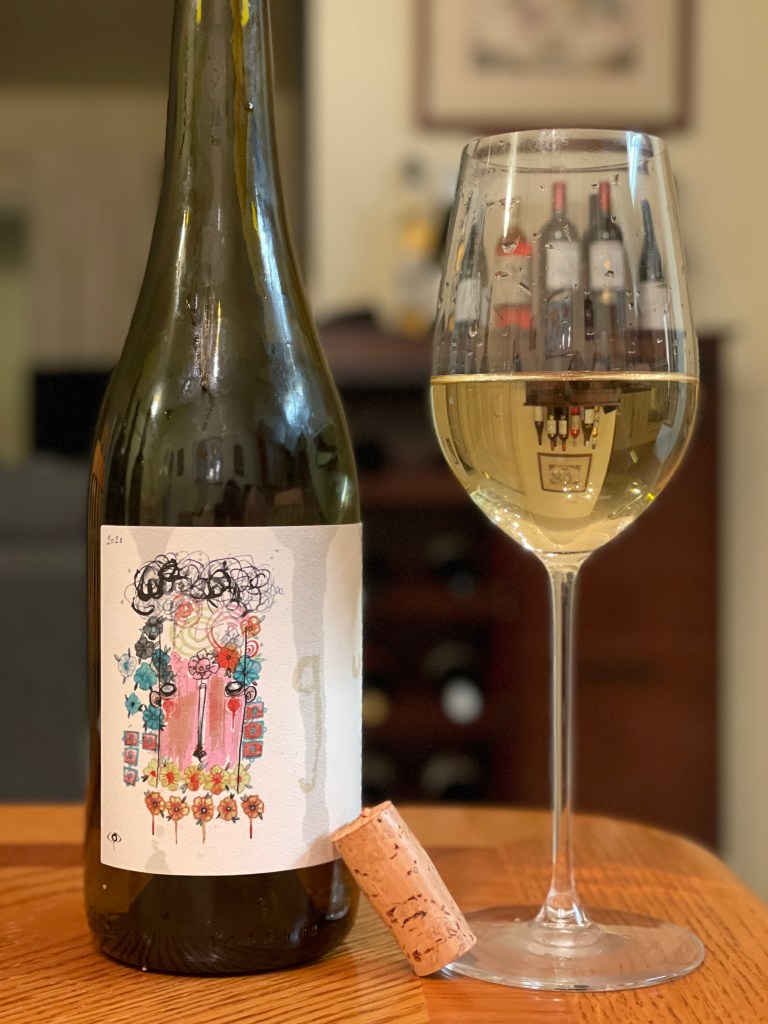
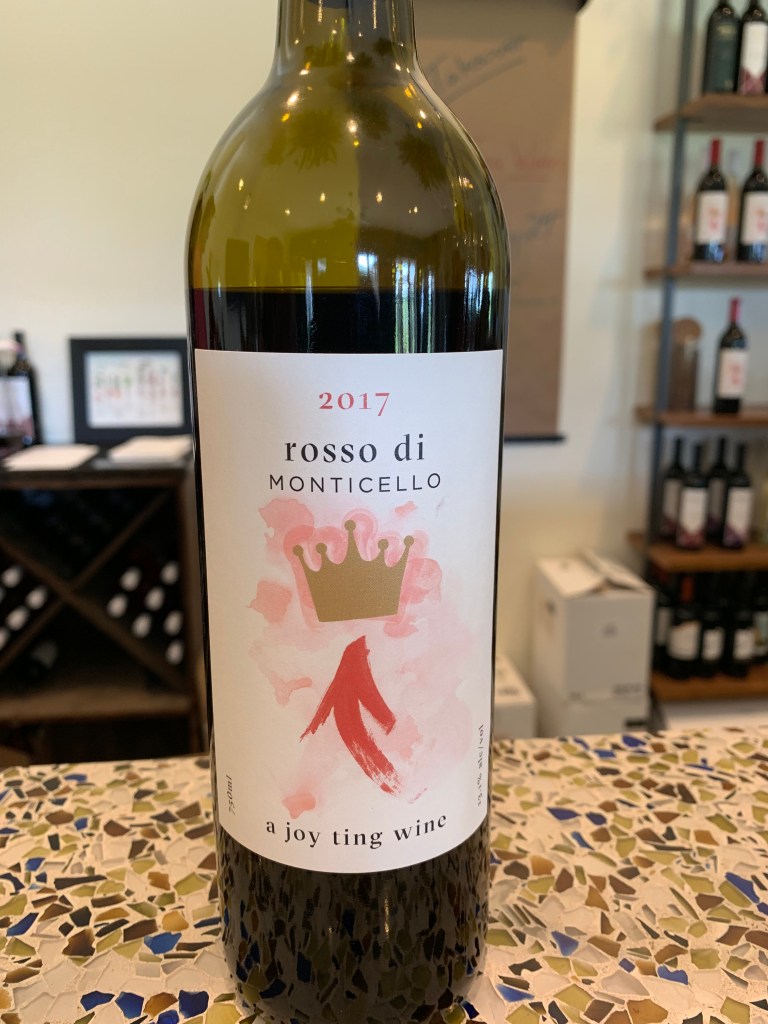
Dr. Joy Ting is no stranger to experimentation. As the head enologist of the Winemaker’s Research Exchange, she works with winemakers from around the state to identify areas of practical research. She also makes a number of small-batch wines under her own eponymous label, and recently partnered with the Wool Factory to produce a vermouth for their restaurant, Broadcloth.

In explaining how she got into making vermouth, she exclaimed, “It’s a hidden gem! As a winemaker we often don’t get to try multiple things but with vermouth we get to play around with it.” Her vermouth uses brandy from a local distillery, made in a dryer style but with some sugar to offset the bitterness.

Broadcloth was a natural partner because of their bar program and focus on using local, seasonal Virginia ingredients. But her take as to why Virginia vermouth is taking off is due to how Virginia winemakers are by nature focused on small batch, craft creations where they can focus on the small details.

For more local vermouths, also try out Mt. Defiance Distillery in Middleburg, and look out for Walsh Family Wine which is coming out with their own.

Sweet Vines Make Fine Wines

For Black History Month I drew upon a very informative discussion on one of my favorite Facebook groups concerning how to make Virginia wineries more welcoming to Black patrons.

While this article is focused on winemaker Sadie Armstrong and her winery Sweet Vines Farm, it is more broadly about the limited number of Black wine professionals in the industry and some of the experienced faced by Black wine patrons that I wouldn’t have thought about until they voiced those incidents here.

Small Batch Wines Pushing Virginia’s Creative Boundaries

Virginia is ranked #7 in the nation in terms of number of wineries, with over 300 in the state. While this is an impressive figure, it actually undercounts the number of brands available to wine lovers. For those willing to try something more experimental, try one of the state’s small batch wines.

Defining a ‘small batch’ wine can be difficult, especially in a state where few wineries make more than 3,000 cases a year. Many of these operations are colloquially referred to as ‘side hustles’, although that encompasses only part of this trend. However, as a ballpark definition, I’d broadly define ‘small batch’ as smaller brands whose wines are designed to be stylistically ‘different’ in some way.

Being different is something of a hallmark in the Virginia wine scene. As a young wine region, many vintners are still experimenting to find the styles and grapes that work best. While they usually draw more inspiration from the Old World than California, the reality is that only by experimenting will they move the industry forward. These small batch wines are the wine industry’s proverbial front line.

It’s a broad category for sure. Some are made in tiny lots by owners who lack a production facility or tasting room so they make & market their wines wherever they can. Others are crafted by winemakers at established locations who use a private label to play with different techniques or use fruit from a different terroir.

Visit to Midland’s home at Mt. Airy, in the upper Shenandoah Valley

Established wineries are tapping into this trend as well, including Horton Vineyards’ “Gears and Lace” series and Gabriele Rausse Winery’s “Vino dal Bosco” lineup. Both feature wines that are labeled & marketed separately, usually featuring different blends or production methods. In discussing her Pinotage rosé and Tannat sparkling, Caitlin Horton stated, “This is my personality in a glass. Some people see the Steampunk-themed artwork and based on that alone say ‘That’s what I want.’”

All of these ventures have one thing in common; they are creative. Many use different styles of winemaking or natural yeast fermentation. A few use blends that are rarely seen elsewhere. The use of hardy grapes such as Petit Manseng or hybrids that grow well in Virginia are recurring themes. While some of these products are sold at the winery they are made, you are more likely to find these labels at local wine stores.

Odd Birds Make Great Wine

If there was ever a wine where necessity became the mother of invention, it’s Bluestone Vineyard’s “Odd Bird”. “2020 was a bad frost year, so we had less quantity and ripening was shortened by 1.5 months,” said winemaker Lee Hartman. Since weather precluded him from making a traditional Bordeaux-blend, Lee looked outside the box.

Bluestone Vineyard’s “Odd Bird” wine

His solution was to whole cluster press the fruit. Although 93% of the wine came from red Bordeaux grapes, this process allowed Lee to leave the red pigments behind. The result is a fat but balanced white wine, with a citrusy nose and notes of orange and nectarine on the palate.

Working within the scope of their size and budget forced Guide Wine and Quartzwood Farm down a similar path. The final result showed what they lack in quantity they made up for in creativity.

Guide Wine’s “Field Blend” is made with Petit Manseng and Viognier that were picked and fermented together. According to winemaker Rich Sullivan, “My thought was to do something a little different. I chose those two grapes specifically because Viognier is softer and would complement the Petit Manseng by softening the edge of its acid”.

Guide Wine from Ben Seldins

For Ben Sedlins and Sarah Searle of Quartzwood, making wine in a sustainable way is an important component of their business. Sarah explained, “We’ve been long nagged by a sense that Virginia wine shouldn’t only be growing finicky European grapes that might not be suited for many sites nor our climate, and that there are likely some beautiful ferments to be created by stepping outside a narrow conception of what is ‘typical’ or ‘serious.’”

Currently Quartzwood makes three wines; a Noriet pét-nat, a Vidal-heavy pét-nat, and a soon to be released semi-carbonic Tannat. While they don’t use the phrase ‘natural wine’ (which is hard enough to define) to describe their creations, the use of hybrid grapes and limited intervention is in line with that concept. Both Quartzwood and Guide Wine are sold at Walsh Family Wine.

Side Hustles Arriving At Center Stage

Nearly a half-dozen Virginia winemakers have side hustles to various degrees, but Ben Jordan is perhaps Virginia’s king of side hustles. In addition to being head winemaker at Early Mountain Vineyards he’s part of two smaller ventures, Lightwell Survey and his family-operated Midland Wine. Both brands emphasize limited intervention and unusual blends, including a Riesling/Petit Manseng named “Riesl-ing”, a Cabernet Franc/Blaufränkisch combo called “Cabernet Frankisch”, and a Cabernet Franc spiced with Petit Manseng named “The Weird Ones are Wolves.” The blends (and names) get weirder from there.

Both brands have received critical acclaim, but Ben isn’t the only winemaker whose side hustles are getting noticed. Wine Advocate recently rated the 2017 “F8” from Hark winemaker Jake Busching’s Jake Busching Wines as one of their favorites in a recent review of Virginia.

One of my favorite wines in Virginia!

The list goes on. King Family’s Matthieu Finot makes wine for Turk Mountain Vineyard and his own Domaine Finot, which includes a Malbec made using carbonic maceration. Enologist Dr. Joy Ting has her eponymous label Joy Ting Wine, where she experiments with whole-cluster fermentation. Maya Hood White, associate winemaker at Early Mountain, makes a Petit Manseng-based appassimento-style wine named R.A.H. More brands are likely to follow as winemakers flex their creative freedom.

But it’s not just about creative freedom – it’s about collaboration. Jake is a big fan of working with his fellow winemakers and winegrowers. He’s also made a few one-off wines, including a Cabernet Franc/Petit Manseng blend named Orphan #3. In explaining the idea behind Orphan, Jake stated, “It speaks to the idea that we always have a barrel of something sitting around. The goal of a collaboration is to experiment”.

Sweet Vines Farm Winery

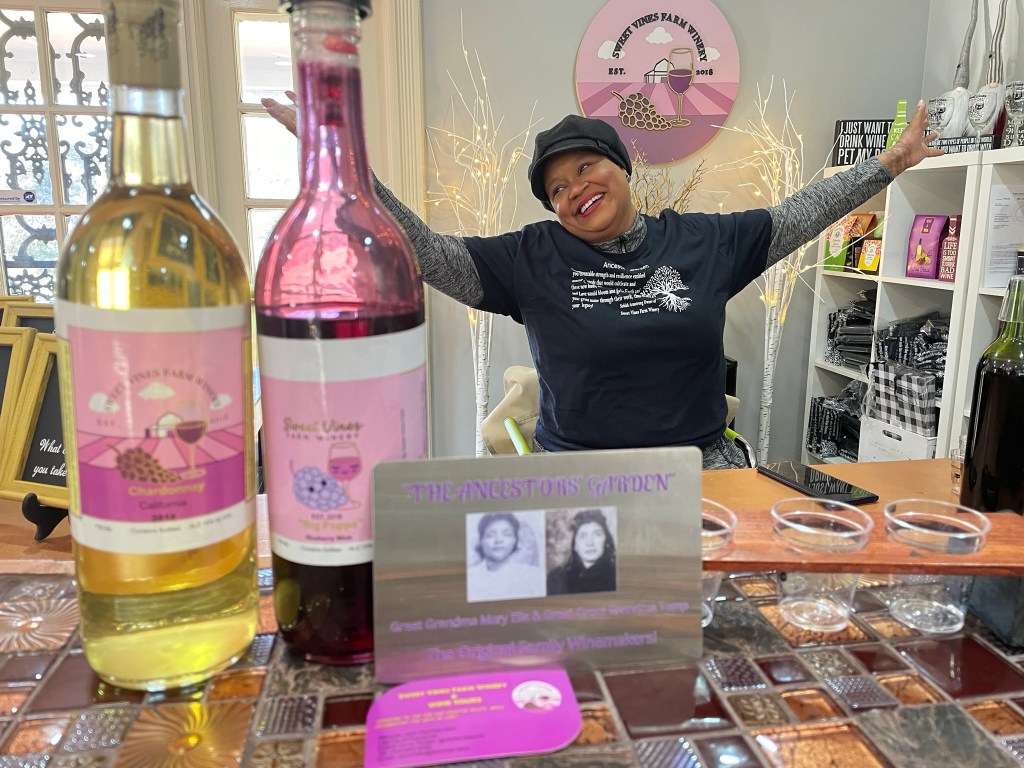
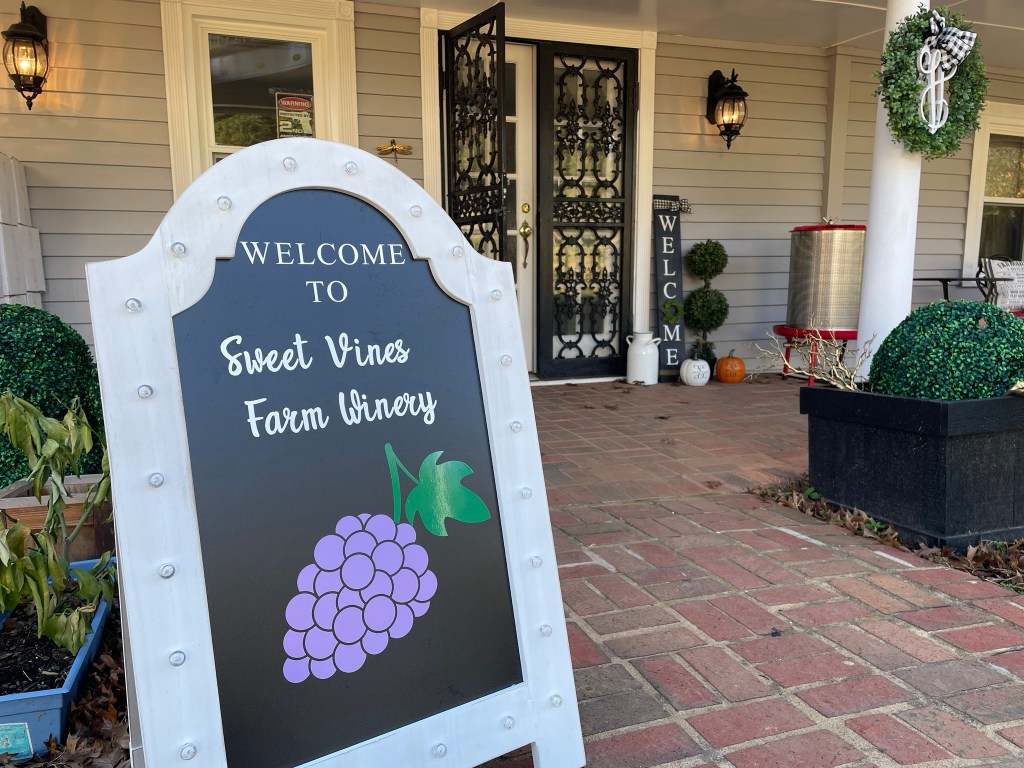
A few weeks ago I had the chance to meet Seidah Armstrong, winemaker and owner of Sweet Vines Farm. Sweet Vines hadn’t opened yet, but Seidah was kind enough to let me visit on a Friday before their first big weekend so we could chat before things got crazy.

Family history is important here and it influences many aspects of her business. Seidah loves to tell the story of how she is a 3rd generation winemaker, going back to her maternal great-grandmother and maternal great-great grandmother. Seidah planted Muscadine in tribute to these women, both of whom made wine using this grape.

Although Seidah’s background is in the field of education, she caught the wine-bug in 2009 and started making wine on her own. But a few years ago this hobby turned into a calling, so she and her husband started searching for property to pursue winemaking full-time.

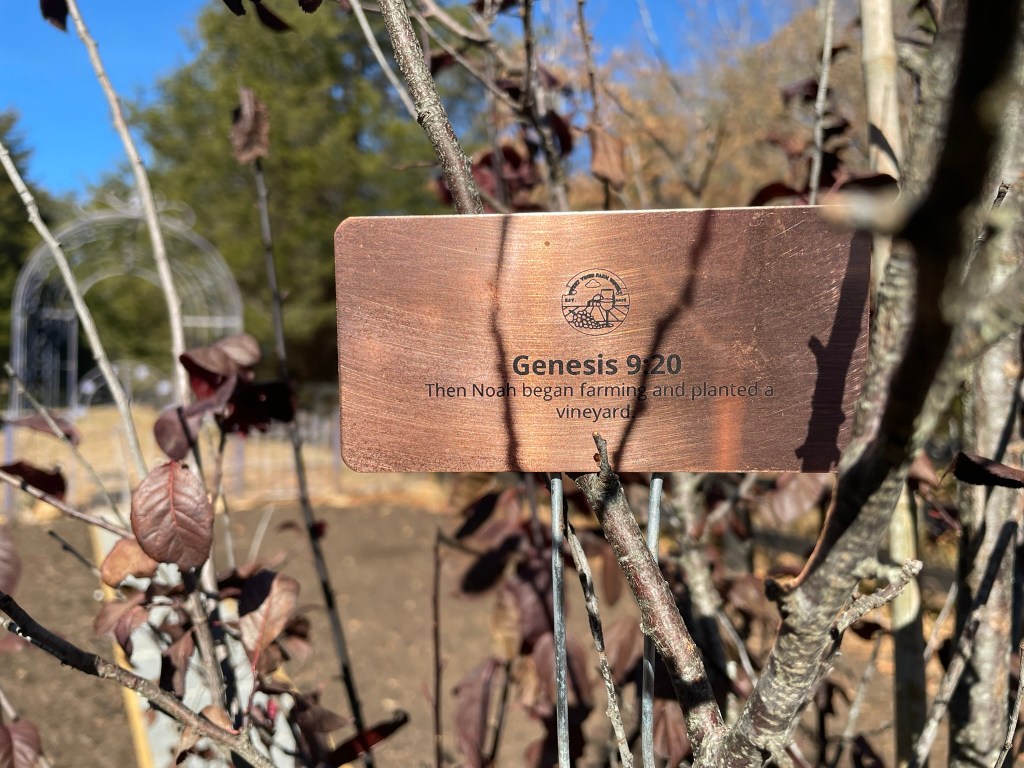
“I didn’t find this place – it found me” Seidah explained while we toured the farm. The main building is a former residence she and her family turned into a tasting room. Outside you’ll find a gigantic chess board and fire pit ready for visitors. We spent a lot of time chatting at the Ancestors Garden. Saying the farm is warm and adorable is an understatement.

Sweet Vines sources grapes from the former Oakcrest winery, but they have 1 acre planted here with 3 more on the way. In keeping with family tradition, these vines include plantings of Muscadine, her ‘ancestor’ grape. But not all of Seidah’s wine will come from grapes; Sweet Vines also has several fruit-based wines.

Part of Sweet Vine’s story is how Seidah is breaking new ground in the Virginia wine industry; out of the state’s 300 or so establishments she is one of the very few people of color to own a vineyard-winery, and is likely Virginia’s only Black, female winemaker. It’s an important story to tell given the black community is vastly underrepresented in the overall American wine industry.

At the same time, Seidah’s background is irrelevant to her winemaking. The two of us tasted through her lineup and the wine is worth your time. So whether you want to toast to Seidah making history or you just want to kick back and enjoy a tasty beverage, you should definitely visit.

Sweet Vine wines that we tried:

  • “Pearolicious”: A pear wine that while dry had a “fruit sweet” quality to it. Probably my favorite of the day.
  • “Summer Evening”: Strawberry-lavender wine. Heavy on lavender, grown on the property.
  • Chardonnay: California fruit; had a nutty quality to the flavor.
  • “Typo”: Dessert wine with lots of notes of cinnamon. It was 15% alcohol but doesn’t seem like it at all.
  • “Ancestor”: Sweet-flavored Muscadine wine.