I visited 21 wineries during my 2022 Finger Lakes trip. While many of these venues truly stood out, I felt it easier to simply wrap most of them into a single trip report than blog about all of them separately.
But I’m making an exception for Kemmeter.
In an area where huge tasting rooms were the norm, where many wineries have food options and great views, it might seem odd that my favorite was 8-person maximum tasting room that is only open Thurs-Sat, 11:30 PM-5:30 PM (they may open for additional appointments by request; hours vary according to the season). Yet it was hands-down my favorite winery of the entire trip, which is even more conspicuous for a place that deliberately operates so under the radar they lack even a basic social media presence.
That’s because great visits aren’t just about great wine – although many were found here. This was the only location where I actually met the winemaker, who guided us through a tasting coupled with a great deal of wine education.
Having the winemaker personally conduct the tasting wasn’t Kemmeter’s only unique feature. This was one of the smallest wineries of my entire trip; all of Kemmeter’s fruit comes from 6-acres of estate vines. “Stay small and do the best you can” explained owner/winemaker/vineyard manager Johannes Rienhardt, which seems to summarize his operating philosophy.
8 person tasting roomProduction room and kitchen
This ‘stay small’ mentality is a direct reflection of his schedule. Johannes spends 80% of his time in the vineyard and 15% in winemaking, leaving only 5% for the tasting room. This is why the tasting room is open only 3 afternoons a week and can accommodate only 8 guests at a time.
Johannes talked about his background as he poured, starting with how he was supposed to run the family business back in Germany but after some disagreements he ultimately took his own path. He found a job with Dr. Frank, returned to Germany for a bit, then decided to come back to the US.
We sampled 5 wines:
NV “Trio” Pinot. This wine had some aromatics, plus was soft and fruit-driven. Johannes explained the decision to make a non-vintage wine based on how every year has its unique strengths and weaknesses, so he decided to blend different years to make the best wine he could. Really liked this!
Rosé (100% Pinot Noir). Another winner (and bought a bottle that was consumed that night). This has a strong argument for best pinot-based wine of my trip.
2021 Riesling from the “2014 Vineyard”: Lemon on the palate and a wonderful nose. Very aromatic and perhaps the single best wine of my entire trip. It was a dry wine (only 1.5 sugar) but it struck me as off-dry. Johannes attributed this to the density of the wine, which changed the flavor profile from tart/green to lush, giving the illusion of sweetness. The 2014 Vineyard also has more organic matter, lesser silt in the loam and more clay influence.
2021 Riesling from the “2016 Vineyard”: Lemon on the palate, only 0.7 RS. I really enjoyed it, not quite as much as the 2016 Vineyard but still it was excellent. It tasted very dry, something the winemaker attributed to the soil being shallower and having more silt influence. This warms up the soil, promoting ripeness.
2021 Pinot Blanc: Clean, fresh, peach notes.
Johannes also had us play ‘guess the off-dry riesling’ and I guessed wrong. Turns out the two are grown on different types of soil and one location produces riper fruit, which gives the dry wine the illusion of sweetness. He definitely fooled me but it was a great learning experience.
I would be remiss if I didn’t mention the dumplings. His wife is the chef; it’s best to order first and pick them up after the tasting. You can eat at the winery, but no drinking outside the tasting room (no license for that!).
With almost 150 wineries in the region, the Finger Lakes American Viticultural Area (FLX AVA) is a wine region that I can continually return to. I did my first trip in 2019, and that only scratched the surface.
It’s almost certainly the best-known AVA on the east coast. Ancient glaciers widened existing river valleys, creating deep crevices that would eventually become the 11 lakes we know today.
These glaciers also left behind a diverse assortment of rock and soil. Old rocky soil is especially good for grape vines, as not only is it porous (vines don’t like wet roots) it forces grapes to struggle (struggling vines devote most of their energy into producing good fruit). These deposits of limestone, shale, gravel, and silt play a major role in the area’s ‘terroir’.
Western shore of Keuka Lake
While soil is important, the lakes play an even more central role. These bodies of water act as temperature sponges, absorbing heat during the day and radiating it back to the shoreline at night. Without these lakes alleviating upstate New York’s cold weather, viticulture here would be far more difficult.
This combination of moderated weather and favorable soil creates excellent conditions for cool-climate grapes. The best vineyards are along the edge of these lakes, especially their deepest portions. Not coincidentally, this terroir is similar to that of the Mosel, Germany’s most famous riesling-producing wine region.
My 2019 trip was done with limited knowledge of where to go. This time I planned my trip more carefully, focused on select clusters of wineries around Seneca, Cayuga, and Keuka. Most of these tastings were drop-ins, but my parents & I also visited a number of reservation-only venues. We stayed at a long-stay residence in Watkins Glen, on the southern edge of Lake Seneca.
While our trip was centered around wine, I was happy to discover an assortment of non-alcoholic options were available. Many involved activities on lakes themselves, including kayaking and cruising. But my favorite non-winery excursions were hikes in local state parks, especially those that possessed waterfalls.
Taughannock Falls State ParkWatkins Glen State ParkWatkins Glen State ParkWatkins Glen State Park“The Painted Rocks” on Seneca Lake
Over 5 days I visited 21 wineries. It sounds like a lot, but the tastings are often so slim that you can visit multiple locations and not get a serious buzz (and thank goodness for dump buckets). Nearly all the locations I visited had moved to a model of providing self-guided flights (often but not always pre-selected), but a few larger wineries took reservations for guided flights.
My greatest take-away was that riesling has far more range than I anticipated. The most enjoyable visits were locations that had wines from the same vintage but grown at different vineyards, each with their own terroir-driven personality.
It’s difficult to rank-order 21 wineries – especially since some days blended together despite my best attempts at note taking – so instead I sorted them in groups. Not coincidentally, my ranking system can be seen in how much wine I purchased (or not at all, in many cases) during a visit.
Except for the top 3 venues, wineries in the same tier are ranked about the same and listed in alphabetical order.
Being in a lower tier didn’t mean I didn’t like them. To the contrary, I can honestly say I didn’t visit any ‘bad’ wineries during my trip (I should note I also planned very carefully; no party-centric locations this time).
To be fair about my biases for what qualified as a higher-tier, I was specifically looking for riesling and sparkling wine, so red-focused wineries didn’t get rated as well as they probably should have been. My favorites tended to be smaller wineries where I had more personalized service; good wine was a bonus. Lower-rated locations often were at the end of the day, so no fault of their own I couldn’t enjoy their wine as much.
The Top Tier (#1-3) of my wine-visits are definitely listed in rank order. The downside to these particular wineries was all were in out-of-the-way locations or had limited visiting hours (and Kemmeter was reservation only). But they made up for that with not just outstanding wine but guided tastings which provided a significant educational component.
1. Kemmeter Wines (NW Seneca): This 6-acre vineyard was an amazing find. The tasting room is tiny and only open 3 afternoons a week (and closed Sundays). But I bought more wine here than at any other winery.
They are only open by appointment and have a maximum capacity of 6 guests. Yes – the tasting room is that tiny!
I enjoyed my visit so much I decided to write a separate blog so I don’t miss any details. Because of that I’ll keep this entry short.
Owner/winemaker/vineyard manager Johannes Rienhardt lead a tasting that consisted of 5 wines; a pair of rieslings (dry and off dry), a pinot, a pinot blanc, and a pinot rosé. I bought several of the dry rieslings and the rosé (which didn’t last the evening). The dry riesling was the best of the entire trip.
Johannes also had us play ‘guess the off-dry riesling’ and I guessed wrong. Turns out both were dry, although the one from the 2014 Vineyard could have fooled me. The two are grown on different types of soil and one location produces riper fruit. The density of the wine gives the illusion of sweetness. He fooled me but it was a great learning experience.
You can also order dumplings from his wife at their store outside; order first and pick them up later. Warning – they don’t have a public bathroom!
2. Forge Cellars (East Seneca): One of the smaller locations of my trip, with 40 acres of vines and a production of 10,000 cases/year. I loved the vineyard-specific rieslings (8 at this one place alone!), the view, and overall ambiance.
I highly recommend getting an appointment for a guided flight, which is as much about wine education as it is a wine tasting. But fear not, those who randomly drop-in can still enjoy a self-guided flight while sitting on the patio. They also had great cheese boards, plus excellent jamón.
Their “Classique” riesling is their best-known wine (and was definitely good) but it wasn’t my personal favorite of this visit. But I did leave with 2020 Freese (riesling) and 2020 Tango Oaks (riesling), both of which were among the best wines of my entire trip (right after Kemmeter).
3. Six Eighty Cellars (West Cayuga): A very small (and brand new) producer with only 20 acres under vine. The wines were accompanied by light bites.
One thing that made them unique is their special focus on winemaking using a variety of fermentation vessels. They had your standard oak barrels and steel tanks, but they also had amphoras made of sandstone, clay, concrete, and terra cotta.
The small size of the winery meant we had very personalized service. Highlights included a mineral-driven 2020 Grüner Veltliner (made in a concrete tulip), an outstanding 2019 Riesling, and the flora, soft, and fruity 2020 Pinot Noir (made in a sandstone vessel). I left with some riesling.
My second tier (#4-7) wineries are ranked about equally. Every winery in this group had a solid lineup with several standout wines, and usually had other attributes (like food or service) that made it an overall excellent tasting experience. All are definitely must-try locations. All are in alphabetical order, not ranked in preference.
4. Hermann J Wiemer Vineyard (SW Seneca): One of the larger wineries in the area, with 131 acres under vine between HJW and their other property, Standing Stone Vineyards. HJW has their own estate vineyards plus they manage other people’s vineyard. They make around 35,000 cases/year between HJW and Standing Stone.
HWJ’s tasting experience is different from their neighbors in that they don’t have set flights. Every pour was separately charged, so you can get as many or as few as you want. My group didn’t have a tasting room associate with us, but it wasn’t overly busy so we still had lots of attention.
They had an excellent selection across the board, but my favorites were the 2020 Magdalena Cab Franc and an especially outstanding 2009 Cab Franc they brought out just for me. I wanted to like their biodynamic riesling, but just couldn’t get into it.
5. Heron Hill Winery (SW Keuka): This was one of the larger and lovelier venues of my trip. Heron Hill makes 30,000 cases/year, plus have 40 acres under vine between 2 vineyards. They also source fruit from elsewhere.
I admit I’m biased in describing this visit because it gave me a chance to catch up with a friend, winemaker Jordan Harris, who I knew from his time in Virginia. Jordan gave my family and I a very extensive tasting, including several not on the menu.
But my assessment of his 2020 Cabernet Franc and 2020 blaufränkisch needs no special boosting; both were excellent and I left with three bottles of the cabernet franc to show off to my Virginia friends (edit: one was enjoyed with dinner and another went home with mom for her birthday). Also shout-outs to the 2020 Pinot Noir (very fruit forward nose and easy drinking), his rosé, and the 2020 Chosen Spot red-blend.
6. Keuka Lake Vineyards (SW Keuka): One of the most underrated wineries in the area. So good that I made an exception and allowed myself a visit despite having been here in 2019.
Small to mid-sized by FLX standards, they have 40 acres under vine and make 2-3,000 cases/year. Three tasting flights were available, now served in an old barn. I went with the “Terroir Red” and “a mix of the “Terroir White”.
I LOVED their natural yeast vignoles pét-nat, which was the first wine I opened when I returned home. Their 2017 ‘Rows” dry riesling (complex, mineral driven, maybe lime notes), 2013 dry riesling (peach notes and honey, made with wild yeast), 2018 KLV Red (a table red with hybrids foch, vincent, and de chaunac, very good!), and 2019 cabernet franc were also excellent (some pepper, slightly fuller bodied than I often see.)
They also grow leon millet and make an orange wine. This is one of the few places where I genuinely enjoyed their wines made with hybrid grapes, which are rarely a favorite.
7. Weis Vineyards (East Keuka): Another rare repeat visit for me. It also helped that Dave McIntyre (wine writer for the Washington Post) was aghast at even the possibility I skip it. So back to Weis I went. Reservations recommended.
Weis has 40 acres of vines (mostly hybrids) but most of this estate fruit is sold locally. No word on the number of cases/year they make, but all of it uses locally sourced fruit.
My favorites included their 2021 Dry Riesling (nice and crisp), 2021 Wizner Select K (K for Kabinnet, more mineral-y and a tad sweet), and 2019 Merlot (great balance!). Also good were the 2020 Schulhouse red (an easy drinking blend of mostly Chancellor, plus 10% Cab Sauv, named in honor of the school house the tasting room now occupies), and dry rosé (nice balance).
I felt this tasting experience was more upscale than most other FLX locations. As for flights, out of 15 or so wines you can pick 5 but can order more. I liked this method since it was sort of a ‘build your own adventure’ style. We had a tasting room associate guide us through our wines.
The third tier (#8-13) had above average wines in all of them, and oftentimes they had great food, service, and/or an amazing view. All in this group are equally good and listed in alphabetical order, rather than ranked in any order.
8. Dr. Konstantin Frank Winery (SE Keuka): The granddaddy of Finger Lakes wineries. Guided tastings are by appointment only (and go fast, apparently), but you can also randomly visit and stay in their courtyard to enjoy a self-guided flight.
I go more into detail on their background (and the Finger Lakes in general) in my 2019 trip report so won’t repeat too much here. But suffice to say that any trip to the Finger Lakes is incomplete without a pilgrimage here.
“Dr. Frank” is one of the largest Finger Lakes wineries, making over 75,000 cases/year. While Dr. Frank has 60 acres under vine at their main estate plus 20 more acres at Seneca, most of their fruit is purchased locally.
This place has a large tasting menu, with all of their bottles being solid in quality and well-priced. I wasn’t personally moved to buy any particular bottle but I did especially enjoy their toasty Celeb (Sparkling Riesling) with brioche notes and their 2021 Dry Riesling.
Small dishes are also available.
Tasting patioLoved all the small bites!
9. Red Newt Cellars (SW Seneca): Mid-to-large sized winery. 20 acres under vine but another 100 leased. They make 24,000 cases/year, 1/3rd of which was devoted to their most popular wine, the off-dry ‘Circle’.
They were recommended to me because of their extensive collection of older rieslings. Multiple flight options were available, but I went with the Dry and Riesling flights. I think this is going to need a return visit since there was a lot left off the menu I never tried.
I really enjoyed their especially well balanced 2013 Dry Reserve (no saline notes, oddly enough) and the 2013 Bullhorn Creek, which was unusually for its spice and herbal notes. I noted how the Circle had a ton of action up front.
10. Red Tail Ridge Winery (West Seneca): A mid-sized location with 35 acres of vines planted. This includes several varietals you don’t often see including teroldego and lagrein, red grapes normally found in northern Italy. No notes on their production but was told its mostly estate.
I did the sparkling flight plus sampled a few others. Red Tail seemed to have one of the largest sparkling programs I encountered on the trip, and their pét-nats were especially good. The NV “Rebel With A Cause” (50% Terodego/25% Langein/25% Dornfelder) was probably my favorite, with the terodego red the runner-up.
11. Ryan Williams Vineyard (SE Seneca): This was one of the larger wineries in the area. I didn’t get the number of cases they produce but was told they have 120 acres of vines. They also have a BEAUTIFUL tasting room with a great view of Seneca.
One standout element of my visit is they also have a full-service kitchen. Had I known I would have been brunching here all the time, although their lunch menu looked equally appetizing.
I tried the white and red flights, with my favorites being the very textured 2018 Chardonnay and soft 2017 Cabernet Franc. They also had a pretty good sauvignon blanc that was clean, fresh, and quaffable.
12. Sheldrake Point Winery (West Cayuga): An unexpected gem! Wineries along Cayuga are further away from the main tourist trail so they tend to be smaller, but this location stood out as a very classy venue with a lot of great wine and tasty light bites. The view and service were great.
Their wine is 100% estate, with 66 acres under vine. Ironically, they only make 7 or 8,000 cases/year (most of their fruit is sold).
My family and I shared three flights; ‘All about Aromatics’, ‘Cool Climate Reds’, and ‘Library Reds’. Favorites included the 2017 “BLK3” Pinot and 2013 Pinot, the latter of which was more tannic than I expected.
Mom said their 2012 Gamay (with 17% Syrah) was very much a ‘eat stake and put me to sleep wine’. I though the “Acid Head” riesling had an interesting sauv blanc quality to it, while the 2019 Reserve was very tropical, with notes of passion fruit.
13. Wagner Vineyards (SE Seneca). Part of me wanted to be turned off by their large scale, commercial-winery vibe, but they won me over with great wine and service (and beer! and food!).
Wagner produces 60,000 cases/year and have 240 acres under vine, which makes them the largest grape distributor in the area. They have a very nice (and busy) tasting room as well.
I thought their 2017 Riesling was really good; minerally, light, and easy drinking. Apparently, Wine Enthusiast magazine thought so as well, since it chose this as one of their Top 100 affordable wines. The 2020 Riesling Caywood East Dry was my second favorite.
My fourth tier (#14-18) selections all provided pretty good wines. Some might have a standout I really enjoyed.
14. Atwater Vineyards (SE Seneca): While probably mid-sized by FLX standards, their 50-acre vineyard charges ahead with an exceptionally diverse vineyard consisting of 19 varieties. Among the hard-to-find vines planted are syrah and a bunch of hybrid grapes including reval (a hybrid of chardonnay).
This place should get an award for one of the nicest views of the trip. It’s not that far away from Watkins Glen, so I’d have totally hung out more here on a slow day.
No particular wine sang, but I did like their apple-note 2021 “Bubbles” sparkling riesling and 2020 Pinot Noir, which was made unfiltered and with minimal-intervention. I bought a bottle of the pinot just because it subverted my expectations of what a pinot should be like.
15. Fox Run Vineyards (West Seneca): This was a mid-sized location with 52 acres under vine and a production of 20,000 cases/year. They also had one of the best kitchens in the area, which by itself makes it a must-stop. The family and I enjoyed a great selection of sandwiches, salads, and personal pizzas.
The wine lineup didn’t disappoint either. My favorite was their Reserve Riesling (and I bought a bottle) but I also thought their “Silvan” Riesling was pretty good. Not sampled here, but back home I’ve also had a really nice meritage blend (not on the menu here, unfortunately).
16. Hosmer Winery (West Cayuga): A mid-sized location, making 10,000 cases/year using 72 acres of grapes.
Hosmer is especially known for their dry reds plus their sauvignon blanc. They also have a petit verdot and lemberger (aka blaufränkisch), both of which were hard to find in this area. My favorite wine was a blend of cabernet franc and lemberger.
17. Ravines Wine Cellar (NW Seneca): This was one of my first visits of my trip and helped set the tone of the rest of the visit. Ravines is on the larger side at 30,000 cases/year from 4 vineyards, plus 130 acres under vine.
Several flight options were available, but my favorites were their dry sparkling riesling (which had a tad botrytis which made it interesting), plus their 2020 Cabernet Franc.
18. Shalestone Vineyards (East Seneca): I feel weird listing Shalestone so low because it’s definitely a nice place, and wine lovers who are red-focused would love it. It’s last in this group simply because of alphabetical order, and in a lower tier not because the wines aren’t well made but rather I wasn’t focused on reds.
When I asked why the focus was on reds, my server explained, “We only make wine we really want to drink”. They were also one of the smaller producers in the area, with only 6 acres under vine and a production of 1,200-1,500 cases/year.
That said their 2019 cabernet franc was one of the best in the Finger Lakes; aromatic with soft pepper notes. They also have a syrah and saperavi.
If you want to try some Finger Lakes reds – visit here first.
Last tier (#19-21) didn’t have any particular wines that tickled my fancy. In some cases, this was simply because they were unlucky enough to be the place I visited at the end of the day when my palate was tired.
19. Anthony Road Wine Company (West Seneca): They make 12,000 cases/year and have 100 acres under vine. I don’t have great notes on the visit, but I did notice the Devonian White blend (chard/riesling/pinot gris) and off-dry vignoles.
20. Magnus Ridge Winery (SW Seneca): Another winery on the larger end of the scale. It was unique in that they had cheese/food pairings with their wine flights. The most interesting combination was a traminette paired with wasabi.
21. Missick Wine Cellars (West Seneca): Formerly known as Bellangelo, they rebranded a few years back when the new owner decided he wanted this place to be his legacy. They came highly recommended by Dave McIntyre of the Washington Post, so I had to try it. Missick makes 5,000 cases/year; not sure on the number of acres under vine.
Of the 4 flight options available I went with the “Staff Pick”, with chenin (!) as an add-on. At this point my wallet was in conservation mode, but I did think the ‘Foreword’ red blend made with 5 hybrids (foch, baco noir, marquette, dechaunac, chambourcin) was interesting enough to buy a bottle. It turned out to be my only purchase of a wine made with hybrids the entire trip.
The Judgement of Paris is probably the most famous wine competition in the history of American wine. In 1976 a panel of 11 judges blind tasted 10 chardonnays and 10 Bordeaux blends; half from California and half from France (Burgundy for whites and Bordeaux for reds). The winning red was from Stag’s Leap Wine Cellars (California) and the winning white was from Chateau Montelena (California).
Wine competitions are inherently subjective; those same wines tasted another day by the same judges could easily have produced different results. But at this event California reigned, and the resulting media attention helped pushed California to become the wine powerhouse it is today.
Some friends & I decided to do a similar comparison, but consisting of bottles from Virginia and France. In total the nine ‘judges’ enjoyed 7 pairings, including a sparkling, viognier, chardonnay, cabernet franc, and three red blends.
The Virginia wines included a Trump Winery 2017 Blanc de blanc, Greenhill 2019 Viognier, Linden 2017 Village (Chardonnay), Cave Ridge 2019 Cabernet Franc, Greenhill 2019 Philosophy (petit verdot-heavy red blend), Slater Run 2019 First Bridge (Bordeaux blend), and Afton Mountain 2017 Tradition (Bordeaux blend).
I should note these vintages and specific wineries represent (in my opinion at least) the upper tier of Virginia wine. All came from 2017 and 2019 vintages, which are two of the best years to bless Virginia vineyards in the past decade. On top of that we selected producers who are especially famous in their respective categories.
The French wines were roughly equal price points (or as close as I could make them). I’m not as familiar with the French bottles as I was with their Virginia ones, but we did our best for equal matchings.
It’s fair to note two things probably skewed the scores in favor of Virginia.
First, a fair number of bottles were younger vintages, which put the French reds at a disadvantage. Sadly, there simply isn’t an inventory of ‘old’ Virginia wine at my disposal, so we made-due with what we had. Bordeaux reds often need a good decade before reaching their prime, while Virginia bottles are approachable young.
Second, I should note that many of us have a ‘Virginia palate’ due to our long-time exploration of Virginia wine country. While this familiarity may have weighted my judge’s opinion in favor of the local team, it’s hard to quantify.
It was also interesting that our two participants that were part of the wine industry (and whose palates are considerably more experienced than the rest of us) did slightly skew slightly more in favor of France than the rest of us.
All tastings were done blind. While I specifically paired certain reds against one another based on their price points, we didn’t know which pairing was which when we enjoyed them.
Neither did we have a fancy scoring system; it was straight up opinion of which you enjoyed more. I did my best to capture their opinions as we went along.
The whites were served mildly chilled. I did my best to let the reds breathe, so they were opened for roughly 3-4 hours prior to sampling (but not fully decanted). Still, I wish we had aerated them more. We had light bites during the white portion, and transitioned to pizza as the reds came out.
Overall the event went smoothly. The worst part was when I received death glares from several participants when I interrupted a conversation regarding Gilmore Girls when trying to move us to the red wine portion of the event (they eventually forgave me…I think…)
The results:
Round 1: Sparklings
2017 Trump Blanc de Blanc ($30): 7 votes (Virginia win)
NV Taittinger Brut ($48): 2 votes
To be honest, I saw this one coming.
Trump Winery’s sparkling program is one of the best in the United States. Its 2014 Blanc de Blanc and 2015 Blanc de Noir won Best in Class in the 2019 and 2020 San Francisco Wine Chronical wine competition for their respective categories. Their Brut Reserve was also part of the Virginia Governor’s Case in 2021 and 2022. Trump sparkling can go toe-to-toe with anything.
The bottle of Trump sparkling had a fair bit of brioche on the nose. Lighter color. Clean; more to the finish. Some noted it was a bit tart, even had a raw cookie dough quality to it. Someone mentioned notes of honey on the nose.
The Taittinger was more of a golden color, and tasted fuller, riper, with more pear. We noted notes of brioche but not as much as the Trump. Someone mentioned it had some funk (in a good way). Not as aromatic as the Trump; it’s finish “left me wanting more”.
Trump winemaker Jonathan Wheeler nailed this one.
Brandon: Taittinger, based on how it was fuller (note; Brandon claimed he was more into reds than whites so this skewed his votes)
Emily: Trump, based on how it was easier-drinking and she enjoyed the nose
Lindsay: Taittinger, based on feeling Trump had too much brioche and she liked the fruit qualities of the Taittinger
Matt: Trump
Richard: Trump, based on it was more ‘traditional’
Viognier was a comparison I really wanted since while this grape has fallen somewhat out of favor, it’s still in many ways one of Virginia’s signature grape varieties. I wanted to get a Condrieu but no local wine stores had one, so I made-due with a 100% Viognier from Côtes du Rhône. The Virginia bottle was gifted by Greenhill, as it is winemaker Ben Comstock’s favorite variety.
While our participants could usually tell which bottles were from Virginia and which were from France, I admit I got this one backwards. The color of the Greenhill was distinctly pink-ish, which is a quality I don’t recall seeing elsewhere in Virginia. It was floral with notes of honey but wasn’t overpowering. On the palate it had hints of lime up front, lime zest, ripe peach. Someone mentioned they felt it was creamy.
In other words, this was definitely not a ‘honeysuckle bomb’, like you often see in this variety elsewhere in Virginia (and why I thought it was from France).
The Rhône had a more white peach on the nose. Various descriptors for the palate came out, including honeysuckle and peach. It was also surprisingly bitter and had a ‘big’ palate.
Virginia won, but not by a huge margin. Several panelists waivered on giving their final scores. I think this could have gone either way but the nose on the Greenhill really made the difference for several voters.
Brandon: Greenhill
Emily: Greenhill; liked the nose
Lindsay: Greenhill
Matt: Greenhill
Richard: France, because it was better balanced
Ryan: Greenhill, for the nose
Sarah: France, enjoyed the floral nose
Stacy: France
Stephanie: Greenhill; didn’t like the bitterness of the French wine
Round 3: Chardonnay
2017 Linden Village ($32): 6 votes (Virginia win)
2018 Patrick Javillier Bourgogne Cote d’Or Cuvee des Forgets ($38): 3 votes
This was another one I looked forward to. Linden draws its inspiration from Burgundy, so I insisted it be paired against a Burgundy with a similar price point.
While Virginia got more votes this round, this competition could have gone either way. Several were torn between the two, and only grudgingly made a decision. If I allowed ties, this would have had several.
The Linden had notes of pineapple, vanilla, white pepper, and yellow apple. We detected newer oak.
The Burgundy was brighter, with notes of lemon zest and lemon curd. It was a little herbal on the palate with notes parsley. On the palate some also noted pineapple notes. It was also higher acid than the Virginia chardonnay.
Brandon: Linden
Emily: France
Lindsay: Linden, “because of the flavors”
Matt: Linden
Richard: France; liked the herbal qualities
Ryan: Linden; liked the coconut notes
Sarah: Linden, because it was richer. Noted it was “American, but elegant”
Stacy: France
Stephanie: France; liked how it was more drinkable
Cabernet Franc is Virginia’s most planted grape variety. Not only is it the backbone of many red blends, a bottle is almost guaranteed to be found at every Virginia winery. The French wine came from the Loire Valley, cabernet franc’s spiritual home.
Let me say up front that this was not a fair competition because we felt the French wine was flawed with brett (aka brettanomyces, a yeast which can spoil the wine). At this point there was nothing we could do but continue on. Even so I feel the Virginia bottle was exceptionally good, and not everyone was turned off by the brett.
Brandon: Cave Ridge
Emily: Cave Ridge, because of the aroma
Lindsay: Cave Ridge
Matt: Cave Ridge
Richard: Cave Ridge; hit ‘all the marks’
Ryan: Cave Ridge; felt it was cleaner
Sarah: Cave Ridge; liked the creamy body, balance, and complexity
Stacy: France; felt the Virginia bottle was too bright and liked the funk on the French wine
Stephanie: Cave Ridge; “overall just enjoyable”
Round 5: Bordeaux blends
2019 Greenhill Philosophy ($62, 46% petit verdot, 32% merlot, and 22% cabernet franc): 8 votes (Virginia win) (This bottle was gifted)
Greenhill gifted this bottle (along with a viognier) to me when they learned I was doing this event. This bottle won the San Francisco Wine Chronical for Best in Class in the Petit Verdot blend category, so it was something of a ringer.
The blends were quite different, with the Bordeaux bottle being merlot dominant while the Virginia bottle was heavy on petit verdot. While this arguably made this comparison not quite an apples-to-apples comparison, I think it’s fair considering their respective blends are based on what varieties grows best in their respective areas.
The Bordeaux was highly rated and not exactly cheap. You’d think it would have been a close contest. Yet this was one of the most lopsided rounds of the night.
My favorite quote of the night was ‘I could write a sonnet’ regarding the bottle from Greenhill. It had high marks nearly across the board for its flavor profile, nose, and overall approachability. This blend had notes of lavender, plumb, vanilla, cherry, and vanilla bean. It was just amazing in every way.
The Bordeaux was surprisingly high alcohol (14%!). Notes of under ripe plumb. More acidic, earthy, and tannic. It was also closed; not surprising given it was a 2019 vintage (Bordeauxs need time).
Brandon: Greenhill
Emily: Greenhill, ‘based on the aroma’
Lindsay: Greenhill; ‘just so much going on’
Matt: Greenhill
Richard: Greenhill, ‘but France in 5 years’
Ryan: Greenhill
Sarah: Greenhill
Stacy: France; felt the Virginia wine was too acidic and liked the notes of blueberry on the French bottle.
Stephanie: Greenhill, ‘because it was softer and more drinkable’
Round 6: Bordeaux Blends:
2018 Chateau Grand Corbin Manuel (St Emilion, Bordeaux; 75% merlot, 20% cabernet Franc, 5% cabernet sauvignon): 1 vote (likely cooked)
2019 Slater Run First Bridge (38% cabernet franc, 32% merlot, 20% cabernet sauvignon, 10% petit verdot): 8 votes (Virginia win)
This was another unfair comparison because the French wine was ‘cooked’, likely due to poor storage. Oh well; the show must go on.
The French wine wasn’t especially remarkable. More tannic, but at least drinkable. Almost nobody had positive things to say, so I could only imagine that this would have showed better if we had a non-flawed wine.
The Slater Run bottle had notes of green pepper and cherry on the nose. The nose was ‘bright’, while on the body it was riper and more balanced.
Brandon: Slater Run
Emily: France
Lindsay: Slater Run
Matt: Slater Run
Richard: Slater Run
Ryan: Slater Run
Sarah: Slater Run
Stacy: Slater Run
Stephanie: Slater Run
Round 7: Bordeaux blends
2017 Afton Mountain Tradition ($45, 41% merlot, 37% petit verdot and 22% cabernet sauvignon): 5 votes (Virginia win)
This was arguably my favorite pairing of the night. The two blends were very different but smelled and tasted almost identical. Although Virginia won by a tiny margin, this easily could have gone either way.
I personally loved the nose on the Afton Mountain, which had a savory quality to it with notes of blueberry. We were split on which was more vegetal, although that descriptor was used for both bottles. It did have more leather on the palate and was slightly more rounded.
The French wine had more notes of smoke and blueberry on the nose. On the palate it was arguably fruitier (dark fruit, that is), but also had notes of cedar.
Brandon: Afton Mountain
Emily: Saint-Julien
Lindsay: Afton Mountain; felt it was more balanced
Matt: Afton Mountain
Richard: Saint-Julien
Ryan: Afton Mountain
Sarah: Saint-Julien
Stacy: Saint-Julien
Stephanie: Afton Mountain
So there you have it – it was a total sweep for Virginia!
Or…was it?
To be fair, two of the seven pairings I would disqualify because of faulted bottles (which is a shame; I had faith in that Cave Ridge Cabernet Franc).
Still, 5 good pairings with 9 participants seems statistically relevant. So…Virginia dominated…right???
Yes – but with some caveats.
First off, I’ve come to learn that Virginia wine is very approachable even when young, and this helped in this scenario. The Bordeaux may have killed it in another few years, but we had the vintages we had. Of course, this only applied to the reds; the Virginia team did score two wins with whites and another for a sparkling, so it’s not like age was decisive in every scenario.
Aeration also mattered. I will say that when I opened a 2019 Rosemont red blend against a comparable Bordeaux the next day…not that I didn’t love the Rosemont…that Bordeaux was OUTSTANDING. Might more aeration be helpful to the other reds? Well…maybe?
Second, the scores were often very evenly divided. Even those who voted for one could easily have voted the other way. The last pairing was so well matched nearly everyone was wavering on which was their favorite.
Third, for a future “Virginia Versus” to be statistically relevant, I do think we need more participants who never had Virginia wine. Having ‘familiar’ flavor profiles could easily have swayed a few local drinkers to the Virginia bottles, and with such tight margins it’s possible that made the difference.
But overall I still have to say – Virginia really impressed tonight. Even against comparable French wines, Virginia came on top.
My article on several of Virginia’s Assistant Winemakers is now published for the #OldTownCrier.
Kent ArendtKatrina BuccellaAshleigh White
When Melanie Natoli of Cana Vineyards was handed the 2022 Virginia Governor’s Cup wine competition’s highest award, Doug Fabboli of Fabbioli Cellars was there to witness the event. Doug had a personal interest in watching Melanie ascend the stage; she was his Assistant Winemaker a decade earlier, one of a long roster of people he’s mentored in the Virginia wine industry.
Melanie’s journey demonstrates how today’s assistants are tomorrow’s leaders. Many also have their own projects which deserve attention.
Not only are these young winemakers introducing new ideas, their progression is changing the industry’s demographics. A number of today’s Head Winemakers such as Chelsey Blevins, Christopher Harris, and Corry Craighill got their start elsewhere in Virginia before moving to their present gigs.
Kent Arendt, Assistant Winemaker for Walsh Family Wine & maker of his private label Boden Young
What drew you to winemaking? “My last job was in data analysis. I was always interested in wine, but I didn’t think much about it until 10 years ago. But the more I enjoyed wine the more interested I became in the details; like how different wine is regionally, why it tastes so different, why different winemakers use different styles.
So in 2016 I decided to give it a try. I’m the kind of person who needs tangible results in his work. I interned in Washington State and worked a harvest at a big facility. When I came back, I realized that’s not the kind of place I want to work at. So I applied to an ad from Nate Walsh and was his first hire.”
Describe your role of an Assistant Winemaker: “Winemaking is 90% organization and cleaning and 10% winemaking. But being an assistant varies depending on the winery. For us, the Head Winemaker becomes more and more hands-off in the cellar work as the business grows.
I do much of the day-to-day cellar work. Nate will have a list of things to do and I work through that list, whether it’s running the lab, checking sulfur and acidity levels, topping up barrels, maintenance of equipment, and getting ready for bottle. And cleaning, cleaning, cleaning.”
What parts of the business are you in charge of? “Anything that happens in the cellar is done by me or scheduled by me. I meet with Nate on almost a daily basis to talk about what’s going on in the cellar.
But the best part is the farming. A big part of what makes Virginia wine special is the farming.”
Do you have any side-projects of your own? “Nate creates an environment that is conducive for small projects. I make a wine named Boden Young. Boden translated roughly as “Soil” in German. Albariño is one of those varieties that I’ve enjoyed for a long time and I’m excited that it’s picked up in the past 5 years. I’ve made 43 cases of albariño and 38 of viognier.”
What drew you to winemaking? “I originally went to Virginia Tech to study veterinary medicine but fell in love with microbiology and food sciences. That led me to their fermentation course.
Five years ago I interned at Rocklands Farm Winery (in Maryland). I had the chance to do every step in the process from planting a vineyard, to harvesting grapes, to making wine, to sales. I’ve also worked in New Zealand and finished my UC Davis winemaking program.
I love the cyclical nature of winemaking. It spoke to something older, and winemaking is so much more soulful.”
Describe your role of an Assistant Winemaker: “I’m basically Rob’s (Rob Cox, Head winemaker at Paradise Springs) right hand. He makes the decisions in the cellar, but I’m in charge of the estate vineyard. It’s only one acre but it’s a well taken care of acre.
In the production facility I do the barrel maintenance, upkeep of the barrel room, punch down, racking, but most of all cleaning. I also do a lot of the laboratory tasks. It’s a small team so it’s all hands-on deck.”
What has been your career path to become a winemaker?: “I’ve heard of so many different ways to get into this business. But there’s no one way, you just have to be moved to take it. As long as you have the drive and ambition and a little science smarts you can go far.”
Are there any specific parts of the winery you are in charge of?: “Rob asked me if I had any project ideas and I suggested a pét-nat. So we’re planning on making 80 cases using seyval blanc. It will be a cool first for Paradise Springs.
I’m hoping it will be more of a natural fermentation pét–nat, but we haven’t made any final decisions. I’d like to be as intervention free as possible but I won’t know what will happen till I’m in the thick of it!”
What drew you to winemaking? “I was still in school for biology with a concentration in ecology when Jeff (owner/winemaker Jeff White of Glen Manor) opened the winery. After I graduated I was doing different internships but I still wasn’t sure what I wanted to do. Jeff offered me a position in the tasting room in 2014, and the next year I moved to a full time job in the vineyard and then in the cellar.
Being a winemaker blended different parts of my degree; being outside in nature as well as growing into the winemaking. I also got to work in different cellars around the world which was exciting.”
Describe your role of an Assistant Winemaker: “Jeff makes the decisions and trajectory for what will come for the year and I work alongside him learning things like making picking decisions in the vineyard. I’m kinda his shadow, learning his approach to processing the fruit and monitoring the fermentation.”
What has been your career path to become a winemaker?: “I would say do multiple internships; you gather knowledge from different winemakers. I learned you can do the same job 5 different ways and none are wrong but you learn to pick and choose what works for you best.
I’ve worked in New Zealand, Australia, British Columbia, and California. I miss the traveling, I miss learning. But the experience is always worth it. I’d like to keep traveling but I now feel like I need to stay put.”
Are there any specific parts of the winery you are in charge of? “It really depends; every week is a bit different. I’m in charge of managing our Instagram account, and this year I was in charge of blending trials for our 2021 red blends. I’ve also been leading our research into future varietals, like warmer climate reds.
We also did a bit of carbonic maceration for the first time, which was my idea. The color was really pretty. We did the blending trial for our rosé blind and we all ended up liking it. Jeff is open to trying new things.”
Albariño is arguably Spain’s signature white grape. Found mainly in the Spanish wine growing region of Rías Baixas and nearby Portuguese region of Vinho Verde (where it’s known as Alvarinho), Albariño produces a light, crisp wine, famous for its salinity and zestiness.
Albariño isn’t well known in Virginia, but be prepared to hear a lot more about it. While Virginia currently only has 34 bearing acres of Albariño, its proven so popular that in the last several years an additional 27 acres have been planted. This makes it the fastest growing grape variety in the state.
It isn’t just a handful of local wineries that are dominating these new planting either. According to Skip Causey, co-owner of Potomac Point Vineyard and President of the Virginia Vineyards Association, “When we were writing the latest Virginia Commercial Grape Report we found 27 new acres of Albariño spread across 12 vineyards. And it isn’t just a handful of big sites that are dominating these plantings. Albariño is going in everywhere.”
“The Mighty Mouse of Grapes”
Chrysalis Vineyards helped bring Albariño into Virginia in 1996. Owner Jenny McCloud explained the idea for planting a Spanish variety was inspired by an American Society of Enology and Viticulture panel on ‘alternative grapes’ led by Dennis Horton and Alan Kinne of Horton Vineyards. But it wasn’t until Jenny visited Rías Baixas that she discovered Albariño, which impressed her with its minerality and acidity.
She may not have realized it at the time, but the weather in Rías Baixas is similar to that of Virginia. Not only do both regions endure high levels of humidity, frequent Atlantic squalls make Rías Baixas one of Spain’s wettest regions. These conditions mean grapes that grow there would likely perform well back home.
Jenny later learned Dr. Tony Wolf of Virginia Tech’s Agricultural Research Center was also looking into this grape, and the results looked promising. Albariño’s loose clusters and tough skins help to prevent rot and increases it’s resistant to pests. It’s also cold hardy, a good trait given the state’s variable weather. To top it all, it has naturally high acidity.
High acid grapes can hang longer than other varieties without losing that acidity – an important factor when rainfall forces winegrowers to let their grapes dry out on the vine. Virginia’s heat also naturally brings that acidity down to more manageable levels. These factors make Albariño a hit with Virginia growers.
Caitlin Horton, head winemaker for Horton Vineyards had high praise for her Albariño. “It’s awesome! It’s not bulletproof and it’s got problems, but it’s versatile. It can be oaked, it can be put in steel, and it can be made into a sparkling. The way it tastes in the field is not one note. It has liveliness, it has good acid, and it doesn’t overpower it.
Albariño is the one block you don’t have to worry about as long as you keep it on a regular spray program. It’s not a high density fruit, but it’s very consistent. Unlike some grapes like Petit Manseng it’s also a well-known wine variety. Albariño is the Mighty Mouse of grapes.”
Understanding Albariño’s Appeal
Albariño has two big advantages over other up-and-coming Virginia grapes; its name-recognition and versatility.
Petit Manseng is currently one of the darlings of Virginia wine growers, but it lacks the same name recognition Albariño already has. There are just over 3100 acres of Petit Manseng planted globally, according to 2016 data on international grape plantings. By contrast there are 13,700 acres of Albariño. On top of that, Albariño is already strongly associated with Spanish and Portuguese wines and specifically with Vinho Verde-styles.
It’s also very approachable. Albariño’s high acidity and salinity makes it a famously good pairing for seafood and fatty dishes. This gives it the potential for filling a niche as a food-friendly, easy-drinking crowd-pleaser.
Virginia’s Albariños have also been racking up awards. Maggie Malick Wine Cave’s 2020 steel-fermented Albariño earned double gold in the San Francisco Chronicle wine competition, and later went on to place as one of Virginia’s top-12 wines in the 2022 Governor’s Cup competition. Ingleside Vineyards has also earned a number of Gold medals for their Albariños in different Governor’s Cup competitions.
“Albariño is a premium grape for us,” explained Mark Malick, winegrower at Maggie Malick winery. “It’s a smaller berry, which means about 25% less yield in comparison to most other grapes. But the smaller berries mean more intensity of flavor.”
Virginia’s Albariños Stand On Their Own
This April Maggie Malick hosted an event with a group of industry professionals, wine writers, and social media mavens to sample Albariños from Virginia, Spain, Portugal, and Uruguay.
Of the 11 Virginia Albariños that were sampled, most tasted varietally correct but distinctly different from their Spanish counterparts. Nearly all the Virginia wines trended toward notes of stone fruit, especially yellow or white peach. Most had more traditional lime-zest flavors. Several had notes of melon.
The greatest difference between local Albariños and Spanish ones were the local examples were even more approachable. The salinity in Spanish and Portuguese Albariño were very apparent. That saline quality was often present in Virginia Albariños, but it wasn’t noticeable to the same degree.
Mark Misch, former winemaker for Ingleside and current winegrower for Trump Winery, explained his view of Albariño’s appeal. “I think it’s a couple factors. Albariño is relatively new to the state so its newness makes it appealing. Not many people know what it should taste like either so we have a lot of wiggle room to make a “Virginia” style.”
Viognier is one of the grapes that helped put Virginia wine on the map. Before petit manseng was cool, before petit verdot was appreciated as a stand-alone varietal, it was a 1993 viogner (pronounced VEE-on-yay) from Horton Vineyards that caused international wine critics to first take notice of Virginia.
Dennis Horton, one of the pioneers of the Virginia wine industry, brought this Rhône Valley varietal to Virginia in 1989. At the time, viognier was essentially dying out. When Jancis Robinson wrote Vines, Grapes & Wine in 1985 she could only identify records for 80 acres planted in the entire world, most of it in viognier’s home of Condrieu.
According to Horton Vineyards winemaker (and Dennis’s granddaughter) Caitlin Horton, “My grandfather really didn’t like chardonnay. He wanted a heavier white that he could go with heavier food. While traveling in France he found viognier in the Rhône valley and fell in love with it. So he planted 14 acres off the bat – didn’t even do a test planting. People thought he was crazy.”
Of course, Dennis’s desire to find a varietal outside chardonnay was only one piece of the puzzle. Viognier fits Virginia’s terroir because it has thick skin and loose clusters; important factors to resist pests and mildew. His 1993 viognier became famous as one of the best wines the state ever produced. The recognition it received – such as being the first (and to date, only) wine poured at the French Laundry – was enough to encourage winegrowers around the state to follow his lead.
This success and a desire to find a variety around which Virginia could focus its marketing efforts led the Virginia Wine Marketing Board to designate viognier as the state’s “signature grape” (but not “official state grape”, as sometimes reported) in 2011.
This designation was short lived, however. As the quality of Virginia wine improved and newer varieties gained traction, viognier gradually faded in popularity. According to Virginia’s Commercial Wine Grape Reports, it went from a high of 340 acres in 2015 to 301 acres in 2021 even as plantings of other varieties grew significantly. Its special designation was quietly dropped around 2018 as marketers realized Virginia didn’t need a signature grape to rally around after all.
Viognier has other challenges. It’s a low acid variety, which means it’s often at risk of tasting flabby. Viognier is also low yielding and not as consistent in the vineyard as other grapes available to Virginia growers. Its heavier body, perfume nose, and somewhat oily nature are sometimes love-it-or-hate it qualities to consumers.
Regardless, a group of friends joined me to taste 12 viogniers from around the state in a blind tasting to see for ourselves what may have sparked the viognier trend.
The Contenders:
2016 Linden Vineyards. Winemaker and grower Jim Law. Fruit from Boisseau Vineyard, near Front Royal. Barrel fermented in neutral French Oak.
2020 The Winery at Bull Run Lilly’s Viognier. Winemaker Ashton Lough, fruit from Rappahannock County. Made mostly in steel but with 20% acacia barrels.
2020 Barrel Fermented Horton Vineyards. Winemaker Caitlin Horton, fruit from Orange County.
2019 Ingleside Vineyards. Winemaker Mark Misch, fruit from the Northern Neck AVA.
2020 King Family Vineyards. Winemaker Matthieu Finot, fruit from the Monticello AVA.
2020 Iron Will Winery. Winemaker Nate Walsh, fruit from Iron Will’s estate vineyard in Waterford.
2019 Jefferson Vineyards. Winemaker Chris Ritzcovan, fruit from the Monticello AVA.
2020 Rosemont Vineyards. Winemaker Justin Rose, fruit from Zephaniah Farm.
2020 Philip Carter Vineyards. I believe the winemaker was Tony McDonnell. Fruit from Fauquier County.
2017 Bluestone Vineyards. Winemaker Lee Hartman. I believe the fruit came from the Shenandoah Valley AVA.
2019 DuCard Vineyards. Winemaker Julien Durantie. Fruit from the east side of Shenandoah National Park near White Oak Canyon.
2020 Delaplane Cellars. Winemaker Rick Tagg. I believe the fruit was from Loudoun County.
A big thank you to Delaplane, DuCard, Horton, Philip Carter, and Rosemont who graciously provided the bottles for inclusion in this tasting. Other bottles were procured at the wineries or local shops and brought from the taster’s cellars.
Flight #1:
First off, I noticed fairly limited variation in the colors. This was true across multiple rounds.
Wine 1: 2016 Linden Vineyards. Our oldest vintage of the evening. We felt it had a perfume-y nose, with various descriptors of white peach, dried pineapple, and lime zest. We thought it would taste sweet based on the nose but it was a dry wine.
On the palate it was a tad bitter, with notes of lime, white blossom and cream.
Wine 2: 2020 Bull Run (Round Winner) (4 votes, 1 half vote). Great balance and good complexity; we knew this a contender as soon as we tasted it. Very floral aroma, with abundant notes of lemon zest and nectarine which hit you immediately.
On the palate we found it tasted of honeysuckle, nectarine, and petrichor (a scent associated with how it smells before it rains).
Wine 3: 2020 Horton Vineyards Barrel Select (2 votes, 1 half vote). Little herbal on the nose, heavier on the hay instead of viognier’s traditional honeysuckle. Also notes of chamomile and apricot.
On the palate we found strong notes of lemon juice, as well as apricot and orange zest. It was also a tad more acidic than its counterparts.
We liked this so much we later gave it a wild card to the finalist round.
Wine 4: 2019 Ingleside Vineyards. The funky nose was noticeable. It’s not a bad quality (after all, Bordeaux can have funk) but it stood out from the rest. You might say it had an almost fuel quality to it.
Flight #2:
Personally I thought this was the strongest round of the evening, although I’m biased since I loved the King Family as much as the Iron Will.
Wine 5: 2020 King Family Vineyards (half vote). Very complex nose, with peach, orange blossom, lemon tart, and a finish of grass at the end. On the palate we also detected grass, and it had a tannic yet creamy quality to it. It may have had some lees contact as well.
I will say this was one of my favorites of the day, although I was torn between this and the following wine.
Wine 6: 2020 Iron Will Winery (Round Winner) (5 votes, 2 half votes). Very pronounced nose with lots of great qualities; rose and almond were mention. On the palate we found it was orange-y, as well had notes of ripe nectarine and papaya. Others mentioned notes of lime and a creamy note.
Wine 7: 2019 Jefferson Vineyards (half vote). Softer nose, with an herbaceous, savory quality to it. Lemon and lime were also mentioned.
On the palate we found the fruit was pronounced; one taster mentioned it had an almost citrus or yogurt quality to it. There was also a tea quality on the finish, like drinking tea that had been out too long. This wine was a bit more divisive than others we tried, since some especially loved it as it opened up while others never fell for it.
Wine 8: 2020 Rosemont Vineyards. Slate or lemon grass on the nose; this was the only time slate was mentioned during this event. I wouldn’t have guessed this was even a viognier; maybe more like a sauvignon blanc?
Flight #3:
Wine 9: 2020 Philip Carter Vineyards. The lime on the nose was almost overwhelming here. White pepper or spice on the finish; white peach was mentioned. Lots of minerally as well.
Another viognier that didn’t strike us as viognier-y. In fact it had an almost albariño quality to it.
Wine 10: 2017 Bluestone Vineyards. Another one that was reminiscent of a sauv blanc. Herbal nose, like fresh grass after it’s been mowed. On the palate we had notes of quinice and under ripe peach. Tart as well, and maybe a little tannic?
Wine 11: 2019 DuCard Vineyards (Round Winner) (7 votes). One of the easiest drinking wines of the day. This was also the only time the group was unanimous in our voting.
Peach (blossom, fruit, or flower; take your pick) and gooseberry on the nose, also some orange peel. On the palate we find a hint of ginger and under ripe peach.
Wine 12: 2020 Delaplane Cellars. Very “pretty” nose; one of the nicest aromas of the evening, in fact. On the palate, it had a fairly short finish with notes of green apple and herbs.
Finalist Round
After a brief discussion on previous round favorites that weren’t selected as the round favorite, we decided to wildcard Horton Vineyards into the finalist round. I personally thought Wine #5/King Family was a sure-thing for a wild card advance, but I was outvoted.
The result ended up to be a tie! The bottle from Bull Run was an all-around classic example of what a Virginia viognier should be, honeysuckle and all. One of the best-balanced viogniers I’ve had in a long time.
If the Bull Run was a classic example of what viognier often is, then Iron Will was an example of what viognier could be. On the nose, white flower, vanilla, white fruit abound. It was creamy and had maybe a hint of lime on the palate. This was also the second time in a row that a wine made by Nate Walsh won one of my events (including chardonnay).
Wine 2: Bull Run: (Tied for winner of the day) (2 votes, 2 half votes)
Wine 3: Horton: 1 vote
Wine 6: Iron Will: (Tied for winner of the day) (2 votes, 2 half votes)
Wine 11: DuCard (no votes)
So – what did we learn?
In a nutshell, I think the biggest take-away was this: viognier has range.
I fully expected to find overwhelming honeysuckle every time, but that was actually only true of a few examples. I thought the barrel fermented versions were done especially well.
I was also surprised to find several viogniers were distinctly not very viognier-y. A few felt more like sauvignon blanc, or even albariño. While viognier is known for having a heavy quality to it, most were medium bodied. A few I’d say were even light bodied. The oily texture I was expecting wasn’t always there.
I’m not sure how to explain the variance. I’d have thought there would be more consistency but apparently there is more variation than I expected, beyond Virginia’s normal vintage-variation.
Albariño is arguably Spain’s signature white grape. Mainly found in the wine growing region of Rías Baixas and nearby Portuguese region of Vinho Verde (where it’s known as Alvarinho), Albariño produces a light, crisp wine, famous for its salinity and zestiness.
While Albariño isn’t well known in Virginia, be prepared to hear a lot more about it. Virginia currently only has 34 bearing acres of Albariño, but it’s proven so popular that in the last several years another 27 acres have been planted. This makes it the fastest growing grape variety in the state by percentage of growth.
Virginia’s Albariños have also been racking up awards. Maggie Malick’s 2020 steel-fermented Albariño earned double gold in the San Francisco Chronical wine competition, and later went on to place as one of Virginia’s top-12 wines in the 2022 Governor’s Cup competition. Ingleside Vineyards has also earned a number of Gold medals for their Albariños in different Governor’s Cup competitions.
During a tasting of Governor’s Cup wines, Master of Wine and competition Director Jay Youmans asked rhetorically, “Why aren’t more Virginia wineries growing Albariño? Grows great, people like it, huge upside.”
“Albariño is a premium grape for us”, explained Mark Malick, winegrower at Maggie Malick Wine Caves. “It’s a smaller berry, which means about 25% less yield in comparison to most other grapes. But the smaller berries means more intensity of flavor.”
Albariño at Maggie Malick Wine Caves
Mark Misch, former winemaker for Ingleside and current winegrower for Trump Winery, explained his view of Albariño’s appeal. “I think it’s a couple factors. Albariño is relatively new to the state so its newness makes it appealing. Not many people know what it should taste like either so we have a lot of wiggle room to make a “Virginia” style.”
To help discern if there is indeed a “Virginia style”, Mark and Maggie of Maggie Malick Wine Caves hosted an event where they shared 18 bottles of Albariño with a group of industry professionals, wine writers, and social media mavens. Most of these wines were from Virginia, but Maryland, Spain, Portugal, and Uruguay were also represented.
This group sampled 18 wines over six flights. To kick things off, we also had an excellent sparkling Albariño.
Flight 1:
1. 2020 Maggie Malick (grown in Chesapeake Bay, Virginia, Northern Neck AVA): The grapes came from Ingleside but the wine was made by Maggie. Initially Maggie considered blending it with her own estate fruit, but ultimately decided she liked both wines on their own so she kept them separate.
The wine presented notes of ripe yellow peach, cantaloupe, and saline. Some participants described it as ‘classic’ in style, though still not quite an exact match for a Spanish wine. Clean finish, good depth.
During the judging of the 2022 Governor’s Cup, Jay Youmans described this wine as “ocean in a glass”. When wine blogger and Governor’s Cup wine judge Kathy Wiedemann first blind tasted it, she turned to Jay and said “One of those Albariños kicked-ass.”
2. 2020 Maggie Malick Reserva (grown and made in Loudoun, Virginia). While the fruit for this wine came from Maggie’s estate vineyard, the two couldn’t be more different despite being made by the same person. This was “Albariño on steroids”, explained Mark. Very fruit forward and intense. Notes of white peach and lime zest.
3. 2020 Ingleside (grown and made in Chesapeake Bay, Virginia, Northern Neck AVA): Stylistically-speaking this was closer to Rías Baixas than to Virginia. The wine was aromatic, with notes of lime, saline and melon, but absent the stone fruit qualities the others had.
The comparisons and contrasts of these wines really makes you question how much the final outcome can be attributed to the terroir vs the winemaker. The fruit for both the Ingleside and ‘regular’ Maggie Albariño both came from Ingleside Vineyards, and they had similar tasting descriptors.
Ripeness was a quality shared by Maggie’s Reserva and ‘regular’ Maggie’s Albariño, although their tasting profiles were very distinct. They also used different commercial yeasts.
All three were made in steel.
The favorites of this round were fairly evenly split between the two Maggie wines, with some favoring the finesse of the regular Albariño but others loving the power of the Reserva.
Flight 2:
4. 2020 October One (grown and made in Loudoun, Virginia): According to owners Bob and Loree Rupy, this wine was made using whole cluster pressing. We found this process added more to the body. Many tasting notes were provided, ranging from yellow peach and stone fruit, all with a nice lemon zest. It had a slight amount of residual sugar, but was still a dry wine.
5. 2021 October One (grown and made in Loudoun, Virginia): This wine was also made using whole cluster pressing. The result was described as a “yellow peach explosion.” It was a little drier than the 2020, as well as more balanced and expressive. Overall, this bottle was the favorite of this round.
6. 2019 Bodegas Pazo de Villarei (grown and made in Salnes Valley, Rías Baixas, Spain): “Sancerre-like” was mentioned. The nose had some funk to it, almost like canned asparagus. It also went past ‘notes of saline’ to ‘full-on salty’. This started a trend of demonstrating how different the Spanish wines were from Virginia Albariños.
Flight 3:
7. 2021 Willowcroft Vineyards (grown and made in Loudoun, Virginia): Softer and approachable. White peach notes. Crisp and clean. We felt this would also be a very food-friendly wine. Overall the favorite of this round.
8. 2021 Cana Vineyards (grown and made in Greenstone Vineyards, Loudoun, Virginia): Not a lot of depth; in fact it was almost Sauv Blanc-y in body. We found grapefruit notes with some salinity. One of the lightest Albariños of the evening.
9. 2020 Val Do Sosego (grown and made in Rías Baixas,Spain): “Bite-y” was Mark’s favorite descriptor. This wine was more mineral driven, and went exceptionally well with the shrimp dish we were sampling.
Flight 4:
10. 2021 Wisdom Oak Vineyards (grown and made in Central Virginia, Monticello AVA): Apple on the nose. Some felt there was a smoky quality to it. Lime zest and stone fruit on the palate. It was also noticeably lower in acid than the others, which made it exceptionally quaffable.
11. 2021 Old Westminster Home Vineyard (grown and made in Maryland): Very aromatic, reminiscent of ‘cat pee’ in Sauvignon Blanc. This was one of the most different wines of the evening, as it was made using native yeast fermentation. Very flowery nose…fennel maybe? One mentioned it had an herbal quality to it, plus notes of lime.
Although wines made with native yeast are usually very obvious, this one didn’t taste like it. Even so, it didn’t come across like a ‘traditional’ Albariño.
12. 2020 Bagoa do Mino Rias Baixas (grown and made in Rías Baixas, Spain): This was our favorite Spanish wine of the night. Richer and more balanced than its counterparts. Softer & rounder was mentioned. Also very quaffable, with or without food.
Flight 5:
13. 2020 Blenheim Vineyards (grown and made in Central Virginia, Monticello AVA): In my opinion one of the top contenders of the night. It also had one of the prettier aromas of the evening, with lots of orange peel.
We had plenty of tasting notes for this wine. Most participants noted it was crisp and spicy. Some detected notes of lime, white peaches, maybe lemon. The wine had medium acidity and had a juicy quality to it.
14. 2020 Garzon Reserva Albariños (grown and made in Uruguay): This Uruguayan wine was another favorite of the evening, stylistically-speaking more in line with Virginia than with Spain.
Fruit forward. Notes of jasmine and white peach, with a ginger heat on the back end. This and the Blenheim were close contenders for round favorites.
15. 2019 Chrysalis Vineyards (grown and made in Loudoun, Virginia, Middleburg AVA): The ‘verde’ label on the bottle was an accurate descriptor, since this was definitely made in a lighter style. Light and very lively. There wasn’t a lot of finish but very good front end.
Flight 6:
16. 2020 Nordica Alvarinho (grown and made in Minho, Portugal): Another one that was ‘ocean in a glass.’ The salinity was very pronounced, with an almost sweet-note to it. Grape fruit on the palate. Very easy drinking.
17. 2021 Old Westminster Winery, Maryland (grown and made in Maryland): This was a late-add so very few notes. Flinty, mineral notes. Lemon oil quality to it.
18. 2020 Palacio de Fefinanes (grown and made in Rías Baixas, Spain): Apricot on the nose, honey finish. Someone said the nose was reminiscent of amaretto. Citrusy/lime quality, more mineral than saline. Several mentioned it was their favorite Spanish wine, although overall people seemed to favor the Nordica.
What did we learn?
Of the 12 Virginia or Maryland Albariños that were sampled, most tasted varietally correct but still diverged from their Spanish counterparts. Nearly all the Virginia wines trended towards notes of stone fruit, especially yellow or white peach. Most had more traditional lime-zest flavors. Several had notes of melon. Two had an almost Sauvignon Blanc quality to them.
The greatest difference between local Albariños and Spanish ones were the local examples were far more approachable. While Albariño’s traditional saline quality was often there in Virginia wines, it wasn’t to the same degree as the ones from Spain. A few were made in a fresher style where the salinity was entirely absent.
The Spanish and one Portuguese Albariños tended to have more bite to them. Most had a high saline quality to them, with one being full-on salty. Two were more mineral driven. Interestingly enough the Bagoa do Mino was our favorite, and noticeably easier-drinking than the others.
This Uruguayan wine was another favorite of the evening, more in line stylistically-speaking with Virginia than Spain. Although its tasting notes were distinct, it likewise had an easy-drinking, moderate saline quality to it.
Maybe our audience had acquired a “Virginia palate”, but the results were clear – the more approachable wines were more popular, and those disproportionally came from Virginia.
Picking a favorite for the evening was difficult, but a poll of the other participants revealed the top-5 choices usually included the 2020 Maggie Malick Albariño, 2021 October One, 2020 Blenheim, Uruguay’s 2020 Garzón, and Spain’s 2020 Bagoa do Mino. Honorable mentions went to the 2021 Wisdom Oak, 2020 Portuguese Nordica, and 2020 Maggie Malick Reserva.
Really happy how this turned out. I initially interviewed Maya Hood White for a separate article, but this time I got to go into more depth with her.
I’m sad to see Ben Jordan go, but couldn’t think of someone better to replace him. #VAWine #winemaker #virginiawine #womeninwine #womenwinemaker #girlboss #earlymountainvineyard
Virginia prides itself as the birthplace of American wine. The first chapter of Virginia’s viticultural history started in 1619 when settlers at Jamestown were instructed to plant grape vines. This story is usually followed by how Thomas Jefferson repeatedly tried but failed to make wine using vinifera (grapes from the Mediterranean region) at his estate in Monticello. But the narrative usually jumps from Jefferson to the 1970s when Barboursville Vineyards and others started making local wine for the first time since prohibition.
Not nearly as well known is the century between these benchmarks, including how in 1880 Virginia was the 5th largest wine producer in the United States. Norton, an American variety discovered in the early-1800s, was the state’s main grape. It was so popular a Norton from the Monticello Wine Company won gold at the Vienna World’s Fair in 1873 and silver in Paris in 1878. At the start of the 20th century Charlottesville was calling itself the “Capital of the Wine Belt in Virginia,” although vineyards dotted the entire state.
One of these vineyards was Belmont, located not far from the northern entrance to what is now Shenandoah National Park. Once reaching over 100 acres of vines, at its peak Belmont may have been the largest vineyard in the state.
Belmont wine label. Source: Dr. Carole Nash
Belmont was founded by Marcus Blakemore Buck (1816-1881), a member of a prominent Front Royal family. In 1847, Marcus purchased nearly 2,000 acres in the mountains just outside the city. Half he subsequently sold, but the remaining land he turned into his farm.
According to research by archeologist Dr. Carole Nash of James Madison University, by 1863 the business included 80 acres of vines and 10 acres of sugar cane, farmed by slaves. The end of slavery and destruction of the local rail network led Marcus to diversify his business, adding a distillery that sold whiskey to local pharmacies.
Belmont homestead. Source: Shenandoah National Park
In 1875, Marcus fell on hard times, resulting in the sale of Belmont to his cousin T. A. Ashby, who brought the farm back to prosperity. Virginia cartographer Jed Hotchkiss included Belmont in his 1884 science and business journal, saying, “The Belmont Vineyard, on the Blue Ridge near Front Royal, Warren co., Va., is … probably the largest vineyard in the state, as it has over 100 acres in grapes of various kinds.”
The Albany Evening Journal, republished in the Front Royal Sentinel, 1884The Virginias: A Mining, Industrial & Scientific Journal, 1884
By the 1880s Belmont was producing as much as 20,000 gallons of sweet red wine, port, and dry red. It was also a nursery, selling vines to other vineyards. Newspapers referenced Ashby growing over a dozen grape varieties including Catawba, Concord, Delaware, and Norton.
Belmont wine bottle. Source: Shenandoah National Park
These wines were sold throughout the U.S. According to letters republished in the Front Royal Sentinel, “The reputation of the Belmont wines is attested to the fact that during the last year 6,000 gallons of them were shipped to Minnesota alone, besides large quantities to Alabama, Louisiana, Texas, South Carolina, North Carolina, Georgia, Florida, Mississippi, Maryland, Pennsylvania, New York, Delaware, Illinois, Iowa, and other states.”
Belmont’s success was also in part due to good timing. France’s own wine industry was still recovering from the ravages of phylloxera, and the recent completion of the Transcontinental railroad hadn’t yet transformed the American economy. Virginia vineyards had unprecedented market access that allowed them to grow.
These good times couldn’t last forever. By 1900 the business had folded, likely a victim of competition from California wine, economic depression, and the state’s nascent prohibition movement.
Belmont’s remnants were lost to history until a Park Ranger discovered grape vines growing along Dicky Ridge, not far off Skyline Drive. The Park contacted Dr. Nash to investigate further.
Nash and her students explored the farm using advanced geospatial technology as well as old-fashioned fieldwork. Their discoveries included a pair of underground wine cellars, several farmsteads, a road system, and multiple stone walls that marked the vineyard’s boundaries.
LiDAR map of Belmont. Red dotted lines indicate Dicky Ridge Trail, while the yellow lines indicate Skyline Drive. Source: Shenandoah National Park
Her team was also able to trace the outline of several fields. Even over a century later, Belmont’s grapes can be found growing in the wild.
Potential explorers should be warned; this is not an easy hike and its remains are protected under law. The Park Service tore down the remaining buildings in the 1950s. Only stone walls, flattened land, a large pit, and the corner of a building are visible to the naked eye.
Belmont ruinsOld road network
While Belmont Vineyards is long gone, it left a legacy that was taken up by future generations.
According to Shenandoah National Park Cultural Resource Program Manager Dr. Brinnen Carter, “I think Belmont showed you that Virginia can do industrial scale production of wine.” During its peak, Belmont produced the equivalent of 8,000 cases of wine a year. That number is even more impressive when Virgina’s population in 1880 was only 1/5th of what it is today.
While vinifera grapes such as Cabernet Franc, Merlot and Chardonnay make up over 80% of today’s Virginia vineyards, hybrid varieties such as Vidal Blanc and Traminette are widely used. Hybrids are increasingly seen as alternatives to more traditional varietals, primary due to their resistance to disease and weather. Marcus Buck would be proud to know that Norton is thriving in Virginia today, with over 100 acres planted.
Chrysalis Vineyards is by far the largest producer, but DuCard Vineyards and others are also making red wines with outstanding character using the Norton grape.
My latest article of the Old Town Crier is now published.
I had the opportunity to chat with the top-winning winemakers in both states; Melanie Natoli of Cana Vineyards and Lauren Zimmerman of Port of Leonardtown Winery. Both won their state’s most recent top-wine awards, with Melanie earning the Virginia Governor’s Cup in March and Lauren winning both the 2021 Maryland Governor’s Cup and 2022 Comptroller’s Cup.
For Virginia, it was the first time a female has ever been awarded the Virginia Governor’s Cup in the event’s 40-year history. For Maryland, it was Lauren’s second win of the Maryland Governor’s Cup.
One last fact-oid; only around 15% of Virginia winemakers and 20% of Maryland Winemakers are female.


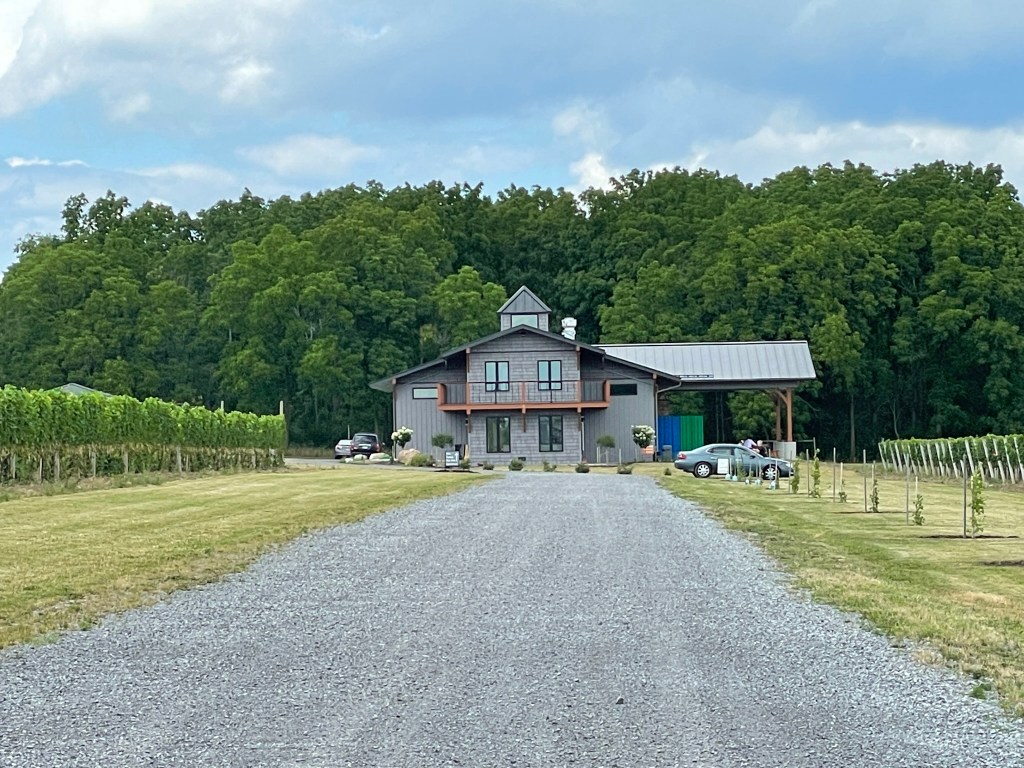


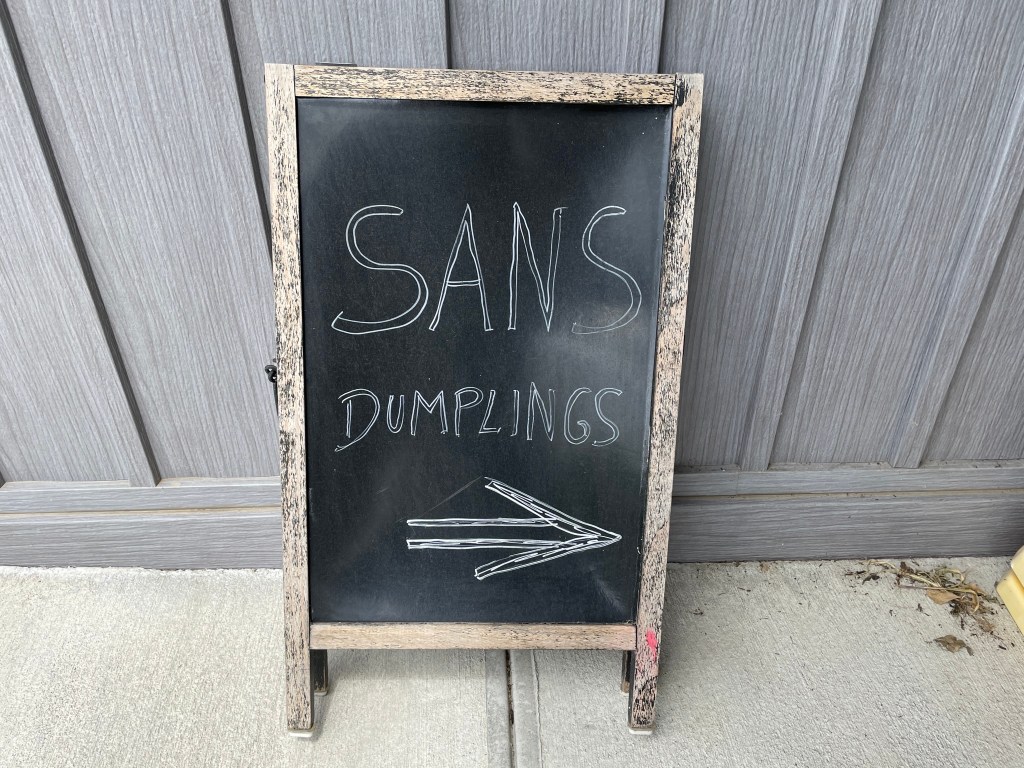
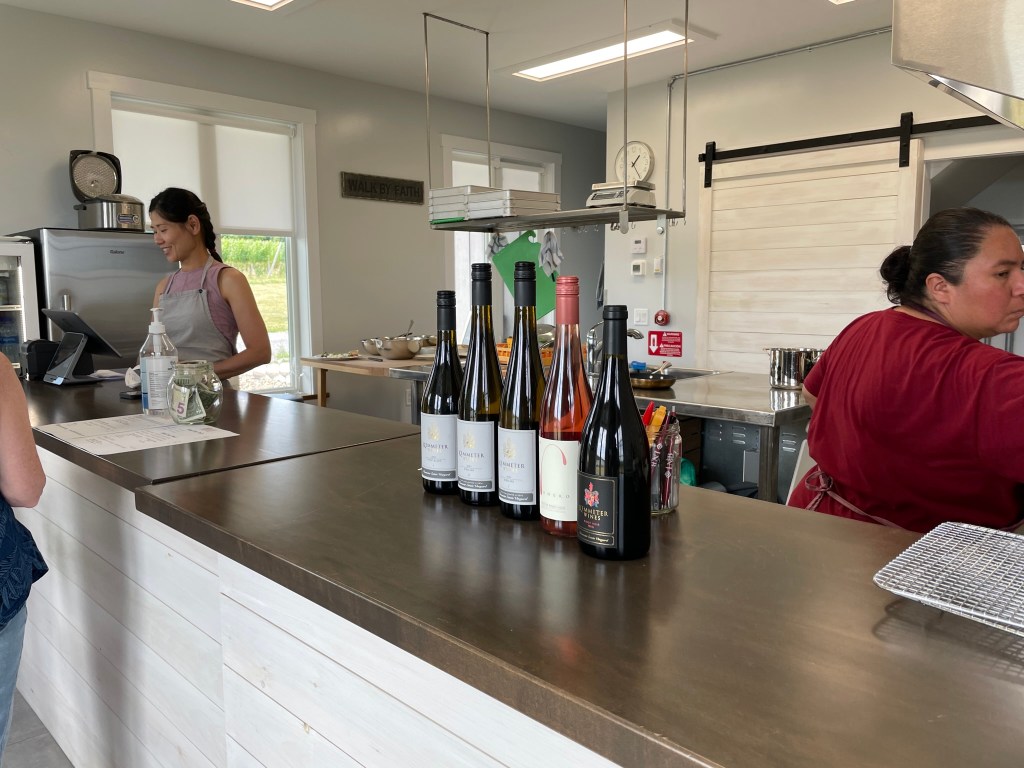


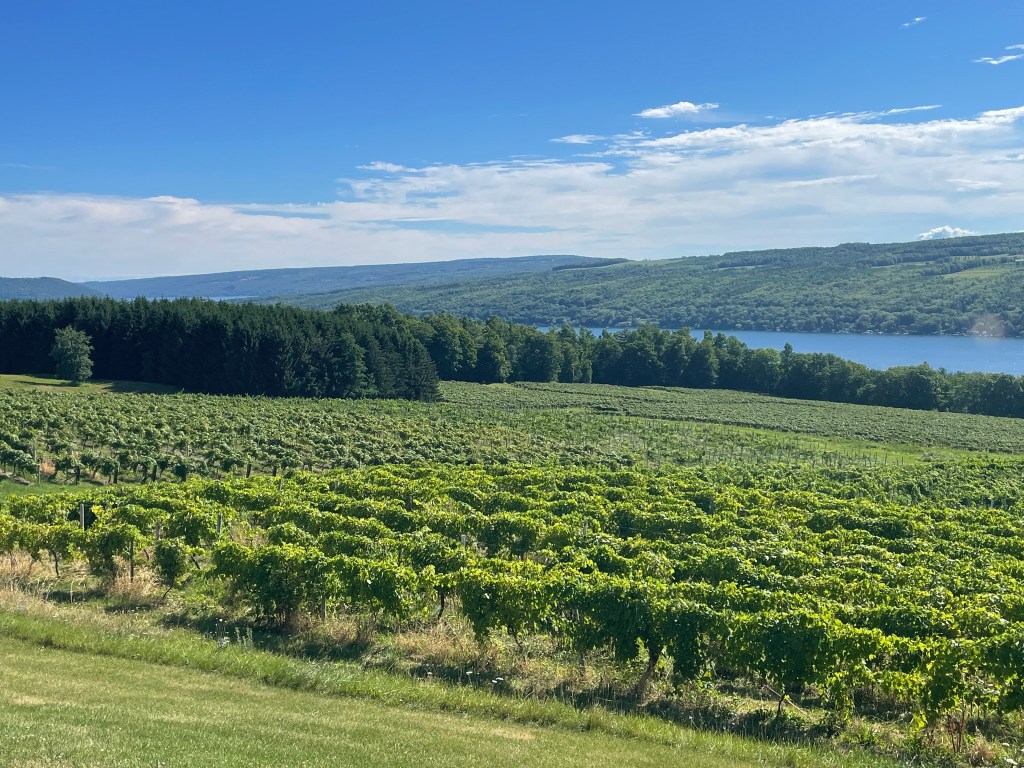


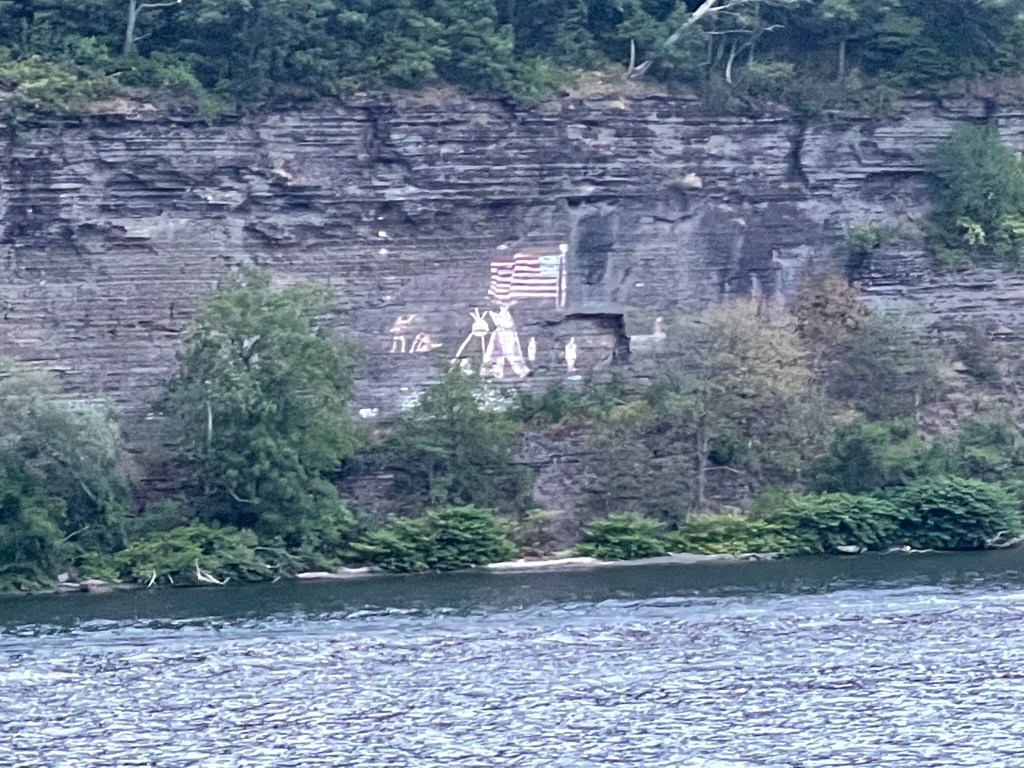
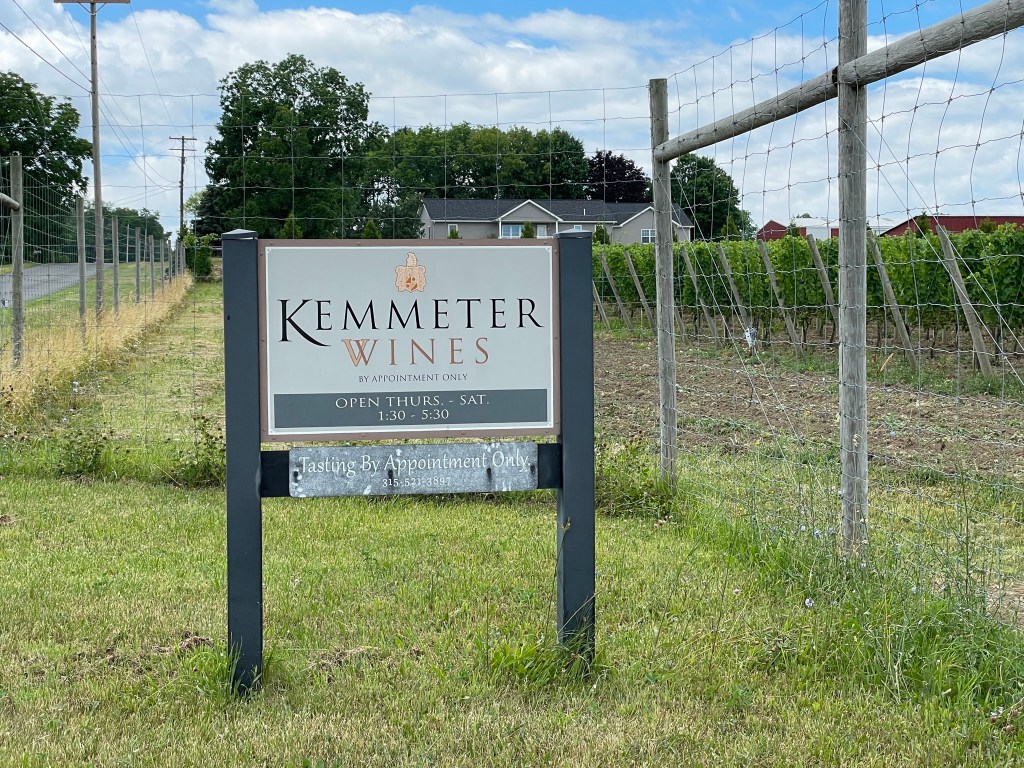
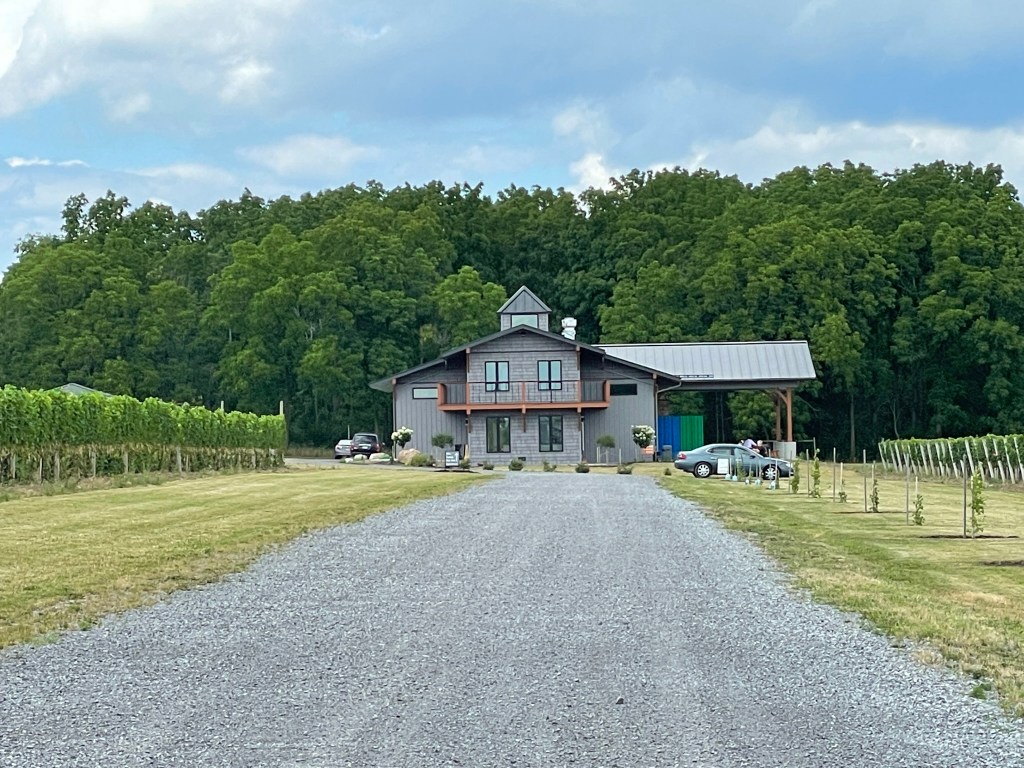
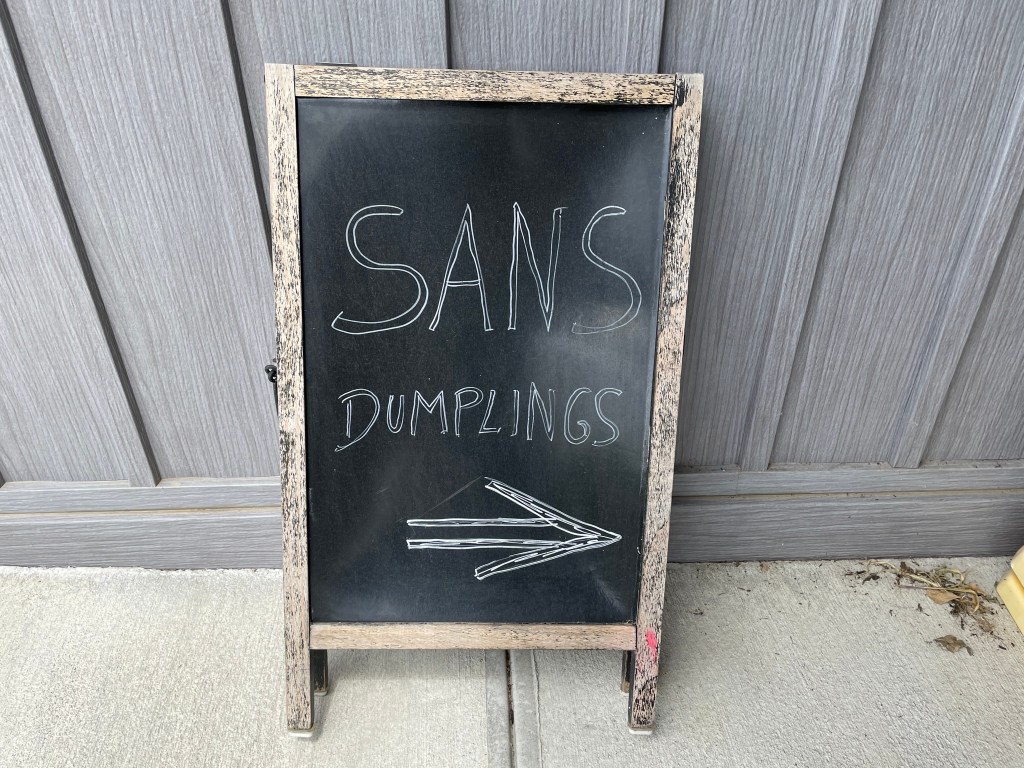
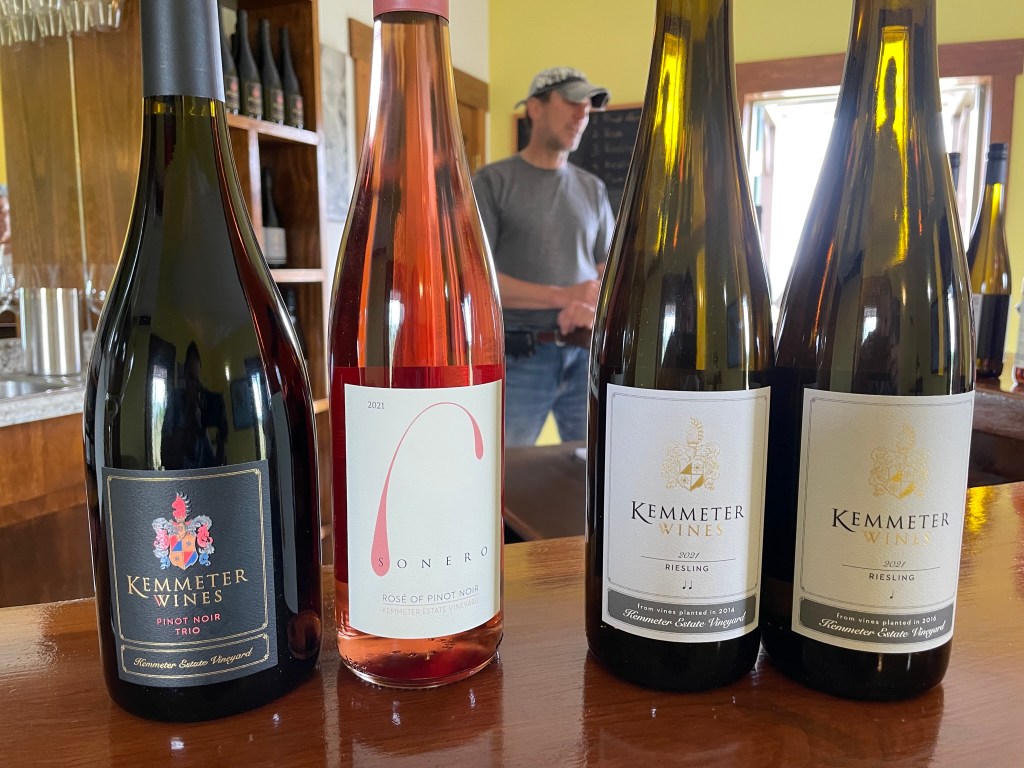

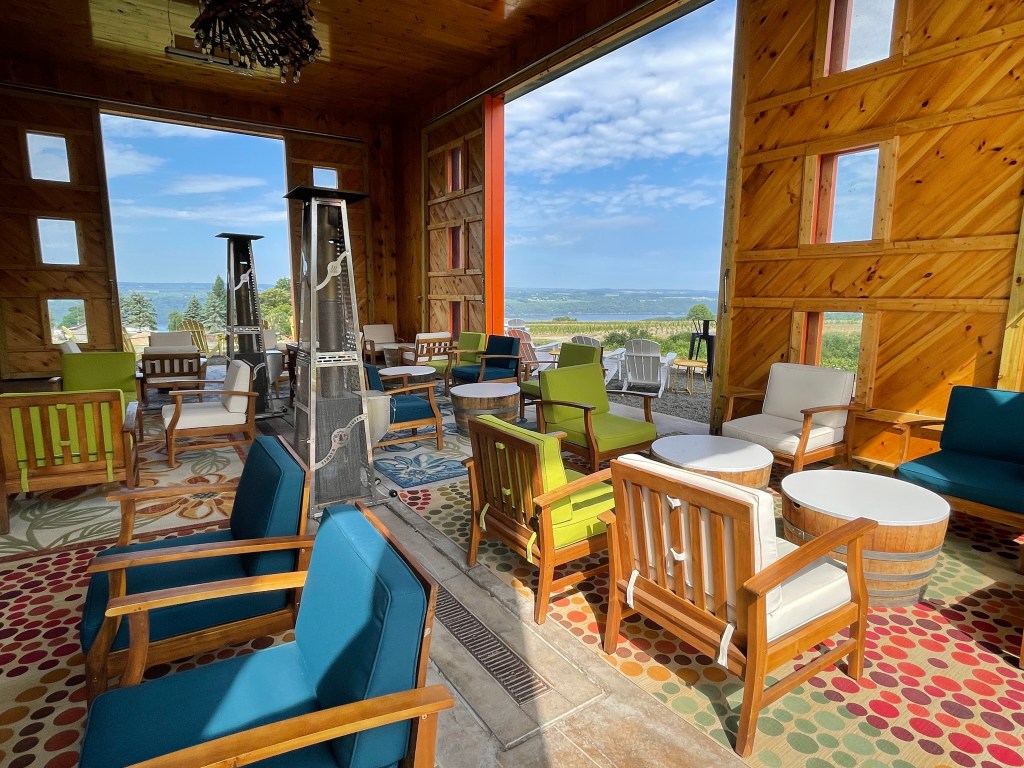

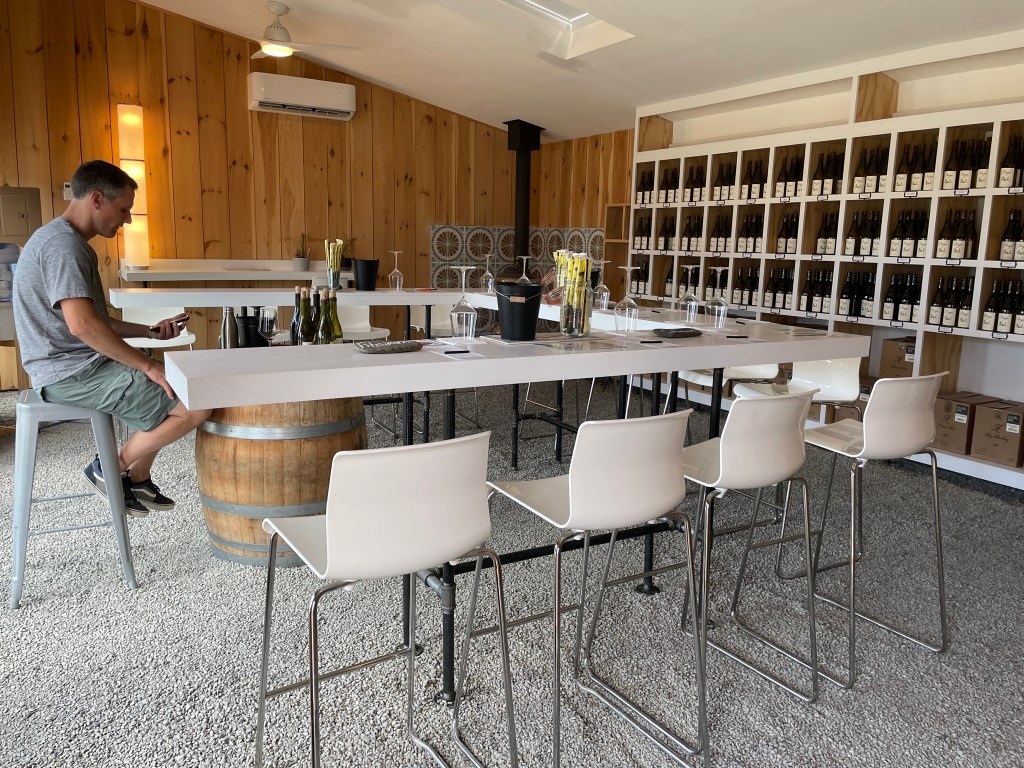


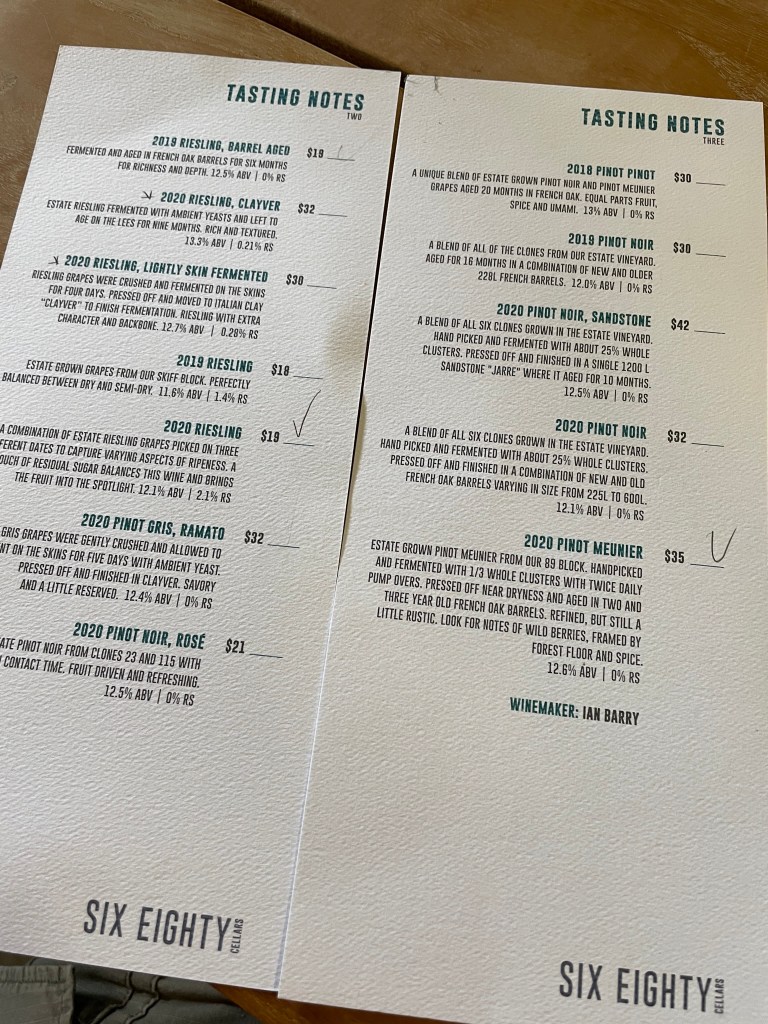


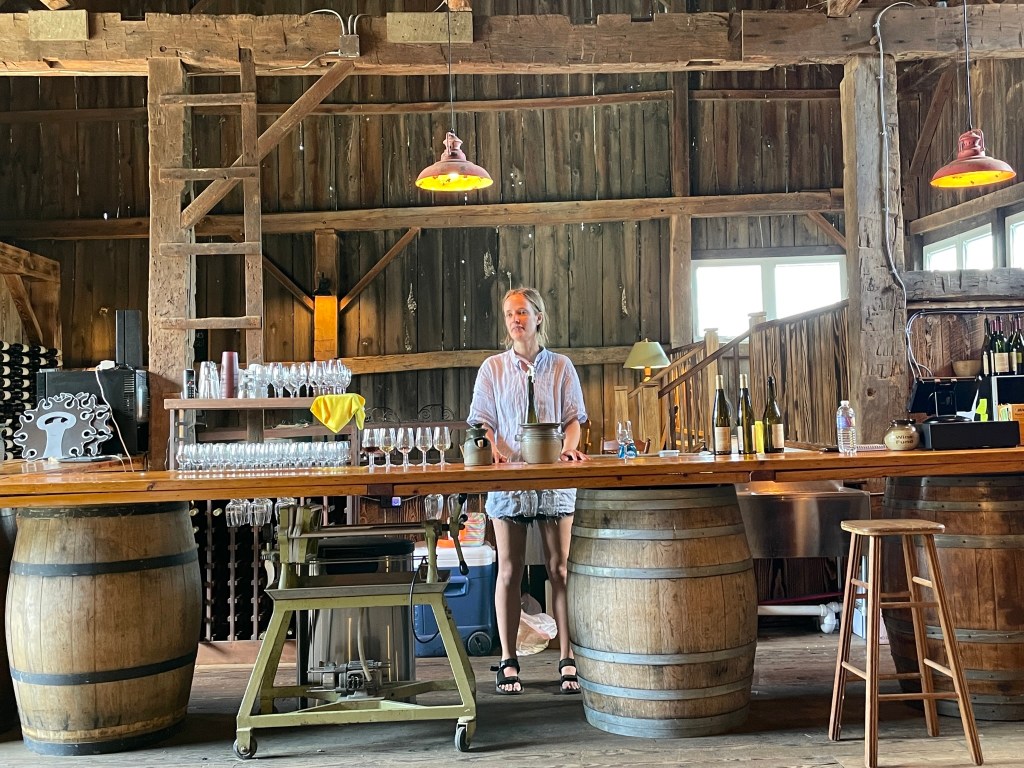
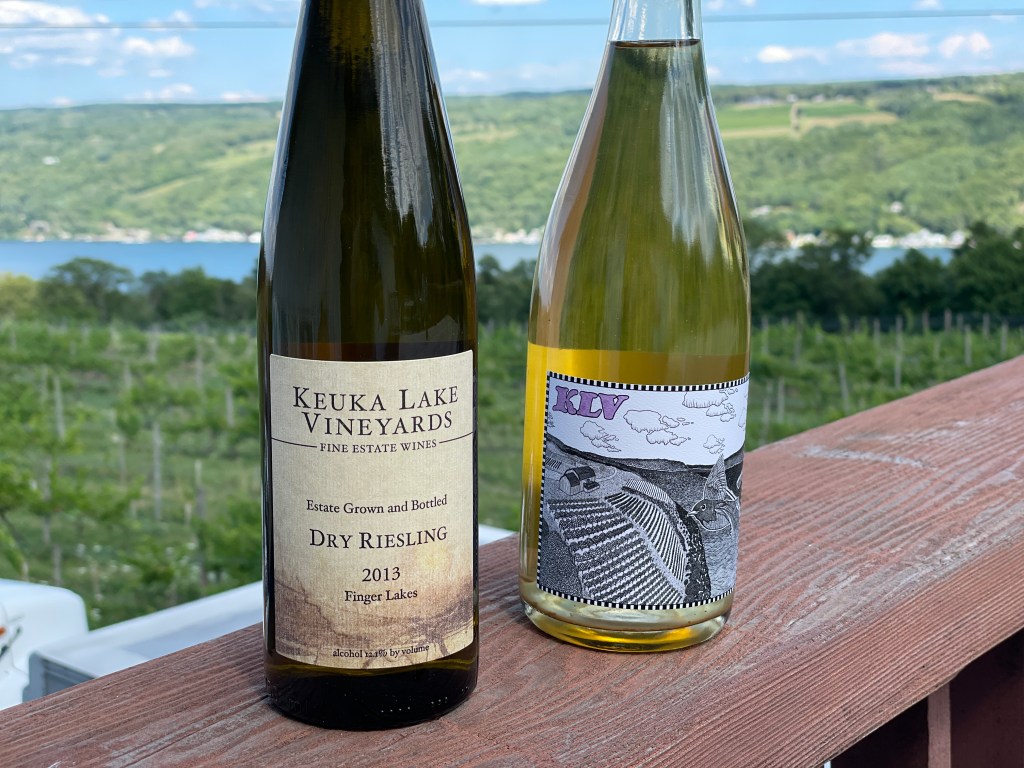
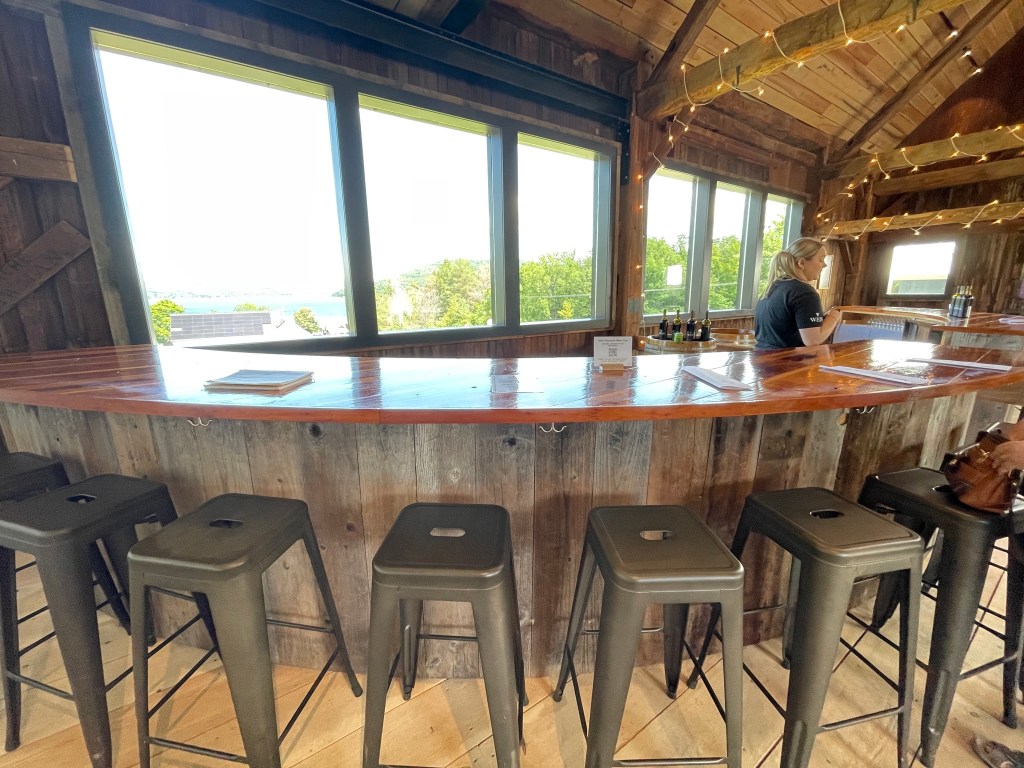


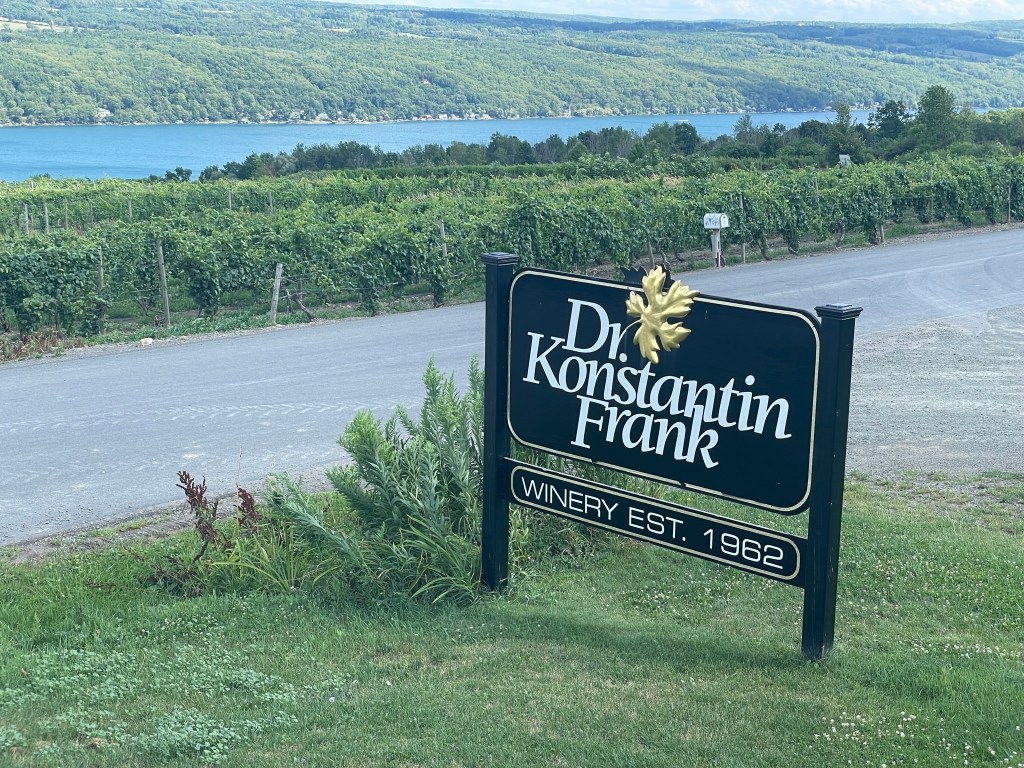


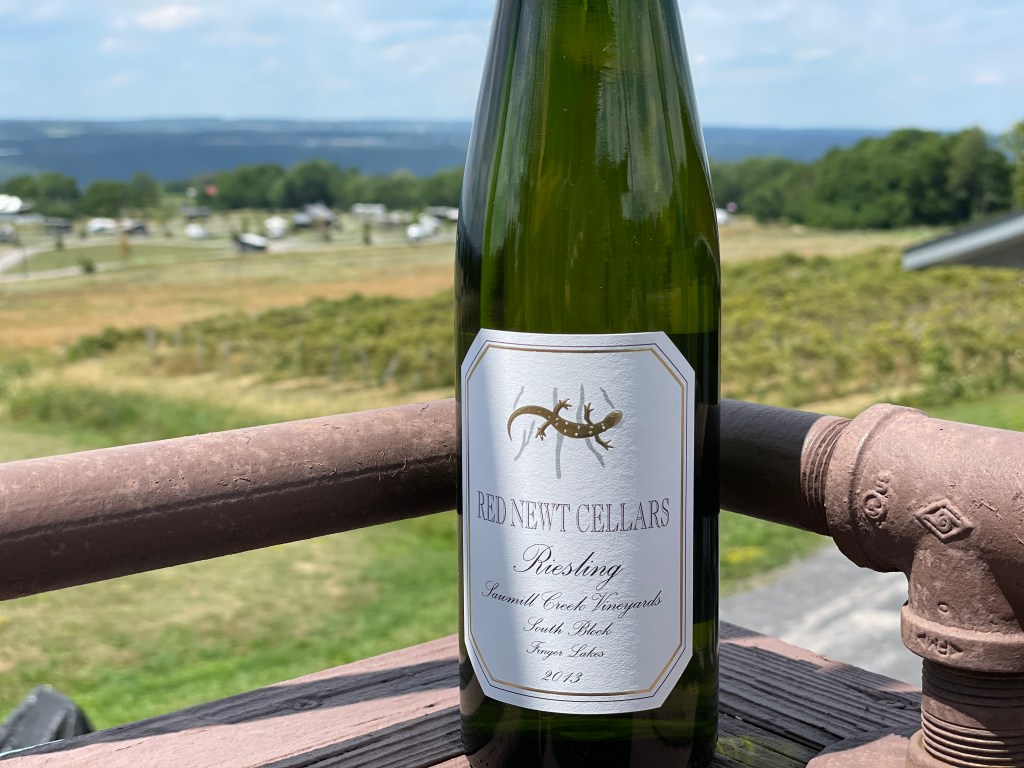


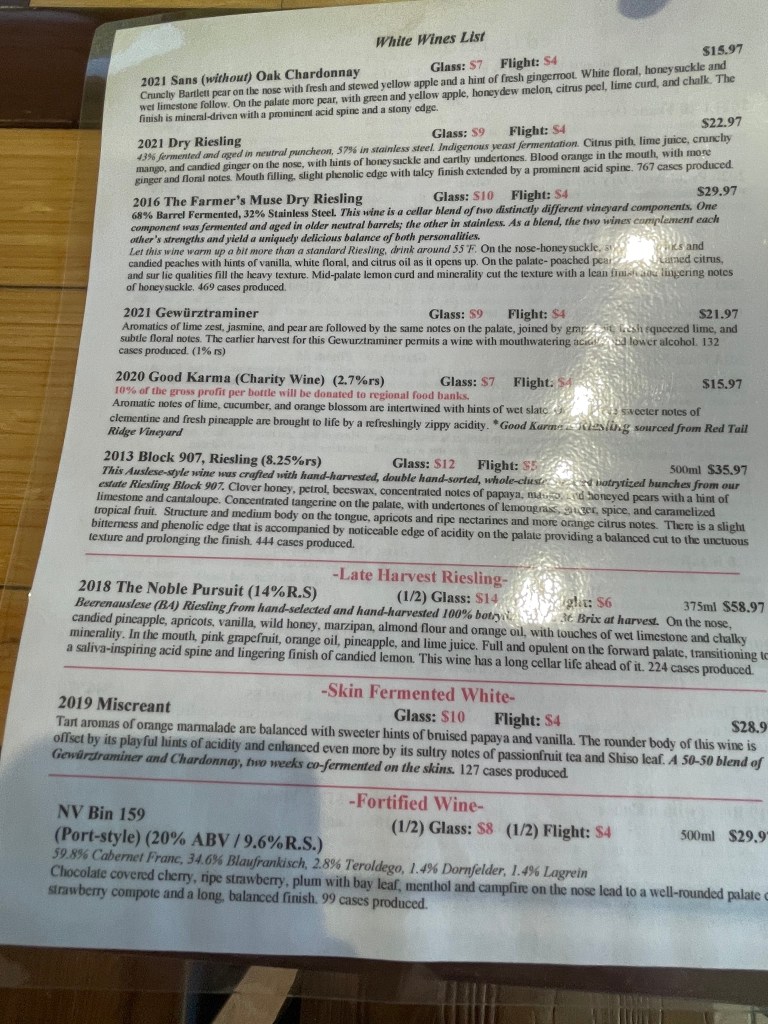


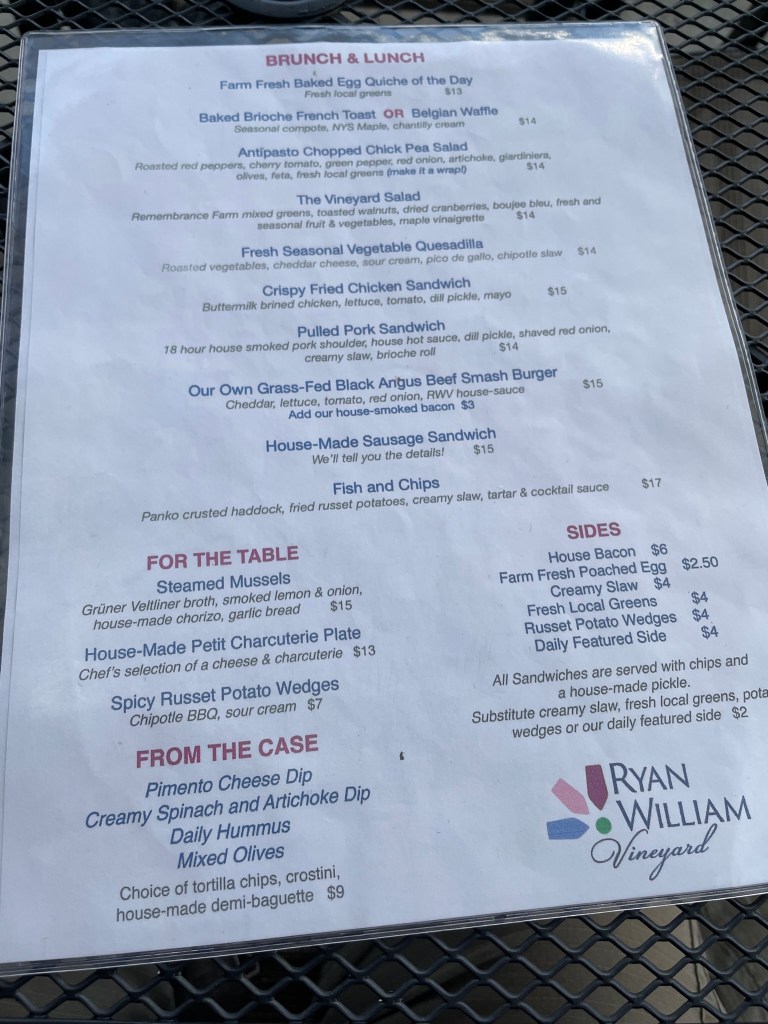


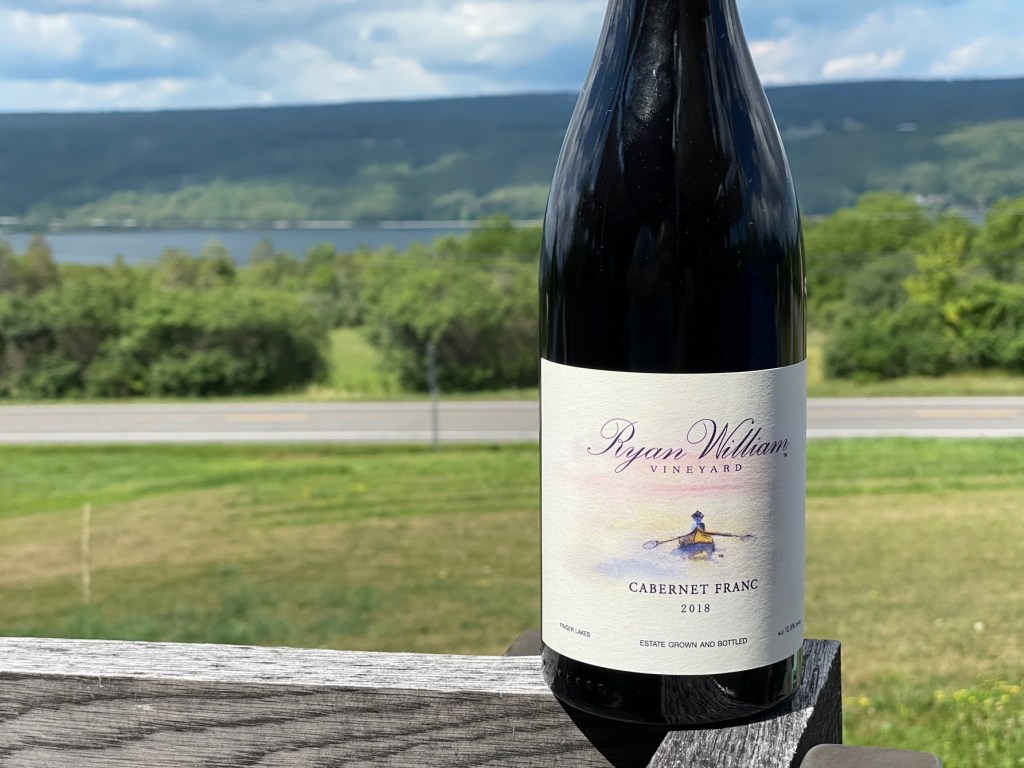

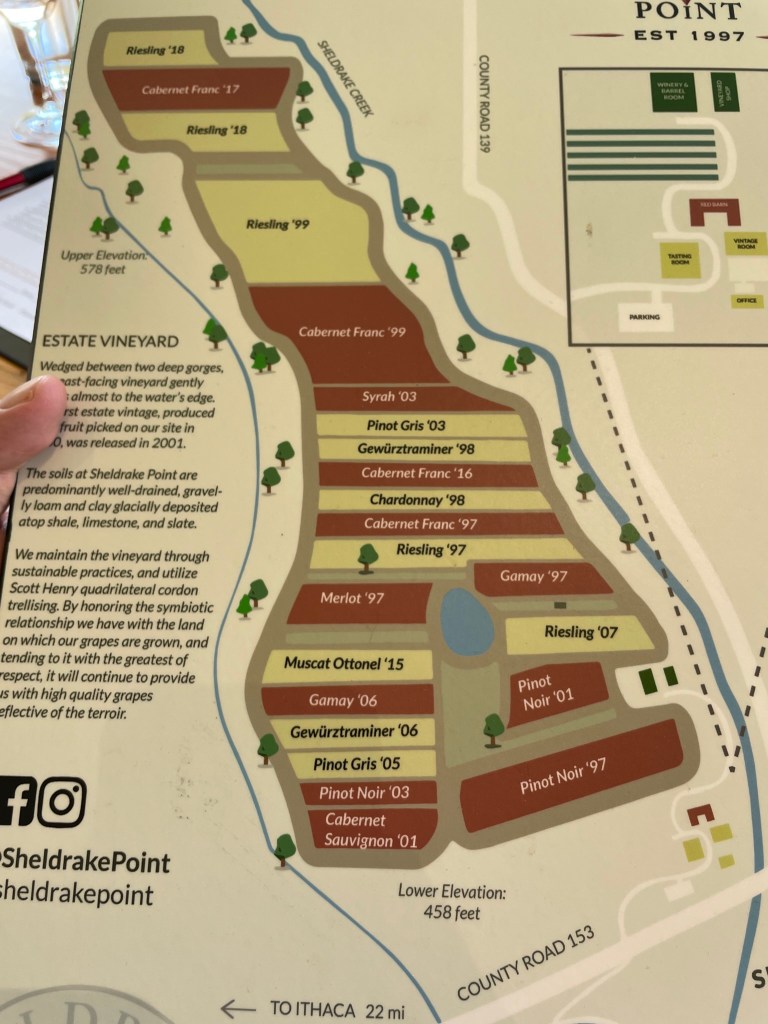


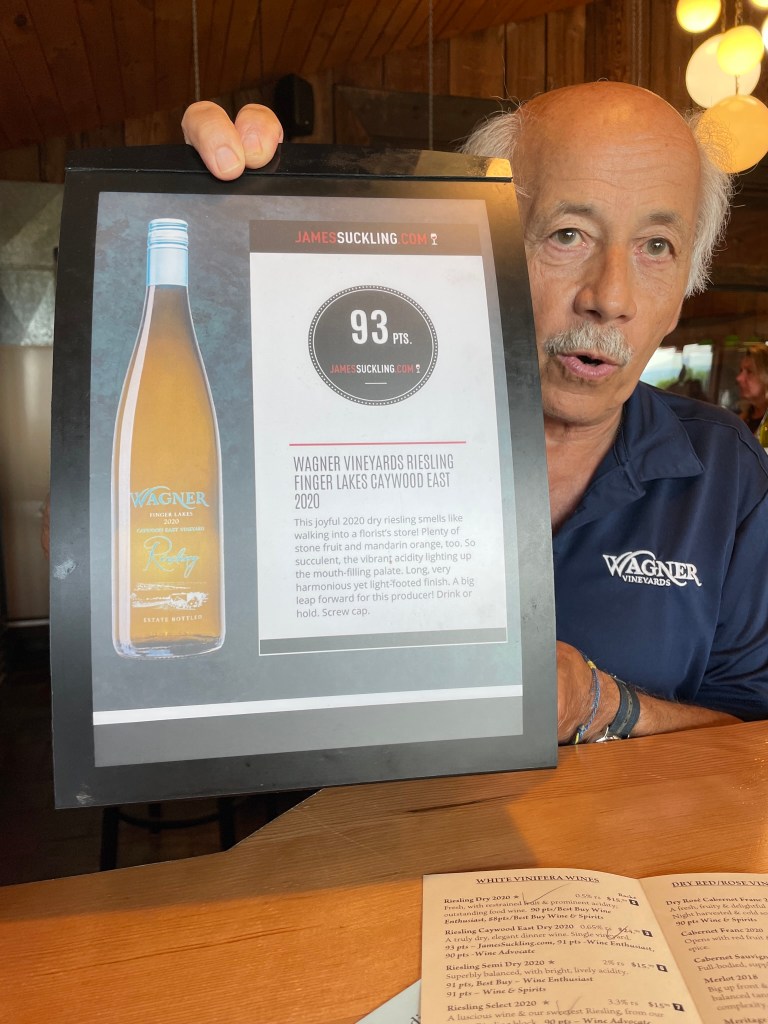

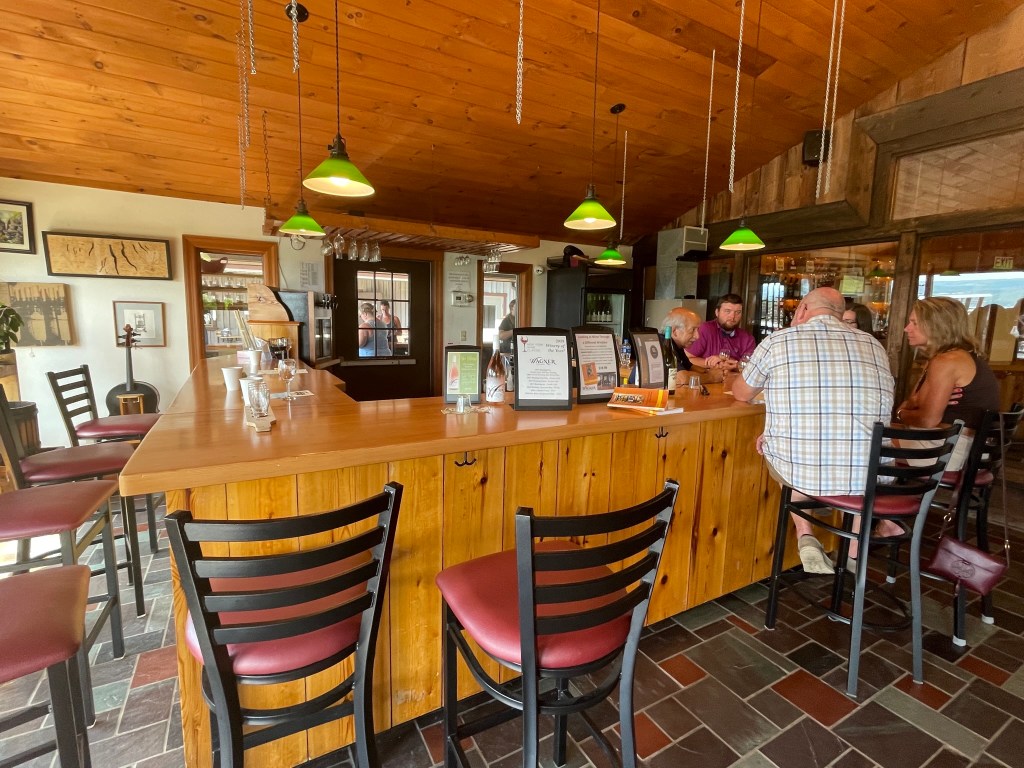
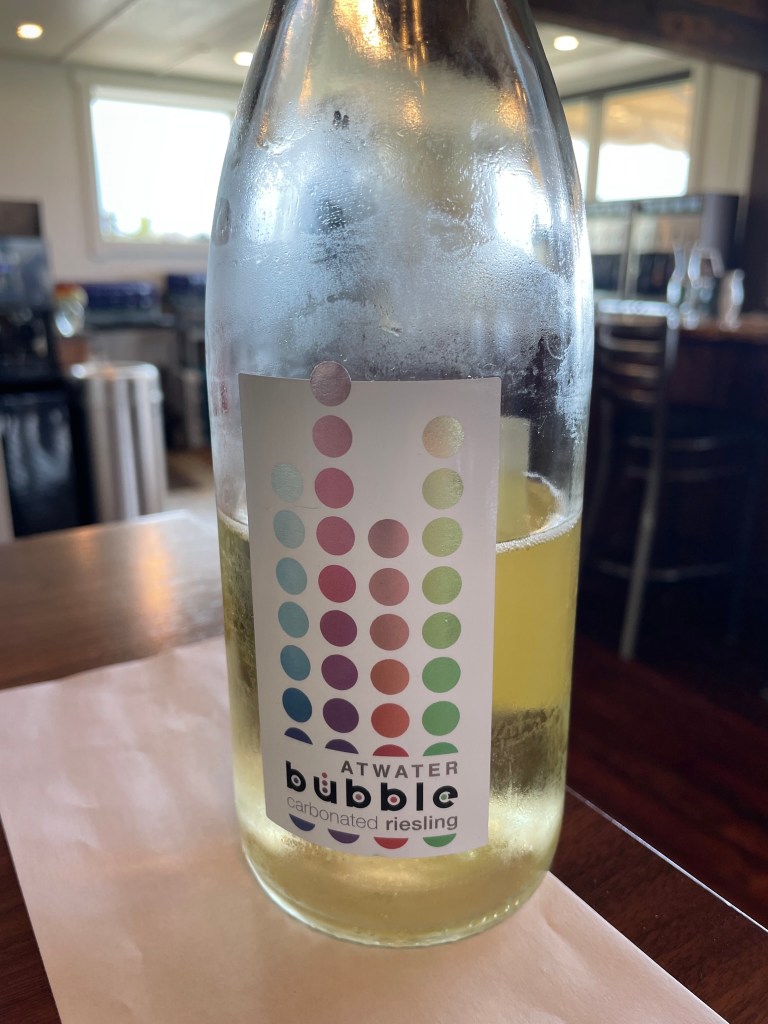


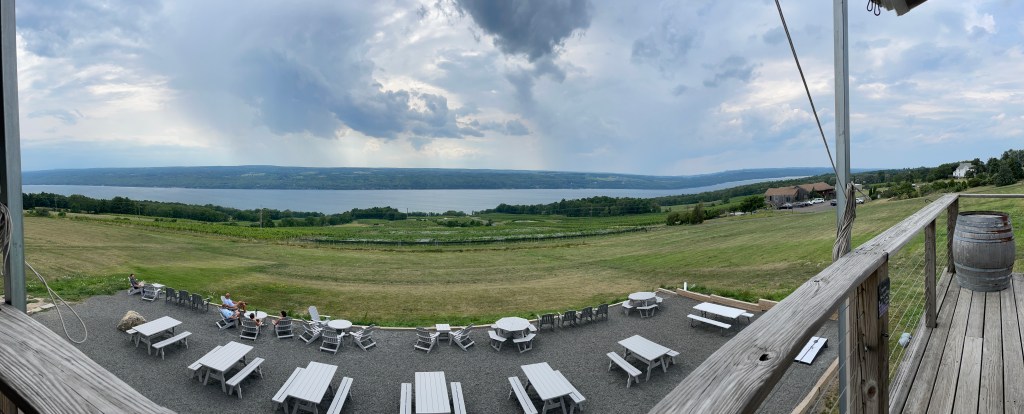

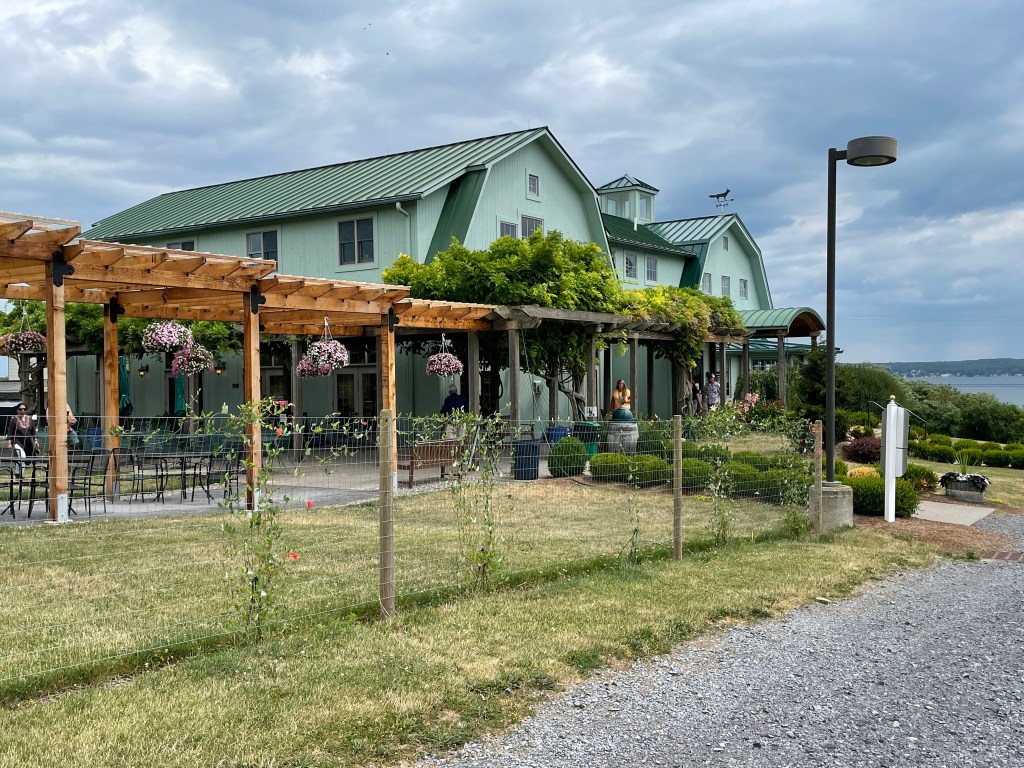


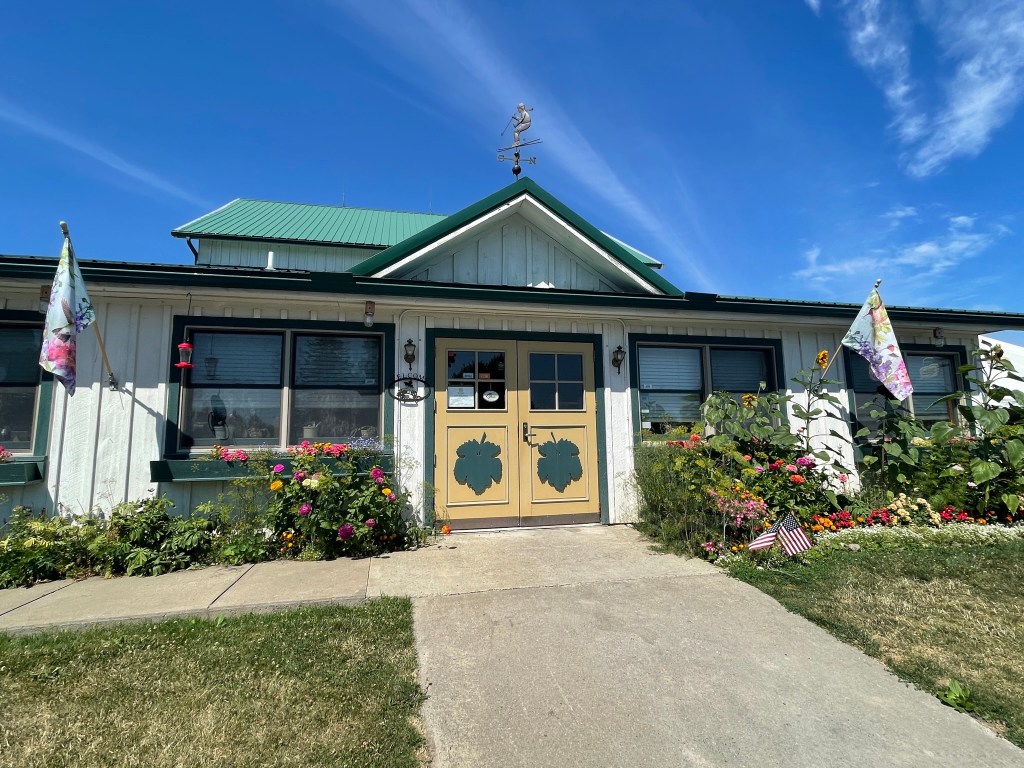
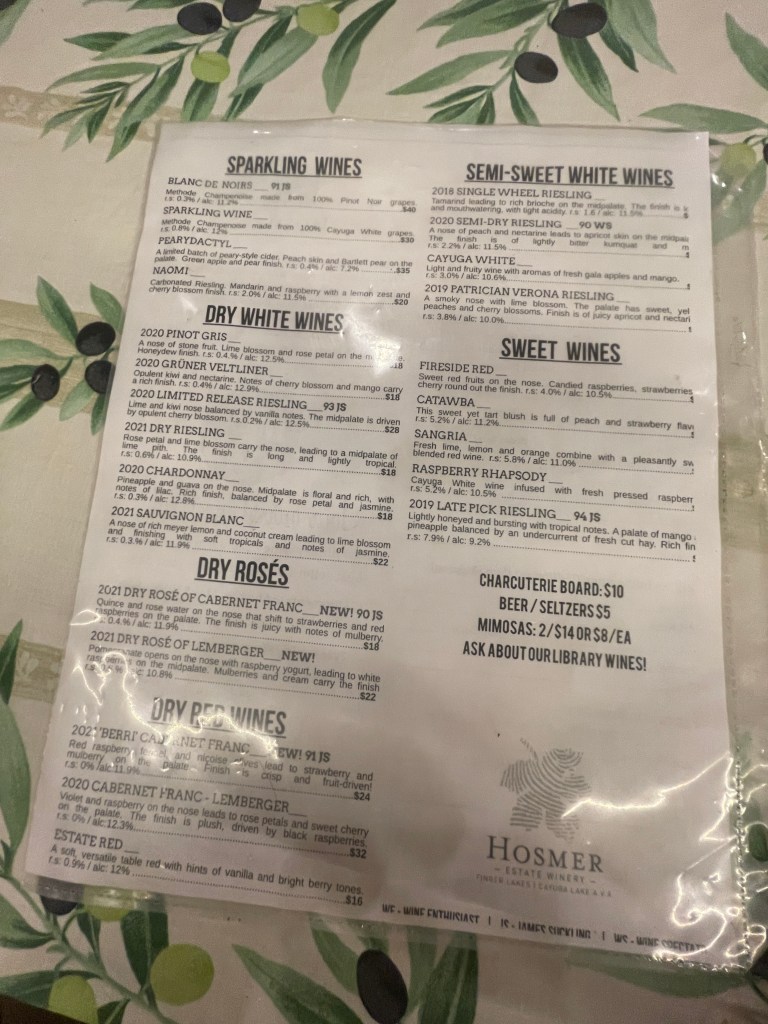


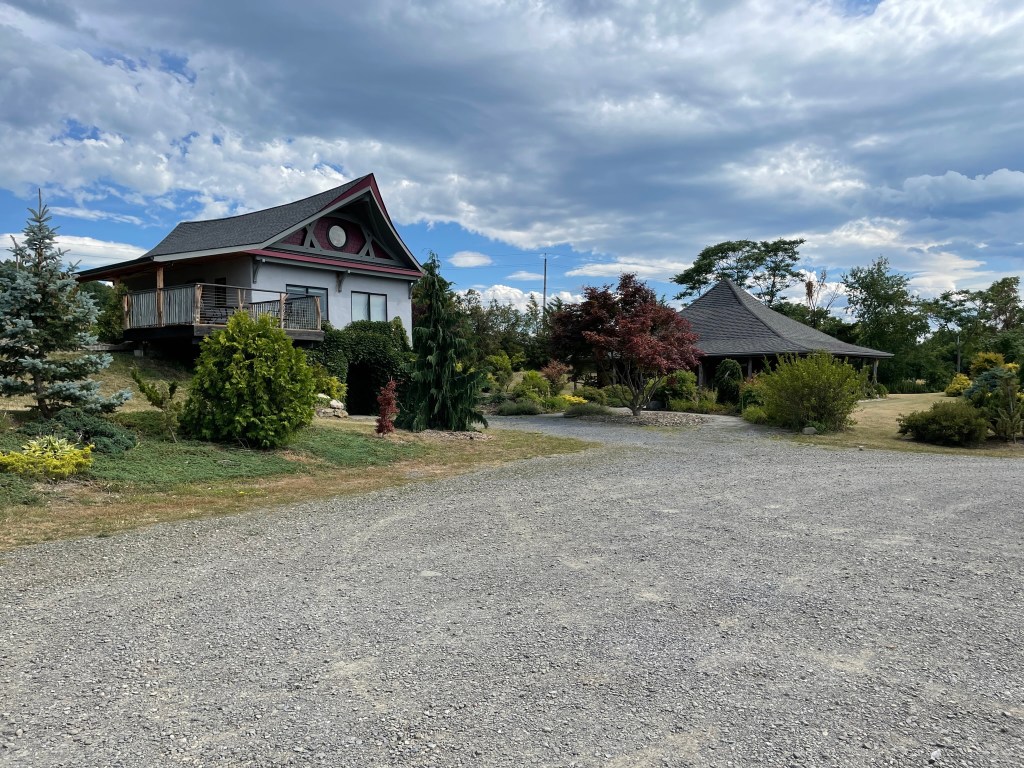


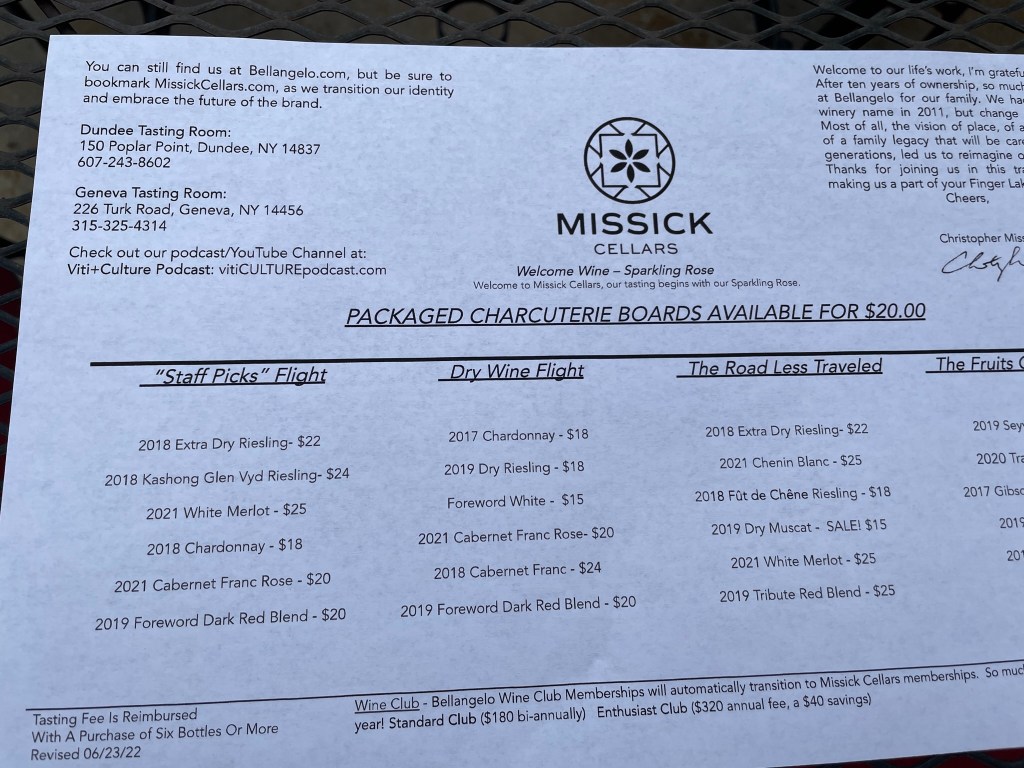


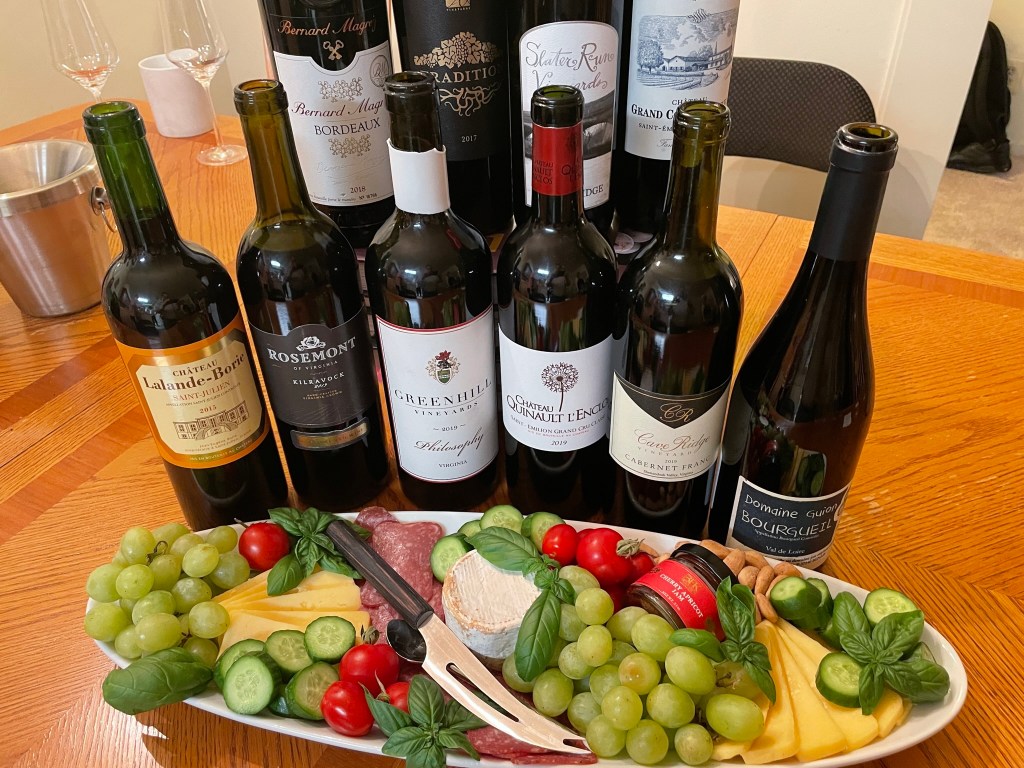


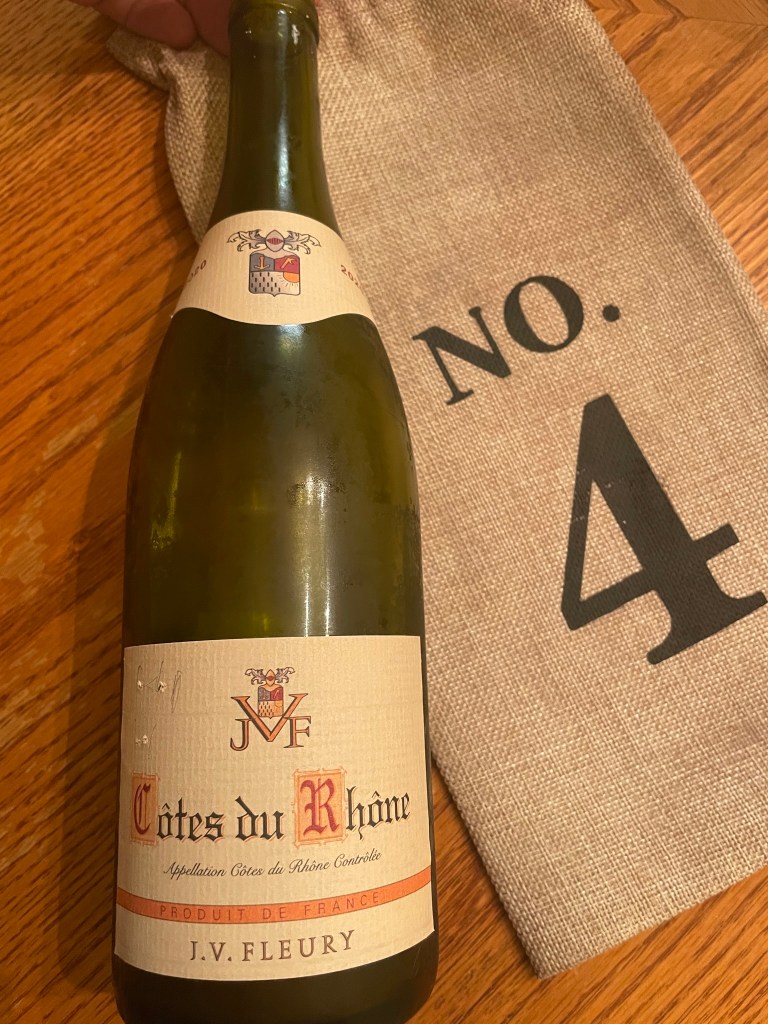
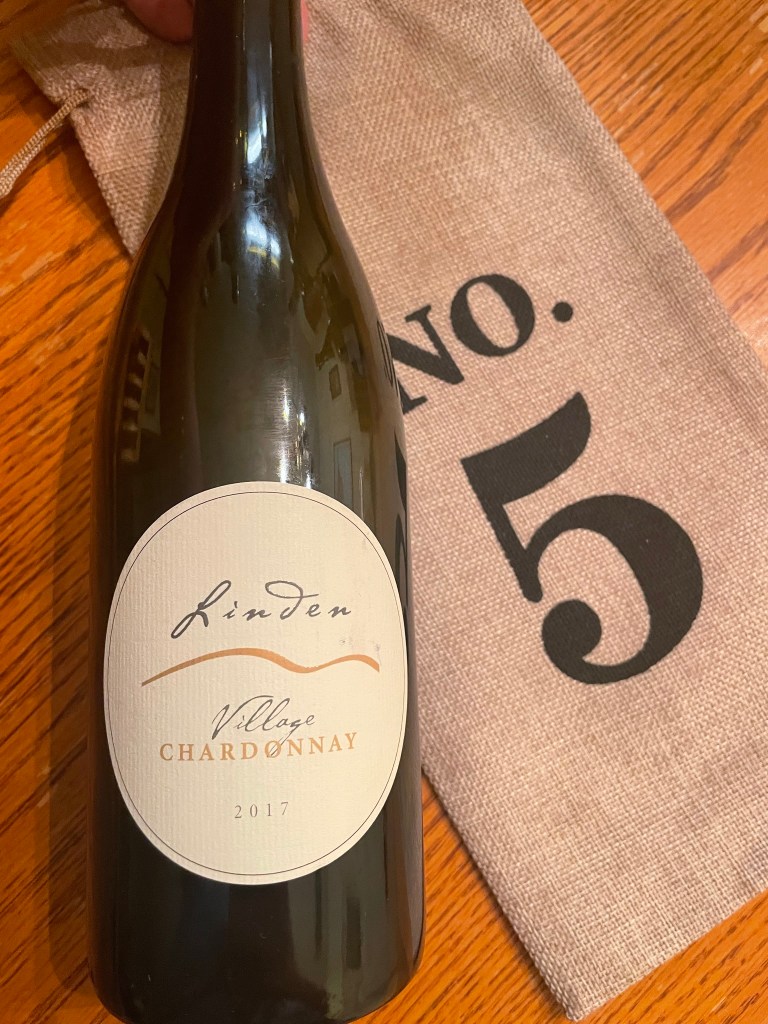
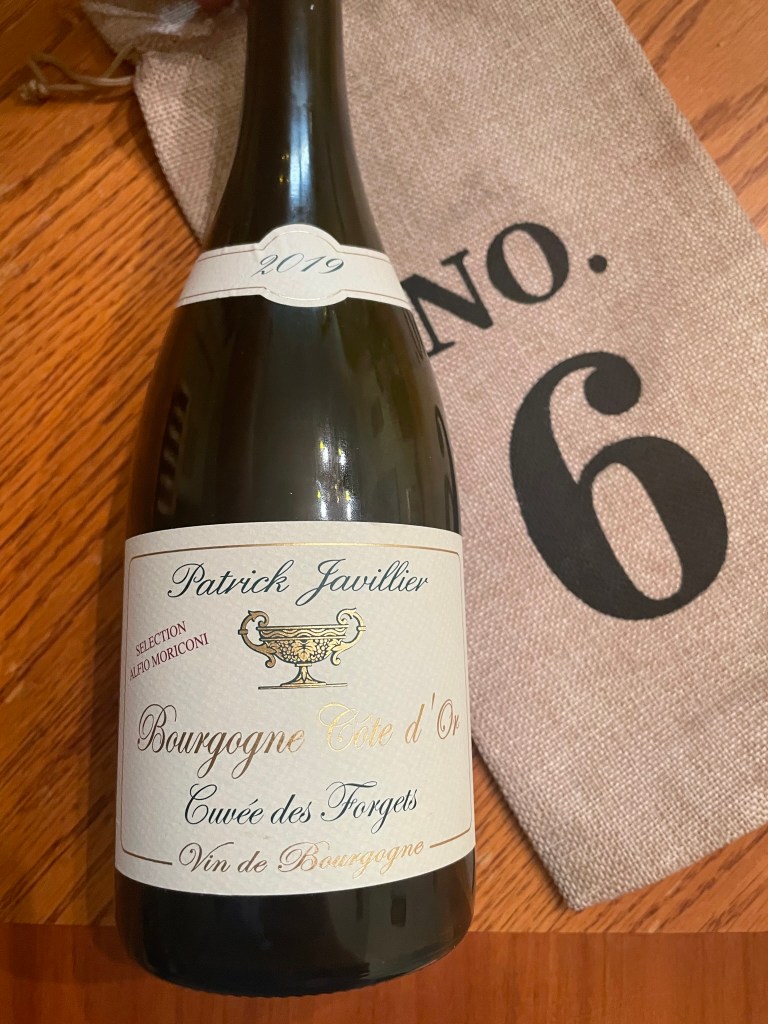

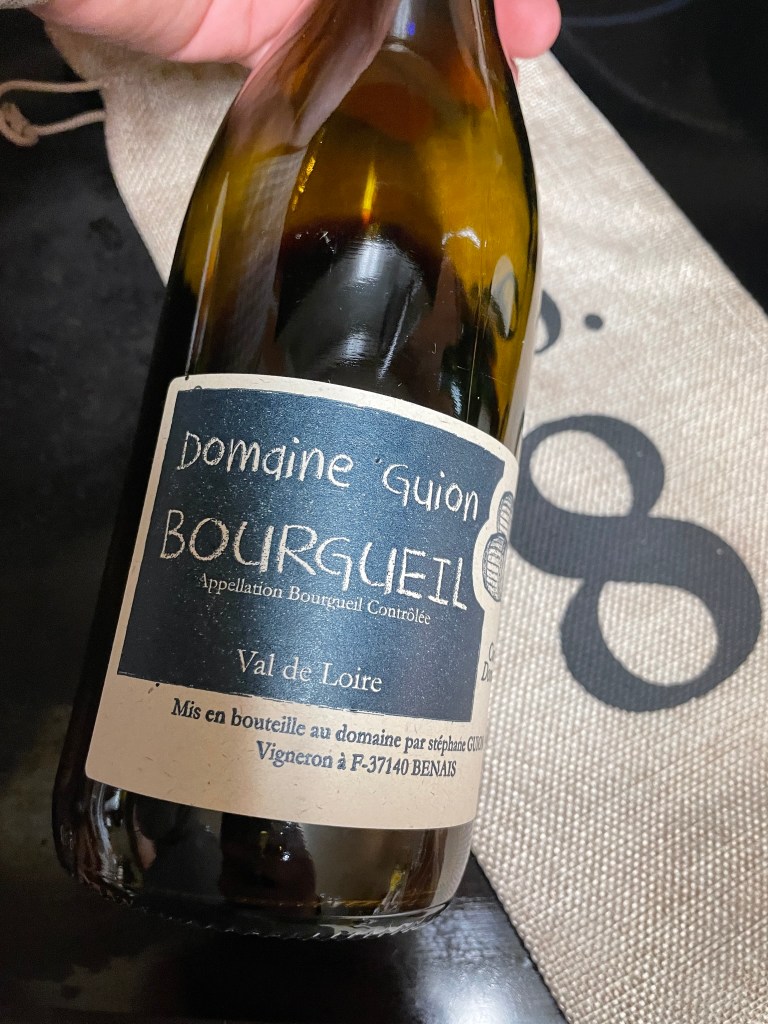
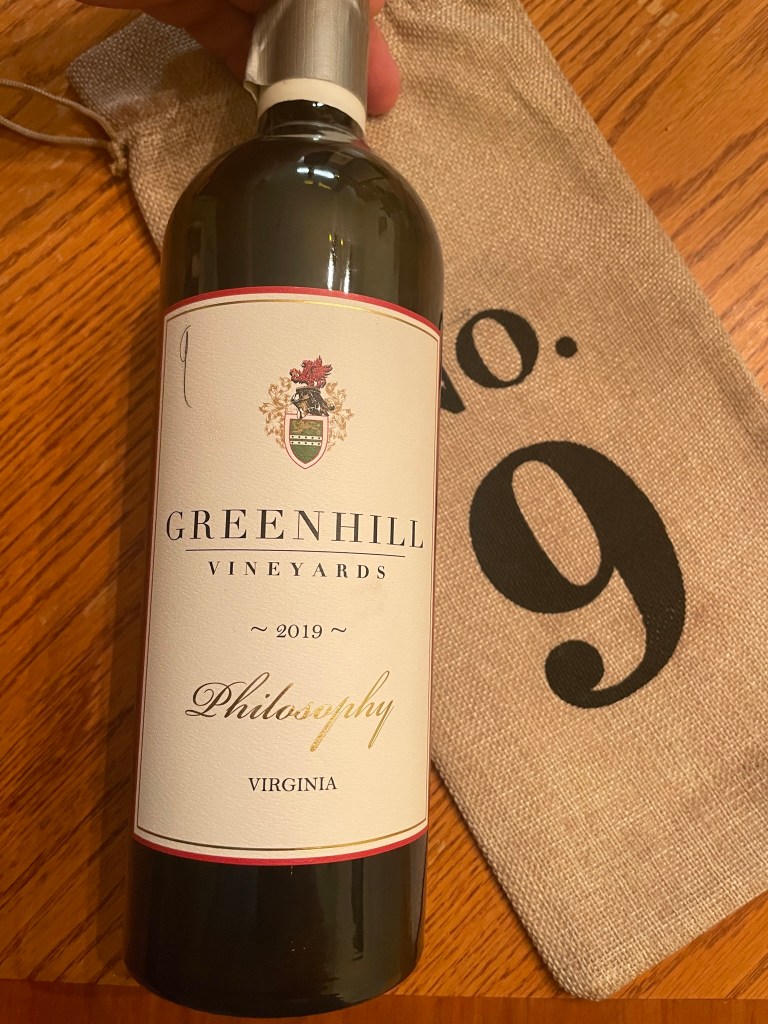
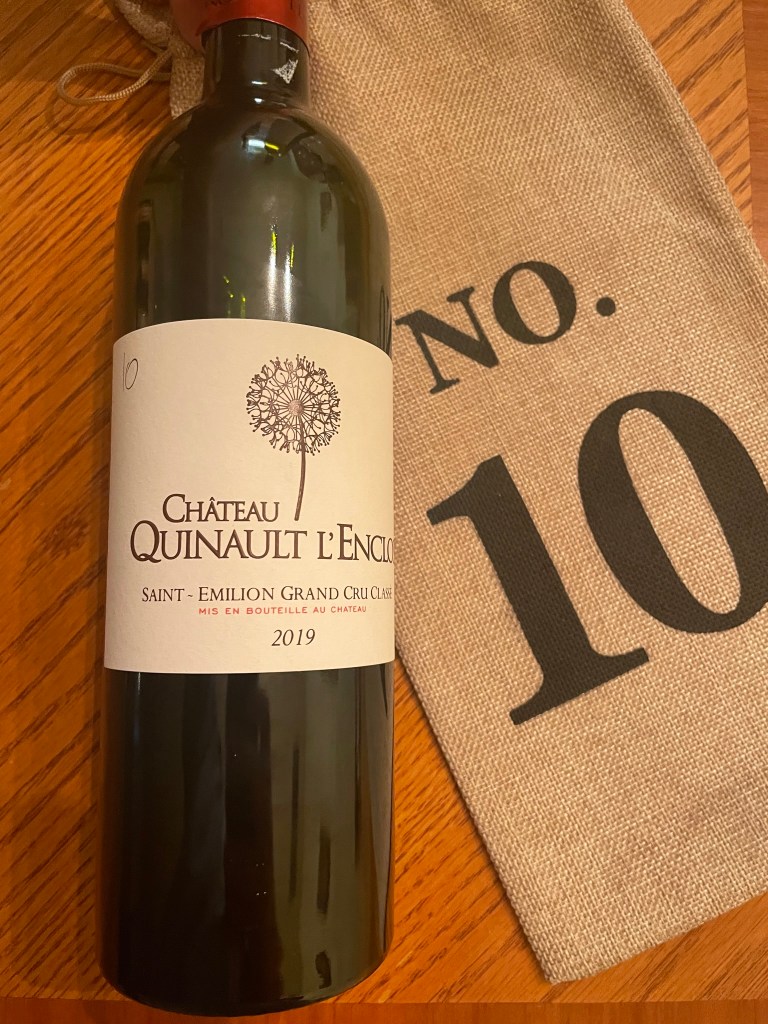

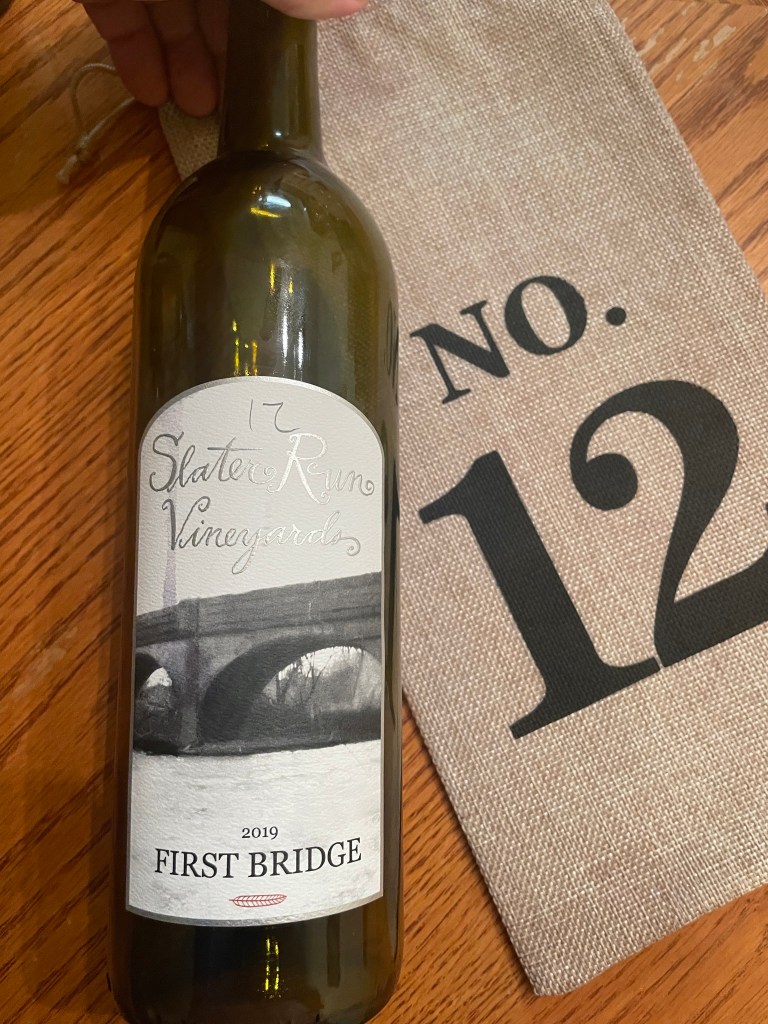


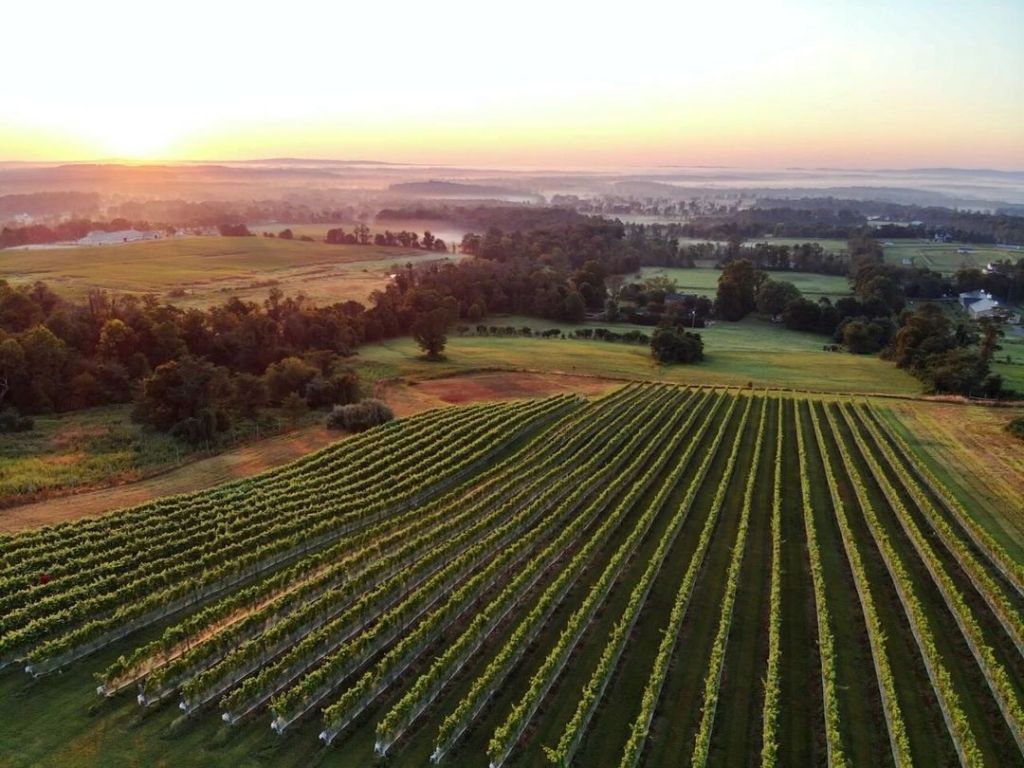


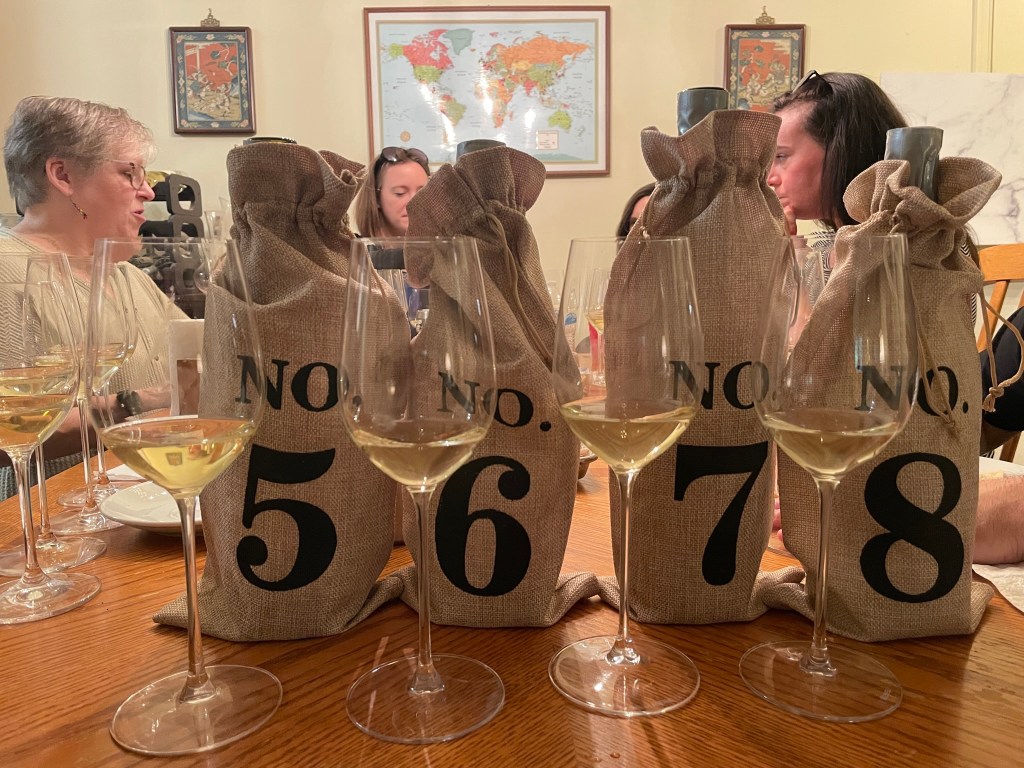






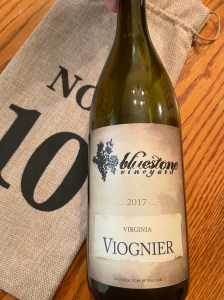


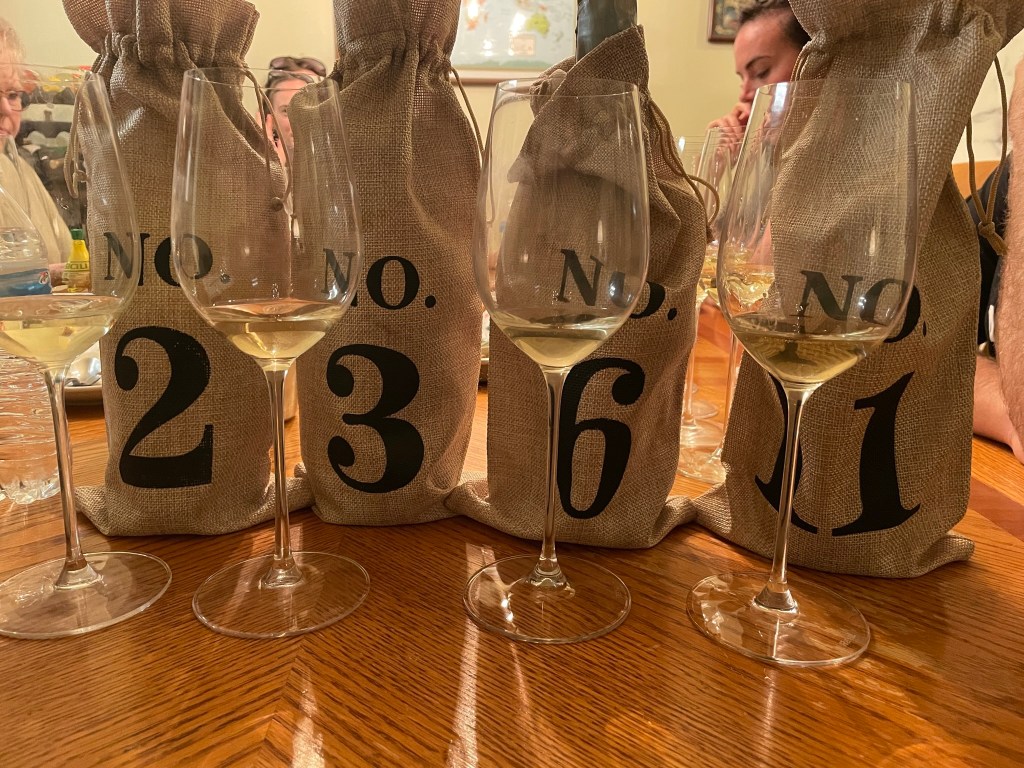

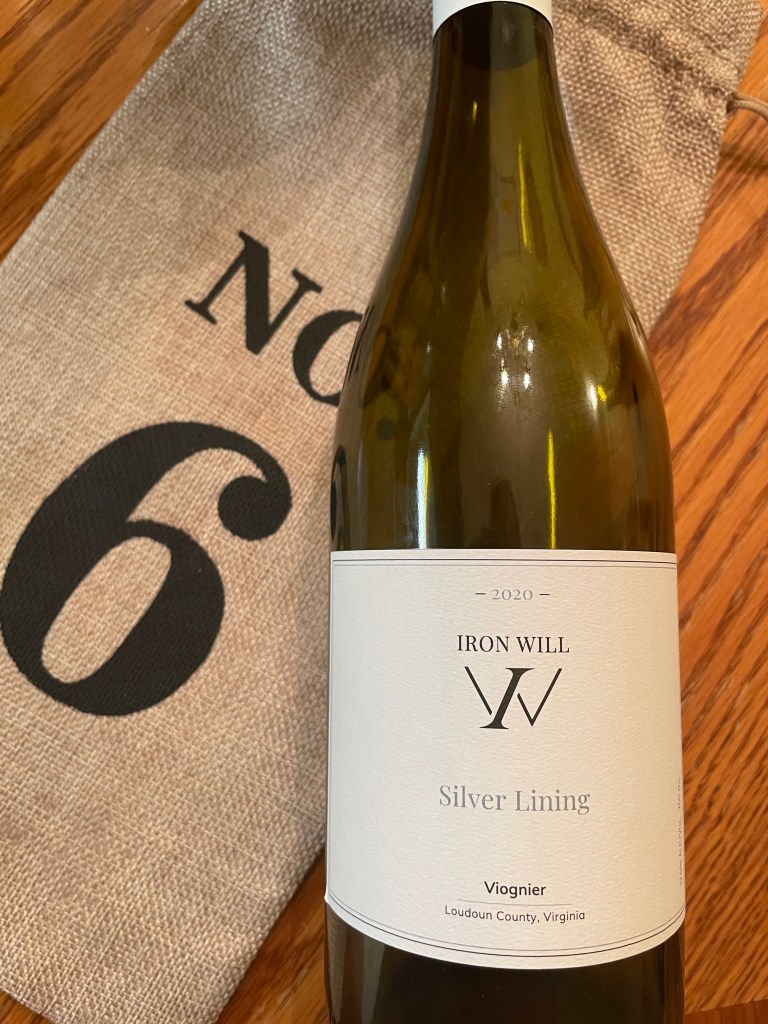
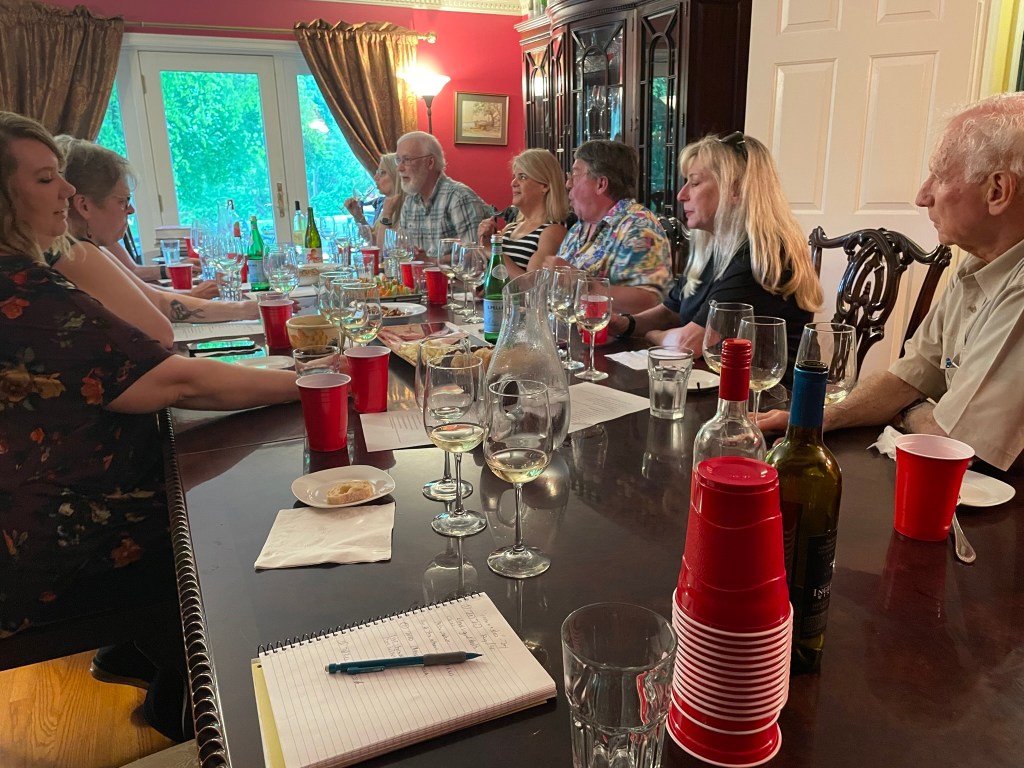



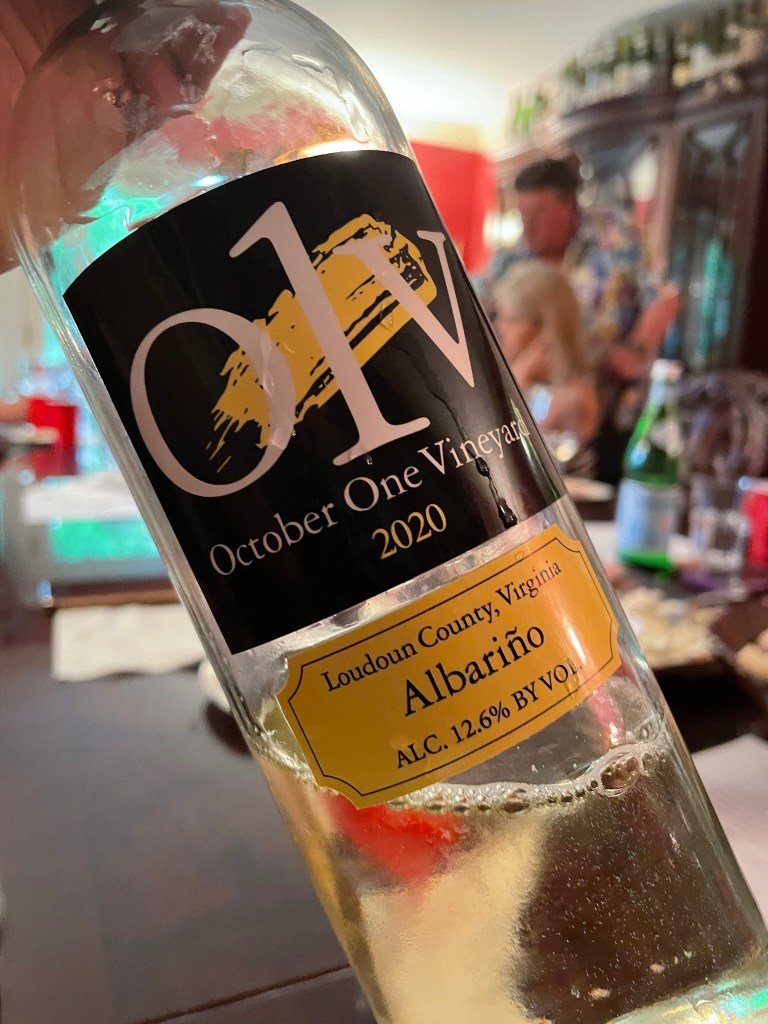


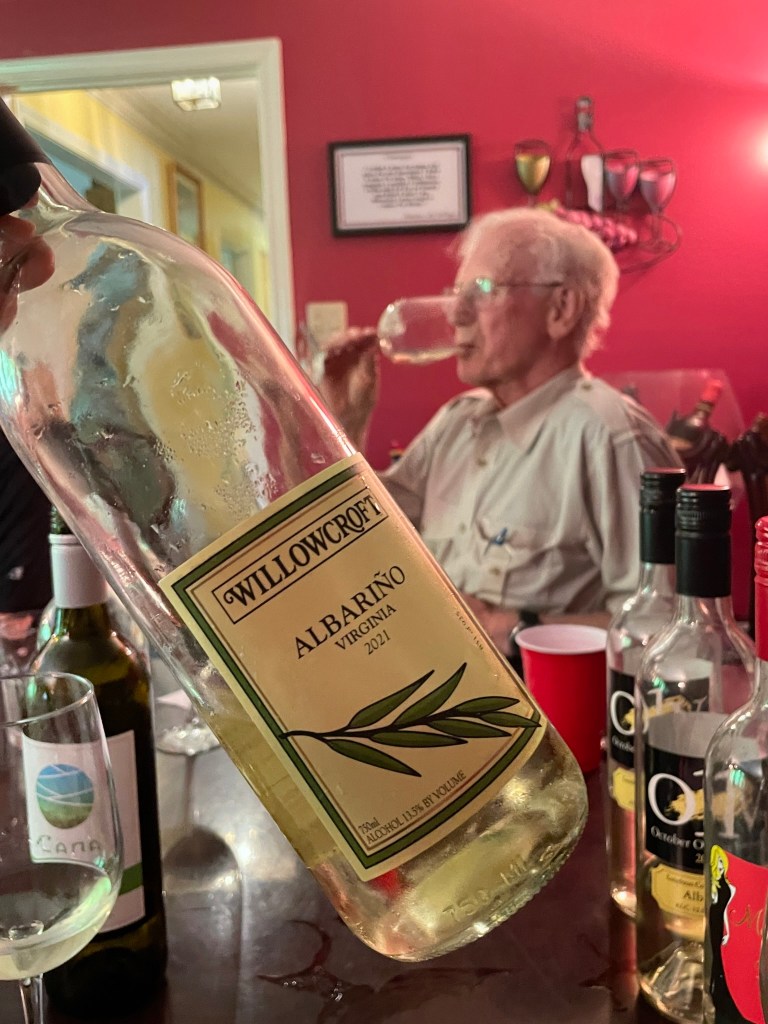
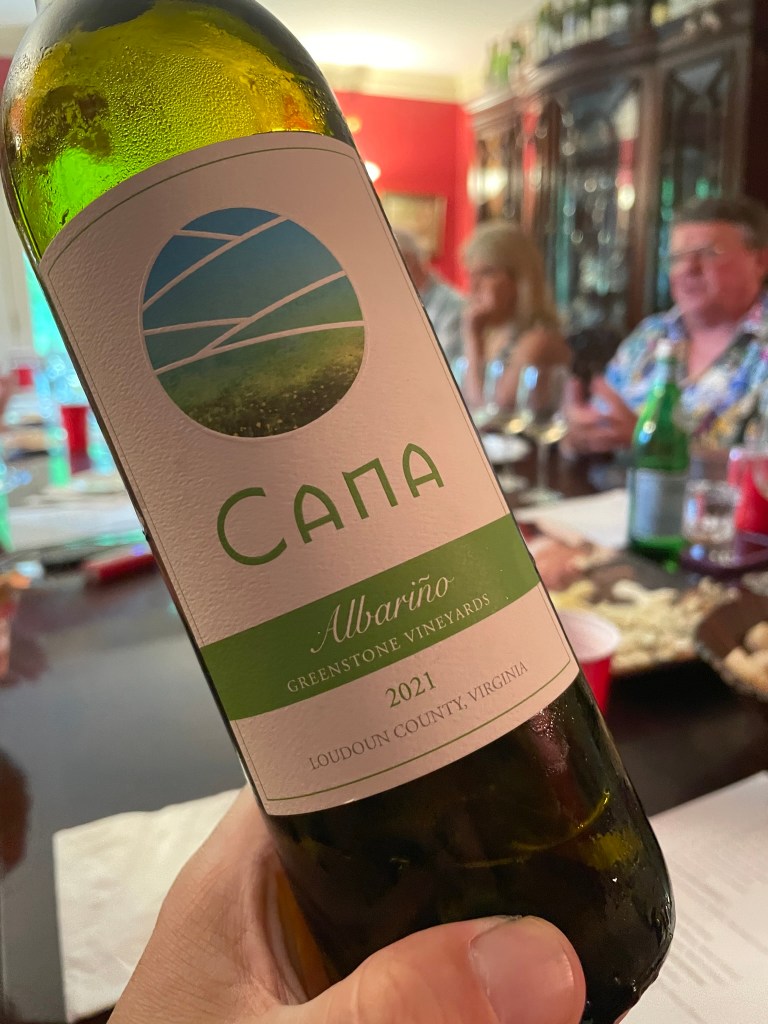
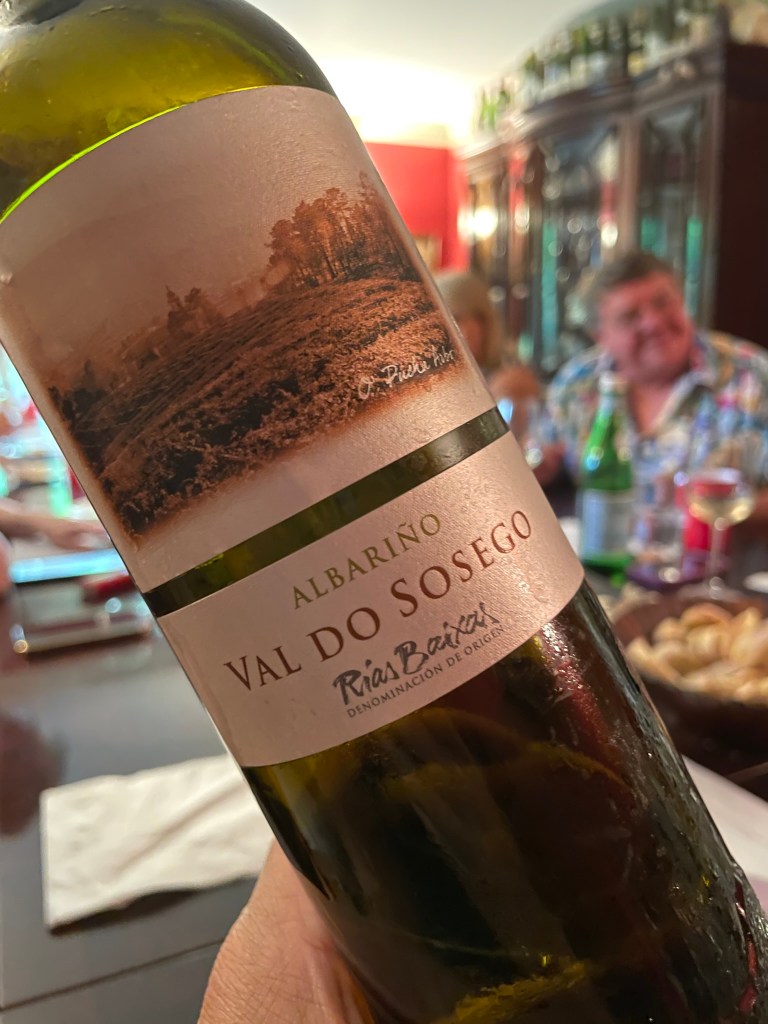
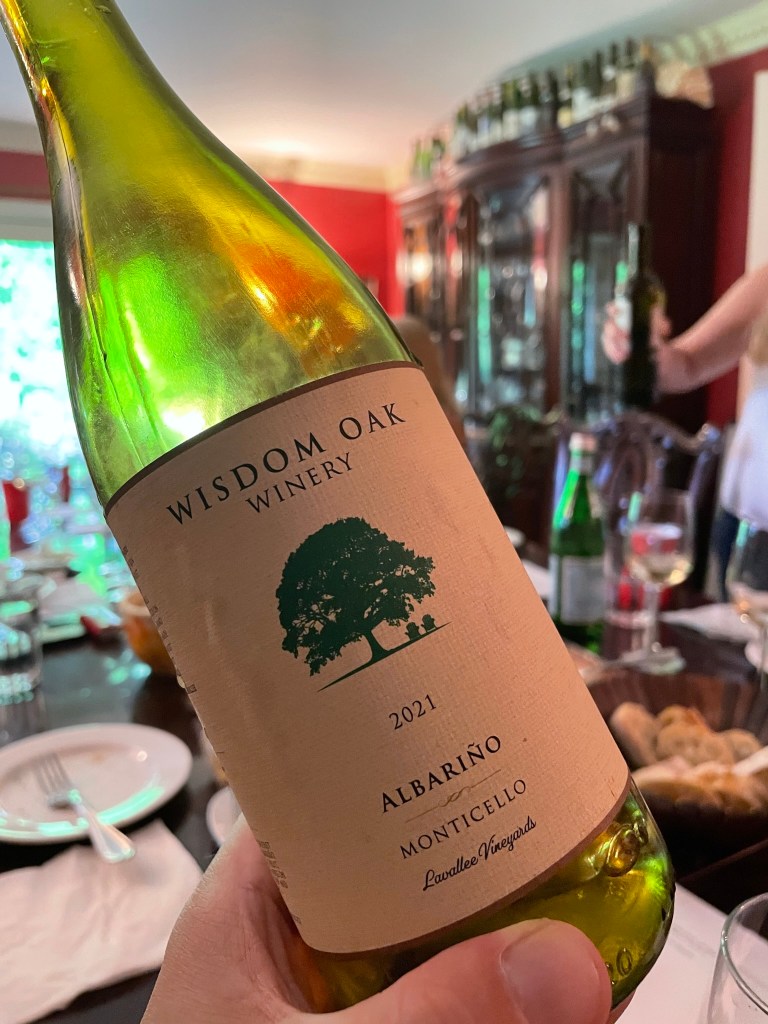
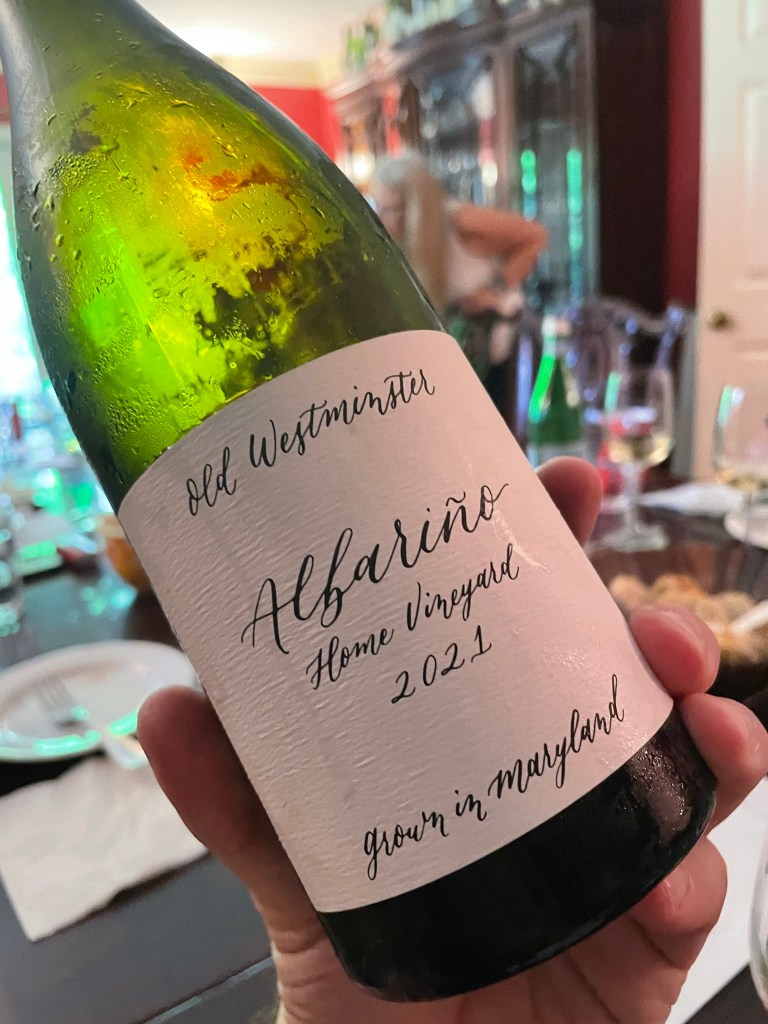
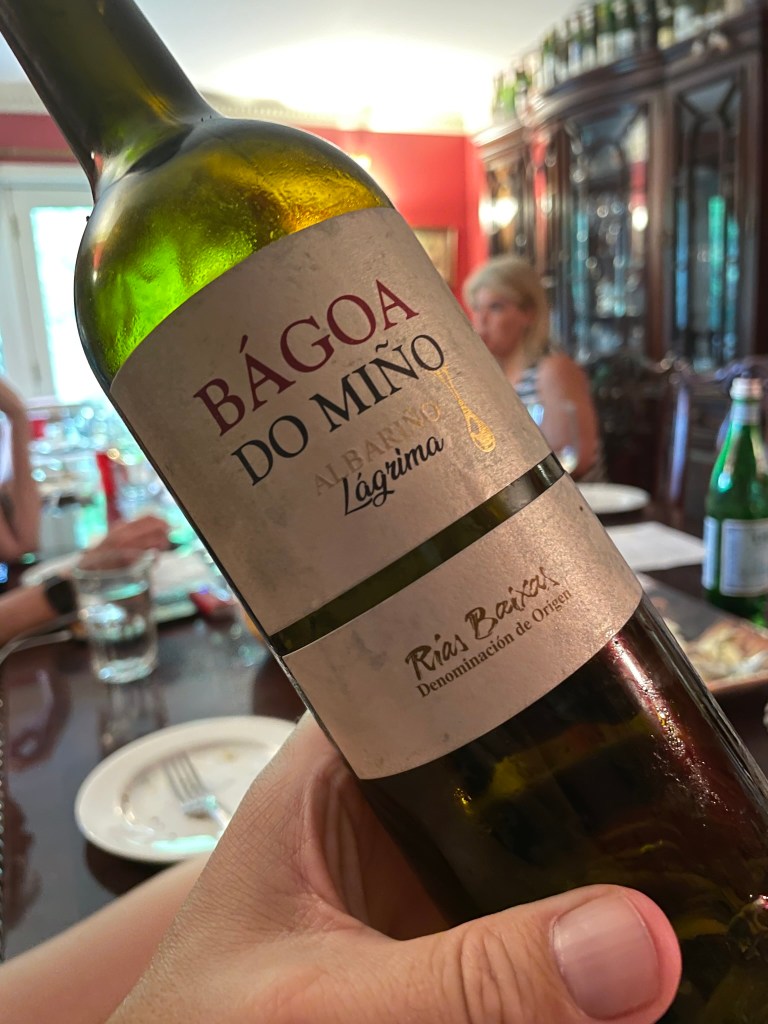


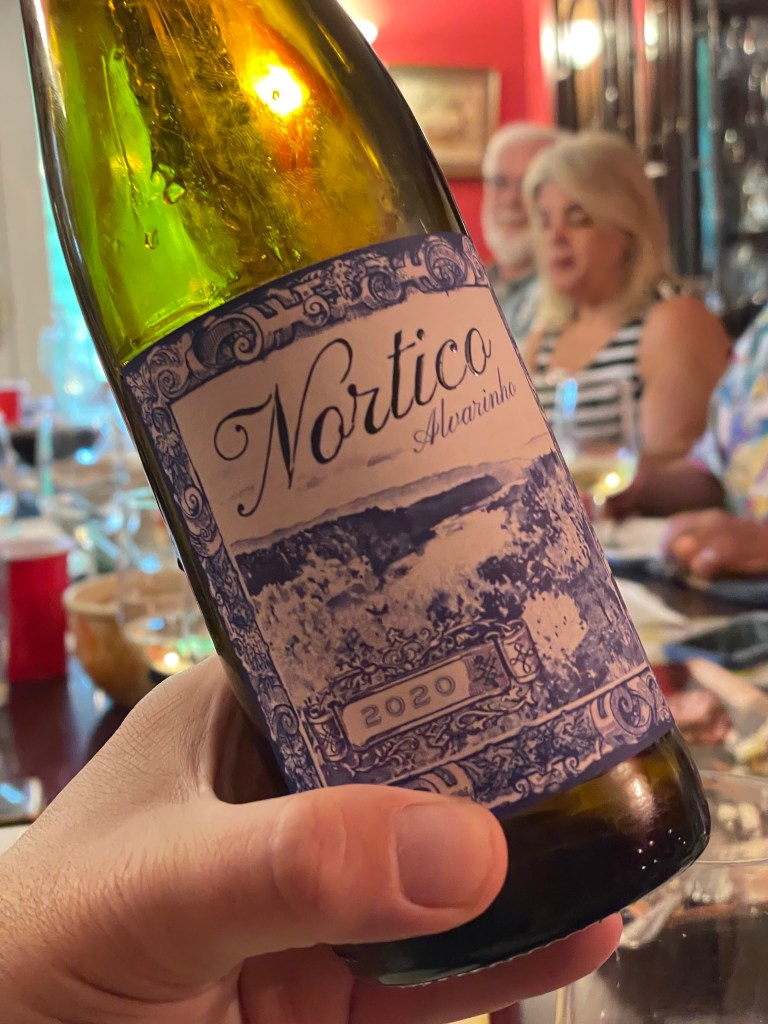
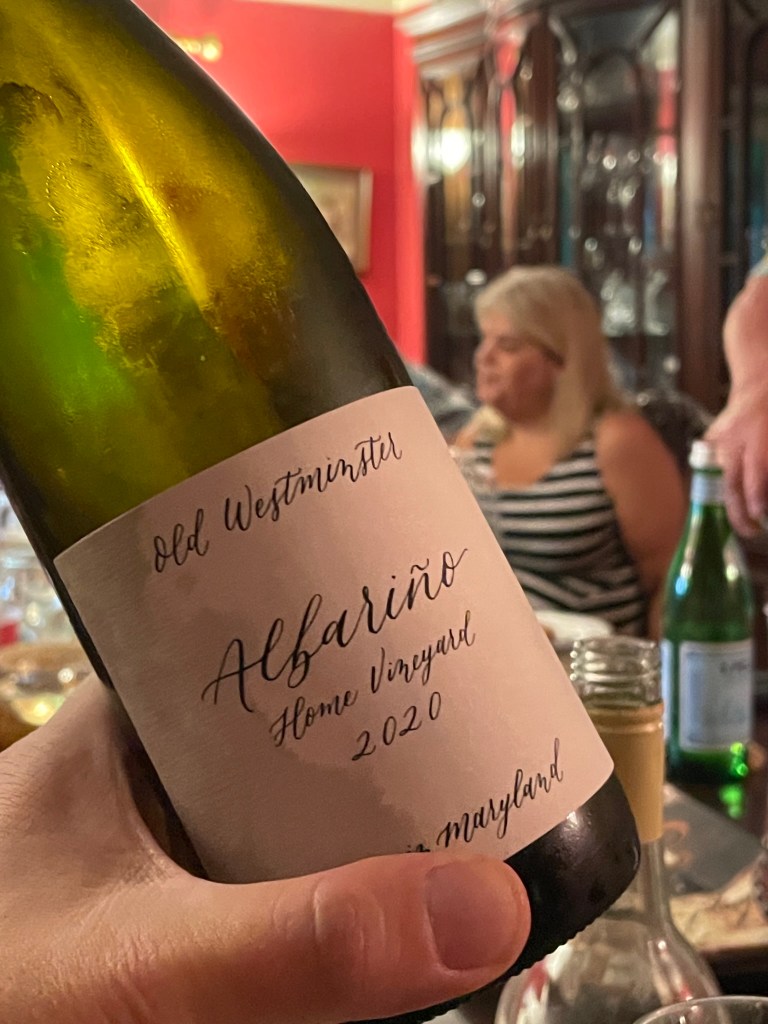

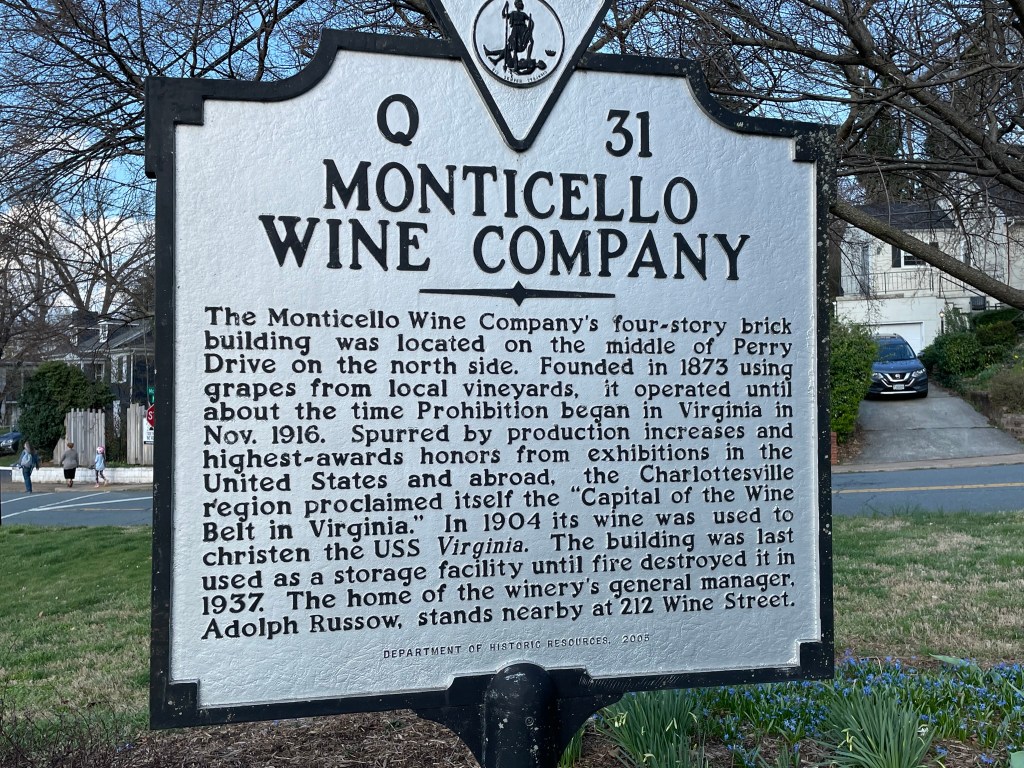


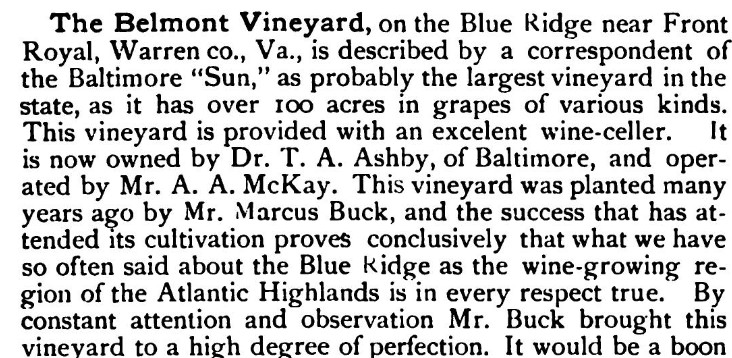
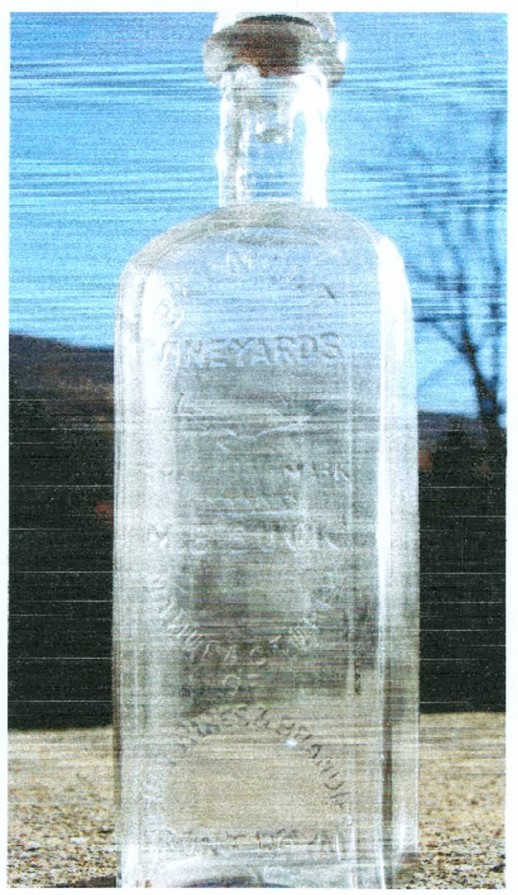


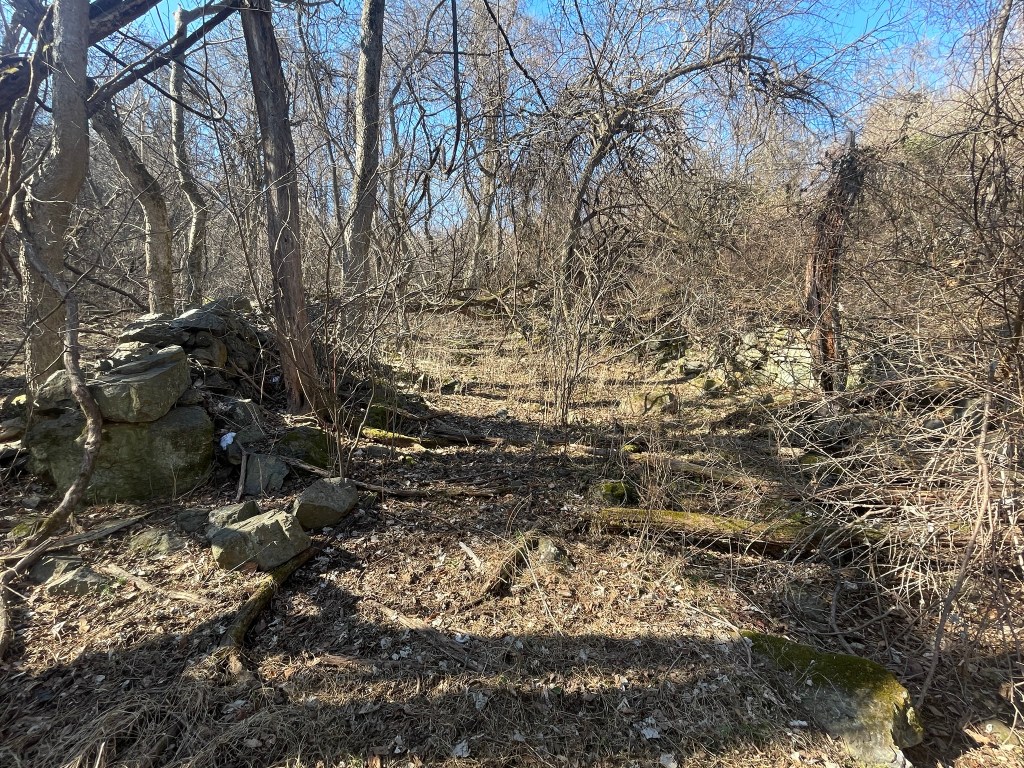
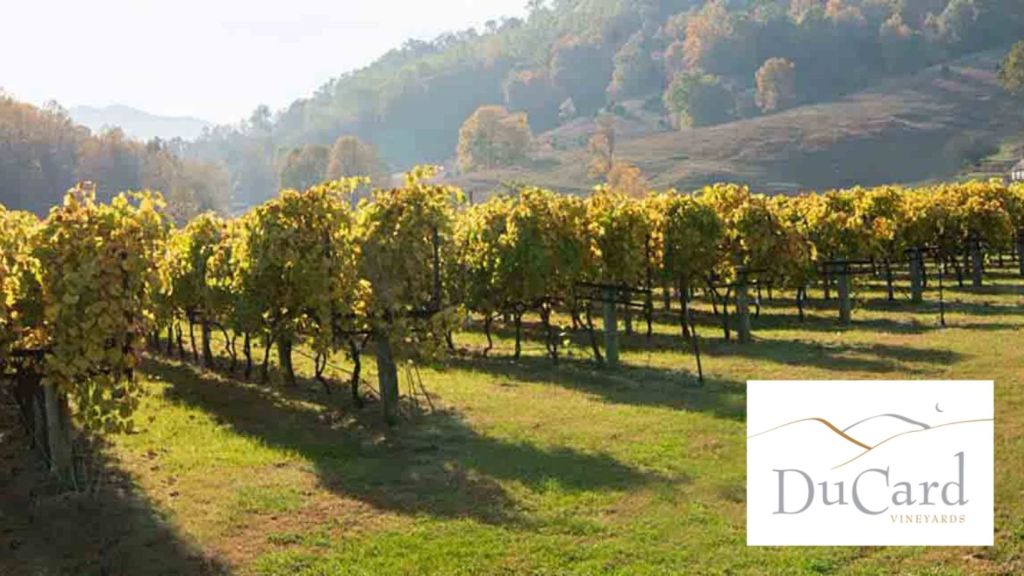

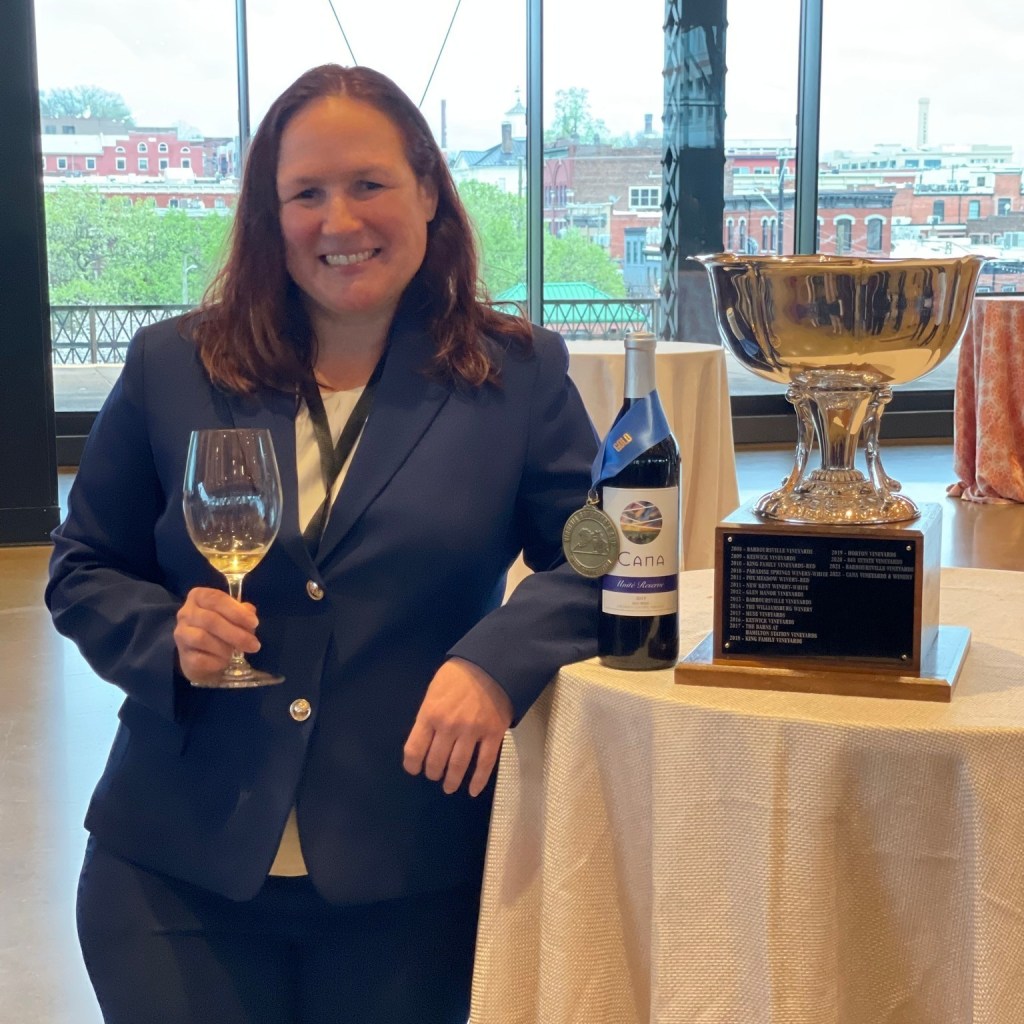
 Wine Trails and Wanderlust