Central Virginia
Reply

Amazing wines, especially given how small & out of the way they are. 3 acres of vines and under 1000 cases/year. Obviously they don’t get a lot of visitors so call in advance.
Getting to this place is a challenge. Don’t expect to find any signal, so pre-plan your route as best you can. Their website has directions so that helps a lot.
The name comes from an old native American story about a princess who took a nose dive off a cliff. Well, who knows? What I can tell you is the terroir is very conducive to most vinifera; they adroitly placed their Cabernet Sauvignon on the hottest slopes and have some other vines you don’t normally see, like Tannat and Refosco. Refosco particularly fascinated me; it’s one of the oldest grapes still used to make wine, going back to the Roman days. And speaking of Romans, Gabrielle Rausse is a friend of theirs!

The owners Mary and Dave Vermillion greeted me as I walked up. As Mary poured, Dave gave me the backstory of their farm. They actually work in Charlottesville, but call this home. The weekend I visited he was all set to start selling his “Livia” refosco wine, but forgot the labels! I guess I’ll have to visit them another time for that.

What I tried:
Gruner Veltiner: German grape you don’t see often. Nice citrus notes; I almost bought a bottle but got distracted by…
2012 Cabernet Sauvignon: 90% cab sav with some tannat. Overall medium tannin although the Tannat gave it some bite at the end.
2014 Cabernet Sauvignon: 100%, very nice body & complexity. I’ll drink this in another year or two.
“Livia” red blend: Primarily refosco w/ Cab Franc. I almost bought a bottle, but settled for a bottle of the last two. But I did enjoy a glass.

Virginia wineries tend to be a good distance from me. But this place was a special journey. In the mountains that separate West Virginia and Virginia, Cedar Creek is about as hidden away as a winery can get.

Owner Ron Schmidt purchased the land in 1999 and started growing grapes at the suggestion of a friend. He didn’t know anything about viticulture or wine making at the time – everything was ‘OJT’, if you will. But he unwittingly picked a fantastic location for vines. At 1,100 feet it has great elevation, and the fieldstone gives good drainage. It’s also in one of the driest parts of Virginia, so this place is a win all around. Not coincidentally, Sunset Hills owns some land nearby for a vineyard of its own.
His 5 acres is all Chardonnay and (mostly) Cabernet Franc. The tasting room is tiny; it’s more a showcase for his memorabilia than anything else. While you can bring food, this is definitely an appointment-only tasting experience. Ron used to sell his grapes, but when they started winning awards he decided to get into the wine making business himself.
The tasting was nothing except different flights of Chardonnay and Cabernet Franc from different years. Every vintage had its own character, so it was a delight to do them side by side.
2011 Chardonnay: Made in steel & some oak. Pretty good
2012 Chardonnay: Lots of granny apple notes
2014 Chardonnay: Crisp & good acid
2009 Cabernet Franc: Lots of black cherry
2010 Cabernet Franc: As you would expect from a good growing year, very big with lots of tannin
2011 Cabernet Franc: This was the shocker of the bunch. 2011 was a hurricane year so the wines tend to be very light. But this was absolutely outstanding. Low on tannin as well.
2014 Cabernet Franc: Young, tiny bit jammy but will get better with age.
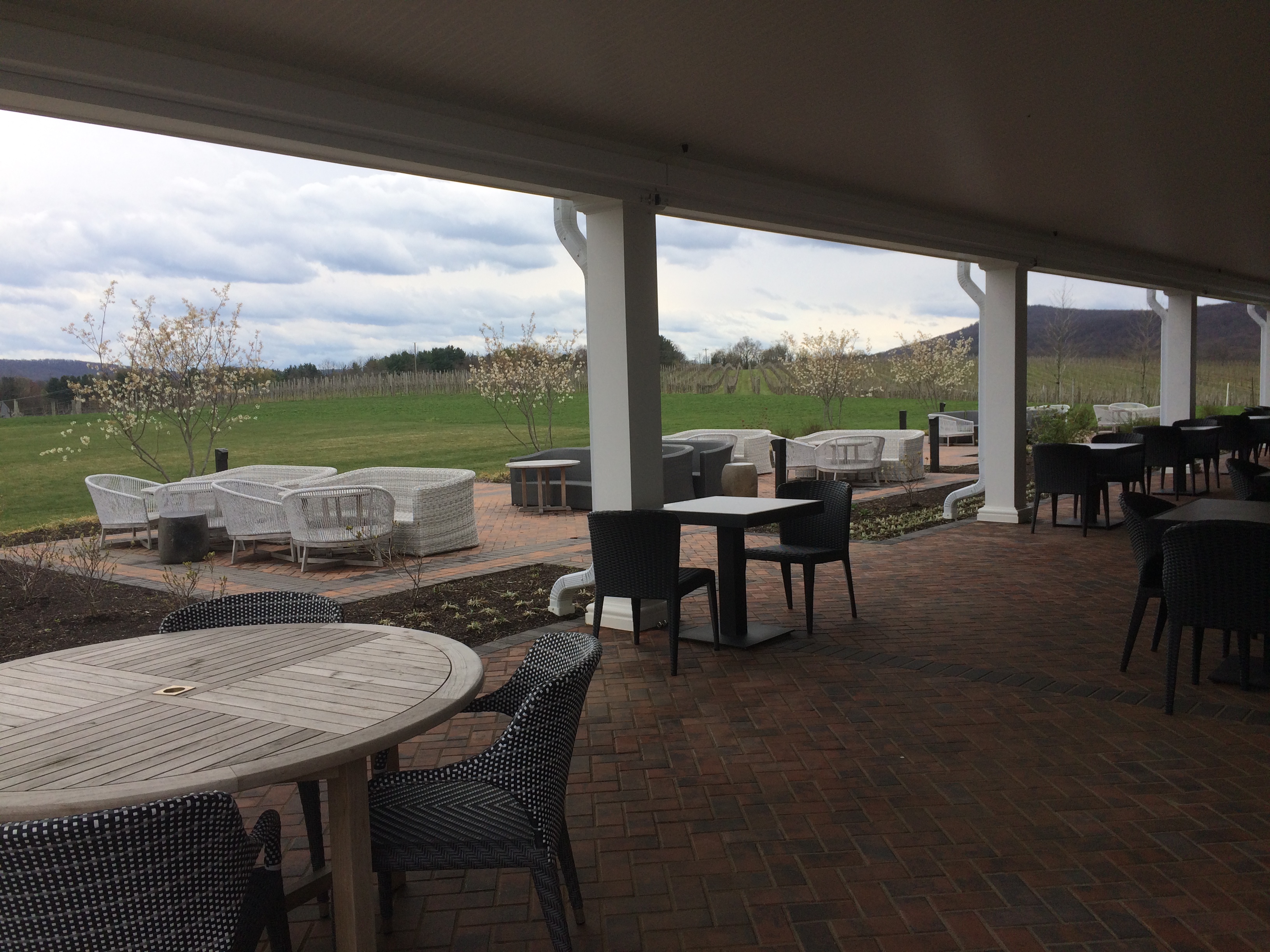
The first time I visited Big Cork it was easy to see this was different from the farm-turn-winery setup I usually find in Maryland. With 31 acres of vines and a very modern looking tasting room, they are among not only the most posh wineries in Maryland, but on either side of the Potomac. I hadn’t even tasted the wine, and I was already impressed.

Although open only since Jan 2015, it seems to have avoided the teething problems newer wineries often have. To Big Cork’s credit, they laid down their vines years in advance, so the vast majority of their grapes are estate. They even convinced winemaker Dave Collins to cross the river from Breaux and join them.

The site’s location is no accident. Nestled between the Blue Ridge mountains and another ridgeline, Big Cork enjoys the same favorable growing conditions many of its immediate Virginia neighbors have. To find their vineyard, imagine Loudoun Valley as a wine bottle laying on its side; Hillsborough is the southern base, Breaux and half a dozen wineries form a line in the middle, and on top you’ll find (pun semi-intended) Big Cork.
As befitting a vineyard with about a dozen varietals, the wine list is really diverse. Petit Verdot, Mablec, and Cabernet Franc (Cab Sav is absent) are the flagship reds, but they have lots of company. Lucky for me, Dave allowed me to sample pretty much everything on the menu, and I found several that I seldom or never see elsewhere. A big tasting makes writing notes more challenging…but I think I was up for the task.


For dry whites, Big Cork has the obligatory Viognier (they are next to Virginia after all) – 70% French Oak & the rest steel – which tasted of honeysuckle and honey. The Sav Blanc was citrusy with more of a melon nose.
For reds, there was a lot to love, and (as a very biased red drinker) the real reason to visit. First up to bat as the Merlot; fruity nose, raspberry palate, light-medium body. Then came the Malbec and the Syrah; the Malbec was somewhat soft and rustic, while the Syrah had a slight pepperiness that would make for a good food wine. Next was the Nebbiolo – bold spicy nose and body, and something I’m sad only a handful of vineyards have.
Rounding out the reds were the Meritage, Barberra, and Petit Verdot. I was surprised by the Meritage; at first I thought it was light and a little spicy, but the fruit came on strong as it spread over my tongue. The Barberra was low in tannins, and likewise was initially strong but softened quickly. But my fav was the 2013 Petit Verdot – not coincidentally the Maryland Governor’s Cup winner – which was much softer and more velvety than I’m accustomed to for this varietal.
While I’m usually not a sweet or desert wine drinker, they had several that pleasantly surprised me. By far most unique wine on the roster was the Russian Kiss; a semi-sweet mix of Muscat Canelli and a Russian hybrid grape of which they are the sole commercial grower in the USA. Rounding out the list was the Vidal Ice made in an ice wine style, and the Black Cap raspberry port style. The Black Cap is very different as ports go, because it didn’t have the overpowering alcohol flavor I usually associate with ports. Think of it as more of a desert wine than port, and something non-port drinkers would likely enjoy.

Big Cork is still growing. While presently they ‘only’ make 4,000 cases/year, the owners plan to eventually produce around 10,000/year. And if they are this good now, I can only imagine what the wines will be like in a few more years. But regardless, I’d be quite content to sit back on one of the couches on the patio and enjoy the Petit Verdot.
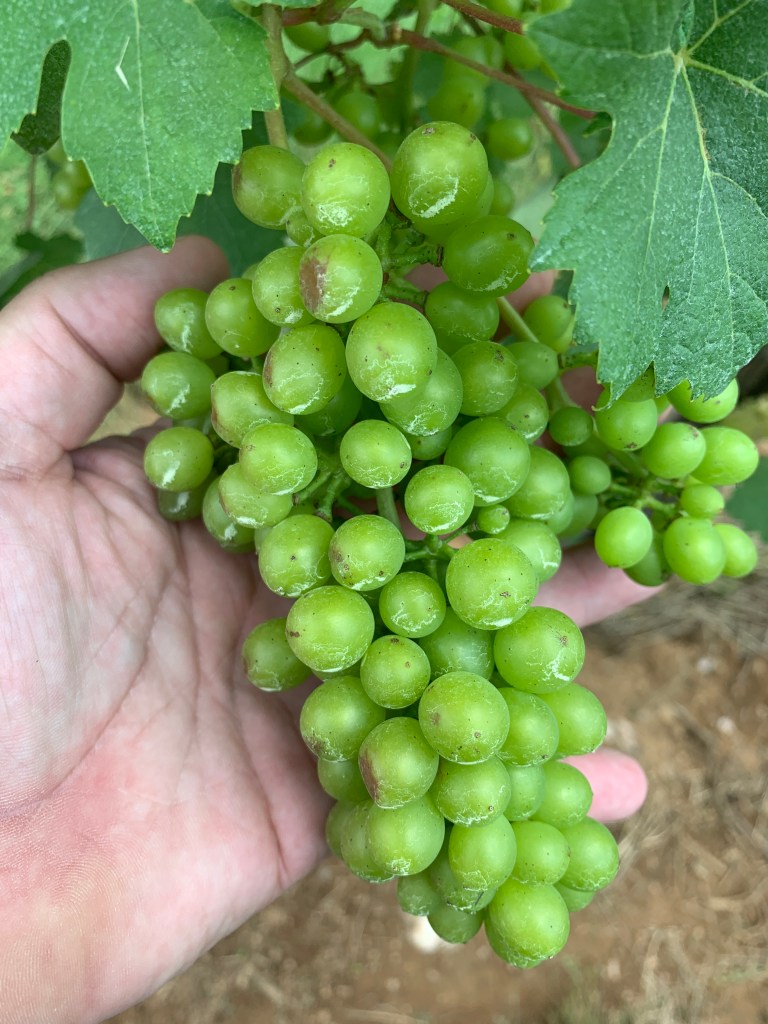
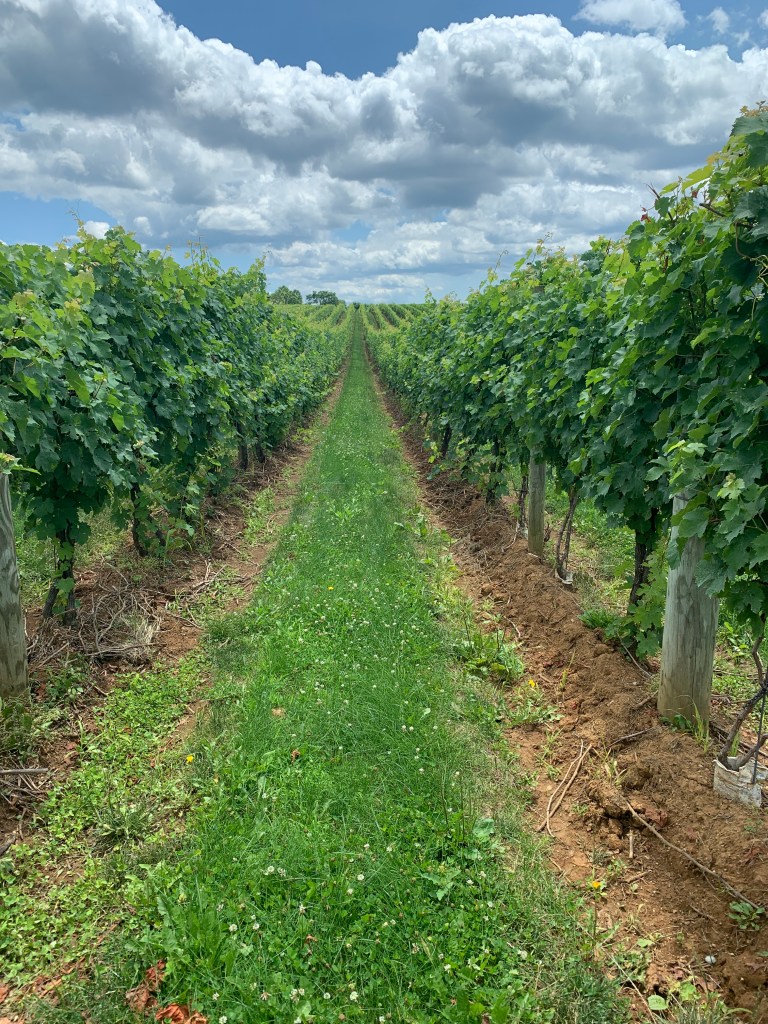
Ankida is one heck of a road trip. Located in the Blue Ridge Mountains, at 1700 feet it is also one of the highest elevations of any Virginia winery outside Appalachia. Suffice to say, you won’t see many casual tourists here. Pay close attention to the directions they post on their website; GPSs aren’t a lot of help. Then just keep following the road past the ‘end of state maintenance’ and go up…and up…and up…

Initially nobody seemed home, but eventually owner/winemaker Nathan Vrooman heard my car and was kind enough to open the tasting room. As he poured, he gave me the low down on the wines.
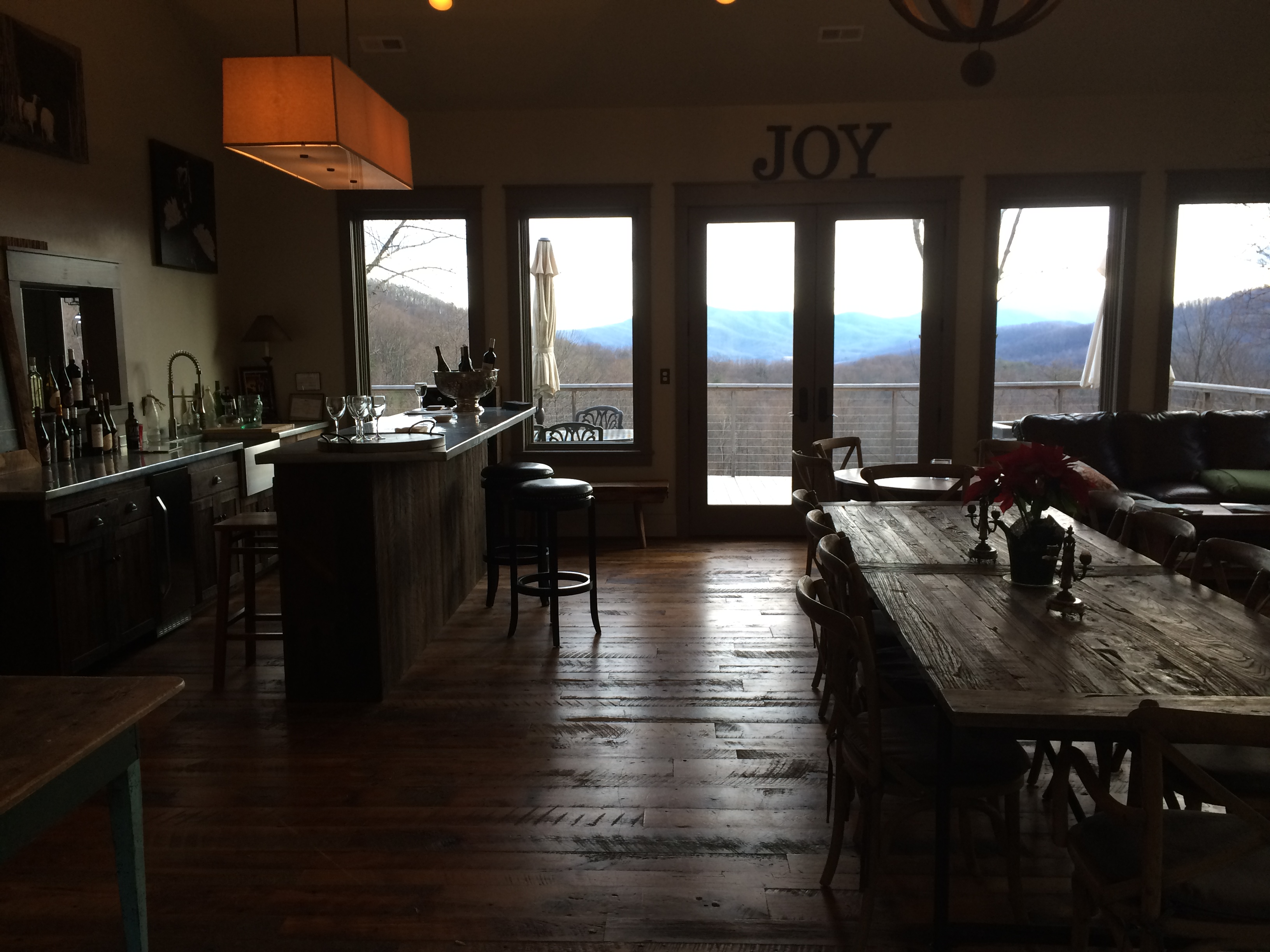
The name “Ankida” is Sumerian for ‘where heaven and earth join’. It’s an apt description; the view is magnificent. Nathan’s parents purchased the property without thinking of making it into a vineyard. But when they did plant, they discovered this is one of the best locations in all Virginia for Pinot Noir.
The tasting room is new-ish; his parents were actually in a festival selling their wines. But they do have the occasional event for wine enthusiasts who want to enjoy the view with a good pinot.
What I tried:
Chardonnay: Very good; both toasty and creamy. I can see why this has won so many awards.
2012 Rockbridge Rouge Bordeaux blend: Very earthy
Vin Doux port-style made with Chambourcin: Reminded me more of a tawny port than a ruby port; bought a bottle
“Vert” Vidal Blanc: My notes fail me so I can only assume I neither liked or disliked it, although Vidal Blancs are always a hard sell for me.
Drum roll…
Pinot Noir: Best of the bunch, and some critics would say this is Virginia’s best Pinot. This grape needs a high altitude to grow well, so few VA wineries can do it. But Ankida’s location is perfect for it, and it shows in the results.


 Wine Trails and Wanderlust