Understanding Virginia’s “Natural Wine”

Natural wine is a trendy term in the wine industry. It certainly hits several items on the hipster bucket-list.

Some claim that it’s healthier for you than regular wine (unlikely to be true). Natural wine is often confused with organic wine (not the same, but somewhat in the ballpark). While there is some overlap with biodynamic, natural wine doesn’t necessarily have to be biodynamic.

So if it’s none of those things…what is “natural” wine?

The U.S. wine industry has struggled with this question because – unlike organic wine – there is no legal definition for the term ‘natural wine’. It’s also unfair to imply that conventional making is somehow ‘unnatural’, or that organic automatically means ‘good for you,’ further adding to the confusion.

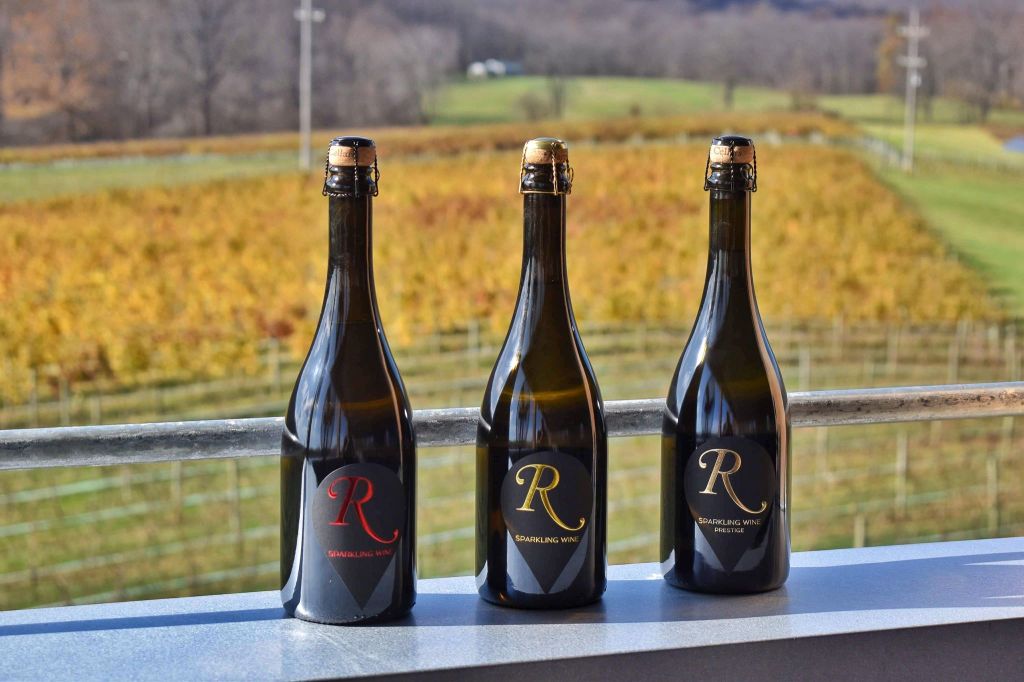
Briedé Family Vineyards

So lacking a U.S. definition, France’s adoption of the term vin méthode nature is a good starting point. Introduced in 2019, French wines utilizing this label must adhere to the following standards:

  • Low (maximum 30 ppm) or no sulfites (with separate logos for both options)
  • No additives (except for sulfur) in the wine cellar or “brutal” treatments
  • Only indigenous yeast fermentation is allowed
  • Grapes must be organically farmed and hand-picked

But even France’s wine industry admits this is more of a marketing term that qualified producers are allowed to post on their label, not an official certification for ‘natural wine’. Moreover, pinning down specific criteria may miss the point. As natural wine expert Alice Feiring once said, “In my heart of hearts, I just don’t think natural wine is certifiable”.

So rather than think of natural wine as a product, think of it as more of a philosophy how wine can be made. As winemaker Ben Jordan of Early Mountain Vineyards explained, “It seems to me that the market accepts something as natural when a wine checks most of those boxes, and when the character of the wine fits the overall ethos, but since there is no certification, there are no hard and fast rules.”

Lacking a U.S. standard to go by, several Virginia wineries – including Arterra Wines in Delaplane, Briede Family Vineyards in Winchester, and Rock Roadhouse Vineyards in Hot Springs, have created their own approaches to natural wine. While they diverge in individual areas such as their use of sulfites, natural yeast fermentation, or farming practices, their overall approaches are very much in tune with the ethos of natural winemaking.

Rock Roadhouse’s method addresses the use of sulfites – perhaps the most divisive aspect in defining natural winemaking. Sulfites have gotten a bad rap for years as it’s often (inaccurately) blamed for ‘wine headaches’ (blame your 4th glass of cabernet for those), but in reality, it’s often naturally present in wine.

Sulfites have been an important ingredient in winemaking since at least Roman times, acting as a preservative by preventing oxidation and defeating unwanted bacteria. But sulfites also kill non-hostile microbes. Add too much and you can remove the natural features which makes a wine truly terroir-driven – the antithesis of what natural winemaking is all about.

Owner Bob Donze addresses this through the use of specialized equipment which protects against oxidation and using a special yeast called “Alpha” which slows the fermentation process, tactics which help him minimize or sometimes skip the use of sulfites. His location in the mountains also allows him to limit the use of pesticides, in line with the philosophy behind natural winemaking.

Jason Murray of Arterra Wines is one of the most well-known ‘natural wine’ makers in Virginia, although he uses the term ‘clean wine’ to describe Arterra’s wines.

It’s a minor but notable difference. ‘Natural’ winemakers usually don’t filter their wine to remove cloudiness, as most winemakers do. However, Jason worries that some wine drinkers will assume cloudy wine is faulted, so he’s willing to make this concession to make ‘clean wine’ more approachable.

Besides that, the term ‘clean’ speaks directly to his signature style – the use of native yeasts, which won’t ferment without especially-clean fruit.

According to Jason, “One thing all of these wineries agree on is natural wine starts with clean fruit. While none (of the natural winemakers in Virginia) currently use certified organic or biodynamic grapes, they take extra precautions to ensure the fruit they use is free of residual pesticides/fungicides.”

Paul and Loretta Briedé of Briedé Family Vineyards know more than a thing or two about natural wine, as they previously managed one of Virginia’s only organic vineyards. They also understand how challenging this undertaking is, as in 2018 they were forced to give up their organic certification when disease threatened to destroy their vines and they had to use conventional pesticides to save them.

Having farmed both organically and conventionally, the Briedés understand that having an organic program doesn’t mean that organic grapes aren’t by definition more exceptional, or that conventional viticulture strongly deviates from organic viticulture. Many of their current vineyard practices borrow heavily from when they maintained their vineyard organically, including minimal spraying and housing beneficial insects to control the balance of good bugs and bad ones.

It also helps that they planted grapes which perform well in Virginia’s humidity, minimizing the need for conventional pesticides. Hybrids are a popular choice for natural wines, as European-style vinifera grapes are difficult to grow without using conventional pesticides. One of these grapes is a newer red hybrid from Cornell University named Arandell. The other is Cayuga, a white grape hybrid extensively planted along the east coast and especially used in sparkling wines. As for sulfites, even their Sparkling Winchester wine still has 35 ppm, all of which is naturally occurring yet higher than what the French definition of ‘natural wine’ would allow.

While it’s a small market, Virginia does have a number of options you can sample. Here are some favorites:

As a longtime member of Arterra Wines, I can attest to their entire lineup. The natural yeast Jason uses gives his wines a viscosity and raciness not found in more conventional wines.

But my favorite is his Tannat. Jason is something of a Tannat magician, and his have a width on the palate that I can’t get enough of.

Rock Roadhouse’s wines are harder to describe – perhaps because until my visit I’ve never had wine made in this style. The 2018 Cabernet Franc with strawberry notes on the nose but a full but fruity palate was arguably my favorite, but their Cayuga and Merlot-blend Rosé was up there.

Briedé’s Arandell is possibly the most difficult of this lineup to describe, but my take is it reminded me of certain earthy Italian varietals, despite a heritage which includes Pinot Noir. Recently they also released a 50/50 Arandell/Tannat blend, which is an exciting combination.

Regardless of what you drink, remember; “natural” is still in the eye of the beholder. But so long as producers are up-front with what’s in the glass, natural wines will find avid consumers looking for something different.

See the link below for the Old Town Crier article
Understanding Virginia’s “Natural Wine” – Old Town Crier

The 2020 Virginia Wine Year In Review

2020 was a chaotic year in Virginia wine, with records good and bad. On the positive side Virginia saw a near-unprecedented number of winery/cidery/meaderies opening all across the state. Many locations – especially those further away from Coronavirus hotspots or were able to provide ample outdoor seating – saw record breaking summer sales, largely driven by new customers fleeing to the countryside. As 2020 draws to a close, it currently has a total of 264 wineries, 26 cideries, and 11 meaderies of various sizes and business models, with more on the way.

The downside is this came at a huge emotional and financial cost, especially in the early days when the industry was reduced to curb-side sales and online events. For large parts of Virginia, these woes were compounded by an unprecedented Mother’s Day frost which wiped out their vineyards. Unruly customers who refused to conform to social distancing regulations didn’t help.

“Pivot” was the key theme for dealing with these challenges. Outdoor seating, virtual events, shipping deals and self-guided wine flights (often in disposable cups) became the norm. A number of locations shifted to a reservation-only policy. As the weather became cooler, fire pits and outdoor plastic ‘bubbles’ also became customary.

While the dust from 2020’s tectonic shift hasn’t settled, many of these trends are here to stay. For several years there has been growing demand in the U.S. for lower-alcohol, more diverse, ‘healthier’ beverages; this movement is now easily visible in the Virginia wine scene. Online events are also now the norm; some wineries openly wondered why they didn’t think of doing them sooner.

Here’s my take of the key consumer trends that impacted Virginia wineries in 2020:

1. Virginia’s Sparkling Wine Market Continues to Grow: Veritas Winery / The Virginia Sparkling Company deserves a lot of credit for this trend, as their opening of a major sparkling wine facility in Charlottesville has enabled other wineries to make sparkling using their own fruit without the high start-up cost of bottling on site. In northern Virginia alone, roughly a dozen wineries have bubbly on the menu, usually in partnership with Veritas or Michael Shaps.

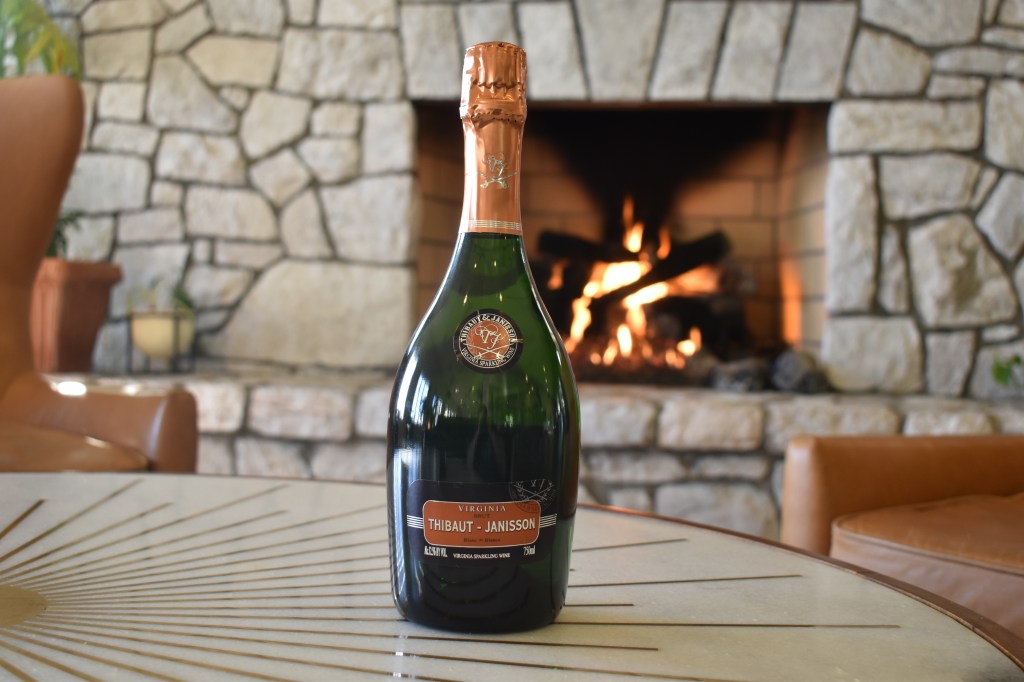
But it’s not just Veritas. There has been a growing number of wineries doing pét-nats or other casual sparkling wines, and Casanel, Rappahannock Cellars and others are killing it with sparklings that range from ‘fun to drink’ to downright ‘serious’ Champagne-like bubbly.

2. Cideries & Meaderies Gaining Steam: Cider and mead consumption has likewise grown, in line with consumer demand for lighter, fresher beverages. Out of the 23 new ‘wineries’ to open in 2020, 1/3rd of them were cideries or meaderies. In addition to these, many wineries are offering ‘guest’ ciders, or a house cider to complement their wine.

3. Growing number of ‘Multi-Beverage’ Wineries: The number of wineries that serve beer has grown by leaps and bounds, sparked by a 2015 change in what ABC qualifies as a ‘farm enterprise’. Quattro Goomba and Barrel Oak helped pioneer this concept, but now there are at least 18 x wineries that have taprooms as well.

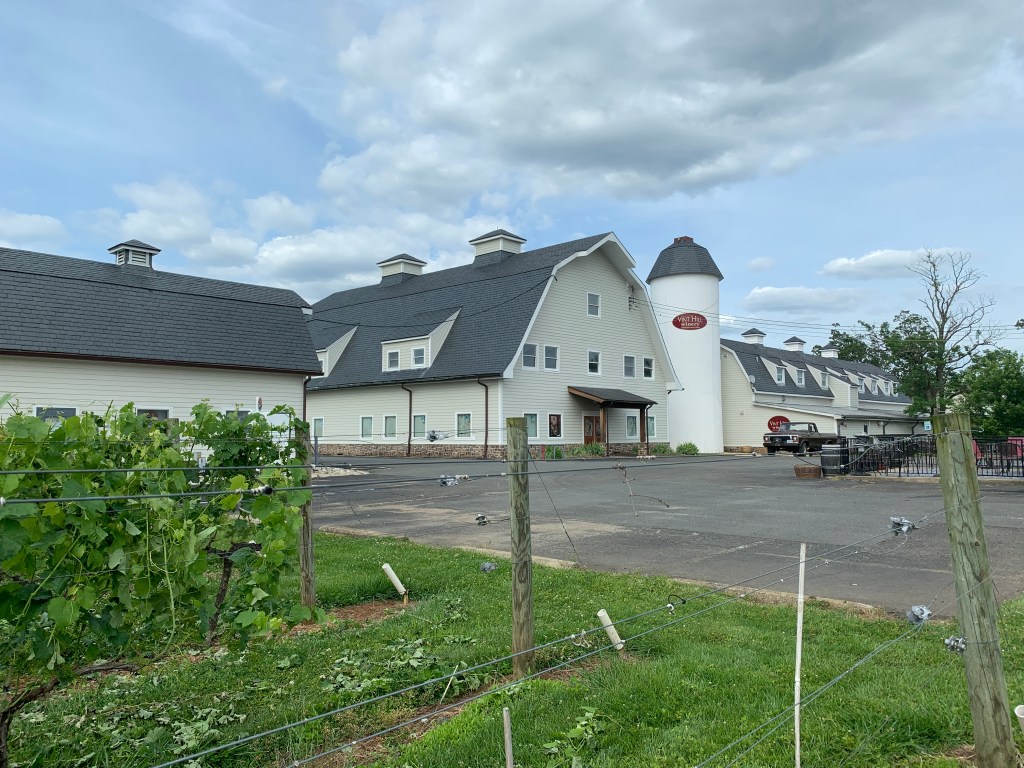
Likewise, the number of wineries that serve spirits is about to double. Davis Valley, Old House, Rappahannock, and Vincent’s Vineyard will soon be joined by distilleries at Abingdon, Iron Heart, and Triple V. Add cider, mead, and sparkling to the equation, and Virginia’s wineries have never had such a diverse lineup.

4. Virtual Events & Online Sales: This is one of the better things to come out of COVID; being able to enjoy a winery event from the comforts of your own home. Walsh Family Wine and Keswick still host weekly or bi-weekly virtual tasting events; other wineries hold similar events periodically. Barboursville and Chateau O’Brien also conduct weekly customer outreach events where the owner or manager takes 10 minutes or so to do a ‘behind the scenes’ look at their winery or taste some wines.

These events usually feature wine deals that range from new releases, library wines, to ‘guest wines’ from Virginia or abroad. It’s a fun way of doing comparative tastings of the same varietals from different locations or vintages, or expose consumers to new wines they may not have otherwise tried.

Wineries that opened in 2020

Fortunately the roster of wineries that opened far exceeded the number that closed. Several more planned to open but deferred to 2021 due to the pandemic. Even so, 24 new openings in a year is likely close to a record, especially considering the years of growth that preceded it.

  1. Altheling Meadworks (Roanoke)
  2. Backporch Vineyard (Northern Neck)
  3. Bleu Frog Vineyards (Leesburg)
  4. The Capital Hive Meadery (Leesburg)
  5. Carriage House Wineworks (Waterford)
  6. Chapelle Charlemagne Vineyard (soft opening; Front Royal)
  7. The Cider Lab (Sumerduck)
  8. Eastwood Farm & Winery (Charlottesville)
  9. Great Valley Farm Brewery and Winery (Natural Bridge)
  10. Honey & Hops Brew Works (Front Royal)
  11. Iron Will Winery & Vineyard (no tasting room but selling their first vintage, Waterford)
  12. Jolene Family Winery (Richmond)
  13. Mount Alto (no tasting room but selling their first vintage, south of Charlottesville)
  14. Nicewonder Farm & Vineyard (opened tasting room early 2020, Bristol)
  15. Reserve (tasting room for VinoWine) (Lynchburg)
  16. Rivah Vineyard at the Grove (Northern Neck)
  17. Rock Roadhouse Winery (Hot Springs)
  18. Saga Meadery (Front Royal)
  19. Sugar Hill Cidery (Norton)
  20. The Estate at White Hall Vineyard (Northern Neck)
  21. Three Creeks Winery (Hamilton)
  22. Triple V Farm (Northern Neck)
  23. Tumbling Creek Cidery (Abingdon)
  24. Woodbine Vineyards (Buffalo Junction)

Wineries that closed in 2020

That a number of wineries closed in 2020 is hardly surprising; the entire food & entertainment industry took a huge hit. While it would be easy to blame COVID for these closings, many closings were either planned prior to the pandemic, or were due to the retirements/deaths/illnesses of their owners. Fortunately, Winery 32 looks like it will reopen in March, so it’s not on this list.

  1. 612 Vineyard
  2. Desert Rose Winery
  3. Giles Mountain
  4. Hartwood Winery
  5. Hunters Run Winery (rebranded to Firefly Cellars)
  6. Mountain View Vineyard
  7. San Soucey Vineyards
  8. Tomahawk Mill Winery
  9. Vault Fields Vineyard
  10. Weston Farm Vineyard
  11. Winding Road Cellars

Upcoming wineries

Some of these wineries have firm opening dates; other are in various stages of being built.

  1. Above Ground (Middlebrook)
  2. Crimson Lane (Linden)
  3. Firefly Cellars (Hamilton)
  4. Hillcrest Vineyard and Winery (Charlottesville)
  5. Kalero Vineyard (Purcellville)
  6. Lakefront Winery (Buffalo Junction)
  7. Smithfield Winery (Smithfield)
  8. Stag and Thistle Meadery (Fork Union)
  9. Skjald Meadworks (Charlottesville)
  10. Williams Gap (Round Hill)

Virginia Wineries Breaking The Mold On Sparkling Winemaking

Have I mentioned how much I love ‘researching’ new articles? This was another back-breaking article that required loads and loads of sampling.

When people think of sparkling wine they usually think of Chardonnay and Pinot Noir. But Virginia’s terroir requires a different route, so many local wineries opt for hybrids instead. It’s actually a great fit – hybrids are popular here, and their naturally high acidity makes a great match for sparkling wine.

Click this link for my December article on sparkling wine: Virginia Wineries Breaking the Mold On Sparkling Winemaking – Old Town Crier

Getting The Most From Virginia Wine Month

My latest article for the Old Town Crier.

I wish this had captions for the photos, although that’s Casanel Vineyards and Winery on the cover, and the fall foliage picture is from Stone Mountain Vineyards.

Shout outs to Walsh Family WineField & Main RestaurantAfton Mountain Vineyards, and Keswick Vineyards.


https://oldtowncrier.com/2020/10/01/getting-the-most-from-virginia-wine-month/?fbclid=IwAR1OrrD31x4YCDNyT_rM9g5KQNq6wbjtohbBRr7AJX-Pvtj3Qfbo76Hym2c

Finishing My VA Wine Journey

Virginia is said to have around 300 wineries. Actually I count 253…but if you include cideries and meaderies, we’re at 288. There are also several upcoming wineries that have licenses. So…pretty close to 300!

But as of October 14, 2020, I’ve visited ALL OF THEM. That’s right; I’ve visited EVERY ONE of the 253 WINERIES IN VIRGINIA that are open to the public. In addition to those, I’ve also visited 25 cideries and 8 meaderies. If we include wineries that are now closed or rebranded…I’ve visited 281 wineries.

Follow this link for the current Virginia wine roster

I only count wineries that have tasting rooms which are open to the public. Unfortunately this leaves out several wineries that I love – such as October One Vineyard – but I’m not certain how to include them since they lack a designated tasting room. Neither do I count private wine labels by individual winemakers such as Ben Jordan’s Lightwell Survey, or temporary soft openings in tents such as Chapelle Charlemagne.

Like a crazed OCD gamer who must perform every quest, pick up every piece of loot, search every room, and interact with every character…I need to visit…ALL OF THEM.

Some commonly asked questions:

1) My favorite winery is a toss up; either Linden Vineyards or Arterra Wines. A lot depends on who I visited most recently.

2) My first Virginia winery was Casanel Vineyards and Winery, sometime in I think mid-2013. I credit Katie and Nelson for setting me on the right path from there.

3) My favorite grapes are Tannat, Petit Verdot, and Sauvignon Blanc.

4) I’m a member of Linden, Arterra, and Hiddencroft. I tend to do case-clubs, not full on wine clubs (where they usually pick your wines).

Ironically, I’ve also found myself struggling to define what constitutes a ‘visit’. If a winery is renamed, does visiting that same space constitute a ‘new’ visit? What about producers that lack tasting rooms; how does one ‘cross them off’ in a quest to visit every winery? What about wineries that are seasonal or special-event focused; do those get placed in the same visitation bucket list as the rest?

To narrow the question down of “How many wineries are in the state”, I use the following definition:

For the purpose of defining what constitutes a ‘visit’, a ‘visit’ must include the following criteria; 1) The location visited must produce a fermented beverage described as wine, cider, or mead, 2) it must have a physical tasting location under their control (no farmers markets), 3) it must have defined visiting hours or be available via appointment to the general public, and 4) it must use Virginia ingredients (grapes, apples, honey, or whatever other ingredients the beverage is primarily composed of).

I still track visits to wineries that lack a tasting room or non-Virginia fruit separately. But to qualify for this challenge, I’m using the above criteria.

I’m also tracking cideries and meaderies as sub-categories, as well as wineries that I’ve visited that have since closed.