Thank you to the Shenandoah Wine Trail for the invite to this event! It was great to see so many faces I hadn’t seen in a long time.
It’s hardly a secret that the Shenandoah Valley is my favorite wine trail in Virginia. Heck, it’s one of my favorite places in Virginia, even without the wine.
17 wineries, 3 cideries, and 1 mead tasting room opened or were rebranded in 2021, a metric on par with the past several years. While Loudoun County, the southern Shenandoah/Staunton, and greater Charlottesville areas saw the greatest growth, Virginia had winery openings in nearly every corner of the state.
8 wineries formally closed. Considering some of these closures were actually rebrandings as new owners came in, the Virginia wine scene grew by a larger margin than it shrunk in 2021.
2021’s Honorable Mentions:
Sweet Vines Farm’s Seidah Armstrong became Virginia’s first Black, female winemaker. She and her husband are also the owners, making Sweet Vines one of the very few Black-owned wineries in the state. In an industry with limited diversity in winery ownership and winemaker positions & skews heavily male, this is welcome news.
Hazy Mountain Vineyard now likely has the largest indoor tasting area in the state, complete with a restaurant and brewery. With nearly 100 acres of vines (including a 60-acre vineyard in the Shenandoah) they are starting off strong. I love how a Charlottesville winery is taking advantage of land in the Shenandoah Valley; it’s a great place to grow wine and I’m hopeful more wineries will set up satellite vineyards there.
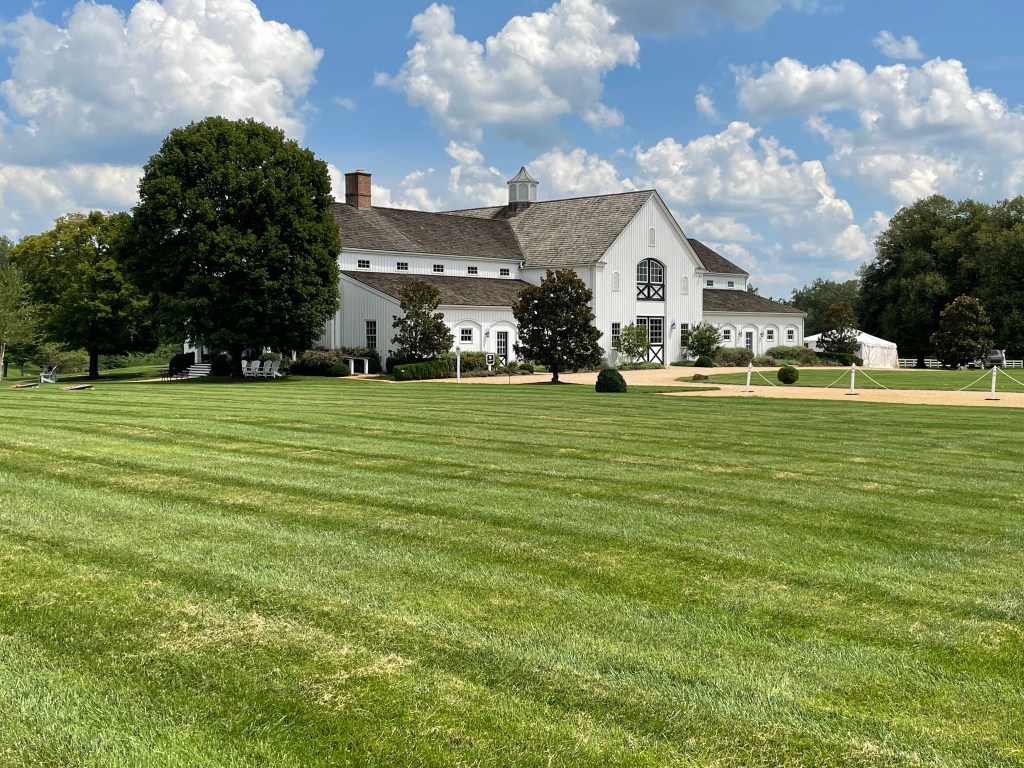
Merrie Mill Farm & Vineyard is perhaps Virginia’s the best decorated winery. If you haven’t visited at least check out the photos – it could easy double as an art gallery. While they aren’t yet serving estate wine, I expect great things given Emily Pelton of Veritas is their winemaker and they share the same granite soil as nearby Keswick Vineyards, which is known for their Cabernet Sauvignon.
2021’s Major Trends and Events
1. New wineries getting bigger & bigger. Hazy is actually part of a trend that new Virginia wineries have a bigger physical footprint (acreage of the property, larger vineyards, bigger tasting rooms) than ever before. While not every location can start with a grand tasting building, it’s apparent this newest generation of wineries are entering the industry with a higher level of investment capital and winemaking know-how than most of their predecessors had even a decade ago.
While part of me will miss the tiny mom & pop vibe that Virginia wineries are known for, overall this is a welcome trend. Larger wineries are able to benefit from economy of scale, which hopefully will allow the Virginia wine industry to grow. New wineries are also becoming smarter about their starting locations, choosing vineyard sites based on terroir as opposed to accessibility to the public. The main downside is a few have encountered local communities which are opposed to large-scale wineries in their proverbial backyard.
2. Guided tastings a thing of the past? The combination of COVID and staffing shortages have made stand-up, in-person tastings a rarity – and this trend likely won’t be reversed. Some patrons embrace this change, while others miss the days when you can stand at a tasting bar and chat ad-nauseum with an owner or winemaker.
This trend isn’t true across all locations, and some wineries may relax this rule on a day-by-day basis depending on how busy they are. But overall, winery patrons should expect take-away flights to be the norm.
3. Virginia Peninsula American Viticultural Area (AVA), which stretches from Hampton Roads to outside Richmond, is Virginia’s newest AVA (#9, if you count the Appalachian High Country AVA). It currently includes 5 wineries.
The utility of AVAs is a polarizing issue. Some look at them as a great method of promoting regional wine. Others see at them as a marketing ploy that only has a limited overlap with terroir. Wineries located in Virginia’s other AVAs have a hit-or-miss track record for promoting the AVA they are situated in, so hopefully these locations will use this opportunity to educate their patrons on what makes their terroir unique.
Tasting rooms that opened in 2021:
Above Ground Winery (Shenandoah)
Chiswell Farm & Winery (Afton)
Ciders from Mars (Shenandoah)
Ecco Adesso Vineyards (Shenandoah)
Endhardt Vineyards (Loudoun)
Fables & Feathers Winery (Goodview)
Firefly Cellars (Loudoun; rebranded from Hunter’s Run)
Hardware Hills Vineyard and Winery (Scottsville; rebranded from Thistle Gate)
Hazy Mountain Vineyards and Brewery (Afton)
Lightwell Survey (Wayneboro) (Note – this is just for the tasting room, which now has fairly regular hours)
Merrie Mill Farm & Vineyard (Keswick)
Old Farm Winery at Hartland (Loudoun)
Old Town Cidery (Winchester)
Southern Revere Cellar
Stoney Brook Vineyard (Roanoke)
Sweet Vines Farm (Unionville)
The Winery At Sunshine Ridge Farm (Prince William County)
Troddenvale at Oakley Farm (Hot Springs) (Tasting room only; cider has been sold for several years in stores)
Williams Gap Vineyard (Loudoun)
Wind Vineyard at Laurel Grove (Tappahannock)
Windchaser Meadery (Hampton Roads)
Burnbrae Vineyards, Caihailian Vineyard, and Teaghlaigh Vineyard/Son of a Bear Ciders are also opened for sales, although they don’t yet have tasting rooms.
Wineries that closed in 2021:
Bodie Vineyards
Hammerstone Cellars
Hinston Ford Cider & Mead
Hunter’s Run (rebranded as Firefly Cellars)
Rural Retreat (closing by the end of 2021)
Tarara Winery (effectively closed in 2020 but formally closed in 2021; event space still open)
My newest article – and first contribution for Wine and Country Life – has now been published!
Over a dozen wineries opened in 2021. I couldn’t list them all, so I focused on my favorites including Ecco Adesso, Firefly Cellars, Hazy Mountain Vineyard, Merrie Mill Farm, Sunshine Ridge Farm, and Williams Gap Vineyard.
Virginia will soon celebrate Cider Week, which runs from November 12-21. This event is an opportunity to heed Benjamin Franklin’s advice that, “It is indeed bad to eat apples. It is better to make them all into cider.”
Cider makers must have listened because sales of Virginia hard cider have skyrocketed in the last decade. Virginia now has over 30 cideries, most of which opened in the past 4 years alone. According to the Virginia Wine Board Marketing Office, in fiscal year 2020, approximately 55% of all hard cider sold in Virginia was Virginia-made.
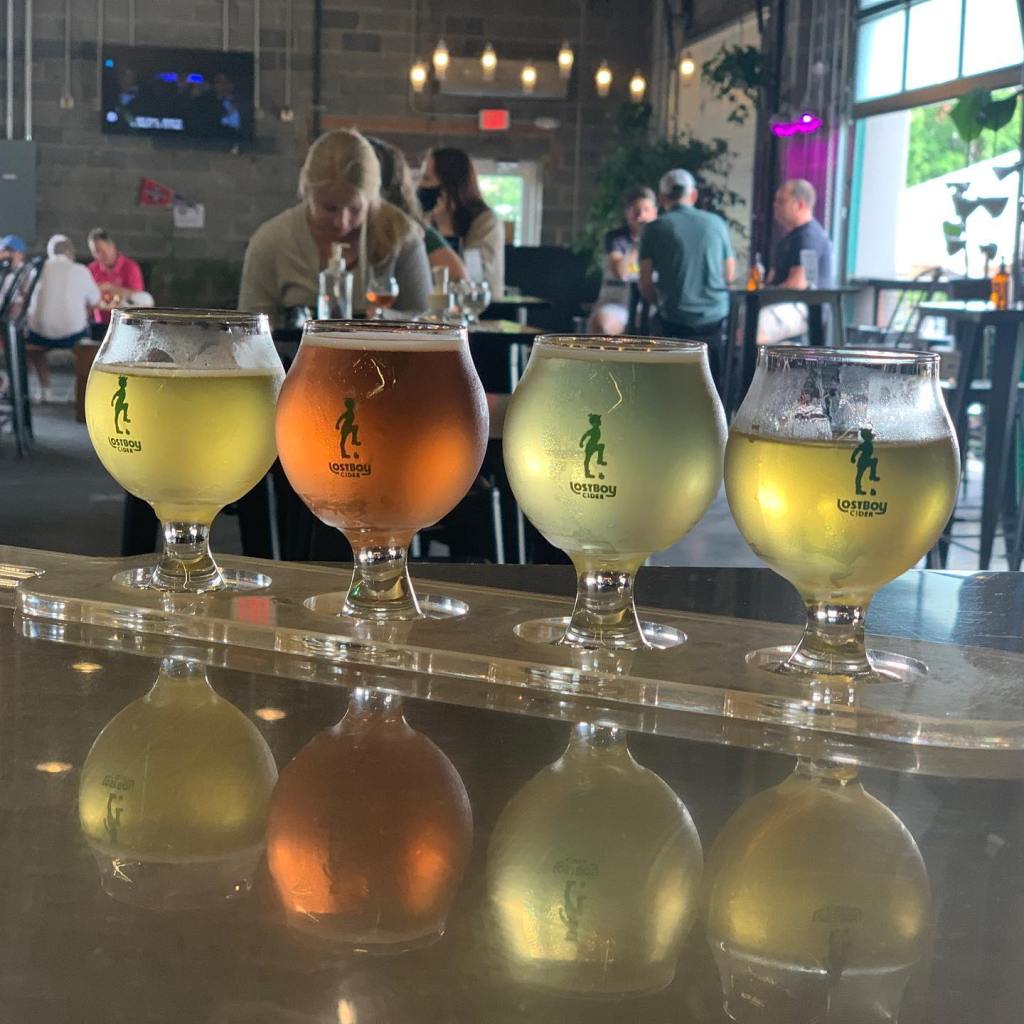
Critics have taken notice. The Virginia Governor’s Cup wine competition now uses dedicated cider judges for its cider entries, with Lost Boy Cidery’s “Comeback Kid” taking the win in 2021. Fellow cider professionals have also heard the buzz because CiderCon®, the world’s largest professional cider conference, is coming to Richmond in February 2022.
More Complex Than Most People Realize
For both business and stylistic reasons, some cideries model themselves after wineries with a focus on beverages that reflect conditions in the orchard, while others draw more inspiration from breweries by experimenting with new flavors. It gets even more complicated if you add in perrys (cider made from pears) and specialty ciders, including those made with hops, spices, or other fruit.
Heritage ciders are usually made from apples traditionally associated with cider making, including Kingston Black (bittersharp), Roxbury Russet (American heirloom), and Wickson (crab). These beverages are usually drier, emphasize the flavor profile of the varietal it’s made from, and served in wine bottles.
Modern ciders are primarily made from apples you find in the grocery store including McIntosh, Golden Delicious, or Gala. They also offer a dizzying array of flavors not usually associated with cider, such as pumpkin, cherry, even habanero. The need for carbonation means they are usually served on tap or in cans.
Coyote Hole Cidery
Both styles are found in Virginia but few are as passionate about Heritage ciders as Diane Flynt of Foggy Ridge Cider, one of the pioneers of the Virginia cider movement. Foggy Ridge was the state’s first cidery, which Diane modeled after an estate vineyard with an eye towards ‘orchard focused cider’.
While Foggy Ridge Cider’s last call was several years ago she still grows apples and advocates for Virginia cider, especially those that reflect the orchards they come from. In explaining her hopes for the future of the industry, Diane said, “We need locations that are willing to invest the time to make great cider. What (Foggy Ridge) did is focus on what the site gives you for flavor, not any additives.”
That said, the line between Modern and Heritage cider is sometimes fuzzy. Many cider makers treat their Modern ciders as artisanal beverages, while the term ‘Heritage cider’ may seem something of an oxymoron since they are made using very modern techniques.
Don Whitaker of Castle Hill Cider makes both styles, explaining, “Our Heritage line pays tribute to the apple, while our craft line is more fun and accessible. But it doesn’t matter which line it is, we still want to showcase the apple.”
“But some of our friends (in the cider industry) want to take cider making as far as they can go with new flavors. It’s all up to the imagination and the market.”
Castle Hill Cidery
Explaining Cider’s Newfound Popularity
According to several cidery owners, direct sales are roughly split between men and women and skews towards a younger demographic. When asked why cider sales have seen such growth, Philip Carter Strother of Valley View Farm had a straightforward explanation.
“The truth is hard cider is delicious, but it’s been overshadowed by beer. Hundreds of years ago cider was just as popular as beer. But a lot of effort has been made to make cider approachable to a larger audience, and a larger audience drinks beer.”
Valley View Farm
Emulating the marketing and distribution of craft beer has allowed cider sales to soar. Last year 63% of Virginia cider was sold via distribution and the remainder in direct sales. While this ratio favors modern ciders that are packaged and sold like beer, growing recognition has helped heritage cider sales as well.
This popularity has pushed a number of Virginia wineries to get in on the action. Wineries recognize cider fills a niche for lighter, fresher beverages, and their ability to step up is eased by how much of the equipment and licensing is the same. Several make their cider in-house, while others use an outside partner.
Cider’s status as a lower-alcohol, gluten-free beverage is another selling point. While no alcoholic beverage can ever truly be called ‘healthy’, cider compares relatively well to beer. In his description of Comeback Kid, Tristan Wright of Lost Boy Cider explained how the cider’s name was in part a tribute to his own health comeback when he discovered his allergies to gluten and soy.
Even though hard cider is unlikely to ever be considered a health drink, it has one additional advantage over other options. “Nobody has sentimental feelings about barley. But everyone has a connection to apples” enthused Will Hodges of Troddenvale Cider. “People just have a pull to it; it’s a very American beverage.”
Troddenvale Cider
Ciders You Should Try
Cideries can be found in every corner of Virginia, ranging from urban tasting rooms in Alexandria and Richmond, rural businesses in the Blue Ridge Mountains, to wineries and breweries serving cider alongside their own beverages.
Don’t wait for CiderCon; start sampling Virginia’s cider today.
Blue Bee Aragon: Blue Bee is Richmond’s first urban cidery, located in an old stable and carriage house. Aragon is their best seller; an off-dry blend of modern and heirloom apple varieties that provide a light, crisp mouthfeel.
Castle Hill Cider’s Celestial: Located south of Charlottesville, Castle Hill’s Celestial has strong fruit aromas, bright acidity, and a clean taste. While you can drink this anywhere, their tasting room is stunning – and beverages always taste better when sampled in the place they were made.
Coyote Hole Ciderwork’s Apparition: Coyote Hole kicks off Halloween with a cider that brings all the cozy flavors of fall in one drink. The perfect balance of cider and pumpkin, Apparition has all the comforting notes of traditional pumpkin pie with a hint of spices.
Lost Boy Cider’s Comeback Kid: The first beverage to win the cider award at the Virginia’s Governor’s Cup, Comeback Kid is Lost Boy’s bestselling cider for good reason. Made with Shenandoah apples, it’s light, dry and unfiltered. While heritage ciders boast about their complexity and tastiness, this cider could give them a run for their money.
Troddenvale at Oakley Farm’s House Cider: One of the most ‘wine-like’ ciders on the list, this heritage-style cider is made with a blend of eight apples. Its use of lees during fermentation provides a fuller mouthfeel and greater complexity. It’s then bottled like a sparkling via the “traditional method” until disgorged before release.
Valley View Farm’s Noble Pome: Noble Pome benefits from aging on the lees, which gives it a texture and body somewhere between a white wine and a beer, and contributes yeasty flavors and toasted notes. Bone dry and crisp, it tastes strongly of the Stayman apples used to make it. An excellent accompaniment to food, particularly with barbeque and pork dishes.
Over the past few months several Virginia wineries have unleashed a number of ‘premium’ experiences which combine higher-priced wines, food, education – and usually all three. Here’s my take on some of the best.
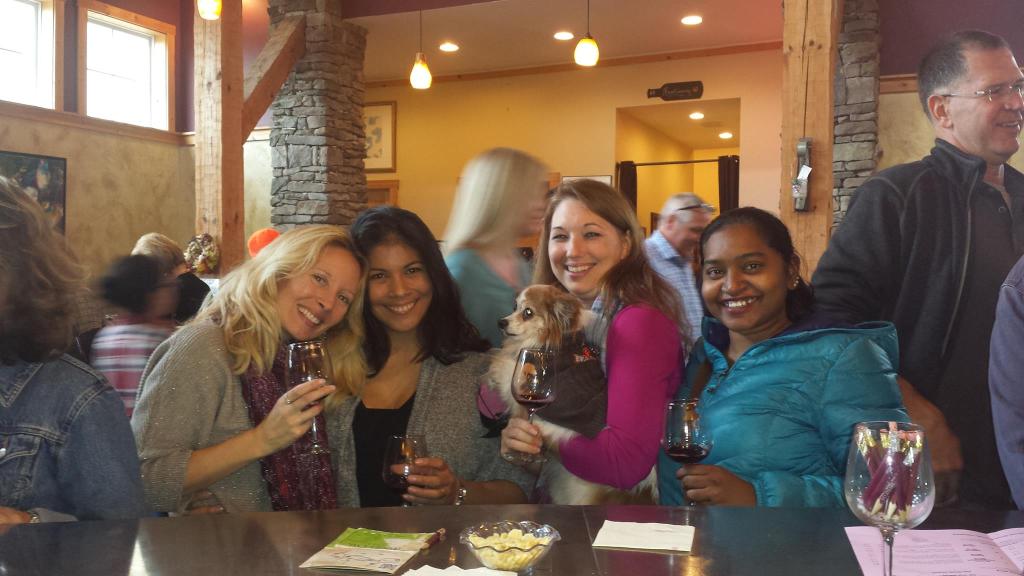
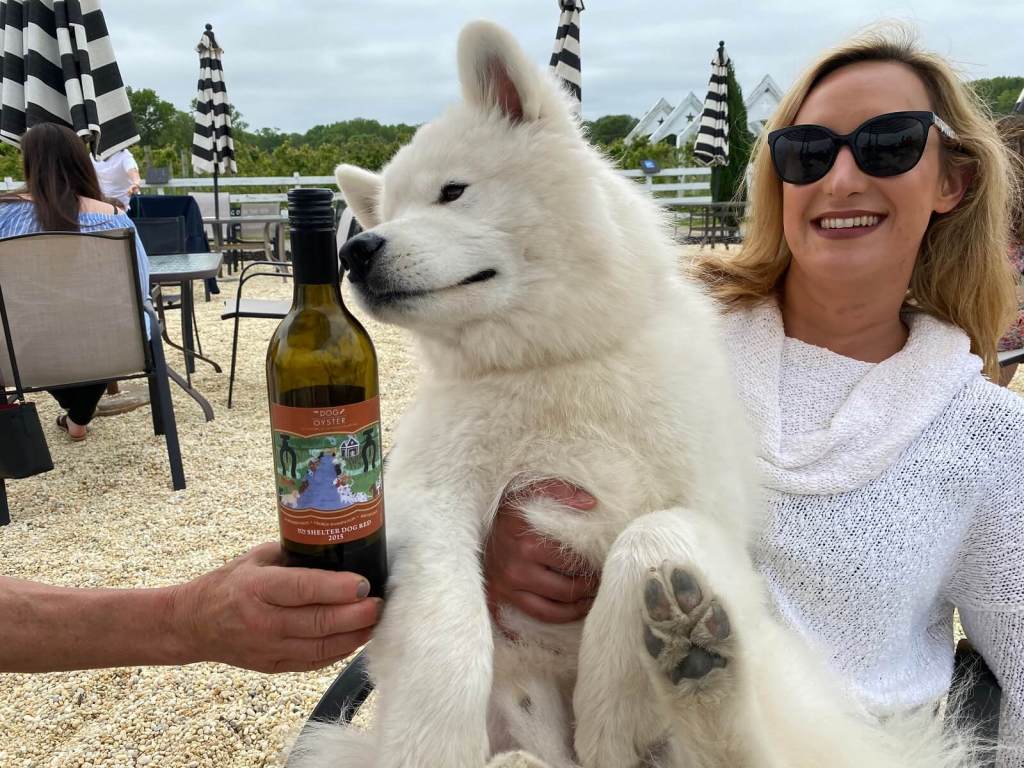
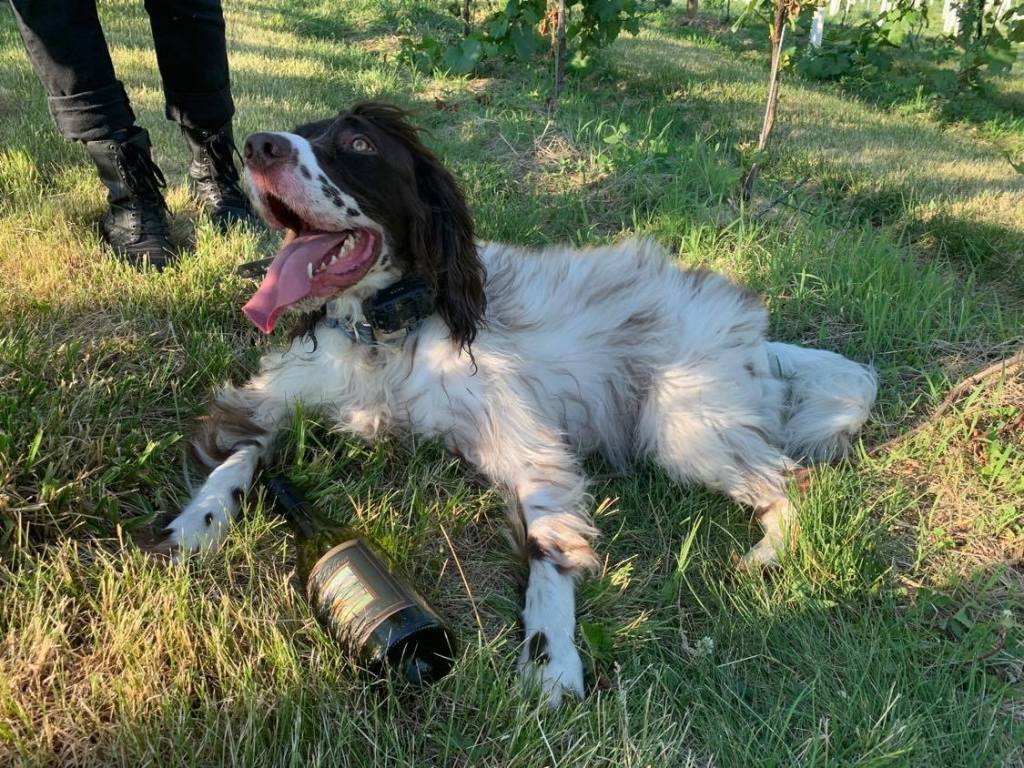
Please check out my latest article on dog-friendly wineries for the Old Town Crier.
Truthfully there are far too many wineries to list, since Virginia wineries typically allow dogs on the property. I tried to narrow it down to locations that allow dogs in the tasting room, but even so there are far too many to list.
I’m very happy how this article came out, focusing on Firefly Cellars, Williams Gap Vineyard, and The Winery at Sunshine Ridge Farm.
The continued growth of the Virginia wine industry never ceases to amaze me. Even in a pandemic we opened 20 wineries/cideries/meaderies in 2020, and another 9 more this year (with more to come!). Not only that, it seems every new location is better and better.
In 2015-ish I decided I wanted to visit every winery in the state. Since this effort required a lot of note-taking, I made an excel spreadsheet of every winery, cidery, and meadery in the state.
As of Dec 2025, I count 280 wineries, 35 cideries, and 11 meaderies, plus 36 wineries, cideries & meaderies that lack tasting rooms. I rename the spreadsheet according to the current date every time I update it. Because of this, check back periodically as I make new edits all the time.
Also, deciding what qualifies as a ‘Virginia winery’ is harder than it seems. Some wineries don’t have tasting rooms; others are so rarely open that it makes visiting them nearly impossible. Some ‘wineries’ are really just tasting rooms for wine made elsewhere in the state. Others are companies that only sell retail. A few businesses make wine but don’t use Virginia grapes, leading to me to wonder if they even qualify as a ‘Virginia winery’.
For the sake of maximum accuracy, I listed every winery, cidery, and meadery I could find in Virginia, even those which lack tasting rooms or are more of a wine distribution company.
If a location had wine using Virginia grapes under their own label, I listed them as a winery. I give mead and cider a pass on using Virgina fruit, as those industries don’t have the same restrictions on using local that Virginia wine does.
If a location had cider and/or mead as well as wine using Virginia fruit under their own label, I annotated that they have cider/mead but for tracking purposes I still list them primarily as a winery.
If a location had mead and cider (but not wine), I listed them as a cidery.
There is also a row for wine distribution companies or wineries or wine labels that lack tasting room, such as R.A.H. or Turk Mountain wines.














 Wine Trails and Wanderlust