On March 13th, Governor Glenn Younkin announced Barboursville Vineyards’ 2023 Vermentino as the winner of the 2025 Virginia Governor’s Cup. Ever the advocate for his home state, Barboursville winemaker Luca Paschina told the audience, “When you go to your favorite restaurant, you must demand they carry Virginia wine!”
Barboursville is one of Virginia’s oldest and most prestigious wineries, and Luca has been its Estate Director and winemaker since 1990. He is also the record holder for most Governor’s Cup wins, taking the trophy home three times since the event was revamped in 2011.
Vermentino is a variety that’s rarely found outside Italy, mostly planted in the maritime regions of Liguria and Sardinia. While not as recognizable as Barboursville’s other Italian grapes, Luca’s team has been successfully growing vermentino since 2009.
“It’s the favorite of a lot of people who visit, even if they don’t know what it is,” Luca said of the event’s top wine. “The acidity isn’t very high, but it has great minerality and phenolics. It does well in Virginia because it likes heat, but it doesn’t mind Virginia’s rainy periods either. I’ve made 14 vintages so far, and it’s always been very consistent, even in a wet year like 2018.”
The underappreciated nature of this variety means it’s a great value for your money, selling for $23 a bottle at the winery. A zesty, light-bodied white, Barboursville’s 2023 Vermentino hits a sweet spot between pinot grigio and sauvignon blanc, with notes of Asian pear, white flowers, and an underlying salinity.
Barboursville’s Vermentino has long been a contender for the Cup, having entered the Governor’s Case (composed of the event’s top 12 wines) seven times but missing the top prize until now. Their 2017 Octagon red blend also made it into the Case.
Ten other wineries entered the Case, representing a cross-section of the local wine industry.
DuCard Vineyards and The Winery at La Grange became first-time entrants into the Case. Valley Road winemaker Corry Craighill also took her place on the Cup finalist stage for the first time.
The remaining Case members were veterans of previous competitions. Michael Shaps Wineworks now boasts 15 Case wines, with King Family not far behind. 50 West, Paradise Springs, Potomac Point, Trump Winery, and Veritas also added notches to their tallies.
This year’s Governor’s Case also set a record for its high number of white wines. The event guidelines require the Case to include a minimum of four non-red wines. This year’s Case included six whites and a sparkling.
The strong showing by white wines and lighter-bodied reds is likely a tribute to the quality of the 2023 vintage, often regarded as one of the best in recent Virginia history. Not only do 2023 vintage wines make up over half the Case, they’ve also brought home many “Best in Class” awards in national-level competitions that California typically dominates.
Daring Wine & Cider Company’s Crab Apple blend was awarded Cider of the Year. A new “Best in Show” category was also unveiled, recognizing the best examples of major varieties or styles that didn’t make it into the Case.
DuCard Vineyards, 2023 Cabernet Franc Vintners Reserve
King Family Vineyards, 2021 Mountain Plains Red
Michael Shaps Wineworks, 2023 Chardonnay
Paradise Springs Winery, 2023 Cabernet Franc, Brown Bear Vineyards
Potomac Point Winery, 2023 Albariño
Trump Winery, 2018 Sparkling Rosé
Valley Road Vineyards, 2023 Petit Manseng
Veritas Winery, 2023 Monticello White
Winery at La Grange, 2023 Petit Manseng
Behind The Scenes Changes Help Even The Playing Field
A total of 622 medals were awarded in 2025, including 155 golds. While popular varieties and styles such as red blends, cabernet franc, and petit verdot dominated the medal count, several hybrid wines such as an organically-made cayuga from Loving Cup Vineyard also earned gold.
While the public’s attention is focused on the medal winners, the event was elevated by less-obvious changes in the submission and judging process.
For the first time, wineries were limited to a maximum of six entries. This increased the quality of the field by forcing wineries to be more selective in what they submitted.
This change wasn’t popular in all quarters. One owner confided he worried this limitation would undermine the event by encouraging wineries to only send wines with proven track records, rather than take risks with lesser-known varieties. Fewer entries also meant wineries could miss potential marketing opportunities.
The format under which wines are judged was also revamped. Director of Judging Frank Morgan wrote an extensive article outlining changes he instituted when he took over the role two years ago. The most notable change was having more judges in the preliminary round, mitigating the risk that palate fatigue would impact scoring.
As the stature of the event grows, Frank has correspondingly expanded its network of judges. “This year, we had four judges who hold the Master of Wine designation (the most ever), one Master Sommelier, and renowned wine writers. I now have a list of over 100 wine professionals from around the U.S. who have contacted me to express interest in serving as a judge,” Frank explained.
The final medal count demonstrates this combination of fewer entries and additional judges meant more nuanced wines showed better. In 2024, the event had 752 entries, 138 of which earned gold (18.4%). In 2025, the competition had 626 entries, 155 of which earned gold (24.8%).
Additional changes may be in the pipeline. The current Governor’s Cup format is somewhat inaccessible for micro-producers, or winemakers who make experimental styles that don’t show well with traditional judges. Frank hopes to eventually showcase these wines as well.
Barrel Oak winemaker Jeremy Ligon took home a Best in Class for his 2023 Sauvignon Blanc and a Double Gold for a rosé at the SFCWC. Vint Hill’s Mark Ward earned a total of 5 Double Golds, including the “Best White Wine in Show” at the SFIWC for his 2023 “Madison” Petit Manseng.
These were just a few of the 182 medals won by Virginia wineries at these events. Many Best in Class and Double Golds were won by Virginia in categories where California wine traditionally dominates.
This is especially impressive given the boutique nature of the Virginia wine industry. California produces 81% of American wine, according to recent industry statistics. By comparison, Virginia only produces 0.3% of this total.
This over-performance hasn’t gone unnoticed by the international wine community. SFCWC wine judge Mike Dunne wrote on the event website, “Each year, some wine region of North America seems to gain recognition for a disproportionate share of high awards at the San Francisco Chronicle Wine Competition. In 2025, it was Virginia…”
While not all wineries enter major competitions, they nevertheless provide an important metric on how Virginia wine fares on the international stage.
Pearmund Cellars owner Chris Pearmund has long advocated Virginia wineries showcase their work in settings beyond state-level competitions. “National competitions bring Virginia to the national stage,’ he wrote on Facebook. “The wine industry needs consistent, top-quality producers to participate in national competitions to sustain and grow our industry.”
While Barrel Oak and Vint Hill have been part of the Virginia wine industry for decades, their winemakers tend to stay out of the limelight. Jeremy and Mark have been making wine for over a decade, and this recent acclaim will only raise their profile.
I caught up with both winemakers to talk more about their career paths, as well as the importance major awards have on highlighting Virginia wine as a whole.
Barrel Oak Sauv Blanc (left) and Vint Hill “Madison” Petit Manseng (right)
Jeremy Ligon, Barrel Oak Winery
Jeremy grew up in southern Virginia on a winery owned by his parents, but some of his best career advice came from none other than Bruce Zoecklein. Wine geeks may recognize that name, as Bruce was the Professor of Enology at Virginia Tech.
On Bruce’s advice, Jeremy applied to the wine program at Fresno State. After graduating, he found his way back to Virginia, bouncing around several wineries before accepting the winemaker job at Barrel Oak in 2021.
A year after his arrival, Barrel Oak was purchased by Kavelle and Ken Bajaj, IT entrepreneurs with a love of wine. The Bajajs not only brought with them a wealth of managerial experience, they were willing to invest in Barrel Oak’s success.
Those investments have translated into visible upgrades to the tasting room and kitchen, but what really excites Jeremy is the new equipment in the cellar.
“We brought in new red wine tanks which help us with the processing, plus new pumps and a new sorting table. The table has already paid for itself in the first harvest; it’s just smoother and more efficient.
Ken keeps insisting we make the best wine possible, so I suggested we invest in some new barrels. When I asked him how many we should get, Ken said, ‘Let’s get 10 of them!’”
Part of elevating their tasting experience is to make the wine list more manageable. Jeremy started at Barrel Oak making 32 different wines, but is aiming to streamline his roster to around 15. Fortunately, this hasn’t prevented Ken from exploring new options, such as adding a sparkling wine program.
Another part of raising the bar is to get feedback from world-class judges, like those at the SFCWC and SFIWC. Such exposure helps Barrel Oak push for greater distribution.
“I think it’s important to get out there and get that feedback,” Jeremy exclaimed. “Those judges are serious! We want to be judged by our peers.”
Mark Ward, Winemaker for Vint Hill, Effingham Manor, and Pearmund Cellars
Mark started his winemaking career the way many of his Virginia peers did – by first working in a field completely unrelated to viticulture.
His first job was in IT consulting where he was often on the road. After 25 years of this, Mark was open to a career change, he explained during a chat at Vint Hill.
“I got to thinking; I grew up on a farm. I was interested in wine. How can I combine all of these things that I’m interested in?
So I went back to school in Washington State for their Enology and then Viticulture programs. That led to my first internship in Oregon in 2013.”
Mark’s family encouraged him to consider Virginia, and his school put him in touch with Chris Pearmund, the managing partner of Vint Hill, Effingham Manor, and Pearmund Cellars. These wineries form a trifecta, sharing the same staff and winemaking facilities.
By 2015, Mark was the Assistant Winemaker for this trio, and rose to the Head Winemaker position in 2020. Since then, Mark (and his team, he’s quick to note) has racked up a series of awards.
Mark explained deciding what wines to submit to major competitions is often complicated, but these events play an important role in elevating Virginia’s profile.
“If you look at the national competitions in San Francisco, we’re always sending the kind of wine Virginia is known for. For a more regional competition like the Atlantic Seaboard, we’ll send a broader sample.
I think the rest of the world is starting to understand what Virginia wine drinkers have always known; there are talented growers and winemakers in the state.
Not only are we getting awards for things we’ve traditionally done well – cabernet franc, petit manseng, petit verdot – places like Barrel Oak and Veritas are doing great things with sauvignon blanc. Outsiders don’t always think Virginia can compete across the board, but when they see a wine like our Effingham ‘Kings Ransom’ Bordeaux blend get 97 Points/Double Gold, they start to appreciate we can win against the best in the world.”
I was recently the emcee for a Virginia Pinot Noir event that I nicknamed “Pinot Palooza”. A considerable portion of Virginia’s community of Pinot growers gathered to share one another’s wines and discuss their vineyards. It was probably the single most diverse tasting of Virginia Pinot Noir that has ever occurred.
JBR Vineyard 2021 Country Gentleman Red (Pinot) (VA)
JBR Vineyards 2021 Springdale (Pinot) (VA)
Trump Vineyards 2022 Pinot Noir (VA)
Antiquum Farm Pinot (Oregon)
Bluestone 2023 Pinot Meunier (VA) (the only non-Pinot Noir of the day)
While this sounds like it would be a big gathering, in reality we only shared 11 Pinot Noirs from 8 separate Virginia wineries, in a state that possesses around 15 growers. Of these, only a handful typically make a full Pinot Noir every year (the remaining focus on sparkling or rosé).
It’s difficult to say which Virginia winery first planted Pinot Noir, although several including Barboursville and Swedenburg tried in the 1990s and early 2000s. These viticultural pioneers didn’t yet realize Virginia’s warm summers would cause these sites to struggle. Dennis Horton, a man famous for introducing multiple varieties to Virginia, reportedly once said: “I don’t think Jesus Christ could grow Pinot Noir in Virginia. You can do it, but it doesn’t taste like Pinot should.”
The data shows not many have tried. Side by side metrics from Virginia’s 2008 and 2023 Commercial Wine Grape reports demonstrate that Pinot remains a niche grape in the state.
In 2008, there were 28 acres of Pinot Noir (25 bearing, 3 non-bearing) out of a total of 2,500 acres of grape vines in Virginia (barely over 1% of the total)
In 2023, there were 41 acres of Pinot Noir (30 bearing, 11 non-bearing) out of 4,318 acres of vines in the state (just under 1%).
Yet these metrics only tell part of the story.
According to conversations with various winegrowers, it appears much of the Pinot that existed when the 2008 report was written has since been torn out, as these growers couldn’t bring their grapes to full ripeness. Most of the vines that were planted from 2008 onward were planted in the Shenandoah Valley and Blue Ridge Mountains.
The key change from the wines that Dennis Horton tried was these newer vineyards focused on higher-elevation sites, often 1,600 feet and above. Such elevation ensures a constant flow of cool air and moderate temperature swings, which protect Pinot’s tightly-bunched clusters from damage and allow them to evenly ripen.
Membership in this ‘high elevation club’ is very select. Ankida Ridge planted their first vines in 2008, while Ox Eye Vineyards planted in 2009 based on advice from Finger Lakes grower Hermann Wiemer. Hazy Mountain started growing Pinot at its Swoope vineyard in 2016, and 12 Ridges Vineyard founded their site in 2019. Around the state, even more wineries followed.
Our tasting included a broad mix of vineyards, planted anywhere between 850 to 3,300 feet elevation. We asked ourselves; did this elevation make a difference, and what other factors influenced the wine in our glass?
Virginia Pinot Noir Growers
*Note: The Shenandoah Valley has around half of all Pinot Noir grown in Virginia, with smaller plantings at various locations along the Blue Ridge Mountains. Trump Winery has the largest single planting of Pinot Noir in Virginia, but in most years, it’s exclusively used for sparkling wine.
The Tastings
We sampled 15 different Pinots in flights of 3. I ensured nearly every flight had a non-Virginia Pinot for comparison purposes. My apologies for having better notes on some wines that others; at times I couldn’t write fast enough.
Flight 1:
12 Ridges 2021: Lighter on nose and harmonious on the palate. Good complexity of aroma, tannins, and finish. One of the most ‘delicate’ wines of the day, and one of the favorites.
12 Ridges 2022: Bolder, more fragrant than the 2021 vintage.
Savigny-lès-Beaune “Vieilles Vignes” 2018: Fleshier, more concentrated than anything else I tried that day.
Flight 2:
Ankida Ridge 2022: Floral nose. Notes of earth, specifically wet dirt. The wine had some heft to it but was well balanced. It also had just the right amount of oak, tannin, and structure.
Cave Ridge 2023: Not yet released! Clean, flawless, fruity, but needs some bottle age. Notes of red plumb and cherries. Less earthy than the Ankida. Owner Randy Philips explained he was going to only make a sparkling wine, but his daughter Megan loved the 2023 so much they decided to make it as a still wine. This was the first time he’d made a regular Pinot, which makes it all the more impressive.
Cave Ridge 2024 (barrel sample): This was so young it was hard to judge, but we had fun sampling it. Some attendees actually thought the 2024 was better than the 2023, or would be in time.
Flight 3:
Hazy Mountain 2022: Lighter in color, fresh mouthfeel. It had some earthiness to it and nice tannin.
Ox Eye 2022: Very charming and approachable. At $27, this was one of the best values of the entire event. Owner/winemaker John Kiers doesn’t make a still Pinot every year, but his $35 Blanc de Noir is a great alternative.
DuMOL Pinot Noir (CA, Russian River Valley): One of the fullest wines of the day. The ripeness made it stand out as a California wine.
Flight 4:
JBR 2021 “Country Gentleman Red”: Light and fruity, lots of strawberry notes. Unfiltered? At $15, this was made for a crowd looking for something that’s easy drinking.
JBR 2021 “Springdale”: More intense than the “Country Gentleman”, and closer to the traditional Pinots we are accustomed to.
Trump Winery 2022: Good body and structure, but at the expense of the fruit. Trump only infrequently makes a Pinot Noir, but you can usually find these grapes as a Blanc de Noir.
Flight 5:
Antiquum Farm Pinot (Oregon): No notes, but good!
CrossKeys 2022: CrossKeys only infrequently makes a still wine, but their Blanc de Noir is excellent. Barnyard note to it, maybe a little brett.
Bluestone 2023 Pinot Meunier (from Verona Farm Vineyard): Our only non-Pinot of the day. One guest referred to this as a ‘starter red for white drinkers’, because it’s so easy drinking.
I should also mention the amazing food that Cave Ridge arranged for us, courtesy of Woodstock-based Flour & Water.
I polled the 9 guests who didn’t present a wine they made, and the top three Virginia wines were the 2022 Ankida Ridge, 2021 12 Ridges Vineyard, and the 2023 Cave Ridge (which narrowly beat the 2022 Ox Eye).
Ankida was the overall favorite by a fair margin, but the 2021 12 Ridges wine had many compliments as well. Notably, these two were specifically designed as ‘high elevation’ vineyards, with Pinot being some of the first grapes they planted.
Lessons learned
“High elevation Pinot is in its infancy. I am excited for its future,” wrote Christine Vrooman of Ankida Ridge. “The bar has been raised from 20 years ago,” said another guest after completing the tasting.
Here are a few of my take-aways from the day’s discussions:
1. Winemaking is more important than elevation to make good wine. Site selection is important to tease out Pinot’s best expressions, but good winemaking is still crucial to make a good wine. Likewise, a winemaker can make a good wine made with Pinot grapes, even if it doesn’t express the ‘typical’ Pinot characteristics consumers are accustomed to. We saw both sides of this coin at this event.
2. Elevation is important – but so are other factors. While much of the discussion focused on the importance of elevation as a key criterion to bring out Pinot’s best qualities, that’s just one part of the equation. Soil type, vine density, relative altitude, and good vine material are also important to get healthy fruit.
My observation of the day’s conversations is while Pinot does love elevation, it takes more than elevation to make a good Pinot vineyard.
3. Blanc de Noir is a great alternative. Many Pinot growers readily admit how difficult it is to achieve full ripeness. This means sparkling wine is usually the best use of their fruit. These wineries (including but not limited to Afton Mountain, CrossKeys, Rockbridge, and Trump) may only offer a Pinot Noir in better growing years.
Few Virginia wineries are as terroir-driven as Linden Vineyards. Probably the best proof behind this statement is how many of Linden’s wines are named after the vineyards they come from; namely Avenius, Boisseau, and Hardscrabble.
These vineyards are the only places Linden uses for fruit, and their varying soil types and elevation means each provide a different tasting profile. While not every wine Linden produces is vineyard-specific (they also make a multi-vineyard Chardonnay called “Village” and red-blend named “Claret”), owner/winegrower Jim Law prefers to let the vineyards speak for themselves.
Avenius Vineyard (5 acres, 1,300-1,400 feet elevation). Linden’s highest and coolest site. Named for and farmed by Shari Avenius. Located less than a mile from the winery, but on a very different soil profile.
Boisseau Vineyard (4 acres, 600 feet). This is Linden’s lowest and warmest site. Named for and farmed by Richard Boisseau. As the smallest vineyard, it’s not uncommon for a vintage to lack a vineyard-specific Boisseau wine as the fruit was blended into Claret or Village.
Hardscrabble Vineyard (~20 acres, 1,100-1,400 feet elevation). This is Linden’s largest, oldest, and most diverse vineyard, located at the winery. The best blocks go into Hardscrabble (red or white), while the younger ones go into Claret & Village. Some vines date back to 1985.
Picking a favorite Linden vineyard is something of a parlor game for Virginia wine nerds. Hardscrabble arguably produces Linden’s most famous wines, but don’t discount the other two. “Acid-heads” love Avenius’ higher-elevation fruit, while Boisseau produces some of Linden’s easiest-drinking, more fruit-forward wines.
Nevertheless, I wanted to try all three side-by-side, and it wasn’t difficult to find helpers for this task. Most had tried Linden wine before, although only a few of them had been exposed to this kind of multi-vineyard, multi-vintage experience.
My tasting was both a vertical in that the reds came from two different years (2017 and 2019), and a horizontal in we had all three vineyards represented. 2017 and 2019 were also two of the better growing years in recent Virginia history.
Our Chardonnay flight (only 2019 vintage)
2019 Avenius
2019 Boisseau
2019 Hardscrabble
Our Bordeaux blend flights (2017 and 2019 vintages)
2017 Avenius (54% Merlot, 46% Cabernet Sauvignon)
2017 Boisseau (40% Cabernet Sauvignon, 34% Petit Verdot, 20% Merlot and 6% Cabernet Franc)
At the end of every round, I did a poll to determine our favorite from the flight. But in reality, “Best” was entirely subjective. Even the wine that was the ‘least’ favorite was something we’d have happily enjoyed.
All reds were decanted for 1.5-2 hours prior to the event. Jim has exceptionally detailed notes describing the vintage years and individual wines, so follow the embedded links more information on the Linden website.
2019 Chardonnay Round
Linden vineyards exist in no small part because Jim Law was inspired by Chablis. While most winemakers tend to advertise red blends as their ‘flagship’ wines, Chardonnay is of such importance that I’d argue Linden’s ‘flagship’ is its Hardscrabble Chardonnay.
These three Chardonnays had distinct personalities, but we usually saw more similarities than differences. Avenius and Hardscrabble are definitely ‘cousins’, while Boisseau was more of an outlier. Yet there was still a common thread of fruit and minerality to all three.
Linden 2019 Avenius Chardonnay. You could tell this was ‘mountain’ fruit because its acidity was more pronounced, plus it showcased minerality and structure. Very *bright*. Several of us detected notes of citrus, specifically lemon. Kathy mentioned chalk. Daniel mentioned ‘apple tart’.
Linden 2019 Boisseau Chardonnay. Lots of fruit notes. Tropical nose, notes of banana. Daniel mentioned maybe an herbal note. I heard someone mention tarragon and kiwi. Another guest mentioned a bitter note.
Linden 2019 Hardcrabble Chardonnay: This wine just felt ‘big’ on the palate. Apple and butterscotch notes. Also notes of orange peel, citrus, specifically a sweeter orange. The acidity is there, but you sometimes had to wait a moment for it to hit you. One person mentioned it had almost a certain waxiness to it.
When I did my poll, 7 out of 8 of us preferred Avenius. We almost universally felt the 2019 Avenius was very clean and ready to drink.
Hardscrabble was the runner up. It also had acidity, just not to the degree of Avenius. That said, we felt HS would only get better and better. Boisseau was definitely well enjoyed, but it was just a different animal than the other two.
Favorites:
Alex: 2/1/3. The outlier of my group!
Daniel: 1/3/2. By technical standards, he felt #3/Hardscrabble was the ‘best’ wine of the lineup, but felt Avenius was drinking great now. While both still had years to go, the Hardscrabble hadn’t yet peaked.
Kathy: 1/3/2.
Lieven: 1/3/2. Felt the Avenius was ‘ready to drink’ right now.
Matt: 1/3/2
Mark: 1/2/3
Todd: 1/3/2
Vanessa: 1/3/2. Felt the Avenius had the most lift and was clean, even waxy.
2017 Red blend round
2017 was one of Linden’s best vintages in years, for both reds and whites. These wines are likely to last for many, many years to come.
I was surprised that a vintage 8 years old tasted so fresh. As Virginia’s weather becomes increasingly erratic we are seeing more instances of ‘hot years’ that causes local fruit to become disjointed, or ‘rainy years’ which results in underripe fruit. But 2017 was a goldilocks year where the pieces fit almost perfectly.
Linden 2017 Avenius red: 54% Merlot, 46% Cabernet Sauvignon. Refined tannin but a shorter finish. We detected newer oak but it’s so integrated you don’t mind at all. It also leaned heavily on the fruit, with notes of blackberry and boysenberry. Someone mentioned notes of pine, eucalyptus, and it was ‘forest-y’. This wine also evolved the most in the glass.
Linden 2017 Boisseau red: 40% Cabernet Sauvignon, 34% Petit Verdot, 20% Merlot and 6% Cabernet Franc. Fruit notes, especially dark cherry. Some felt it was almost too fruity, and they struggled to find notes beyond it. Others noted a root beer quality to it, plus notes of pyrazines and pepper. While the general consensus was while this wine had more fruit than we preferred, it was “nice” fruit; not jammy at all. It also had a good structure to it.
Linden 2017 Hardscrabble red: 57% Cabernet Sauvignon, 43% Merlot. Balanced; medium/medium plus acidity. Ripe fruit, especially plumb. But there were also notes of minerality, including graphite. Notes of cassis were mentioned, while another guest said it was “meaty” and had a cigar box quality to it. This was also the most food-centric wine of the trio.
By a unanimous vote, the 2017 Hardscrabble red was our favorite. Avenius came in 2nd and Boisseau 3rd, also with unanimous votes by all eight attendees.
I’m absolutely not surprised that the 2017 Hardscrabble red was the favorite wine here. I’ve blind tasted it numerous times, and it’s nearly always my favorite in a contest of other championship-level wines.
Note to self; I should decant it more the next time I pop a bottle, since I felt the 2017 HS initially presented more earthy notes than I personally prefer, but the complexity popped out once swirled in the glass.
Favorites:
Alex: 3/1/2. Thought of steak when drinking the Hardscrabble, but felt the Avenius could be enjoyed on its own
Daniel: 3/1/2. The Hardscrabble was “balanced and complex”. The Avenius shared many of its qualities, just less so.
Kathy: 3/1/2
Lieven: 3/1/2. Felt the Hardscrabble was “elegant and elevated”
Matt: 3/1/2
Mark: 3/1/2
Todd: 3/1/2
Vanessa: 3/1/2. Said “The Avenius has structure, but the Hardscrabble has everything”
2019 Red blend round
While this vintage was two years younger than the 2017 round, the 2019 reds actually presented as being older and smoother than the 2017s. I attribute that to 2017 being such a great year that balance was easy to achieve, while 2019 was a hotter, riper year.
Linden 2019 Avenius red: 50% Cab Sauv, 42% Merlot, 8% Petit Verdot. The barrel notes were well integrated. Notes of black cherry and raspberry were mentioned. Tart. Higher acidity than the other wines in this flight.
Linden 2019 Boisseau red: 61% Cab Franc, 19% Petit Verdot, 17% Merlot, 3% Cab Sauv. Our notes were all over, but my favorite descriptor was “Hedonistic”. Long list of fruit and/or earthy notes, with some tasters leaning one way or the other. Many mentioned notes of black cherry, perhaps with a compote/sweet fruit note to it. A few mentioned liquorish. Others said it was ‘grippy’ and chewy. Still others felt it had more earthy characteristics, maybe a little mushroom, even ‘spice box’.
Linden 2019 Hardscrabble red: 65% Cab Sauv, 19% Cab Franc, 16% Merlot. Balanced. Notes of bramble fruit, baking spices, maybe a little brett. Cigar box and leather was mentioned. The tannin was chewy bur refined. Not a lot of fruit notes, though.
By another 8-person unanimous vote, the 2019 Boisseau red was decreed the favorite of our 3rd round. When he first tried it, I believe Daniel said something to the effect of, “That’s what I’m talking about!”. Avenius was almost universally the runner-up, and Hardscrabble was 3rd.
My best guess was the warmer year accentuated the fruit qualities of the Boisseau. It was also an outlier in this was our only red that was Cabernet Franc heavy, and people seemed to gravitate towards some of the spice notes that better Cab Francs have.
Favorites:
Alex: 2/3/1. Felt the #3/Hardscrabble needed more time
Daniel: 2/1/3. Likewise felt the Hardscrabble needed more time
Kathy: 2/1/3
Lieven: 2/1/3
Matt: 2/1/3
Mark: 2/1/3
Todd: 2/1/3. Felt #2 was the most open and balanced
Vanessa: 2/1/3. Said that #2/ was “great right now”
The results
In summary, here were the favorites per round:
2019 Avenius Chardonnay (7 out 8 votes)
2017 Hardscrabble red (8 out of 8 votes)
2019 Boisseau red (8 out of 8 votes)
I love that every round picked a different vineyard as their favorite. The qualities of each vineyard definitely shined through, influenced by the year the wine was made.
That said, I’m positive that had we tried this event either a year earlier or later, we easily could have come up with different results. Certain wines we tried this day were just ‘in their prime’, while others (especially Hardscrabble) arguably needed another year to reach their peak.
I admit I was somewhat surprised how unanimous we tended to be, given my group was rather diverse. 3 of us had been visiting Linden for years. Another 3 were DC-based wine experts who had experienced Linden, although not necessarily older vintages. The last 2 guests had until recently been living in Sonoma and were just starting their Virginia wine journey. Yet this group was extremely consistent in how we rated all 3 flights.
I did one last poll regarding favorite vineyard…and the overall favorite vineyard was Avenius. Guests seemed split whether they preferred the Avenius red or white. Again; ask us on another day, or with a different variety, we may have selected otherwise.
The Governor’s Cup may be Virginia wine’s best-known event, but the wine world is full of wine competitions large and small. Two of the most prestigious are held annually in San Francisco nearly back-to-back.
30 Virginia wineries and cideries entered these events, earning a total of 182 medals. Of these, 22 were Double Gold and 38 were Gold.
A number of these Double Golds earned top honors in their respective categories. The SFIWC awarded Vint Hill’s Covert Wineworks “Madison” 2023 Story Petit Manseng “Best White Wine in Show”, as well as “Best Other White Varietal”. The SFCWC gave “Best in Class” awards to 6 of Virginia wines.
One of the judges at the SFCWC summarized his view of Virginia’s impact with this statement:
“Each year, some wine region of North America seems to gain recognition for a disproportionate share of high awards at the San Francisco Chronicle Wine Competition. In 2025, it was Virginia” SFCWC wine judge Mike Dunne, on Virginia’s entries
While not all wineries enter major competitions, they nevertheless provide an important metric on how Virginia wine fares on the international stage. These competitions also provide increased visibility, marketing value, and bragging rights to those who do well.
I asked Mark and Maggie Malick, former owners of Maggie Malick Wine Caves, their view of these events. Maggie once earned Best in Class/Double Gold at the 2021 SFCWC for her 2017 Tannat, and Double Gold for her 2014 Tannat at the 2017 SFIWC.
According to Maggie, “They’re both big hitters. Judging is pretty strict in both. If you enter a Virginia wine and beat another country, you’re doing good.”
Biggest Winners at San Francisco
Winning Gold is a major kudo at either the SFCWC or SFIWC, but Virginia’s haul of 22 Double Golds and numerous “Best of” awards is especially impressive for a wine region that makes less than 0.3% of the nation’s wine production.
It’s too much to describe every one of these Double Gold winners. But if I were to narrow it down to a handful of the Virginia’s ‘biggest winners’ by winemaker, winery, or as a category that deserves highlighting, these are my picks:
Mark Ward, Winemaker for Effingham, Pearmund, and Vint Hill. Mark took home 5 Double Gold and 5 Golds between the SFC and SFI events. His Vint Hill 2023 Petit Manseng also earned “Best White Wine in Show” at the SFIWC. He’s been the head winemaker for the “Pearmund trifecta” since 2020.
Jeremy Ligon, Barrel Oak Winery.Jeremy was awarded a Best In Class/Double Gold for his Sauvignon Blanc (in the $35 and over category), Double Gold and runner-up for Best of Class for this dry Rosé, Double Gold at the SFI for his sparkling Norton, and three Golds.
Philip Carter Winery. PCW earned two SFCWC Best in Class awards, for its Nomini Hall Cabernet Franc ($35.00 – $49.99), and Chardonnay ($38.00 – $42.99). Matthieu Finot is their winemaker.
Veritas Vineyard. Emily Hodson of Veritas earned SFCWC Best in Class awards for her 2023 Sauvignon Blanc ($30.00 – $34.99) and 2023 Monticello White ($31.00 and over White blend), plus four Golds.
The 2023 Vintage. 2023 is the kind of high-quality vintage that is often only seen once a decade. Virginia wine lovers already knew this, but now the rest of the world does too.
It’s notable that 28 of the 59 Virginia wines (discounting one that used fruit from the west coast) that earned either Gold or Double Gold came from this magical juice. So far, most of what’s been released were white wines. That means our recently bottled reds are going to be making incredible waves on the competition circuit, once they are unleashed.
Virginia Sauvignon Blanc. I admit, I didn’t see this one coming. Yet it’s important enough to warrant its own mention, because the respective winemakers deserve it.
Virginia earned two SFCWC “Best in Class” awards for Sauvignon Blanc; Barrel Oak ($35 and over) and Veritas ($30.00 – $34.99). Endhardt earned a Double Gold and was runner-up to Veritas for its Upper Block Sauvignon Blanc.
This is a massive win for a category that is usually dominated by California. If we kicked-ass in Sauv Blanc, think of what the rest of the 2023 vintage is going to do.
The SFCWC website had this to say on these Sauv Blancs:
“At the 2025 San Francisco Chronicle Wine Competition, two of the five best-of-class Sauvignon Blancs were from Virginia, an unprecedented showing. (In all, 198 Sauvignon Blancs were in the competition.)”
“The Barrel Oak the richer, riper, and rounder of the two, its fruit fleshy and saturating,” while saying of the Veritas, “The wine is frank, lithe, dry, citric and astonishingly persistent for a Sauvignon Blanc. Its perky acidity makes it a perfect match for raw oysters.”
San Francisco Chronicle Wine Competition (SFCWC) and San Francisco International Wine Competition (SFIWC) combined roster
The 2025 San Francisco Chronicle Wine Competition (2025 SFCWC) reviewed 5,500 wines submitted from over 910 wineries throughout the United States, Canada and Mexico, making it the largest wine competition in North America. 4,991 medals were awarded.
There are often multiple awards for the same variety or style for different price brackets. The “Best in Class” award goes to the highest-scoring bottle within that price bracket. It additionally has a “Sweepstakes” award to identify the top wine from among the “Bests” in different categories (no Virginia wine won this category this year).
The wines were judged in mid-January, and the results were released on 17 January 2025.
The 2024 San Francisco International Wine Competition (2024 SFIWC) reviewed wine submitted from 20 countries. 1590 medals were awarded to 476 wineries.
The wines were judged in mid-December, and the results were released on 13 January 2025.
Note on the Virginia medal winners: The La Grange Winery Syrah that earned Gold in the 2025 SFC used non-Virginia fruit. The other 59 Golds/Double Golds all used Virginia fruit. The ‘182’ medals includes 16 wines made using non-Virginia fruit. I include these numbers here only for the sake of being complete.
Several years ago while visiting wineries around Charlottesville, I encountered a curious sight. In the city that is the epicenter of Virginia wine was…a sake brewery.
What? Sake??? In Virginia?
Yet thinking about it, my surprise was misplaced. Sake exports from Japan have more than doubled from 2012 to 2022, according to figures provided by the Japanese Sake & Shochu Makers Association. Not only is the US the world’s top sake importer, there’s a growing local sake industry as well.
Charlottesville based North American Sake Brewery is one of only 20 or so sake breweries in the US, and the first (and only) in Virginia. Founder and head brewer Andrew Centofante gave me a lesson on sake brewing and a tour of his facility.
“Sake is such a fascinating and historic beverage. It’s a pretty niche market, but it’s one of the fastest growing beverages there is,” Andrew said during our interview. “As people explore Japanese cuisine, they are finding sake is a key part of it.
About 15 years ago, I went to an “izakaya” (casual drinking establishment) in Japan,” he continued. “The bartender walked me through different styles, regions, and profiles of sake, and it hit me that sake was similar to the craft beer movement. A few years later, I started making sake at home, and that led me to go back to Japan to work at a 200-year old brewery outside Osaka to learn the craft.
We’ve been open since 2018, making very traditionally handcrafted sake as well as some experimental styles.”
Defining Sake: Beer? Rice Wine? Or Something Unique?
The four basic ingredients for sake are rice, koji, water, and yeast. Of these, koji is likely the ingredient least-understood by American audiences.
Koji is a mold, cultured in hot, humid conditions to promote propagation. It’s an integral part of many of Japan’s most famous drinks and dishes, including sake, miso, and soy sauce.
Brewers apply the mold to rice, ensuring it’s thoroughly spread over every grain. When the brewing starts in the tank, the mold provides the enzymes to convert the rice starch into sugar. This sugar is then devoured by the yeast, which turns it into alcohol.
This process is called “multiple parallel fermentation,” and it’s what makes sake brewing unique.
While sake is usually referred to as ‘rice wine,’ that definition is a misnomer. Sake is its own category of alcoholic beverage, despite often being classified as either a wine or beer in the western world.
Andrew gets the question of, “Is sake a rice wine?” all the time. “Like wine, you can sip it, savor it, pair it with food. Sake is the same way. It has nuance of character, but the process is grain based, so it’s much closer to brewing than winemaking.
While they use similar processes, sake and beer come out at very different strengths. Since sake usually has around 15% alcohol and is sipped like wine, it’s often classified as rice wine.”
Balancing Creativity With Tradition
Unlike wine, which is ‘terroir’ driven, sake is more brewer-driven, according to Andrew.
“We talk a lot about the concept of intent in sake making. That’s what makes sake a difficult beverage to understand.”
The brewer’s treatment of their rice greatly influences the end product, a process called milling.
“Milling is where we remove fats and other proteins to get to the grain’s “shimpaku,” or starchy core, and it helps delimitate the style of sake you create,” Andrew explained while showing a handful of rice grains. “The more milled the rice is, the fruitier and more aromatic the end product is. The less it’s milled, the more earthy and savory notes you’ll get.
“Daiginjo” (50% milled) sake rice on the left, and sushi-grade rice on the right
The kind of rice you use is important, but think of it like a white canvas. It’s the brewing that helps bring out the nuanced flavor and aroma.
We get our rice from Arkansas. The farm we use has been making sake-specific rice for years. Sake rice is a short-grained style, usually with a great shimpaku that’s easy to mill and melts well in the tank.”
Japanese sake already comes in many different styles, based on the ingredients and production methods used. Local producers like North American Sake aren’t afraid to get even more creative to appeal to American consumers.
Andrew pondered my question regarding how far local sake diverges from what’s found in Japan before answering.
“It’s an interesting question. The sake industry in North America is so young, there aren’t defined styles of sake in terms of regionality. Being in the US, we have this huge opportunity to break out of traditional sake conventions.
We play on the edge of what sake is, and make everything from super-premium to fun, table sakes. There are people who are casual drinkers who just want something fun, or something gluten free.
For this crowd we make fruited styles using regional fruits or herbs, we make sparkling sake, and we’ve done collaborations with different brewers to make hopped sake.
But we also have customers who are looking for great sake. Since we’re in the game of making sake, we have to be as good or better than any Japanese sake out there.”
I wrote my first “Year In Review” in 2020, mostly as a way to summarize my favorite articles of the previous year and post the latest winery openings & closings. Over time I added new material to these yearly updates, focusing on events and themes that stood out.
To see my other ‘Years in Review’, check out my 2020, 2021, 2022, and 2023 articles as well.
Five years in, it’s hard to write these annual blurbs without revisiting topics I’d previously mentioned. But that’s ok; topics such as climate change, diversity, and sustainability won’t ever go out of style, and there are always new events to keep things interesting.
Virginia ended 2024 with a total of 278 wineries, 36 cideries, and 12 meaderies, plus 30 wine/cider/mead brands that lack tasting rooms. Here is a link to my winery roster.
This article is entirely my personal opinion and doesn’t reflect the position of the Virginia Wine Marketing Board or any other entity.
2024’s Major Stories and Trends
1. Industry Still Expanding Despite Closings Creeping Up, Including Oldest Winery in Virginia
2024 Winery Openings and Closings:
15 New Wine/Cider/Mead Tasting Rooms Opened: Blue Wall Cider and Wine, Domaine Fortier, Eagle Zen, Fallen Tree, Farm De Vine, Hermitage Hill Cider at Stable Craft Brewing, Muddy Paws, Private Label Cellars, Reitano Vineyards, Roslyn Farm and Vineyard (who for now, only sells other VA wine), Squabble State Hard Cider & Spirits, South Paddock Winery, Three Leg Run Brewery, Winery, and Meadery, Loudoun Cider House, and Thistle Rock Meadery.
6 New Micro-Labels Started: Cavalier Wine, Delve Wine, Holmes Wine, The Parallax Project, Prelude Wines, and Wound Tight.
10 Winery or Meadery Tasting Rooms Closed: AmRhein Wine Cellars, Blacksnake Meadery,Chapelle Charlemagne Vineyards, Forever Farm, Leo Grand Vineyard, Mountain Cove, Plumb Creek, Preston Ridge, and Spring Run (still open for events but not selling their own wine). Aspen Dale advertises itself as ‘mostly closed’ so I count it here, although it’s occasionally open to sell the winery’s remaining inventory. While not yet closed, Stanburn Winery will likely follow suit soon.
In summary; older, more rural wineries suffered the most in 2024, while new businesses generally chose to stay small rather than invest in a high-priced venue. For wineries who did open a tasting room, they nearly always opened in established wine regions.
The closure of Mountain Cove is an especially hard loss, as this was the oldest operating winery in Virginia (having purchased the land in 1973 and opening in 1977). That title now goes to Shenandoah Vineyards.
A total of 9 wineries closed. Notably, all were smaller venues located away from major wine trails. Economics almost certainly played a role in their closings, but other factors did as well.
Several had been open for years, even decades. But wine is a hard business, and eventually owners want to retire. Those who didn’t sell the winery may have simply decided to close shop and move to their next chapter.
Fortunately, new openings (surprisingly?) outnumber closings.
You’d think in a time of declining wine sales I’d be reporting that the number of new winery openings is shrinking. While 15 new venues represent a slower pace than the breakneck over ~20/year openings seen during the 2010s, it’s still comparable to an ‘average’ year in Virginia.
But there’s a catch. While the raw number of new wineries that opened in 2024 is strong, these businesses tended to be smaller in scale (both production capacity and tasting room size) than wineries that opened in previous years. If you measure only wine production, 2024 almost certainly represents a slowdown compared to 2023.
Moreover, some new businesses are forgoing tasting rooms all together. 2024 saw the opening of 6 ‘micro wineries’ (brands that sell their wine via pop-ups instead of a tasting room). This was a new record for this model, which I partially attribute to the success of ‘wine incubators’ (more on that later).
Even larger wineries are not immune to economic trends. Paradise Spring was set to open a new tasting room in Afton but decided to hold off for the time being, while Michael Shaps is selling his “Wineworks Extended” tasting room in downtown Charlottesville (but keeping his main location).
2. The 2024 Vintage & Another Year of Extreme Weather
In the words of one winemaker, “The 2024 vintage was…weird”.
It started off strong. Spring didn’t inflict serious frost damage, and the summer was especially hot and dry. These conditions allow vineyards to produce fruit with high-intensity berries, suitable for making powerful wine.
Alas, the drought was so harsh that winemakers actually wished for a few inches of rain. Yet when it finally came, it was a deluge. What could have been an awesome 2023-like vintage was knocked down a peg or two in many places.
Late-ripening reds such as cabernet sauvignon and petit verdot most likely suffered the most as they either had a hard time drying out or growers were forced to pick them prematurely. Fortunately, many vineyards brought in excellent merlot and cabernet franc earlier in the season, and their white grapes came in well before the rain.
Of course, this is a generalization. There are wineries that were extremely happy with their fruit and others that were less so. While uneven phenolic ripening due to the accelerated growing season may pose a challenge, most winemakers seem satisfied with the quality (but not the quantity) of the 2024 season fruit.
Some may label this as a year of ‘extreme’ weather, given multiple records for early harvesting were broken. But given how the last several years were crazy in their own unique ways, I think this proves that ‘extreme’ weather has become something of the norm.
3. A Good Year For Diversity and Inclusion
2024 was a triple win for diversity and inclusion, with well-deserved callouts to Pride in the Vines, Virginia Women in Wine (VWIW), and The Oenoverse.
Loudoun County’s ‘Pride in the Vines’ hosted its second wine trail this past June for Pride Month. Not part of the trail but thematically connected was Culpepper Pride, hosted by Mountain Run Winery. Pride flags are now flying in towns that didn’t welcome them even a decade ago.
Next up is Nancy Bauer’s VWIW, which launched its inaugural event in August. The necessity of this organization is driven by how two-thirds of the local wine industry workforce are female, yet women are severely underrepresented in industry leadership positions. The VWIW’s mission is to close this gender gap, offering opportunities for networking, leadership development, and highlighting the industry’s female trailblazers.
Blenheim Vineyards’ Oenoverse (Ee-Nuh-Verse) isn’t new, but this wine club/wine community/access & opportunity program has been ‘in the news’ in 2024 as co-founder Reggie Leonard received national recognition for his outreach to historically underrepresented communities.
Oenoverse-related events in 2024 included the Two Up Wine Down wine festival, which highlighted a number of BIPOC winemakers/owners. It also partnered with The Veraison Project, which hosted an immersion program aimed at members of historically underrepresented consumers & industry professionals.
4. Banner Year For Media Recognition
In 2023, Wine Enthusiast selected Monticello as their “Wine Region of the Year”. Since then, there has been a notable uptick in national recognition of the Virginia wine industry.
Major outlets which showered praise on Virginia wine include The Wall Street Journal, Decanter, Vogue, Southern Living, Travel & Leisure, and Men’s Journal (to name just a few). While Virginia wine has been recognized in the press before, it’s fair to say Wine Enthusiast supercharged the press circuit.
Hopefully, this will normalize Virginia as an ‘established’ region known for its quality wine, rather than constantly be identified as an ‘up & coming’ area to watch out for.
The number of small-batch wine labels has grown significantly over the past decade, with six micro-brands opening in 2024 alone. This has given rise to ‘wine incubators’, which provide a space for these tiny enterprises to grow.
While such spaces aren’t new, Eastwood Farm’s “Virginia Wine Collective” may be the most innovative.
Eastwood plans on renovating the current Michael Shaps Wineworks Extended tasting room in Charlottesville, creating individual spaces that can be licensed separately. This allows the winemakers operating in these spaces start-to-finish control over their wine. This also sets Eastwood apart from other “incubators,” as their lack of separately licensable spaces prevents these entrepreneurs from operating heavy equipment because of insurance liability.
Owner Athena Eastwood hopes this facility will encourage fresh talent to enter the industry by lowering the startup costs encountered by new winemakers. Yet this facility isn’t just for new winemakers; many small-batch operations will operate from here.
Athena explained the goal is to create a joint tasting room for Eastwood’s participating “Wine Collective” members, which include local wine luminaries such as Jake Busching, Joy Ting, and Matthieu Finot.
6. Invasion of the Spotted Lanternfly
If 2023 saw scouting parties, then 2024 saw the full invasion of the spotted lanternfly (SLF).
It’s hard to visit a winery in NOVA without the little buggers flying all around you, and they’re now being spotted in the Shenandoah Valley and Charlottesville.
The SLF sucks the sap out of vines, potentially causing vascular damage. They also excrete a sugary substance that attracts nuisance insects. This ‘honeydew’ also creates a difficult to remove sooty mold that inhibits photosynthesis.
The only good news is Pennsylvania wineries (ground zero for the invasion) are reporting SLF populations have started to collapse, indicating nature is bringing things back into balance. Until then, vineyard managers will have to lean on their spray programs to control the infestation.
7. RdV Vineyards purchased byChâteau Montros
This June, RdV announced it was purchased by Château Montrose, a “Second Growth” winery in Bordeaux. This is the first time a high-powered French château has established itself in the eastern United States.
This acquisition is a huge vote of confidence in not just RdV, but the future of Virginia wine as a whole. Founder Rutger De Vink has already moved to Oregon, passing the reins to the Bouygues family. RdV will now be led by Charlotte Bouygues, who plans to split her time between NYC, Paris, and Virginia.
Charlotte explained this purchase was motivated by a desire to find a location abroad that stylistically fits with their Bordeaux wines. Locating a business where the existing team was willing to stay on, especially Winemaker Joshua Grainer, also encouraged them to make this move.
At some point in the near-future the winery will be renamed Lost Mountain, after RdV’s flagship wine and hilly location.
8. Norton (and Hybrids) Getting Well Deserved Recognition
This November a number of wineries joined together to form the “Norton Network”, giving special tastings to highlight this grape. Fred Reno has an entire podcast series on Norton. Even Lucie Morton is getting in on the action, raising funds for her film “Odyssey of Forbidden Wines” and testing if Cynthiana and Norton are the same or different grapes (she suspects the later).
Native and hybrid grapes are surprisingly not increasing as a percentage of total grapes planted, according to recent Virginia grape grower reports. I suspect this will change in the next few years, especially as more vineyards such as Briedé Family Farm plant a next-generation of hybrid grapes.
Honorable Mentions:
Passing of Paul Armstrong: This August, Virginia lost a huge advocate and amazing person with the passing of Paul Armstrong, half of the Virginia Wine Time team. Virginia Wine Time was Virginia’s first wine blog and an inspiration for my own. We miss you, Archer.
Low/No Alcoholic Wines Gaining Traction: I wrote an article in January 2024 about Low/No Alcoholic wines in Virginia, and it became my most viewed article of 2024. I can’t help but think there’s a huge, untapped market for Low/No beverages, and wineries had better take note of this consumer trend.
Frank Morgan Shakes Up the Governor’s Cup: 2024 was the first year that Virginia Wine guru Frank Morgan managed the Governor’s Cup, the state’s most prestigious wine competition. His changes include bringing in a slew of new judges and limiting wineries to 6 entries. Additionally, sweet wines are now excluded from the Case, a previous change that took effect this year.
New Tasting Spaces for Bluestone, Lost Creek, and Ramulose Ridge. Lost Creek Vineyards closed its Lucketts tasting room and will use its Echelon Wine Bar will serve as its de-facto tasting room until further notice. Ramulose Ridge opened tasting rooms in Staunton and Natural Bridge. Bluestone winemaker Lee Hartman opened the Rootstock wine bar in Harrisonburg in December 2023, which sells an assortment of wine and hosts Virginia wine events.
I think Jake’s Busching’s initial ‘bar takeover’ at Walsh Family Wine many years ago was the reason I started going to these events, and I still count it as my favorite ‘independent wine brand’ (a wine that doesn’t have a tasting room, that is). I visited Jake earlier in the year at Commonwealth Crush to try some of his wines in barrel, and since then had been looking forward to him pouring them at Walsh this December.
But as the commercial goes…“But wait…there’s more!”
In addition to Jake Busching Wine, Walsh also hosted Corry Craighill’s Wound Tight, her personal wine label. Corry is Septenary Vineyard’s winemaker but Wound Tight is where she gets to play around with different winemaking techniques. Together, Jake and Corry were a great double-header.
JBW and Wound Tight are two of the many ‘small batch’ independent wine brands that are making some of the most exciting wine in Virginia. While many wineries prefer their winemakers stick with what’s popular and conventional, these smaller brands have the flexibility to experiment as they see fit.
Jake Busching Wines
Jake’s been around the Virginia wine scene since 1997, first at Jefferson Vineyards but jumping around different places in the Monticello AVA. While working at Michael Shaps he had the opportunity to make wine under his own label, leading to the first vintage of “Jake Busching Wine”.
While he’s a longtime winemaker, Jake thinks of himself as a ‘dirt guy’. Jake consults all around Virginia, helping new vineyards get started.
That role gives him a leg-up on finding exciting new vineyard sites to source from. Jake has especially high praise of Beacon Tree and Belle Fox vineyards, but those are just two of the many sites he works with.
These sites were on display tonight. Jake brought with him three wines; his 2017 Tannat (from Honah Lee), his “Cheninquisition” Chenin (from Beacon Tree Vineyard), and his “2B” (Beacon Tree and Belle Fox Vineyard).
2017 Tannat: Jake’s tannat is always a favorite of mine, and he has high praise for how this grape does in Virginia. Tannat needs time to express itself, but even at 8-years this wine has not yet reached its peak.
2023 “Cheninquisition” Chenin: While Jake called this his entry-level wine, there was nothing simple about it. Lots of texture here. Chenin is tough to grow, but apparently Beacon Tree is one of the few local places that can do it well. I also love the pun-y name; why didn’t something think of this before?
2021 “2B” (red blend): The name is inspired as a follow-on to “F8” naming convention, and that fact that two vineyards that start with “B” were the sources of this fruit. Notes of spice and jam. It was still young, but that also means it will have time to get even better.
PS – 2B was sold out when I tried to buy it, so I’ll have to track Jake down for more. But besides tasting wine, we also had the chance to talk about the future.
Understanding “The Winemaker’s Collective“
Jake’s independent brand makes him something of a ronin, but he’s ‘settling down’ in the near future. While he was pouring, he described a project he’s closely involved with; the “Winemaker’s Collective”, organized by Eastwood Farm and Winery.
This ‘Collective’ is set to play an important role in the Virginia wine industry by providing a home for small-scale wine businesses that lack a tasting room or production facility. While new winemakers may especially benefit from Jake’s consulting expertise, it’s really for any label that lacks a permanent home.
For a winemaker to have front-to-end control of their winemaking, they need have their license parked at a facility. That’s challenging for many smaller operations, since operating a winery requires a huge up-front investment they just don’t have.
To get around that challenge, many startups borrow space at a separate facility. Yet there are problems in this approach as well. Due to liability issues, only the license holder can operate the equipment necessary to fully execute the winemaking process. That means the guest essentially loses creative control over their own wine.
What makes Jake excited about the Winemaker’s Collective is it solves this problem by creating a production facility designed to allow multiple licenses to operate at the same time. Not only that, but this building will also have a joint tasting space.
According to owner Athena Eastwood, Eastwood Winery is refurbishing the current Michael Shaps Extended facility to create this dream production building/tasting space. When complete, participating “Wine Collective” members Joy Ting, Jake, and others will be pouring wine under the same roof.
Wound Tight
Corry Craighill has been at Septenary Winery outside the Afton area of Charlottesville since 2020, having previously worked at Sunset Hills (where she started right after Nate Walsh). Ironically, only recently have her own reds been hitting the tasting room, since the owners at Septenary prefer extended aging on their bottles.
She and Nate previously collaborated on a pair of wines called “Sun Room”, which proved something of a precursor for this project. Wound Tight is the next step forward, with bottle art designed by her husband.
She created Wound Tight because she wanted to try something different from Septenary, which sticks with more conventional blends and styles. Those wines are great, but Wound Tight wines are definitely more creative.
The name comes from her dad’s nickname for her, but they also reflect the life cycle of every grape, which start of ‘tight’ in the bud. All told, she only makes 24 cases of wine from each batch, and aiming at 100 cases/year in 2025.
Low intervention and the use of natural yeast is prevalent here, but it’s more than that. She uses a mostly different set of grapes than what visitors to Septenary may be used to, including saparavi and chardonel.
Root Chatter (Saparavi): A rare grape for Virginia, source from a farm outside Lynchburg. Juicy and bright, with earth notes and spice overtones.
Little Light (Sauvignon Blanc): To make this wine, she dried SB stems for 2 days, wrapped them in cheesecloth, and steeped them in the wine for 10 days, like a tea. It wasn’t ‘sauv blanc-y’, although it did share the same zesty-ness. Think of a sauv blanc but with bite. LOVED this wine.
Free Lens (Saparavi/Chardonel blend Rosé): Co-fermented; notes of lemon rind.
I wrote in the opening sentence of my 2022 Finger Lakes blog that “The Finger Lakes is a region I can continually return to.” Well, 2 years later, I was back for my 3rd trip.
For this trip, I was the ‘tour guide’ to a group of 4 friends, none of whom had visited the area. The entire trip was 5 days, including a travel day of travel to get there, 3 full ‘winery days’, and departing the morning of the 5th day. We ended up visiting places on Days #1 and #5 as well.
To give my group their best bang-for-your-buck, I created an itinerary that mixed-in what I considered the Finger Lakes ‘greatest hits’ and added a few places that I hadn’t been to before. A total of 16 locations were visited.
Day 1: Keuka Lake
Living Roots Finger Lakes: Since this was our travel day, we only had time to visit Living Roots on our way to our Air B&B. This was someplace I’d wanted to visit, plus it didn’t close until 6 PM.
Living Roots easily had one of the prettiest tasting rooms of the trip, with a fantastic view of Keuka Lake. It also had more of modernistic aesthetic, as opposed to the rustic barns that most other wineries had.
They also had the greatest meet-cute story I heard on the entire trip. The owners had this parcel of land overlooking Keuka but no long-term plans on what to do with it. While their daughter was in Australia she met up with a local guy, fell in love, and they eventually got married.
The property turned out to be a great place for vines. They turned it into a winery, with their new son-in-law as their winemaker. They also import some wine from Australia, a nod to his heritage.
The wines were uniformly good, with my favorite was their pet-nat riesling. I sat back to enjoy gazing at the lake with a glass of it, plus got a bottle to go.
Day 2: South-West Seneca/Keuka
Stop #1: Herman J Wiemer
As one of the Finger Lake’s most famous wineries, Herman J shouldn’t require any explanation. It was one of my favorite wineries during my previous trip, and I wanted my group to likewise enjoy a visit.
Reservations are definitely recommended, but not necessarily required. Since we didn’t have reservations we sat in their open-aired barn with a space heater. It was OK for the early fall but not something I’d want on a cool day.
Herman J’s tastings are actually self-guided flights where you pick the wine and they are served in mini flight bottles. Since we had a large group this turned out to be a good deal, as we were able to pick out a bunch of wines and share them.
My favorites were the Magdalena Cabernet Franc and Magdalena Riesling. The former had all the traditional cab franc notes, with nice fruit and earthiness. The riesling was smooth, lemony, and had a great mouthfeel.
We also tried their Grüner, Reserve Riesling, Dry Riesling, Semi-Dry Riesling, and an Extra Brut sparkling.
Stop #2: Kemmeter Wines
One of the few stops I absolutely insisted on. Owner/winemaker Johannes Rienhardt did a great lineup against a backdrop of classical German music. One of the top visits of the entire trip.
Visits to Kemmeter aren’t just about wine tastings; they are about education. Johannes even will avoid tasting notes during a tasting because he doesn’t want to bias your opinion what to expect. Johannes also told us he was planning to start using cork for his wines in the future, since they preserved his wine more effectively.
He also took us through an impromptu comparison of two rosés; one of which had been opened for 24 hours and another he just opened. The consensus was most people enjoyed the one that had been opened longer, because the oxidation brought out a different flavor profile.
We tasted 4 wines; a rosé (0.2% sugar but didn’t taste like it), his “2014 Vines” riesling (more on the savory side), his “2016 vines” (off dry, more fruit-forward), and a pinot blanc (amazing color, felt even drier than it was because of its thickness). The cab franc and blau will likely be non-vintage blends, so he can get the best fruit from each year.
Turns out he’s also planting zweigelt, cab franc, and blaufränkisch in the future, and he was long sold-out of his limited pinot noir. I left with a bottle of rosé and one of the rieslings.
Make sure to order the Sans dumplings in advance!
Stop #3: Weis Vineyards
Weis was another high-priority stop. The winery was really busy, but we waited on the balcony until we were able to get a spot in the tasting room. Reservations definitely recommended!
We tried six wines, but my favorite were the very full and lush “Special K” and their Terroir Riesling “Limestone”. I also liked their 2023 Perele sparkling, which for $22 was a great buy.
Stops 4 and 5: Keuka Lake Vineyard and Dr Frank
Not a lot of notes here. I insisted on a stop to Keuka Lake Vineyard because I really wanted their vignoles pet-nat and their 2021 Riesling. Extra Points for being dog friendly.
By the time we made it to Dr Frank, it was too late to do a tasting so we just got a glass.
Dinner: Glenora Wine Cellars/Veraisons
A little on the expensive side but it was our 2nd night in town, so we decided to treat ourselves.
The Aurora Borealis also showed up this evening!
Day 3/Saturday: Eastern Seneca and West Cayuga
We started with a morning hike at Watkins Glen State Park, which is a must-visit for anyone. You can go as far as you want, or make it a short trip. An hour was good enough for us.
Stop #1: Boundary Breaks
This was easily one of the prettiest visits of the trip, since it had a great view of the lake. It helped they had a food truck that served lobster rolls, which we dined on while drinking sparkling and lounging on Adirondack chairs with a view of the lake. 55 acres of vines planted.
No one wine spoke to me, but we enjoyed several. They had a Bordeaux blend that was on the softer side and a dry gewürztraminer that I liked.
But the highlight were their three sparklings, with the “356” dry sparkling riesling being my favorite.
Stop #2: Forge Cellars
This was easily one of the top 3 visits of the trip, with a strong argument for the #1 spot for overall quality of wine. Definitely had the best reisling selection of the trip.
The main tasting room was being used for harvest, but we still were able to hang out at the ‘salon’. While it’s not on the lake, the views still impressed. Loved the laid-back vibe.
The assortment of vineyard-specific options here is impressive. There are too many to taste on your own, so bring friends to share! On top of that they also do a lot of club-only wines, a few of which I was fortunate to sample.
My favorites:
Willow Riesling: At first I thought it had some tropical notes, but those faded fast
Caywood Chardonnay: Herbal notes; just ok
Tango Oaks Riesling: Very fruit driven, citrusy. Bought a bottle
Breakneak Riesling: Salty and minerally; really good. I think this was a club bottle but snagged a taste. Bought a bottle.
Liedenfrost Pinot: On the young side, lots of red fruit
Tout Nu: A red wine brought in from the Rhône. Notes of graphite and earth, with a long finish.
Stop #3: Standing Stone Vineyards
We originally tried visiting here before Forge but it was so busy we had to get a later reservation. Fortunately our table was ready for us when we were done with Forge.
Julian was our server, and the dude was awesome. He gave us a great deal of education, including bringing out refractometer and some grapes in the later stages of noble rot. Julian also explained how Herman J now owns the winery, purchased in large part because their vineyard is on a warmer spot that is especially good for reds.
We kicked things off with sparkling, including a sparkling rosés and a Blanc de blanc made in the traditional-style. The later was excellent; with the lees giving it some weight.
For reds, we tried a cab franc and their saparavi. The later had great color; earthy but soft. The chardonnay was OK.
We also had a few dessert wines. Nice late harvest; like a lighter Sauternes. We also enjoyed a very rich port-style.
The favorite here was the Timeline Riesling. Very complex and weighty.
Stop #4: Silver ThreadWinery
A smaller winery that we tried since it was close by. 10 acres planted but they purchase more fruit. They make 3000 cases/year.
I liked the vibe a lot. They really lean into sustainability, and their owner/winemaker was our server.
My favorite was their Blanc de Blanc riesling, that I got a bottle of to enjoy that evening. I also thought their estate riesling was good.
Day 4/Sunday: NE Cayuga and NW Seneca
Stop #1 Hearts and Hands Wine Company
Another highlight of the trip, so much so I wrote a separate blog about them rather than make them one of many entries in this trip report. One of my Top 3 visits of the entire trip, top place for service, and had the best blanc to blanc out of 16 places visited.
The quick version is since they are on east side of Cayuga, Heart and Hand is less crowded. The downside is a visit needs to be planned out, since they are further away.
The name “Hearts and Hands” is a reference to a Claddagh ring, which is an Irish symbol of love. Co-owner Susan Higgins did our tasting, and was kind enough to open a little early since we were trying to make the most of our day.
What makes H&H’s growing location so great is their vineyard is on a limestone slab, which gives them somewhat different growing conditions. They make lots of sparkling, including a blanc de blanc which was one of the best wines of my trip.
That said, picking a favorite of ANYTHING was tough since everything was exceptional. My crew took maybe 2 cases worth of wine. I suspect this visit resulted in the single biggest haul of the trip.
Stop #2: Quarry Ridge Winery
Quarry Ridge wasn’t on our original itinerary, but since it was next to Heart & Hands we figured it was worth a shot.
It’s a shame that we visited when it was pouring rain, because the tasting room had a fantastic view of Cayuga Lake. On a nicer day, I’d have happily stayed longer on one of the Adirondack chairs and just enjoy the scenery. It helped that the tasting room was stunning as well.
Owner Gary Cuthbert saw my group come in and he came over to say ‘hi’ and tell us about his property. Turns out, the name was inspired by the limestone soil the vineyard is planted on, just like nearby H&H. Such soil is somewhat of a rarity in the Finger Lakes and is great for making high-quality fruit. They have 28 acres of vines are planted.
Several flights were available, but since we had a big group we were able to order all of them and share. All told, we shared samples of 9 wines.
I thought their dry Riesling was good, and the 2022 “11S” Pinot was nicely balanced and fruit-forward. But I thought the real standout was his cask Riesling, which was very dry yet ‘full’, with notes of mango.
Stop #3 Ravines Wine Cellars (Barracks Road)
This place was busy! We had to wait for a table to open up but eventually got one. Reservations are definitely recommended. Even so, those tables were pretty small for the number of people they are supposed to accommodate.
I thought their 17 Brut had a great brioche nose, and their ‘regular’ Riesling was really good. Kudos also to the Maximilian red blend and the very earthy Cab Franc.
The tastings and food were not cheap, but wine was good. Reservations definitely recommended.
Stop #4: Fox RunVineyards
Too tired for notes at this point!
Day 5: Red Tail Ridge Winery
I had wanted to visit here earlier, but timing didn’t allow. Fortunately I was able to convince my driver to swing by on the way home. Red Tail does reservations, but this early it was unnecessary.
Kristin Evans did our tasting and gave us a lot of great info in a short time. I’d say Red Tail had the widest and best overall selection of sparkling of the entire trip, although the dry wines were both good and interesting. We also got to meet their winemaker, Nancy Irelan.
A number of flights were available, including one of ‘Innovative’ wines. I leaned into the sparkling options. Fortunately, with multiple members of my group available, we were able to get a wide selection and share.
Many in my group put this visit in their Top 3 of the 5-day/16 winery trip. Personally, I say they were tied for #3, maybe just below Forge and Heart & Hands, but tied with Kemmeter.
2019 Sekt (Traditional Method): Very nice, bright; orange notes
“Perpetual Change” NV Sparkling (Traditional Method): Interesting, but in a great way
2019 Blanc de Blanc (Traditional Method): Bought a bottle home! Lots of brioche notes
2018 Blanc de Noir (Traditional Method): Tarter, also had lots of brioche.
2021 Miscreant. An interesting gewürztraminer blend/orange wine
2018 Sparkling Rosés’: Fruity and refreshing
Riesling Pet-Nat: Pineapple notes; not lee-sy at all.
Pinot Noir Pet-Nat: Juicy
2023 Pinot Noir: Young
2020 Langrine: Lots of depth and tannin
Next time I’ll have to try Once Finger wine bar, and revisit Heron Hill.
When planning my 2024 Finger Lakes trip, I made a list of old favorites and places that I’d heard good things about but never been. Heart & Hands was part of the later category. But it wasn’t until I heard rave reviews from a pair of friends who visited them months earlier that I decided they were a ‘must visit’.
Considering this turned out to be on of my Top 3 visits (along with Forge and Kemmeter) on a 5-day, 16-winery trip, I’d say I chose well.
Heart and Hands is located on the NE side of Cayuga, which added a good 30-minutes to our Day #4 trip itinerary. I know that seems far, but it’s worth the extra time. Not only did we avoid the crowds, it was some of the best wine of the trip.
The name “Hearts and Hands” is a reference to a Claddagh ring, which is an Irish symbol of love. Co-owner Susan Higgins did our tasting and was kind enough to open a little early since we were trying to make the most of our day.
When I asked Susan what they have planted, she said “Lots of fun things! We are a nerdy winery.” They concentrate on pinot and riesling, but also have some aligoté, langrein, petit arvine, and a little chardonnay.
Most of their fruit is estate, although they do source some from nearby vineyards. Heart & Hand makes between 2,500-3,000 cases/year, mostly (and increasingly) based on their 11 acres of vines.
During most of my Finger Lakes visits, people talked a lot about the lake’s importance in reflecting heat on the shoreline vineyards. That’s true at Heart & Hands, but a lot of credit also goes to their limestone soil that’s rare to this area. Limestone drains well, and minimal water retention is important to keeping the vines healthy.
The tasting room is small, but that’s fine with me. Heart & Hands didn’t design the winery to entertain masses of visitors; it’s all about the wine.
Susan walked us through multiple side-by-side comparison tastings, either from different years or different growing sites for the same grape. They make lots of sparkling, but plenty of dry wines as well.
My tasting notes:
2015 Blanc de blanc (traditional): Very nice; one of the best sparklings I had on the trip. Not tried was a blanc de noir.
Sparkling Riesling; also very nice; wonderful nose
2019 Auxerrois: This grape is a cross between pinot noir and gouais blanc. Interesting, but not a favorite.
2020 Chardonnay: French oak; somewhat lees-y.
Pinot comparison #1: 2021 H&H Pinot (estate and local fruit), vs their 2021 Nutt Road Vineyard Pinot. The ‘standard’ pint had lots of bright fruit, while the vineyard-specific one had fruit but was earthier. I took home a bottle of the ‘standard’.
Pinot comparison #2: 2021 Hedrick Pinot, which had 20% stem inclusion for extra tannin. It was a great balance between fruit and tannin. Paired against it was a 2021 Estate Pinot (forgot the specific name), which was heavier, had a longer finish, and more tannin. 100% stem inclusion on the later.
Riesling comparison: The 2022 was drier, with more petrol notes. The 2021 was more layered, with notes of tangerine.
This was certainly one of the best sparkling wineries I’ve visited in the Finger Lakes, alongside Red Tail Ridge. My tasting crew took almost 2 cases worth of wine between us in what was the greatest single-winery haul of our entire 5-day trip.
I confined myself to buying a blanc de blanc and pinot noir, but I’ll be back for more.


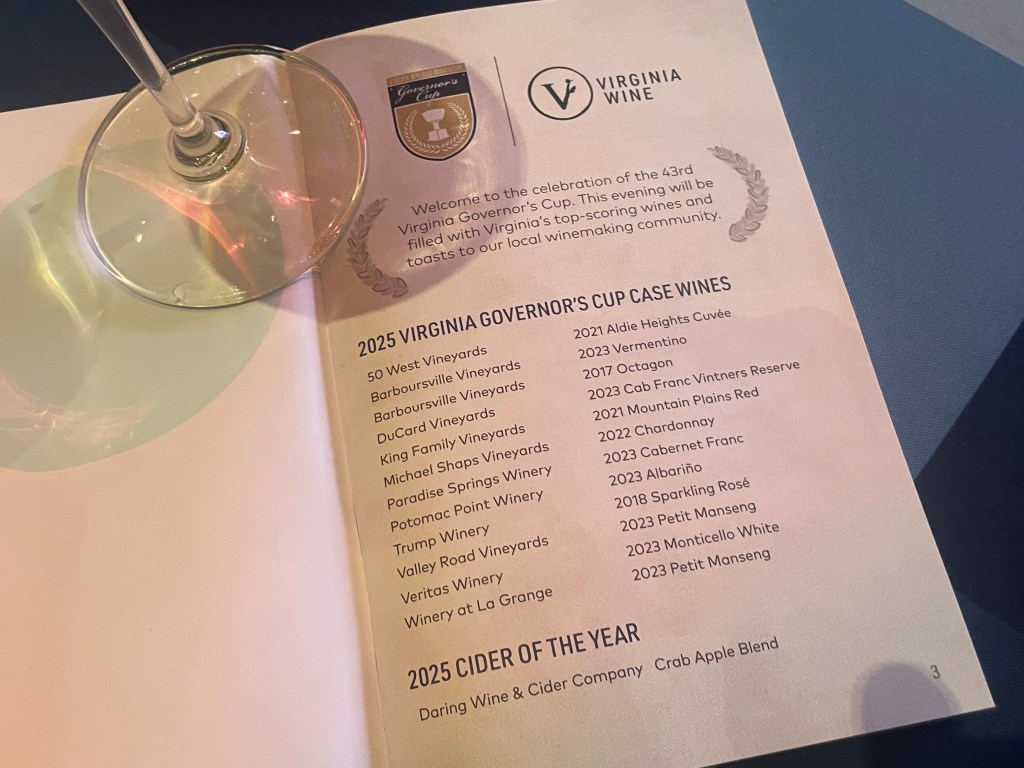


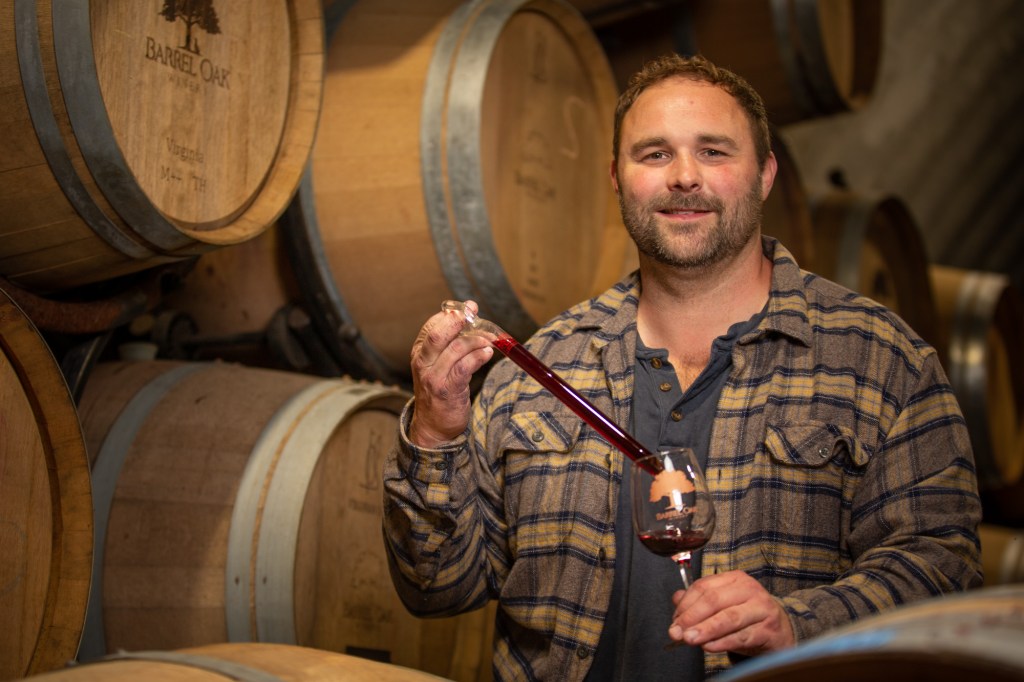


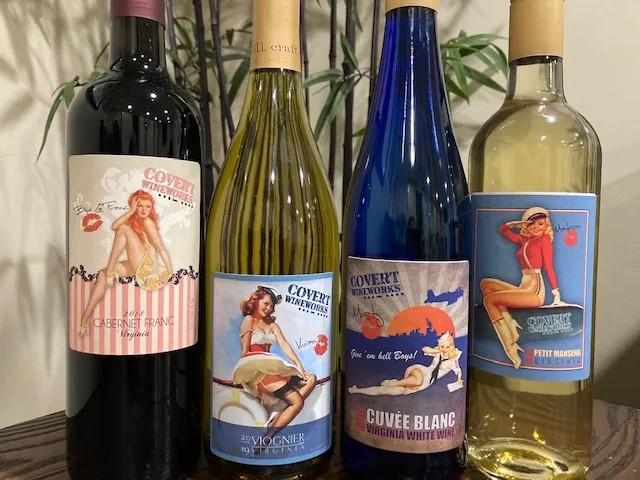


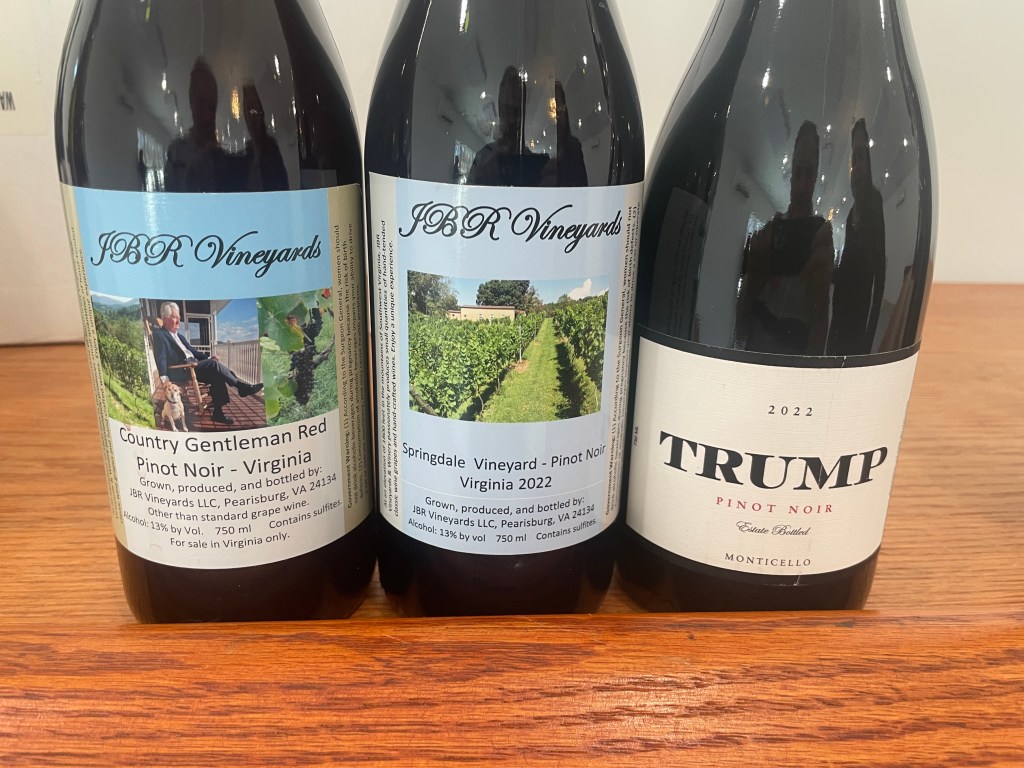
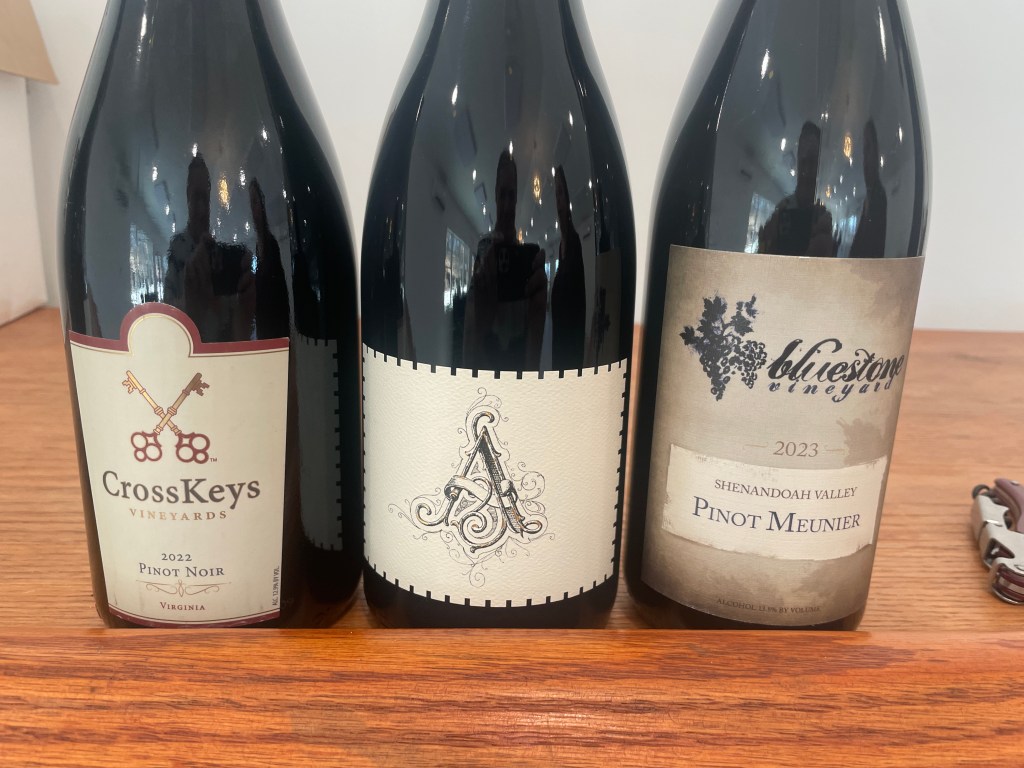
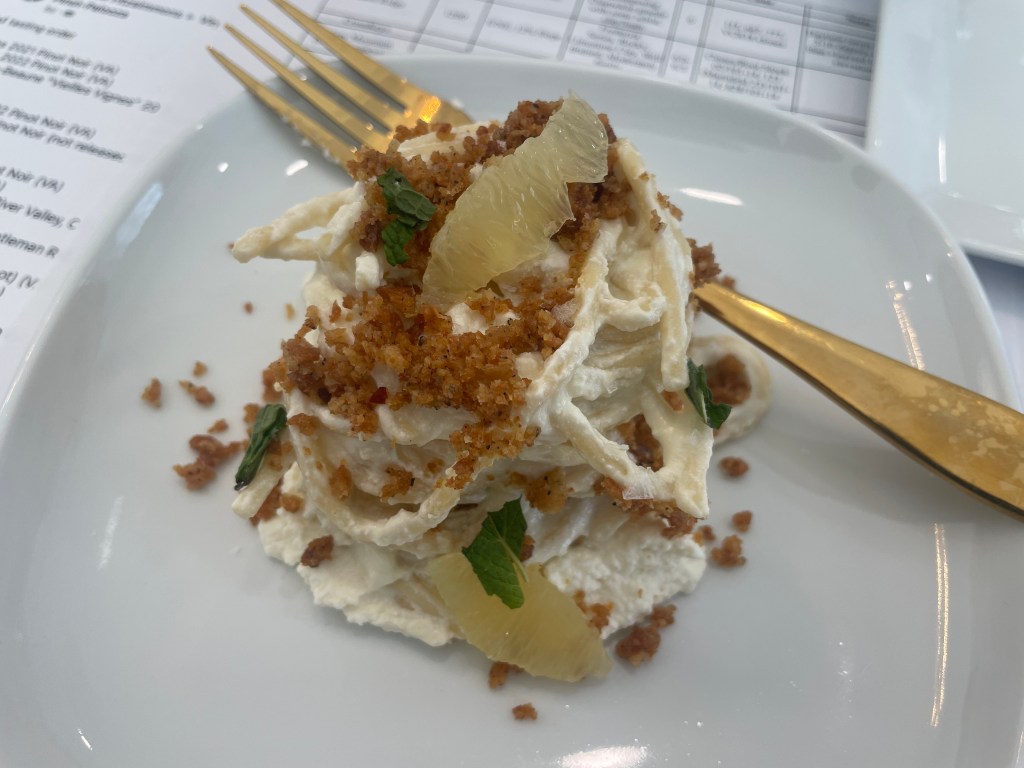

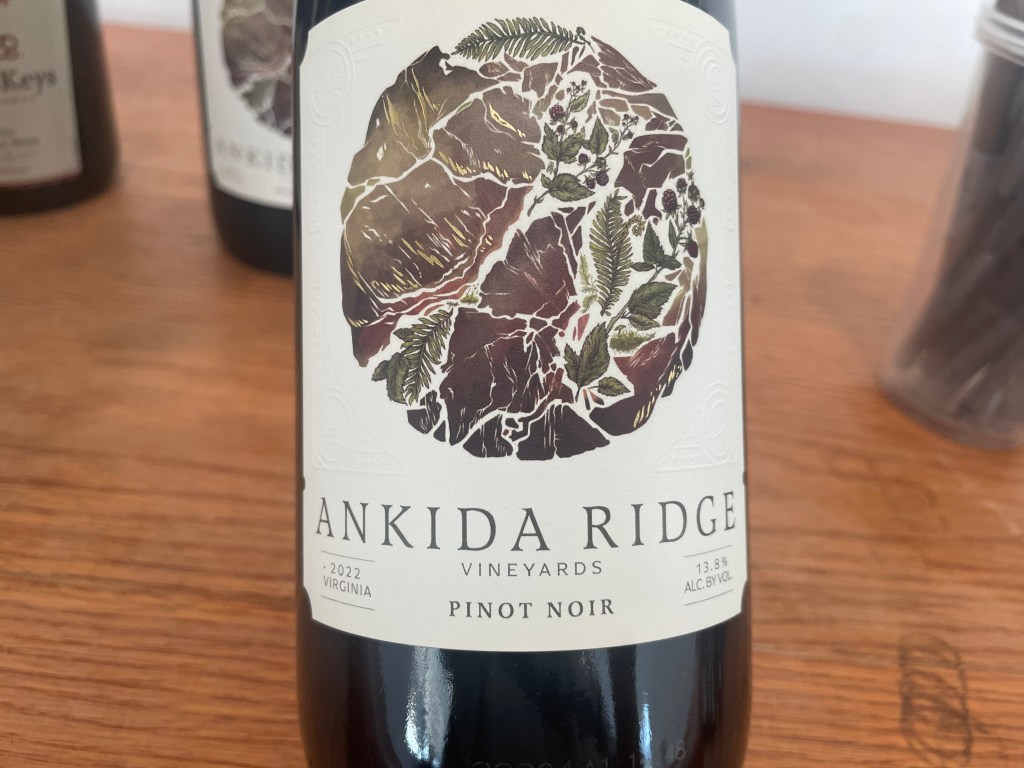


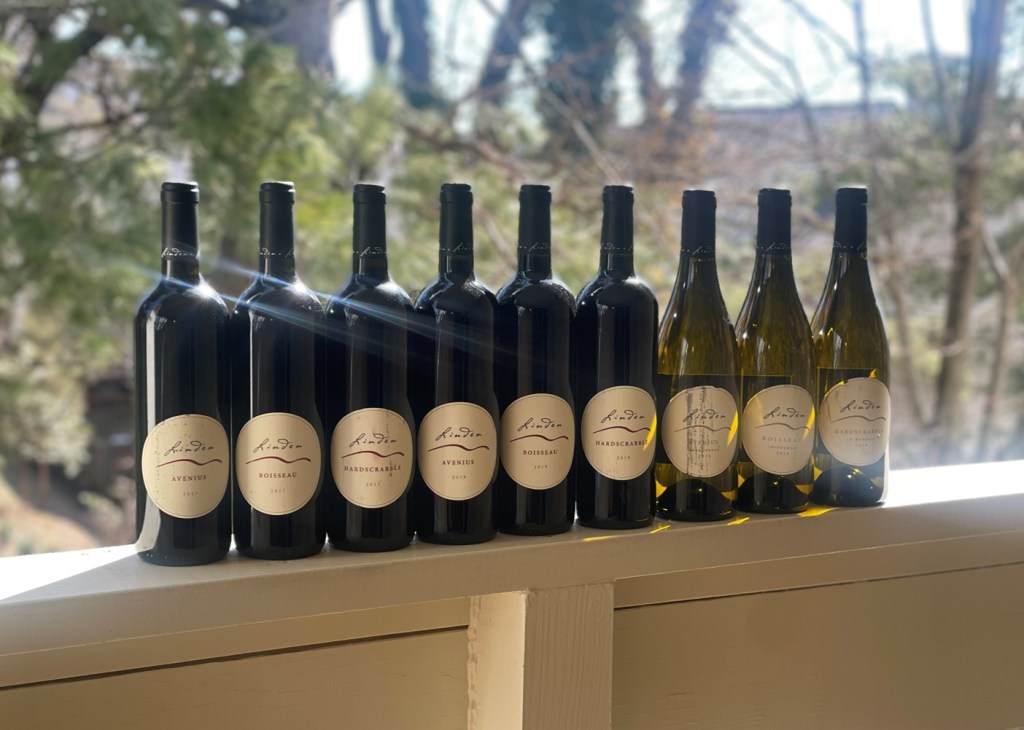
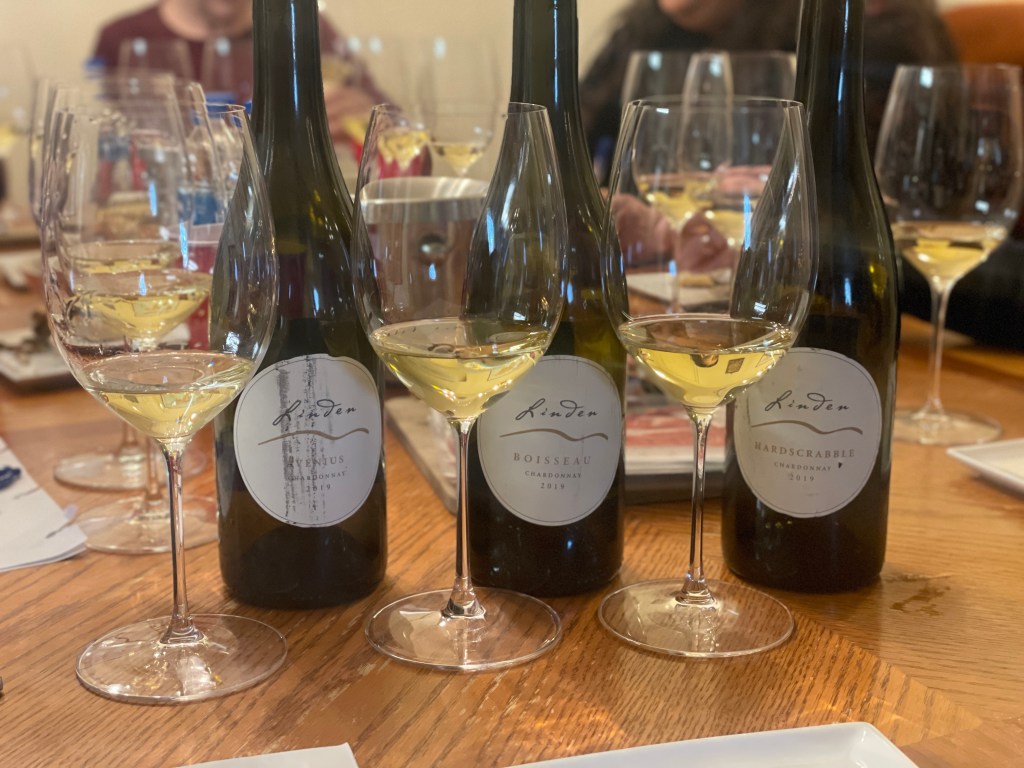

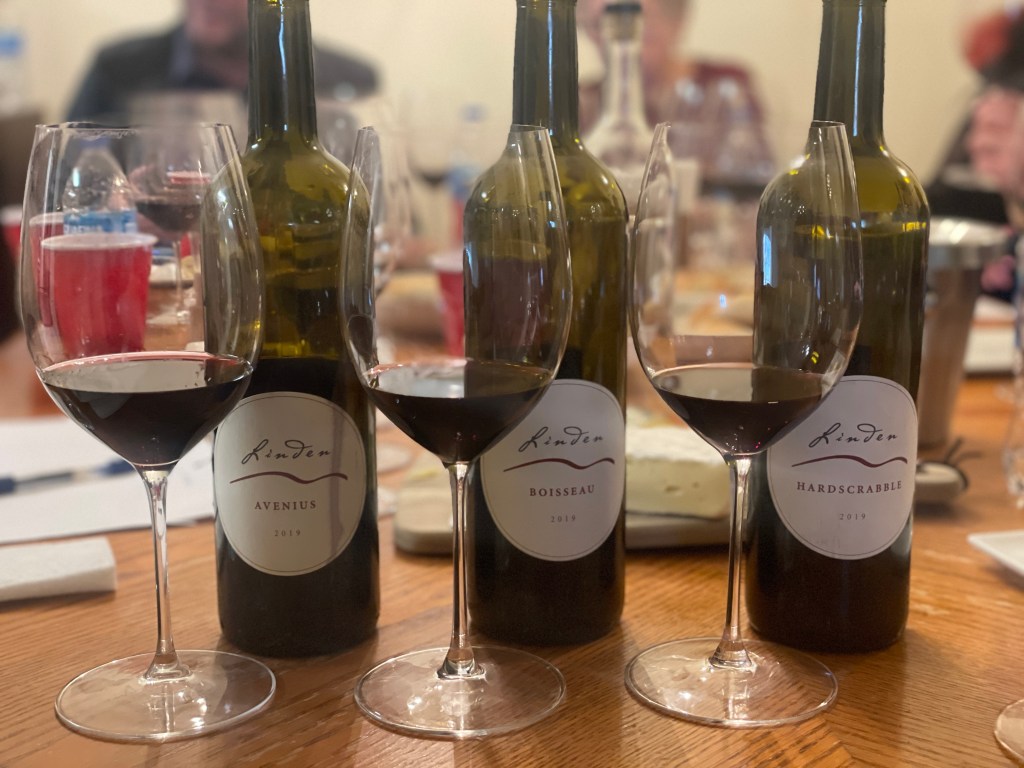
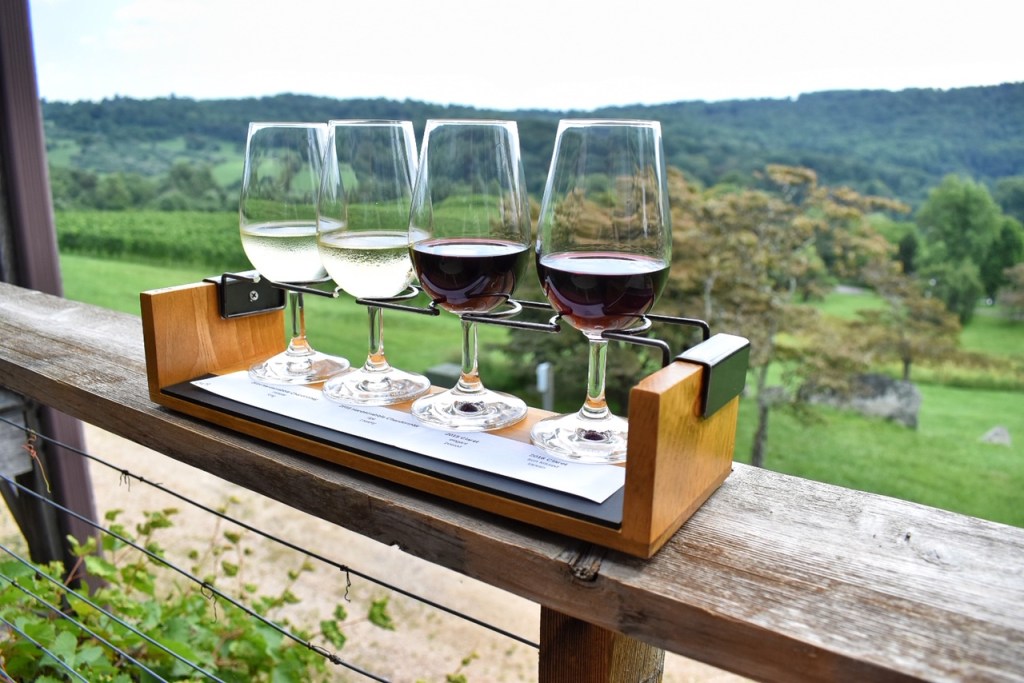
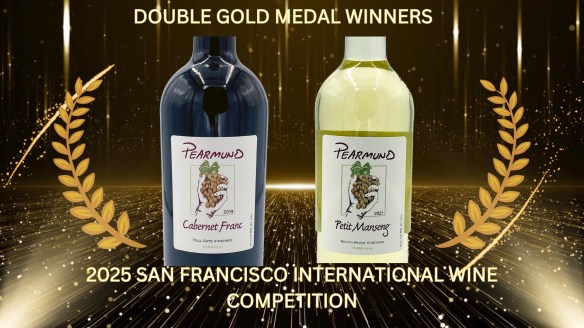


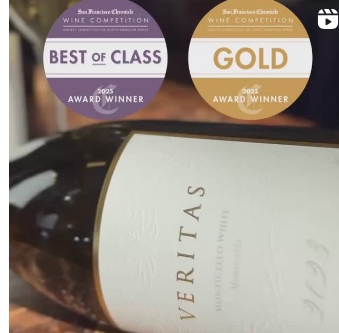
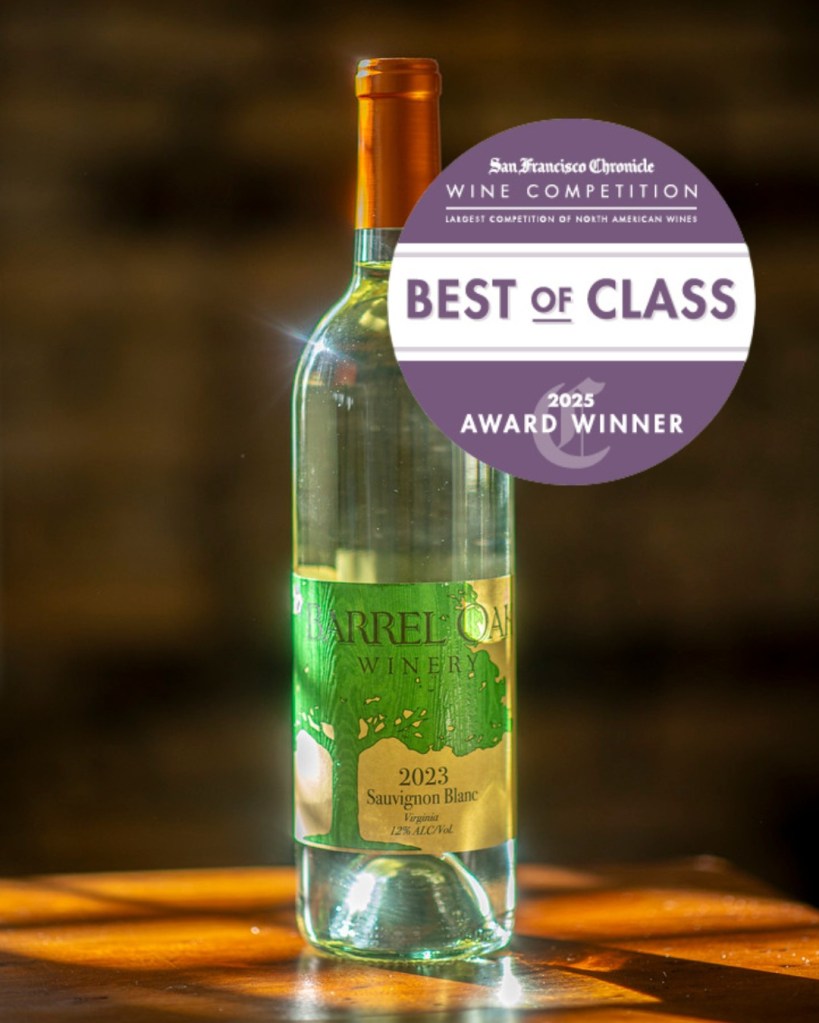


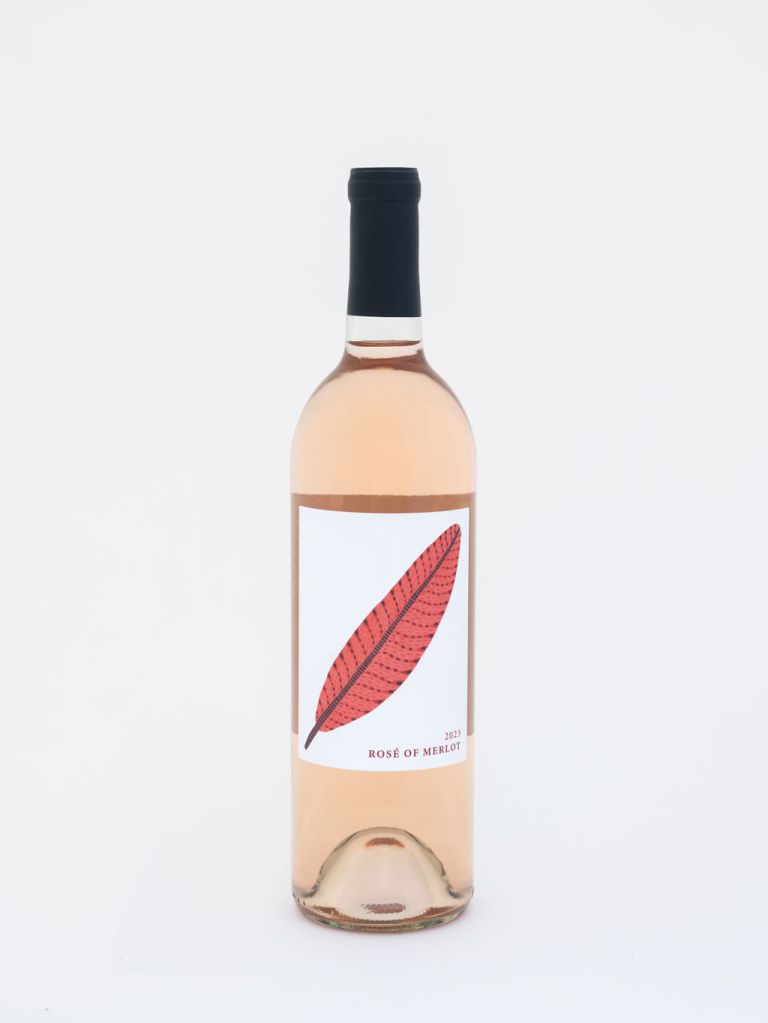
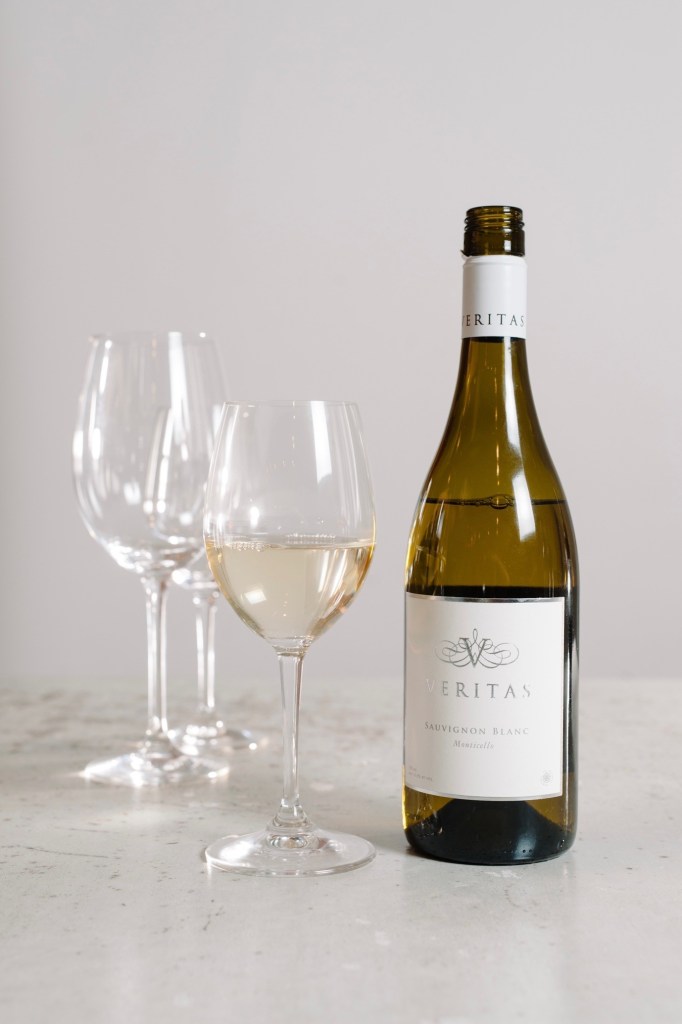
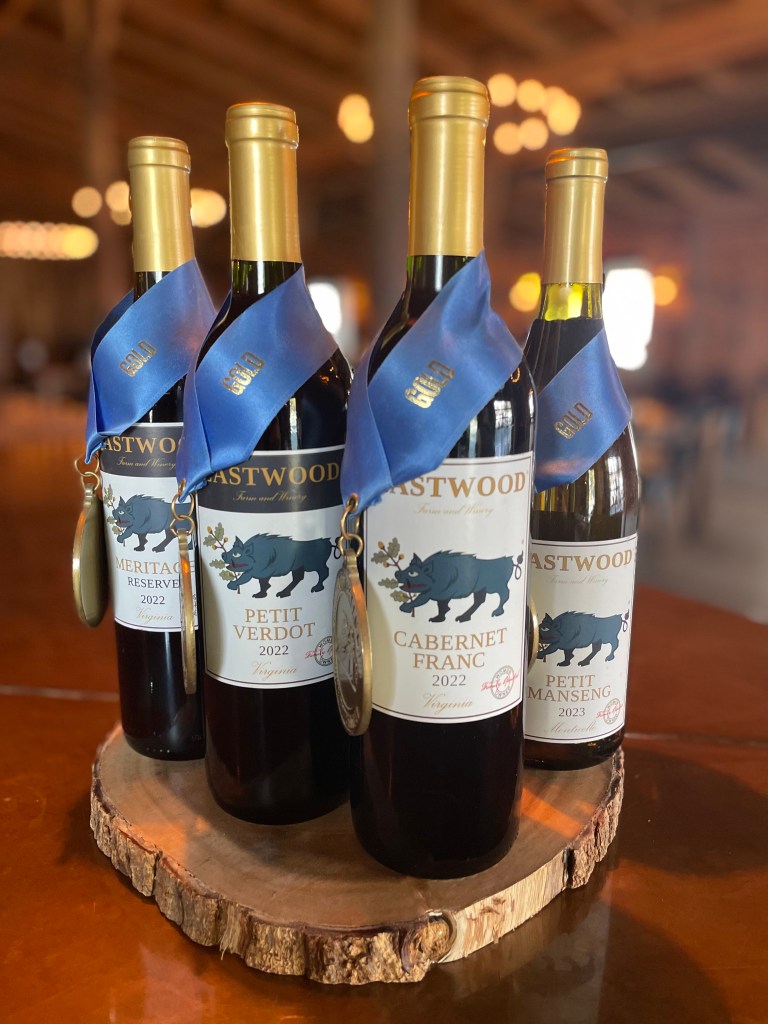

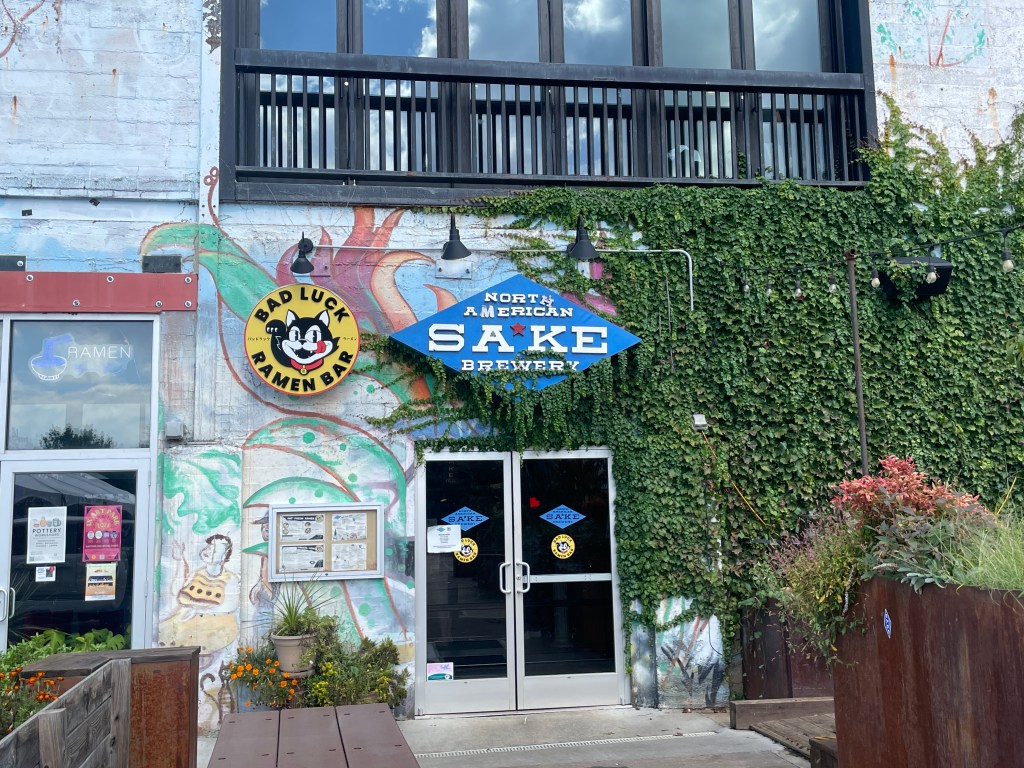

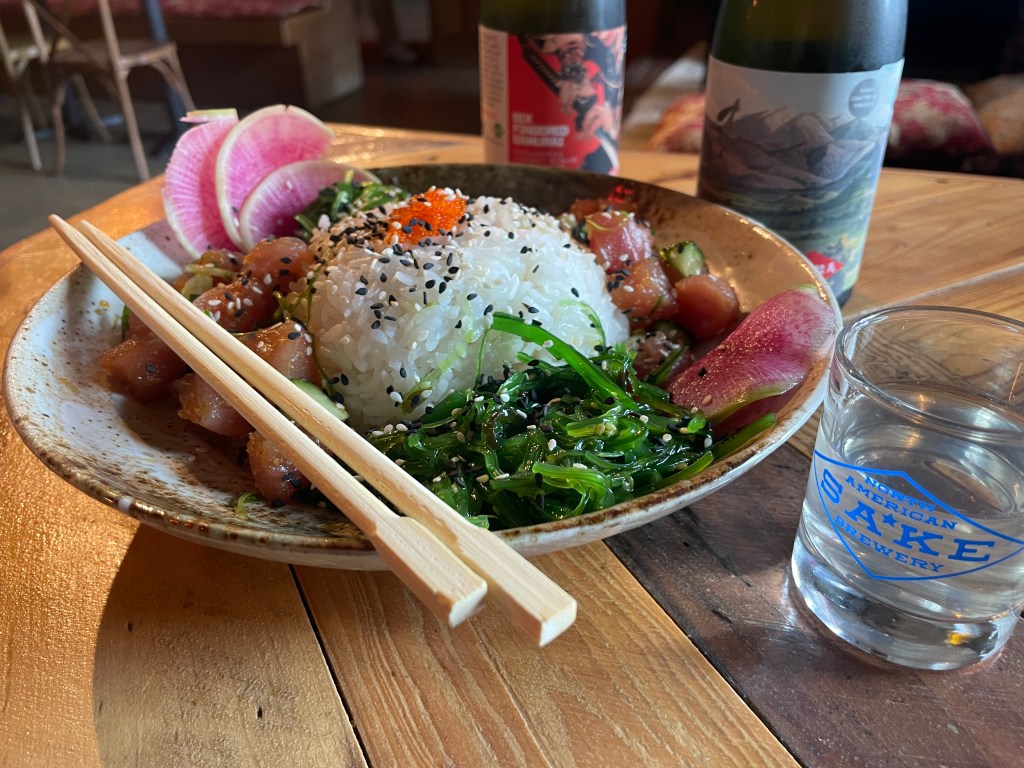
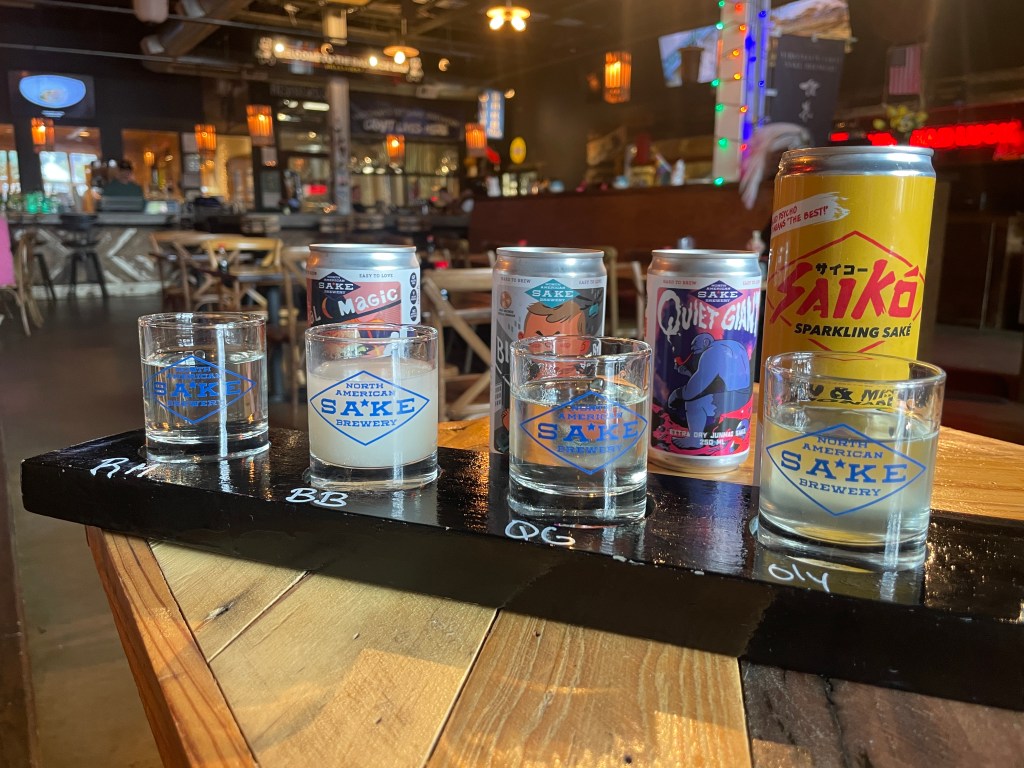
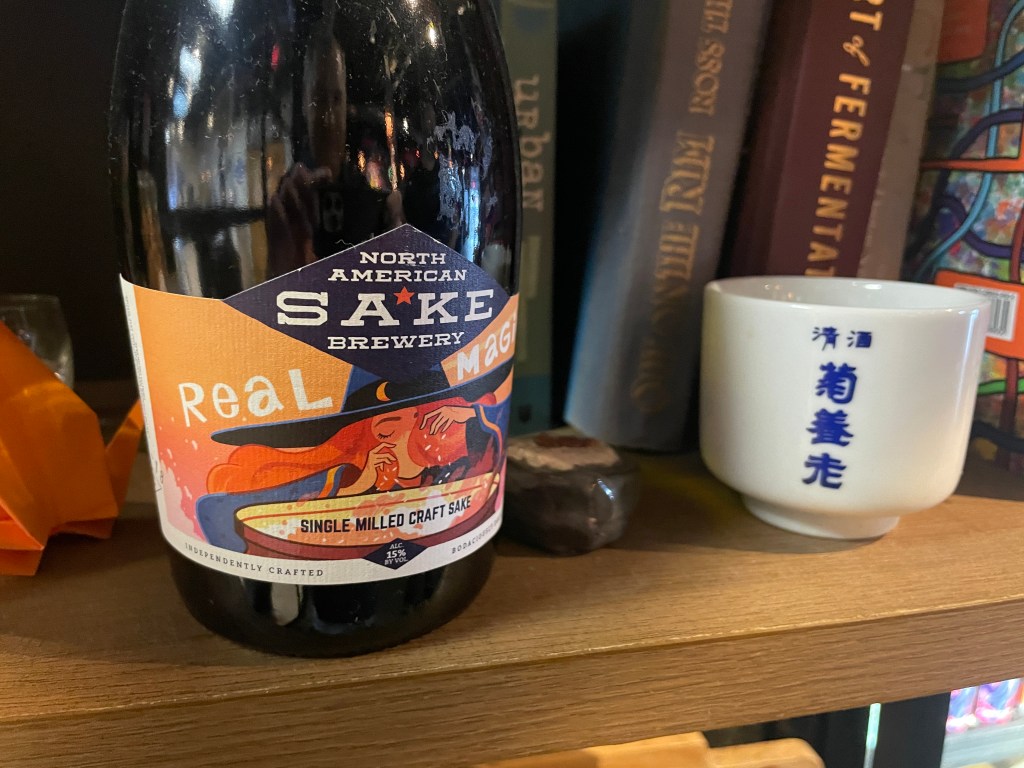


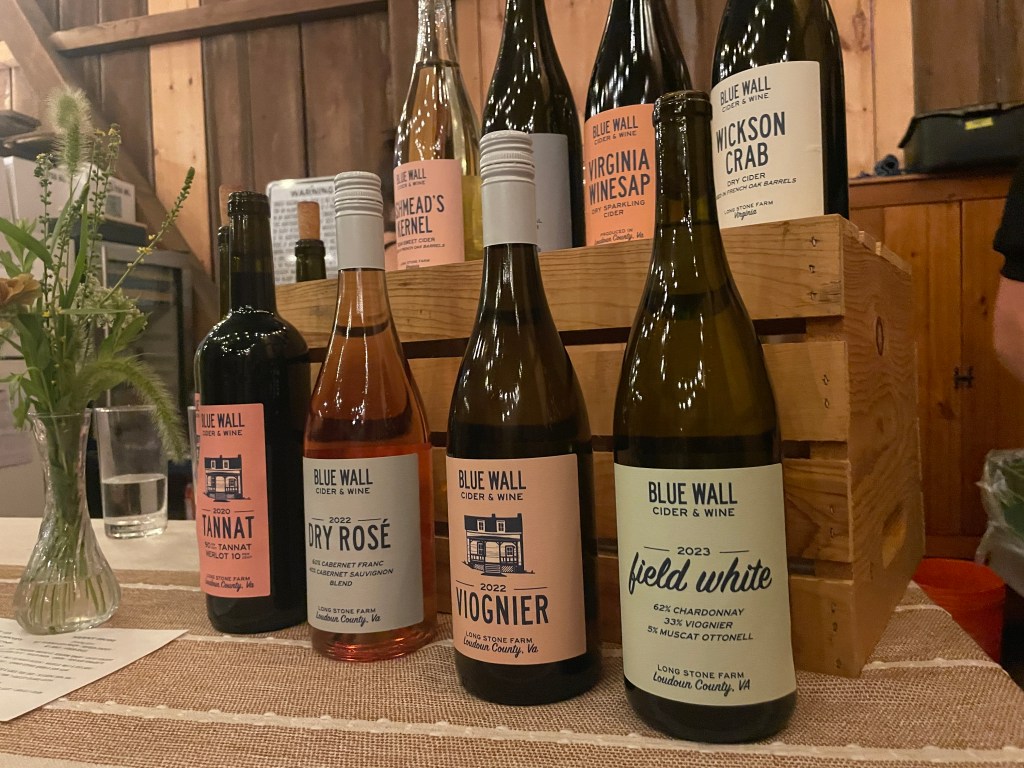
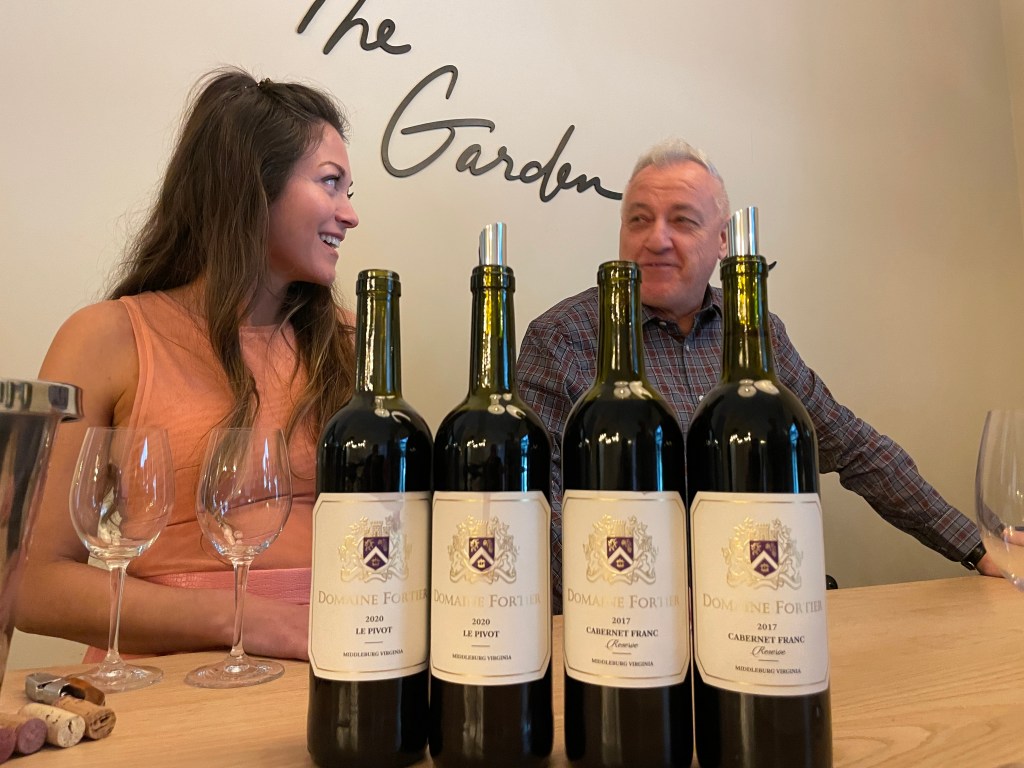


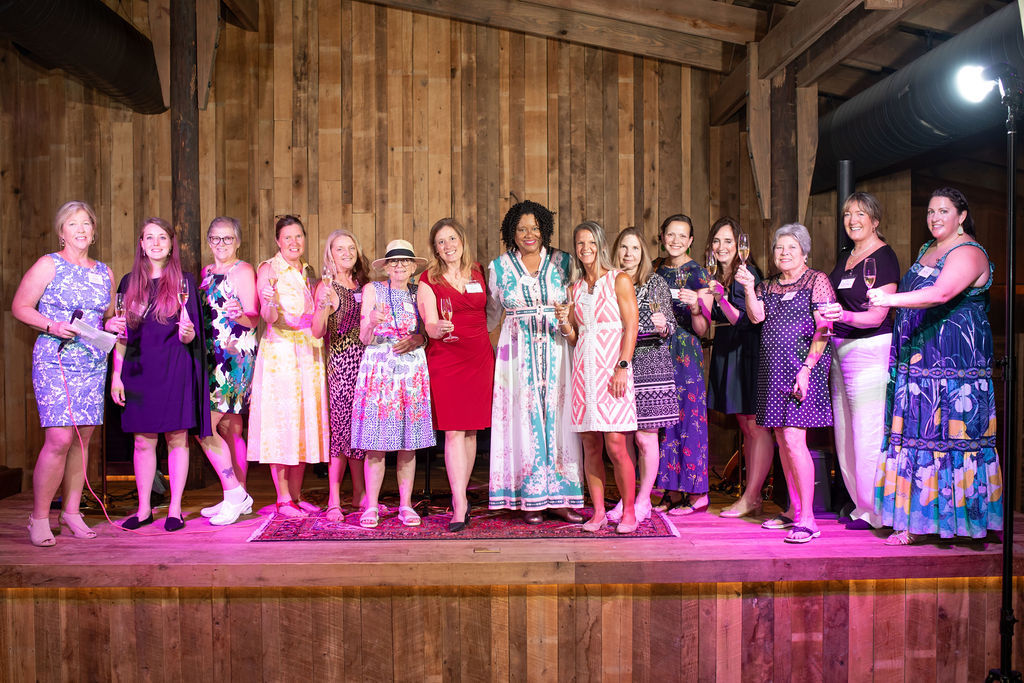
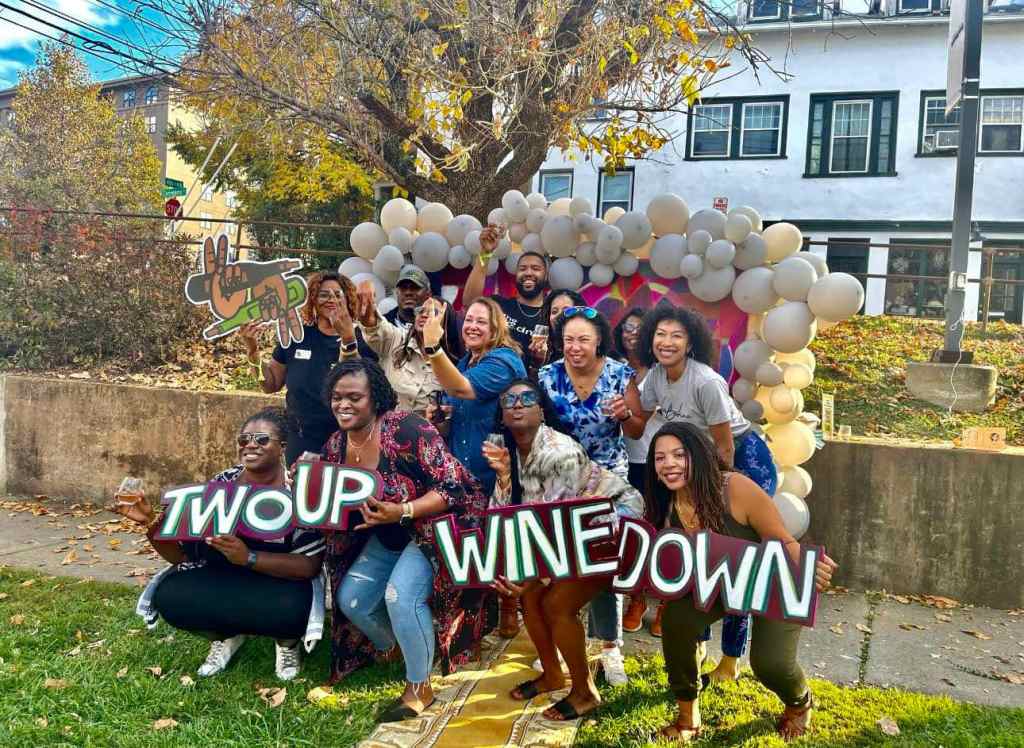


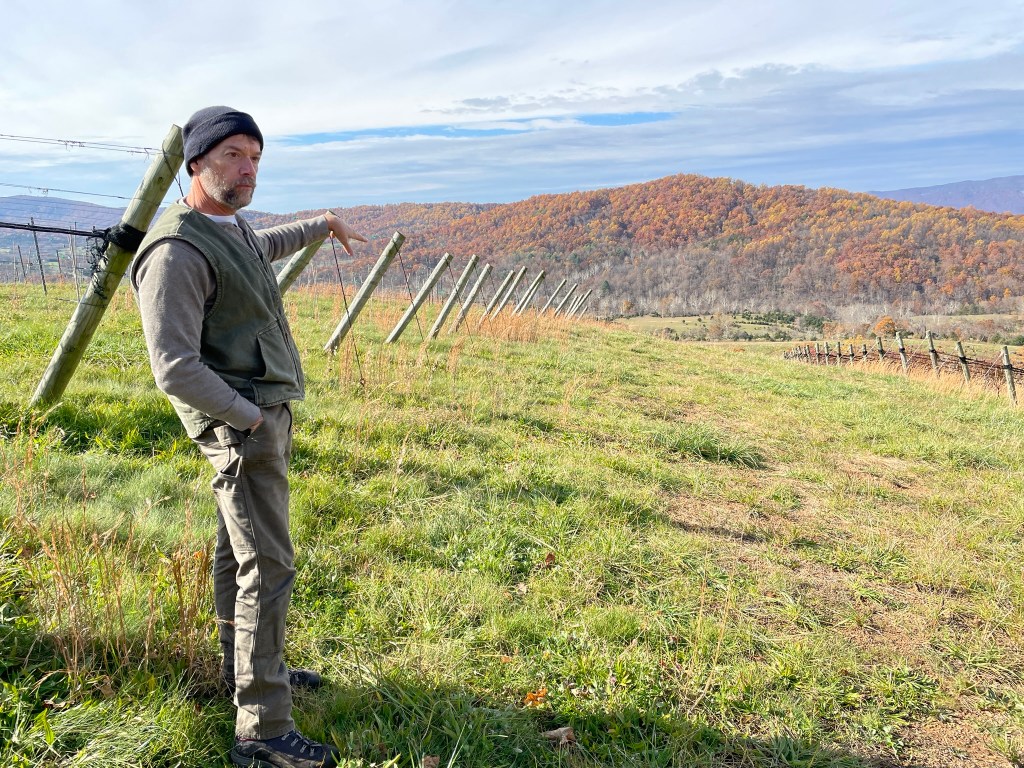


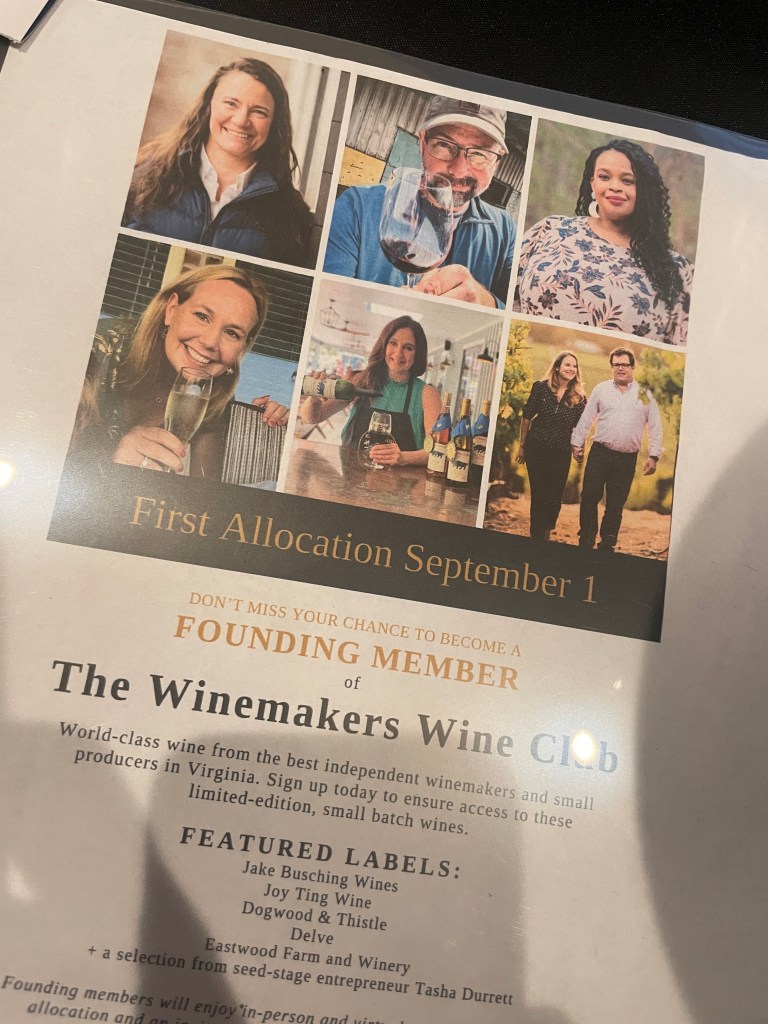
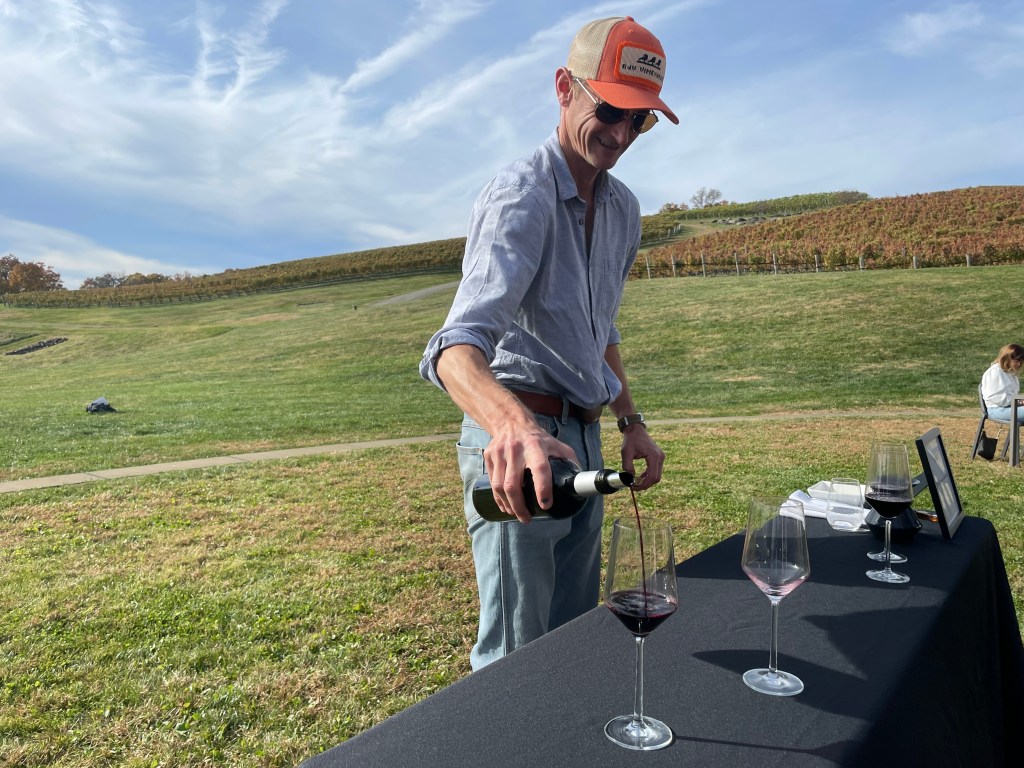


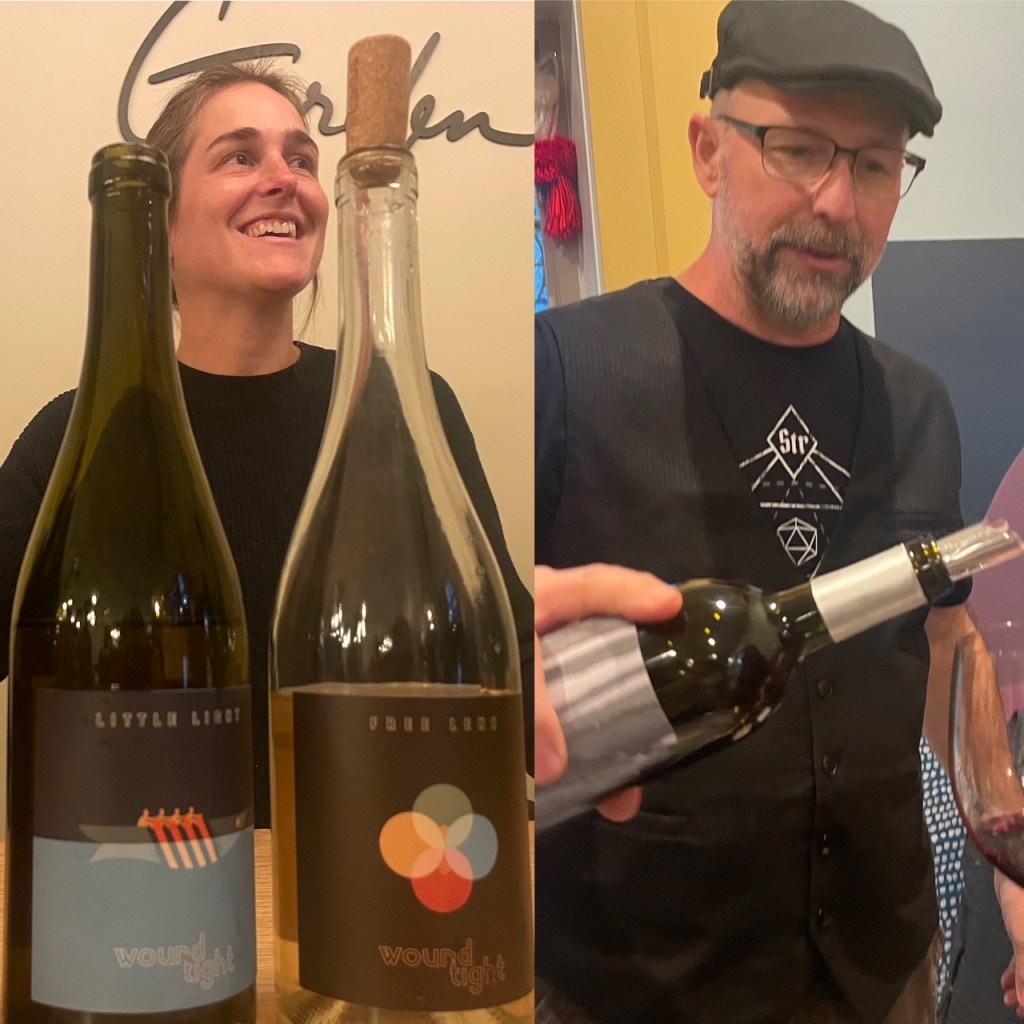


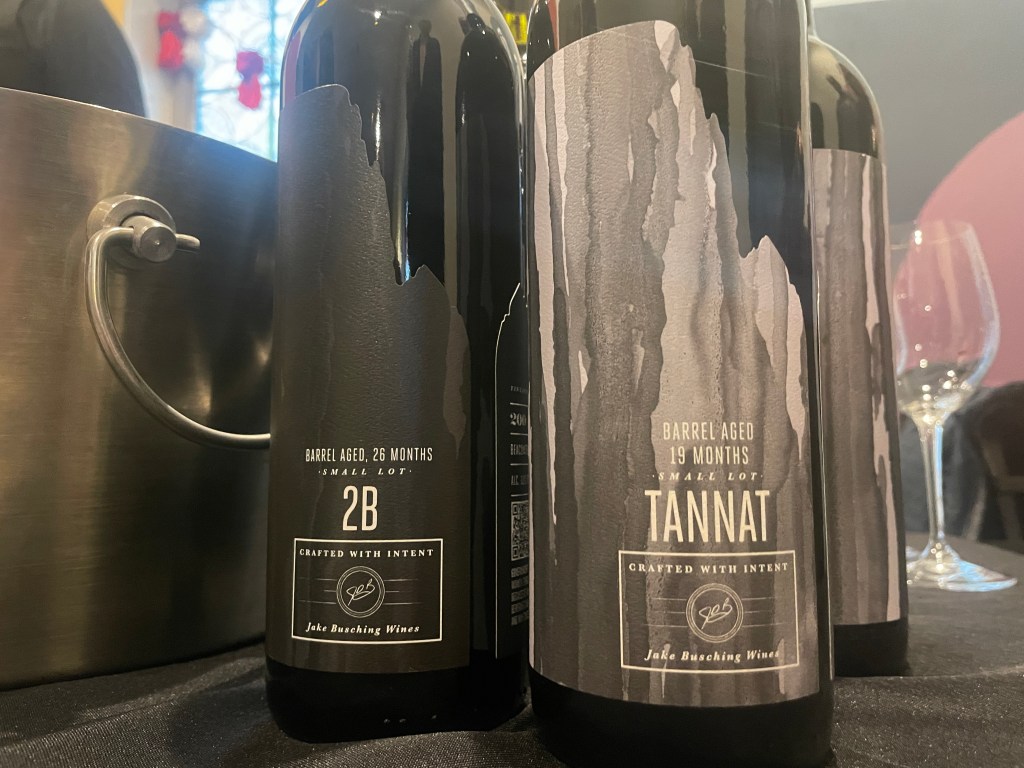


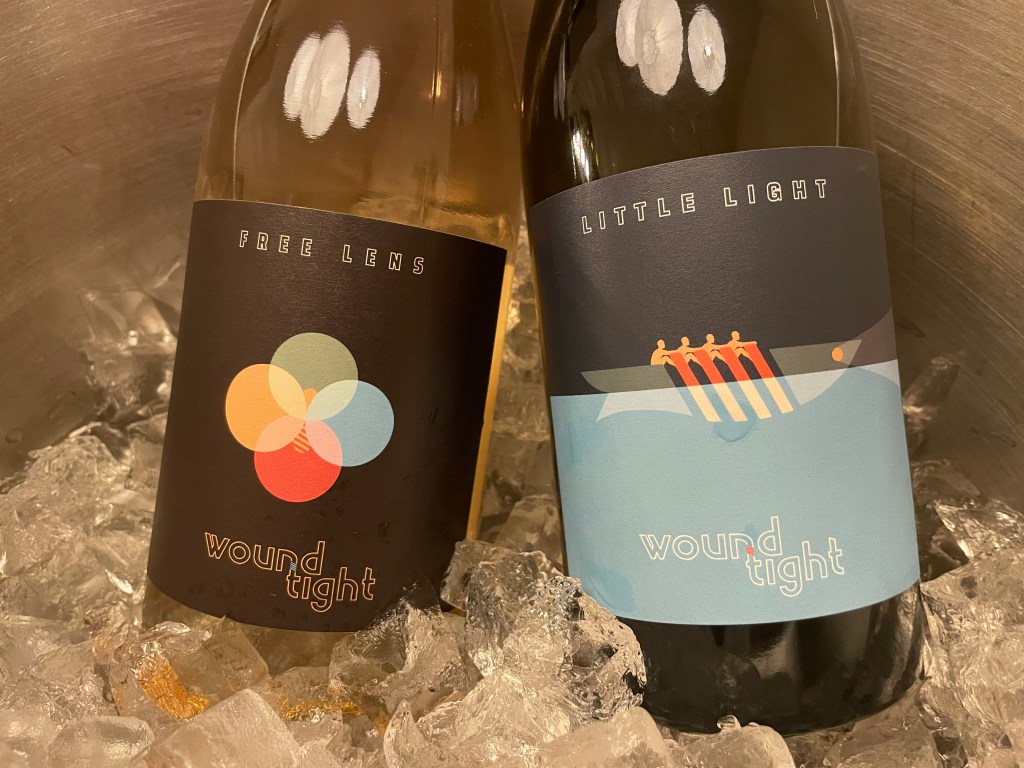


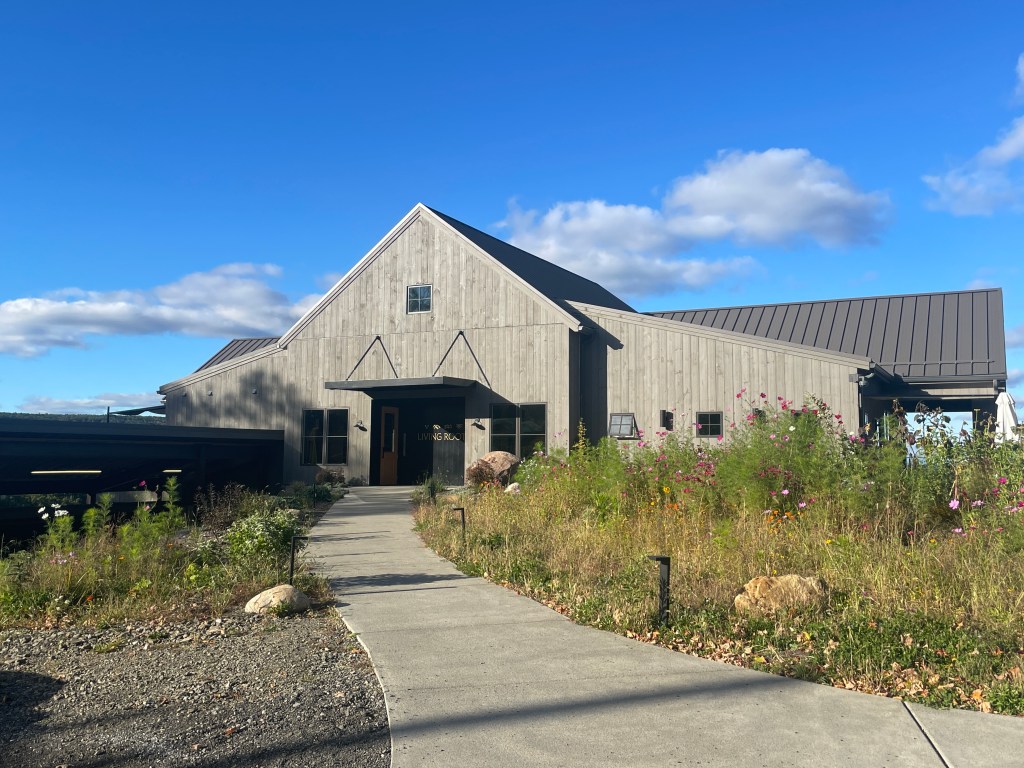
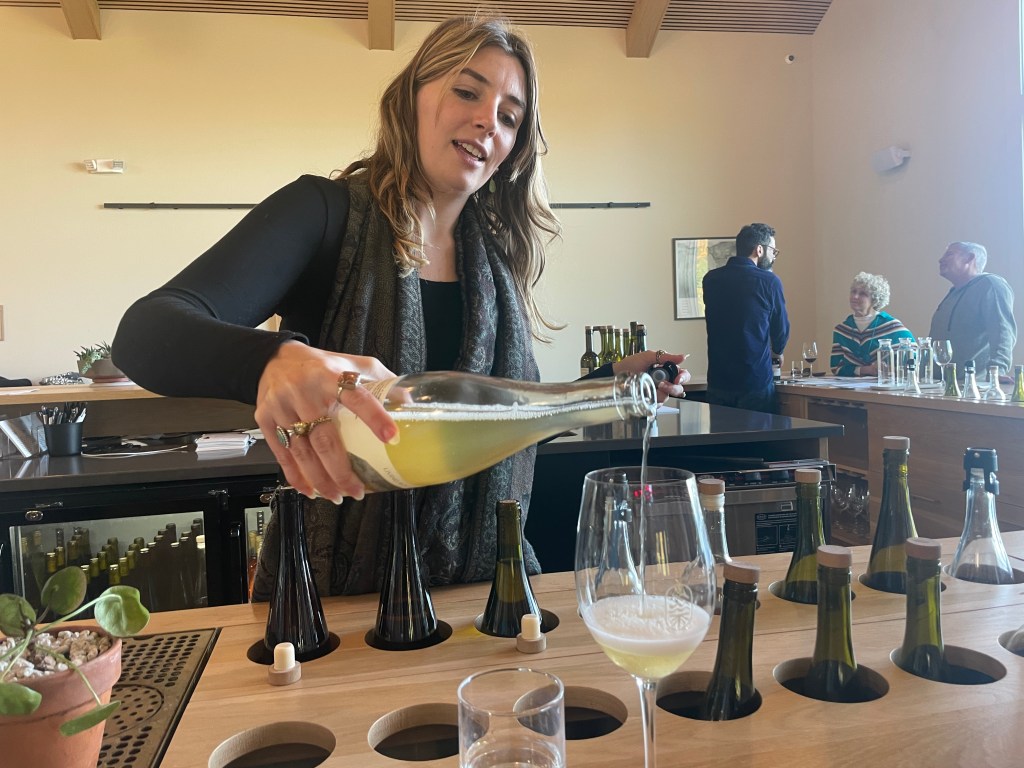
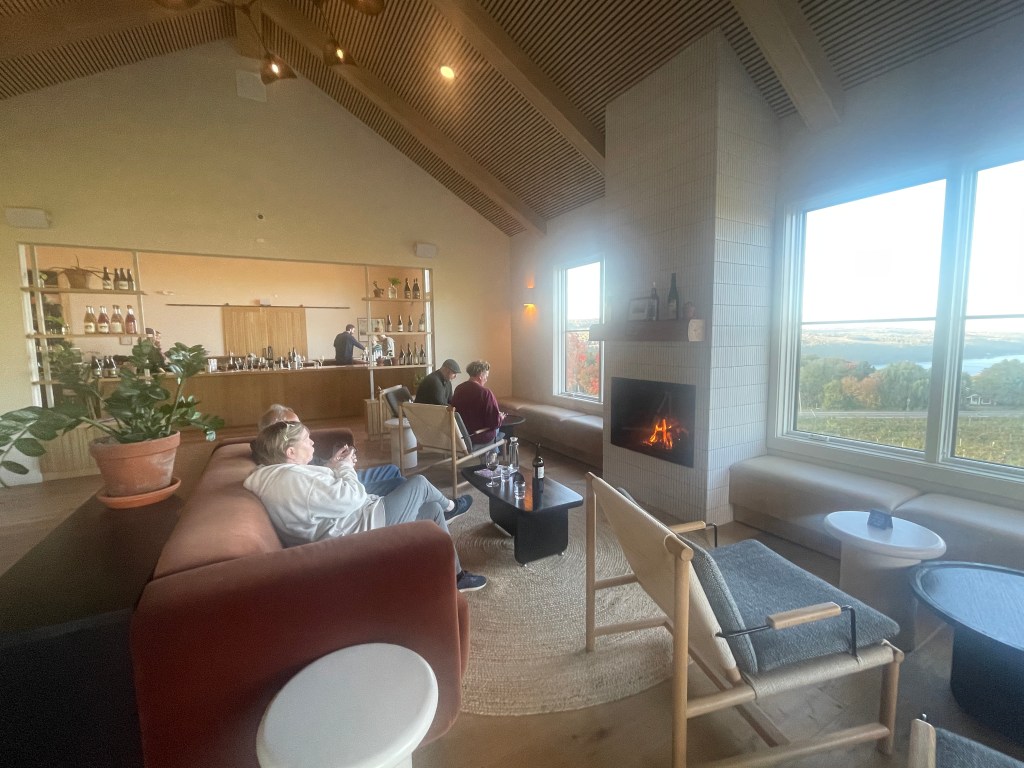
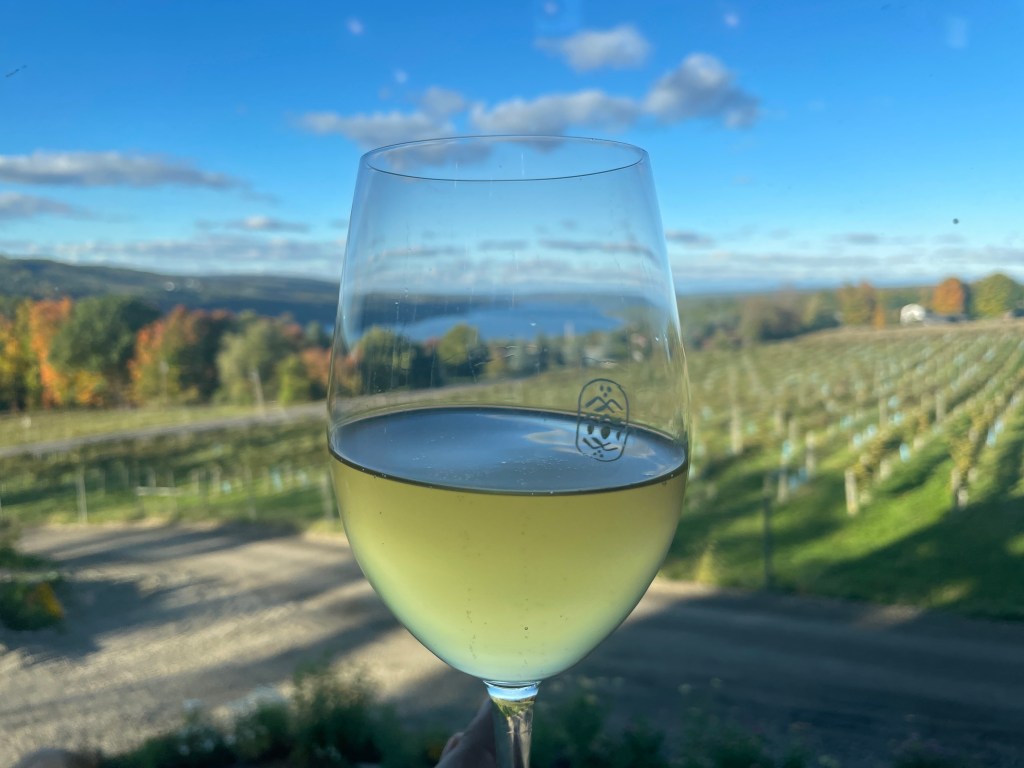


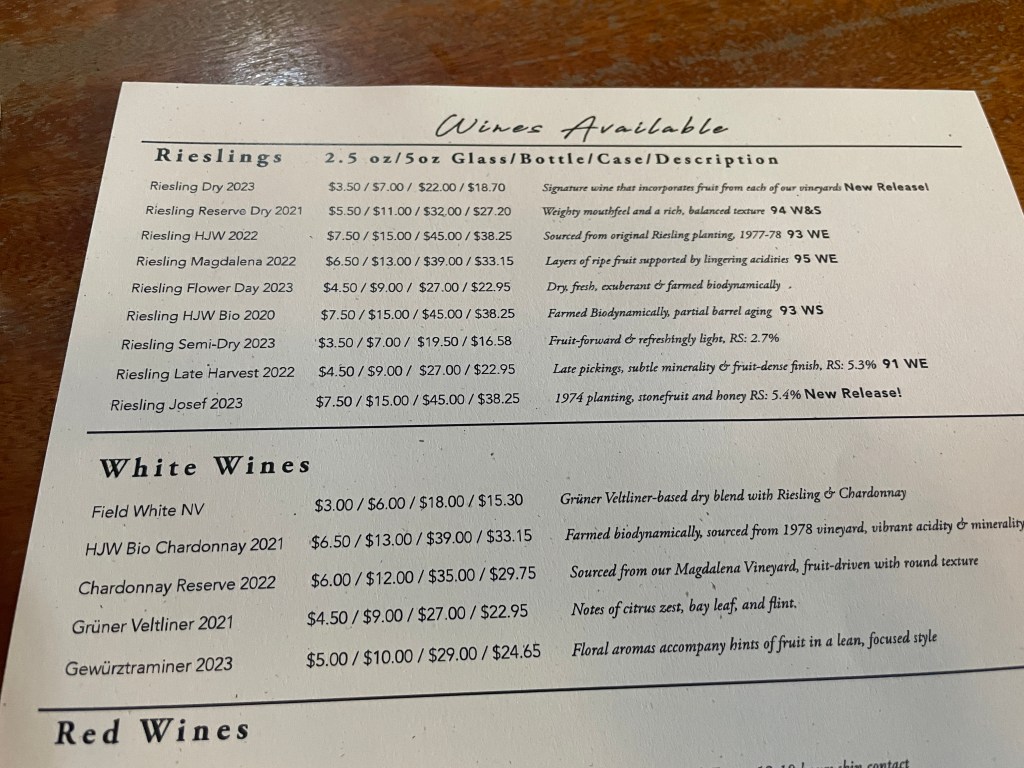

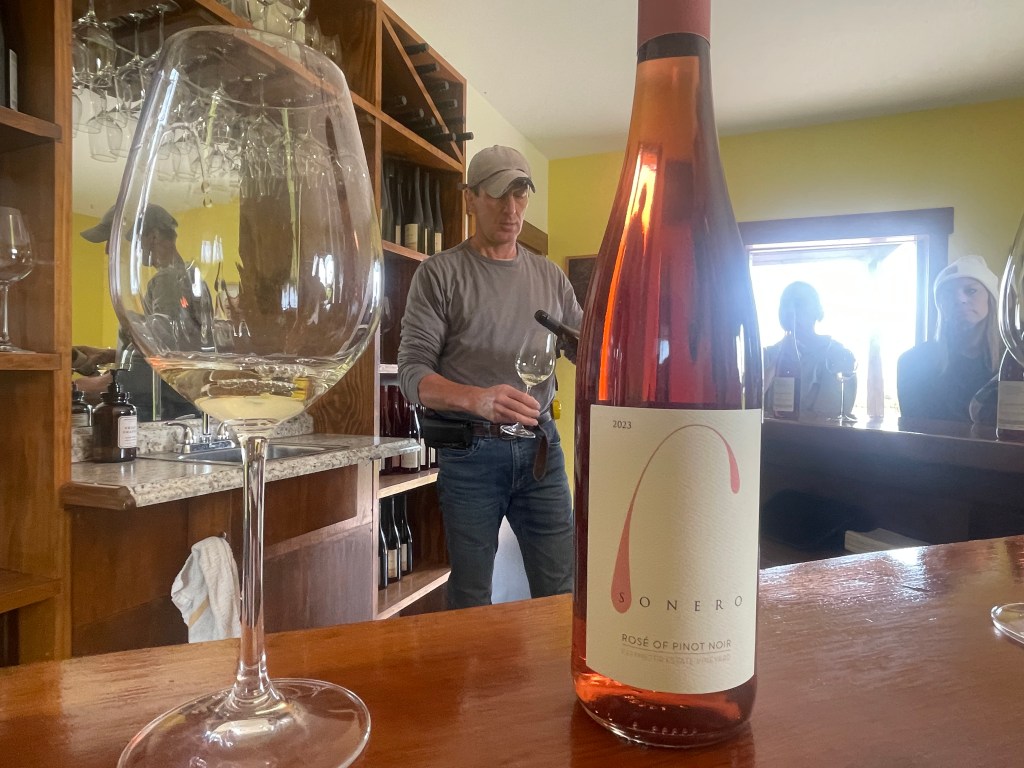
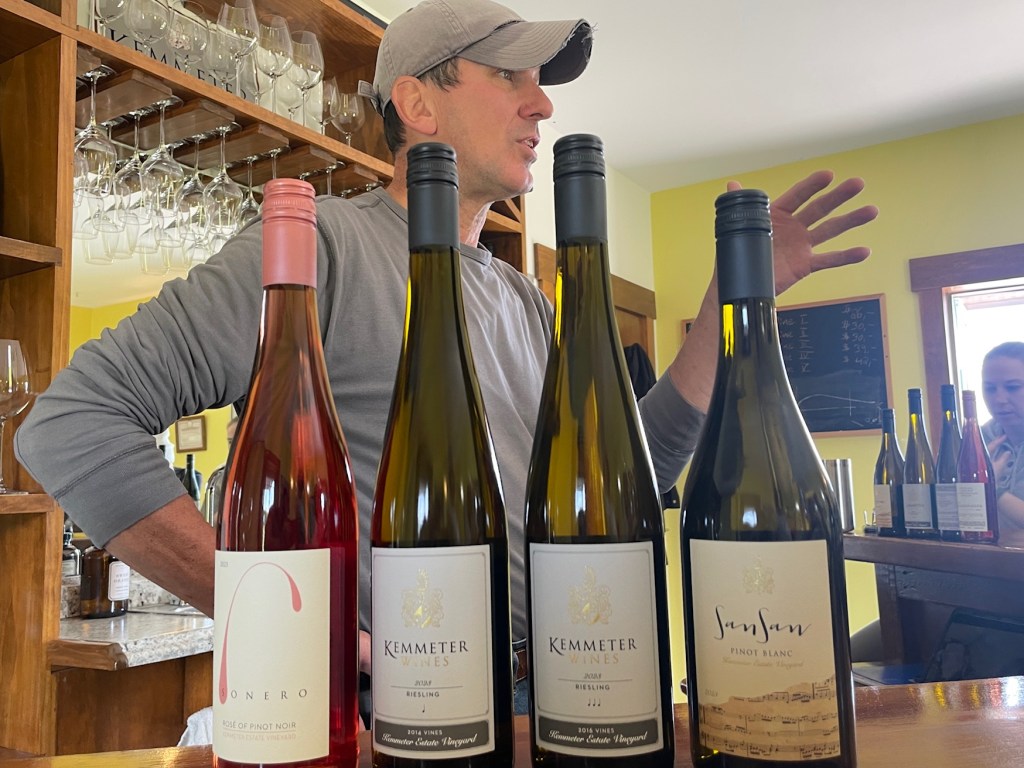


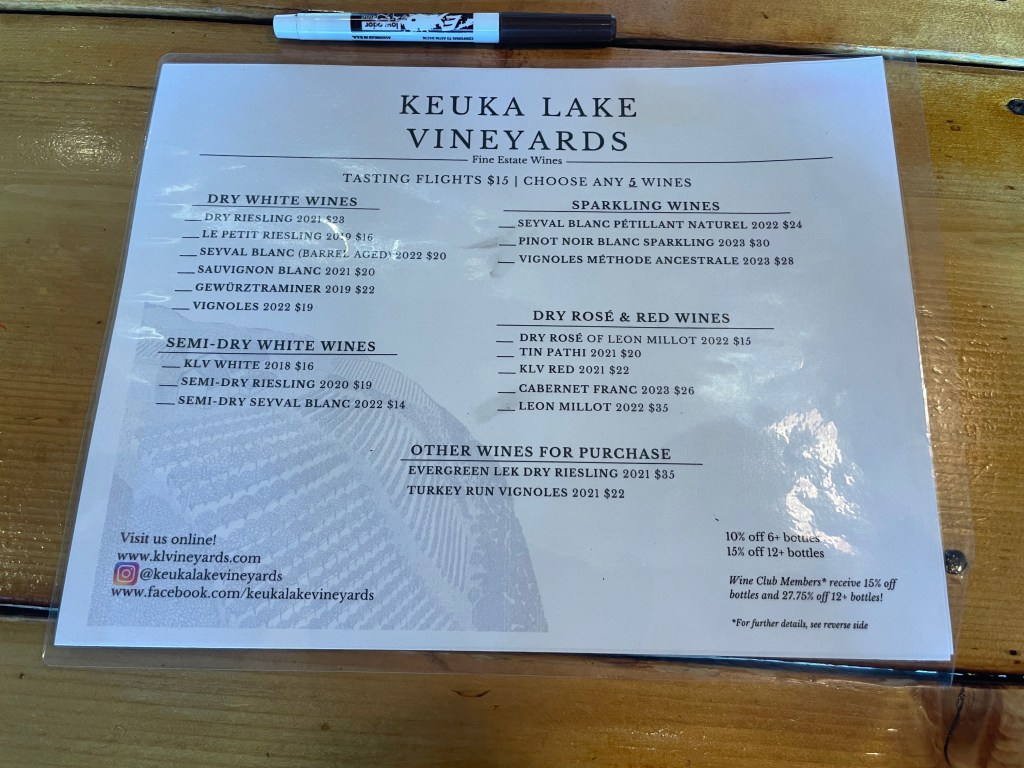


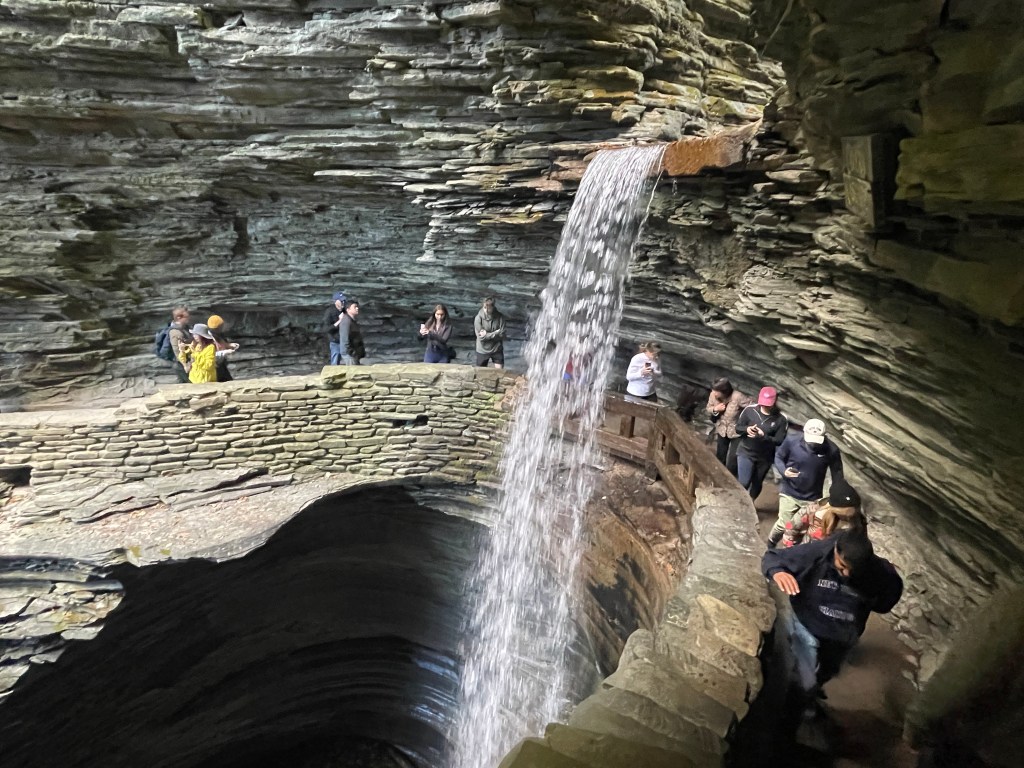


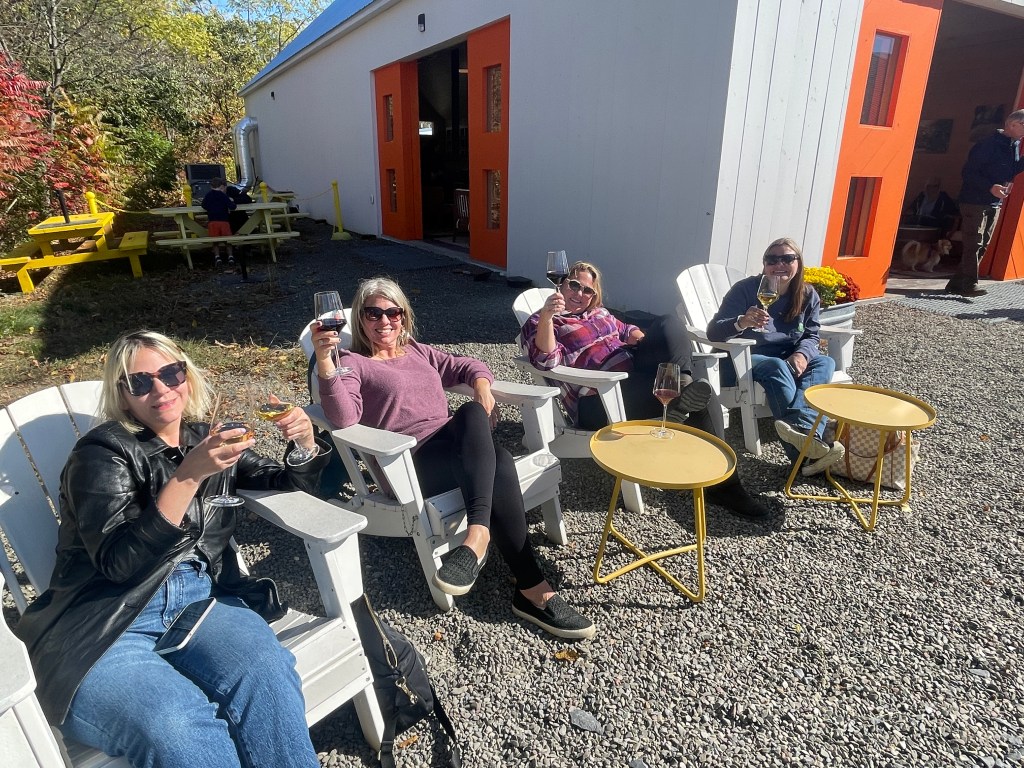

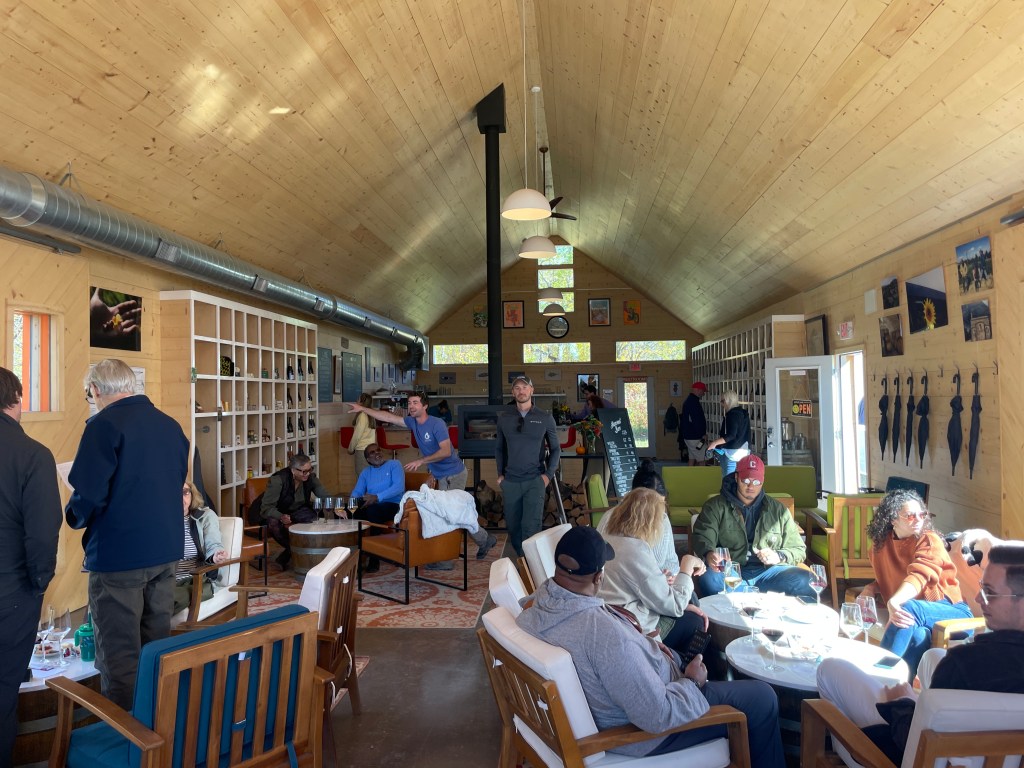
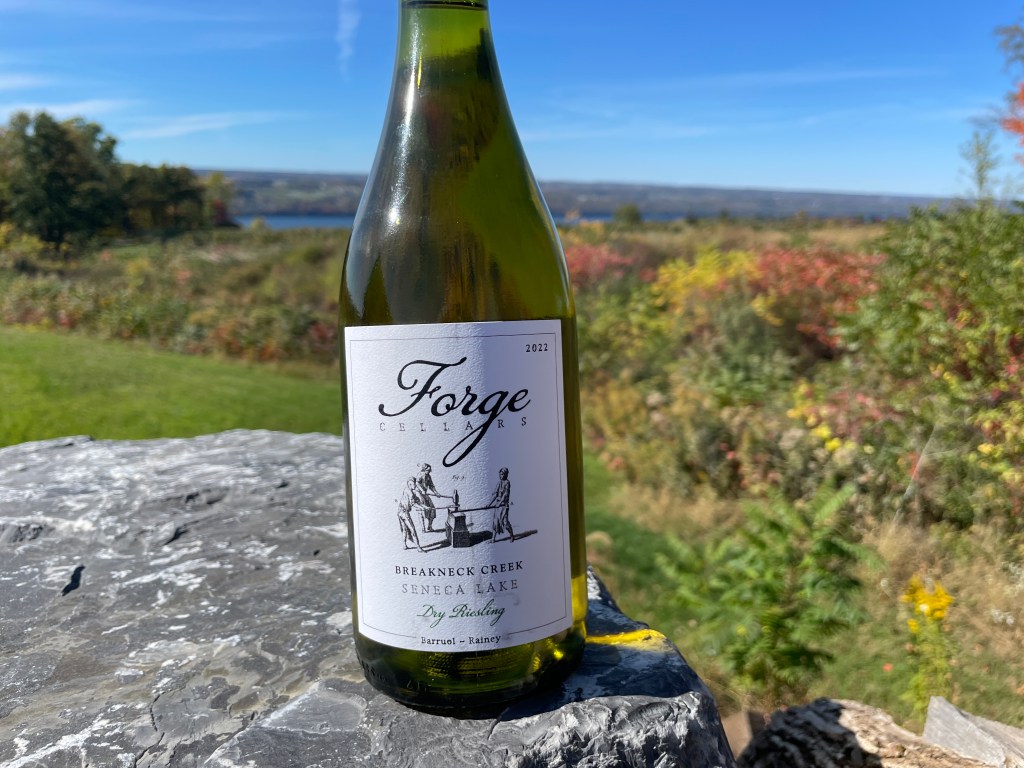

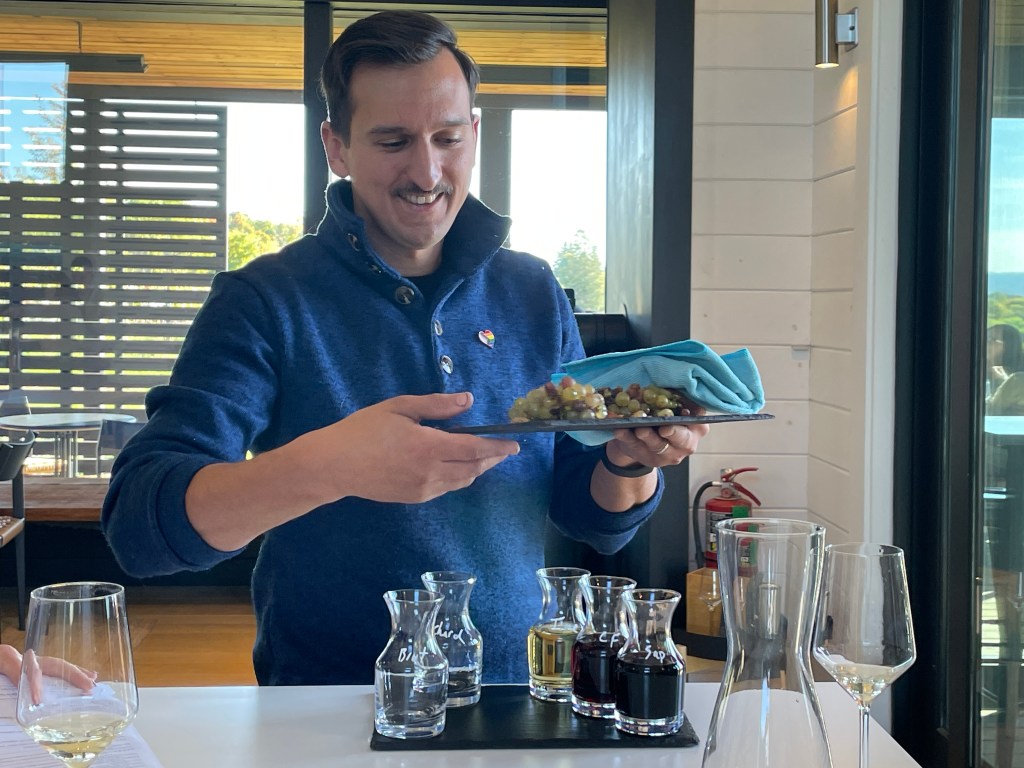




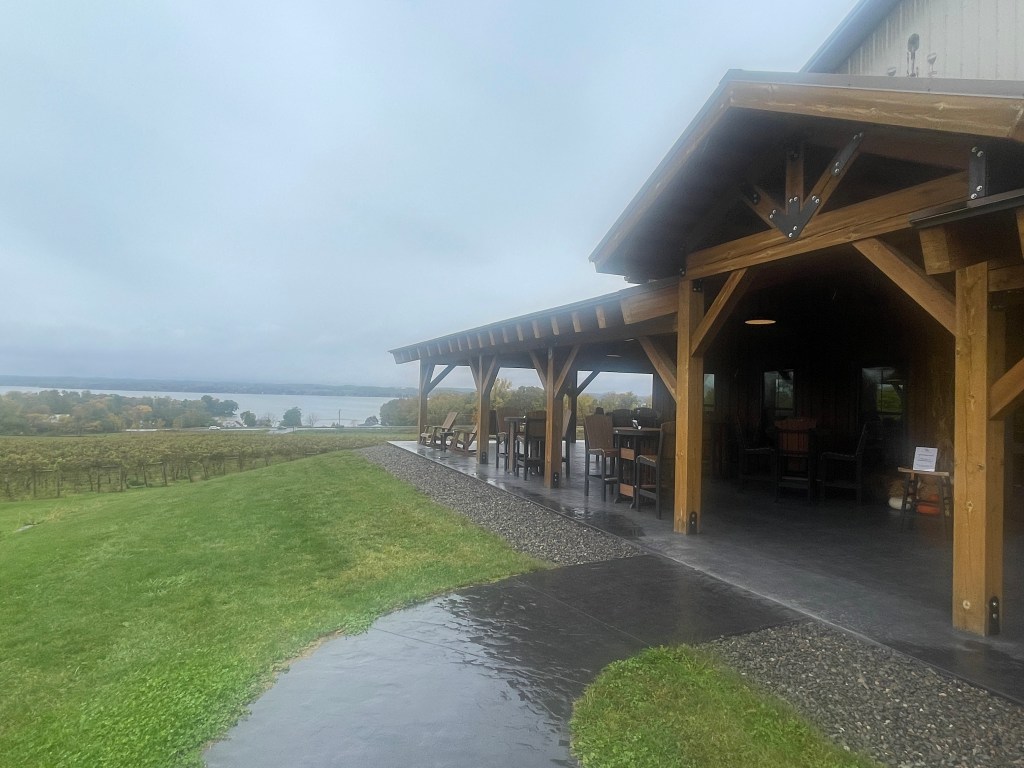
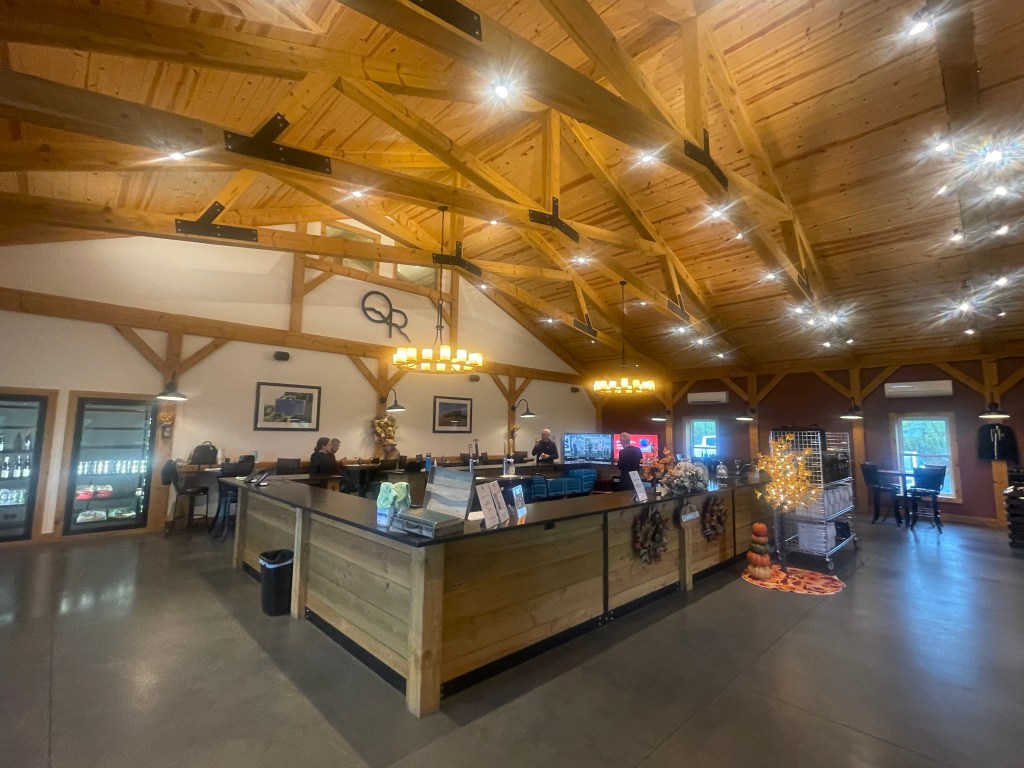


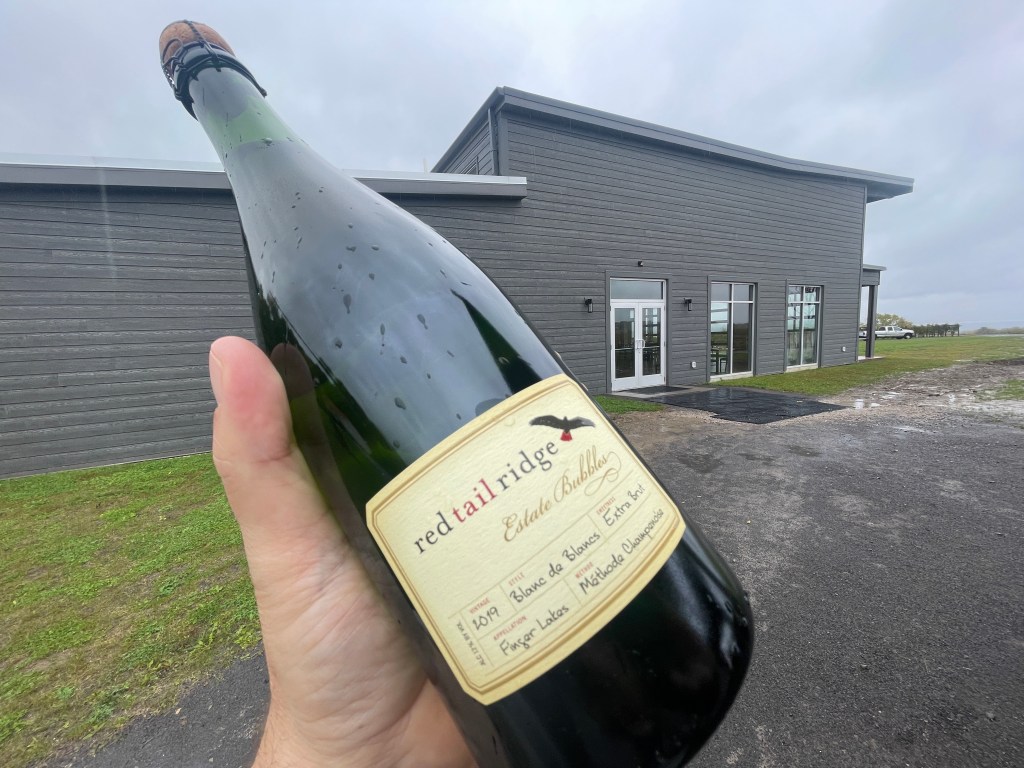
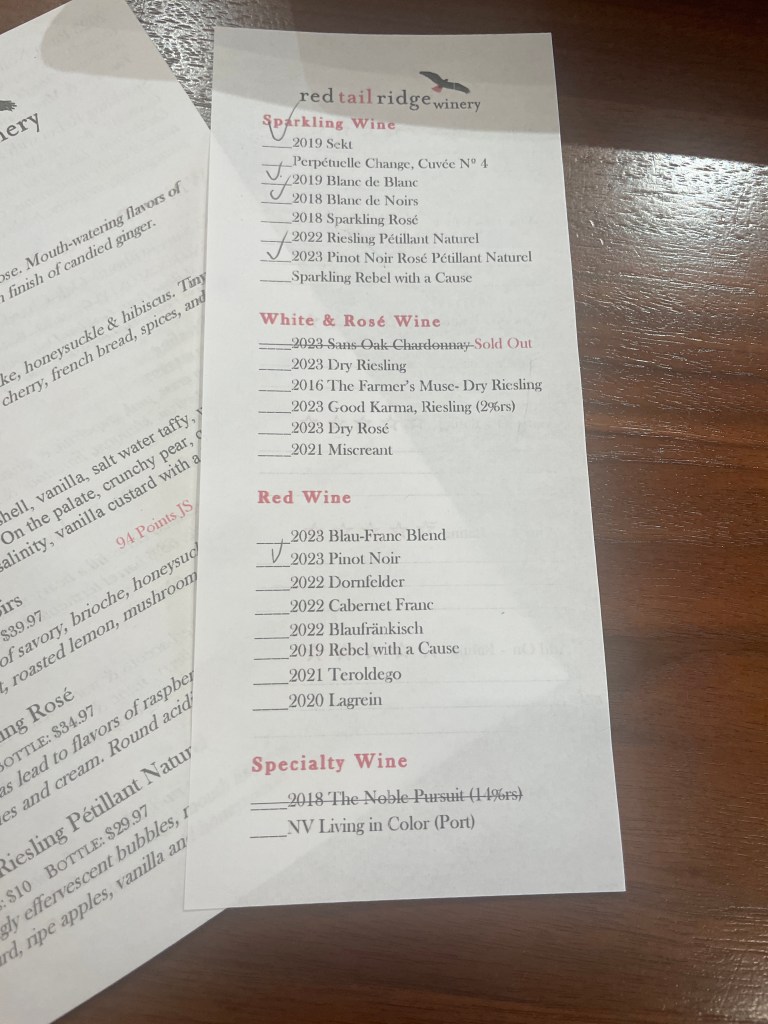


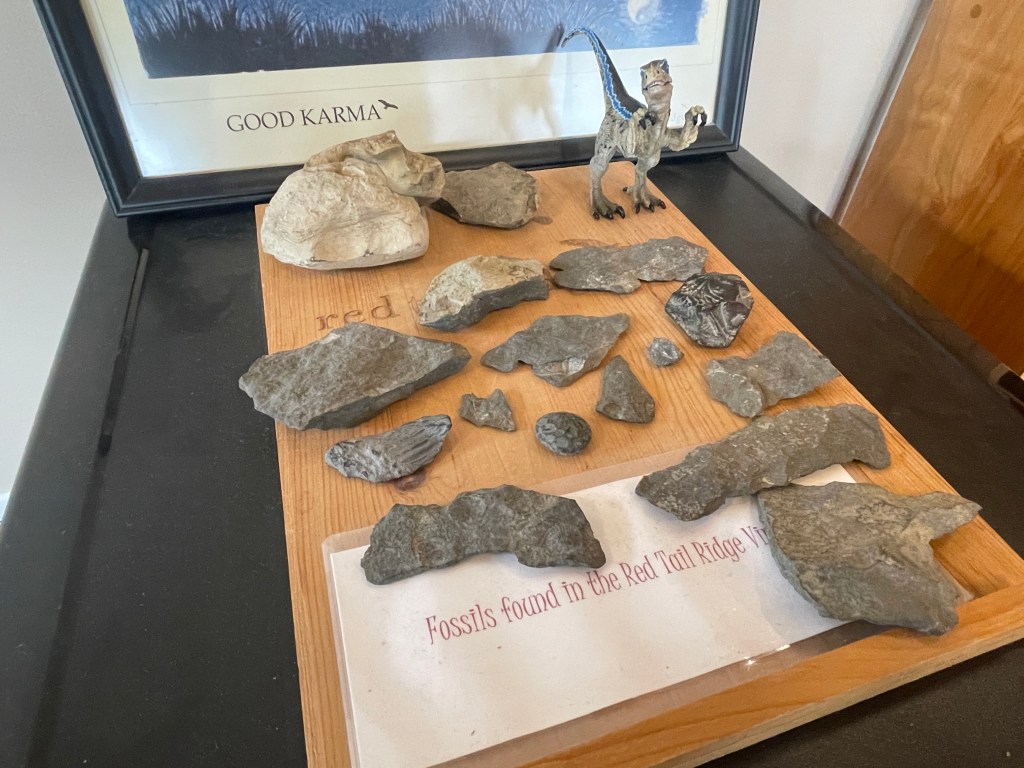
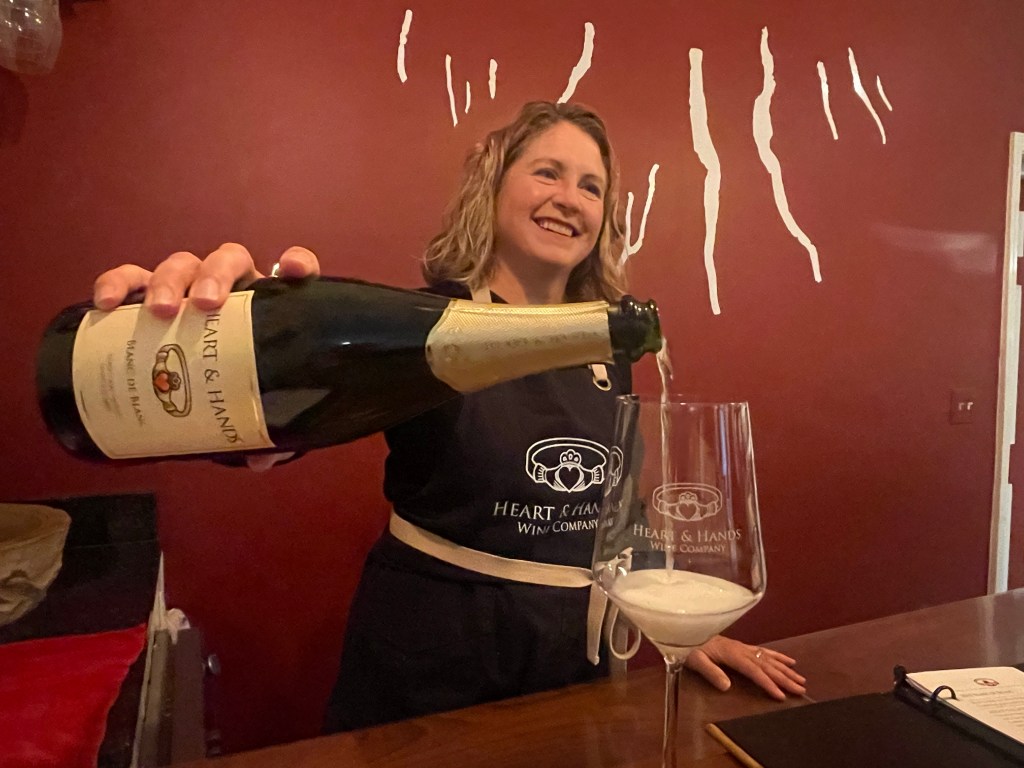
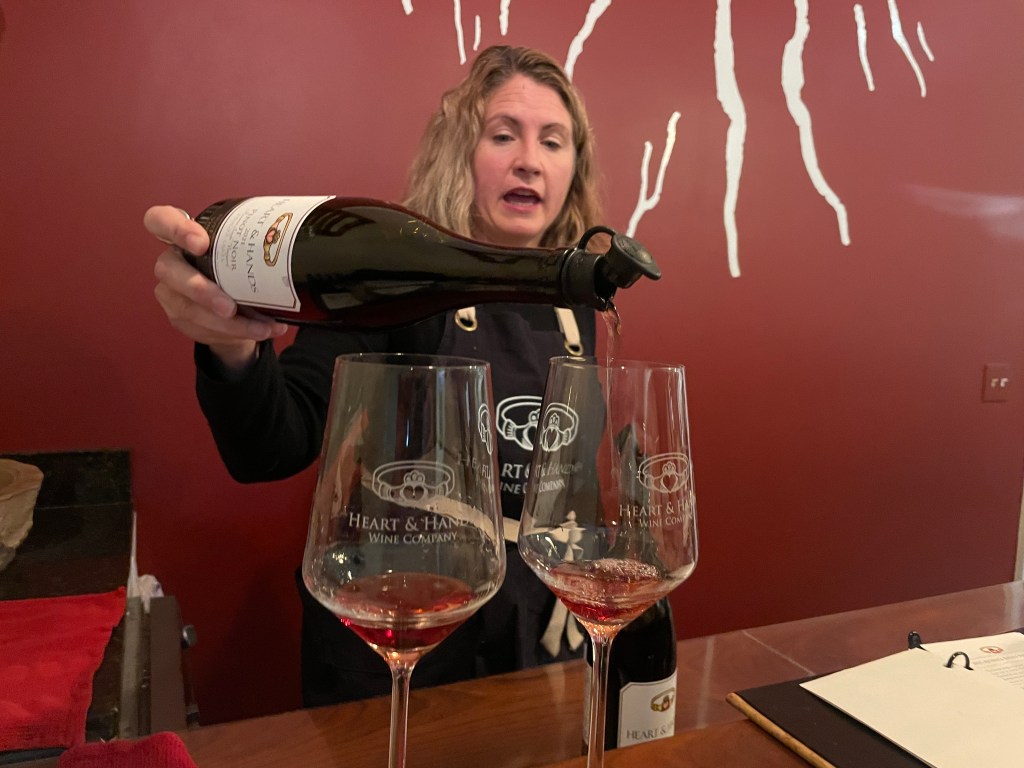


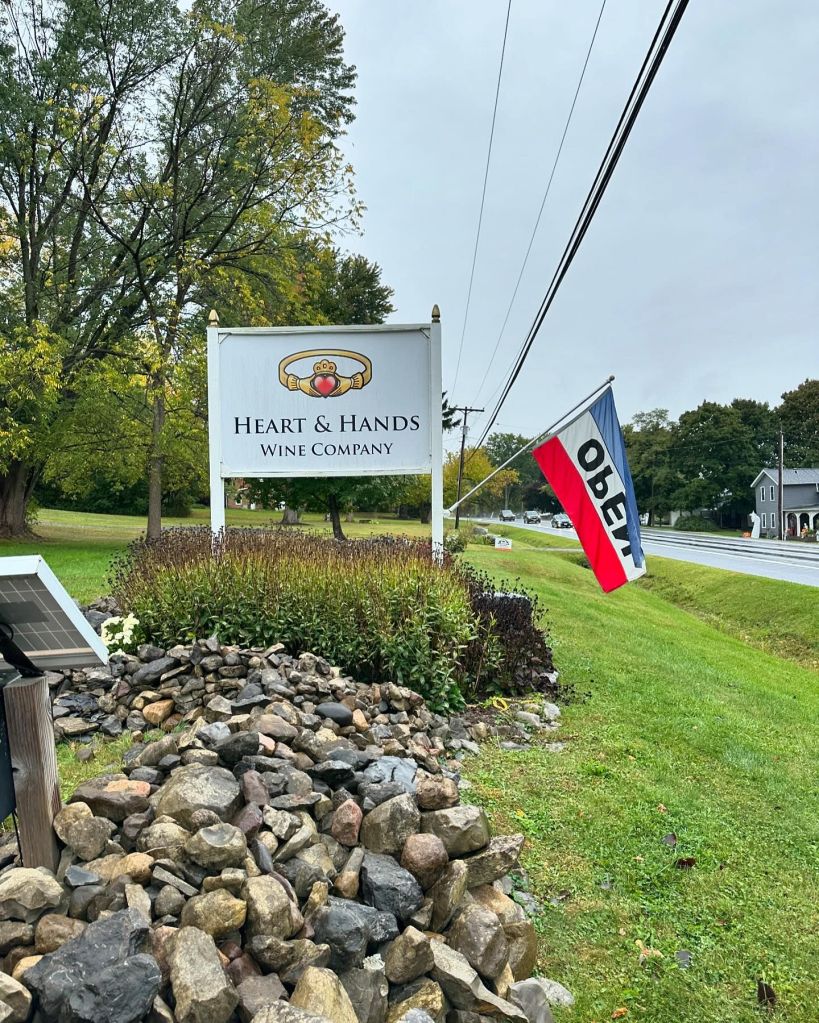


 Wine Trails and Wanderlust