The Winery at Kindred Pointe

I’ve been here several times, but this last visit really stood out. And I learned that Michael Shaps – one of the Virginia’s most famous wine makers – is behind the wines! Even better, as of last year, they made this place into a cidery (curtesy of one of the owners) in addition to the winery! The good news keeps on getting better.

Kindred used to be a horse farm, and the tasting room is the former stables (horses are a key motif here). The tasting room is totally cozy, with a fire burning and comfy chairs all over. Even before drinking, the appearances had me impressed.

Production-wise, this place is small; likely under 1000 cases/year, some estate grown (Chambourcin and Viognier) but most grapes purchased from other vineyards. But when you have Mike Shaps as your wine maker, this is not a bad thing since he sources from all over.

Normally my tasting notes differ from what my servers suggest, but here everything they described was spot on. They have 3 tasting options; red, white, and sweet, plus a cider option (up to 6). So you definitely won’t go thirsty here!

Whites: The Viognier was crisp, clean, and notes of peach – one of the nicer ones I’ve had in a while. The Chardonnay was nice as well. The Petit Manseng was made in a desert style; so sweet, but more syrupy than sugary sweet. I even liked the Rose (a rarity for me), which had a great orange-y color but more of a semi-sweet, with nice acidity.

Red: Malbecs are hard to find; the fruit came from Charlotsville and had notes of tart strawberry, like you get when you pluck them straight from the patch. The Cab Sav had obvious notes of being in American oak, almost overpoweringly so. The Chambourcin was one of the bolder ones I’ve had in a while, also made in American oak. The Merlot was just OK.

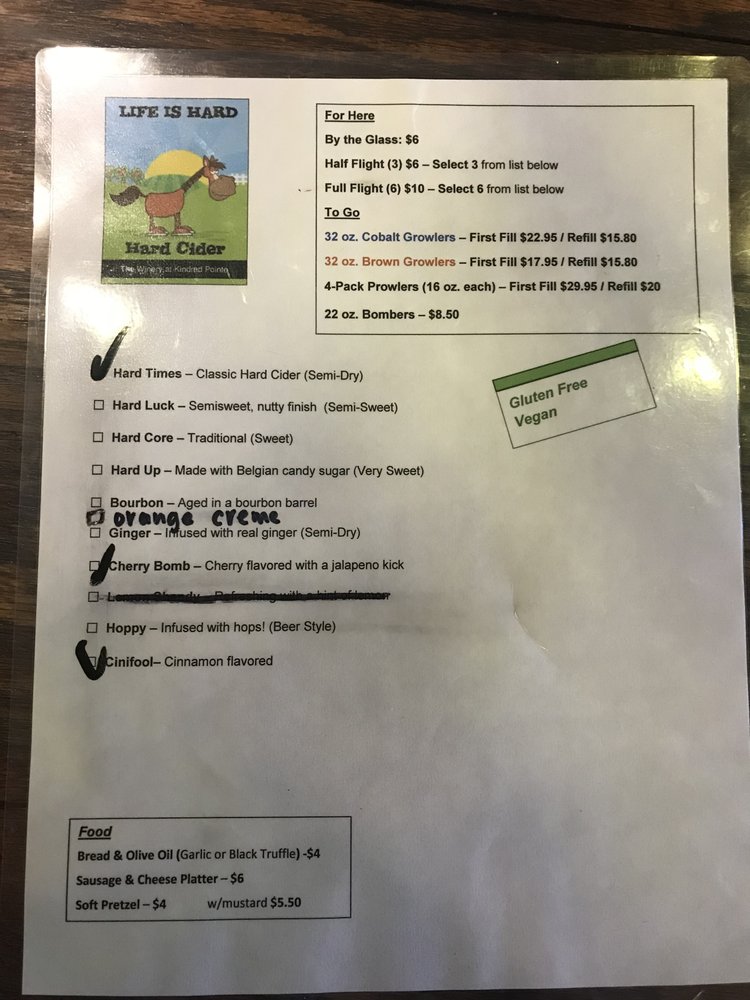
Cider: I couldn’t resist a flight of 3 x cider samples. I skipped the ones advertising hops or sweetness, although maybe that was a mistake since I found the Hard Times too dry for me. The Cinifoot was advertised as cinnamon flavored, although I barely tasted it. But I LOVED the Cherry Bomb, which interestingly enough had a jalapeno finish (I like jalapenos, BTW).

I finished everything off with some mulled wine, which was perfect for this winter day.

Hammerstone Cellars

Hammerstone Cellars is definitely a work of passion. The owner had farmland, a love of wine, and decided “Hey, let’s put this land to use”. 5 acres of vines, many of them experimental plantings to see what grows best.

The wine tasting room is part of the owner’s home – it has an enclosed porch but the tasting ‘room’ itself is tiny. It’s so small, comparing Hammerstone to larger ‘destination’ wineries is like comparing apples & oranges. If you’re looking for a small place where you can chat with the wine maker, you’re in luck! Because he was behind the bar and took my geeky wine questions.

They only opened in May 2017 and for now, their selection of wines is a mix of their own Hammerstone labeled bottles and some ‘guest’ wines. Their grapes are from VA, but with almost 5 acres planted they will be estate in a few years (or close enough). Fortunately, their wine maker is the same person who works for Pearmund Cellars & others, and he happens to be one of my favorites in the area!

What I tried (PS – all these wines had excellent price points for the value):

14 Cabernet Franc: Unusual for Cab Francs; I swear I had raspberry notes.

13 “Social Cluster” (Cab Sav/Merlot): Big wine, and it’s nice to see Cab Savs blends in VA that don’t break the budget.

Norton: Blended with another grape (I don’t remember which) to take the bite off. Nortons aren’t my favorite but this was better than most.

Viognier: Creamy, not overly floral like others. As Viogniers go, this was downright subtle.

16 Chardonnay: Creamy nose & finish.

Social Cluster white blend: Nice complexity to it; I forget the grapes but likely Chardonnay heavy.

Cuvee Blanc: Traminette based, although the nose wasn’t quite as overpowering as other Traminettes.

Rose: Strawberry nose and watermelon finish.

Whitebarrel Winery

Great visit, made even more special that this was in an American Viticultural Area (AVA) that I was otherwise unimpressed with. Excellent service too!

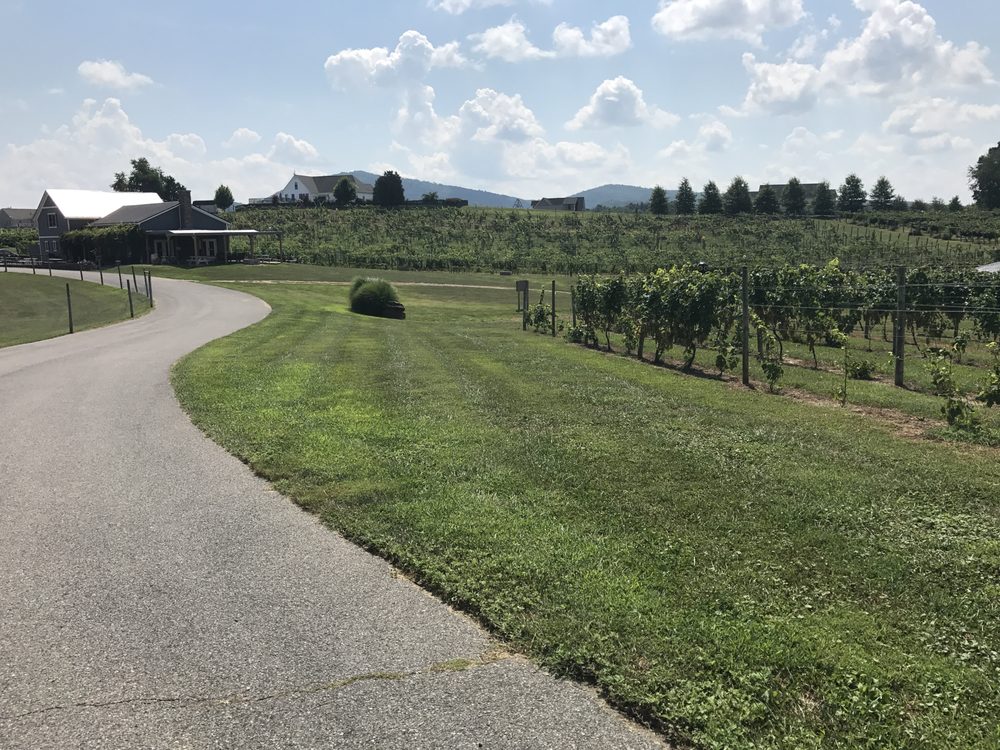
This was a random spot on my wine map…until I turned into a picturesque road to a winery that was surrounded by vines. I was the first customer of the day so my server Maria gave me extra attention.

Whitebarrel makes about 4500 cases/year and has 12.5 acres of grapes. Most of their product is estate, although they bring in Merlot and a little Chardonnay.

3 x wine flights of $5 each were available; the “Traditional” (single varietals), the “Blends”, and the “Fusions” (this being a fusion of wine with fruit). I tried the first two.

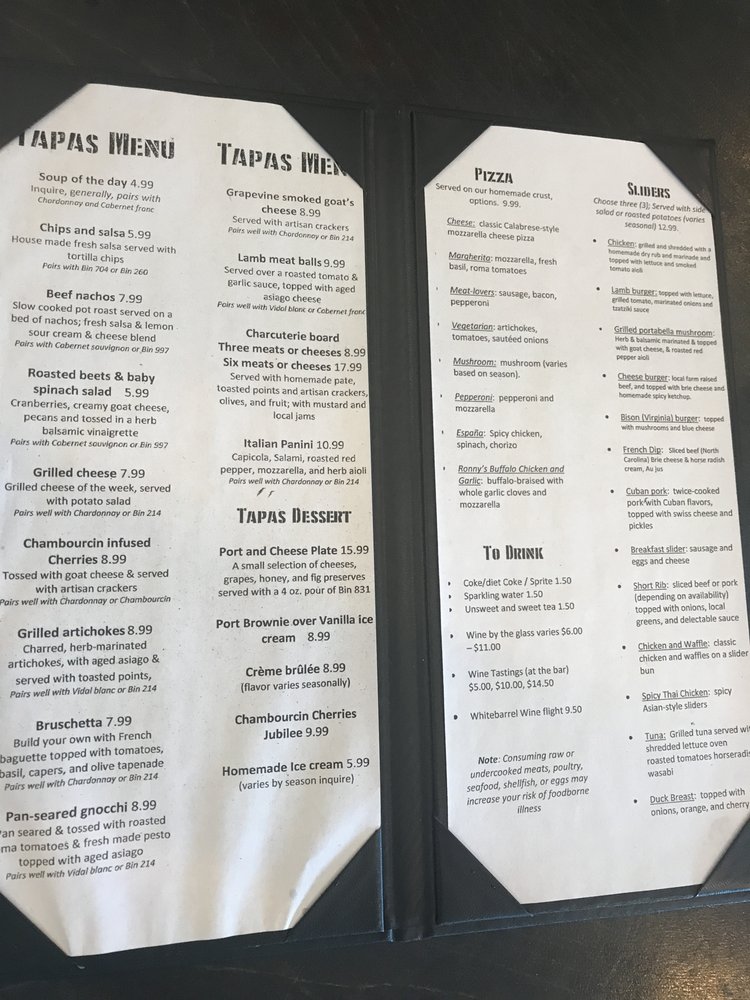
They also have tapas-style food servings. I later had an excellent goat cheese & cherries bowl and grilled cheese sandwich. I’m glad I came hungry because this is a great pit stop for lunch.

My wine notes are weaker than they should be, but this is a portion of what I tried:

Chardonnay (don’t know what vintage): Very nice, with apple notes and pale gold color. Despite typically not being a white drinker this was my favorite of the lineup.

Vidal: Very clean & crisp.

13 Cabernet Franc: Mellow, earthy. I wouldn’t have placed this as a Cab Franc.

Cabernet Sauvignon: Blackberry notes.

Chambourcin: Long finish, although this isn’t my favorite grape

Chardonnay/Vidal/Reisling blend: Another very nice white wine.

Cold Harbor Battlefield

One of the most engrossing battlefields I’ve been to, hands down. It’s right around the corner from Gaines’ Mill battlefield, so you can do a double header.

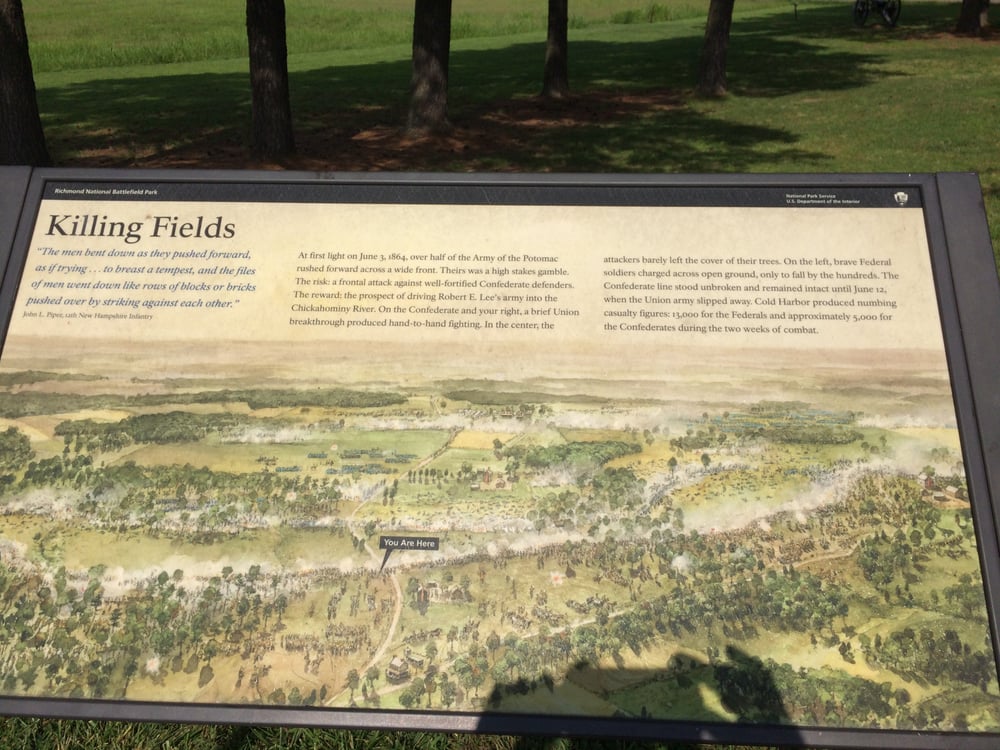
Cold Harbor was one of the last battles of General Grant’s 1864 “Overland” campaign. Lee constantly anticipated Grant’s moves, who time and time again found the Confederate army entrenched between him and Richmond.

Grant once again tried to maneuver around Lee, this time at an intersection known as Cold Harbor. Unfortunately, confused orders and bad maps caused a critical delay, which Lee took advantage of by converting his hasty defensive position into a strong fortification. Even worse, the Union army failed to detect the extent of this trench line. When Grant’s attack kicked off on June 3rd, his army plummeted into one of the most lopsided engagements of the war.

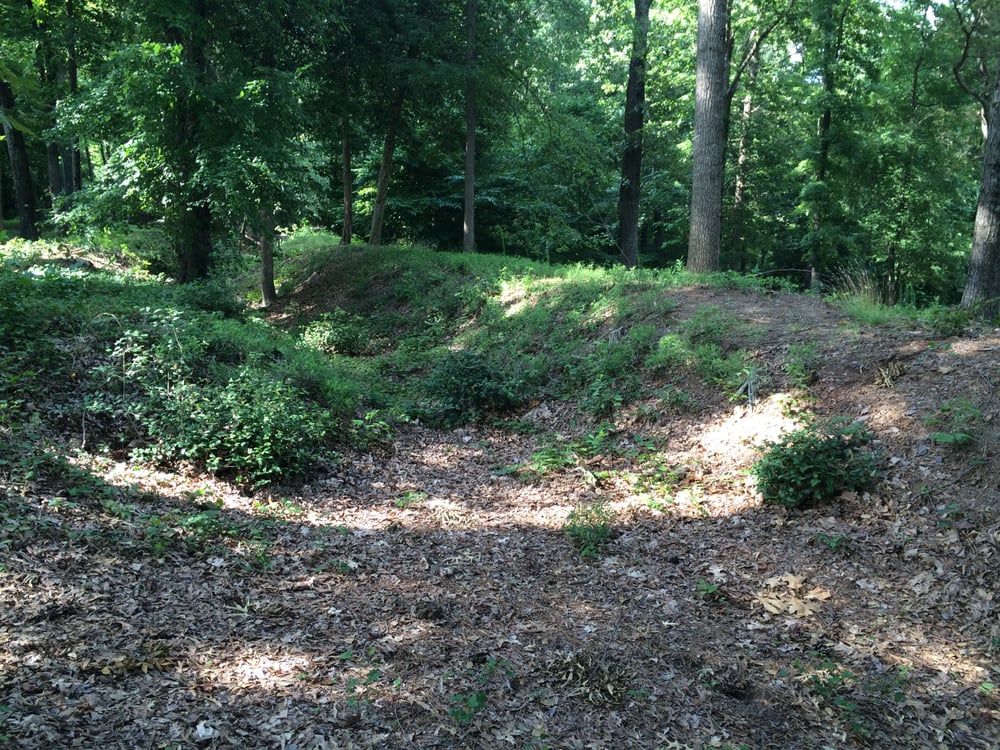
Today, the trench lines of both sides are easily visible, and surprisingly close together. The Confederate line is placed on a low ridge and passes through the woods, not far from the parking lot near the visitors center. You can either take a walking or driving path; I chose to walk.

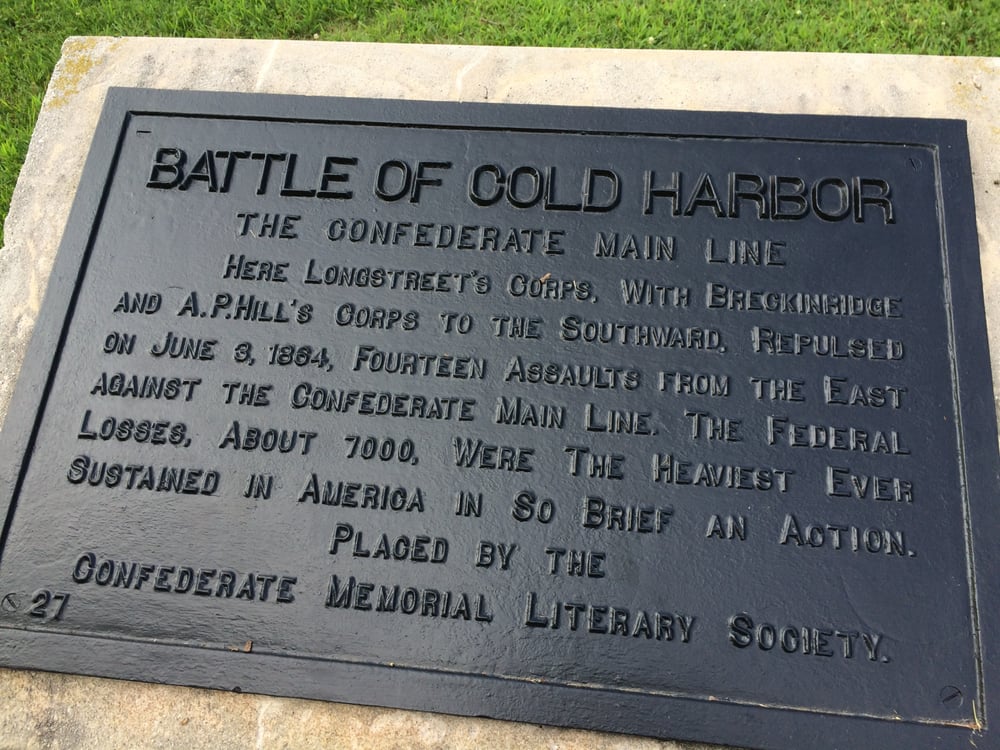
My trek was rewarded with a series of plaques detailing various small engagements and a close up look at the trenches of both sides. It was especially sad to see a plaque which explained how during a temporary truce, one recovery party discovered a trench with 244 Union dead and only 3 survivors.

The loop takes you through to the Union side and ultimately back to the visitors center. It was a sobering walk. The diary entry of one mortally wounded Union soldier still haunts me: “June 3. Cold Harbor. I was killed”.

Cunningham Creek Winery & Farm Store

Great visit to a winery that’s off the beaten trail. They are a good 20 minutes from the nearest wine cluster, and GPS guidance wasn’t much assistance because of a lack of phone signal. Still, I found it, and was quite impressed.

They’ve been open as a winery only a year, although I think the vines have been producing for several years. 12 acres under vine, plus they get some grapes from other VA vineyards (although they are moving to 100% estate). I don’t know the production; they are on the new side, so they likely haven’t hit their stride.

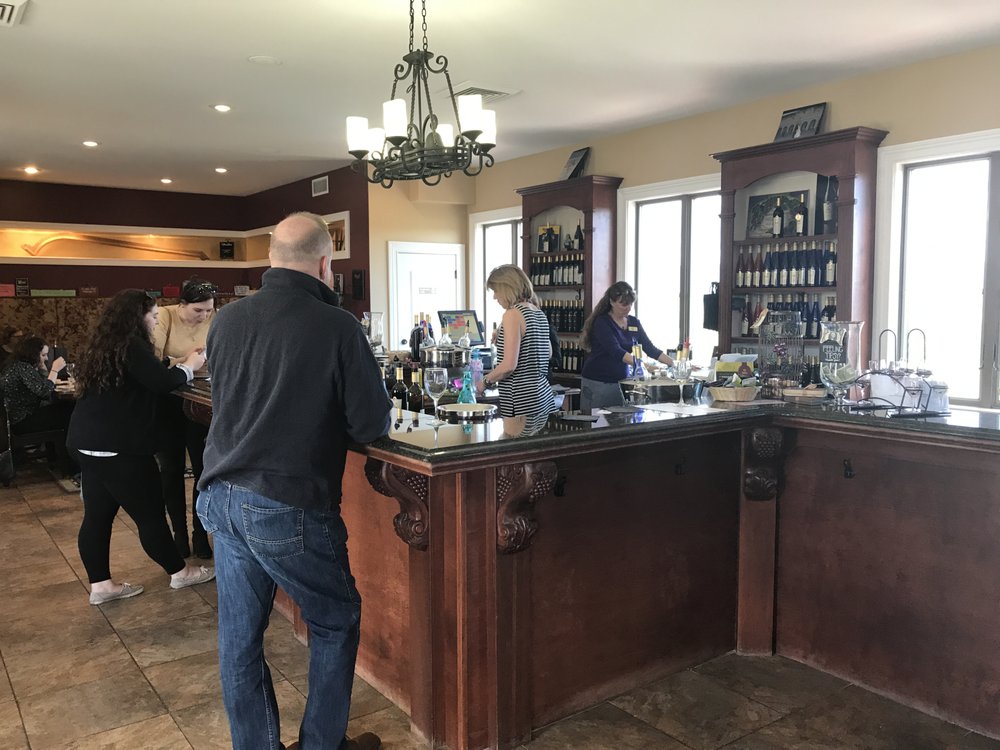
Although I describe them as ‘off the beaten path’, you’d never know it by the tasting room. Cozy and well appointed, they have 3 x mini tasting bars instead of a single long bar, so you get a more personalized experience. My server (who was also the wine maker) was fun too; he talked us through all their wines, and was happy to trade his own wine-visiting stories.

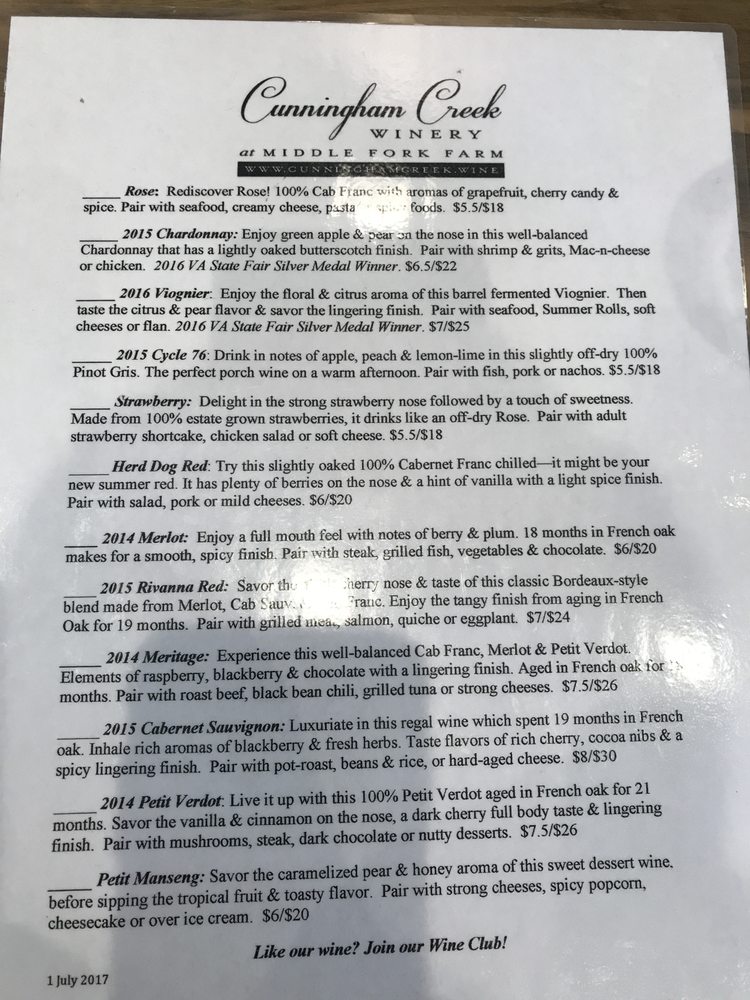
They had a large variety, although only a portion were on the tasting menu. On trust alone I bought their Petit Verdot (especially since it was aged 21 months in French Oak). The reds I had were on the lighter, less tannic side, although I deeply appreciate the 18 month (minimum) aging they do.

What I tried:

15 Chardonnay: Made in new French Oak; exceptionally good (although I’m biased towards Chards in new French Oak).

15 Viognier: Citrus notes; after the Chard this didn’t blow me away, although it was nice in it’s own right.

15 “Cycle 76” (Pinot Gris): Very light.

15 Cabernet Franc: For reds, on the light side.

14 Merlot: Nice cherry nose and light body.

14 Meritage: I liked it…but it needs time. Leave it alone for a year or two.

Don’t let the dogs mooch you! They may act hungry, but both were pretty spoiled.

Quievremont Winery

Quievremont has actually been open for a while, but only recently opened a formal tasting room. It’s a shame they weren’t better known before, because I really enjoyed my visit!

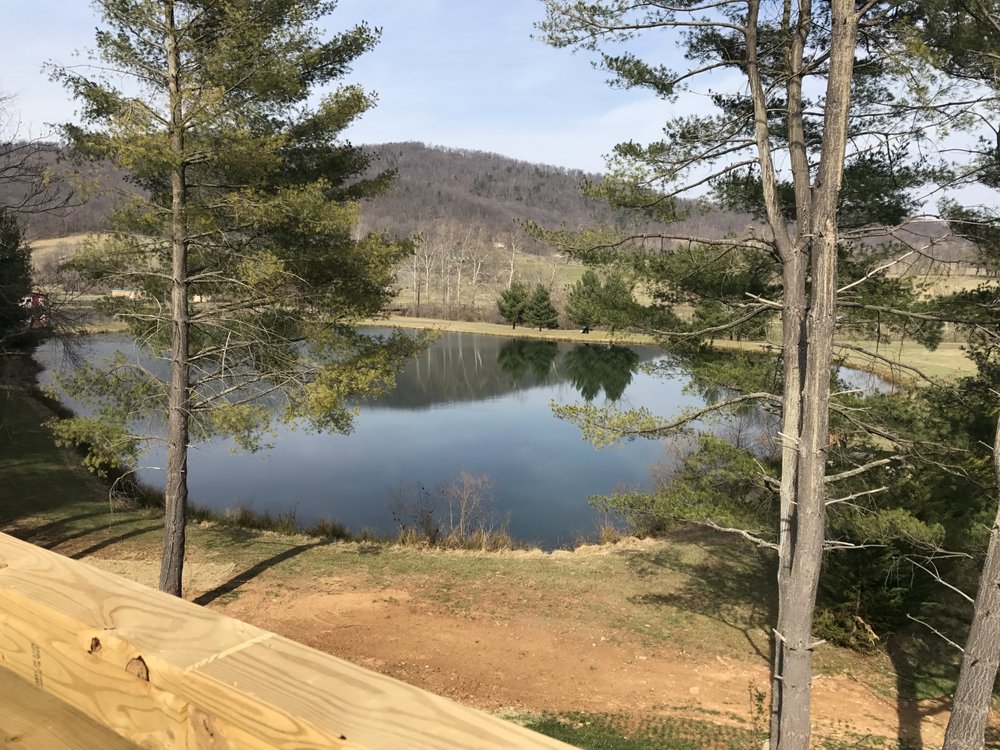
While driving there be careful about using a GPS; the address took me to their old tasting room/farm, which is NOT where you want to go. But the Amish-barn style tasting room is very nice, with a wonderful view of the farm and pond. I visited only a week after their formal opening so furniture was sparse, but that should fix itself in another few weeks. Fortunately, the patio is ready.

They have 9 or 10 acres of vines, making their wines almost 100% estate (they get some Syrah from elsewhere but that’s it). Some vines were planted in 2008, but many are new. In fact the tasting room’s front lawn is full of new plantings. They also have Malbec planted (although I’m not sure if they will bottle it or use it for Bordeaux blends). The later wouldn’t surprise me since the owner told me they intend to specialize in Bordeaux styles (the family name is French, after all).

Owner/wine maker John Guevremont is a retired Marine Corps aviator, for whom ‘retired’ is a lose term. But his French-Norman name must have a strong pull on him, since he decided to open a winery that focuses on Bordeaux-style wines.

My server was wonderful. He talked me through all their wines, and even cleansed my glass with wine between tastings (most places use water, but wine does a better job clearing out the previous flavors). He did an admirable job trying to convince me to join their wine club, but they are a tad bit far away from me!

As for the wines:

Steel Chardonnay: OK. I like my Chards heavily oaked, so this wasn’t my style.

2014 Merlot: The nose had lots of earth and dark cherry. The body was likewise earthy. Pretty good.

2014 Cab Franc: Like the Merlot, earth & dark cherry. Maybe this is a stylistic thing for them?

2014 Cab Sauvignon: The American Oak barrel shined thru, because I got some nice vanilla. It seemed more mellow than the Merlot of Cab Franc. I almost got a bottle, but was interrupted by…

2014 Meritage: If the other wines were earthy & black fruit, this seemed much lighter, like red cherries. Soft, too. I was so impressed I bought a bottle of the 2012 Meritage.

Rose: Dry style, not bad but I’m not much of a Rose drinker.

Vin de Maison: Table red (Syrah and some others): Not bad, but I was still dreaming about the Meritage so it was hard to pay attention!

Quick note; the name “Quievremont” is a bastardization of the French word for “Goat Mountain”, hence the pictures of goats on the label. Even better, this is a working farm that has goats! It’s not exactly on the agenda, but if you ask politely they may allow you to visit the farm and pet some farm animals.

My server was wonderful. He talked me through all their wines, and even cleansed my glass with wine between tastings (most places use water, but wine does a better job clearing out the previous flavors). He did an admirable job trying to convince me to join their wine club, but they are a tad bit far away from me!

As for the wines:

Steel Chardonnay: OK. I like my Chards heavily oaked, so this wasn’t my style.

2014 Merlot: The nose had lots of earth and dark cherry. The body was likewise earthy. Pretty good.

2014 Cab Franc: Like the Merlot, earth & dark cherry. Maybe this is a stylistic thing for them?

2014 Cab Sauvignon: The American Oak barrel shined thru, because I got some nice vanilla. It seemed more mellow than the Merlot of Cab Franc. I almost got a bottle, but was interrupted by…

2014 Meritage: If the other wines were earthy & black fruit, this seemed much lighter, like red cherries. Soft, too. I was so impressed I bought a bottle of the 2012 Meritage.

Rose: Dry style, not bad but I’m not much of a Rose drinker.

Vin de Maison: Table red (Syrah and some others): Not bad, but I was still dreaming about the Meritage so it was hard to pay attention!

Quick note; the name “Quievremont” is a bastardization of the French word for “Goat Mountain”, hence the pictures of goats on the label. Even better, this is a working farm that has goats! It’s not exactly on the agenda, but if you ask politely they may allow you to visit the farm and pet some farm animals.

Bluestone Vineyard

Very nice visit to a vineyard that has one of the nicest views I’ve seen in a while. Bluestone makes 5000 cases/year, and has about 18 acres of vines, plus they lease some vineyards and get grapes from elsewhere. So…not a big producer, but not a nano-producer by any means.

I didn’t get the backstory of the vineyard, but it was easy to tell why they picked this location. The hillside is very scenic, especially with the gorgeous home on top. The tasting room is small (actually in the owner’s basement…but a wonderful basement!), but that should change once the new tasting room is ready (which, sadly, is at the bottom of the hill).

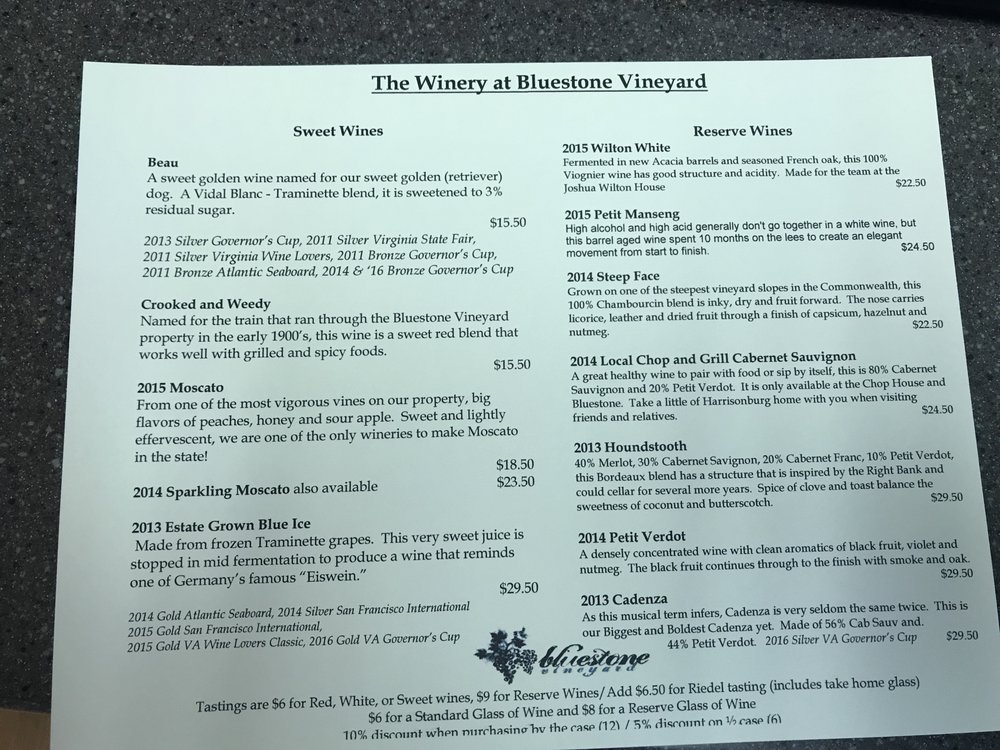
Several tasting options are available; I did the Reserve Reds. What struck me was how well aged the reds are; all were 2013 or 2014 vintages. Not only that, but Bluestone tends to keep their reds in barrel longer than most places, at around 20 months. This is my style of red!

What I tried:

2015 Wilton White (Viognier): Fermented in acacia wood. Amazing woody nose that reminded me of a Chardonnay with a long time in new French Oak. I was shocked to learn this was a Viognier; nearly everywhere else, they tend to have an overpowering honeysuckle nose. But the nose was wonderful and the wine was very soft. Best Viognier I’ve had in a while!

2015 Petit Manseng: The nose was sugary but the palate was not. Tropical fruit notes, and I suspect high acid.

2015 Chambourcin: Fruity; not bad but not a repeat for me.

2014 Cabernet Sauvignon: Very red fruit forward.

2013 Houndstooth red blend: Smokey, with a black cherry finish. Nice.

2014 Petit Verdot: Some bite but not overwhelming, like some PVs can be.

2013 Cadenza (red blend): The word is a musical term for improvisation, the wine maker changes this blend up all the time, so this blend could be dramatically different next year. It was bold up front but the red fruit came out at the end.

CrossKeys Vineyard

OK, this review is a bit biased; I was lucky to have a ‘insider’ give me a personal tasting. Even so, I think I would have given them 5 stars anyway. That’s because CrossKeys delivers a rare trifecta; amazing venue, wonderful service, and most importantly great wine.

CrossKeys makes around 8000 cases/year and has 33 acres of vines, all French varietals with the exception of Portuguese grape Touriga Nacional. The business has a wonderful back-story as well. The owners are immigrants who were living in California but decided they wanted to raise their kids in a more rural area; the Shenandoah definitely fit that bill. One day a family friend suggested that given the amount of wine they drank, it would simply be easier for build a winery. Well, that idea planted a seed which years later became CrossKeys.

The first thing you notice is the surroundings. CrossKeys is a popular wedding destination, and the huge building can definitely support them. It also has a bistro, which is great for a nice lunch. While I often get worried that places that are heavy on ‘presentation’ do so at the expense of focusing on the making wine, my tasting demonstrated they avoided this pitfall.

What I tried (and it was a lot):

2015 Chardonnay: Fermented in both steel and new French oak; it retained its crispness but the flavors of the oak also shined thru (note – I’m a big fan of Chardonnays soaked in French oak).

2015 Joy White: Named for the lady who suggested the family build a winery, it had 2% sugar but didn’t have the of cloying sweetness that I despise in many sweeter wines.

2015 Flore: Off dry rose, although I would have thought it was on the dry side. Sorry, roses are not my thing!

2015 Pinot Noir: Light and tart; my lips started puckering up by this point. CrossKeys is one of a small handful of Virginia wineries that even attempt to grow this grape, and I’m glad they do!

2015 Merlot: Nice cherry finish.

2015 Cabernet Franc: Spicy and vegetal notes on the nose, soft finish. It also noticeably avoids the heavy green pepper notes that I often get in Virginia C. Francs.

2015 Petit Verdot: Oh PV, how I love you so! Pretty smooth, as opposed to the immediate intensity many PVs have. Maybe it spent lots of time in barrel?

2015 Meritage: Also smooth, I think it was 34% PV which shown thru.

2015 Touriga Nacional: The national grape of Portugal, this was a very rare opportunity to see this grape bottled in Virginia. It’s not easy to describe; its bold and spicy, but not peppery-spice, more like cooking spice.

2014 Tavern port-style: The wine maker must be a stickler for authenticity, because he made this port-style with the Touriga, which is what ‘real’ ports are made from. One of the nicest ports I’ve had in a while; it lacked the alcohol-y boldness that tend to overwhelm port-styles.

Ali d’or desert wine (Traminette and Vidal Blanc): I tend to avoid desert wines, but I seem to remember liking this (although my notes fail me on the specifics).

Fischer’s Hill Battlefield

I’m a history buff in general, and a military history buff in particular. So living near the epicenter of Civil War history, you can imagine I’m in my element.

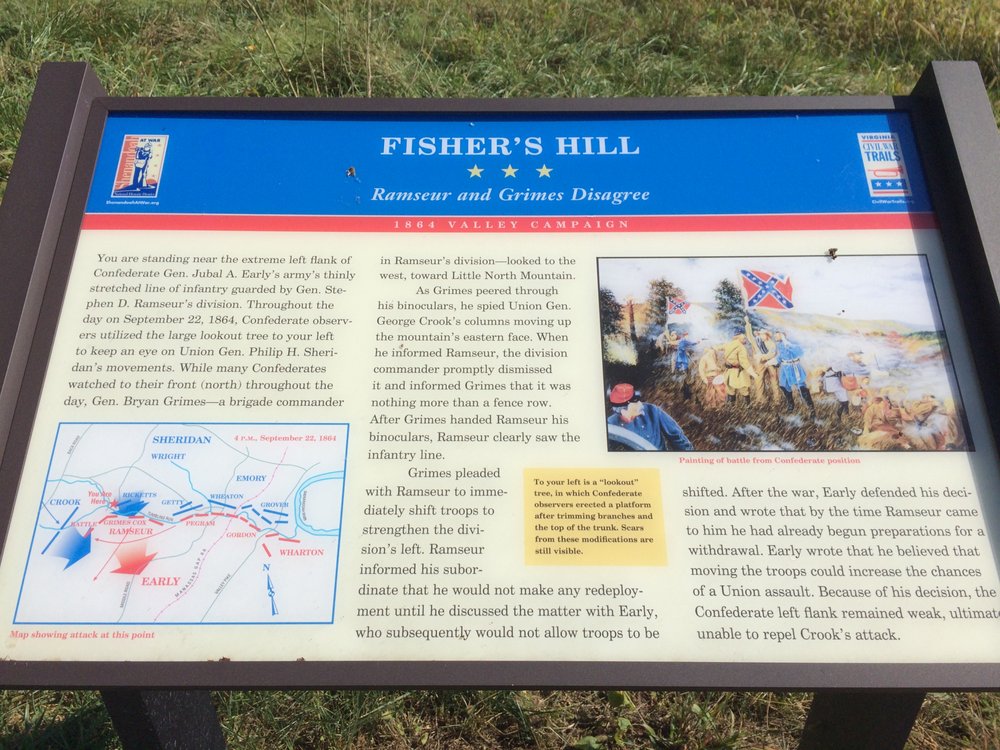
For background, the battle was fought on September 21-22, 1864 during the final Union push into the Shenandoah. Still reeling from a very recent defeat at Winchester, the Confederates retreated to Fischer’s Hill, near the northern mouth of the Shenandoah Valley. Jubal Early’s Confederates could only muster 9,500 soldiers, while Sheridan’s Union force had almost 30,000.

This location was nicknamed the “Gibraltar” of the Shenandoah. The position was the narrowest part of the valley, anchored by Massanutten Mountain to the east and Little North Mountain to the west. Its defensibility was augmented by the hill’s steep slopes, situated behind a small creek. If well defended, this position could shut out a Union advance.

Unfortunately for them, Confederates were so few in number they were unable to properly defend the position. Ideally, their line would have reached the length of the valley from mountainside to mountainside. Instead they could only man a portion of the line; their left flank was essentially exposed.

Seeing the enemy line didn’t reach the mountains on the western side of the valley, VIII Corps commander Gen. George Crook devised a plan to sneak around the Confederate left flank at night. Crook selected a lawyer to plead his case to Sheridan; a Colonel (and future President) named Rutherford B Hays. Not wanting to dare a frontal assault, Sheridan accepted Crook’s plan.

The maneuver was successful. Two Union divisions surprised the Confederate left flank, rolling up their battle line while at the same time the main army launched a frontal attack. Early and much of the Confederate Army of the Shenandoah got away but was so crippled it was unable to oppose Phil Sheridan’s ‘burning’ of the Shenandoah Valley.

But what makes any battlefield tour fun are the human stories – and this one has a doozy. The Confederates posted a lookout in the high branches of a tree, hoping to spot the Union troops at a distance. I wonder – did he see a line of blue uniforms outflanking him? If so, what did he say? Did he flail his arms at his comrades saying “Um….guys….GUYS!!!! LOOK TO OUR LEFT!!!”. Was his calls heeded? Regardless, it must have been a shock to see two Union divisions charging up the hill at their unprotected flank. Even now, the tree bears scars from the battle.

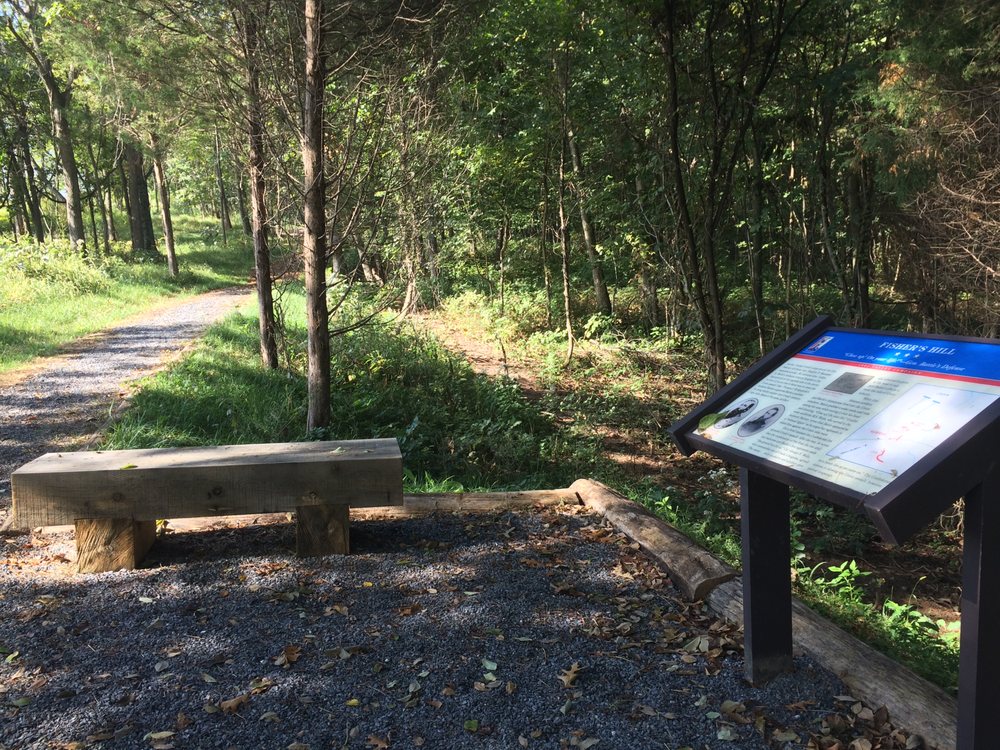
Thanks to a non-profit the battlefield at Fischer’s Hill (aka Ramseur’s Hill) has recently received a well deserved upgrade. These include a parking lot, walking trail, and “Civil War Trails” signs explaining the flow of the battle and the background of key commanders. There’s still work to be done, but it’s a good start.

The parking lot is small but it’s been almost empty every time I’ve ever visited it. There are sign posts at the start of the trail, but be sure to go to your right and up the hill after you pass thru the gateway. The trail (dirt in some places, gravel in others) goes in a loop, passing a still-standing tree which was used as a look-out post by a Confederate soldier who tried to warn his commander of a large Union force bearing down on their flank. Overall, the ‘hike’ takes less than an hour.

https://www.battlefields.org/learn/articles/battle-fishers-hill

Wine Reserve At Waterford

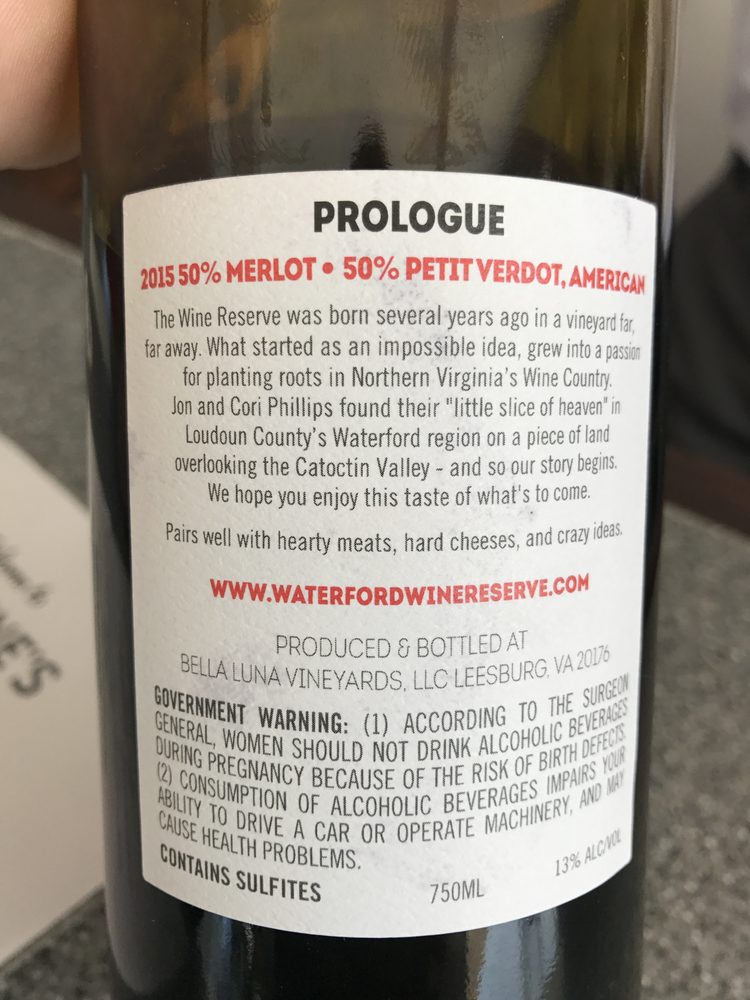
As the label of their red blend states, “The Wine Reserve was born several years ago in a vineyard far, far away…”.

Great visit to what is (for now) Loudoun’s newest wine tasting room. It was extra special because it was hosted by the two owners, John and Cory, who do double-duty here as well as maintaining full time jobs in D.C. I really don’t know how people can pull such a thing off; I’m guessing it comes at the expense of sleep. 5 stars because despite only being open 3 weeks, the operation was running smoothly and I enjoyed their two house wines (more on those in a minute).

The Reserve was formerly Loudoun Valley Vineyard. While the tasting room is the same (although the interior is refurbished) the vines were replanted. While right now they only have an acre planted (but not yet producing), John told me they hope to have maybe another 4 acres in the future.

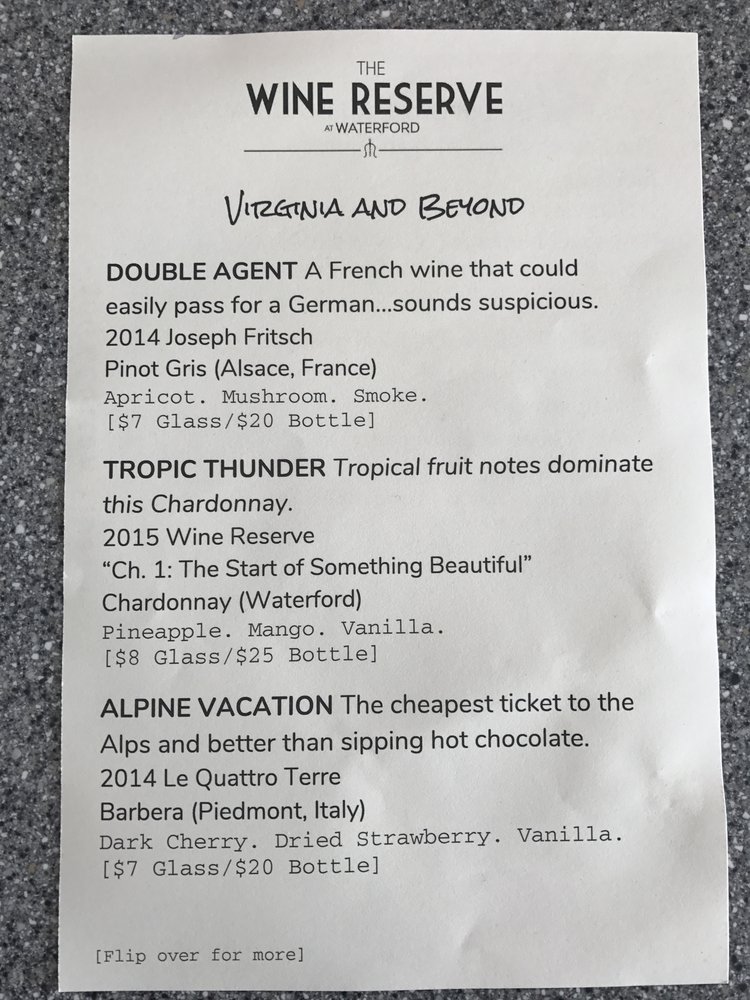
When I visited they had two flight options of 5 wines each. Both options had the Reserve’s two wines, but otherwise one flight was made of VA wines and the other from out of state. All were well selected, but the ones that I liked the most were the ones made under their own label; the “Prologue” red blend and “Tropic Thunder” Chardonnay.

While the Reserve doesn’t yet make its own wine, fortunately they partnered with Doug Fabbioli, namesake of Fabbioli Cellars. Doug is fantastic; I couldn’t have hoped for a better person for them to partner with. John even told me the story of how they worked with Doug to get the type of wines & tasting notes they wanted.

For the Prologue, it’s a 50/50 blend of VA Petit Verdot grapes and California Merlot, and expresses itself as such. Very nice mix of spiciness (but not peppery) while having a black cherry finish.

For the Tropic Thunder, it’s a mix of steel and oak. I liked it, and I suspect it would appeal to Chardonnay fans who like either.

Multi-winery tasting rooms are still new to most Virginia wine lovers. But they are fine with me, and I hope people give The Wine Reserve a try.