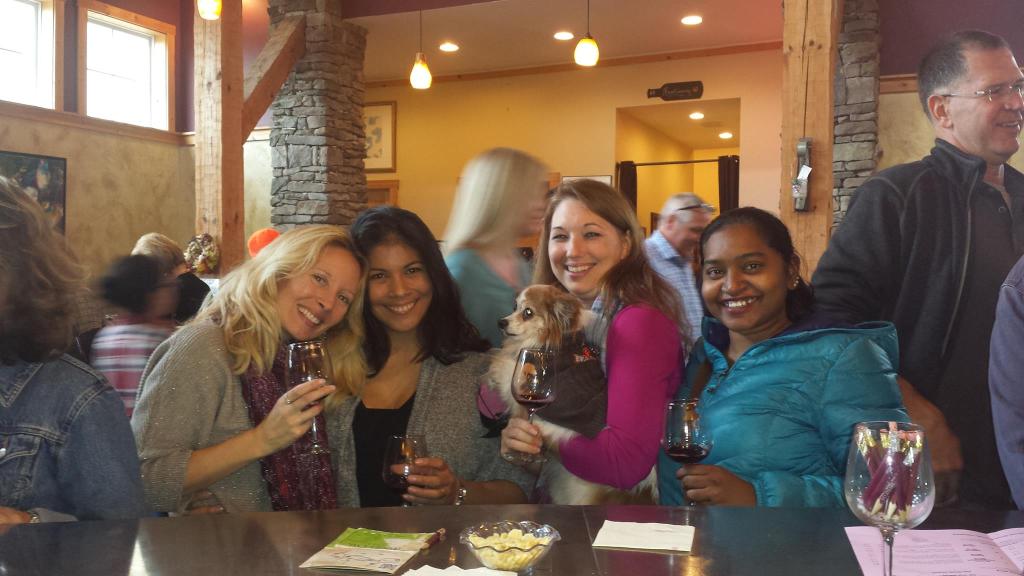
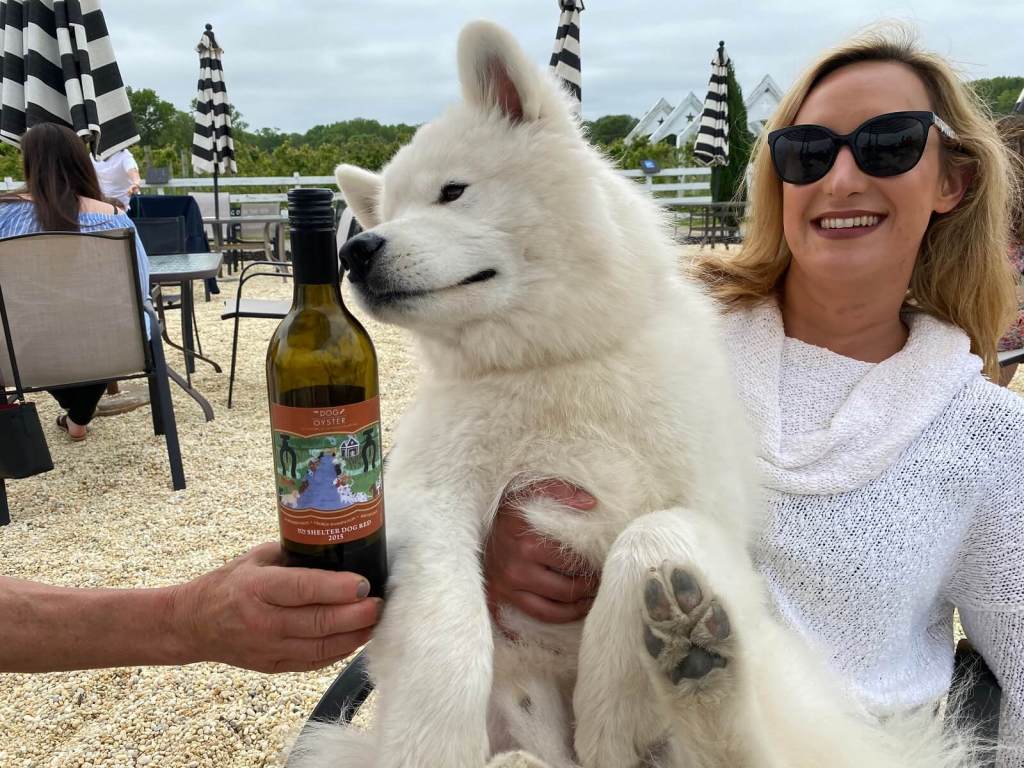
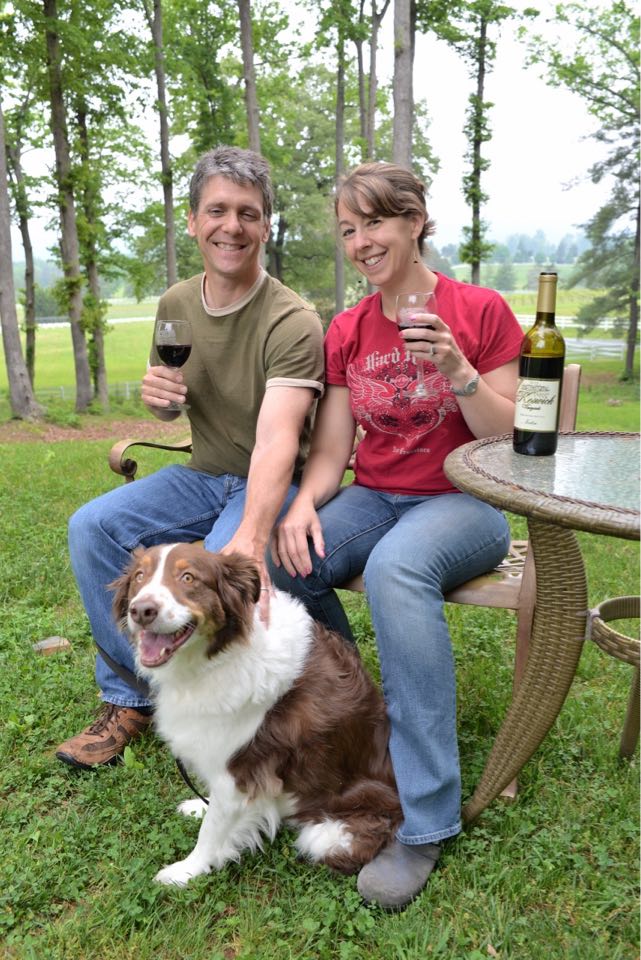
Please check out my latest article on dog-friendly wineries for the Old Town Crier.
Truthfully there are far too many wineries to list, since Virginia wineries typically allow dogs on the property. I tried to narrow it down to locations that allow dogs in the tasting room, but even so there are far too many to list.
In late July we conducted our second Tannat Night, hosted by Mark and Maggie Malick. It was a different crowd from last year but nevertheless included around a dozen experienced wine professionals to ‘talk Tannat’, including winemakers or other representatives from Barrel Oak Winery, Bluemont Vineyard, Delaplane Cellars, Fabbioli Cellars, Effingham Manor, and our host Maggie Malick Wine Caves.
This time we had a wider assortment of Virginia wine, especially in terms of vintage year. The outstanding 2017 vintage was especially well represented. We had several 2017s at our last event but often felt they were on the younger side. 17 months made a difference in smoothing these tannins out.
Our Tannat crew
For those unfamiliar with the variety, Tannat is a high tannin & acid grape originally from the Madiran region of France. While Madiran is its spiritual home Tannat is now better known as the national grape of Uruguay. Small plantings also exist in California, Argentina and Australia.
But Tannat is a good fit for Virginia’s terroir as our hotter summers makes us suitable for high acid wines, as the heat reduces their acidity to more manageable levels. While it currently constitutes just over 2% of Virginia’s vinifera plantings, over the past decade local growers have doubled their acreage from around 20 acres in 2009 to almost 50 in 2019. Its main drawback is its vines are susceptible to cold damage, an occasional problem given Virginia’s variable winters.
Mark pruning his Tannat vines, guarded by the flag of Uruguay
Tannat can definitely fill the ‘big red’ category for Virginia that Cabernet Sauvignon holds for California. It’s inky and big and will blow you away. Mark Malick calls it a ‘go big or go home’ wine. A number of Virginia wineries use it as a blending grape to give their reds color and structure. Many of these – especially in Charlottesville and Northern Virginia – also produce single-varietal bottles.
In deciding the lineup I did my best to compare a Virginia wine vs. another example in every round, although we eventually ran out of non-Virginia wines for 1-1 comparisons. I also started us off with several of our best wines, on the assumption that over time tasting would become…more difficult.
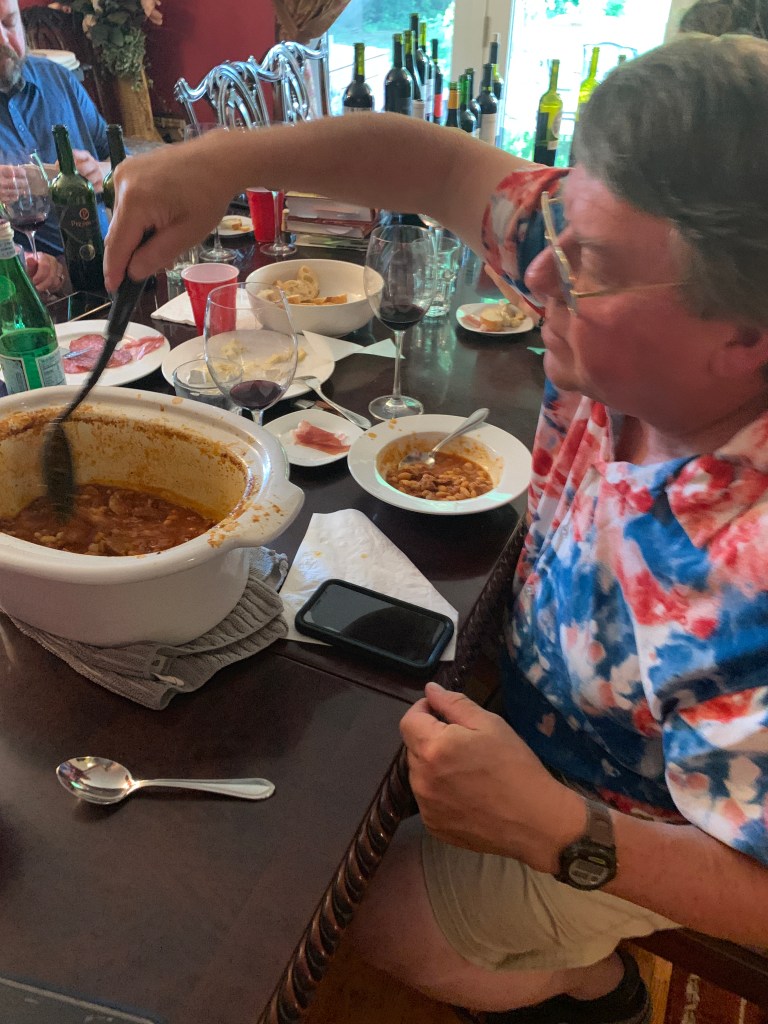
Having a loud, opinionated crowd made it a fun night – although sometimes we seemed to forget to talk about the wine right in front of us. To top it all off Mark made us cassoulet, which we enjoyed after the 4th round. All tasting descriptors listed here are what was I was able to glean from different participants, as well as my own notes.
Mark and his cassoulet
Round 1
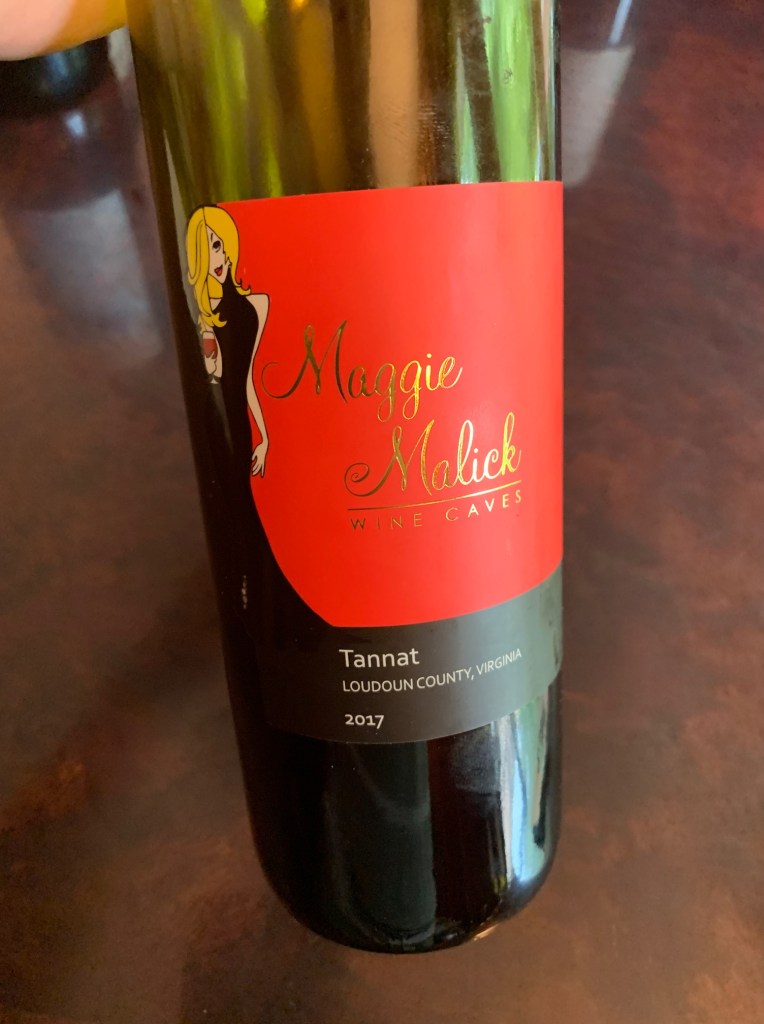
2017 Maggie Malick (Virginia): This wine won the 2021 San Francisco Chronicle Wine Competition (SFCWC) for best Tannat in class, beating three other double gold winners. “Rich” was our immediate byword. Its American oak was noticeable on the nose. This wine had lots of structure, with obvious cherry and raspberry notes and a lingering finish. We felt this was one of the best of the night (more than a few would say it was the best).
2017 Kerrville Hills (Texas): This also won double gold at the 2021 SFCWC, and was graciously gifted to us by Kerrville for this tasting event. The crowd immediately detected a lighter nose than what we were expecting. Participants voiced different perceptions of its tannin level, ranging from lighter to heavier tannin structure. It was fruit forward, although not as much as some of our following wines. We noted an interesting contrast in that it was darker in color but had a lighter mouthfeel. “Sharp” tannin structure. Everyone really enjoyed this bottle.
2017 MMWC and 2017 Kerrville Hills
Round 2
2018 Effingham (Virginia): The night’s third double gold winner at the 2021 SFCWC competition (right below the Kerrville wine). These three double golds couldn’t be more different. The Effingham was a softer, less intense Tannat, representative of Virginia’s rainy 2018 season. 14 months in Virginia oak. Some detected a “warm-sweet” note to it. All around we enjoyed it.
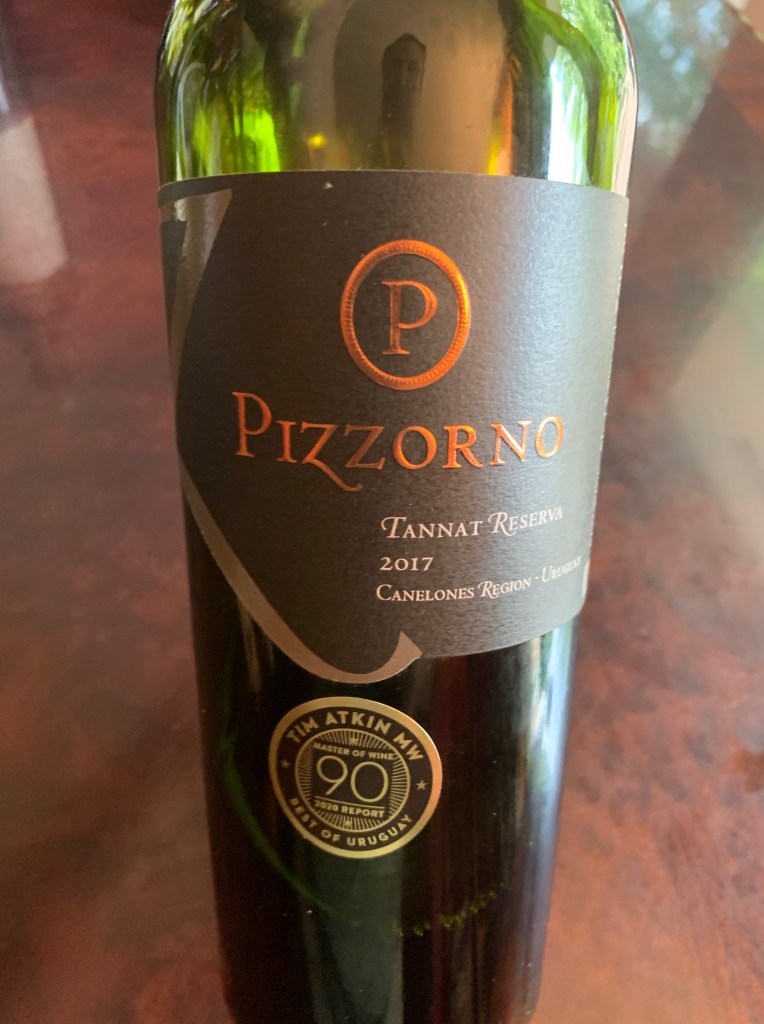
2017 Pizzorno (Uruguay): Our first Uruguay Tannat of the evening. “Funky” was the key adjective. This wine had some weight to it. Some participants detected a little brett (aka Brettanomyces yeast) but not the ‘bad’ kind of brett that winemakers guard against. All around, I think people didn’t love but it but we still generally liked it.
2018 Effingham and 2017 Pizzorno
Round 3
2014 Maggie Malick (Virginia): Our 2nd best in class/double gold of the evening, this time from the 2017 San Francisco International Wine Competition. This wine spent 2-3 years in barrel. Coco on the finish. Subtle oak, grippier tannins. Another hit from Maggie.
2010 Barrel Oak (Virginia): One of our oldest vintages of the evening. This was a lower acid, higher alcohol wine that ‘tastes great…for an 11 year old wine’. Considering its vintage it still aged well; the fruit may have been on the decline but we felt it had some fruit notes left. Doug Fabbioli commented this wine disproves comments from those critics who claimed the 2010 vintage wouldn’t stand the test of time.
2014 MMWC and 2010 Barrel Oak
Round 4
2017 Effingham (Virginia): This wine left everyone impressed, and was a group favorite alongside the 2017 Maggie Tannat. Notes of coco, bramble fruit, raspberry and leather. Well balanced and spicy.
2016 Domaine Du Moulie (Madiran, France). This was a very different wine than what we’ve had so far. No wood characteristics, lots of fruit. Tasting notes included mint & eucalyptuses on the palate, perhaps some spice. But overall, the tannins were muted – a trait we felt was due to Madiran’s growing conditions.
2017 Effingham and 2016 Domaine Du Moule
Round 5
2016 Jake Busching (Virginia): Good acid and fruit. Nicely balanced & good finish. Some described ‘sweet fruit’ notes up front. The oak was well integrated. It was a little vegetal but this is one of the few times I don’t think of that descriptor as a negative.
2013 Michael David “Inkblot” (Lodi, California): At 14.8% alcohol it was ‘hot’. Coco characteristics, dusty tannin. Overly ripe fruit. Our only California wine of the evening. We were surprised we didn’t like it more…maybe we all have too much of a Virginia palate?
2016 Jake Busching and 2013 Inkblot
Round 6
2017 Delaplane Cellars (Virginia): Gold medal in the Virginia Governor’s Cup. Made in new Hungarian oak. It was lingering and accessible. It was well received although I didn’t get a clear profile of the wine.
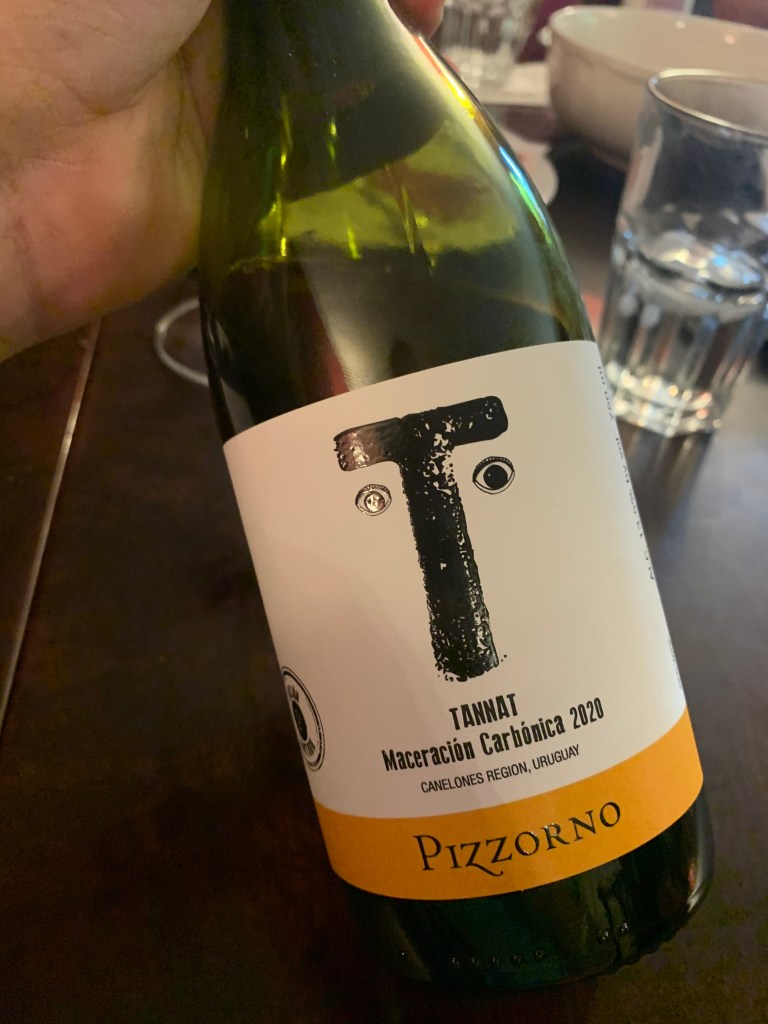
2020 Pizzorno (Uruguay): One of the more divisive wines of the night, as it was made using carbonic maceration. Bright fruit notes. Maggie noted it was meant to be served chilled, so what was in our glass may not have been its best representation. While few of us enjoyed it, we acknowledged that it shouldn’t be judged in the same way as our other wines as it was a different way of making Tannat.
2017 Delaplane and 2020 Pizzorno (Maceration Carbonica)
Round 7
2009 Fabbioli Cellars (Virginia): Oldest vintage and richest nose of any bottle that evening. Fruit was on the decline but we could tell it was a good wine, the “Sofia Loren of wines” for that evening if you will. Herb and sweet liquorish on the nose.
2016 Garzon (Uruguay): Put it this way – it was good for $20. It was obviously not an ‘artisanal’ wine, but instead mass produced to satisfy a large audience. Doug had some funny analogies to describe his opinion of a mass produced yet satisfying wine.
2009 Fabbioli Cellars and 2016 Garzon Reserve
Round 8
2017 Hiddencroft (Virginia): We felt this wine was fruit forward, with more prominent wood (at least compared to the others). It also seemed a younger wine, as the tannins seems ‘green’.
2017 Bluemont (Virginia): Made in neutral barrels. Maybe mild lavender on the nose. On the palate, comments varied from tobacco and chocolate nibs. Well balanced but young.
2017 Hiddencroft Vineyards and 2017 Bluemont
Round 9
2017 Walsh Family Wine (Virginia): Tasting notes were difficult by this point, which may not be fair to Walsh since I’ve had it before and always enjoyed it. Some detected heavier oak. It had intensity but not as much fruit as the others. “Dark” and “big’ were the key adjectives.
2019 Briedé Family Vineyards (Virginia): Sweet, bright, young. Those are the only tasting notes you get after you’ve tried 18 Tannats in an evening.
2017 Walsh Family Wine and 2019 Briedé Family Vineyards
In summary – the two favorites were the 2017 Maggie and the 2017 Effingham, which shouldn’t be a surprise given what a strong year that was. After those two it seemed we enjoyed a broad grouping, including (in no particular order), the 2016 Texas Kerrville, 2014 Maggie, 2016 Jake Busching, 2017 Delaplane, and 2017 Bluemont.
Two of the best of the night!
What did I learn?
Most importantly, I think we demonstrated that Tannats from different states and countries had distinct stylistic differences. I’d go even further in saying the examples from Virginia were most diverse of the lineup, which shouldn’t be surprising given the different growing conditions in the state.
Some Virginia Tannats were more tannin & earth-driven, while others were richer & fruitier. By contrast, the examples from Uruguay and France were uniformly fruit forward. The major outlier was Texas, which was closer in style to Virginia than either Uruguay or France.
Sadly we only had one example (but an excellent one) from the Lone Star State. I believe Texas Tannats are worthy of more sampling…for the sake of science of course. I fully acknowledge given how many of us have a “Virginia palate” we may be biased in choosing our favorites. That said, I do think the Virginia Tannats we enjoyed that evening were more complex and balanced than the Uruguay and French examples. As Virginia summers become even warmer, perhaps we’ll see even more of Tannat in the upcoming years.
It’s not often that a brand-new Virginia winery makes such a huge splash among my wino-friends, but Merrie Mill did just that. I had no idea they even existed until my Facebook feed was filled with photos of a spectacularly decorated brand-new winery in the town of Keswick.
Merrie Mill opened the end of May, making it one of the latest of a series of excellent wineries to open around the state. Owners Guy and Elizabeth Pelly were inspired by a 2017 visit to Charlottesville from their home in the U.K., when they fell in love with the area. The purchased the property a year later, and the building (and planting) began.
I asked my friend (and expert winemaker/winegrower) Jake Busching about the property and he had nothing but praise for the vineyard site. Their soil is largely maneto with spots of granite. This mixture allows them the flexibility to plant different grape varieties, as different grapes have different soil needs. Manento also drains very well – hugely important in a state who’s vineyards struggle with excess rainfall. It’s much the same soil shared by their neighbor at Keswick Vineyards, whose winemaker is praised for the quality of his Cabernet Sauvignon.
View from the balcony
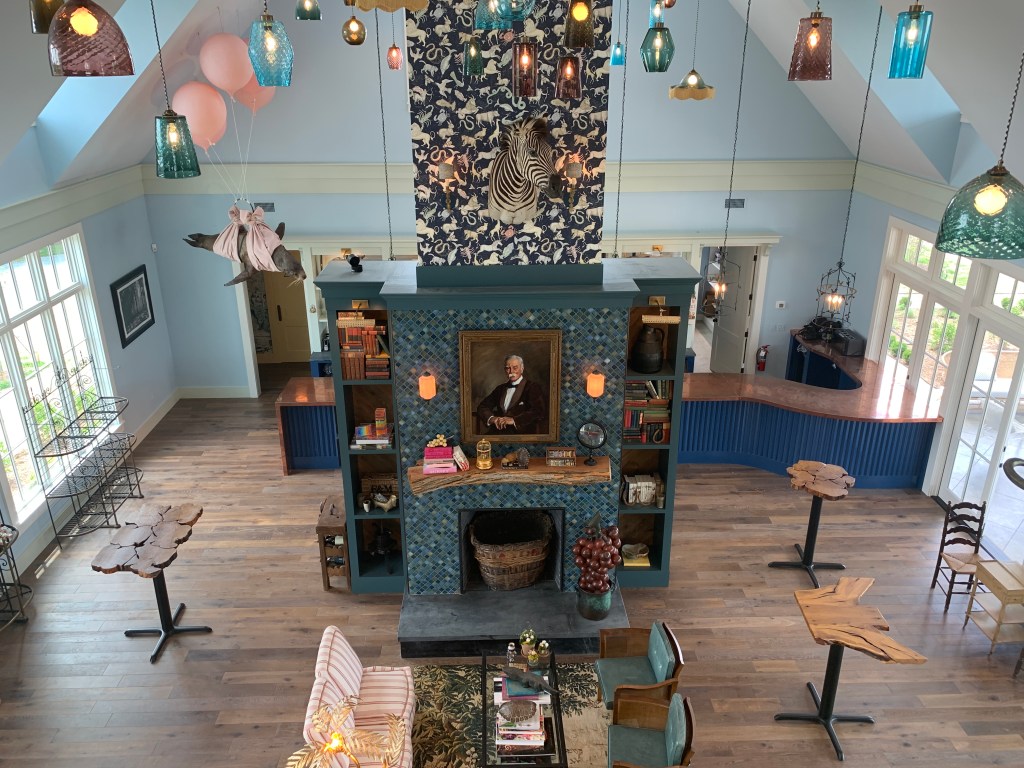
As soon as you walk in, you are blown away by the tasting room. I feel like that statement is easily overdone, because let’s face it – Virginia wineries are almost always pretty (it helps that grapes don’t grow in ugly places). But seriously…I’ve been to 300 plus wineries. Even with that background, I was STILL blown away.
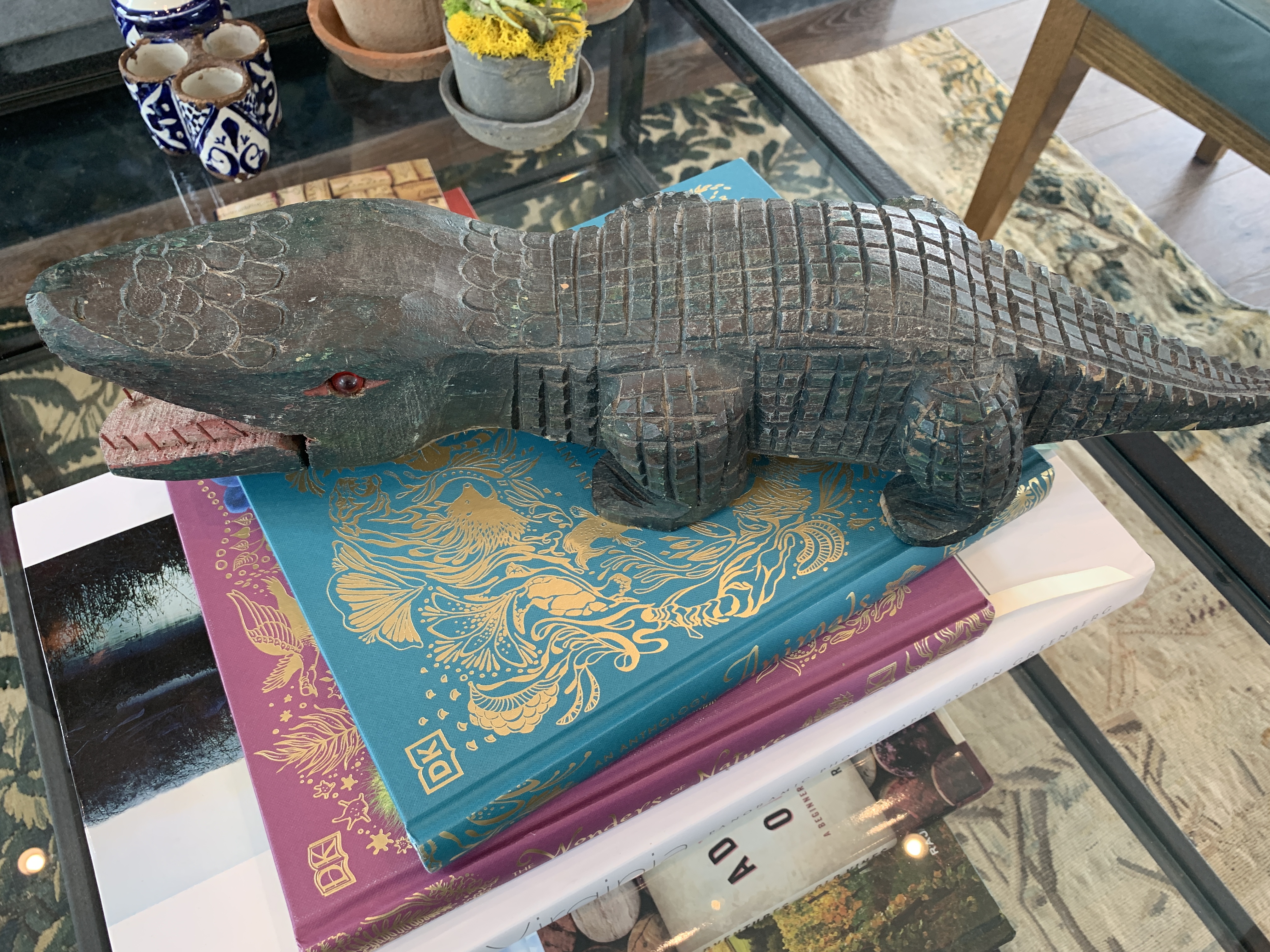
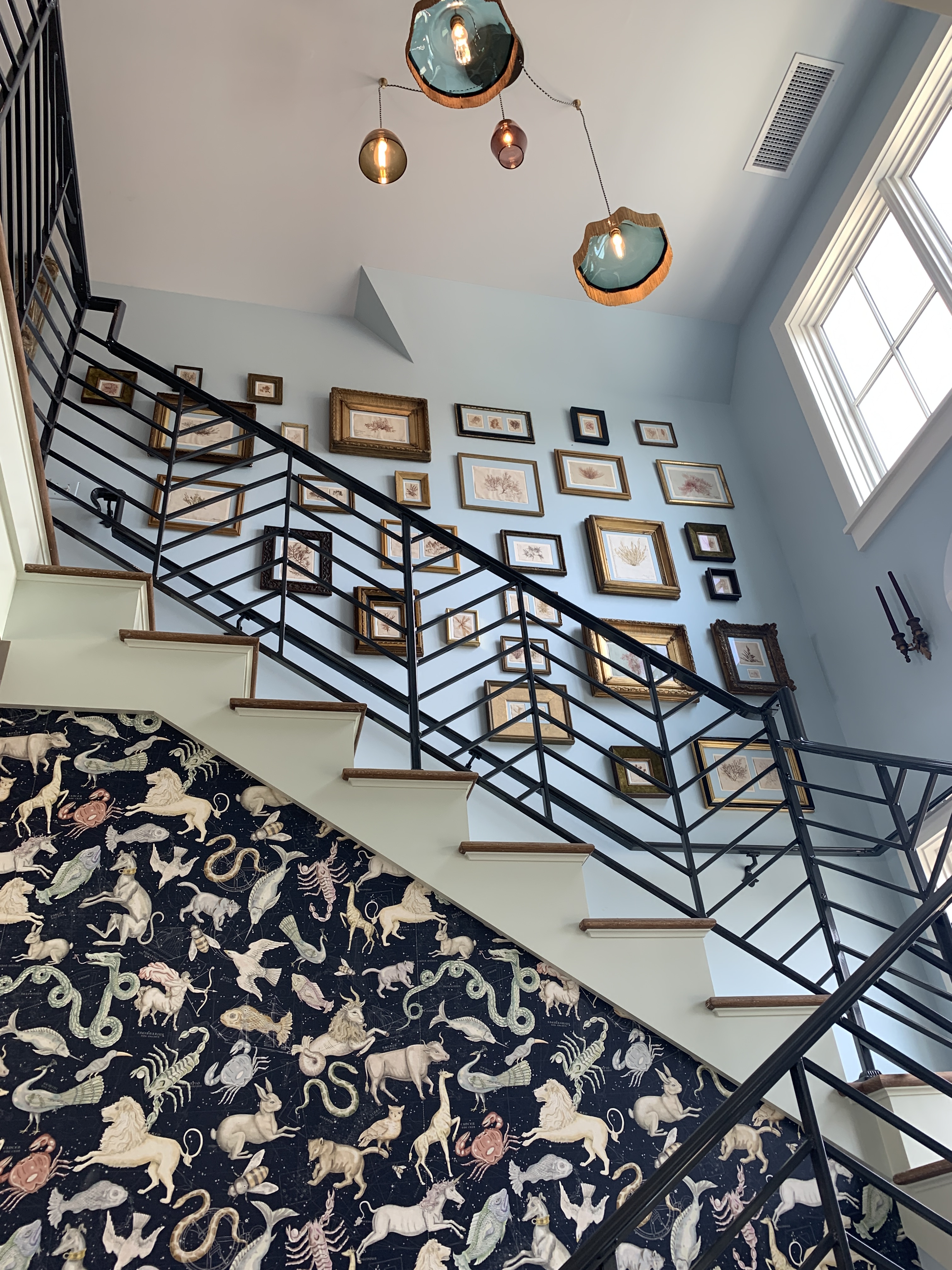
Bright, eclectic and whimsical are they key words here. This isn’t your stereotypical Virginia barn-turn-tasting building; Merrie feels more like an art gallery whose owners shopped curio shops from around the world, and was able to tastefully put their findings together.
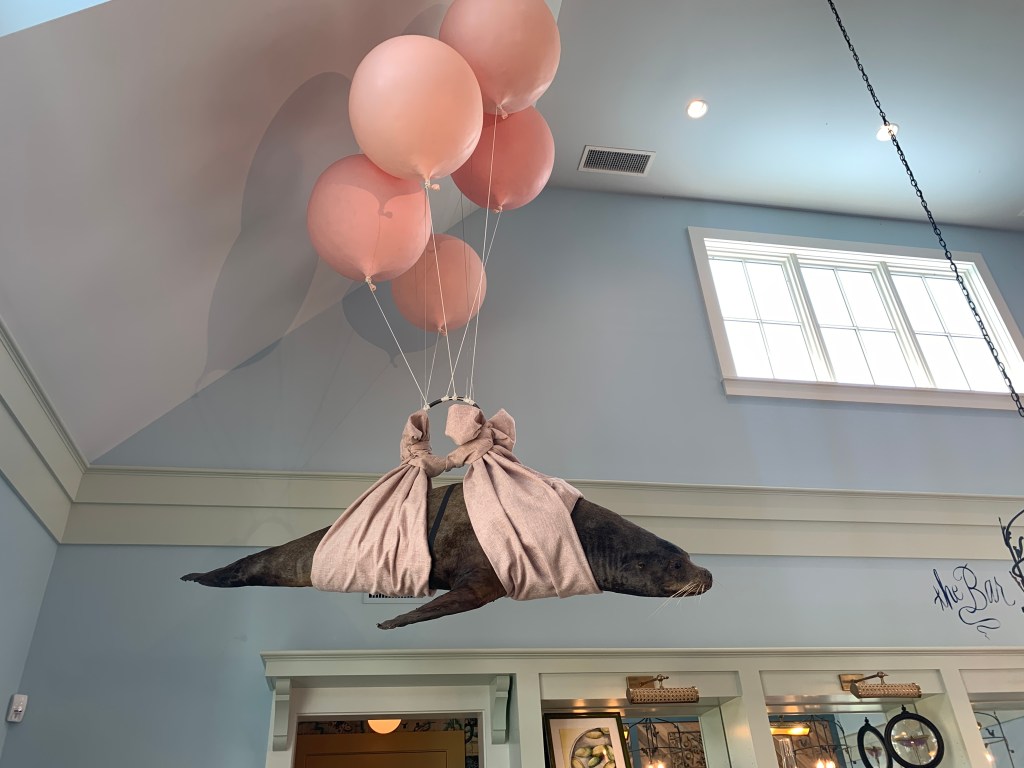
Instead of rustic wooden planks, the walls are a soft blue. Photos and other artwork greet you as you go upstairs. Every table has differently-designed chairs. A replica of a sea lion floating from pink balloons (I kid you not) hangs from the wall. The vibe was modern-meets-Alice in Wonderland.
In the middle of the room over their mantelpiece is a painting of John Pelly, Guy’s great-great grandfather. I lucked out and even got to chat with Guy, who gave all the decorating credit to his wife. While he is new in the wine business, he’s also an entrepreneur with experience running some clubs in the U.K., which is a stronger background than many new winery-owners have.
I sat outside and enjoyed a flight from True Heritage wine. While Merrie has 12 acres of vinifera planted (with space for more), the 2020 frost did a number on them so they lost nearly all their first vintage.
Fortunately True Heritage is not only a great brand (made by Emily at Veritas, who is Merrie’s winemaker as well) it’s actually grown next door. If this is reflective of their terroir, then they would be lucky indeed. I was very partial to their Petit Verdot, although given the heat I stuck with their Rosé.
It wasn’t planned, but I also ran into a few other Virginia wine-Instagramers (shout-outs to @anolaloveswine, @vineyardingacrossvirginia, and @miss_alk). It’s always nice to look up and see someone you ‘virtually’ know and get to meet them in person.
My last visit to Glass House demonstrates to me why I need to revisit wineries more quickly. My previous trip was around 2015, and the tasting I remember the most was their chocolate wine. This time around they had a remarkably diverse array of reds and whites to satisfy any palate, but the oasis-like tasting room was every bit as cute as before.
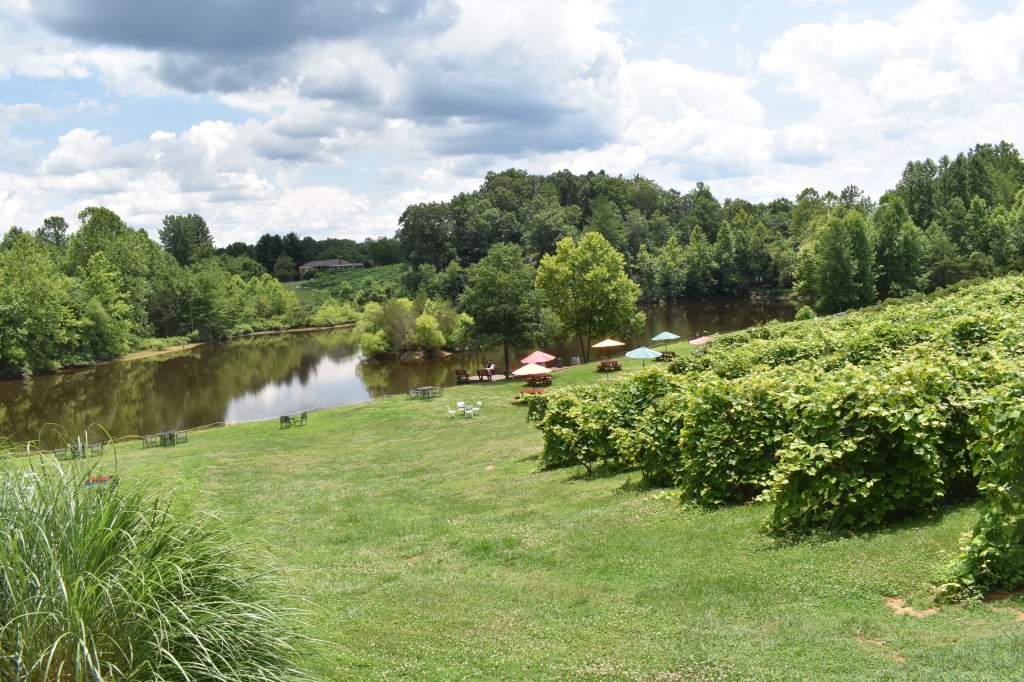
The place’s name is very suitable. While most wineries go for a ‘rustic barn’ style or perhaps a ‘cute/contemporary’ setup, Glass House is a tropically-themed glass walled tasting room. I promise, you really will think you’re in a botanical garden.
Located in the foothills of the Blue Ridge about 30 minutes from Charlottesville, Glass House is….somewhat off the beaten path. Fortunately they also have some great neighbors. I visited Hark just up the road, who picked their location based on the great terroir. I presume many of the factors that they decided makes it great for them likely applies here.
The original owners opened Glass House in 2010 but recently sold to a friend, who’s continued the vineyard and styles of wine. They also have a bed & breakfast on site, although I’ve never had the chance to stay there.
The outdoors were nearly as scenic as the indoors. This must have been a popular place at the height of COVID when everyone wanted to be outdoors, since there were tables everywhere along the pond.
Catherine was my server, and I’m not sure which of us was more thrilled to actually be able to chat with a stranger at a winery tasting bar. I mean seriously – it’s been so long! Sit-down flights are OK, but since the crowds had yet to arrive I was able to get the low-down from her on all her wines.
Their winemaker seems to have a thing for steel-fermented whites, and I’m HERE FOR IT. I was also surprised by their different Chambourcin wines, a varietal I’m often meh about but I liked theirs.
But the biggest surprise was their Barbera, an Italian grape rarely seen in Virginia. They even have a “Brose Rosé” made with Barbera, in a not-so-subtle attempt to get dudes to drink more rosé (fortunately I’m confident enough I can drink whatever I like).
My biggest regret though was not trying their chocolate pairing, which are made in-house. I occasionally see places with truffles, but those are almost always outsourced. Had I not had an appointment at another winery I definitely would have stayed for a chocolate-and-wine pairing.
What I tried:
2019 Chardonnay: Made in steel. Lychee notes, but otherwise fresh and clean
2018 Chardonnay: Lighter than the 2018; also made in steel
2019 Chardonnay/Viognier blend (60/40%): I lack specific tasting notes but…very nice! Why can’t we find this combo more often?
2020 “E-Ville” Rosé (Cab Sauv): Good fruit notes; made with Cab from Wolf Gap Vineyard in the Shenandoah
2017 C-Villian (100% Chambourcin): Definitely a fruit-forward Chambourcin
2017 Estratto (another 100% Chambourcin): I can’t find my notes!
2015 Barbera: Sour notes on the nose? Definitely sour cherries on the palate
2017 Audace: Described as an Amarone-style wine, made with Barbera. Dry, but it had a thick, strawberry syrup quality to it.
2019 Cabernet Franc: Good fruit quality, lighter color. Hardly any pepper notes until the very end, and even then it was more white pepper than green pepper.
All in all it was a great visit to a little oasis in wine country. If you’ve been there, tell me your thoughts!
I’m very happy how this article came out, focusing on Firefly Cellars, Williams Gap Vineyard, and The Winery at Sunshine Ridge Farm.
The continued growth of the Virginia wine industry never ceases to amaze me. Even in a pandemic we opened 20 wineries/cideries/meaderies in 2020, and another 9 more this year (with more to come!). Not only that, it seems every new location is better and better.
Sauvignon Blanc is probably my favorite white wine. Given it’s the 8th most planted wine grape in the world (and 3rd most planted white), it’s not just me either.
It’s also a grape that shows stylistic differences depending on where it’s grown. New Zealand Sauvignon Blancs are probably the easiest to guess, since the grassy aroma just jumps out of the grass. California SBs may be found oaked (thank Robert Mondavi for that). French SBs are more full bodied, especially if they have a dash of Semillon. Sancerre wines are possibly my favorite white wines of all.
But what about Virginia? Where does Jefferson’s birthplace fall in this roster?
Overall, my observation is Virginia Sauvignon Blancs tend towards Old World style, but honestly I’ve never tested that hypothesis. And if every winery makes them slightly differently, which one will be my favorite? So I gathered some friends and did some experimenting. You know, for science!
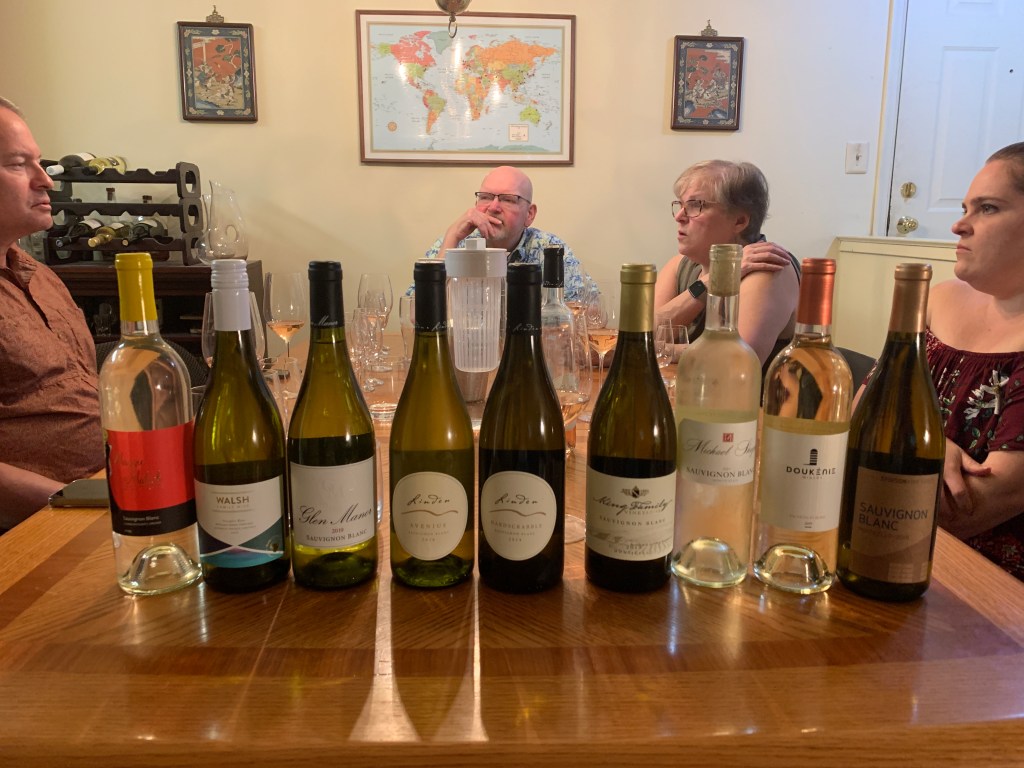
We picked nine separate Sauvignon Blancs from around the state, almost all from the 2019 vintage – one which Luca Paschina of Barboursville called it an “excellent-outstanding”. By doing this as a vintage-specific tasting, I figured we’d be able to make this comparison as fair as possible.
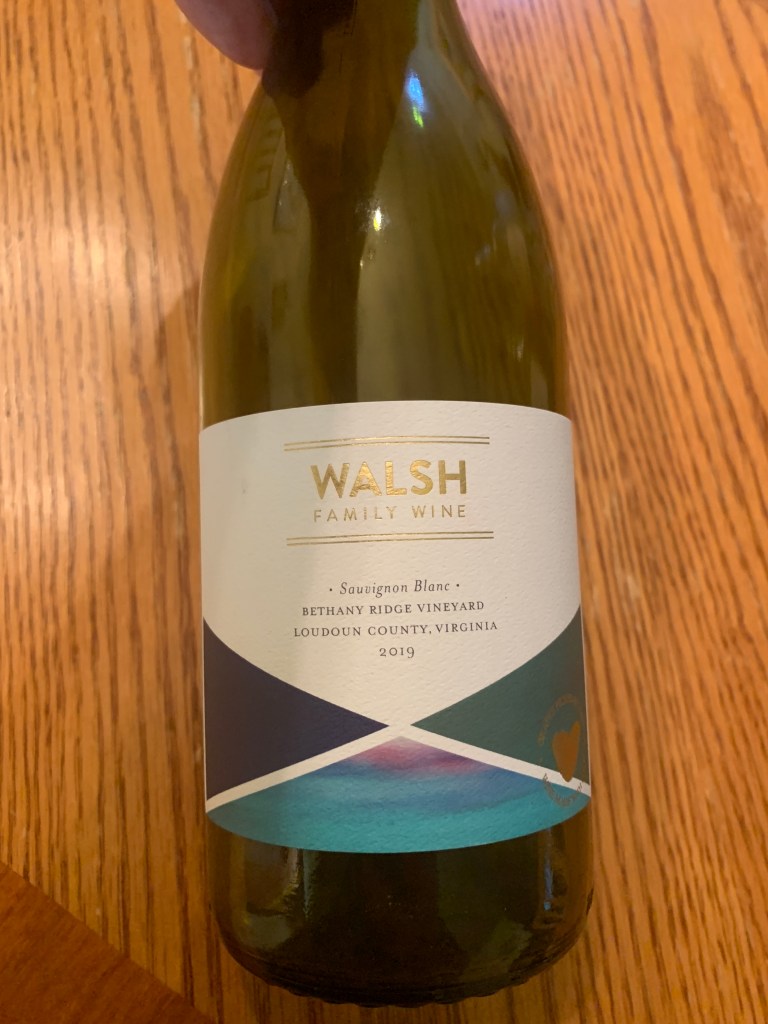
2019 Walsh Family Wine Bethany Ridge (Northern Virginia)
The competitors (and several judges)
The challenge was to identify our favorite Sauv Blanc of the night. To do that, we blind-tasted all nine wines over three flights, with a separate flight at the end of the winners of each round.
Flight 1:
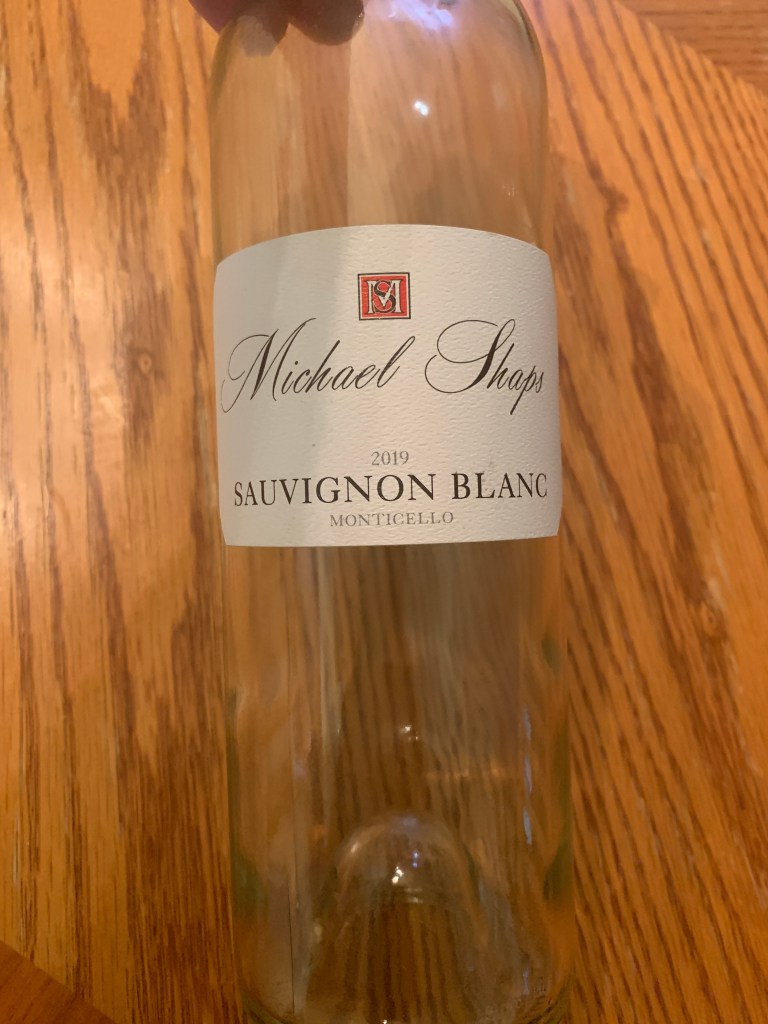
Wine 1 (Michael Shaps 2019 SB): Grassy notes on the nose but on the palate everything seemed up front. A few didn’t like this one initially but it more than grew on us as it opened up. Slight citrus notes. 5 votes
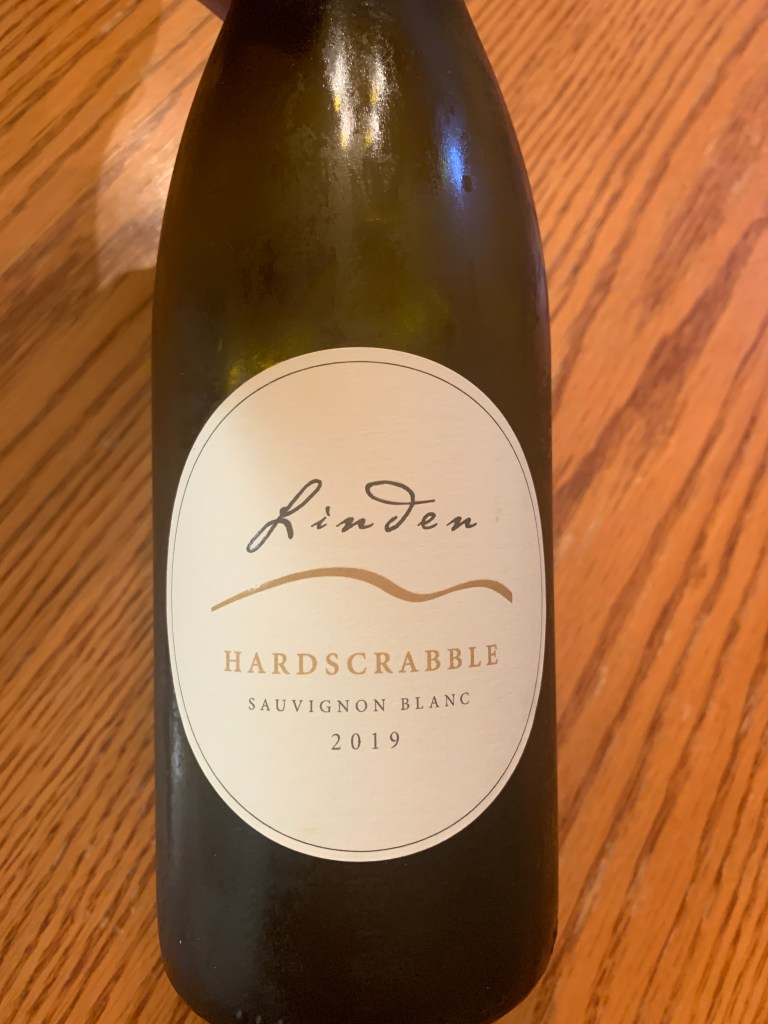
Wine 2 (Linden Hardscrabble 2019 SB): More weight, rounder, orange peel on the nose (PS – this was my favorite of the night, and arguably the toughest challenge of the entire evening). We felt this would have been scored better if we paired it with food. We went back and forth between liking this one or #1 better. 3 votes.
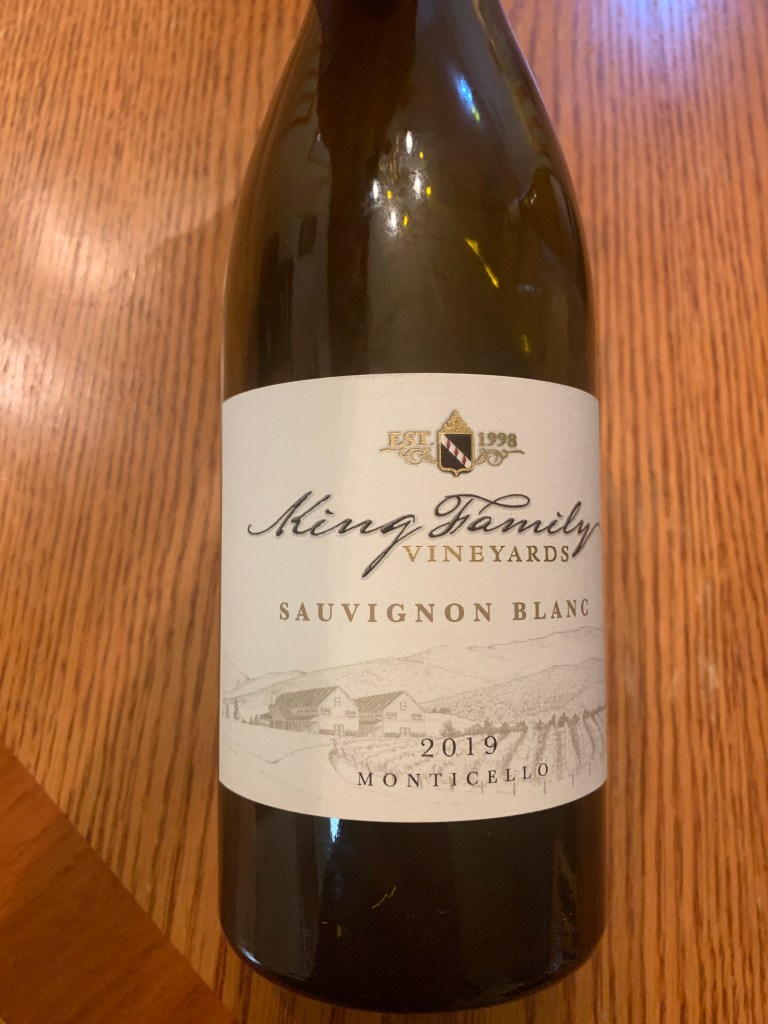
Wine 3 (King Family 2019 SB): Some grassy notes but not quite New Zealand-style grassiness. Some detected orange zest, other said it had an almost-sweet quality to it. Rounder. Maybe some buttercream notes, caused by oak? Zero votes.
Flight 2:
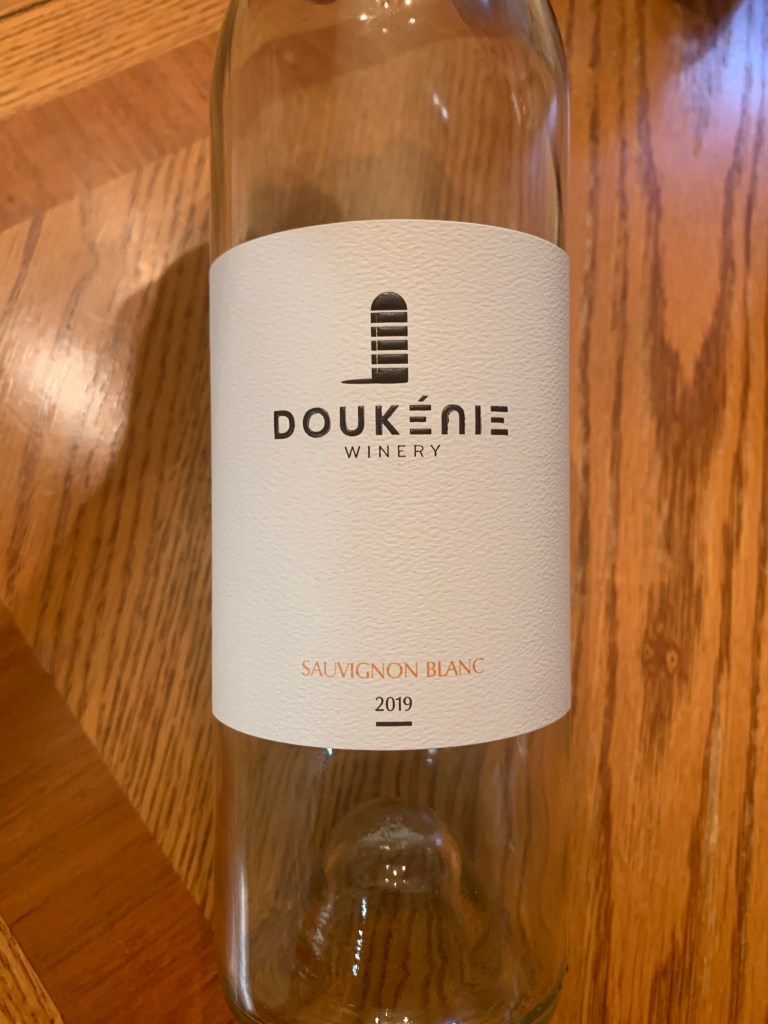
Wine 4 (Doukénie 2019 SB): Hits the mid palate but it died off. Big nose; started with a ‘creamed corn’ aroma although that dissipated over time. We liked it more as it opened up but still zero votes.
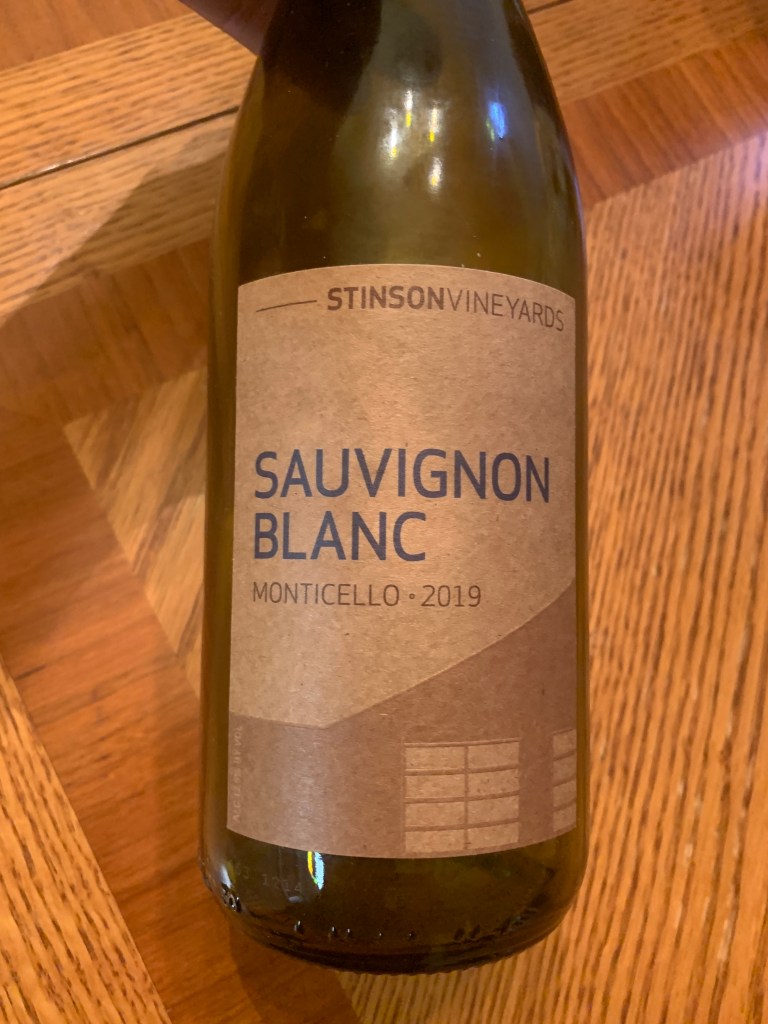
Wine 5 (Stinson 2019 SB): Classic grassy nose. Some detected some sweetness on the nose as well as pink grapefruit on the nose and palate. Very refreshing and indicative of what you want a Sauv Blanc to be. 6 votes.
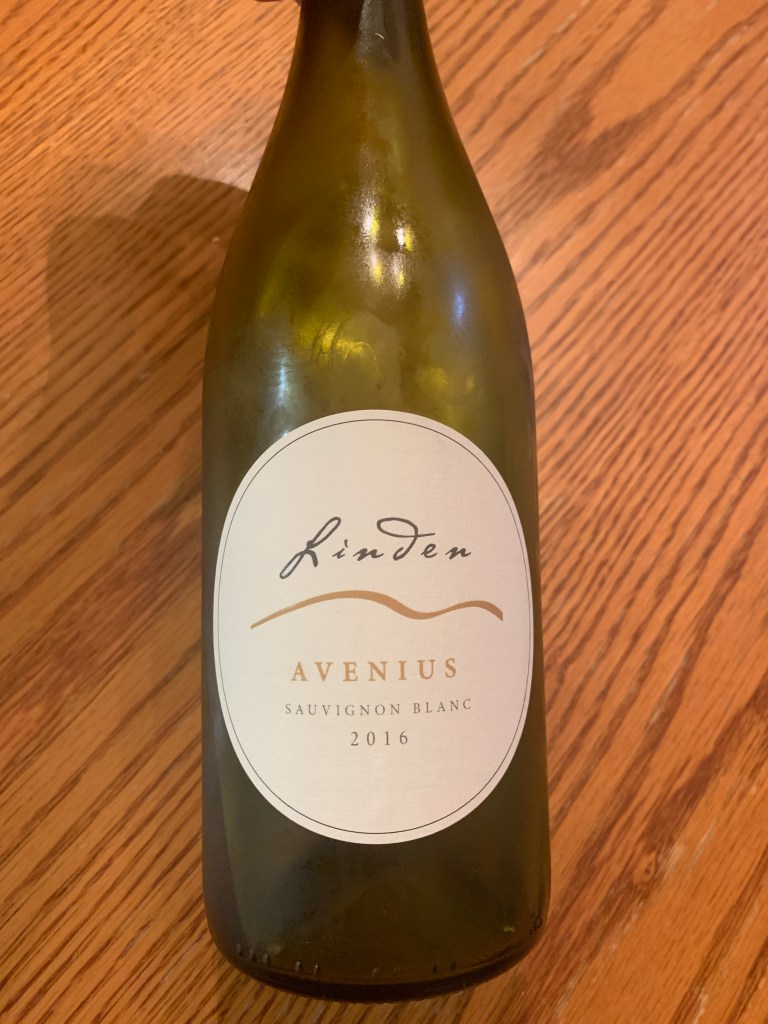
Wine 6 (Linden 2016 Avenius): Lighter nose. Zingy, pleasant, Lime and light butter on the palate. Hot note; maybe higher alcohol? Some tartness came out later in the tasting. 2 votes.
Flight 3
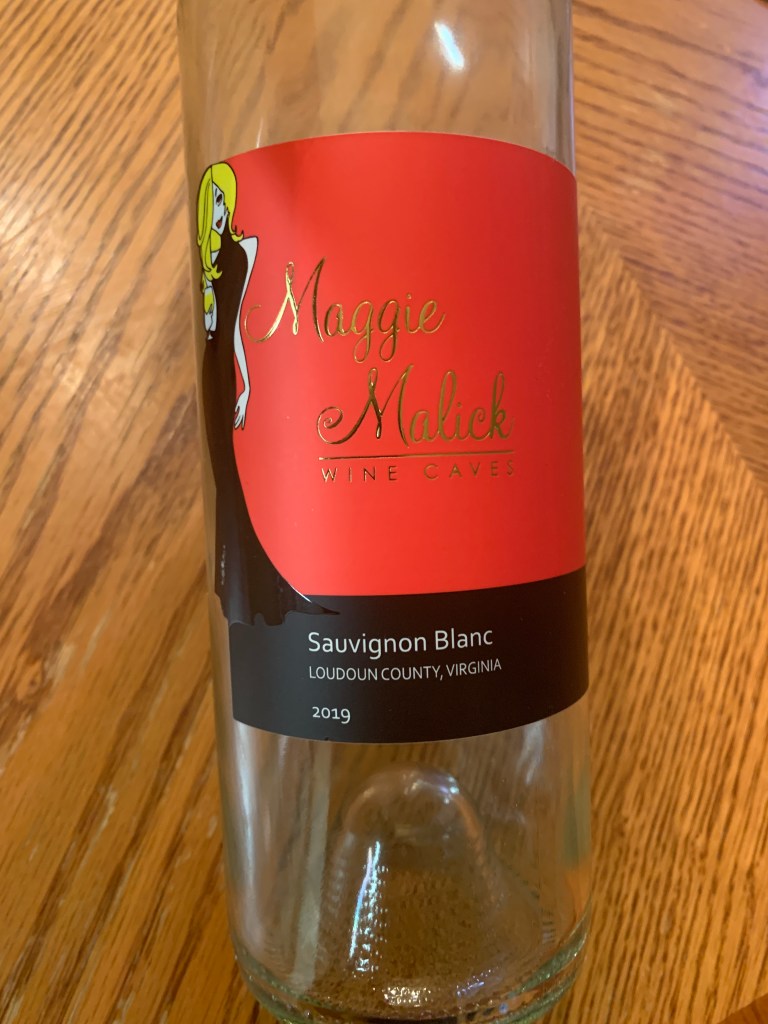
Wine 7 (Maggie Malick 2019 SB): Grassy, traditional ‘Sauv Blanc’ nose. Lighter on the palate, didn’t need food. Sipper wine. Very pleasant all around. 7 votes
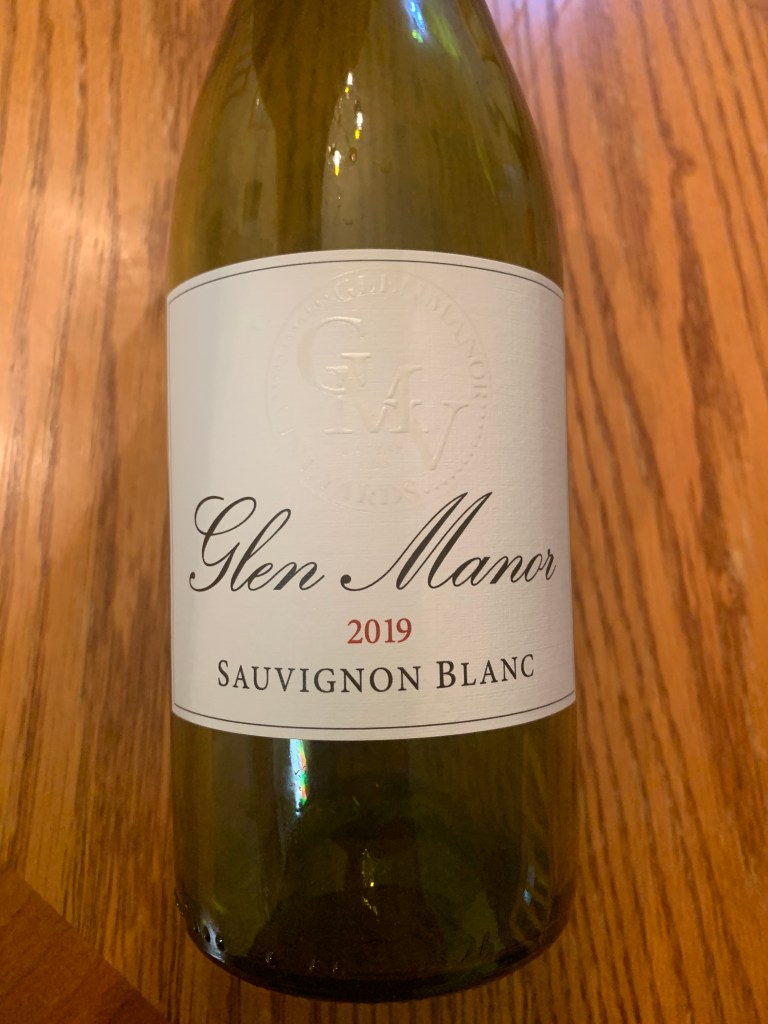
Wine 8 (Glen Manor 2019 SB): Cat pee on the nose (believe it or not, this is actually a positive aroma descriptor for higher quality SBs). Higher acid, bold. We later said we felt this needed time to open up, but we didn’t give it a tremendous amount of time. Zero votes.
Wine 9 (Walsh Family Wine 2019 SB): Grassy/boxwood notes. Passion fruit on the palate. We felt this was food wine that seemed indicative of classic Virginia Sauvignon Blancs. 1 vote.
Winners Round:
By this time we had some bites of food so maybe our palates had changed. We enjoyed all 3 of them, but the real showdown was between wines 5 and 7 (Stinson and Maggie). It was a very tight vote but in the end – and by a hair – we declared Wine #5 to be our favorite, and after the unveiling discovered it was Stinson 2019 SB.
Wine 1: Michael Shaps 2019 SB: Light on the palate, lemon lime, very pleasant. 1 vote.
Wine 5: Stinson 2019 SB: We felt this was a classic expression of what a Sauv Blanc should be, especially on the nose. Maybe there was some oak notes? Fruit-sweet but nice complexity. 4 votes
Wine 7 Maggie Malick 2019 SB: Lighter, jucier. Lower acid. Lemon lime but not punch in the face. 3 votes.
I did some research after the fact and learned it was NOT made in oak, but rather made in a combination of steel and concrete egg. Otherwise our tasting notes seemed to be right on.
I have to make an admission up front; I really though Linden and Glen Manor would have done better here. These two have a reputation as some of the best wines – especially Sauvignon Blancs – on the east coast. In fact, I deliberately put them in separate flights so they wouldn’t compete against one another. And to everyone’s surprise…none made it to the second round. That was truly a shocker to us.
I also do have to admit one small mistake here. I….accidentally used the 2016 Linden Avenius vs the 2019. It wasn’t until we unveiled them all did I realize it. But honestly, I don’t think it would have made a difference (I still popped open a 2019 Avenius….for scientific testing…). But after pouring it with the group, I still think the winners would have stayed the same, because they were THAT GOOD.
One thing I learned is that although this was all Virginia, and nearly all the same vintage, all the Sauv Blancs were markedly different. Several trended towards a more ‘traditional’ approach and many had fair to strong grassy nose, but you could tell the differences in all of them. This was a major departure from a very similar Malbec event, where all the Malbecs trended towards stronger similarities despite different countries and years.
After some deliberation, I recognized something else. This tasting was entirely the product of this group and this particular time, hence doesn’t necessarily prove or disprove anything at all. If anything, that’s the real lesson of the night. Any wine can be your favorite wine in the right circumstances. I’m certain had we done another round the better wines would likely have made it to the top tier, but the winner – even a big name like Linden or Glen Manor – is never a guarantee.
Looking at how we did this competition, had we done these in a separate order, done them more spaced apart, or done them with food pairings, I’m pretty sure we would have gotten at least slightly different results (I remain adamant the Hardscrabble would have killed it with a creamy dish to the side). I also found it curious that the top-scoring wines were all stylistically similar to one another; the most traditionally ‘Sauv-Blanc-y” of the bunch.
All that said, I want to give lots of kudos to Rachel Stinson Vrooman of Stinson Vineyards and Maggie Malick of Maggie Malick Wine Caves for having the #1 and #2 wines of the evening. We loved them the best, which says a lot given they were next to some truly world-class wines.
Malbec is a grape that’s grown worldwide but seldom bottled alone. Cahors is its spiritual home but it’s since been adopted by Argentina, one of the few places that bottles 100% Malbec wines. Even Bordeaux considers it something of a stepchild, the least planted grape out of the 5 noble Bordeaux reds.
Out of 3000 planted acres of grapes, Virginia grows only 17 acres of Malbec – in the entire state. Saying its rare in Virginia is an understatement.
The reason for this rarity is simple – it generally does poorly in Virginia’s humidity, struggling to ripen in most years. In all my travels I’ve only seen 7-8 places in Virginia & Maryland which are either willing to put in the extra work to grow large plantings of Malbec, or possess the ‘Goldilocks’ combination of terroir it needs to express itself. More than a handful of wineries have since ripped out its Malbec vines or were forced to replant due to frost damage.
Still, the opportunity to do a side-by-side comparison of Malbec poised an interesting dilemma. Are there any defining characteristics for Virginia Malbec? How will it compare to France and Argentina?
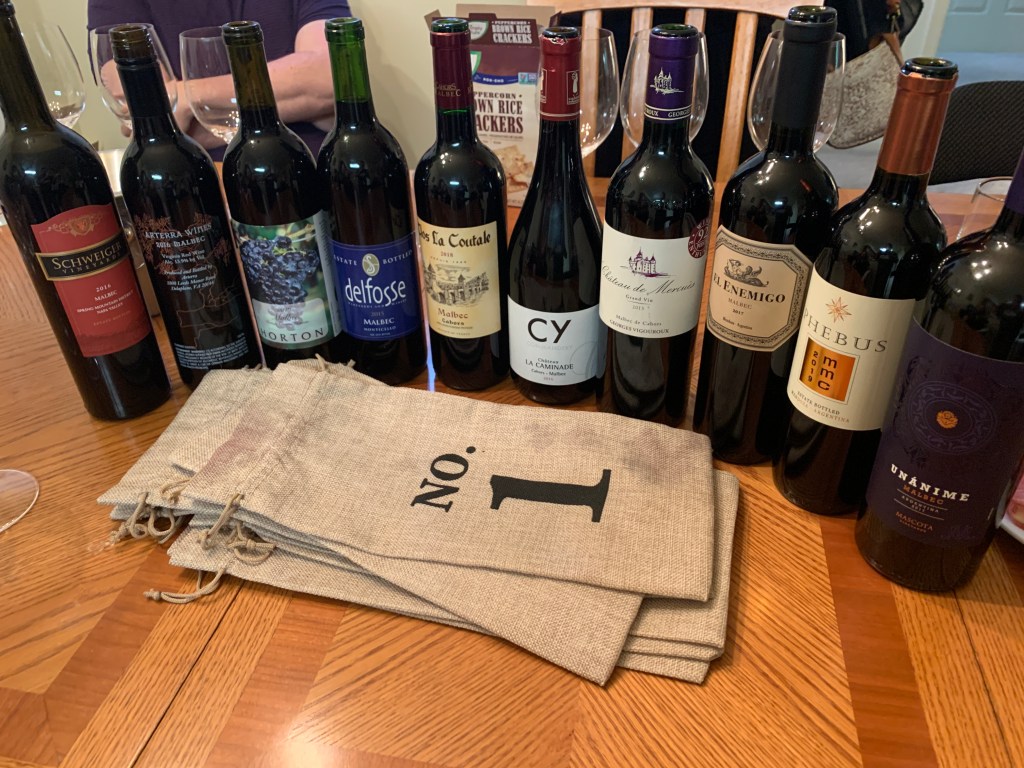
To answer this question, some friends and I tasted 9 wines from three different regions, including Mendoza (Argentina), Cahors (France), and Virginia (mostly central VA but also one from Fauquier).
The contenders:
Argentina (Mendoza) 2017 El Enemigo
Argentina (Mendoza) 2017 Mascota
Argentina (Mendoza) 2019 Phebus
France (Cahors) 2015 Chateau de Mercuès
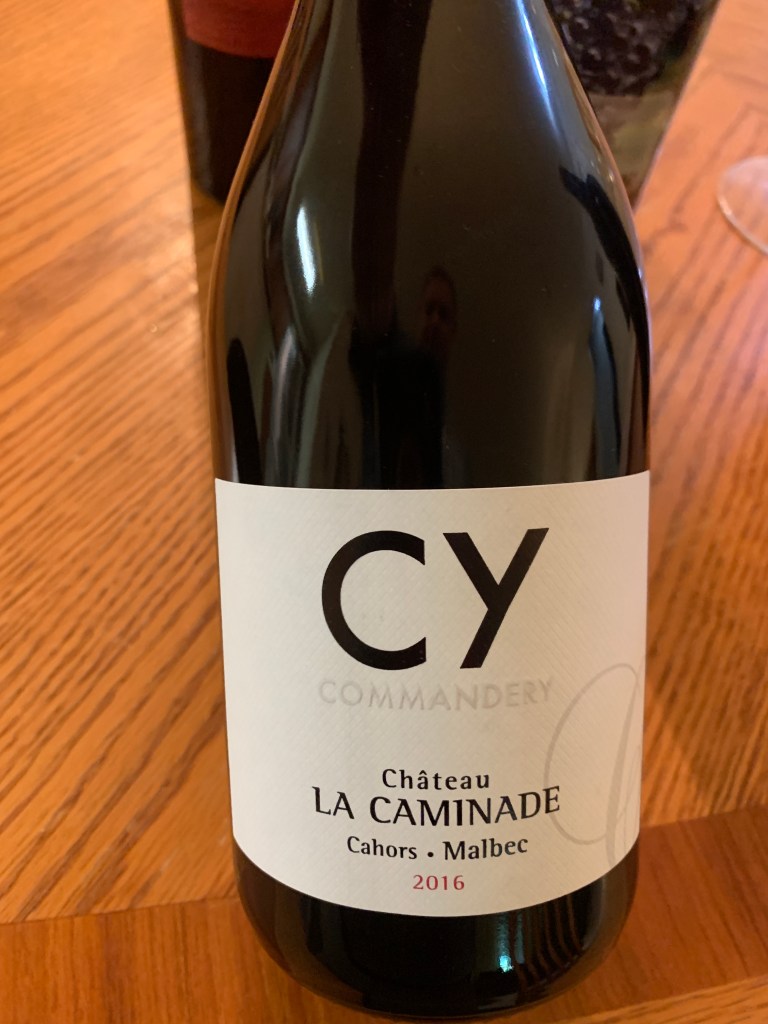
France (Cahors) 2016 La Caminade
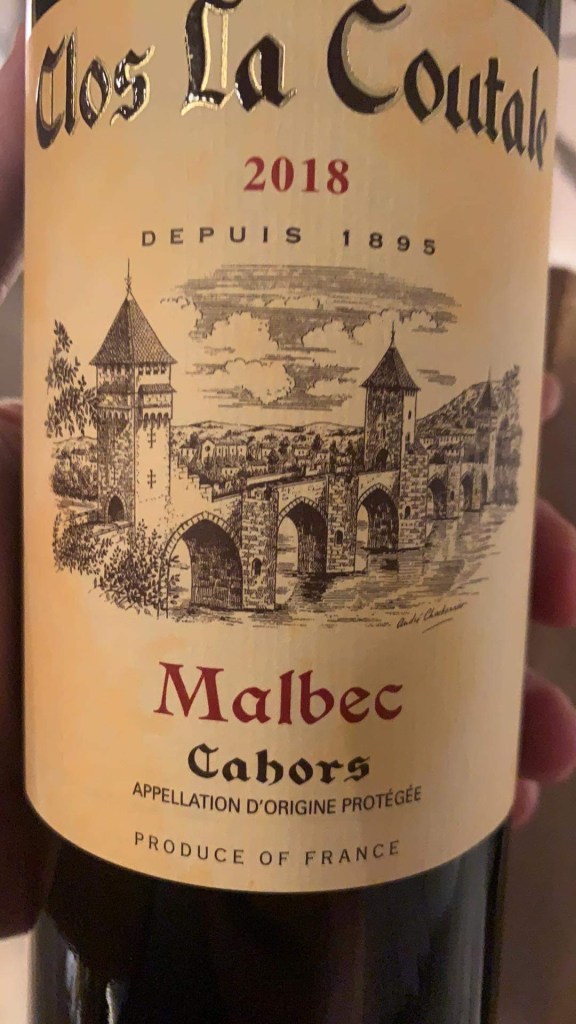
France (Cahors) 2018 Clos La Coutale
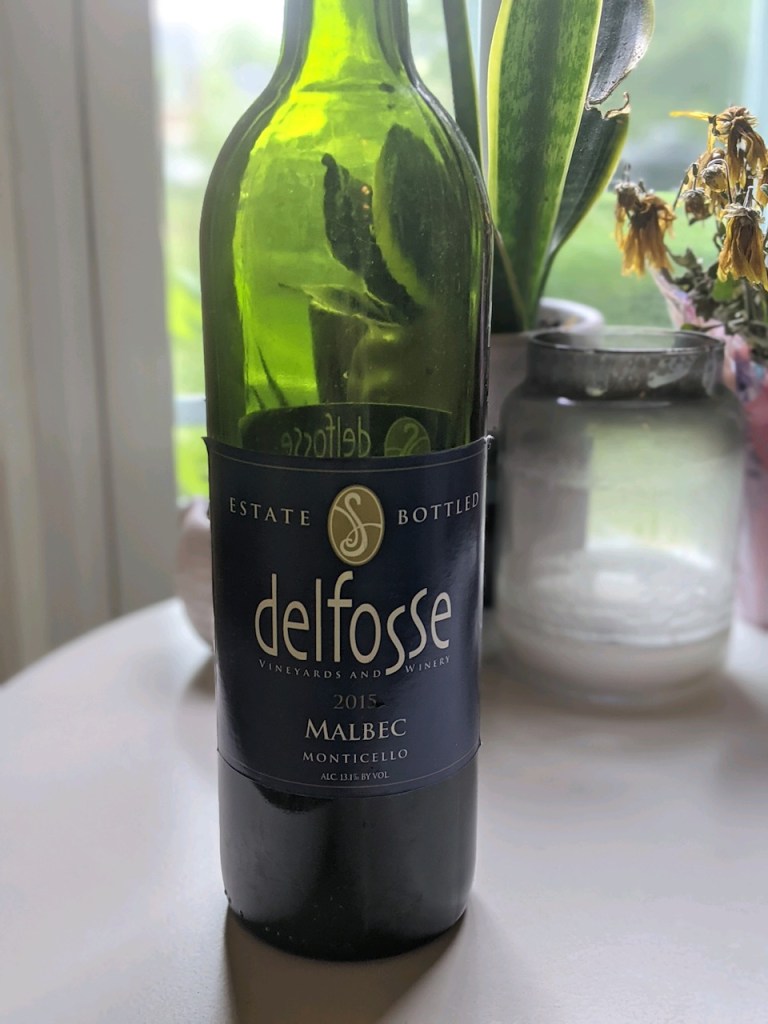
Virginia 2015 DelFosse
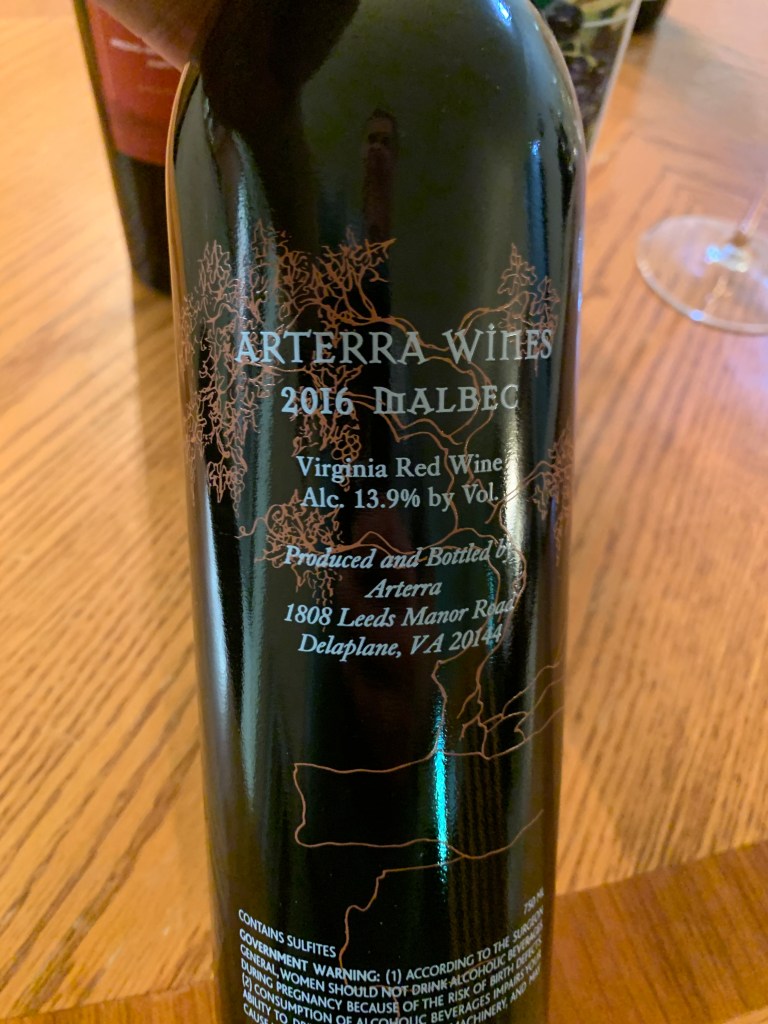
Virginia 2016 Arterra
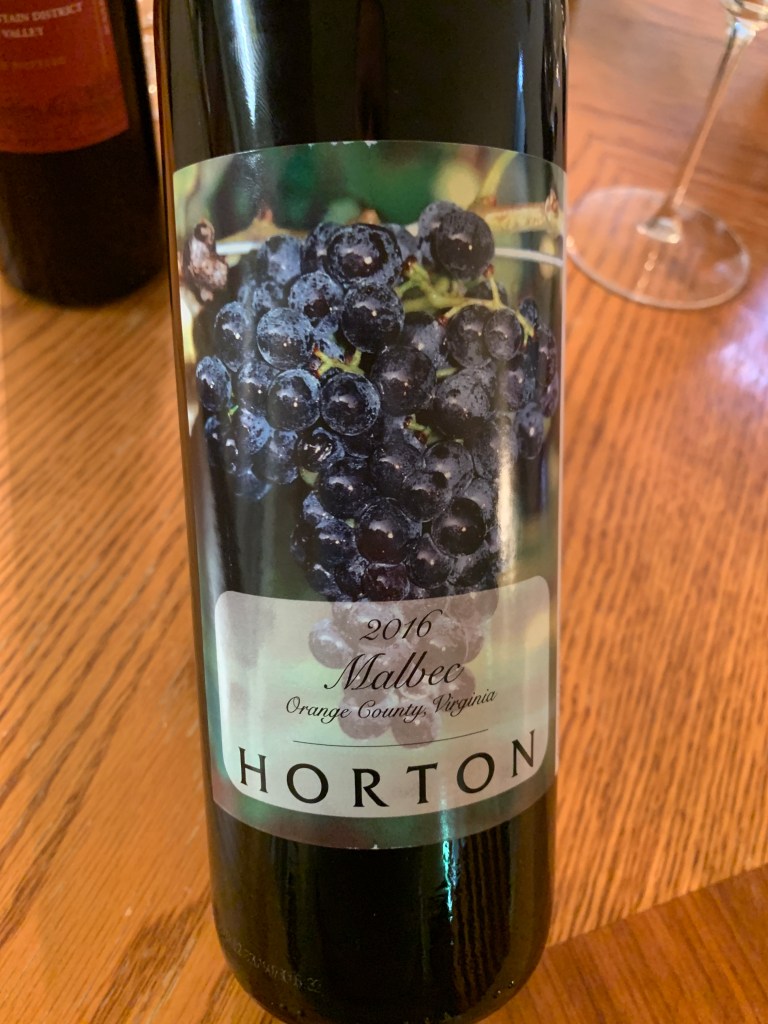
Virginia 2016 Horton
Bonus: California 2016 Schweiger
The tasting was done completely blind. We did 3 flights, with each flight consisting of a wine from each region. We conducted a “Finalist’s Round” of the winners from each of the three flights.
First off, nearly all of these wines were nearly the same jet-ink color. A few were slightly lighter than others (possibly because some had some other grapes blended in), but any differences were going to have to be determined by nose and palate.
Flight #1
2015 DelFosse ($26): Earth floor on the nose. Tobacco notes yet fruity. Overall not especially complex but still a well-received wine. (2.5 votes)
2017 El Enemigo ($22): Earthy notes and some funk on the nose. Lighter bodied than the previous one but still strong tannin. Some fruit notes on the palate. Favorite of the 1st flight. (3.5 votes)
2015 Chateau de Mercuès ($28): Blended with Merlot. Raspberry notes but also some bitterness. I picked this up at Total Wine and while it had good reviews it wasn’t well received here. (1 vote)
Flight #2
2016 Arterra ($35?): Spicy and bright. Arterra makes their wines via natural yeast fermentation, which I’ve found is a love-it-or-hate-it quality. I enjoyed it but not the winner of this round. (2.5 votes)
2019 Phebus ($16): This was the youngest wine of the night – and it showed. Despite that, we seemed to really enjoy the fruitiness. A bit tart and minerally as well. Overall it was on point, and twice in a row Argentina takes the win for favorite of the flight. (4 votes)
2018 Clos La Coutale ($18): One of my participants gave it the weirdest tasting note descriptor of the night; “mash potatoes”. Another said notes of herb garden and tart on the palate. I thought it had a ‘weird’ nose and fruit notes. Not a winner for us. (1 vote)
Flight #3
2016 “Cy” La Caminade ($22): I picked this up at a local wine store based on their recommendation. Different participants provided different descriptors, ranging from bell pepper, blackberry, and/or leather on the nose. One participant noted a bit of sourness. Not my favorite but got outvoted! (3 votes)
2017 Mascota Vineyards ($15): One of the most widespread commercial producers in Argentina. Tobacco nose, black cherry palate. (1.5 votes)
2016 Horton ($30): Bright, fruity. My favorite of the night! Words were hard for me by then, but I crowdsourced the tasting notes “Earthy nose and cranberry notes on the palate”. Sadly, this was Horton’s last vintage of this grape. (2.5 votes)
Finalist Round
Argentina 2017 El Enemigo: Funky nose. Words were hard by this point so no tasting descriptors. 4 votes
Argentina 2019 Phebus: Musty. 3 votes
Cahors 2019 La Caminade: Slight must, some fruit, brighter than others. Zero votes.
For our bonus round, we tried the Napa 2016 Schweiger. Very ripe! It was a totally different wine than the rest- and not just because we had an evening full of Malbec.
Overall, I’d say our tasting notes were all over the place. I knew this would be a challenging grape for Virginia to compare, but I still think it did well. Notably, Virginia Malbecs were voted in the middle of each flight, while Argentina was consistently #1 and France ended up last.
My personal favorite was Horton but I did like the Phebus as well. I suspect younger, more fruit-driven wines appealed to the crowd I was with so that may have impacted the results.
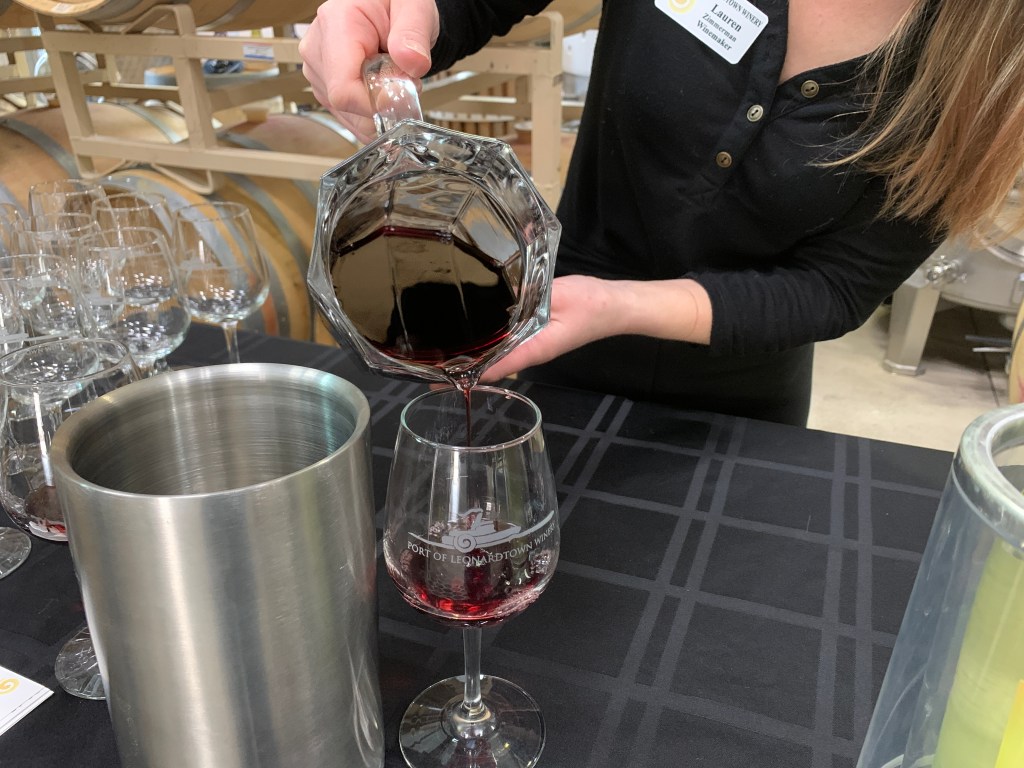
Since it’s Women’s History Month it seems appropriate to end March with an interview with winemaker Lauren Zimmerman of Port of Leonardtown.
If you aren’t following Lauren’s Instagram (@laurenwinegirl), you’re missing out. Her stories are incredibly fun to follow along, whether you’re a wino or not. But in person, she was every bit as fun as her stories are.
My visit was inspired by news of their recent Maryland Governor’s Cup awards, but more broadly because I was curious about Maryland wine in general. Port of Leonardtown had recently earned the Jack Aellen award for the state’s best fruit wine, and best in class for their 2020 Sauvignon Blanc. While that Sauv Blanc made the entire trip worthwhile, there was plenty to love here.
I started with a barrel tasting, chatting with Lauren about the state’s wineries in-between sips. She explained how Maryland has over 100 x wineries and 1000 x acres of grapes, making Maryland something of a ‘little brother’ to Virginia’s own wineries. Since many Maryland wineries are closer to me than Virginia counterparts in Charlottesville or the Shenandoah, I began to wonder why I don’t visit here more often.
But even within Maryland, Port of Leonardtown is a unique enterprise. It’s comprised of 13 x independent vineyards from around the state who banded together to form a winery co-op under one roof (and one winemaker). The wines resulting from this cooperation showcase a variety of terroirs from coastline to mountains to flat farmland.
Unlike most winery tasting rooms, Port of Leonardtown is set in a suburban area. While they have a picnic area and some ‘show vines’ in front, don’t expect the sweeping vineyard views that you might see elsewhere. But not to worry; they make up for it with great wine.
One observation about Maryland wine is since its terroir has a little bit of everything it’s hard to define a signature ‘Maryland’ style. Fortunately, this suits Lauren well. While she comes from Canada (and definitely misses Riesling) Lauren has jumped between wineries all over the world before finding a cute guy and settling here to start a family, so she’s accustomed to dealing with a range of styles and grapes.
Lauren’s most consistent grape is definitely Chambourcin – which she praised for its versatility. She also felt Chambourcin grown in eastern Maryland was richer than what you can find elsewhere. Port of Leonardtown’s vineyards also produce Barbera, Vidal, Albariño, Chardonnay, Cab Franc, Petit Verdot, and Merlot.
Since I had her full attention, I took the opportunity to ask her own favorite wines. The unreleased 2020 Sauv Blanc and her steel-fermented Chardonnay were up there, along with her Governor’s Cup-winning 2015 Barbera.
Since it was Women’s History month I also asked her a few questions about women’s representation in the Maryland winery scene. She agreed that while the field is dominated by men, that trend is dying out. She also pointed out that women generally have better olfactory skills then men, so biology seems to be on her side here.
As for the wine, I enjoyed the entire lineup. We started with the whites, with the 2020 Sauvignon Blanc quickly becoming my favorite – young and juicy, with lots of grapefruit notes. The 2020 Vidal was also good, leaning towards a more citrusy style.
For reds, the Cabernet Franc was bright and peppery, while the 2019 “Old Line” red (Merlot / Cabernet Franc / Petit Verdot) was richer. Finishing things off were the Vidal dessert wine, which Lauren called a ‘porch sipper’ because it wasn’t overly sweet. Finally we had a dry, rich port-style made with Chambourcin.
If you haven’t been to Maryland wineries before, start here!



























 Wine Trails and Wanderlust