
If I had to pick three words to summarize the Virginia wine industry in 2025, they would be recovering, rebalancing, and evolving.
‘Recovering’ speaks to the impact two years of drought had on Virginia’s vineyards. A full-scale invasion of the spotted lanternfly (SLF), a difficult (and wet) fruit set, and spring frost further depressed tonnage.
‘Rebalancing’ is a reference to a first-time contraction in the number of tasting rooms in the state. Only 3 new tasting rooms opened in 2025 (a 2-decade low), while 8 closed. Eight new wineries are also open for online sales, despite their tasting rooms not being formally open yet.
The combination of declining wine sales and rising production costs made this rebalancing inevitable. Only time will tell what direction the industry goes from here.
That said, there are still bright spots in the world of Virginia wine. While the number of tasting rooms & overall sales have slipped, the number of ‘Virginia wine brands’ grew.
That’s where the last word, ‘evolving’, comes into play.
Many Virginia wineries are changing how they operate to keep up with the times. This means everything from finding ways to attract non-wine drinkers, making winemaking and ownership more accessible, and (in some cases) moving away from the ‘grown at, produced at” model that has long dominated the industry.
With those factors in mind, Virginia ended 2025 with a total of 280 wineries, 35 cideries, and 11 meaderies, plus 36 wine/cider/mead brands that lack tasting rooms. Here is a link to my winery roster.
* This article is entirely my personal opinion and doesn’t reflect the position of the Virginia Wine Marketing Board or any other entity. You can see my previous “Years In Review” for 2020 – 2024.
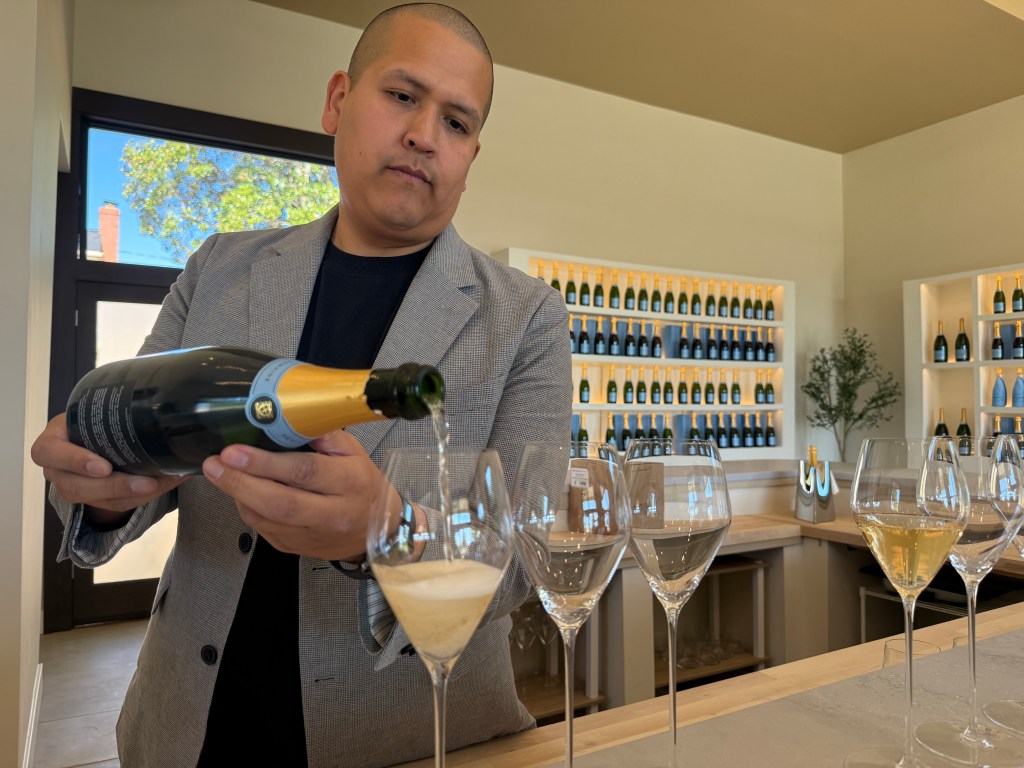
Tasting-Rooms that opened in 2025
- Bandit Ridge Winery (located in Louisa, wine made at James River)
- Petit Domaine (located in Hillsboro; wine presently made off-site but will eventually move in-house)
- Catamaran Hills (located in Lovettsville; made at Fabbioli)
New Wineries with still-pending tasting rooms, but with wine for sale
- Alla Vita (currently has a pop-up tasting room; full tasting room opening in 2026)
- Noer Vineyards (tasting room opening 2026, but wine available for sale)
- OH’s Vineyard (tasting room TBD but selling wine at other locations. Made at Walsh Family)
- Piedmont Meadows (tasting room opening 2026, but wine available for sale)
- Silver Dog Vineyards (tasting room opening 2026, but wine available for sale)
- Toll Gate Vineyards (tasting room planned for 2026; wine currently sold at a farmers market. Made at Walsh)
- Twisted Pines Farm (tasting room open by appointment, but wine available for sale)
- WildKind (tasting room opening 2026, but wine available for sale)
- Yapita (tasting room opening by appointment. Wine can be purchased at Early Mountain and select wine stores)
New Micro Brands (typically sold via retail or pop-ups)
- Hedon State (made at Bull Run. BIPOC owned)
- Little River (made at Chrysalis)
- Nouveau Farms (made at Commonwealth. BIPOC owned)
- Novella Wines (made at Commonwealth. BIPOC owned)
- Third Culture Kid (made at Walsh)
- Zora Chloe Wines (made at The Wine Collective. BIPOC owned)
Wineries and meaderies that closed in 2025
- Castle Glen Estate
- Haley’s Honey Mead
- Seven Doors Winery
- Stanburn Vineyard
- Rock Roadhouse
- Triple V
- Valhalla Vineyards
- Vintner’s Cellar of Yorktown
- White Hall Vineyards
2025’s Major Stories and Trends
1. The 2025 Vintage: A challenging start with a strong finish
Vineyards started the growing season parched. When the springtime rains came, the rainfall was initially welcomed.
Then it rained some more. And even more. Several winegrowers I spoke with openly wondered if we were facing a 2018-ish vintage, one of the wettest in decades.
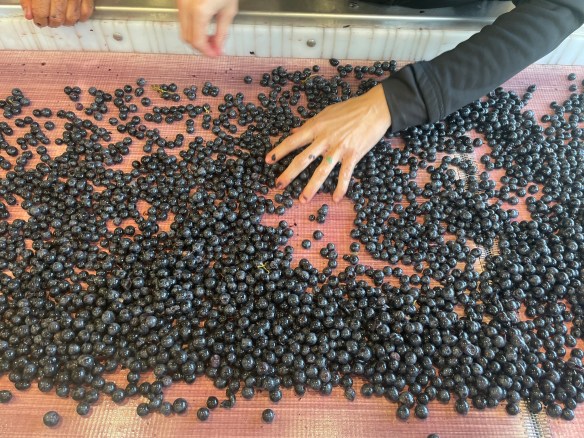
The combination of drought stress, SLF, and rain during bloom collectively suppressed tonnage. Some vineyards are reporting yields are down as far as 50%, especially for early budding varieties such as chardonnay.
Fortunately, a warm & dry second half of the season saved the vintage. Many winegrowers are calling 2025 a high quality/low quantity year.
2. Virginia Wine Industry Experiences Its First Contraction…
Three new wine tasting rooms opened in 2025, while 8 wineries (plus a meadery) closed. This means more winery tasting rooms closed than opened for possibly the first time in the modern history of Virginia wine.
A slowdown was inevitable, especially after three decades of non-stop expansion. Changing consumer tastes (especially younger generations abandoning wine) are the main culprit, but tariffs, retiring owners, and a host of other factors also took their toll.
Given 9 new wineries are currently building tasting rooms, it appears the Virginia wine industry still has room for growth. But it’s safe to say we are entering an era where the number of openings and closings will be more closely balanced.

3. ….But Micro-Brands Seen Opportunity
2025 was a great year for ‘micro-brands’; a term I use to cover ultra-small batch producers. 6 micro brands opened in 2025; a new annual high for this category.
Many of these micro-brands wouldn’t exist without the availability of ‘wine incubators’. Commonwealth Crush, the Virginia Wine Collective, and Walsh Family Wine have led the way here, but multiple wineries have ‘incubated’ a smaller partner at some point.
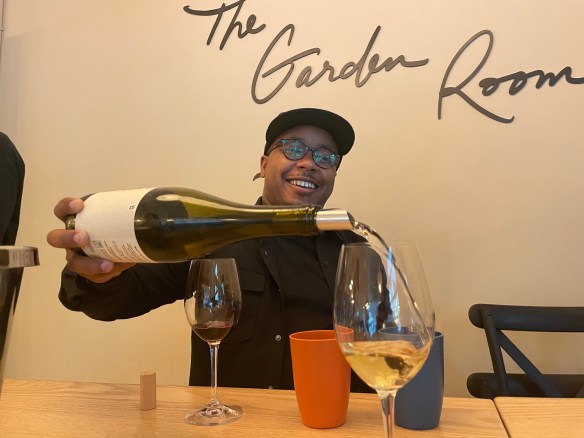
Incubators fill a crucial role by giving new wine brands access to space, equipment, and (if necessary) winemaking expertise, which lowers the financial bar for them to join the wine industry. This has been especially beneficial for communities that have traditionally had limited representation in the wine world (notably, 4 of 6 of these new brands are BIPOC owned, and 2 have a female owner or co-owner).
There are benefits to keeping a wine brand small. Unlike larger brick-and-mortar wineries, these micro-brands don’t have tasting rooms to manage or vineyards to worry about. Their smaller footprint also means they can better manage inventory.
Perhaps most importantly, the small batch nature of their model means these owners can take stylistic risks a larger brand may shy away from. This has led to some exciting new wines, such as the “What’s This” vidal blanc/petit manseng/chardonel/tannat blend from The Parallax Project (one of my favorite wines of 2025).
4. Are More Wineries Embracing Contract Winemaking?
I’m going to be a little controversial here. More places than ever seem to be moving away from the ‘grown at, produced at” model that has long dominated the Virginia wine industry.
My claim is based on data. Only 25% of the 300-ish wineries currently open in Virginia use a contract winemaker. An additional handful rely upon the same small group of consulting winemakers.
Yet if you narrow the data to wineries and wine brands that opened in the past 5 years, nearly half of those (43 out of 92) lack in-house winemaking facilities. Instead, these venues outsource their winemaking to contract winemaker or ‘borrow’ cellar space at another partnering site. Many don’t even have their own vineyards.
Now, I’m not saying this shift is inherently bad. Many wineries don’t have the finances or interest to make wine on-site, manage a vineyard, or operate a tasting room. Micro-brands thrive precisely because they aren’t tethered to such concerns. And who wouldn’t want Nate Walsh or Matthieu Finot to make their wine?
Even so, I’m a little worried over the long-term implications this change portends. If smaller wineries opt to use contract winemakers instead of hiring their own in-house Head Winemaker, this will reduce potential opportunities for new winemakers to enter the business.


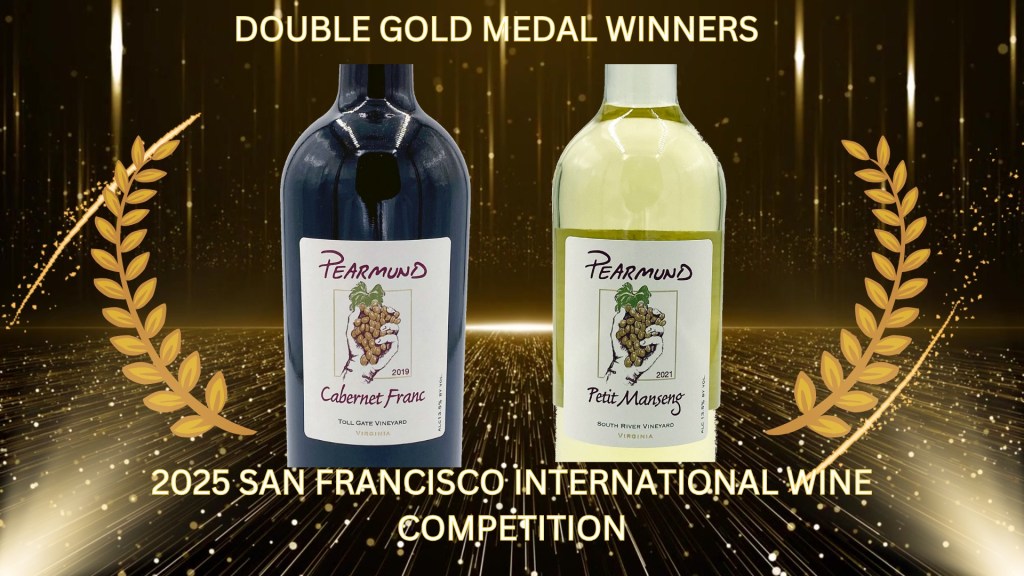
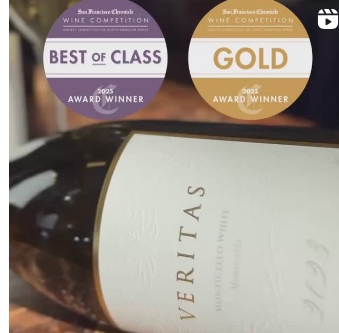
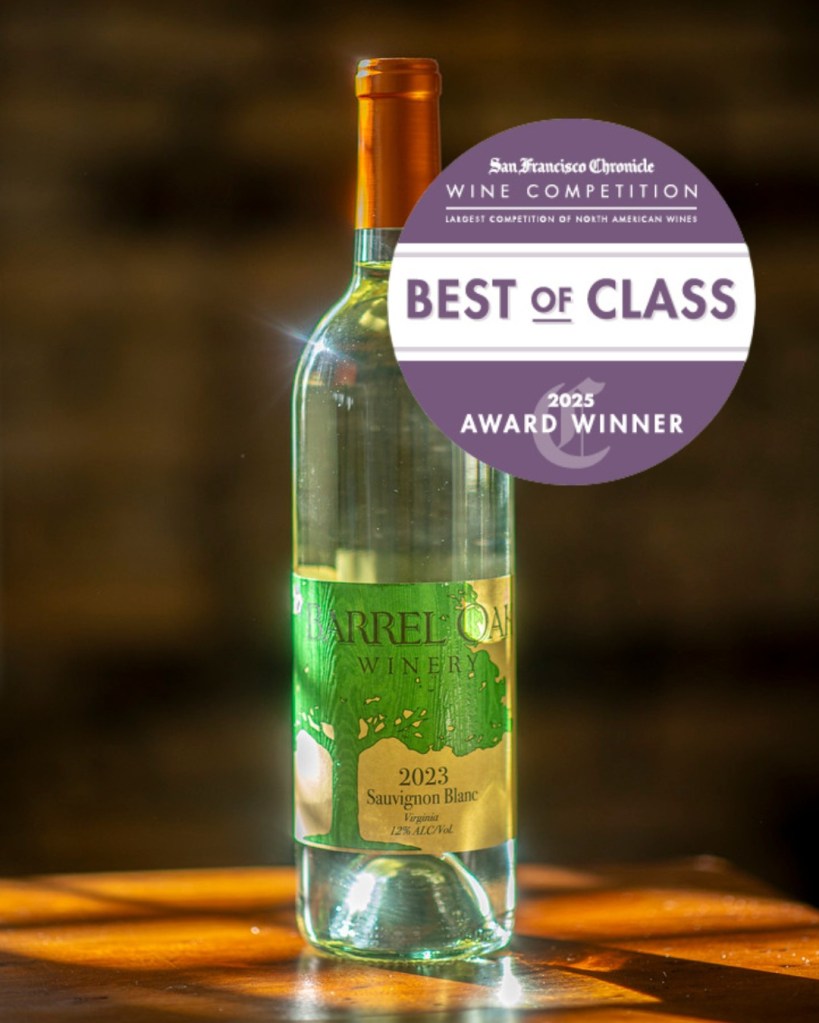
5. Virginia Wine Wins Big In San Francisco: In 2025 Virginia earned an outsized share of medals at two of the most famous wine competitions in the US; the 2024 San Francisco Chronicle Wine Competition (SFCWC) and 2025 San Francisco International Wine Competition (SFIWC). Virginia wine earned a total of 182 medal, including 38 Gold, 22 Double Gold, and a number of ‘Best in Class’ awards. This for a region that makes less than 0.4% of American wine.
This is especially impressive given many of these awards are in very competitive categories, such as sauvignon blanc and cabernet franc. SFCWC wine judge Mike Dunne said of Virginia’s entries, “Each year, some wine region of North America seems to gain recognition for a disproportionate share of high awards at the San Francisco Chronicle Wine Competition. In 2025, it was Virginia”.
These wins are an important way for Virginia to get recognition on the world stage. Click here for a full readout of Virginia’s performance at the SFIWC and SFCWC.
6. More Events, Beer, and Non-Alcoholic Options Than Ever
A growing reliance upon contract winemakers isn’t the only change going on in the industry. Wineries realize that to attract visitors, they need to offer more than just wine.
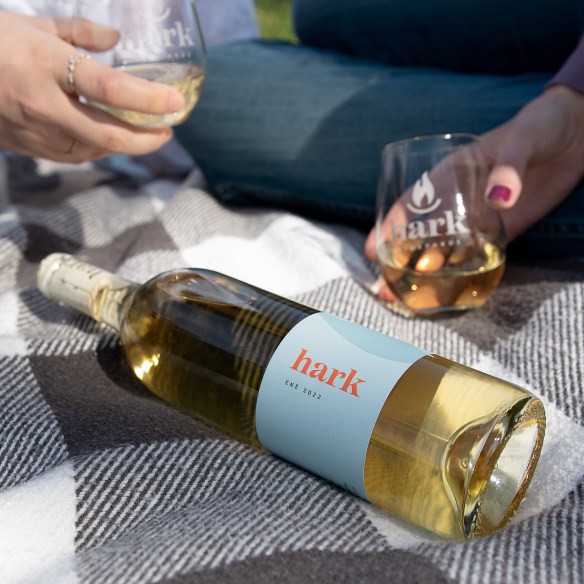
As best as I can tell, over 30 wineries now serve beer. Many are also offering a wider assortment of low/no-alcoholic beverages. So far Hark Vineyards is still the only winery producing a N/A wine, but I suspect others are looking at similar options.
Events have also spiked. Virginia wineries have gotten very creative in the events they host, offering everything from charcuterie classes, dancing, painting, and more.
Millennials and Gen Z are a tough crowd to sell wine to. If wineries want to survive, they need to learn to cater to this new demographic.
Honorable Mentions
1. My Favorite Wines of 2025: Click here for my Top 10 list for the past year. Not mentioned but close contenders include Glen Manor’s 2023 Cabernet Sauvignon and 2022 Nebbiolo, and Linden’s 2019 Avenius Chardonnay.
2. Wine thieves and drunk raccoons: OK so this isn’t necessarily about “Virginia Wine”, but these ‘wine-adjacent’ events are so humorous I’d be remiss not to mention them.
First, a pair of thieves stole several bottles of high-end Pinot Noir from L’Auberge Provençale, an amazing restaurant in the lower Shenandoah Valley. Months later, a raccoon got wasted at a Virginia liqueur store. The memes from both are priceless, and many wineries were happy to jump on the meme bandwagon.

3. Sign up for online discounts! Slowing sales means more inventory. And more inventory means more online sales. If you want to stock up, sign up to the mailing list of your favorite wineries and see what kind of discounts they offer.
 Wine Trails and Wanderlust