
The Governor’s Cup may be Virginia wine’s best-known event, but the wine world is full of wine competitions large and small. Two of the most prestigious are held annually in San Francisco nearly back-to-back.
The most recent San Francisco Chronicle Wine Competition (SFCWC) and San Francisco International Wine Competition (SFIWC) collectively reviewed well over 7,000 wines from 20 countries. Some of the best judges in the industry sampled everything from classic chardonnays and red blends, esoteric hybrids, to fruit wines and vermouths.
30 Virginia wineries and cideries entered these events, earning a total of 182 medals. Of these, 22 were Double Gold and 38 were Gold.
A number of these Double Golds earned top honors in their respective categories. The SFIWC awarded Vint Hill’s Covert Wineworks “Madison” 2023 Story Petit Manseng “Best White Wine in Show”, as well as “Best Other White Varietal”. The SFCWC gave “Best in Class” awards to 6 of Virginia wines.
One of the judges at the SFCWC summarized his view of Virginia’s impact with this statement:
“Each year, some wine region of North America seems to gain recognition for a disproportionate share of high awards at the San Francisco Chronicle Wine Competition. In 2025, it was Virginia” SFCWC wine judge Mike Dunne, on Virginia’s entries
While not all wineries enter major competitions, they nevertheless provide an important metric on how Virginia wine fares on the international stage. These competitions also provide increased visibility, marketing value, and bragging rights to those who do well.
I asked Mark and Maggie Malick, former owners of Maggie Malick Wine Caves, their view of these events. Maggie once earned Best in Class/Double Gold at the 2021 SFCWC for her 2017 Tannat, and Double Gold for her 2014 Tannat at the 2017 SFIWC.
According to Maggie, “They’re both big hitters. Judging is pretty strict in both. If you enter a Virginia wine and beat another country, you’re doing good.”
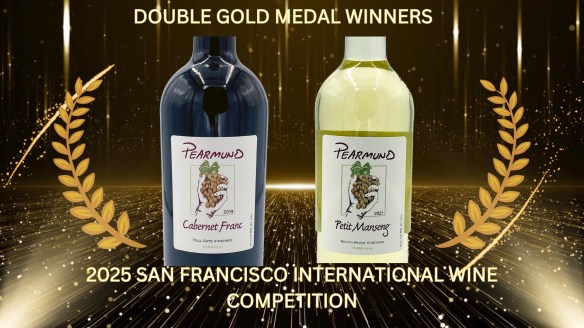


Biggest Winners at San Francisco
Winning Gold is a major kudo at either the SFCWC or SFIWC, but Virginia’s haul of 22 Double Golds and numerous “Best of” awards is especially impressive for a wine region that makes less than 0.3% of the nation’s wine production.
It’s too much to describe every one of these Double Gold winners. But if I were to narrow it down to a handful of the Virginia’s ‘biggest winners’ by winemaker, winery, or as a category that deserves highlighting, these are my picks:
- Mark Ward, Winemaker for Effingham, Pearmund, and Vint Hill. Mark took home 5 Double Gold and 5 Golds between the SFC and SFI events. His Vint Hill 2023 Petit Manseng also earned “Best White Wine in Show” at the SFIWC. He’s been the head winemaker for the “Pearmund trifecta” since 2020.
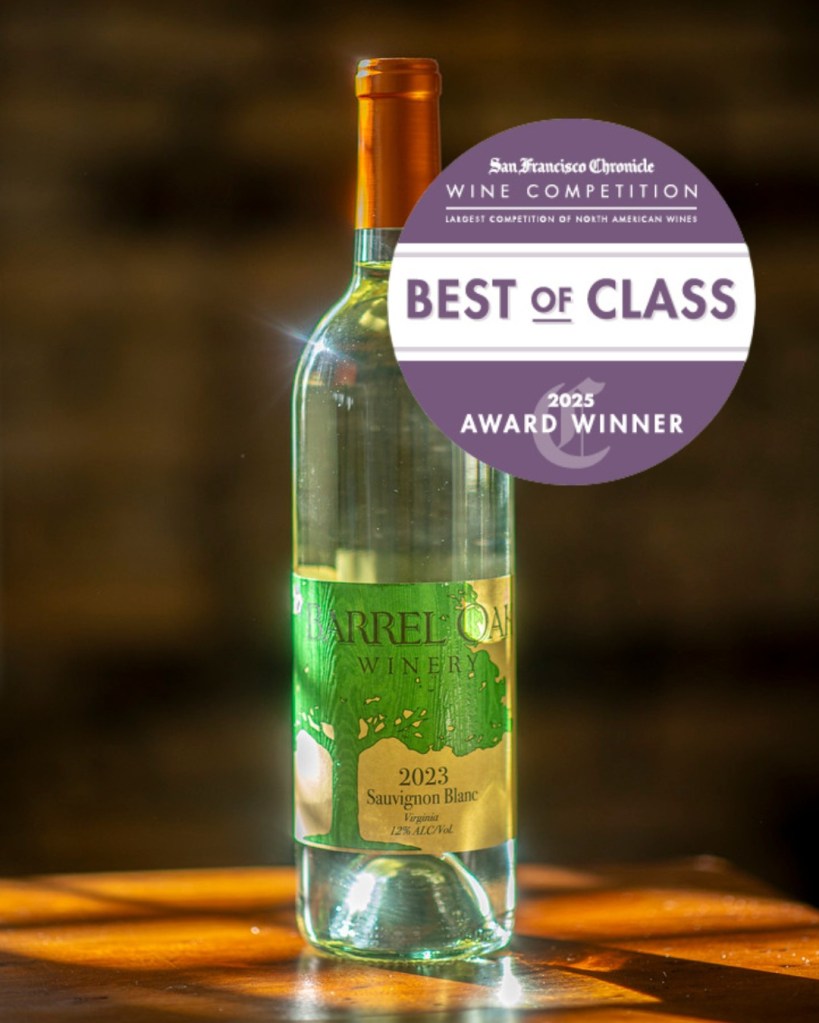
- Jeremy Ligon, Barrel Oak Winery. Jeremy was awarded a Best In Class/Double Gold for his Sauvignon Blanc (in the $35 and over category), Double Gold and runner-up for Best of Class for this dry Rosé, Double Gold at the SFI for his sparkling Norton, and three Golds.
- Philip Carter Winery. PCW earned two SFCWC Best in Class awards, for its Nomini Hall Cabernet Franc ($35.00 – $49.99), and Chardonnay ($38.00 – $42.99). Matthieu Finot is their winemaker.
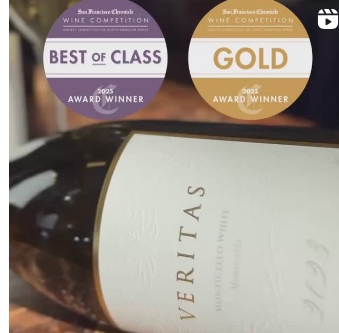
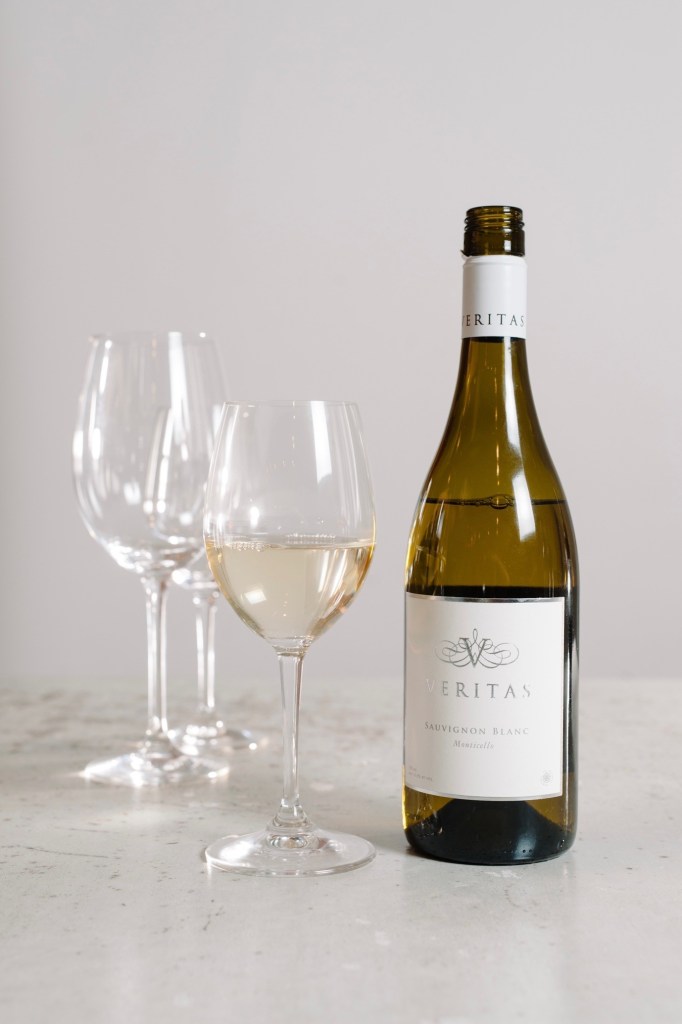
- Veritas Vineyard. Emily Hodson of Veritas earned SFCWC Best in Class awards for her 2023 Sauvignon Blanc ($30.00 – $34.99) and 2023 Monticello White ($31.00 and over White blend), plus four Golds.
- The 2023 Vintage. 2023 is the kind of high-quality vintage that is often only seen once a decade. Virginia wine lovers already knew this, but now the rest of the world does too.
It’s notable that 28 of the 59 Virginia wines (discounting one that used fruit from the west coast) that earned either Gold or Double Gold came from this magical juice. So far, most of what’s been released were white wines. That means our recently bottled reds are going to be making incredible waves on the competition circuit, once they are unleashed. - Virginia Sauvignon Blanc. I admit, I didn’t see this one coming. Yet it’s important enough to warrant its own mention, because the respective winemakers deserve it.
Virginia earned two SFCWC “Best in Class” awards for Sauvignon Blanc; Barrel Oak ($35 and over) and Veritas ($30.00 – $34.99). Endhardt earned a Double Gold and was runner-up to Veritas for its Upper Block Sauvignon Blanc.
This is a massive win for a category that is usually dominated by California. If we kicked-ass in Sauv Blanc, think of what the rest of the 2023 vintage is going to do.
The SFCWC website had this to say on these Sauv Blancs:
“At the 2025 San Francisco Chronicle Wine Competition, two of the five best-of-class Sauvignon Blancs were from Virginia, an unprecedented showing. (In all, 198 Sauvignon Blancs were in the competition.)”
“The Barrel Oak the richer, riper, and rounder of the two, its fruit fleshy and saturating,” while saying of the Veritas, “The wine is frank, lithe, dry, citric and astonishingly persistent for a Sauvignon Blanc. Its perky acidity makes it a perfect match for raw oysters.”

San Francisco Chronicle Wine Competition (SFCWC) and San Francisco International Wine Competition (SFIWC) combined roster
| Winery | Wine | Award | Competition |
| Barrel Oak Winery | 2023 Sauvignon Blanc | Best of Class/DG ($35 & over) | 2025 SF Chronicle |
| Barrel Oak Winery | 2023 “Paradox” sparkling Norton | Double Gold | 2024 SF International |
| Barrel Oak Winery | 2023 Rosé | Double Gold (Dry Rosé: 0 RS, $30 & over) | 2025 SF Chronicle |
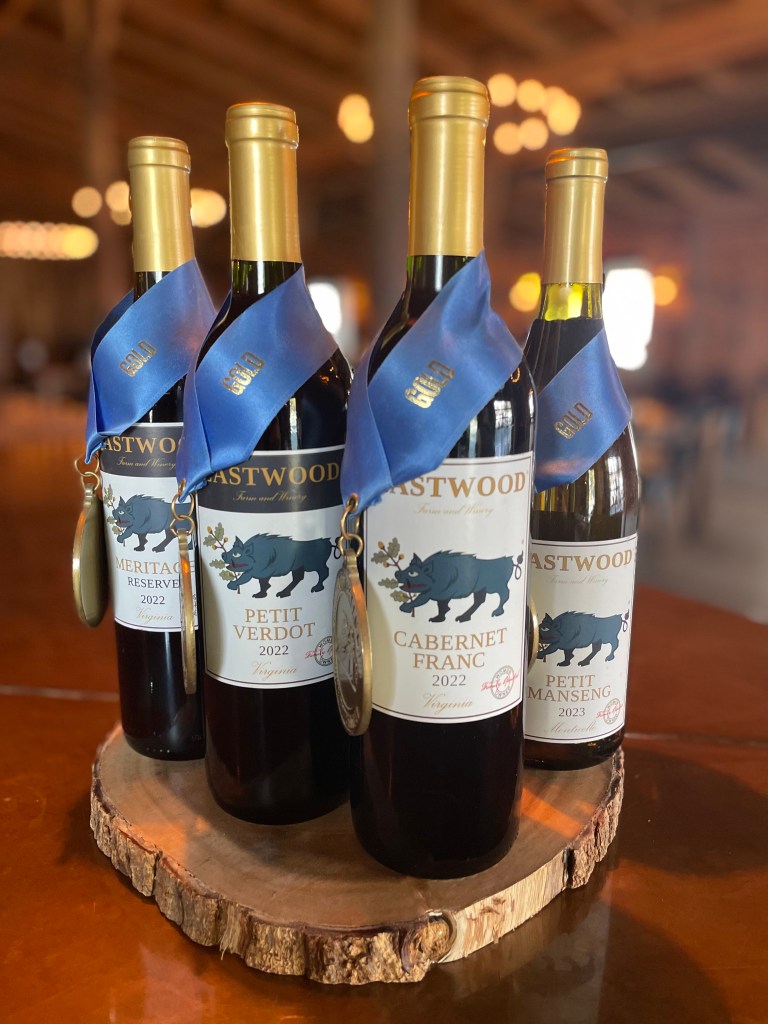
| Eastwood Farm and Winery | 2022 Cabernet Franc | Double Gold (Up to $34.99) | 2025 SF Chronicle |
| Eastwood Farm and Winery | 2022 Petit Verdot | Double Gold (Up to $45.99) | 2025 SF Chronicle |
| Effingham Manor Winery | 2021 “King’s Ransom” red blend | Double Gold | 2024 SF International |
| Endhardt Vineyards | 2023 Upper Block Sauvignon Blanc | Double Gold ($30-$34.99) | 2025 SF Chronicle |
| Fifty-Third Winery and Vineyard | 2021 “Rock Ridge” red blend | Double Gold (Red Blend: Petit Verdot leading) | 2025 SF Chronicle |
| Greenhill Winery & Vineyards | 2022 “Eternity” Cabernet Franc | Double Gold (Cab Franc $50 & over) | 2025 SF Chronicle |
| Ingleside Vineyards | NV “October Harvest” dessert wine | Double Gold (White Dessert/Late Harvest – RS >3.5) | 2025 SF Chronicle |
| Jefferson Vineyards | 2023 Viognier | Double Gold | 2024 SF International |
| Pearmund Cellars | 2022 Cabernet Franc | Double Gold | 2024 SF International |
| Pearmund Cellars | 2023 Petit Manseng | Double Gold | 2024 SF International |
| Philip Carter Winery | 2023 “Nomini Hall” Cabernet Franc | Best of Class/DG ($35-$49.99) | 2025 SF Chronicle |
| Philip Carter Winery | 2023 “Shirley” Chardonnay | Best of Class/DG ($38-$42.99) | 2025 SF Chronicle |
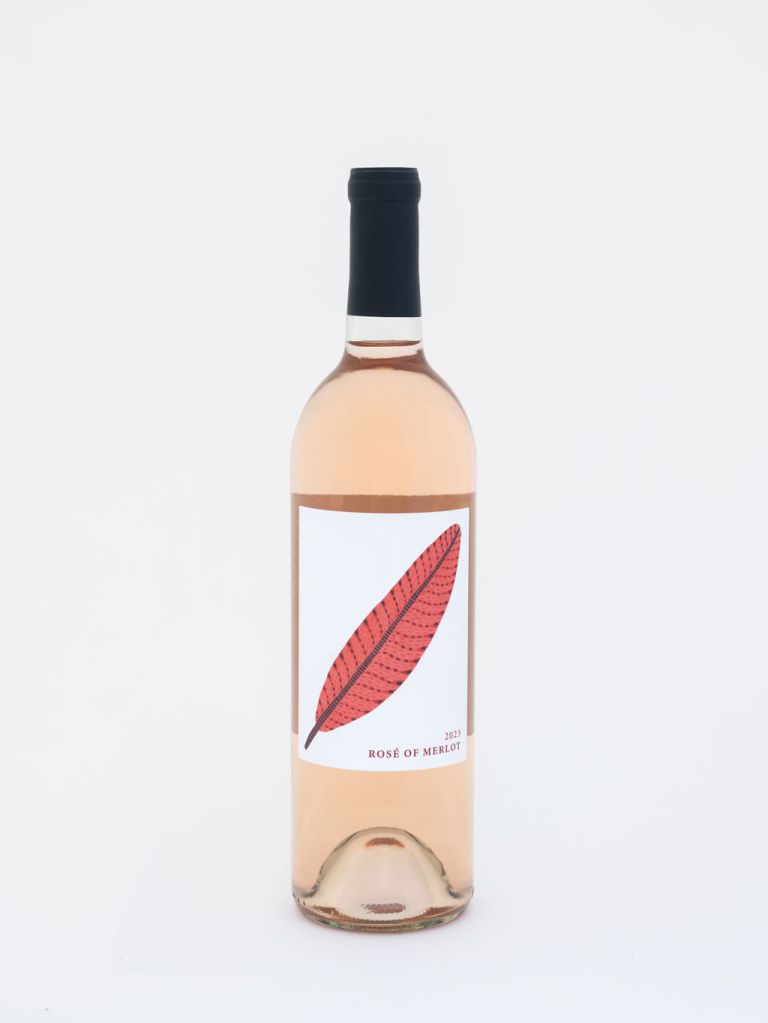
| Slater Run Vineyards | Rosé of Merlot | Double Gold | 2024 SF International |
| Trump Winery | 2022 Reserve Chardonnay | Best of Class/DG ($30-$34.99) | 2025 SF Chronicle |
| Trump Winery | 2018 Estate Blanc de Blanc | Double Gold | 2024 SF International |
| Veritas Vineyards | 2023 Sauvignon Blanc | Best of Class/DG ($30-$34.99) | 2025 SF Chronicle |
| Veritas Vineyards | 2023 Monticello White | Best of Class/DG (White blend: $31 & over) | 2025 SF Chronicle |
| Vint Hill | 2023 “Madison” Petit Manseng | Best White in Show / Double Gold | 2024 SF International |
| Vint Hill | 2023 “Vivian” Viognier | Double Gold | 2024 SF International |
Background On The 2025 SFC and 2024 SFI Wine Competitions
The 2025 San Francisco Chronicle Wine Competition (2025 SFCWC) reviewed 5,500 wines submitted from over 910 wineries throughout the United States, Canada and Mexico, making it the largest wine competition in North America. 4,991 medals were awarded.
There are often multiple awards for the same variety or style for different price brackets. The “Best in Class” award goes to the highest-scoring bottle within that price bracket. It additionally has a “Sweepstakes” award to identify the top wine from among the “Bests” in different categories (no Virginia wine won this category this year).
The wines were judged in mid-January, and the results were released on 17 January 2025.
The 2024 San Francisco International Wine Competition (2024 SFIWC) reviewed wine submitted from 20 countries. 1590 medals were awarded to 476 wineries.
The wines were judged in mid-December, and the results were released on 13 January 2025.
Note on the Virginia medal winners: The La Grange Winery Syrah that earned Gold in the 2025 SFC used non-Virginia fruit. The other 59 Golds/Double Golds all used Virginia fruit. The ‘182’ medals includes 16 wines made using non-Virginia fruit. I include these numbers here only for the sake of being complete.






 Wine Trails and Wanderlust