JBR Vineyards

JBR Vineyard – the initials of the owner/winemaker, Jessee B Ring – is practically the definition of a mom & pop winery. The tasting room is actually the owner’s home, and your wine is served at their dining room table. How’s that for a welcome!

This was my first visit of a 3 day excursion to this part of Virginia. Fortunately I was able to get an early appointment, so after a 4.5 hour drive from home, here I was.
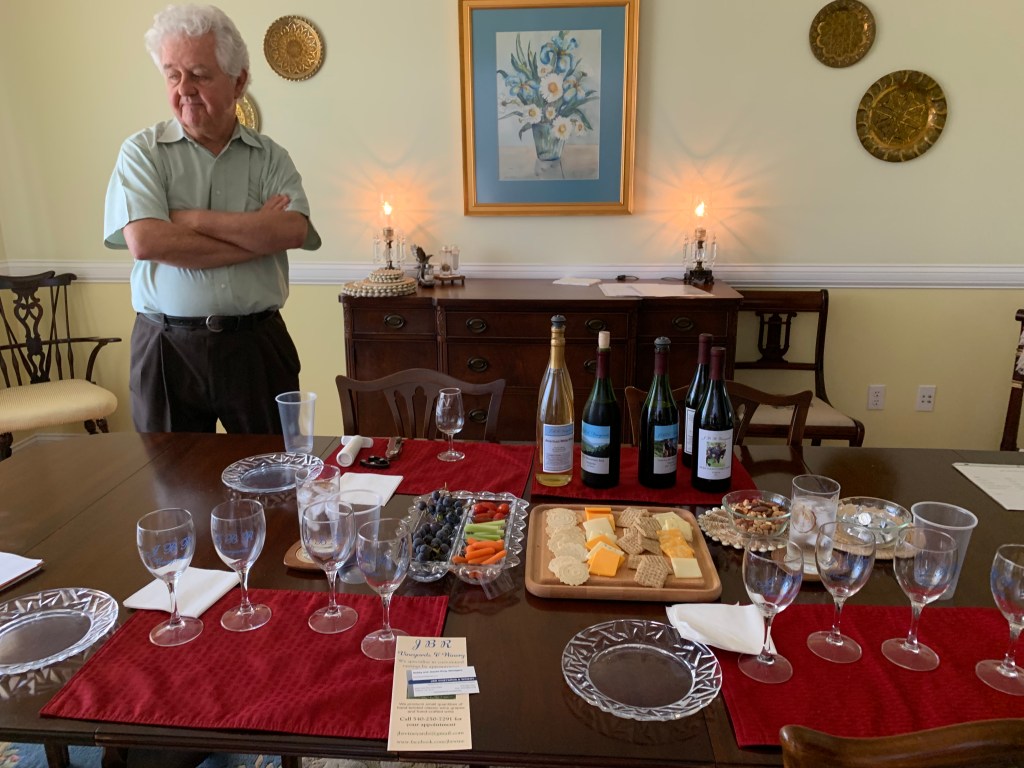
You might say JBR Vineyard is a hobby gone wild. The owners bounced around the USA for work until returning to Jessee’s roots here in SW Virginia. In 2006 he planted a few trial rows of grapes, eventually deciding to concentrate on only two; Riesling and Pinot Noir. Now, they have a total of 2.5 acres between an off-site vineyard and a much smaller one in their front yard.

That JBR focuses on only two wines is a good thing. For one, it simplifies their vine management. Moreover, if you’re going to do something, you may as well do it well. JBR does both well.

You’ve probably not had many Virginia wines made from either Riesling or Pinot Noir. There’s a reason for that – both are notoriously difficult to grow in the state. They produce very tight clusters of grapes, making airflow difficult – hence susceptible to mold in Virginia’s humid climate. Fortunately, at 1800 feet JBR has the type of terroir to mitigate this problem. Jessee must have been thrilled to know that his front yard has the right conditions to grow some of his favorite wines.

I sat down for a flight of both wines accompanied by a cheese board. As I sampled, Jessee and his son gave me the run-down of the winery. What I tried:

2017 “Giles County” Pinot Noir: Jessee called this his steak wine. Cherry notes, very nice.
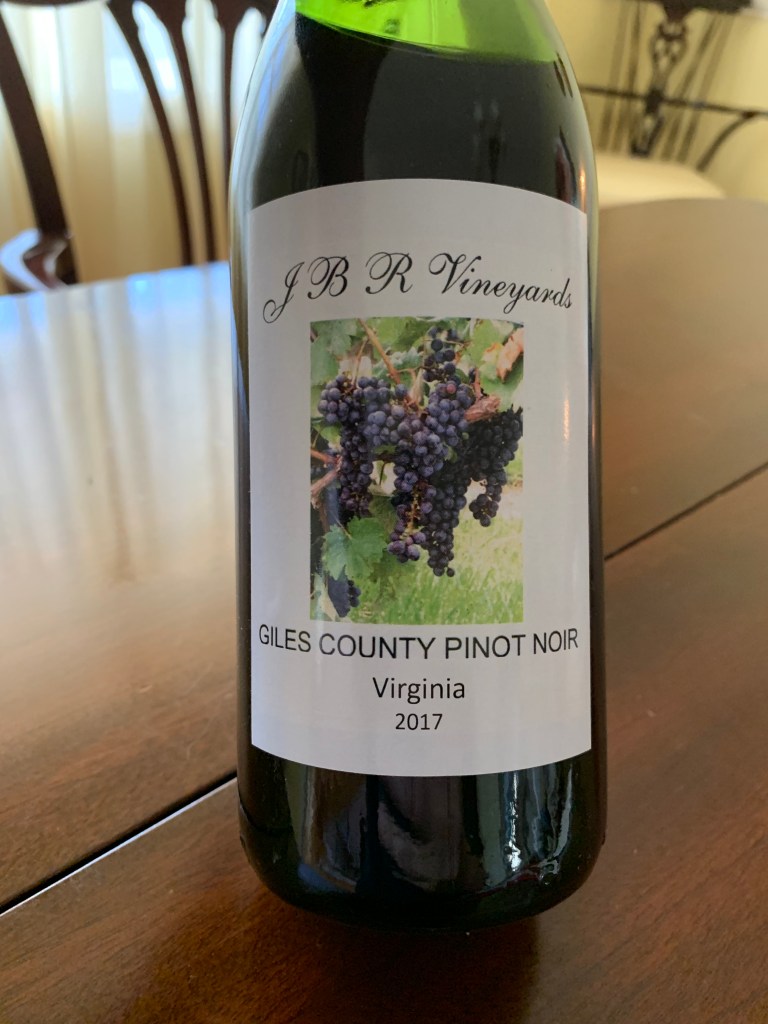
2017 “Virginia Mountain Red” Pinot Noir: Served chilled. Very light color; more of a festival or pizza wine.

2017 “Country Gentleman” Pinot Noir: Tiny bit lighter; more plumb than cherry. His ‘pasta wine’.

2018 Riesling: Made with juice from Washington State, as in 2018 JBR lost their own Riesling crop. Excellent wine; full mouthfeel.

2017 Riesling: Lemony, almost citrus notes, full mouthfeel. More citrus-forward than other Rieslings but still very enjoyable.

Muse Vineyard

If I were make a list of my Top 10 wineries in all Virginia, Muse would definitely be on there. It literally has the entire package; an amazing vineyard, great service, epic scenery, and some of the best wine I’ve had anywhere. Even though it’s an almost 2 hour drive for me, I make the pilgrimage several times a year.

Husband/wife team Robert Muse and Sally Cowal found the land advertised in the Washington Post as a ‘vineyard for sale’ and purchased it in 2003. Being wine lovers, the opportunity seemed too good to resist. It’s location in the middle of the lovely Shenandoah Valley must have been an additional bonus.

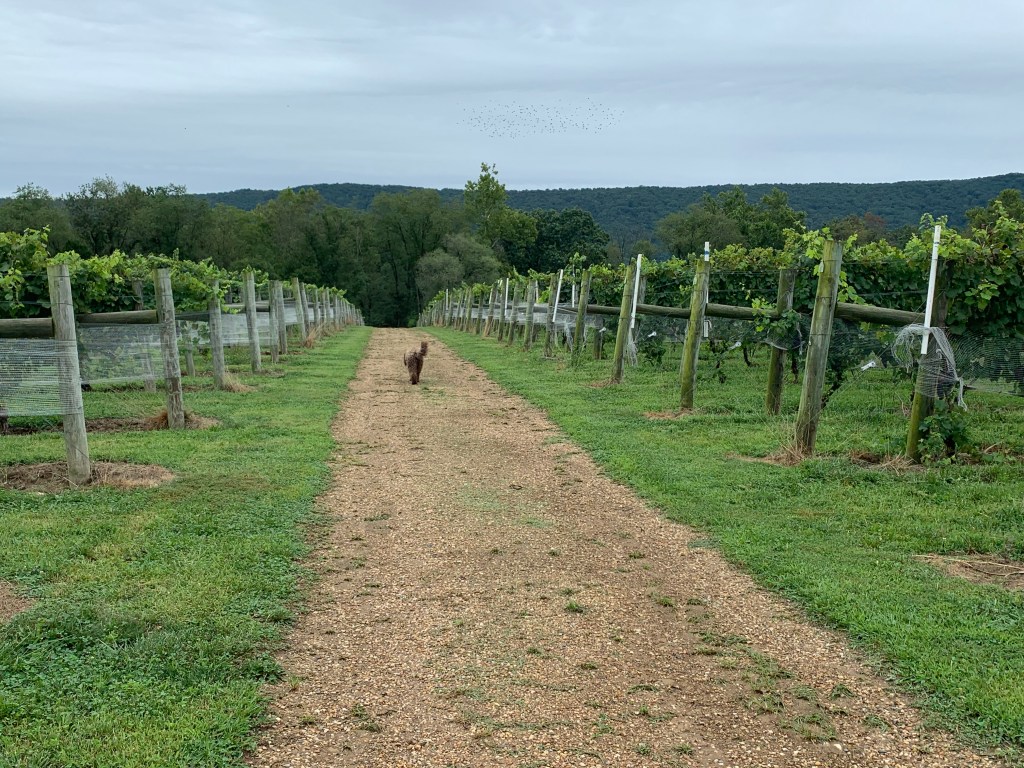
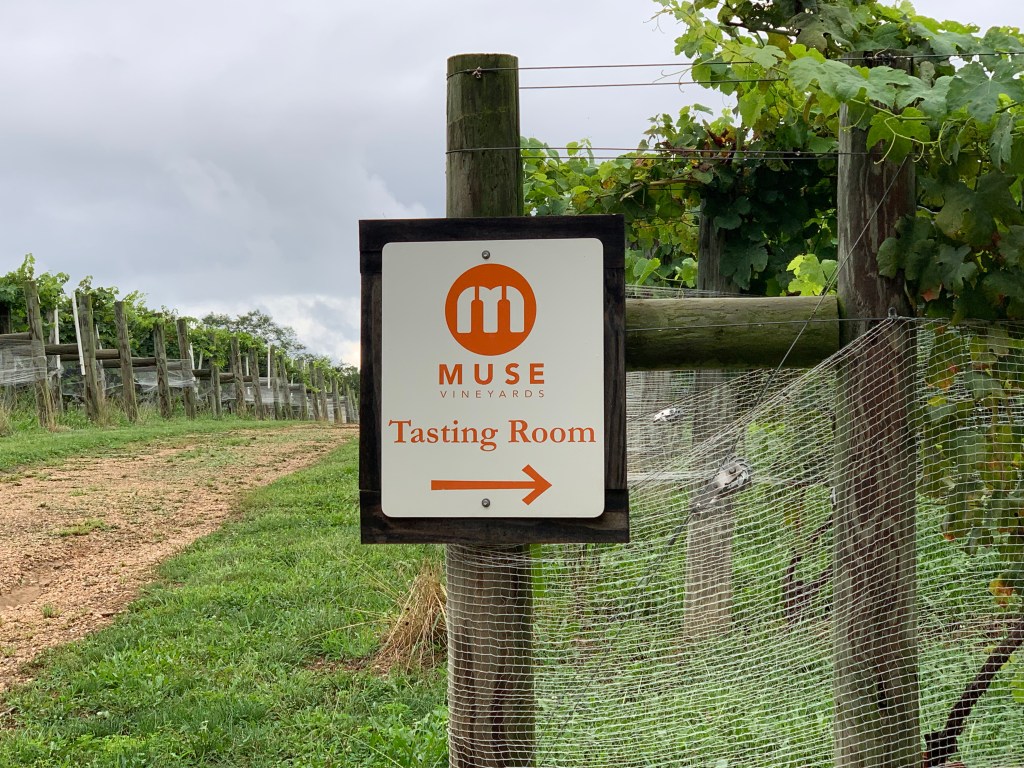
Getting there is sometimes a challenge. The vineyard is adjacent to the North Fork of the Shenandoah River, which occasionally floods the low bridge. Those in dire need of a drink in bad weather can cross an elevated walkway. Fortunately most of the time you can easily drive to the tasting room, set on a low hill that gives you a great view of the surrounding valley.

Sally was kind enough to give me a tour of the vineyard – which arguably is tied with the tasting room as my favorite part of their winery (note: I can drink in the vineyard so I’m not actually sacrificing anything here). When she explained what they are growing, it was jaw-dropping.

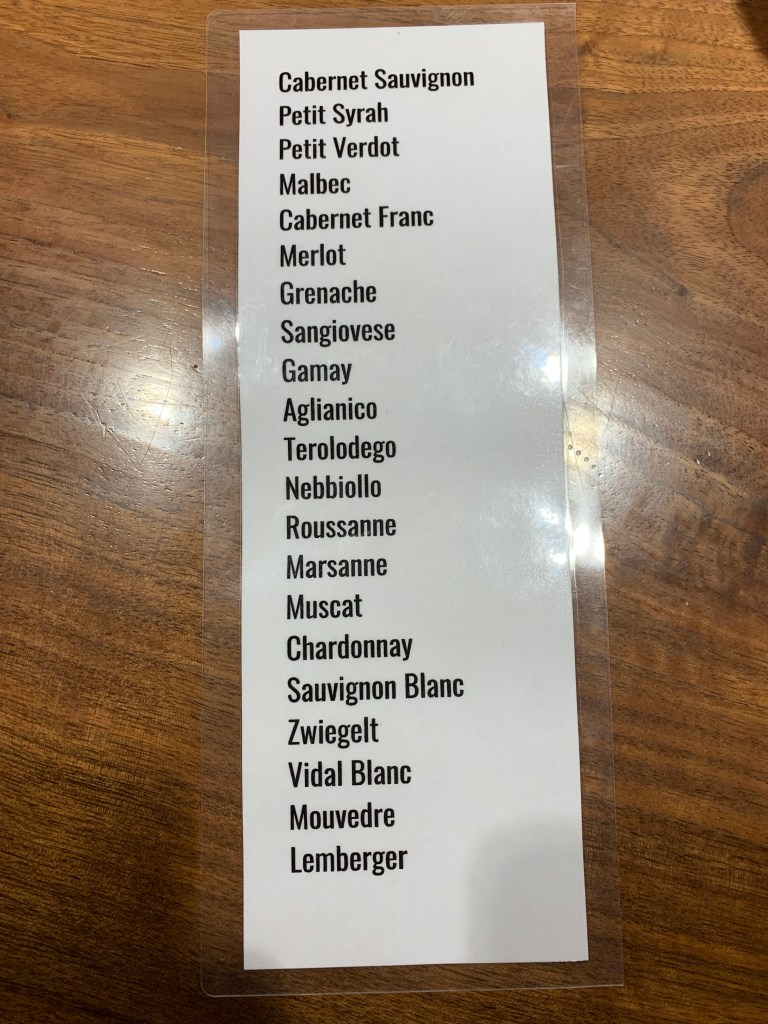
Muse currently has 21 grape varietals on 34 acres. That’s impressive, but what’s shocking is this includes vines seldom – if ever – seen in Virginia. Sally pointed out rows of Petit Syrah, Aglianico, Gamay, Grenache, Marsanne, Roussanne, Mourvèdre, Blaufränkisch (Lemberger), Terolodego and more…in addition to all your traditional Bordeaux-style grapes. Outside of Horton, it’s one of the most diverse vineyards of the state.

When I followed up with Robert on how he picked these varietals, he explained he didn’t use a consultant – he was just following his palate. That sounds rather shocking to me, as I often find those who plant what they like as opposed to what is proven to do well often find themselves with grapes that struggle in the local terroir (Virginian Cabernet Sauvignon lovers know what I’m talking about). Fortunately, he must have done his research because most of these grapes – especially the higher-elevation Italian ones – are doing quite well. Hopefully other wineries will take notice.

Their current winemaker is Tim Rausse; you may recognize the family name from his dad’s place, Gabrielle Rausse Winery. In fact, Gabrielle used to source fruit from Muse back when they sold grapes, which tells you something about their quality. Thus far I haven’t been able to catch Tim at work here, but if you do he’s not hard to notice – he’s a tall guy with a shaggy mountain man look.

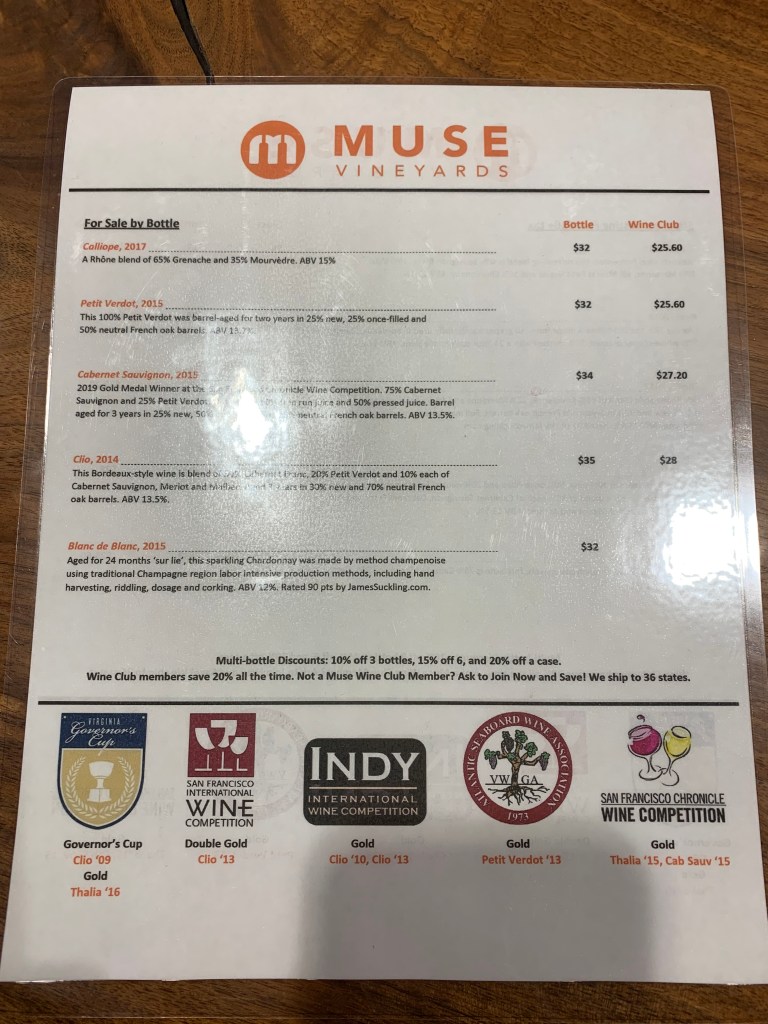
When you see the tasting menu, you’ll understand the vineyard’s diversity is well represented. Muse seems to specialize in blends, including the whites. While I personally tend to focus on big reds all the time, this is one of the few places where I’ll carry home more than a few white wines.

What I tried:

2018 Erato: Made with Sauvignon Blanc & friends in stainless steel. Light, almost botanical notes.

2018 Rose: Practically a Bordeaux-blend of grapes with a lovely pale pink color.

2017 Thalia: Blend of Marsanne, Roussanne and a little Viognier, with just enough oak to compliment it. A very complex white.

2015 Cabernet Sauvignon: Actually 75% Cab Sauv with 25% Petit Verdot – and that PV goes a long way to make an excellent full bodied red.

2015 Petit Verdot: Full bodied red with a big mouthfeel. As a PV fanatic I loved this one.

2017 Calliope: 65% Grenache and 35% Mourvèdre, with lots of spice notes.

2015 Clio: Their signature red blend, with nearly 1/3 Cabernet Franc/Cabernet Sauvignon/Petit Verdot each (and a splash of Malbec). Good fruit flavors, light nose, made in a mix of neutral and new oak.

2015 Cabernet Franc: Good earth notes, but not enough to be overpowering. Another winner!

Blanc d blanc: Sparkling Chardonnay aged 24 months. To say I loved it is an understatement.

Not tried was the Teroldego, which Robert seems especially proud of.

Rare Grapes of Virginia

(Updated 8/10/2025)

I’m fascinated with terroir. Why do some grapes grow better than others? What is the magical concoction of soil, altitude, water and temperature that makes grape vines produce not just good wines, but GREAT ones? Answering this is a challenge even the best wine makers face.

This question led me to start examining what grapes are planted in Virginia. Sure, you see Chardonnay and Cabernet Franc everywhere. But what about the hundreds – if not thousands – of other grapes we find around the world? Who grows them?

With that in mind, I’ve embarked on what seems a never-ending quest to produce a roster of grapes that you don’t exactly see every day in Virginia. Vinifera like Pinotage, Tempranillo, Petit Syrah, Vermentino, or hybrids like Arandell.

BIG caveat – this list is only as good as the information that I can find; I don’t pretend it is a definitive list of the state. It also 1) does not include tiny experimental plantings, 2) focuses on vineyards owned by wineries as opposed to grapes purchased at private vineyards, and 3) is disproportionately skewed towards places that bottle these grapes according to the varietal, as opposed to using them as flavor in a blend.

This list excludes nearly all the grapes found on the Virginia Commercial Grape Report, except a handful of the less-planted ones.