
Peak Shenandoah is Virginia’s newest wine region. Named after Shenandoah National Park, it brings together six wineries located within 30 minutes of the park’s northern entrance at Front Royal. Region members include Arterra Wines, Capstone Vineyards, Chester Gap Cellars, Fox Meadow Vineyards, Rappahannock Cellars, and Star in the Valley Winery.
These venues are heavily influenced by the mountainous terrain around them. But according to Star in the Valley owner Shane Waller, they are bound by more than geography.
“Our wineries straddle both county lines and American Viticultural Areas (AVAs), yet we are still connected by a common character.

When I look at these other wineries, I see reflections of us. Folks that tend to the vines themselves, make the wine themselves, and have small, family-run-tasting rooms they’re selling wine from.
We’re all in the mountains and are just around the corner from fantastic outdoor recreation spots. That’s why I like to say it’s a wine region, because it’s an area where the wineries have similar characteristics.
We named it Peak Shenandoah as a homage to the park, as there are a lot of people that come here for hiking. We want to let these visitors know there are other fantastic places to visit as well. Or if you’re here for wine, come have a great day, stay overnight, and you can have a great hike the next day.”

Six Wineries Connected By A Common Thread
Peak Shenandoah isn’t a federally designated wine growing area like the nearby Shenandoah Valley AVA or Middleburg AVA. At the same time, it’s more than a wine trail, where participants sometimes share little in common beyond being neighbors.
“What sets our area apart from Loudoun or Charlottesville is elevation is the common thread for our participating wineries,” said Amanda Darvill of Fox Meadow. “Fox Meadow is at 1,800 feet. Capstone is at 1,500’. Star in the Valley is 1,300’. The other wineries are somewhere around 1,000’.
This elevation is important because cool air preserves acidity. Being near Chester Gap also means we have a constant breeze coming through, which helps alleviate disease pressure.”
Peak Shenandoah had its kick-off event on May 18th at Fox Meadow. The event showcased how their wines share similarities as well as unique personalities.


While these wineries share many of the same grape varieties found elsewhere in Virginia, they don’t limit themselves to Chardonnay, Cabernet Franc, or Petit Verdot. Every participant has options that are seldom found elsewhere in the state.
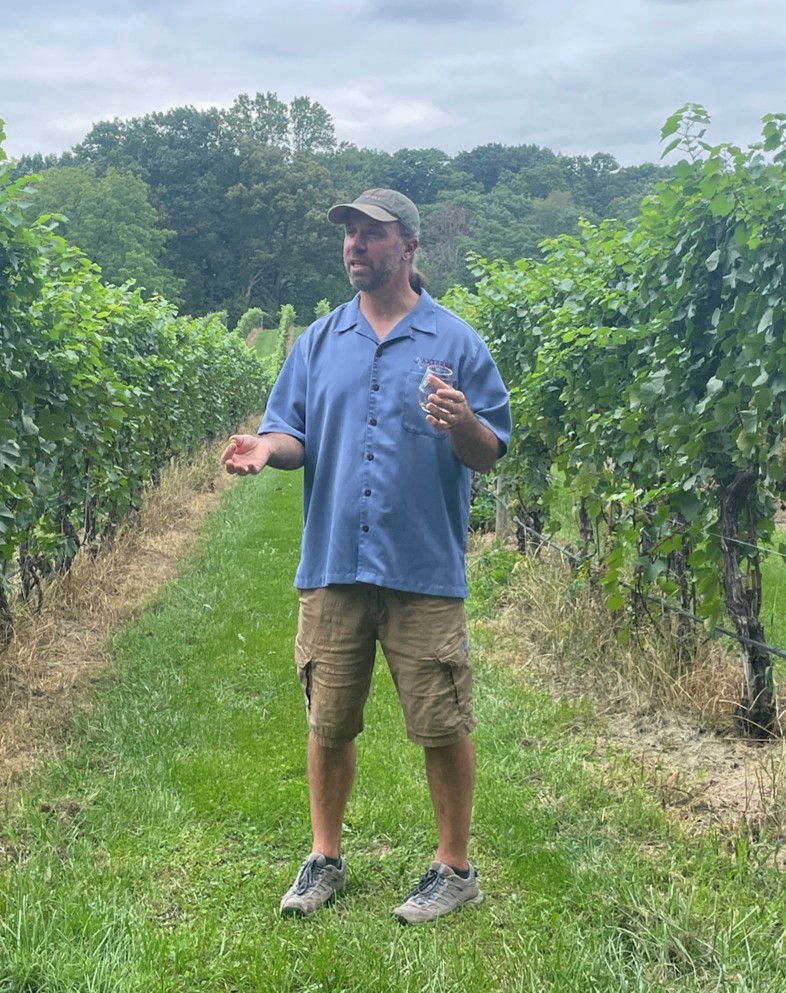
Arterra Winery: Owner Jason Murray uses native yeast and minimal intervention winemaking to bring out the natural varietal characteristics of his grapes, a style he calls ‘clean wine’. Jason also recently announced he is pursuing an organic certification for his estate vineyard, which includes Petit Sirah and Tannat.
Arterra’s tasting room doubles as the studio for Hawkmoth Arts, showcasing his wife Sandy’s nature-themed multi-media artwork.
Capstone Vineyards: When describing the weathered, well-drained soils that make up his vineyard, owner Theo Smith explained, “With dirt like this, making wine is easy. All I have to do is not screw it up.”
Capstone grows traditional Bordeaux red varieties, as well as several grapes less common to Virginia such as Chenin Blanc and Muscat Ottonell. That said, Theo’s 2024 Sauvignon Blanc was a standout at the Peak Shenandoah kick-off event.
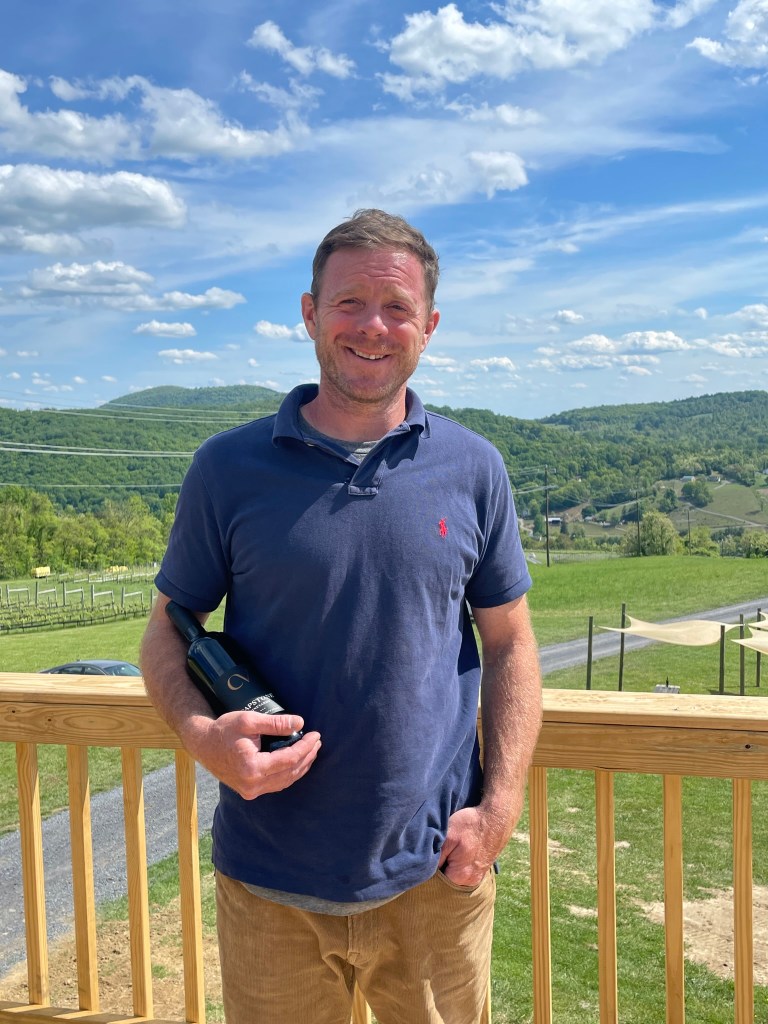
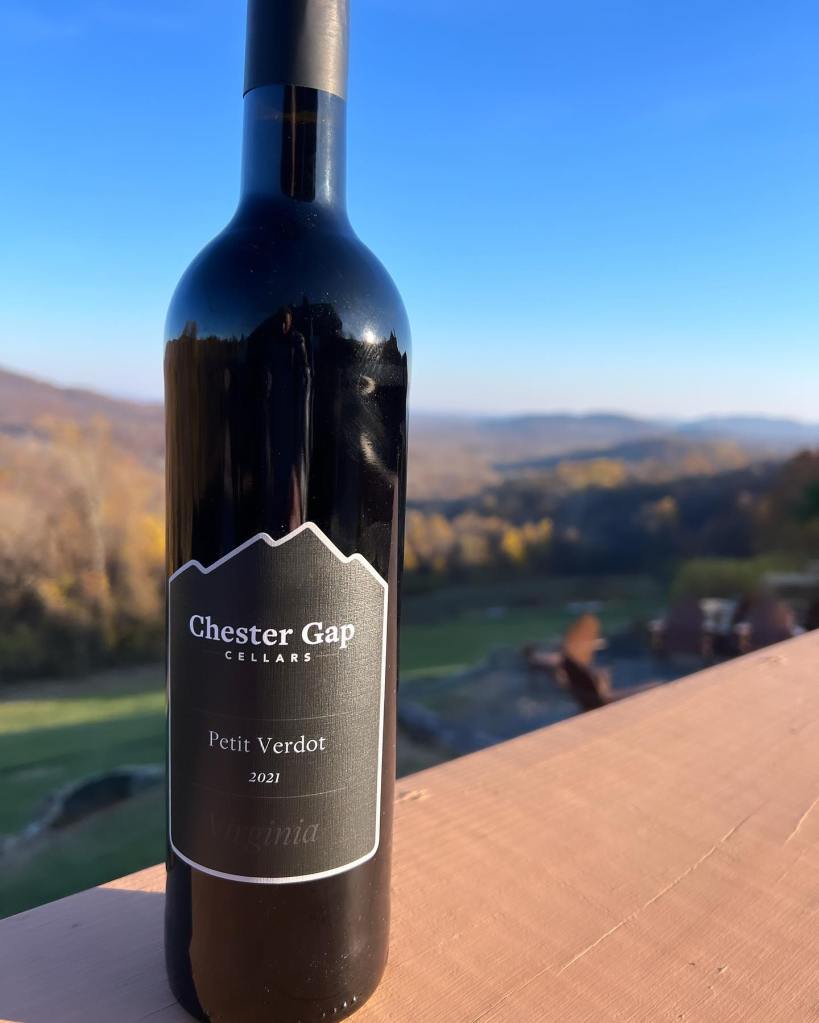
Chester Gap Cellars: With a tasting room set at 1,300 feet at the top of a steep slope, great views are guaranteed here. Visitors can also stay overnight at their on-site AirBnb.
Chester Gap is one of the handful of Roussanne growers in Virginia, although visitors should also try their stainless steel 2021 Viognier for its combination of minerally, crispness, and notes of salinity.
Fox Meadow Vineyards: Owners Amanda and Whiticar Darvill have a very personal connection with Virginia wine; their first date was at the 2011 Virginia wine festival.
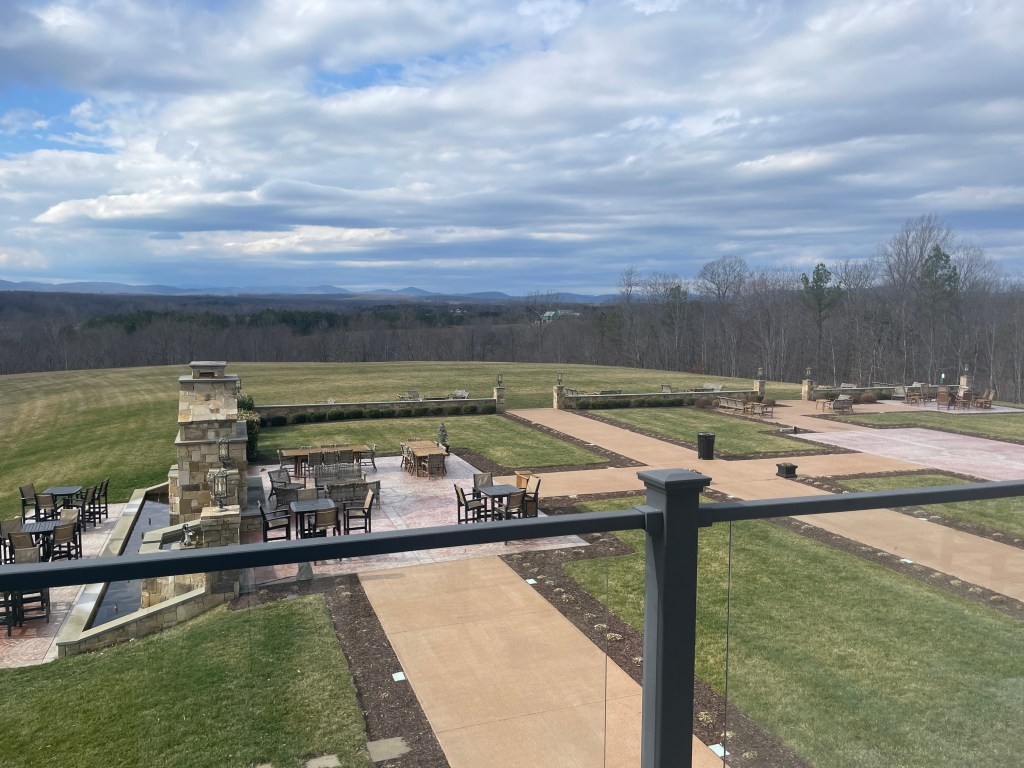
Their tasting room is one of the highest elevation sites in the state (and boasts one of the best views). This elevation also affords them the opportunity to grow Pinot Noir, the vineyard’s newest addition.

Rappahannock Cellars: Rappahannock is known for its diversity of options. These include a variety of reds and whites, an in-house distillery, and its sparkling wine program.
Rappahannock’s sparklings include everything from its “Fizzy” rosé for daily sipping to its traditional method “Prestige”. While the variety may seem intimidating, tasting manager Kelly Knight explained, “Most customers don’t seem to worry about how the sparkling is made, as long as it’s good.”
Star in the Valley Winery: Star is the only Peak Shenandoah winery actually located in the Shenandoah Valley. In addition to its vinifera, they produce several wines made with hybrid grapes (make sure to try their Chardonel).
Star in the Valley’s lack of light pollution and higher elevation also makes it a great place for stargazing. Shane is partnering with the Shenandoah Astronomical Society for special ‘full moon’ events on 6/14, 7/12, 8/9, and 9/6, with live DJs to accompany these evenings.


Visitors to Peak Shenandoah need not confine themselves to wine, as the region is adjacent to Shenandoah National Park, George Washington National Forest, and Sky Meadows State Park. The Appalachian Trail’s Trumbo Hollow trailhead is just around the corner from Capstone and Fox Meadow, while the Tuscarora Trail is minutes from Star in the Valley.







 Wine Trails and Wanderlust