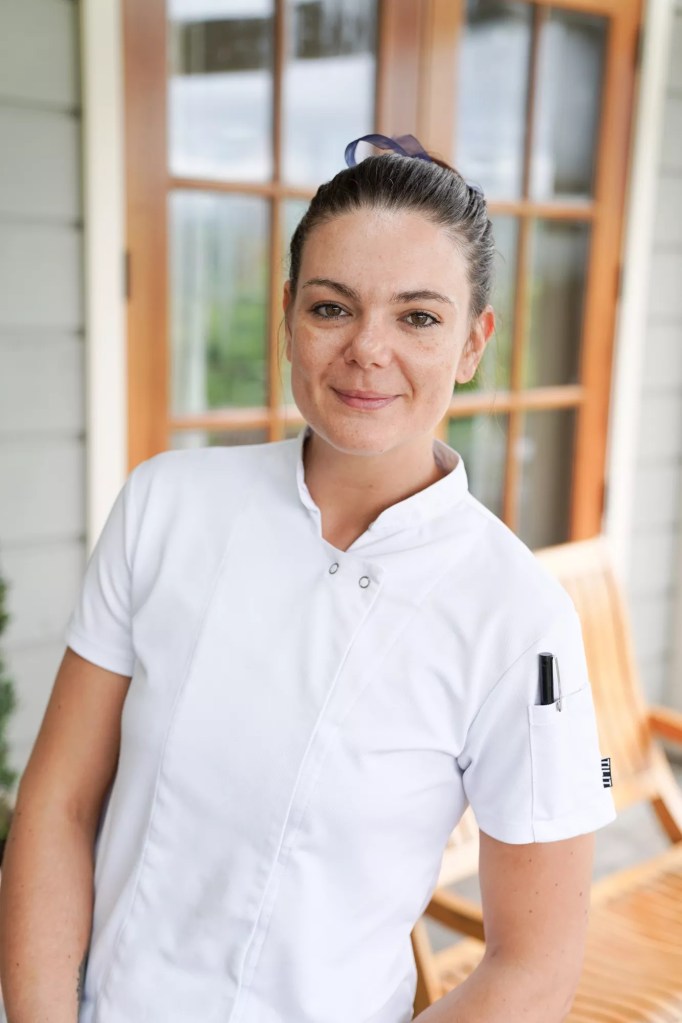
It’s easy to find light fare at a Virginia winery. It’s far more difficult to find places that elevate the food to be on par with the wine. Victoria Cosner, Executive Chef of Pippin Hill Farm & Vineyard’s Executive Chef said it best – “If they don’t have food, it’s hard for me to justify going there on my one day off. I want to expect good food.”
My latest article from Wine and Country Life is now live!
There were a lot of great new places in the past two years, but here I discuss Crimson Lane Vineyards, Everleigh Vineyards & Brewery, Kalero Vineyard, Nicewonder Farm, Oakencroft Vineyards, and Seven Lady Vineyard/Dover Hall.
Few grapes are as synonymous with the region they come from as nebbiolo. Indigenous to the Piedmont region of northwest Italy, it’s the source of two of the world’s most famous (and expensive) wines; Barolo and Barbaresco. Powerfully tannic yet possessing delicate aromas and expressive fruit, winecritic Madeline Puckette famously quipped drinking nebbiolo was like “Getting kicked in the face by a ballerina”.
Nebbiolo’s relationship with the mountainous Piedmont isn’t coincidental; even the name is a reference to its home. Many believe the word Nebbiolo comes from the Latin Nebula, which means ‘fog’ or ‘mist’. This fog inundates the region during harvest, helping regulate the temperature of the grapes.
Such conditions contribute to nebbiolo’s reputation as a finicky, terroir-driven wine. Early budding yet late ripening, few places outside Piedmont are thought to have the near-goldilocks conditions to allow nebbiolo to mature to full ripeness. Given Virginia’s erratic weather, this requirement for an especially long growing season gives many winegrowers pause when considering it for their vineyard.
So it’s somewhat surprising that nebbiolo is nevertheless gaining traction in Virginia. According to 2022 data shared by the Virginia Wine Marking Board, 50 acres of nebbiolo is commercially grown in the state. While that’s nowhere near the acreage of cabernet franc or chardonnay, neither is it an outlier found in only a handful of locations.
A growing number of winegrowers seem to think nebbiolo is worth the investment. But why?
Luca Paschina: The OG (Original Grower) of Virginia’s Nebbiolo
LucaPaschina of Barboursville Vineyards is probably the person most responsible for the grape’s introduction into Virginia. His love of nebbiolo is understandable. Not only is Luca a native of Piedmont, nebbiolo is the first wine he’s ever made.
When asked how the difference in growing conditions between Virginia and Piedmont impacts locally-grown nebbiolo, Luca pointed out that elevation is only one part of the equation; Virginia’s weather is hotter and soils are clay-based.
“We planted it in 1995 and originally started with ½ an acre. Our first vintage was 1998, a very good growing season. In 1999 we planted an additional 4 acres and another 4.5 in 2013.
I knew nebbiolo had the potential to age, but I didn’t know whether it could do the same here. But revisiting the 1998 vintage, I can see it ages well.
Our approach is to make it into a single varietal; I never blend it. Others do that to darken the color, but we don’t. I don’t make this wine to drink on the porch. It’s a food wine.
Some are turned off because it’s astringent and assertive than comparable Bordeaux varietals. Its tannins may be astringent but never bitter.
The main threat is it does bud break early so it’s more exposed to frost risk. But nebbiolo is fairly healthy and easy to grow. We drop a lot of fruit, but it’s a good thing since you get to choose how much you want to harvest.
When it comes to disease resistance it has problems with downy mildew but overall isn’t much different than other varieties in Virginia. If it rains towards the end of harvest nebbiolo holds very well. It’s very resilient.”
A Tradeoff of Risk vs Reward
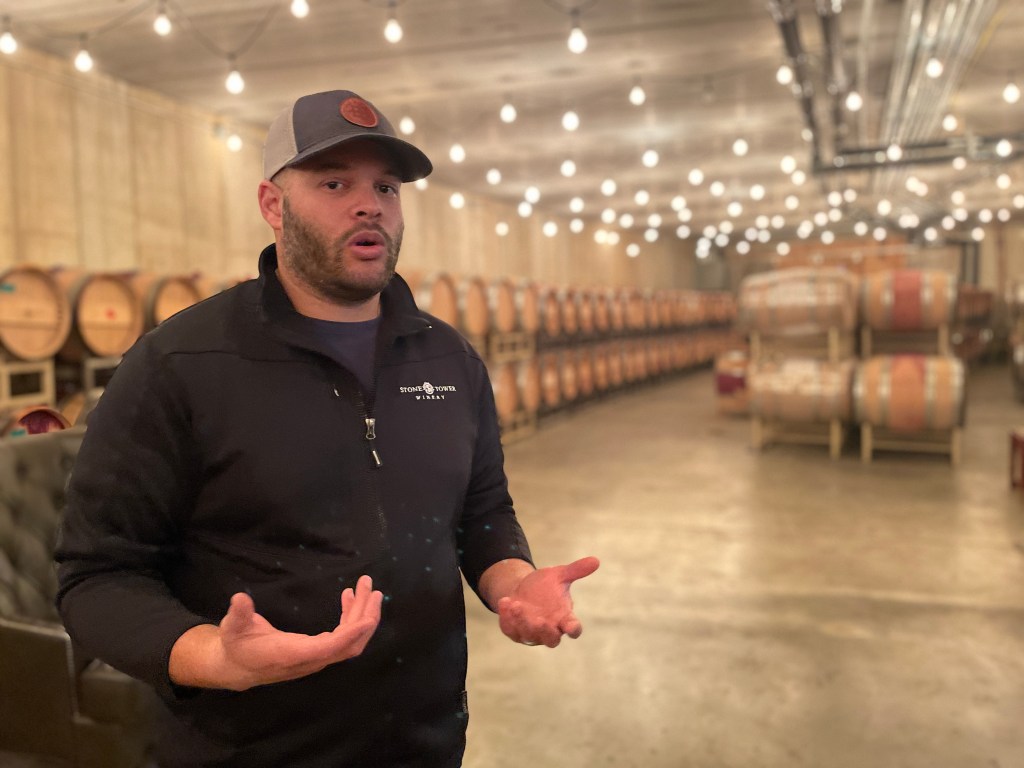
While nebbiolo’s early-budding yet late-ripening nature makes it a risky investment, its reputation is a strong motivator for winemakers to take that chance. Preston Thomas of Stone Tower Winery explained, “It’s a quality wine, and adds diversity to our portfolio. We’ve been able to make a beautiful roséwhile still having enough fruit to make a quality red wine.”
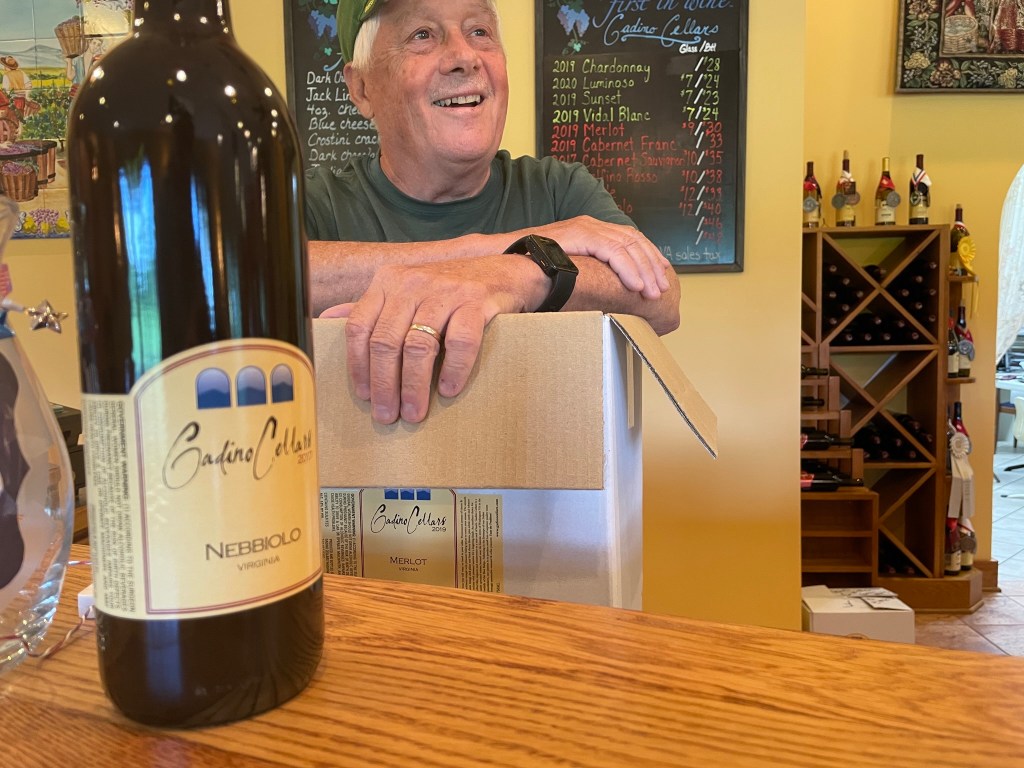
When Bill Gadino of Gadino Cellars was deciding what red grapes to plant, he turned to Luca for advice. While Luca pointed out nebbiolo’s challenges, he phrased it like this; “If you’re going to pick one, go for the gold and grow nebbiolo.”
While Luca may have meant this figuratively, the impact for several Virginia wineries has been literal. Since 2014 over a dozen Virginia wines made with nebbiolo have earned Gold at the Virginia’s Governor’s Cup wine competition. Barboursville’s 2010 Nebbiolo and a 2016 bottle from Breaux Vineyards went on to place amongst the top-12 wines in the 2014 and 2021 competitions, respectively.
However, even supporters admit it’s not a perfect fit for Virginia. Multiple winegrowers voice concern over nebbiolo’s risk to frost. Several also pointed out its inconsistent yields, ranging from 1.5 to 4 tons an acre, depending on who and when you ask.
Despite this, a growing number of winegrowers are confident its problems can be addressed.
“Is it worth the trouble? I’d say, yes.” wrote Robert Muse of Muse Vineyards. “Each year when we get it to fully ripen, it gets better. I would say nebbiolo is finicky to the point almost of eccentricity. But we’re glad to have it, and I believe we’re more than halfway to understanding the variety and teasing out its best expressions.”
It’s familiarity to consumers also helps. In discussing Italian reds in Virginia, Josh Gerard of Breaux Vineyards added, “We grow both barbera and nebbiolo. Increased plantings of these two may be due in part to their recognition and familiarity in the marketplace.”
Virginia nebbiolo will never be mistaken for a bottle made in Italy, but it’s not trying to be. But if the results are good, what does it matter where the grapes came from?
Pouring a glass of his 1998 vintage, Luca discussed a blind tasting at a Texas Sommelier Conference where one of his bottles was compared to a nebbiolo from Italy. In terms of picking a favorite, the results were split.
In the end he reasoned, “Why worry about the ‘why’ when you have the proof in front of you?”
Nebbiolo is found across the state. Look for bottles from Barboursville, Breaux, Chestnut Oak, Gabriele Rausse, Gadino, Glen Manor, Greenhill, Horton, Muse, and Stone Tower Winery.
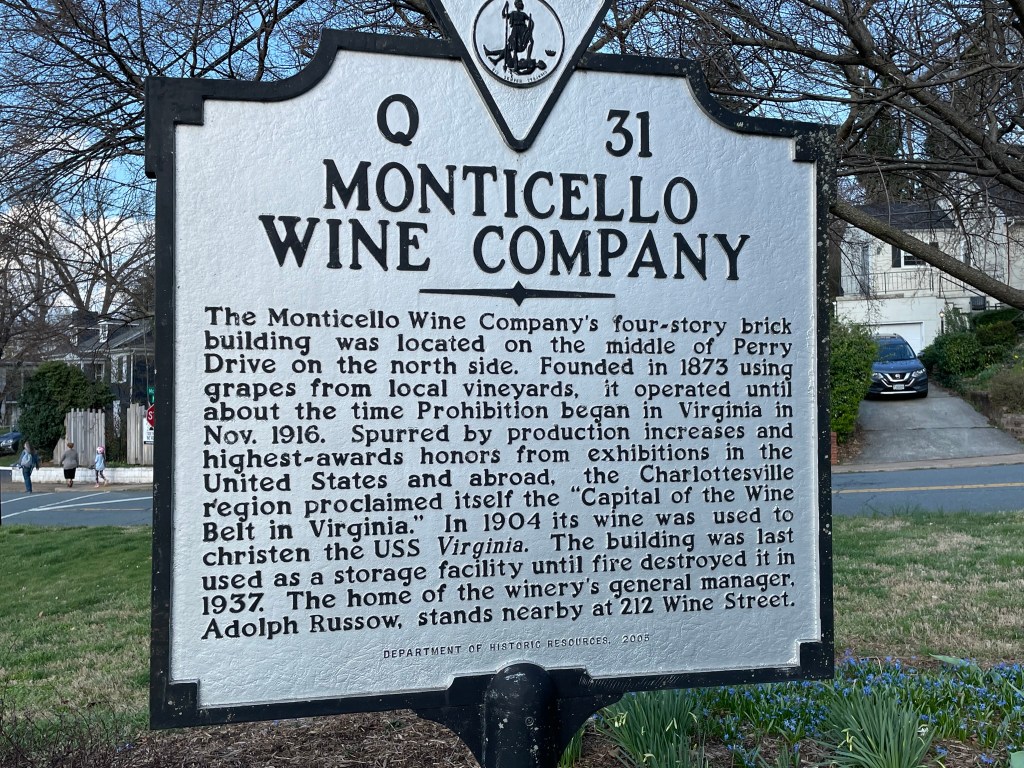
Virginia has the distinction of being both one of America’s oldest wine regions and an emerging one. The first wines produced in the Thirteen Colonies were grown in the late 1750s at plantations near the Chesapeake Bay. Decades later, Thomas Jefferson established himself as America’s foremost oenophile due to his love of French wine and doomed attempts to grow vines at his estate in Monticello.
Today, Virginia has over 300 wine brands and almost 4,400 acres of vines. While 82% of these vines are vinifera (mostly Bordeaux red grapes and Chardonnay), Virginia wine is increasingly looking outside Bordeaux varieties to guide the state’s future.
Virginia is also punching above its weight in terms of quality. In 2022, Virginia made the cut as one of the few states Wine Enthusiast continues to review (alongside California, Washington, Oregon and New York) despite making less than 0.3% of the nation’s wine production. In 2023, the magazine selected Jefferson’s hometown of Monticello as its Wine Region of the Year.
Despite these laurels, relatively few people have heard of Virginia wine. Even within the state, just 4.5% of wine sold was produced within Virginia.
Two intertwined culprits are behind this lack of recognition: high bottle prices and low production.
Most Virginia wineries make under 3,500 cases/year; only a handful produce more than 40,000 cases/year. The boutique nature of the business means wineries seldom achieve the economy of scale necessary to compete in the $25 and under market. Even if they wanted to distribute, limited production means there’s little to spare.
Fortunately, the industry’s proximity to some of the nation’s wealthiest counties makes agro-tourism a strong driver for growth, which is why most Virginia wine is sold in the tasting room. Over 100 wineries are just over an hour’s drive from D.C. or Northern Virginia. More are located in the scenic Shenandoah Valley, historic Charlottesville, and beyond.
Marketing Virginia wine is also a challenge, since the state lacks the brand-recognition enjoyed by California Cabernet, Oregon Pinot Noir, or Finger Lakes Riesling. Some growers toy with the idea of rallying around a specific grape to focus their advertising around, but previous efforts have proven contentious (an earlier movement to push Viognier quickly petered out).
Even pinning down a particular ‘Virginia style’ is difficult, given the state’s diverse geography and dramatic vintage variation. Newcomers trying to pigeonhole Virginia wine are likely to be left confused should they taste vintages from a rainy year like 2018 next to a dry one such as 2023, or compare bottles produced in high & dry Shenandoah Valley next to those from the sandy Eastern Shore.
It’s fair to say that Virginia is geographically and arguably stylistically a middle-ground between California and France. Yet local winemakers are quick to point out the state’s unique growing conditions makes copying either of these areas impractical.
Winemaker’s most daunting challenge is the state’s hot, humid weather, abetted by (in most years) copious amounts of rain. The best-performing varieties have qualities which mitigate the resulting rot and disease pressure, so grapes with thick skin and loose clusters are favored. Likewise, vineyards with excellent drainage are a must.
This means that local growers must find varieties that are weather hardy as well as commercially popular. They are making progress on this front, with a focus on Cabernet Franc, Petit Verdot, and several others. Ironically, Virginia’s two most popular varieties are ones Bordeaux considers minor players in their vineyards.
Many well-known varieties also tend to be site-specific. Cabernet Sauvignon typically only achieves ripeness in especially hot years or when planted on rocky soil, while fragile Pinot Noir is only found in a handful of ‘goldilocks’ vineyards that possess just the right conditions. Fortunately, Merlot does well in Virginia’s clay-based soil, and Chardonnay is a reliable workhorse (as long as there’s no late spring frost).
Meanwhile, many obscure varieties, especially from warm-weather regions, are gaining prominence.
Two decades ago, Virginia helped lead a worldwide renaissance in Viognier, a Rhône grape once threatened with extinction.More recently it became home to the world’s second-largest planting of Petit Manseng, a high acid grape found in southern France. Tannat is gaining recognition in national wine competitions and sometimes added to give blends color and tannin. Even Albariño is finding a home.
Virginia isn’t tied to any particular style. If it grows well here, someone is likely making a wine out of it.
So – if you’re looking to try a Virginia wine, what should you get?
Old World style expressions of Chardonnay, Sauvignon Blanc, or Bordeaux blends can be found at Virginia’s better-known producers, such as Barbourville Vineyards, Linden Vineyards, and Michael Shaps. But people looking for something uniquely reflective of Virginia should try its single-varietal Cabernet Franc, Petit Verdot, Petit Manseng, or Viognier, found all over the state.
That said, it’s unfair to pigeonhole Virginia into just a few categories. In recent years Barboursville’s Fiano won best Italian White at the 2022 San Francisco International. Muse Vineyard’s Roussanne was Best White in Show at the 2023 San Diego Wine and Spirits competition. Three of the past four years Trump Winery’s sparklings earned Best in Class wins at the San Francisco Chronical wine competition. The list goes on.
If there’s one take away for Virginia wine, it’s this is an industry that’s innovative. One local winemaker remarked “Virginia attracts ‘real’ winemakers, as we’ve learned to adapt not just year-to-year but month to month”.
Virginia still considers itself a young wine region, but its producing results.
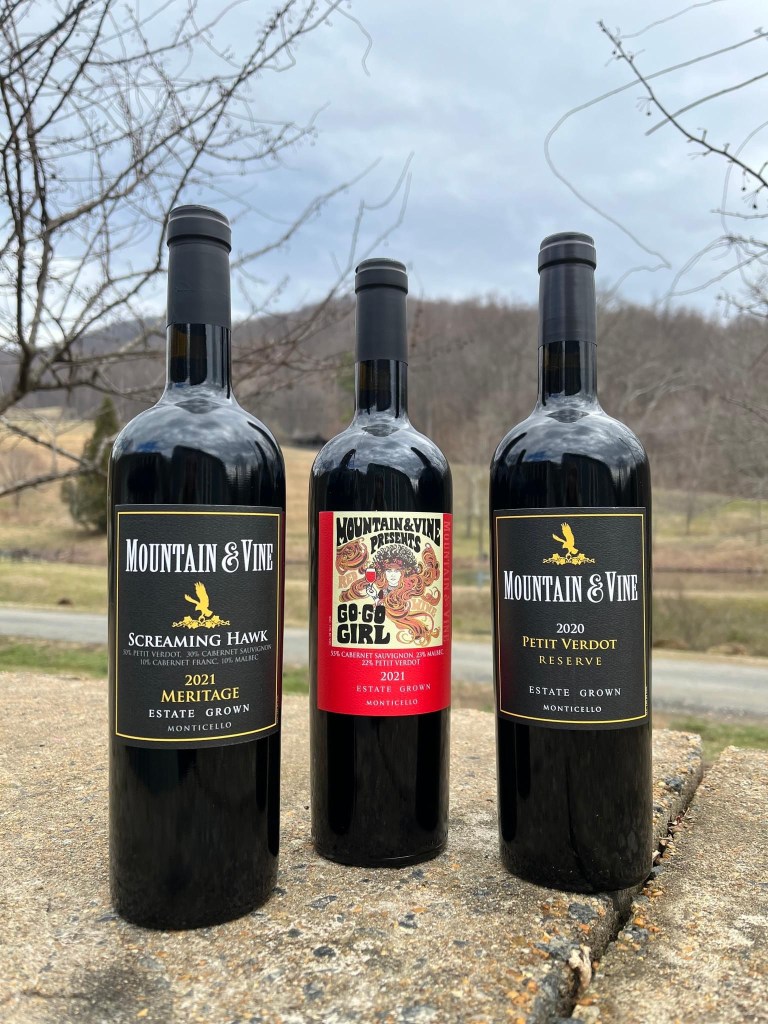
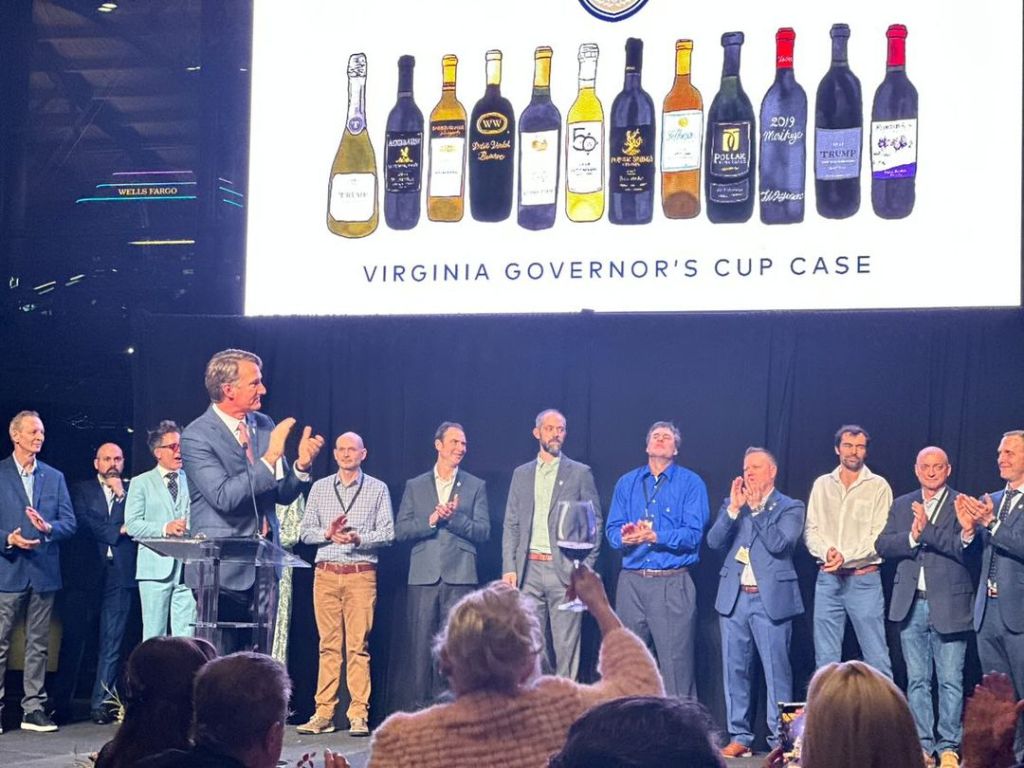
At the conclusion of a packed gala, Governor Glen Youngkin awarded Delfosse Vineyards and Winery the 2023 Virginia Governor’s Cup for its 2021 Screaming Hawk Meritage (50% Petit Verdot/30% Cabernet Sauvignon/10% Cabernet Franc/10% Malbec).
Located in the town of Faber, Delfosse (aka Mountain & Vine) is a good 30-minute drive from Charlottesville and part of the Nelson 29 Wine Trail. It’s a beautiful location, and I’ve long thought Delfosse has done an especially great job with their red blends.
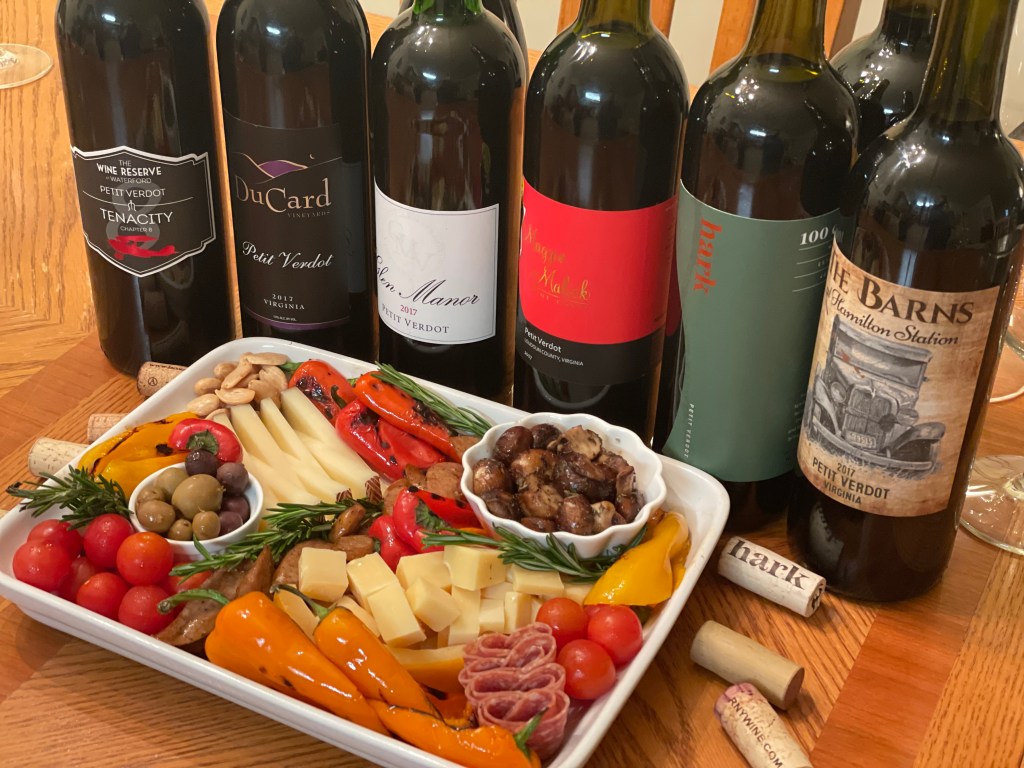
The Screaming Hawk’s dominant component is Petit Verdot. While this grape does great in Virginia as a single-varietal wine, it’s becoming just as popular as the star component of red blends instead of its traditional place as a blending background singer. Over the past decade PV has largely supplanted Cabernet Sauvignon as the variety winemakers rely upon to contribute tannin and body.
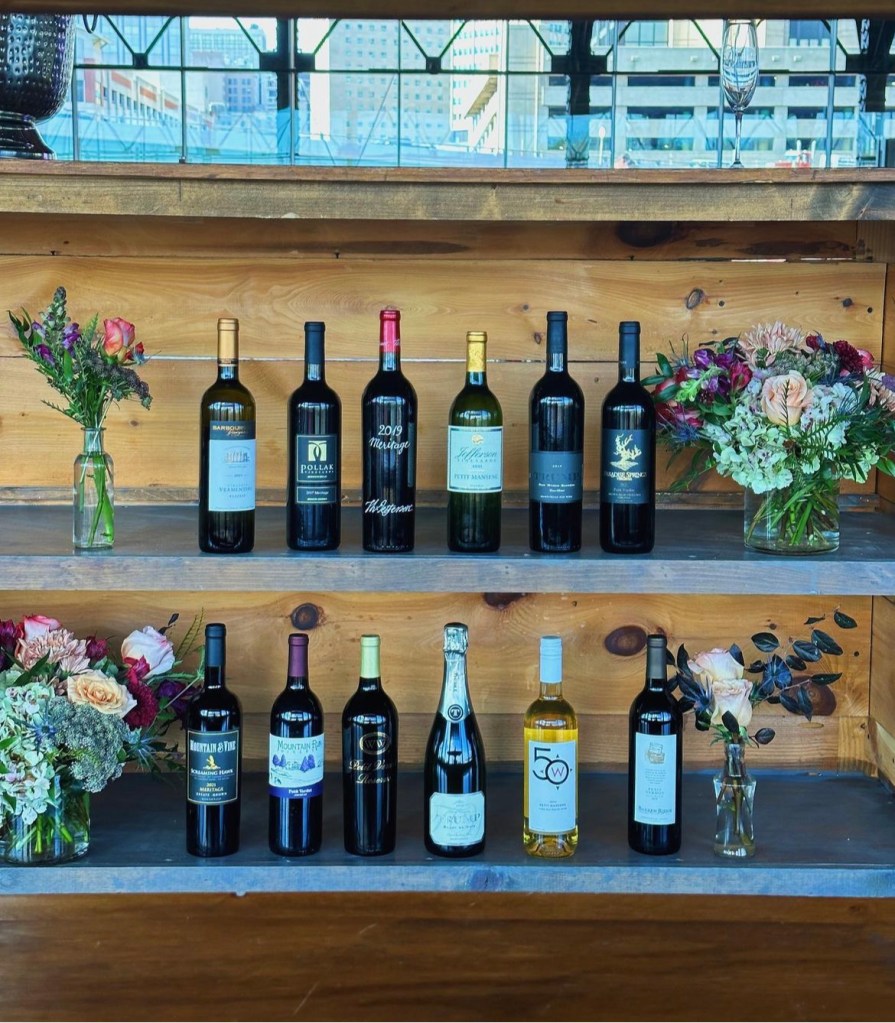
2023 Virginia Governor’s Case
Delfosse Vineyards and Winery, 2021 Screaming Hawk Meritage (Cup Winner) (50% Petit Verdot/30% Cab Sauv/10% Cab Franc/10% Malbec)
50 West Vineyards, 2020 Petit Manseng
Barboursville Vineyards, 2021 Vermentino Reserve
Barren Ridge Vineyards, 2017 Petit Verdot
Jefferson Vineyards, 2021 Petit Manseng
Jefferson Vineyards, 2019 Meritage (45% Merlot/40% Petit Verdot/12% Cab Franc/3% Malbec)
Mountain Run Winery, 2021 Petit Verdot
Paradise Springs Winery, 2021 Petit Verdot
Pollak Vineyards, 2017 Meritage (60% Cabernet Franc/24% Merlot/16% Petit Verdot)
Trump Winery, 2019 New World Reserve (45% Merlot/30% Cabernet Franc/15% Petit Verdot/10% Malbec)
Trump Winery, 2016 Blanc de Noir
Williamsburg Winery, 2019 Petit Verdot Reserve
Albemarle CiderWork’s Orchard Blush, their first cider rosé, took the prize for top cider.
This year’s Governor’s Case focused on varieties which perform exceptionally well in Virginia, especially Petit Verdot (4 entries) and Petit Manseng (2 entries). Around the world these grapes barely get noticed, but they are leaders in Virginia. Notably, all four of the Case’s red blends (from Delfosse, Jefferson, Pollock, and Trump) have at least some PV.
In fact, only 2 wines in the Case didn’t use a grape named ‘Petit’: Barboursville’s Vermentino Reserve and Trump Winery’s Blanc de Noir. The Vermentino made its sixth entry into the Case over the past seven years. Trump winemaker Jonathan Wheeler contributed his third consecutive sparking to the Case in as many years.
Looking outside the Case, this year saw a record 142 Gold Medals spread amongst 614 entries. Half the medals went to red blends (29), Petit Verdot (24), Cabernet Franc (17) and Petit Manseng (11).
Initial Take-Aways
1. Hidden Gems Win Big – Delfosse, Mountain Run, and Altillo: I’m happy to see smaller, sometimes more out-of-the-way wineries get recognized for the great things they do.
Delfosse scored their first Governor’s Cup win. It shouldn’t be a surprise; they’ve earned 6 Gold medals at the Cup in 3 years; 3 of them in 2023 alone. It’s the definition of an ‘underrated’ winery.
Mountain Run also had a big night. Located just outside Culpeper, I believe this was their first-time submitting wines in the Cup. They did fantastic for their first Cup rodeo, scoring 3 Golds and a place in the Governor’s Case for their Petit Verdot.
While the wine is under Mountain Run’s label, the PV that went into the Case was actually produced by Eric Schenkel of Altillo Vineyards in southern Virginia.
Altillo sells fruit and makes many of Mountain Run’s wines (as well as other wineries), in addition to their own estate wine. Few wineries are as off the ‘beaten path’ as this one is.
If there’s a “Lesson Learned” here its winery-lovers need to explore more, or they’ll miss great wineries like these three. It’s all too easy to stick to better known wine trails in Charlottesville and Loudoun or stick with famous producers like Michael Shaps or Mattieu Finot.
But for all their fame, few ‘big names’ wineries that are perineal contenders got into the Governor’s Case. So take a chance to get out to smaller places; Virginia is full of ‘hidden gems’ like these.
2.Petit Verdot For the Win: If there’s a grape that dominated this year’s competition, it’s Petit Verdot. Full Petit Verdot wines took 24 Golds this year, almost as many (25) as the past 4 Governor’s Cup competitions combined. 4 of these wines went into the Case; another record high.
PV was a component of the Case’s 4 red blends as well. The winning Delfosse 2021 Screaming Hawk was made with 50% PV. The other three bottles contained anywhere from 15%-40% PV.
This grape’s popularity has exploded over the past decade. In 2021 Virginia had 173 acres in the ground, but as of 2021 with 445 acres it is now easily the 3rd most planted grape in the state (after Cab Franc and Chardonnay).
3. Petit Manseng is the Cup’s ‘Runner Up’ Grape: 11 PMs took Gold; 2 of these went on to places in the Case. Both were new records.
Much like Petit Verdot, Petit Manseng is a grape that thrives in Virginia’s terroir. With thick skin and loose clusters, Petit Manseng don’t mind the state’s humid weather. A decade ago there was only 68 acres in the state. But as of 2021 that number grew a whopping 161%, making it the 9th most planted variety in Virginia.
Honorable Mentions:
1. Hybrid Grapes: No case entries (yet), but table wines made with hybrid grapes had a banner year.
Chambourcin and Vidal earned three Golds each, and Chardonel took home another Gold. The count is higher if you include dessert and sparkling wines made with hybrid grapes.
Hybrids rarely get a lot of love in major competitions, but I’m hopeful this will change over time. Not only are wine drinkers becoming more accepting of hybrid grapes, but winemakers are also willing to treat them with the same dedication they show vinifera.
2. Diversity of Grapes & Styles: Rosemont Vineyards & Walsh Family: I was really happy to see some favorites of mine get recognized, especially for wines/styles that are new to the Cup.
Walsh’s Chenin Blanc is the first wine of this variety to earn Gold at the Cup. Rosemont’s Chambourcin-based Sparking Extra Brut Sparkling Rosé also took Gold.
I mention these wineries not just because they are great, but they demonstrate the breadth of grapes and styles Virginia has the capacity to produce. I’d never heard of Chenin in Virginia until a few years ago. Now, 5-6 wineries offer one.
Sparkling wine has likewise taken off in the state. While producers including Trump, Veritas, and Thibaut-Janisson produce excellent Methode Champenoise-style wines, the ease of producing Pét-nat and Charmat-style wines has made these styles popular with smaller producers.
3. Cabernet Franc: No Case entries, but 17 Golds isn’t bad. It’s the most planted grape in Virginia for a reason.
4. Gold…Lots of Gold: 142 Gold Medals was a new record. Judges emphasized how every year the quality of the entries has improved.
King Family rocked with 7 Gold medals, Paradise Springs took home 6 Gold (and winemaker Rob Cox made 2 Gold-winning wines for Williams Gap), Pollock and Trump both earned 5 (and spots in the Governor’s Case), and Michael Shaps won a boatload of Golds.
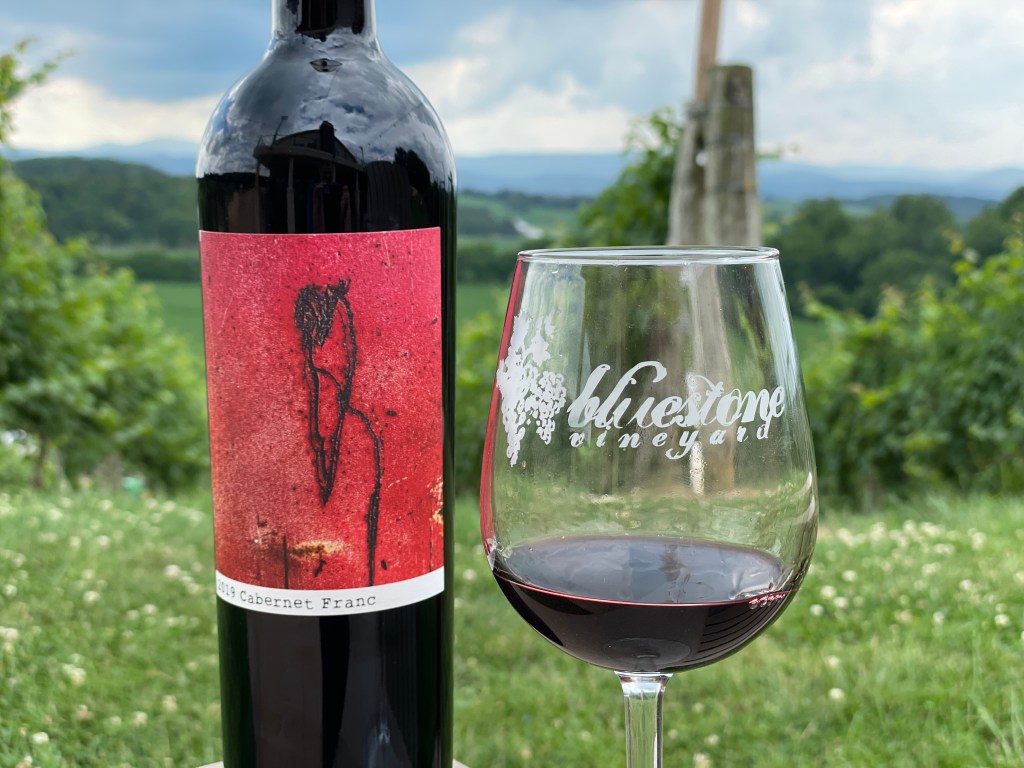
Just as importantly, smaller wineries also got due recognition, including (but not limited to) Narmada (4), Bluestone (3), Delfosse (3), and Mountain Run (3) bringing home major hauls.
If the Virginia wine industry is to grow, it needs to increase its brand recognition. One way to do that is for Virginia to showcase its wines at major wine competitions.
Wins at such competitions burnish their winery’s reputation, but it’s more than that. Honest critical feedback from judges (which isn’t a given in all events) help winemakers hone their craft. Good press also shine a light on the Virgina wine industry as a whole.
Tales about Virginia’s big wins isn’t a matter of local wineries boasting amongst themselves. When Wine Enthusiast reduced the number of wine regions it covers, it’s a tribute to local quality that Virginia coverage was retained (alongside California, New York, Oregon, and Washington State) even as the publication dropped other emerging regions including Maryland, Michigan, and Texas. This for a state that produces less than 0.3% of the nation’s wine production.
Some of these award-winning wines can be found at the Virginia Governor’s Cup or smaller regional events, but not always. Low inventory and financial costs usually force winemakers to be choosy, limiting their ability to participate at multiple venues. The former is especially important given most Virginia wineries make under 3,500 cases/year.
Even so, the prestige of participating in certain events sometimes makes the cost worth it. Ankida Ridge’s pinor noir received a huge boost after it became the first Virginia winery to be invited to the International Pinot Noir Celebration (IPNC). Chateau O’Brien helped raise tannat’s profile in Virginia after it became one of the few American attendees at the Concurso Internacional Tannat Al Mundo award, the premiere event for tannat wines.
Some of these wins are in varieties that Virginia is becoming closely identified with, such as cabernet franc or petit verdot. But most of these wins use traditional Bordeaux grapes, and several others trophies are for varieties that are rare even in Virginia.
This list is not meant to be all-inclusive but does list a fair number of national and international competitions Virginia wine has participated at during the most recent wine judging season. For brevity I only list wines that scored Best in Show, Best in Class, or Double Gold awarded since August 2022.
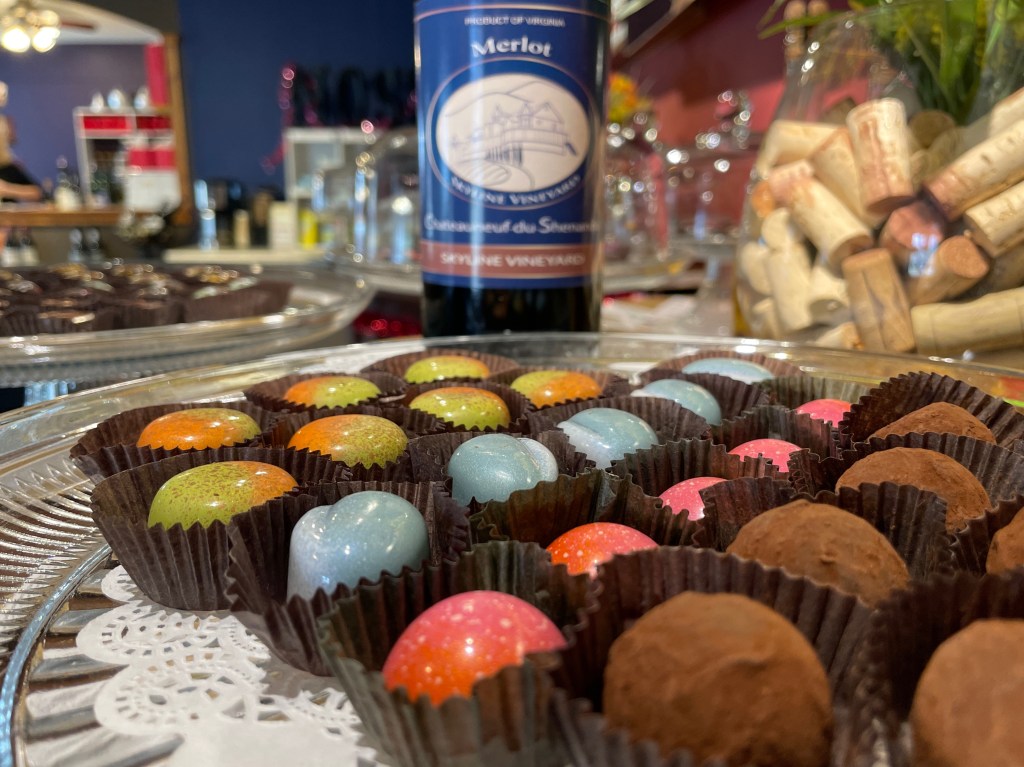
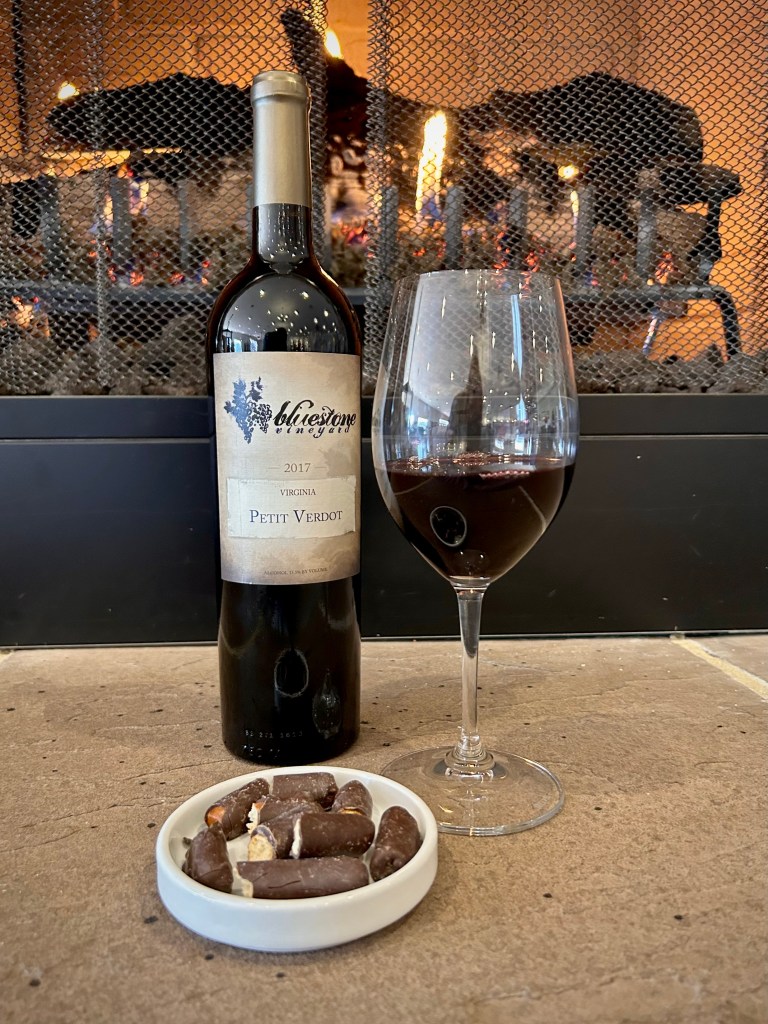
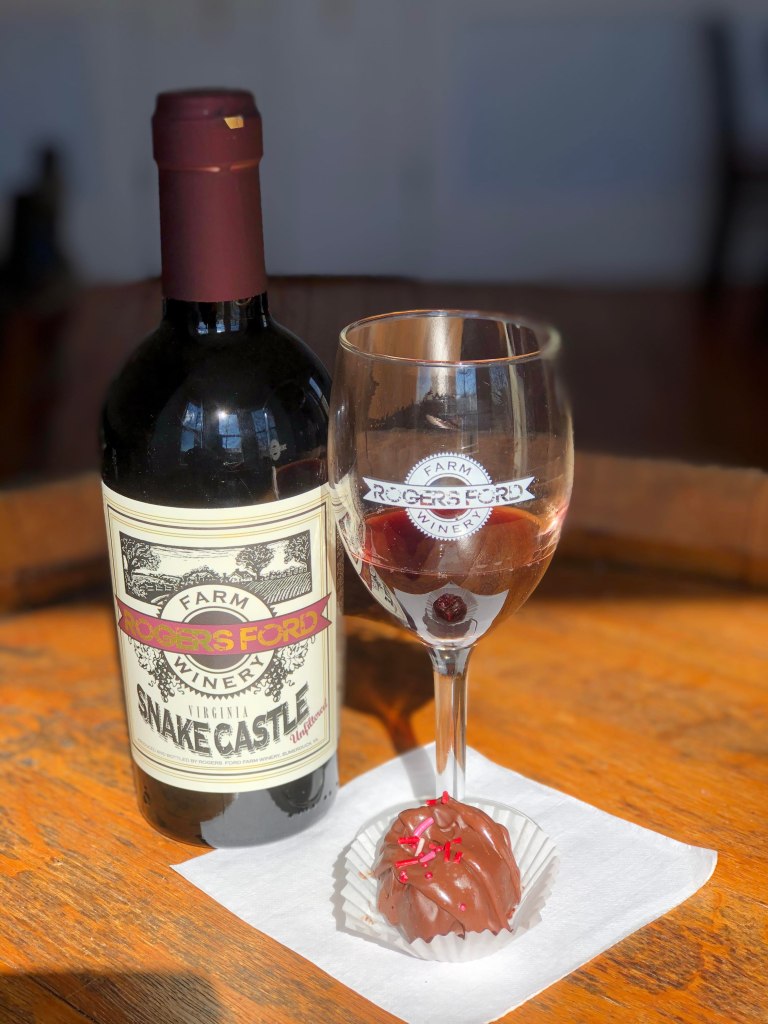
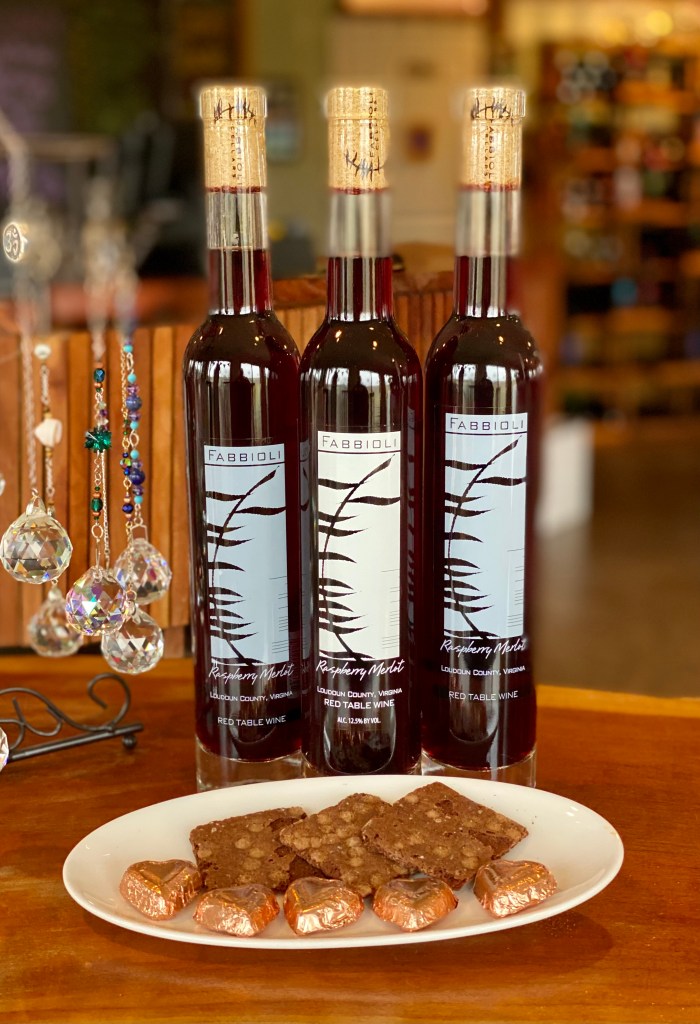
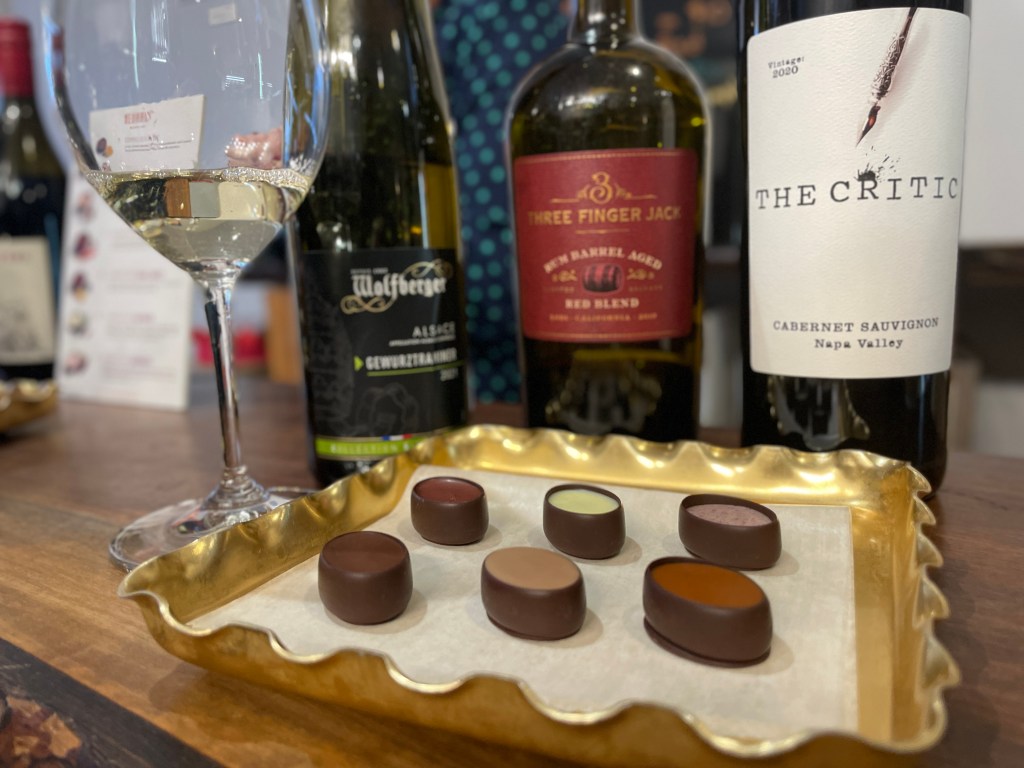
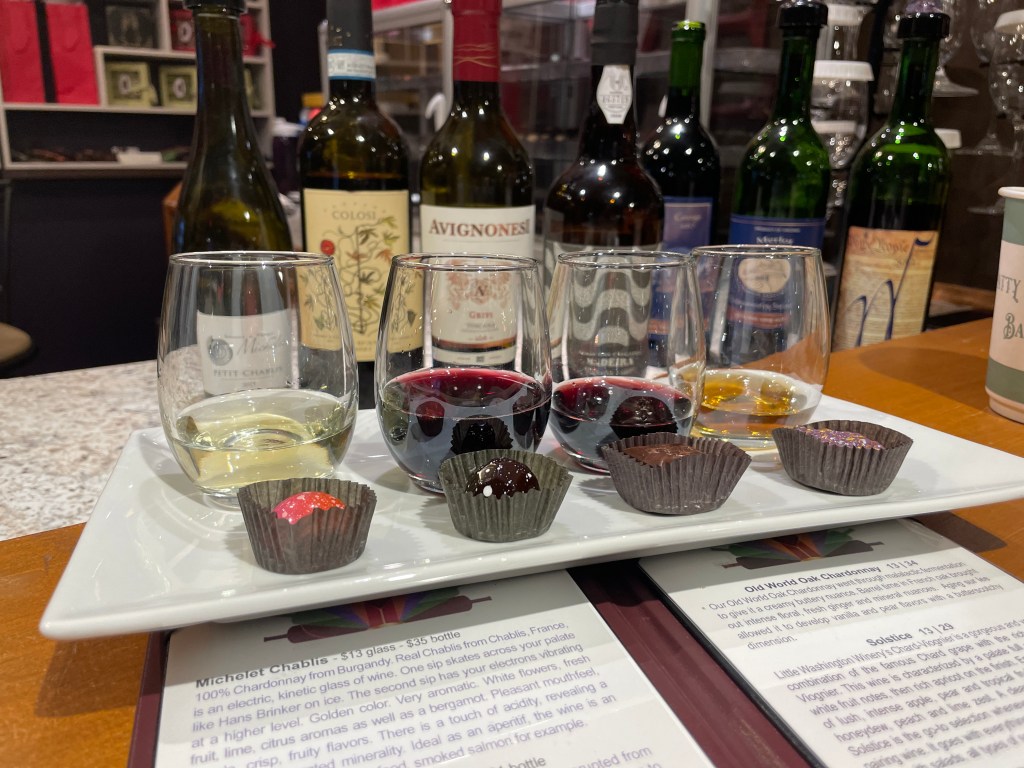
If you write about wine long enough, it’s inevitable you’ll eventually write a Valentines-themed guide on chocolate and wine parings. Well, here’s mine!
Chocolate and wine are delicious on their own but are a tough pair to match. But here are some tips on how to do it.
My latest article on Linden Vineyards is now published – and it’s the cover story of the print version of Wine & Country Life!
Sometimes I feel like my social media can be nicknamed the ‘Jim Law Fanboy Club’ because Linden wines are featured so often. As a wine writer I try to cover multiple areas, and too much fanboying on one winery makes it tougher to cover everything else.
That said, it’s tough to overstate Jim’s influence on Virginia wine. He’s idolized by his fellow winemakers and his Hardscrabble Journal blog has a wealth of information on the growing season, pruning techniques, and ‘mentor wines’.
In our interview we covered everything from how he found the Virginia wine scene to his thoughts on hybrid grapes (not precluding more but hasn’t planted anything beyond Vidal), Linden’s test vineyard (fingers crossed we may see Fiano in the future), the ‘vine-soil relationship’ (drainage is essential so you need to plant on the right soil), and why he prefers ‘wine grower’ not ‘wine maker’.
Fortunately, there’s plenty here for non-wine geeks. Not many people know how his father’s chance sampling of a Chablis wine was the starting point for his love of wine, and how he strongly considered going to Oregon but instead chose a Shenandoah winery named Tri-Mountain because he loved the idea of exploring what was (and to an extent still is) virgin terroir.
It never ceases to amaze me how people are willing to pursue a dream in the wine industry. But Kavelle and Ken Bajaj of Barrel Oak Winery, Amanda and Whiticar Darvill of Fox Meadow Winery, and Chris and Katie Key of Sunset Hills Vineyard all took the plunge in 2022.
While no two stories of ‘why I bought a winery’ are the same, they often rhyme. For the Darvills and Keys, their first dates were at wine tastings. For the Kavelle Bajaj, it was her farm roots. For all of them, it’s a love of wine.
I’m really looking forward to how these new owners elevate Virginia wine.
11 new wineries (plus 2 tasting rooms from existing wineries) opened in 2022, a number on par with annual growth in the Virginia wine industry. An additional 5 wine brands opened for direct sales or can be found at a partner location (notably Walsh Family Wine, which hosts ‘Bar Takeovers’ for small brands that lack a tasting room).
7 wineries (Castle Gruen, Dry Creek, Five Oaks Vineyard, Hunt’s Vineyard, Kilaurwen Winery, Thatch and Whitebarrel) closed, will close, or rebranded in 2022.
2022 also saw a number of major wineries being sold, with new owners at Barrel Oak, Capstone, Sunset Hills/50 West, and Fox Meadow. These come in the wake of the sale of Three Fox Vineyards and 8 Chains North, which changed hands in 2020 and 2021, respectively.
2022’s Major Trends and Events
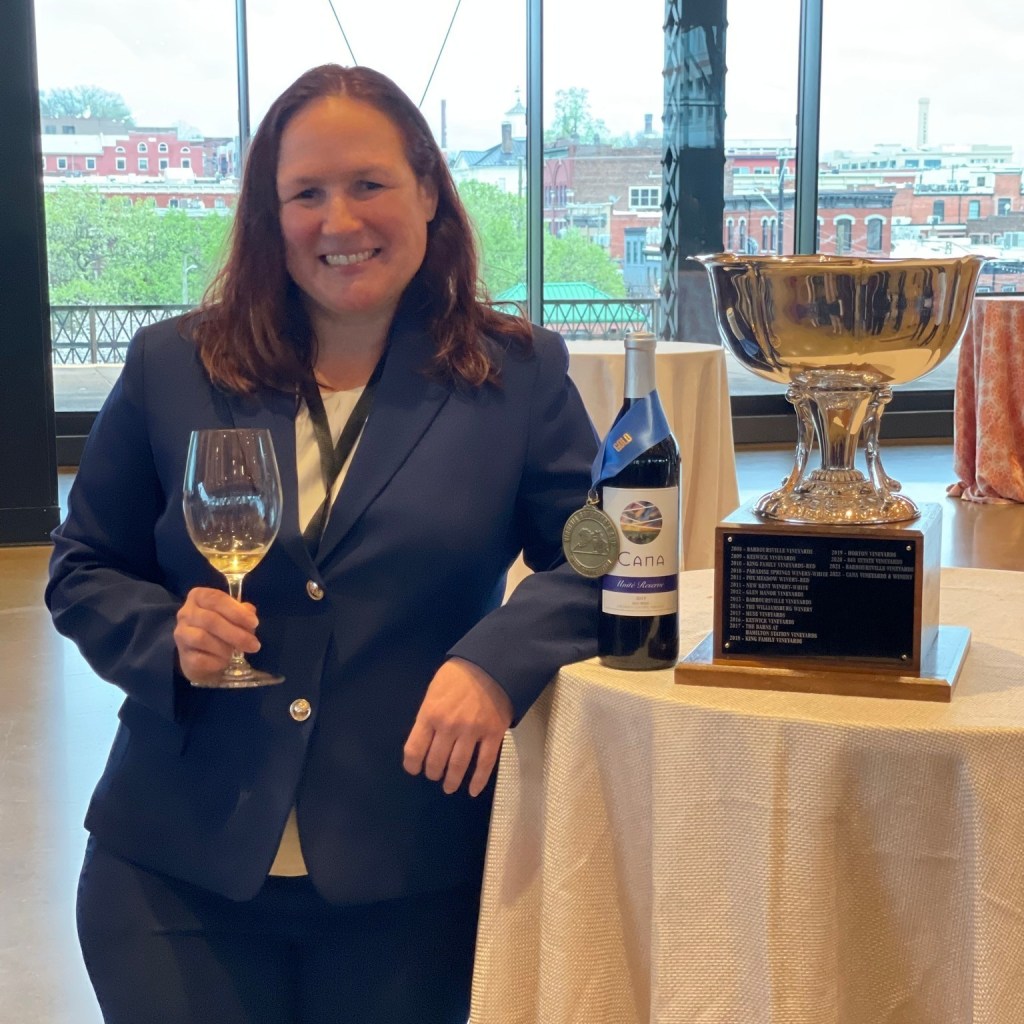
1. Growing representation in local winemaking: Melanie Natoli of Cana Vineyards made history in 2022 by becoming the state’s 2nd female Virginia Governors Cup winner (and its 1st under the Cup’s post-2011 rigorous judging system). Maggie Malick and Rachel Stinson Vrooman also had wines selected for the 2022 Governor’s Case.
These women are part of a cohort of female head winemakers and assistant winemakers who are gaining major name-recognition. All told, around 15% of all head winemakers in Virginia are female.
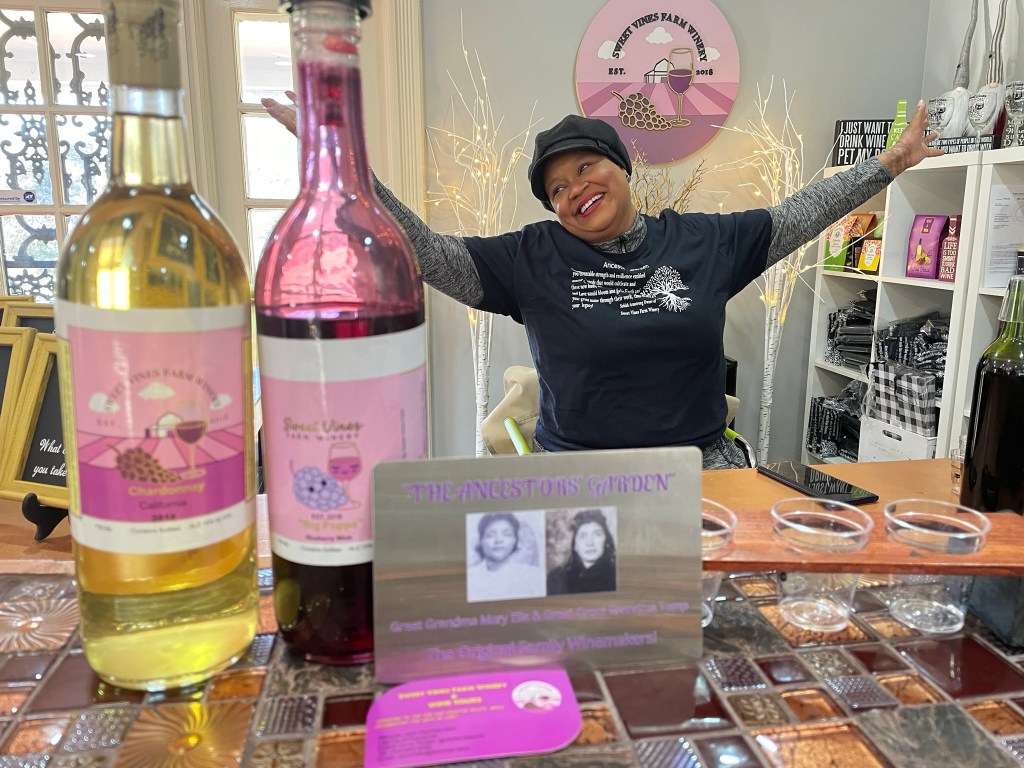
Representation by Black–owned wine brands also grew this year. Fifty Leven and Shockoe Wine joined the small but growing group of local Black-owned wine brands, which also includes Delaplane Cellars, Preston Ridge, Sweet Vines Farm, and Vintner’s Cellar of Yorktown.
2. Climate change: Jim Law called 2022 ‘climate change on steroids’. While climate change is hardly a new topic, this year included a number of high-intensity weather events which punctuated the extent of this trend. At worst, the type of dramatic weather fluctuations seen this year portent what Virginia’s ‘new normal’ may become.
For much of Virginia, 2022 see-sawed between hot, sunny days and short but intense summer storms, bookended by frost warnings in April and a hurricane in late September. Winegrowers looking at the rainy weather forecast in July had good reason to be concerned.
Fortunately, mid-summer’s capricious weather gave way to far more favorable conditions in August to September, turning what could have been a tough vintage into a very favorable one for large parts of the state.
Some years – such as 2017 and 2019 – are fondly looked back as strong vintages, while others like 2011 and 2018 are ones most winemakers would prefer to not dwell on.
But the answer regarding the 2022 growing season might be summarized as ‘it depends’, all depending on a vineyard’s specific microclimate.
3. Labor Shortages: Many wineries had significant challenges in staffing. This had a number of impacts, both in the tasting room and the vineyard.
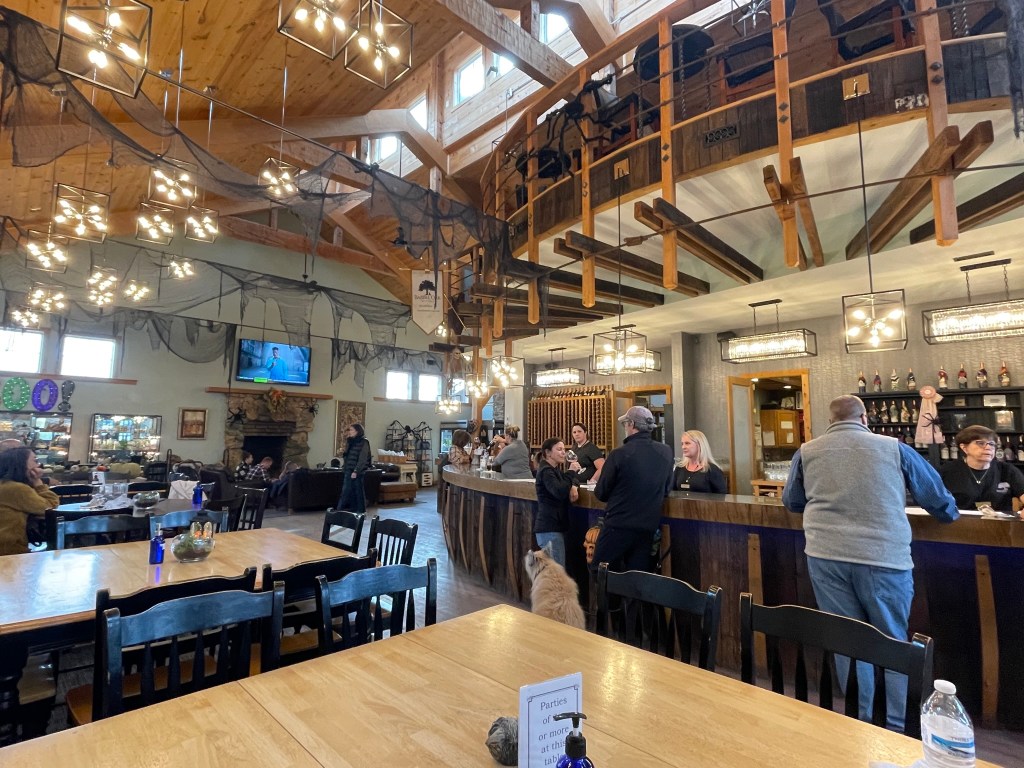
Those hopeful for a return to pre-COVID bar-side tastings were likely disappointed. While health concerns and consumer demand for take-away flights played a part in this decision, this pivot away from bar-side tasting is largely a product of limited staffing, which precludes many wineries from servicing a full bar of customers as they did in the past.
These shortages also impacted vineyard operations. Frequent rain resulted in a high-vigor growing season, so pruning was especially time-consuming. When hurricane Ian arrived, some vineyards struggled to bring in their fruit with the labor at their disposal.
Those with full time labor were able to endure these challenges more easily. Those who did not encountered delays in vineyard work or harvesting.
4. The Common Wealth Crush Company and “garagiste” winemaking: This November Ben and Tim Jordan announced their new custom winemaking facility, capable of producing up to 30,000 cases/year. This business is especially designed for smaller winemakers who lack their own facilities.
“Contract winemaking” already exists in Virginia, but that term is usually associated with business such as Michael Shaps Wineworks who do the entire winemaking process for their customer.
CWCC differs in that it allows winemakers to make their own wine. As Tim Jordan explained, “People do it at their employer’s wineries and sometimes they can get their friends to let them do it. But what almost always happens is that you grow out of it, or the winery facility grows its production and kicks you out. There’s not really a dedicated facility that allows a winemaker to start a brand, do the project, make the wine they want, the way they want, and be confident they’ll be able to stay there.”
This business model comes at a good time as the number of ‘small batch’ wines has dramatically increased over the past several years. Winemakers including Jake Bushing, Mattieu Finot, and Ben Jordan have long championed “garagiste” style wines, but they’ve been joined by Jocelyn Kuzelka and Megan Hereford of Daring Wine Company, Tim Jordan’s Star Party, Kent Arendt’s Boden Young, Rich Sullivan’s Guide Wine, and others.
CWCC also plan of having a tasting room at their Waynesboro facility to serve these brands, allowing customer to sample wines from Midland, Lightwell, and Star Party.
5. Small Batch Wines more popular than ever: “Garagiste” winemakers are a large part of this group, but this trend goes beyond independent operators.
I use “small batch wines” as a catch-all term to cover a large group of different wine ventures, including everything from collaborations between different wineries, independent brands that lack a permanent home, to off-brand labels at established wineries.
One recent example is the ‘Sun Room’ collaboration between Corry Craighill of Septenary Vineyards and Nate Walsh, where each winemaker took a batch of Malvasia Bianca grapes but made a wine in their own style, yet sold as a 2-pack. Another is the Odd Bird series by Lee Hartman of Bluestone Vineyards.
The common denominator between these ventures is they tend to focus on the creative aspect of winemaking, often featuring unusual blends, uncommonly used winemaking styles, and/or unique branding.
Expect more of these type of off-brand ventures in the future, as winemakers look for ways to flex their creative muscles.
6. Vermouth gaining traction: Rosemont and Flying Fox have made vermouth for several years, but the field of local vermouth-makers expanded this year with the addition of botanical wines from Artemisia Farm, Walsh Family Wine, and Joy Ting.
While this beverage is usually thought of as a drink mixer for bartenders, local vermouth sales have largely been to customers who use it as a sipping drink. Many of these producers also focus on local ingredients, sometimes expanding beyond wormwood as a bittering agent.
Wineries, Brands & Tasting rooms that opened in 2022:
Artemisia Farm & Vineyard (no tasting room, but found at NOVA farmers markets)
Bluemont Station Farm Winery (Bluemont)
Boden Young (no tasting room, but found at Walsh Family Wine)
Burnbrae Vineyards (Lynchburg)
Caihailian Vineyard (south of Afton)
Chapelle Charlemagne Vineyards (new tasting room in Flint Hill)
Daring Wine Company (no tasting room)
Droumavalla Farm (north of Leesburg)
Everleigh Vineyards (Mineral)
Kalero Vineyards (Hillsborough)
Lake Front Winery (Buffalo Junction)
Mount Fair Farm (Crozet)
Nookesville Winery (no tasting room)
October One Vineyard (new tasting room open in Leesburg)
Star Party (no tasting room)
The Barn at 678 (Barboursville)
Wind Vineyard at Laurel Grove (Tappahannock)
Woodbrook Farm Vineyard (Orange)
Upcoming Wineries expected to open in 2023
Blevins Family Vineyard (Scottsburg)
Crimson Lane Vineyards (Linden)
Domaine Fortier Vineyard (Loudoun)
Fallen Tree Vineyard (Crozet)
Haunted Winery Vineyard (Amelia)
Seven Lady Vineyards at Dover Hall (west of Richmond)
Silverdog Vineyards (Linden)
Southwest Mountain Vineyards (Keswick)
Wineries that closed or closing in 2022:
Castle Gruen
Dry Creek
Hunt’s Vineyard
Thatch Vineyard (rebranded as part of Michael Shaps)


















 Wine Trails and Wanderlust