Exploring The Peak Shenandoah Wine Region

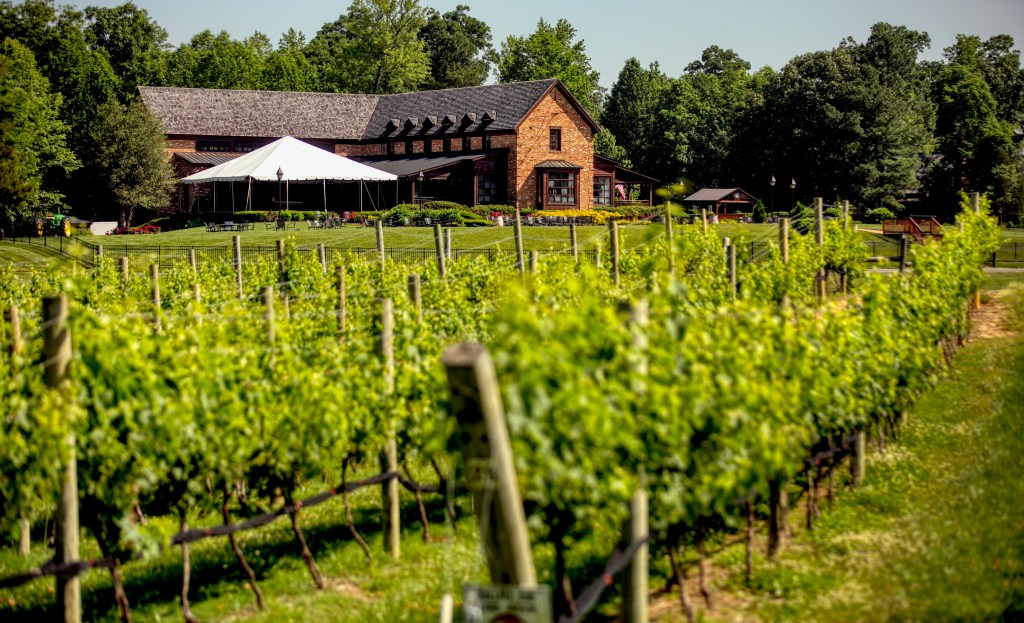
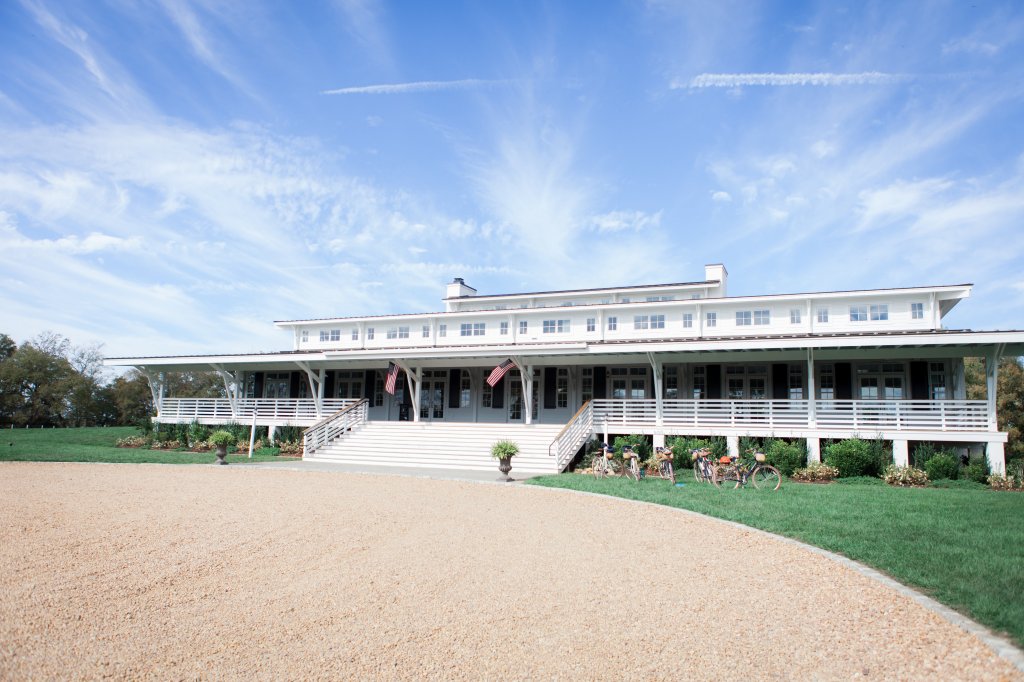
Peak Shenandoah is Virginia’s newest wine region. Named after Shenandoah National Park, it brings together six wineries located within 30 minutes of the park’s northern entrance at Front Royal. Region members include Arterra Wines, Capstone Vineyards, Chester Gap Cellars, Fox Meadow Vineyards, Rappahannock Cellars, and Star in the Valley Winery.

These venues are heavily influenced by the mountainous terrain around them. But according to Star in the Valley owner Shane Waller, they are bound by more than geography.

“Our wineries straddle both county lines and American Viticultural Areas (AVAs), yet we are still connected by a common character.

When I look at these other wineries, I see reflections of us. Folks that tend to the vines themselves, make the wine themselves, and have small, family-run-tasting rooms they’re selling wine from.

We’re all in the mountains and are just around the corner from fantastic outdoor recreation spots. That’s why I like to say it’s a wine region, because it’s an area where the wineries have similar characteristics.

We named it Peak Shenandoah as a homage to the park, as there are a lot of people that come here for hiking. We want to let these visitors know there are other fantastic places to visit as well. Or if you’re here for wine, come have a great day, stay overnight, and you can have a great hike the next day.”

Six Wineries Connected By A Common Thread

Peak Shenandoah isn’t a federally designated wine growing area like the nearby Shenandoah Valley AVA or Middleburg AVA. At the same time, it’s more than a wine trail, where participants sometimes share little in common beyond being neighbors.

“What sets our area apart from Loudoun or Charlottesville is elevation is the common thread for our participating wineries,” said Amanda Darvill of Fox Meadow. “Fox Meadow is at 1,800 feet. Capstone is at 1,500’. Star in the Valley is 1,300’. The other wineries are somewhere around 1,000’.

This elevation is important because cool air preserves acidity. Being near Chester Gap also means we have a constant breeze coming through, which helps alleviate disease pressure.”

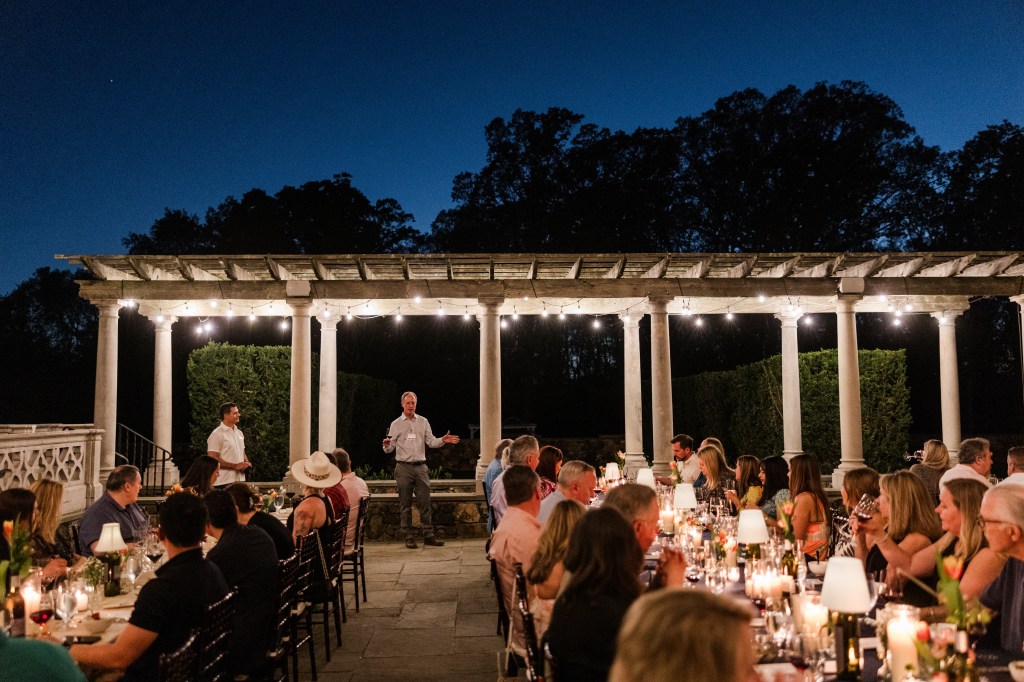
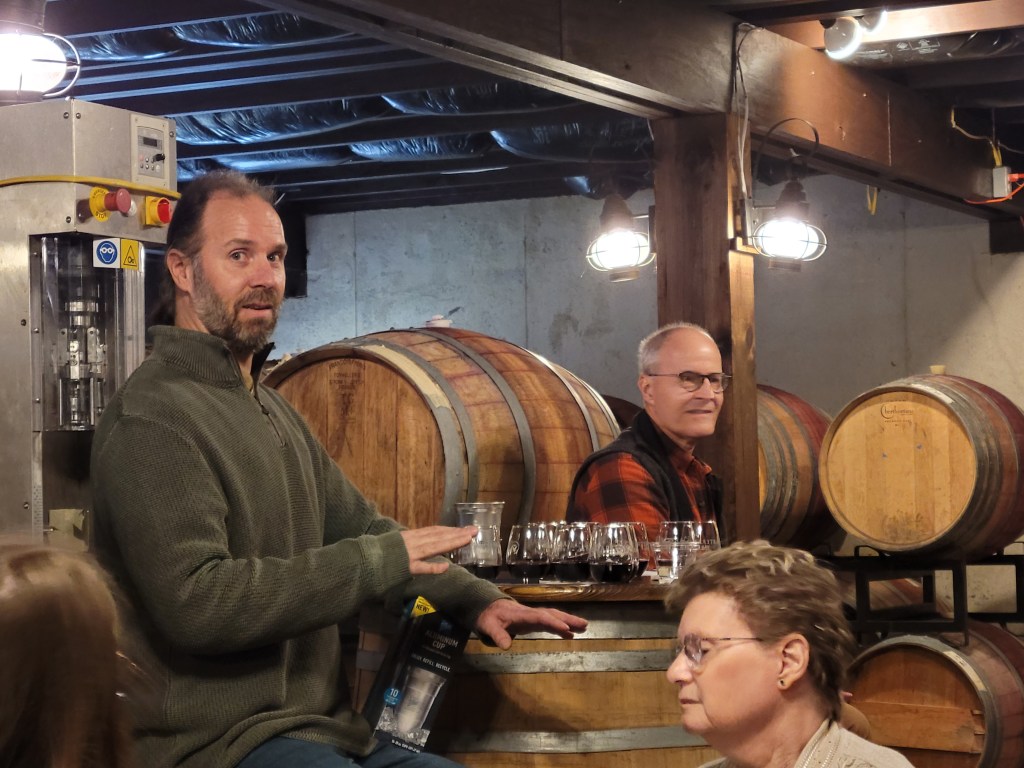
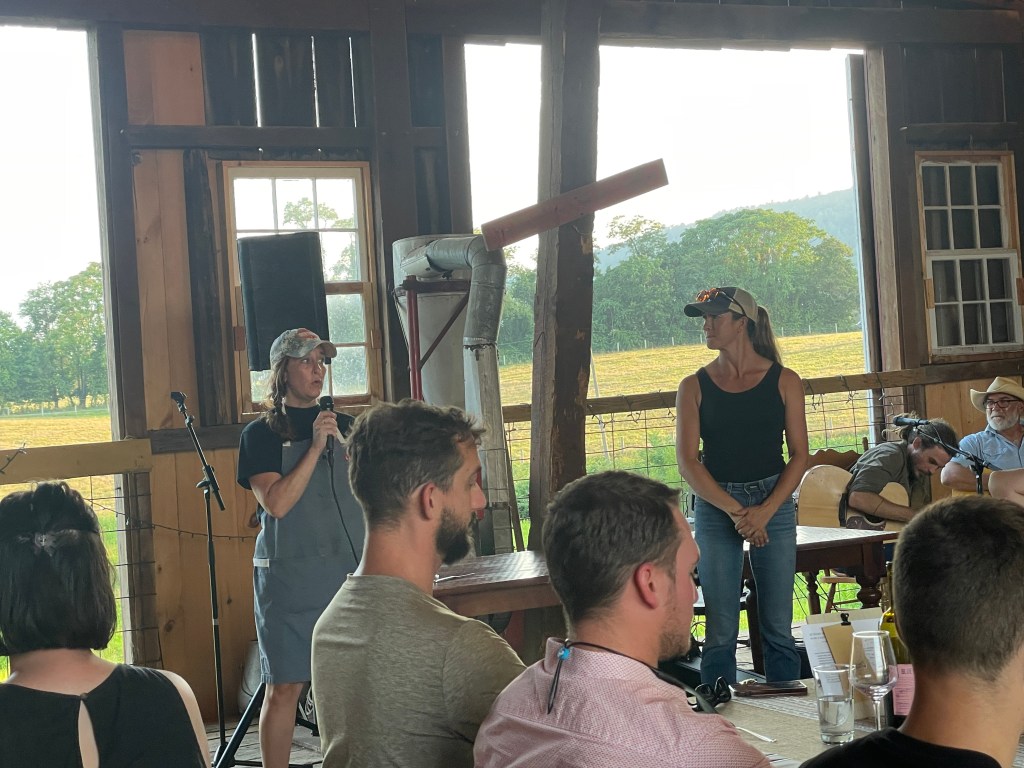
Peak Shenandoah had its kick-off event on May 18th at Fox Meadow. The event showcased how their wines share similarities as well as unique personalities.

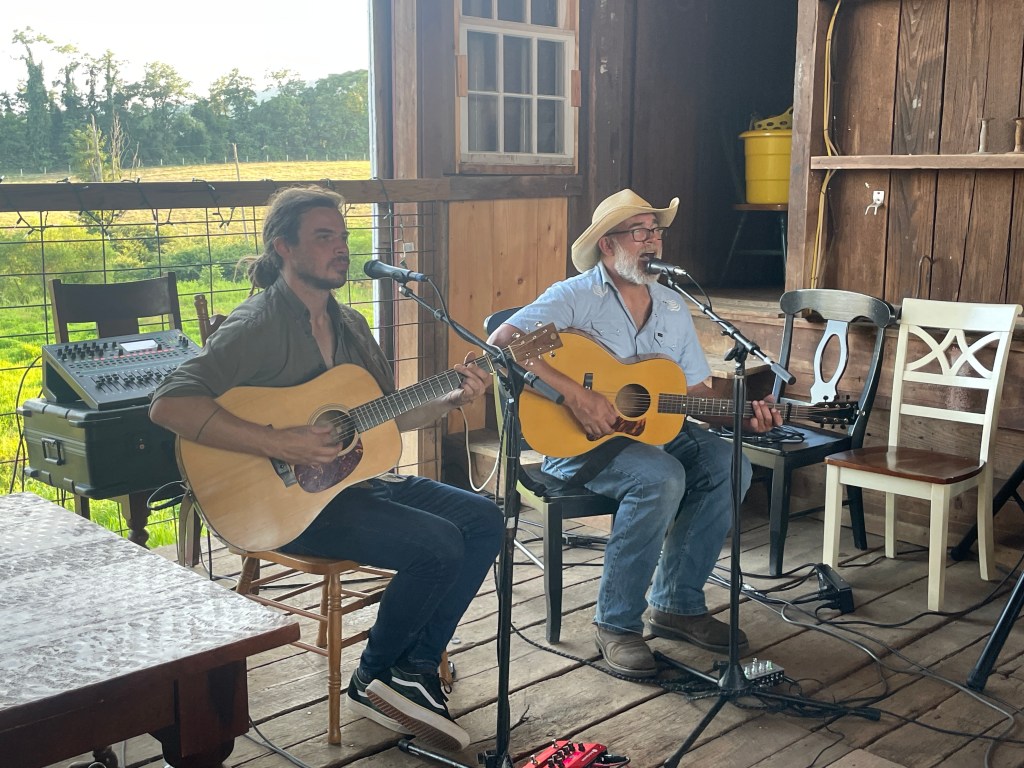
Photos of the Peak Shenandoah kick-off event taken by Mandy Giehll/Giehll Photography

While these wineries share many of the same grape varieties found elsewhere in Virginia, they don’t limit themselves to Chardonnay, Cabernet Franc, or Petit Verdot. Every participant has options that are seldom found elsewhere in the state.

Arterra Winery: Owner Jason Murray uses native yeast and minimal intervention winemaking to bring out the natural varietal characteristics of his grapes, a style he calls ‘clean wine’. Jason also recently announced he is pursuing an organic certification for his estate vineyard, which includes Petit Sirah and Tannat.

Arterra’s tasting room doubles as the studio for Hawkmoth Arts, showcasing his wife Sandy’s nature-themed multi-media artwork.

Capstone Vineyards: When describing the weathered, well-drained soils that make up his vineyard, owner Theo Smith explained, “With dirt like this, making wine is easy. All I have to do is not screw it up.”

Capstone grows traditional Bordeaux red varieties, as well as several grapes less common to Virginia such as Chenin Blanc and Muscat Ottonell. That said, Theo’s 2024 Sauvignon Blanc was a standout at the Peak Shenandoah kick-off event.

Chester Gap Cellars: With a tasting room set at 1,300 feet at the top of a steep slope, great views are guaranteed here. Visitors can also stay overnight at their on-site AirBnb.

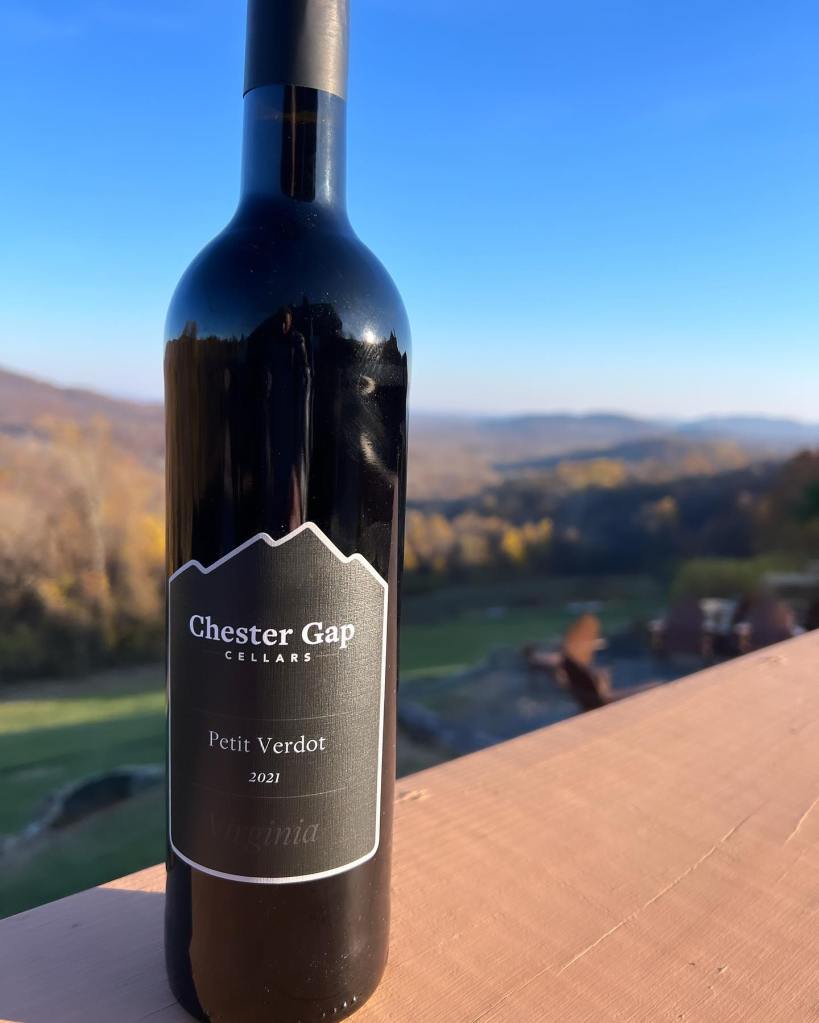
Chester Gap is one of the handful of Roussanne growers in Virginia, although visitors should also try their stainless steel 2021 Viognier for its combination of minerally, crispness, and notes of salinity.

Fox Meadow Vineyards: Owners Amanda and Whiticar Darvill have a very personal connection with Virginia wine; their first date was at the 2011 Virginia wine festival.

Their tasting room is one of the highest elevation sites in the state (and boasts one of the best views). This elevation also affords them the opportunity to grow Pinot Noir, the vineyard’s newest addition.

Rappahannock Cellars: Rappahannock is known for its diversity of options. These include a variety of reds and whites, an in-house distillery, and its sparkling wine program.

Rappahannock’s sparklings include everything from its “Fizzy” rosé for daily sipping to its traditional method “Prestige”. While the variety may seem intimidating, tasting manager Kelly Knight explained, “Most customers don’t seem to worry about how the sparkling is made, as long as it’s good.”

Star in the Valley Winery: Star is the only Peak Shenandoah winery actually located in the Shenandoah Valley. In addition to its vinifera, they produce several wines made with hybrid grapes (make sure to try their Chardonel).

Star in the Valley’s lack of light pollution and higher elevation also makes it a great place for stargazing. Shane is partnering with the Shenandoah Astronomical Society for special ‘full moon’ events on 6/14, 7/12, 8/9, and 9/6, with live DJs to accompany these evenings.

Visitors to Peak Shenandoah need not confine themselves to wine, as the region is adjacent to Shenandoah National Park, George Washington National Forest, and Sky Meadows State Park. The Appalachian Trail’s Trumbo Hollow trailhead is just around the corner from Capstone and Fox Meadow, while the Tuscarora Trail is minutes from Star in the Valley.

Holmes Wine

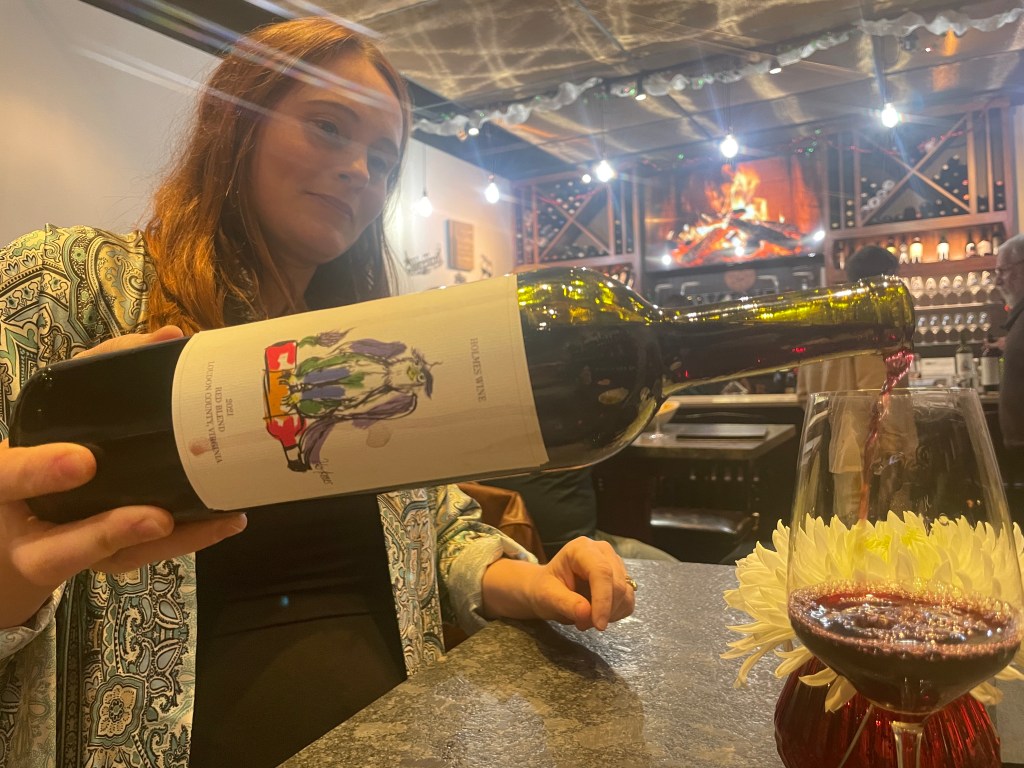
Holmes Wine a micro-wine project owned by Jackie Moriarty, who’s currently selling her trio of wines at the Ashburn Wine Shop. I had the chance to catch up with her when she was pouring her label this Saturday.

Jackie described herself as a “Traveling Winemaker”, although for now she’s staying put in Virginia. The term sounds cliché, but it’s actually very common.

Jackie explained how she started her winemaking career working at Bluemont Vineyard, then traveled the world. Like many winemakers, she would work a harvest in the southern hemisphere at the beginning of the year (where it’s summer/fall), then travel back to the USA for another harvest at the end of the year.

This strategy gave her exposure to different regions and winemaking styles. It also allowed her to meet her future husband Gonçalo while they were both working in New Zealand. Now that they have a baby on the way, they decided to (at least temporarily) settle in Virginia.

The brand includes three wines; a cabernet franc and two red blends. The fruit is purchased from Williams Gap and October One, while the wines are made at Lost Creek. Meanwhile, Gonçalo makes a separate set of wines at a winery he’s associated in the Douro Valley, Portugal.

Jackie’s wines tend to be fairly low-intervention, with a restrained use of oak and a focus on natural yeast fermentation. We started with her 2020 cabernet franc, made from Williams Gap fruit. It was on the lighter side, with some peppery notes.

Next up was the first of her 2021 reds, a 58%/42% blend of merlot and cabernet franc. She explained she made it with a ‘hard press’ to extract a different set of phenolics from the fruit.

Last was her 2nd 2021 red, a blend of 50% merlot/40% cabernet franc/10% petit verdot. Her she took the opposite direction than the first blend, with this being a much lighter press, almost to the verge of using free run juice. This was my favorite of the day, with notes of dark cherry and some earthy notes. I got a bottle to go.

Since they plan to eventually move back to Portugal, Jackie isn’t planning on opening a tasting room. But her wines will be in local distribution, and can be found at the Ashburn Wine Shop.

Mount Alto Vineyards

Last week I visited Mount Alto for the first time in 4 years. The vineyard doesn’t take drop ins, but will open select Saturdays by appointment.

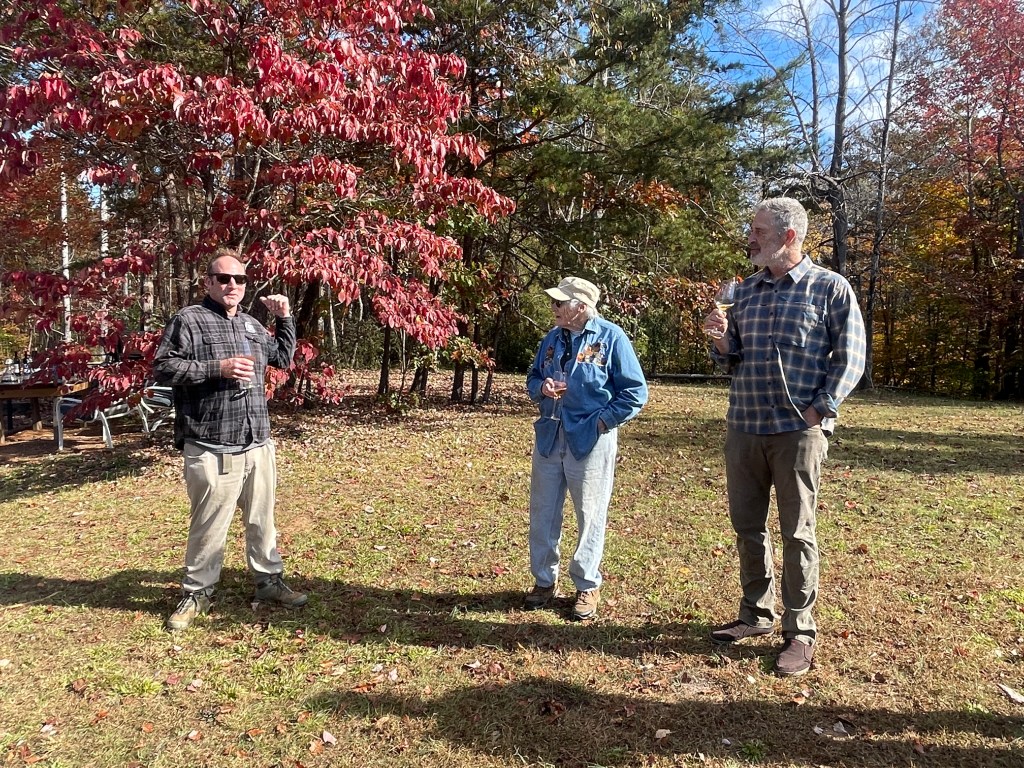
I was lucky to be joined by a group of experts in Virginia wine, including Kathy Wiedemann, Kenny Bumbaco, and winemaker AJ Greely.

Oh yeah…my friend Dan of My NoVa Wine Blog was there too! I convinced him to join us, even though he’s been there on more than a few occasions.

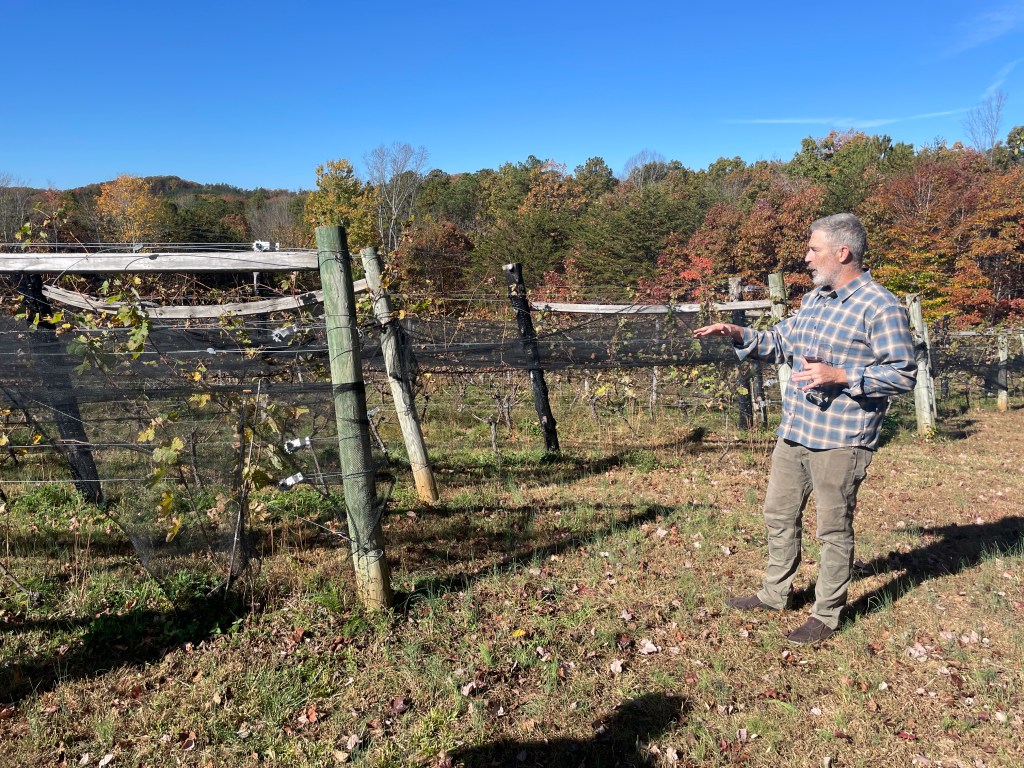
Owners David Achkio and Robert Burgholzer put out the welcome mat for us, pouring four wines and three barrel samples, ranging from 2018 to 2024. They also gave us a tour of the vineyard.

It’s understandable if the name “Mount Alto” isn’t recognizable. The vineyard is 45 minutes south of Charlottesville, and only produces 50-70 cases/year from 2 acres of vines (some additional petit verdot is sourced from nearby O’Brien Vineyard). Since there’s no tasting room, we feasted and drank at a table outdoors.

This limited production means their wine can only be purchased at the vineyard, or at a few wine shops in Richmond. This is a shame because Dave and Robert are making great wine.

Rob attributes the inspiration to build a winery from a visit to Linden Vineyards; not coincidentally, one of the state’s best locations for high-quality, terroir-driven wine. In 2005, he and Dave started taking classes with Jim Law.

One lesson they took to heart was Jim’s advice that ‘the best vineyards in Virginia are still under trees’. Rob started looking for a site that was both suitable for viticulture and no more than 90 minutes from Richmond or Charlottesville. This eventually led him to a property in Esmont, located on the southern end of the Monticello AVA.

While Rob knew he had a good site, a visit from Jim provided an additional confidence booster. Jim was visiting the area and offered to take a look at the newly-purchased property. It must have been a surprise that Jim recommended they only plant cabernet sauvignon, a grape that is normally difficult to grow in Virginia due to needing very rocky soil. Mount Alto had the ‘goldilocks’ conditions cab needed to thrive.

 “Manteo-Nason” Soil and the Vine-Soil Relationship

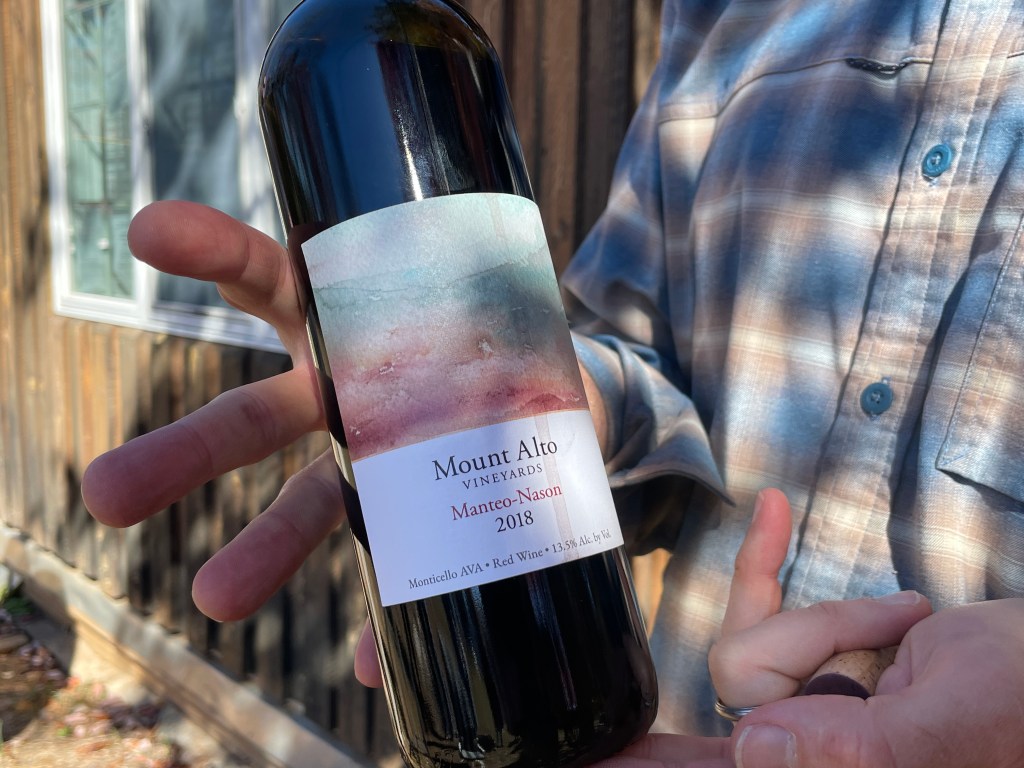
The soil that Jim was so impressed with is a well-draining type known as “Manteo-Nason”. Well-drained soils are a crucial element to another of Jim’s lessons; the relationship of water to wine quality.

Vines planted in poorly draining soils are constantly at risk to over-saturation, as rainfall only needs to go a few feet down to reach their root system. Water saturation undermine a grape’s chemistry and ripening potential, leading to lower-quality wine.

By contrast, rocky soils force these roots to go deep to seek the water they crave, putting distance between them and any rainwater that manages to penetrate this rocky ground. Well-draining soil is especially important in Virginia, where vineyards typically suffer from the state’s excessive precipitation.

Robert also explained that Mount Alto doesn’t use herbicides. He feels this creates greater competition between the vineyard and other plant life, giving the vines another incentive to go deeper for additional nutrition. This deep root system also makes the vines more drought-resistant, something that must have come in handy in a dry year like 2024.

Mount Alto has 1.7 acres of cabernet sauvignon and .25 acres of petit verdot. Cabernet sauvignon is normally a curious choice in Virginia, but it makes sense here.

Many local winegrowers have a love-hate relationship with cabernet because while commercially popular, few vineyards possess the conditions to grow it well. It’s a tribute to Mount Alto’s Maneto-Nason soil that when Jim visited the site, he recommended they only plant this vine.

Tasting Five Vintages of Mount Alto Wine

Jim Law isn’t the only great vigneron who’s advised Mount Alto. Matthieu Finot was initially their winemaker and still consults with them. Today, David and Robert are now taking the lead.

While I love a good vineyard tour, tasting their 4 wines and 3 barrel samples was the highlight of the visit. Having tasted all of them, I can say these are high-structure wines that will last.

  • 2018 Manteo-Nason (91% cabernet sauvignon, 9% petit verdot): Mount Alto’s first vintage, and the product of an incredibly wet season. It was good in 2020 but it’s since become smoother, even acquiring some tertiary notes. Probably peaking so drink now.
  • 2019 Manteo-Nason (55% petit verdot and 45% cabernet sauvignon): Made primarily with Mount Alto grapes and some PV from O’Brien. Great balance of fruit and tannin. My favorite wine of the day! Bought a bottle.
  • 2021 Manteo-Nason (60% cabernet sauvignon, 40% petit verdot): No tasting notes but a good buy at $35.
  • 2021 Tributary (60% petit verdot, 40% cabernet sauvignon): Made with a combination of O’Brien Vineyard PV and PV & cab sauv from Mount Alto. Lovely, but the tannins really dried out my mouth. Give this wine a little more time.
  • We also barrel samples from their 2023 cab sauv, 2024 cab sauv, and a 2024 merlot (made with fruit purchased from Grace Estate). Great structure on both of the cabs, and I especially loved the floral notes on the 2023. Merlot was good too, which is no surprise because 2023 reds are going to be awesome all round.

Many thanks for the cider aperitif that kicked things off, and for Kathy’s ‘Princess’ cake.

Long Stone Farm Tour and Sunday Supper

Farm-to-table dinners are by definition designed to showcase food that’s locally produced. Yet it’s less common for the dinner hosts to also be the farmers who grew your meal, and especially rare to see exactly where and how those provisions were sourced.

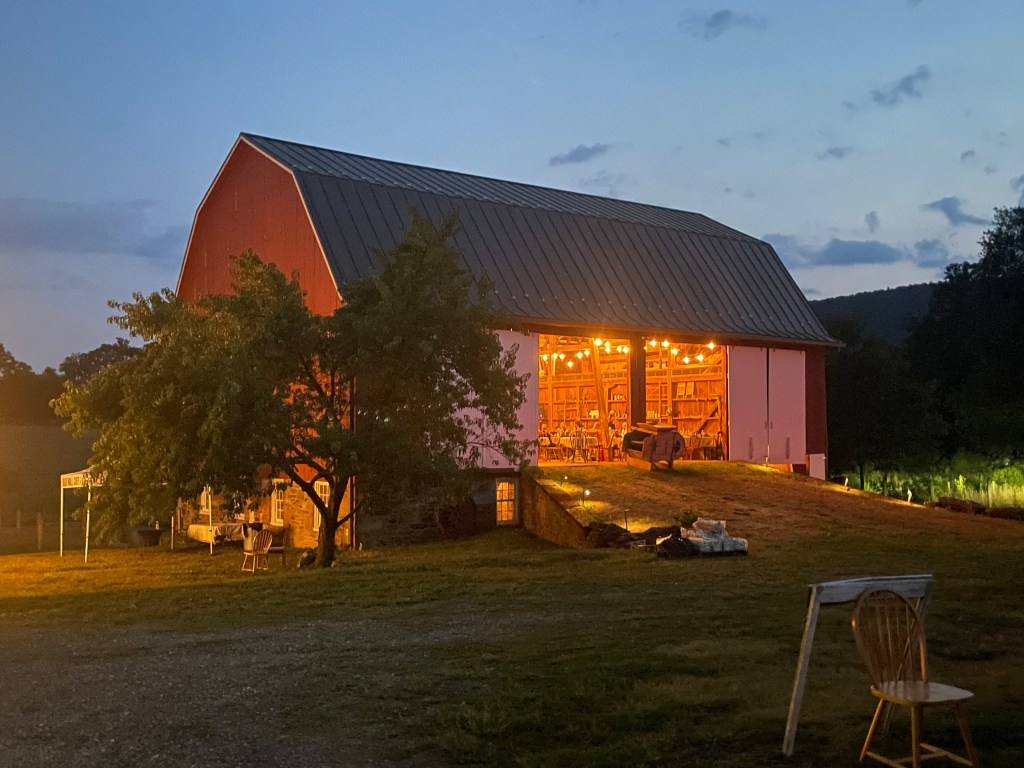
So when Long Stone Farm owners Justin & Casey Wisch took my group on a ride through their farm, right before enjoying one of their culinary experiences, it really took the ‘farm-to-table’ idea to new heights.

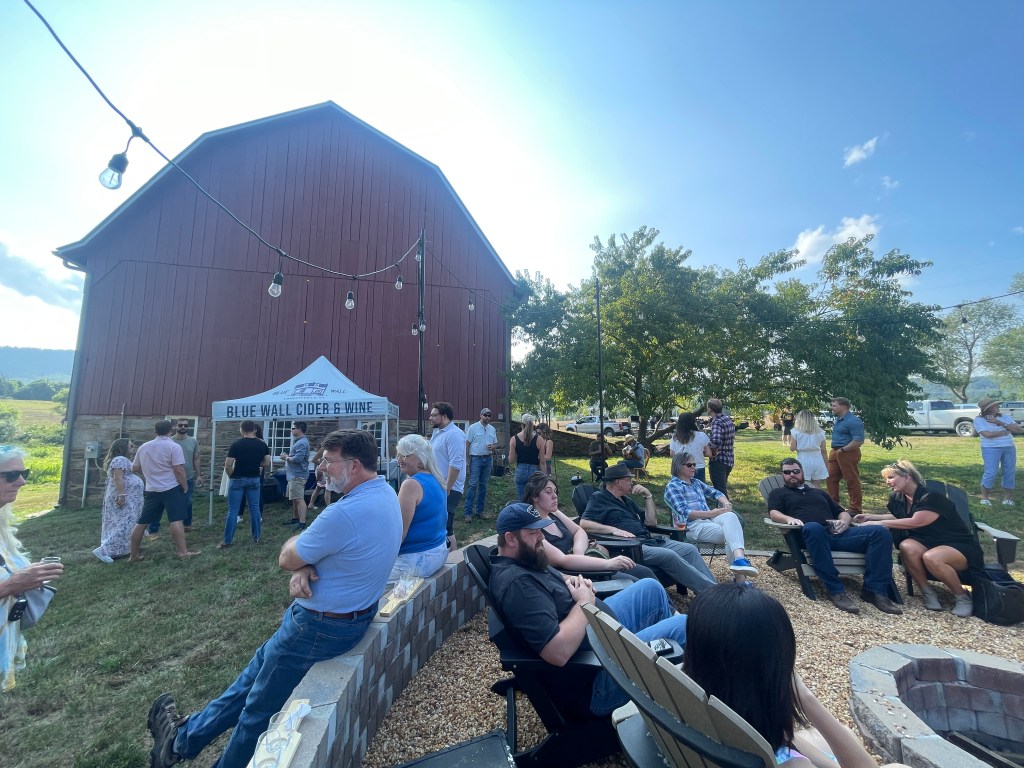
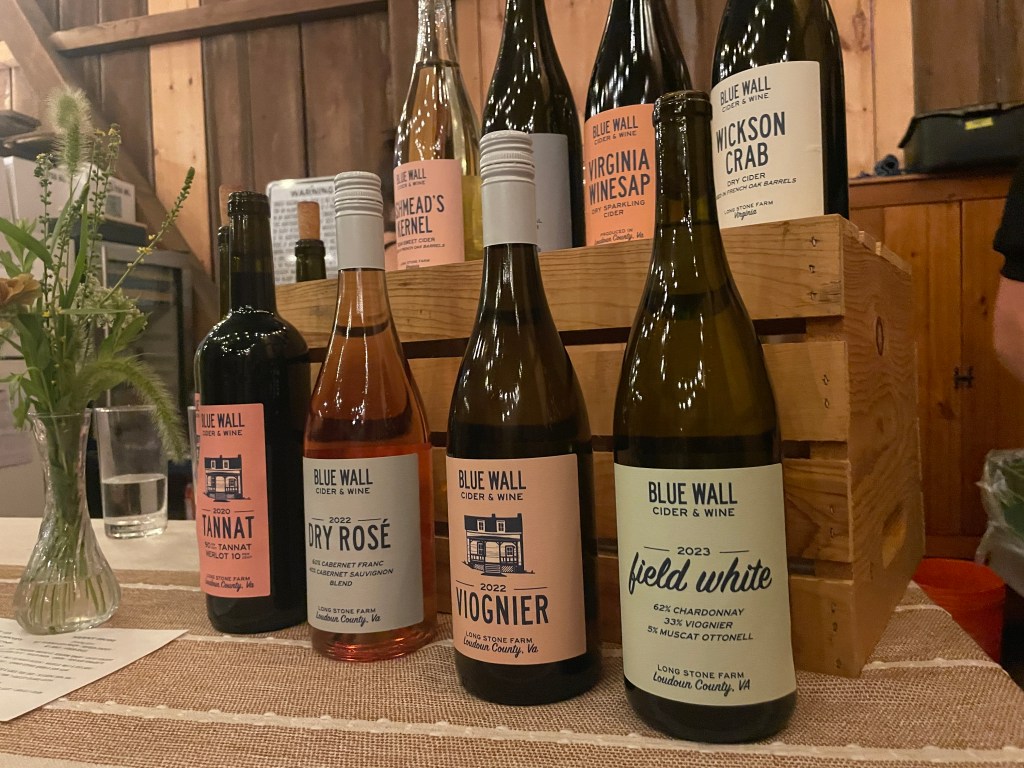
I discovered Long Stone when visiting the Wischs’ new tasting room, Blue Wall Cider & Wine, located just outside Leesburg. Blue Wall doubles as a storefront for their trio of CSAs, which specialize in meat, oysters, and cider.

Long Stone is all about sustainable agriculture, producing all of their own meat and cider with an emphasis on farming organically and integrating livestock into their operation. The Wischs also partner with those who share their values, so they serve wine made by Nate Walsh of nearby Walsh Family Wine, while the CSA oysters come from Chesapeake Bay-based Rouge Oysters.

After my visit I found out about their culinary tour, which combines an educational farm ride followed by a meal initially described as ‘southern comfort food’. I later learned this dinner was far more high-end than this descriptor implies, and the tour greatly complimented the meal.

What is Sustainable Agriculture?

We kicked off the event with a quick meet-and-greet with cider, wine, and cathead chicken biscuits as our hors d’oeuvres. Then we hopped into the hay wagon for the educational part of the visit.

In describing the Sunday Supper, Casey explained, “The meals here are usually gluten free and highly nutritious. You won’t find a more local meal even if you go to a farm-to-fork dinner, since a lot of time you’re missing the farmer in that relationship.”

The Wischs also discussed how the farm got started, their CSAs, and the overall philosophy that guides their business.

The book definition of sustainable farming is “farming in such a way that it protects, if not aids, the natural environment”. That’s true at Long Stone Farm, but only covers part of what goes on.

The Wischs described sustainable agricultural in very practical terms. The short version: sustainable farming is not just good for the land, it provides healthy and delicious food. Their customers seem to think so as well, which is why their CSAs have a 90% renewal rate.

As we passed chicken coops and cow pastures, Casey gave us the full story of what makes their farm truly sustainable. “The integration is mutually beneficial. Our chickens drop nitrates, which fertilizes the grass for the cows. Those areas are the first places our cows want to graze. The cows also provide a great ecosystem benefit by eating unwanted underbrush, which manages a lot of land in a regenerative way.

Our livestock also provides pest prevention by grazing dropped fruits, and reduces costs associated with mowing under the trees. We have the ability to run our poultry, hogs, and cattle to assist with understory management and additional fertilizer applications during various times of the year.

All of this leads to healthier food and better fruit.”

We also learned about their cider operation, which they named “Blue Wall” due to the farm’s western view of Short Hill Mountain. They manage the farm to organic standards, and their cider is only made from this estate orchard. As with the rest of the farm, it benefits from being integrated with their livestock.

“We have four varieties of apples right now, with a focus on Winesap. We pick new varieties based on their disease-resistance and performance. Because we are integrating the orchard into our operations instead of selecting a farm and planting an orchard, we select varieties that grow best on this particular site.

We have beautiful north to south runs for the trees and have been rehabilitating our soil in this field via our livestock and cover crops for the last 5 years. We feel soil preparation is vital to our tree health and it has taken a few years to prepare for trees to be planted.”

Time for “Sunday Supper”

After our tour was complete it was time for our 3-course meal (plus dessert), with live music in the background.

Justin & Casey picked Leesburg-based Buford’s Biscuits as our chefs for two reasons. First of all, Long Stone always uses local businesses as their chef partner. Just as importantly, Buford’s Biscuits is amazing.

Co-owner Lauren Barret explained to the audience what ingredients she used and where they came from, while Casey told us about the hogs that gave ‘their last full measure’ for this meal.

The first course consisted of an Appalachian Panzanella, a crouton-based salad using Buford’s dried biscuits rehydrated in vinaigrette, with cheese and heirloom tomatoes.

Our second course was a sweet tea-brined chicken served with Nashville sweet & spicy sauce, alongside a fresh squash & corn salad.

The third course consisted of seared herb & garlic pork chop, with nectarine jam, roasted bacon, and collards.

Topping it all off was a strawberry short cake with chocolate gravy. Lauren emphasized the Appalachian roots of all of Buford’s dishes, laughing how “down South we love chocolate gravy”.

Every meal was paired with cider or wine. We started with their Ashmead’s semi-sweet cider, but our hosts provided samples from a wide variety of other beverages from Blue Wall.

Most cideries focus on what I call ‘beer cider’; carbonated, often flavored, usually served in a can. The cider from Blue Wall is what I think of as ‘wine cider’; lighter, elegant, and more representative of the fruit they came from. Most are dry, although the off-dry Ashmead’s hit the spot on a warm evening.

After our meal I picked up some duck eggs at the local farm store.

I loved my entire visit! You’ll appreciate farm-to-table food even more once you visit the farm. Their next event is September 22, this time with The Wine Kitchen and Wined & Dined. Check it out and tell me what you think.

“Virginia Women in Wine” Takes Aim At the Gender Gap

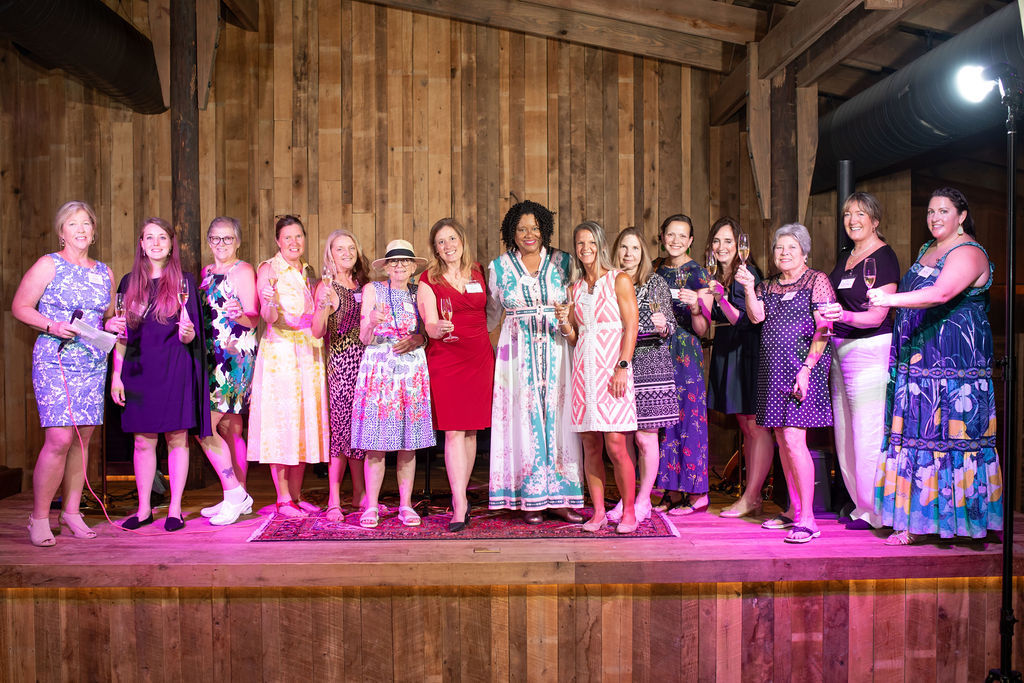
On August 9th, the “Virginia Women in Wine” (VWW) professional organization launched its inaugural event at Eastwood Farm Winery in Charlottesville. The soiree was equal parts an award ceremony for a trio of women trailblazers, a networking event, and a celebration of the hundreds of women who work in Virginia’s wine industry.

The group traces its beginning to the unlikeliest of places; a movie night for a small group of women who share a passion for Virginia wine but might otherwise may never have met.

In explaining the origins of VWW, founder Nancy Bauer told the audience of 160 attendees, “What started five years ago at a movie night at Glass House Winery is now hundreds of women across the state. Since then, an ever-growing passel of wine women – most of whom hadn’t met each other before – has been getting together at informal wine dinners. That movie was awful but the company was amazing. It was just for fun – but when women get together, electricity happens.”

Nancy was initially reluctant to turn these casual gatherings into a professional organization. After all, the local wine industry already has a number of industry associations, albeit ones focused on marketing or research.

Yet none of these organizations focus on the ‘human capital’ side of the wine industry, much less one specifically for women. The dearth of such an organization seems especially ironic considering two-thirds of the workforce at Virginia wineries are women, yet this demographic has traditionally been underrepresented in leadership positions.

Nudged on by her friends, Nancy slowly explored the idea. As she wrote on the group’s website, “Buzzing from each of those memorable evenings, the group asked: How to capture this energy? How to channel it? Make it meaningful and lasting?”

Virginia Women in Wine Board and Committee Members

Understanding Why “Virginia Women in Wine” Is Important

Even a quick look at the wine industry demonstrates the need for organizations such as VWW.

According to 2021 data from the Zippa career website, only 17.8% of winemakers nationwide are female, and there’s a significant pay gap between male and female winemakers. Not only that, female entrepreneurs who might otherwise enter the wine industry are less likely to find support, for reasons ranging from a lack of networking opportunities, difficulty securing bank loans, or outright discrimination.

Even finding a full-time position in the wine industry is difficult. Most Virginia wineries are small, family-owned businesses with slim profit margins. While this makes landing a job difficult for both men and women, female talent face additional obstacles to stay in their chosen profession.

Winemaker Chelsea Blevins of Fifty Third Winery shared her own observations on these challenges.

“On top of the financial difficulties of getting into this industry, there are very few local wineries that can afford to offer real benefits to their employees. This is a dangerous job; I’ve gotten hurt multiple times and without insurance, it’s just too risky.

The wine industry also needs to learn how to handle pregnancies. I’ve known many talented women leave the industry because they wanted to start a family and the winery just couldn’t afford to handle the maternity leave or function without them being out for that long.

Add in tasting wine, climbing ladders, and running industrial equipment, this job isn’t ideal for expectant mothers.

If we want to bring in more women and keep them in the industry, we really need for more wineries to be able to offer a real career level position.”

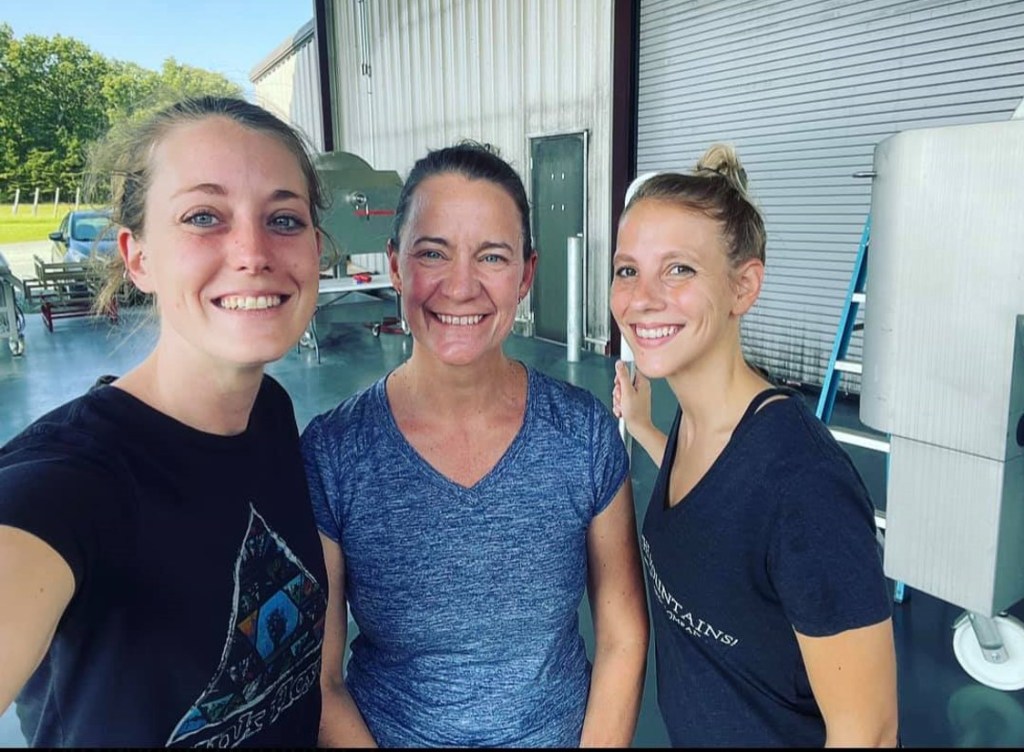
“Women Helping Women”: Winemakers Chelsey Blevins, Joy Ting, and Emily Cochran (L-R)

The Mission of Virginia Women in Wine

Chelsea was able to obtain the support of fellow winemakers during times of injury and pregnancy, but not all are so lucky. Scenarios like these are exactly when a professional network like VWW most comes in handy.

According to their website, “The mission of Virginia Women in Wine is to strengthen the Virginia wine industry by creating women-led media and marketing ventures, by providing networking opportunities that lead to improved winery operations and career advancement of its members, and by funding projects that generate important discussions and raise the bar for the continued advancement of Virginia wine.”

Fundraising has already gotten off to a strong start. Twenty-six wineries and businesses have contributed as Patrons and Founders to the launch of Virginia Women in Wine, raising $52,000 thus far.

The organization has a few upcoming initiatives, including:

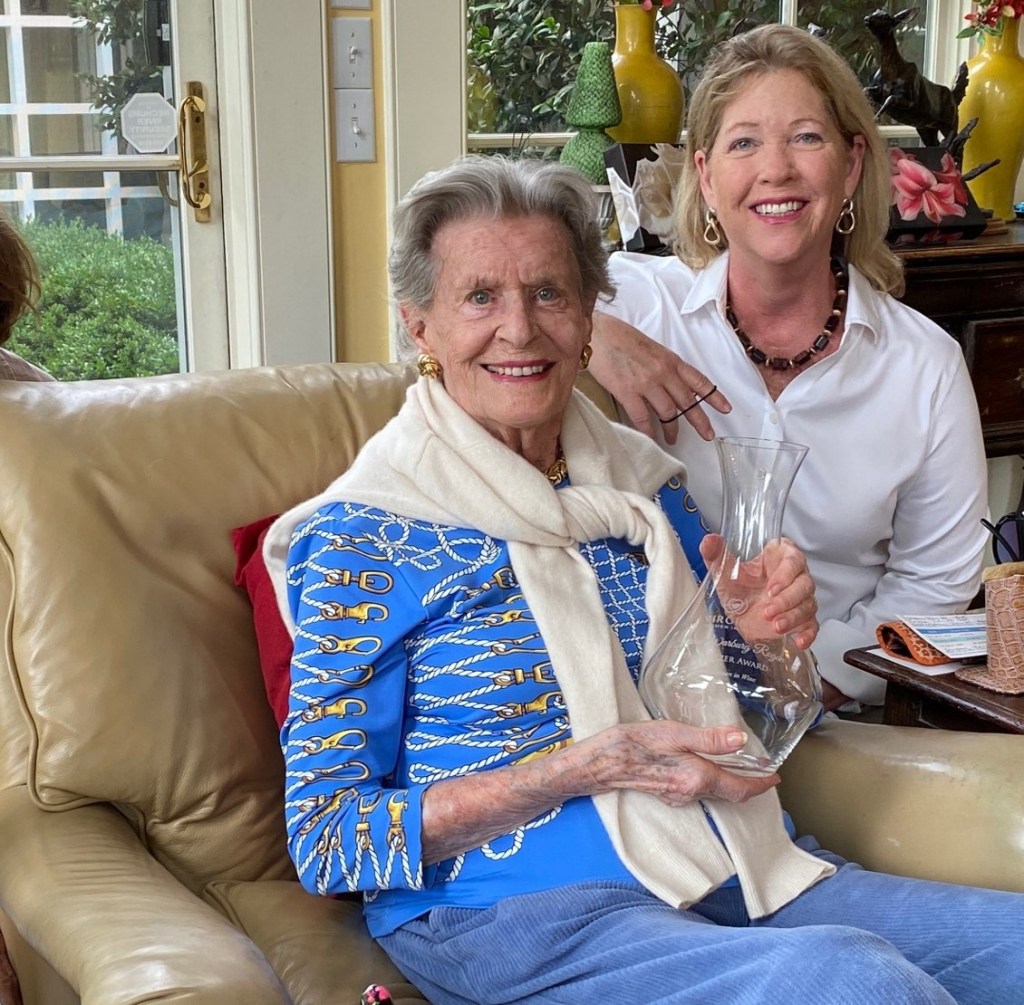
  1. The VWW Trailblazer Award, which so far has recognized Lucie Morton, Emma Randel, and Felicia Warburg Rogan for their work in viticulture and founding some of Virginia’s first wineries.
  1. Drafting a white paper, Closing the Gender Gap in Winemaking.
  1. A number of retreats, wine dinners, and social events, including a “VWW Weekend” running from November 1st – November 3rd.
  1. Coming up is the VWW Leadership Institute; an all-expense paid learning retreat for ten of the industry’s next generation of wine women leaders.

Membership is open to all in the Virginia wine, wine-tourism, and wine retail industries. To join, go to https://virginiawomeninwine.com.

Barboursville’s Shakespeare at the Ruins

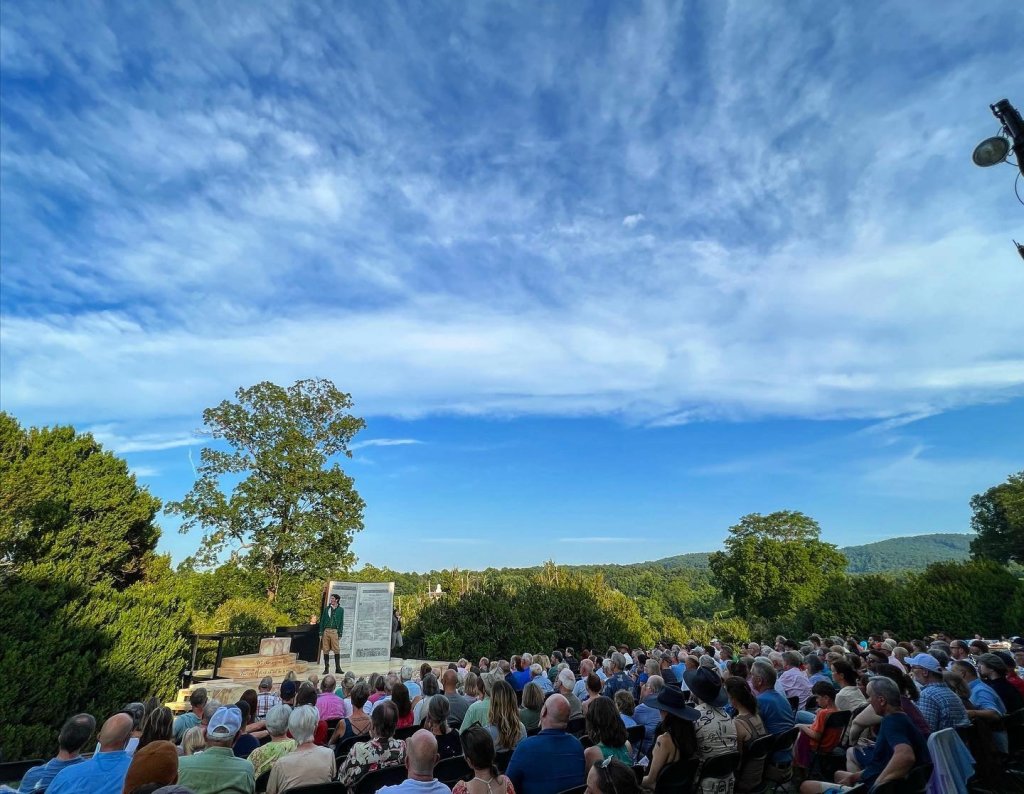
“Shakespeare at the Ruins” returns to Barboursville Vineyards this July with a month-long showing of “The Comedy of Errors”. The play will be held at the ruins of the home of James Barbour, located a short walk from Barboursville’s tasting room.

One of William Shakespeare’s earliest works, The Comedy of Errors tells the story of two sets of identical twins who were accidentally separated at birth but later reunited. The name of the play has since entered the English lexicon to describe “an event or series of events made ridiculous by the number of errors that were made throughout”.

The theater behind this show is Four County Players, Central Virginia’s longest continuously operating community theater company. Founded in 1973, Four Counry Players has performed everything from contemporary musical satires to Dickens classics.

Four County Players came up with the idea of staging Shakespeare plays outdoors in 1990. Seeing the ruins’ potential as a unique backdrop, they approached Barboursville Vineyards to pitch the idea of a partnership. Barboursville accepted, and the troupe staged A Midsummer Night’s Dream at the winery later that year.

The Barboursville Ruins

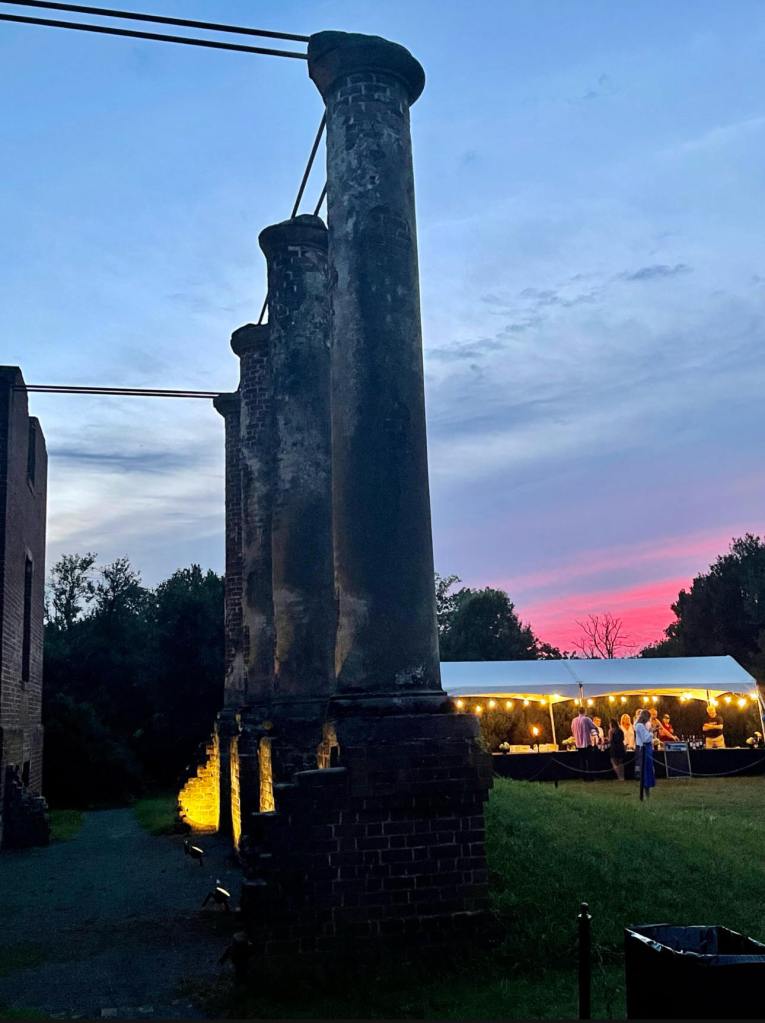
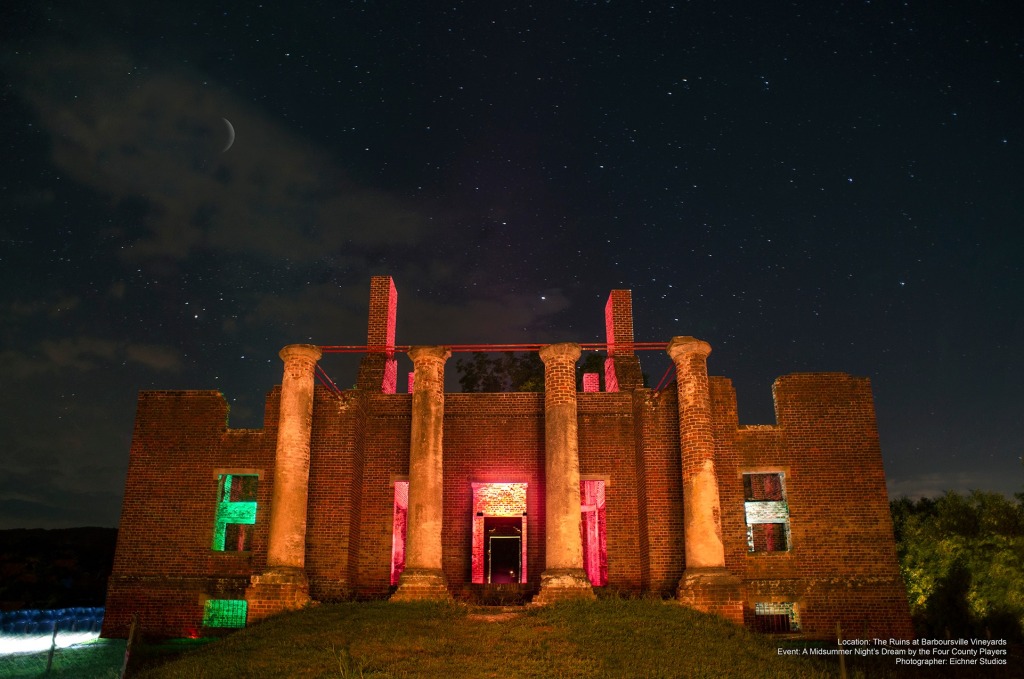
The Barbour mansion is perhaps the perfect venue for outdoor events. Located in the heart of the breathtaking Barboursville Vineyards, the stately ruins with its nearby vineyards and high boxwood shrubs hosts everything from opera to weddings.

The mansion’s history adds to its allure. James Barbour served in a number of major offices, including Governor of Virginia, Secretary of War, and Minister to the United Kingdom. His red brick Flemish-bond home was constructed between 1814 and 1822, designed by his neighbor and good friend Thomas Jefferson.

The building’s distinctive eight-sided design was inspired by 16th century Italian architect Andrea Palladio, whose book I quattro libri dell’architettura (The Four Books of Architecture) Jefferson referred to as his ‘bible’. Jefferson used Palladio’s octagon motif in many of his buildings, including his home at Monticello and “The Rotunda” at the University of Virginia.

When Barboursville winemaker Luca Paschina was researching the history of the estate, he came upon the story of how Jefferson believed the octagon shape was a symbol of “perfection and balance”. This description was exactly what Luca strives for, which led his flagship wine to be named “Octagon”.

Photo credit: Eichner Studios

For decades the mansion was one of the largest in the region, even having its own racetrack. The building was destroyed by fire on Christmas Day, 1884.

Shakespeare Returns to Barboursville

Four County Players ended its 16-year run in 2006 due to the need to renovate the deteriorating ruins. Fittingly, the final production was All’s Well That Ends Well, directed by Clinton Johnston. Not wanting the tradition of Shakespeare to die, the annual production was moved back to its theater building in 2007.

Looking for a place to host outdoor events during the summer of 2019, Four County’s Production Manager, Gary Warwick White, investigated the possibility of reviving Shakespeare at the Ruins. Gary approached former volunteers who had instrumental roles in the previous iteration and received their support. When asked if they were interested in resuming their collaboration, the winery excitedly agreed.

Later that year, Four County returned to the ruins with a showing of A Midsummer Night’s Dream directed by Lydia Underwood Horan. COVID-19 forced a brief halt, but the summer tradition returned in 2022 with a showing of As You Like It directed by John Holdren.

Troupe member Edward Warwick explained in an email how he is excited to showcase Shakespeare’s more humorous side.
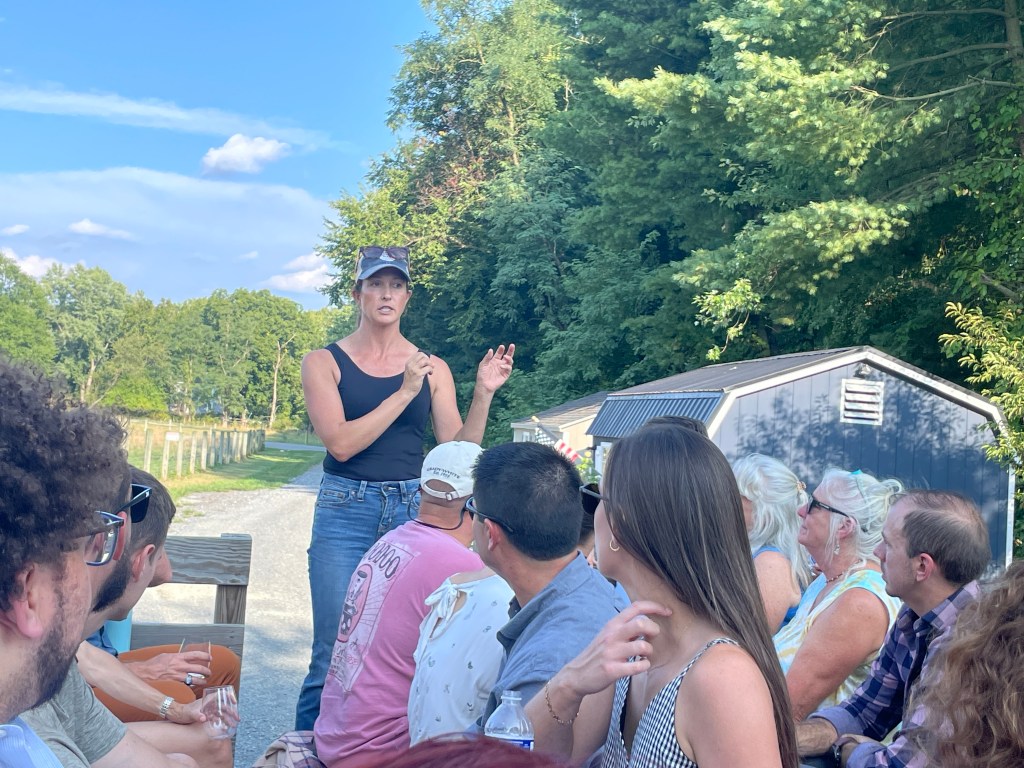
“I wasn’t around during the original run of Shakespeare at the Ruins, so having the opportunity to be a part of the return to the Ruins has been so special.

The Comedy of Errors is one of Shakespeare’s funniest works, and I think audiences are really in for a treat and a wild ride!

It is such a unique experience; a wonderful show, a spectacular setting, Virginia wine, fireflies, a symphony of crickets, spectacular sunset…you have to pause and take it all in. It’s a wow moment.”

Ticketing and Showtimes

The Comedy of Errors runs from July 12th – 27th at the historic Barboursville ruins. Shows will be held Thursdays, Fridays, and Saturdays. Tickets can be purchased at https://fourcp.org for $25.

Gates open at 6 PM. Shows start at 7:30 PM.

Guests use a separate entrance on Mansion Road that is only open for this event, not the one used for the vineyard/tasting room. The venue holds 400 seats.

The Palladio Restaurant at Barboursville Vineyards will have picnic baskets for sale, and Barboursville wine will be offered by the glass and bottle. The venue will also host both a savory and sweet food truck at each performance.

Exploring Richmond’s Winery Scene

Virginia’s capital isn’t famous as a wine region – but it should be. Richmond is deeply connected to Virginia wine, from the industry’s earliest days to the vineyards and cideries that surround the city today.

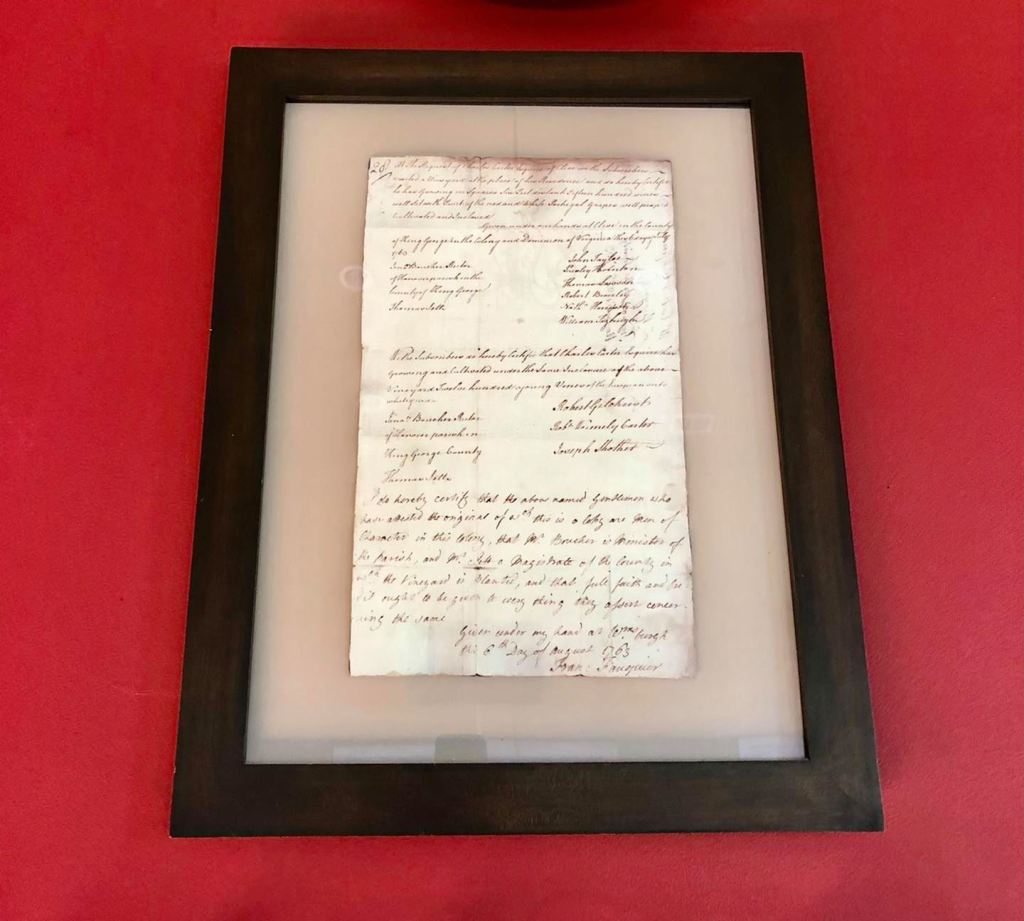
It was in Richmond that Norton, Virginia’s first rockstar grape, was “born”. According to the book The Wild Vine, Dr. Daniel Norton was an amateur horticulturalist who experimented with crossing different breeds of grapes. In 1821 he discovered a new variety in his nursery, eventually bequeathing it his name.

The Norton grape was a mainstay of the American wine industry during the later half of the 19th century, only to largely disappear upon the advent of prohibition. It’s now making something of a comeback as winegrowers find new appreciation for Norton’s weather-hardiness, especially as climate change takes hold.

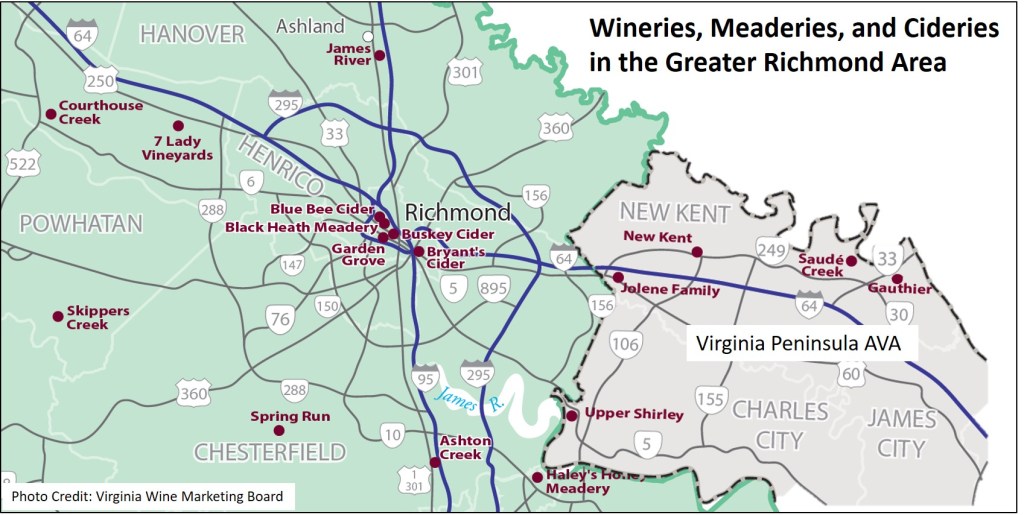
Today, Richmond is surrounded by wine trails on all sides. North of the city is the “Heart of Virginia” wine trail, encompassing a half-dozen locations. To the city’s east is the “Virginia Peninsula” wine trail, and westward lies the Richmond West Trail, which includes wine, cider, beer, and spirits. Further out is the Central Virginia Fermentation Farm Trail, which stretches from Richmond to almost Charlottesville.

Richmond is also home to a growing craft beverage scene. 30+ award-winning breweries and cideries dot its neighborhoods, as well as both an urban winery and meadery.

Understanding RVA Wineries

Unlike the Shenandoah Valley or the nearby Northern Neck peninsula, most Richmond-adjacent wineries aren’t part of a specific wine growing region.

The major exception to this is the Virginia Peninsula American Viticultural Area (AVA), which was established in 2021. AVAs are federally recognized for their distinct growing conditions, allowing wine grown inside their boundaries to be associated with a “sense of place”. The Virginia Peninsula AVA is located just east of the city, stretching 50-miles down to Hampton Roads.

This area is characterized by its subtropical climate, moderate weather, and soil types ranging from sandstone, gravel, and sandy-clay. Many grape varieties are grown here, but local winemakers report it’s particularly suitable for warm-weather varieties, such as Albariño.

While many of these growing conditions apply to other nearby vineyards, the area around Richmond is too diverse to be placed in a single geological or stylistic basket. If anything, for the dozen wineries within a roughly 30-minute drive of the city, diversity is their hallmark.

Some locations such as Skipper’s Creek are quaint venues where your server is likely to be the owner/winemaker, while others including Jolene Family offer lake-side picnicking. Saudé Creek’s tasting room may evoke images of an old colonial inn, while Resolution is an urban winery and one of a handful of Black-owned wineries in the state.

A Combined Food & Wine Experience

If there’s one aspect of Richmond’s wine scene that sets it apart from Virginia’s other regions, it’s their focus on providing an all-inclusive experience. A number of local wineries have full-service kitchens, providing fare that go beyond the normal charcuterie plates or food trucks usually found elsewhere.

With that in mind, here are several must-visit wineries to fully experience what Richmond-adjacent wineries have to offer:

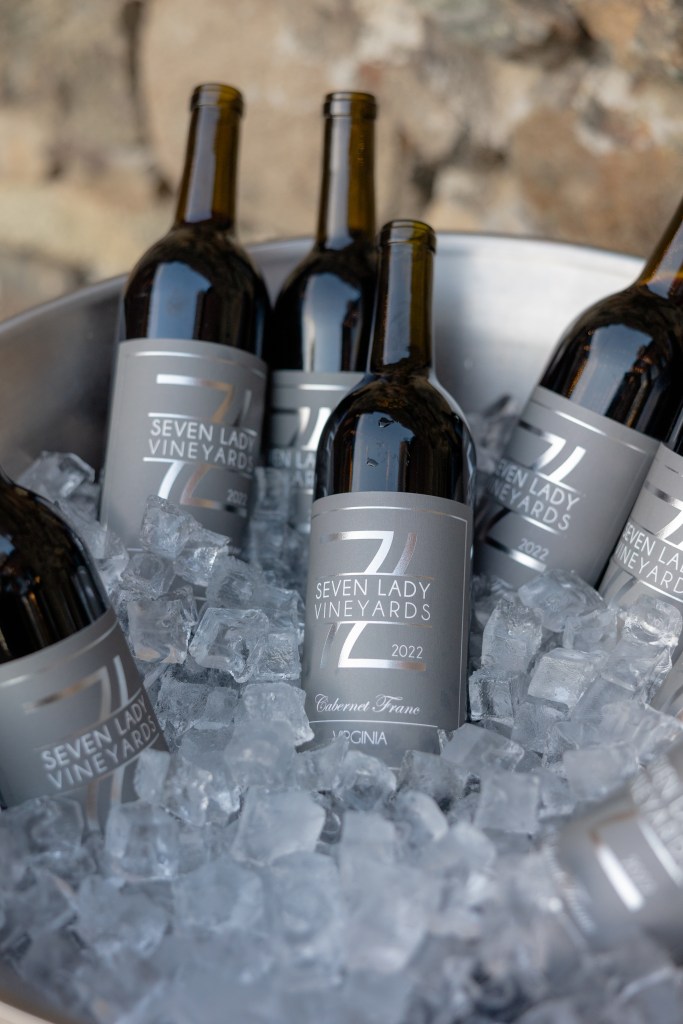
7 Lady Vineyards at Dover Hall (1500 Manakin Rd, Manakin-Sabot, VA 23103)

Dover Hall is the home of 7 Lady Vineyards, one of Virginia’s newest wineries. Founders Chad Hornik & Jeff Ottaviano teamed up with winemakers Ben & Tim Jordan of Commonwealth Crush to provide an assortment of Virginia-grown wines as well as varietally-correct styles from around the world.

7 Lady is offering pop-up tastings and wine dinners at Dover Hall while the tasting room is being built. But the wine club is up & running and they are already booking weddings, rehearsal dinners, and corporate events.

Ashton Creek Vineyard (14501 Jefferson Davis Hwy, Chester, VA 23831)

According to winemaker Alan Thibault, opening a kitchen has as much to do with practicality as it does with providing complimentary food and wine pairings. “There’s not many local restaurants in our area, so we wanted to provide options so people have everything they want right here. We keep it as farm-to-table as we can.”

Ashton Creek’s food focuses on handheld dishes and shareables. Alan’s favorite food combination is his 2022 Gravity red blend (67% Noiret, 22% Merlot, and 11% Tannat) with lamb lollipops, using a wine reduction sauce using his Chambourcin.

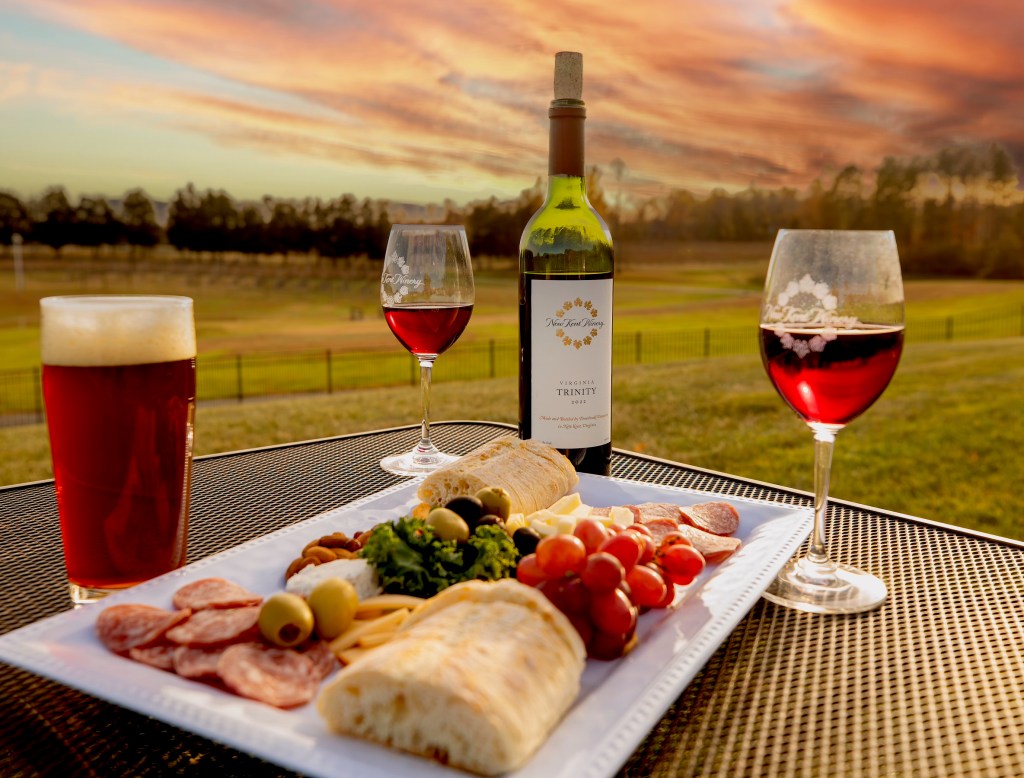
New Kent Winery & Talleysville Brewing Company (8400 Old Church Rd, New Kent, VA 23124)

Located less than 30-minutes outside the city down I-64, New Kent is not only a farm winery with 38 acres under vine, but a brewery as well.

The tasting room uses pre-Civil War bricks and reclaimed old-heart pine to blend modern and historic aesthetics. Its trusses came from a 1901 railroad depot in Richmond, while the floors and timbers were reclaimed from a Connecticut warehouse that was built in 1852.

Try their BBQ pork sliders with an IPA, and have a taste of their flagship Reserve Chardonnay and Merlot, both of which earned Gold medals in the 2024 Virginia Wine Governor’s Cup.

Upper Shirley Vineyard (600 Shirley Plantation Rd, Charles City, VA 23030)

Upper Shirley is the brainchild of Suzy and Tayloe Dameron, who saw potential in an otherwise undeveloped stretch of land on the bank of the James River. They soon partnered with Michael Shaps, who’s won more wine awards than anyone in Virginia.

Their kitchen offers everything from brunch to pre-fix dinners, while in 2024 alone their wine won 3 Gold medals at the 2024 Virginia Wine Governor’s Cup. Check out the view from their porch while dining on a burger or crab cakes.

Revisiting The Norton Grape

Have you tried wine made with the norton grape lately? If you say, “I had it a few years ago and wasn’t a fan,” you’re missing out.

Earlier this year, Chrysalis Vineyards’ 2021 Locksley Reserve became the first norton to ever receive a Gold medal from the Virginia Governor’s Cup wine competition. On top of that, The Omni Homestead Resort now hosts an annual Norton Cup Challenge, and competition organizer Fred Reno has devoted a series of podcasts dedicated to this grape. These accolades are the direct result of winemakers treating norton as a ‘serious wine’.

Norton’s high acidity and unique flavor profile makes it a love-it or hate-it wine amongst consumers. Growers, however, are willing to overlook these issues due to norton’s ability to endure difficult weather and its natural disease resistance, minimizing the need for chemical sprays.

Norton at Fifty-Third Winery and Vineyard

Therein is the reason why norton is underappreciated, wrote Jason Murray of Arterra Wines.

“Just because norton is tough doesn’t mean it doesn’t require care. Many winegrowers tend to take their norton for granted, neglectfully managing the crop and canopy, or planting it in the worst spots in the vineyard.”

The growing number of extreme weather events is another reason why many growers are giving norton a second look. In describing norton’s place in his vineyard, owner Scott Elliff of DuCard Vineyards used a football analogy.

“Think of an NFL draft. Do you draft based on their current performance despite having a limited ceiling, or on their long-term potential? Smart owners do a bit of both. Our vinifera have great potential, but sometimes they’re like a star athlete that’s injury prone. But norton is reliable year-after-year.”

While its sustainability is perhaps norton’s greatest strength, it’s unfair to assume norton growers are simply hedging their bets in the vineyard. Winemakers are also learning to tease out its best expressions in the cellar, making today’s nortons better than ever.

The Origin of “Virginia’s Grape”

Few realize norton was the original rockstar grape of the Virginia wine industry.

According to the book The Wild Vine, norton was ‘born’ in 1821, in a Richmond nursery owned by horticulturalist Dr. Daniel Norton. Norton became one of America’s most prominent grapes over the following decades, largely due to its immunity to the phylloxera louse which was then devastating vineyards around the globe. In 1873, a norton made near St. Louis was declared the “best red wine of all nations” at a worldwide competition in Vienna.

There’s still debate on where to place norton amongst the various species of grapes. Is it a ‘hybrid’; aka the child of Vitis aestivalis (American) and Vitis vinifera parents? Or should it be referred to as an ‘American’ grape? While it’s still sometimes referred to as a hybrid, most experts feel norton’s resiliency strongly suggests it’s far closer to its American DNA than any European relatives.

Despite its early popularity, by the early-20th century norton had disappeared. Growers discovered grafting American grape rootstock on vinifera vines allowed them to survive phylloxera, leading to a renaissance in vinifera plantings. The advent of prohibition doomed Virginia’s remaining norton.

Lucie Morton and Julien Durantie

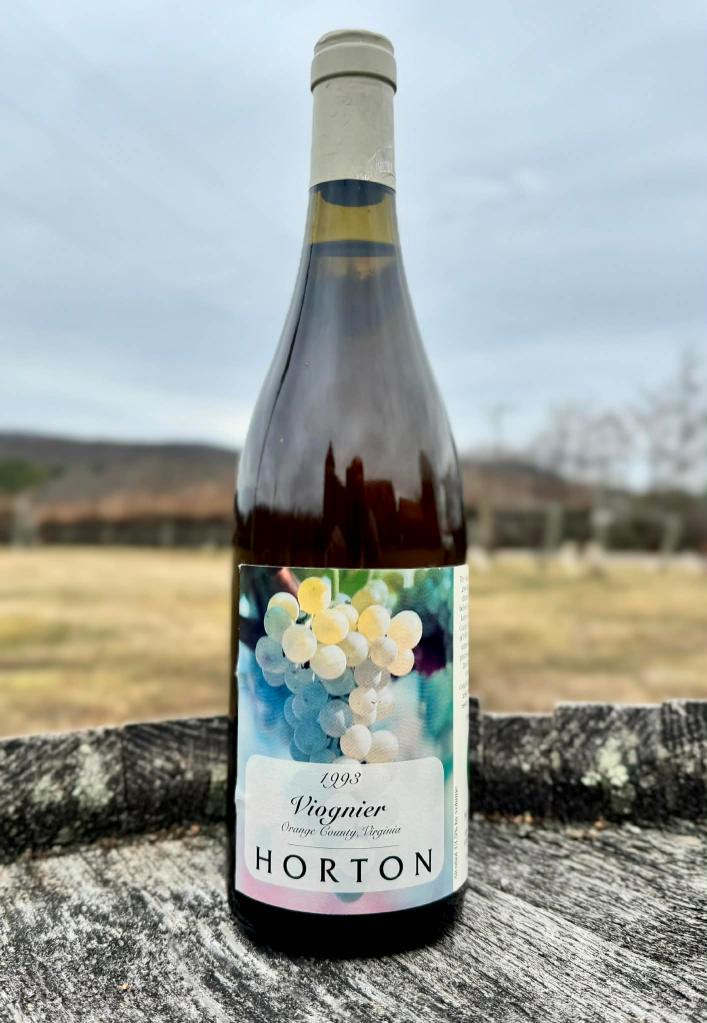
Fortunately, the grape survived in Missouri, and returned to its ancestral home thanks to Dennis Horton of Horton Vineyards. Norton was further popularized by Jenny McCloud of Chrysalis, which today owns the single largest norton planting in the world.

The story of DuCard’s norton vines demonstrates both how this grape has often been treated, and how growers are finding ways to improve its quality.

According to a recent podcast interview with Fred Reno, Scott planted norton at Dennis’ recommendation. During a visit, Dennis pointed to a block at the bottom of a swale and told him, “Just put the norton down there. It won’t care; it’ll do perfectly fine. You won’t have any trouble with it and it will be a consistent producer.”

By Scott’s own admission, his first few norton vintages were rough. Its wines were too acidic, too ‘untamed.’ Since adjusting grapes in the cellar wasn’t DuCard’s style, Scott looked for a solution in the vineyard.

DuCard winemaker Julien Durantie hypothesized that moving to a unique modified open lyre system resulted in better chemistry in the grapes. Their experimentation must have paid off, as DuCard’s 2017 Norton was selected as the winner of the inaugural Norton Cup in 2022.

Winemaker Chelsey Blevins of Fifty-Third Winery and Vineyard likewise noted the impact proper care has on wine quality. During her own interview she explained to Fred, “I think why nortons have gotten a bad rap is people have been planting it in not ideal locations, and not necessarily giving it the TLC it needs in the vineyard. They’re like, ‘oh, it’s a hybrid, it can handle this.’ But I think if you give it a little extra love and attention out in the vineyard and winery, you’re going to make a better wine out of it.”

Many of Virginia’s most acclaimed norton producers have also learned to smooth their wines, usually with a bit of blending. The Lockley Reserve is 80% norton, but the remainder is tannat and petit verdot. DuCard adds cabernet franc to its norton.

Chelsey takes norton blending a step further. Since 2021 she’s released a wine named Arrowhead, which usually hovers around 70% chambourcin and 30% norton.

Arterra takes a different tactic. One of Jason’s experiments has been to age his 2020 “Büyükbaba” in a clay amphora, giving it an Old World vibe. While he’s happy with the result, Jason readily admits he doesn’t think the winemaking is nearly as important as the growing conditions. “Good fruit, given time, will make great wine and will not require correcting anything,” he told his audience at a blind tasting of different nortons.

Try any of these nortons and tell them what you think!

Dining at Mount Ida For Charlottesville Restaurant Week

It’s tough to pick a single theme when discussing the Mount Ida Reserve Tasting Room & Taphouse, simply because there’s a lot to talk about. I visited to interview Executive Chef Jabari Wadlington, but chatting with him was just one part of my visit.

I easily could have spent more time talking about the wine. Mount Ida has 27 acres of mostly Bordeaux varietals, divided between three vineyards. While the winery is around 30 minutes south of Charlottesville, they are still part of the Monticello American Viticultural Area (AVA) that Wine Enthusiast called the 2023 “Wine Region of the Year”.

I could also talk about how stunning the property is. The business covers 3,500 acres divided between a number of smaller venues, including the wine tasting room/taproom, event centers, lots for private homes, and a number of home rentals (including a building that dates to the 1700s).

There’s also the brewery. Mount Ida is one of only a handful of Virginia wineries that has a fully integrated taproom, and is probably the only one of those with a full farm-to-table restaurant. On top of all of this, last year they started offering trail rides.

But for this trip, I was focused on the food. I’ve been on a mission to interview the Executive Chefs who work in Virginia wine country. Given how Mount Ida’s restaurant is an integral part of the overall experience, meeting Jabari was high on my list.

I was fortunate to schedule my visit at the end of Charlottesville’s Restaurant Week, which for the first time included Mount Ida as a participant. Jabari was especially proud of his Restaurant Week menu, which he used as an opportunity to test out dishes for the winery’s own 2024 menu.

Before we met up I also learned some background about the winery part of the operation. Frantz Ventre is their full time winemaker, although the production is done at Michael Shaps Wineworks. While Frantz is a native of France, he’s been part of the Virginia wine scene for about two decades, with a resume that includes Sweely Estate (before it became Early Mountain), Jefferson Vineyards, and Grace Estate.

Elevating “New Southern” Dishes

After a quick look around I met up with Jabari, who told me his story.

While Jabari was born in L.A., he moved to Virginia in 1996. As someone who grew up watching the Blue Angels at airshows and describes himself as ‘obsessed with planes’, it’s no surprise he originally planned on becoming an Air Force pilot. That led Jabari to study engineering at Tuskegee University and participating in their Air Force ROTC program.

While becoming a pilot is still on the bucket-list, Jabari eventually realized flying for the Air Force wasn’t in his future. He transferred to Johnson & Wales University to study the culinary arts, which led to an internship in New Orleans under Tom Wolfe.

From there, Jabari described a veritable roller-coaster of different experiences. For years he jumped around different east coast restaurants, ran a catering business, cooked for celebrities and executives in D.C., all the while learning the ins & outs of operating a kitchen. The birth of his son encouraged him to seek greater stability, which led him to Charlottesville.

“I’ve always felt the reason I chose the culinary arts is it’s the only art form that uses all of your senses. Food just has a lot of power in bringing people together, and that’s what I love the most.

My niche is probably ‘New Southern’. That’s not just your typical soul food – fried chicken, mac n cheese, collards, and those kinds of things. Its food that uses ingredients that goes to the root of what makes cuisine what it is now, while being versatile enough to reach a wide group of people.

As I got older I started opening more restaurants, including two in Charlottesville. I’ve always focused on community, farm-to-table settings, but more focused on the ‘community’ part than the fine dining aspect. Doing events at different farms also helped me build relationships.”

Finding Mount Ida And Appreciating Sustainability

Eventually Jabari interviewed for the Executive Chef position at Mount Ida – and was offered the job that day. “I didn’t take the position right away since I hadn’t seen the property. But when I came and saw the view I was like “Yes…I’ll take it!”.

While Jabari still uses his local contacts, the farm at Mount Ida has much to offer.

“We try to be as sustainable as we can. The property has 3,500 acres and around 150 cattle. We chop down trees for smoking our pork belly and get wild mushrooms from along the ridge. All the malt and barley we use for our brewery is used as feed for the cattle. It’s a magical place to work.

Having the cattle gives us a unique niche in the market. Our meat really stands out because we use the entire cow, so our burgers include ribeye and sirloin. Even the short ribs we have for restaurant week were from our cows. We can put a filet on the table and not charge $42-48 like other locations.”

Being a chef also gave him an eye for wine pairings, which are put to good use at the tasting room. Jabari’s four-course Restaurant Week menu recommended their chardonnay to go along with the rich options of his first course, the petit manseng to pair with the seafood and salad-heavy second course, the petit verdot to soften the fatty dishes of the third, and a port-style wine to compliment the dessert.

My dining companion & I tried his winter parfait & butternut squash soup for our first courses, the fire roasted oysters and jumbo shrimp for the second, and short ribs and mushroom tagliatelle for our mains.

“I use my dishes to offset where the wine is on your palate. I like using our cabernet franc and petit manseng, but I really think viognier stands out as a Virginia staple. I’m also a fan of our red blends, and pairing our port-styles with our desserts. Pairings are where I get to have fun.”

Jabari also praised Mount Ida’s beer. Last summer he took their stout and reduced it into a syrup, which was made into a ‘beer ice cream’. He also used Mount Ida’s rosé as a base for their sorbet.

Picking a favorite dish is a difficult job, especially given how he’s always mixing-up the menu. Yet a few staples, like their pizza, are always available. “I get bored with food, and always want to try something that other restaurants aren’t doing. But we have our own pizza ovens, so during the season we sell a lot of pizza!”.

Mount Ida is open seven-days a week. While you might not see Jabari in the dining room, fans of his cuisine can watch reruns on The Food Network and see him compete.

Virginia Winemakers Excited Over the 2023 Vintage

2023 is likely to go down as a banner year in the Virginia wine industry. Warm, dry weather provided ideal growing conditions for much of the state, resulting in what many local winemakers are calling some of the best fruit they’ve seen in a decade. It’s what romantics might call, ‘a good vintage’.

But what makes a good vintage? In a state as geographically diverse as Virginia, defining this may be harder than you think.

Virginia’s main wine growing regions usually have unique seasonal variations. There are years where central Virginia suffers from late-spring frost, while northern Virginia skates by without a hitch. Yet the following year, NOVA vineyards with grapes still on the vine may suffer from late season rain, weeks after Charlottesville wineries have mostly finished harvest. Meanwhile, the Shenandoah Valley asks, “What rain?”.

Different styles of wine also have different needs. Those who prefer classic, cool-weather expressions of Chardonnay may grumble over a hot season’s high alcohol levels, while neighboring winemakers who like bold reds are positively ecstatic.

Fortunately, the 2023 growing season is one of the few years that’s received almost universal praise across the state.
According to Jason Murray, owner & winemaker of Arterra Wines in Delaplane, “Simply put, overall 2023 was an outright ideal vintage for us. We had ideal spring rains for initial growth, and then it went very dry. 
We had just the right amount of rain at just the right moments to keep the vines on a quality path, while just barely averting significant vine damage. 2023 achieved the same intensity and concentration as 2019, without the excessively high alcohol levels. It’s an impressive vintage, with what I would call ‘perfect’ fruit.”

Jason Murray, Arterra Wines

Rough Start To A Great Year

While the season turned out great, it didn’t start off easy. An abnormally warm winter meant vineyards were hitting ‘bud break’ ahead of schedule. This makes them susceptible to a late frost, which kills fragile shoots just as they are emerging from the bud. Several vineyards encountered frost snaps as late as May, inflicting losses to early ripening grapes such as Chardonnay.

Once summer hit, things moved quickly. Data from NOAA show the summer of 2023 ranks as the 15th hottest on record in the United States. As heat speeds a grape’s maturation process, it forced winegrowers to harvest their grapes at a record speed.

“2023 was a wild ride, with one of the most condensed seasons I’ve experienced,” shared AJ Greely, winemaker for Hark Vineyards. “We ran our wind machine to keep the cold air off our vines 12 times in the spring, and kept a serious eye on the temperature more than double that number. 

AJ Greely, Hark Vineyards

When harvest came we picked and processed every other day, with a one week break to catch our breath. Then we picked and processed for another 10 days!”

While frost singed some vineyards, the lack of rain was ultimately a more pressing issue. Drought stress caused ripening to stall for some varieties, and also caused alcohol levels to spike while reducing cluster weight.

However, dry weather also has its advantages.

“2023 was an abnormally dry growing season in Virginia, although it also makes life in the winery easier,” explained Robert Muse of Muse Vineyards.

“Rain is the chief catalyst for mildew infections in the vineyard. Winemakers can use sulfite to combat them in the cellar, which eliminates bacteria that impair the quality of the wine. Unfortunately, these sulfite additions are inadvertently harmful to the yeast necessary for a thorough fermentation. To avoid these issues, clean fruit is essential.

A grower can ensure clean fruit with a meticulous spray program in wet years, or he/she can relax by the pool knowing a dry sunny ripening season is taking care of most disease issues in the vineyard. 2023 was such a year.”

Wineries Expecting Lower Quantities But Much Higher Quality

While the overall tonnage for the 2023 vintage might be lower than normal, the wines should make up for it in quality, said Toni Kilyk of Granite Heights Winery.

Toni Kilyk, Granite Heights Winery

“Our grapes are smaller than normal size to begin with, but this year they were even smaller. We had close to the same number of grape clusters but with very little juice inside, hence our harvest weights were much lower than normal. That said, less juice means a higher skin-to-juice ratio, so we’ll have more potent wine.”

Many winegrowers echoed her assessment, and were particularly optimistic about their red wines.

“I’m excited about tannat and cabernet franc this year,” wrote Doug Fabboili of Fabbioli Cellars. “You can count on these grapes to make great wine almost every year, but this year’s can be outstanding!”

Doug Fabbioli, Fabbioli Cellars

Virginia’s weather is normally hot and humid, and grapes that require dry weather often struggle. But dry climate varieties may be the 2023 vintage’s sleeper hits. A number of winegrowers expressed excitement how normally difficult-to-ripen varieties such as cabernet sauvignon, malbec, sangiovese, tempranillo, and petite sirah would turn out.

“I don’t ever want to jump the gun, but I’m very excited about the 2023 vintage wines,” Toni continued. “They are aging nicely, and I think we’ll see wines that easily compare with 2010/2017/2019 vintages in terms of quality.”