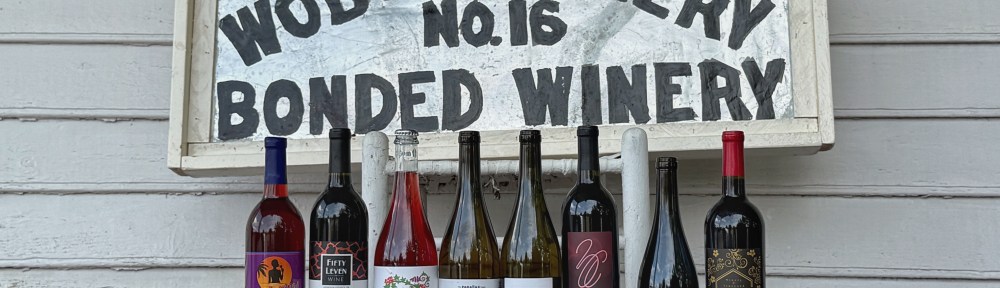
I nerd out over two subjects: wine and history. So you can imagine how captivated I was by the story of Woburn Winery, widely believed to be America’s first Black-owned winery.
I’ll get to the full history of Woburn in a moment. But first, I want to explain why I was so eager to learn more about this topic.
I first heard of Woburn around 2021, during a time when the American wine community was openly grappling with its lack of inclusivity. One often-cited figure was published by SevenFifty Daily, which pointed out that only 2% of the 3,100 wine industry professionals it surveyed identified as Black.
This lack of diversity is largely due to structural barriers faced by Black wine lovers, according to articles by Dorothy Gaiter and Julia Coney. These challenges include wine terminology so Eurocentric it’s exclusionary to a non-white audience, a lack of networking opportunities, and outright discrimination in the tasting room (please don’t assume Black wine patrons automatically want sweet wine).
A decade ago, the Virginia wine industry closely reflected many of these disparities. At the time, there was only one Black-owned winery in the state (now-closed Preston Ridge), and nearly every winemaker was white (and largely male, although that’s another topic).
Fast forward to 2026 and the landscape is starting to change. “Wine incubators” including Commonwealth Crush and The Virginia Wine Collective have lowered the cost for joining the wine business, leading to a surge in Black-owned brands. The “Oenoverse” initiative, founded in 2022, also promotes wine education for underrepresented communities.
This backdrop heightened my curiosity about those who pioneered diversity in American wine. Inevitably, Woburn’s story caught my attention.
While reading about Woburn I discovered its physical address; a farm in Clarkesville not far from Virginia’s border with North Carolina. I also learned that Woburn’s founder, John June Lewis Sr., has grandchildren living in North Carolina.
Needless to say, I set about contacting the Lewis family the way I normally reach out to strangers – by sliding into their DMs. When that didn’t work, I changed tactics and mailed a letter to the old Woburn Winery address. A week later, it returned to me with “undeliverable” stamped on it.
It seemed like my efforts to learn more about Woburn from Lewis’s living relatives were not in the cards. It also meant my idea of doing a photoshoot of Black-owned wines at America’s first Black-owned winery was unlikely to come to fruition.
The History of Woburn Winery
I was surprised how little has been publicized about Woburn Winery. I was fortunate to find a webpage maintained by the Virginia Department of Historic Resources, which is a treasure trove of information on Lewis and his family farm.
These records reveal that John June Lewis Sr. (1894-1974) was the mixed-race child of Anna Lewis and Armistead Burwell. Anna is listed in census records as a Black female, while Armistead was a Confederate veteran and former slave owner. John June was taught home winemaking from his father, but wasn’t exposed to fine wine until he was stationed in Europe with the US Army during the aftermath of WW I.
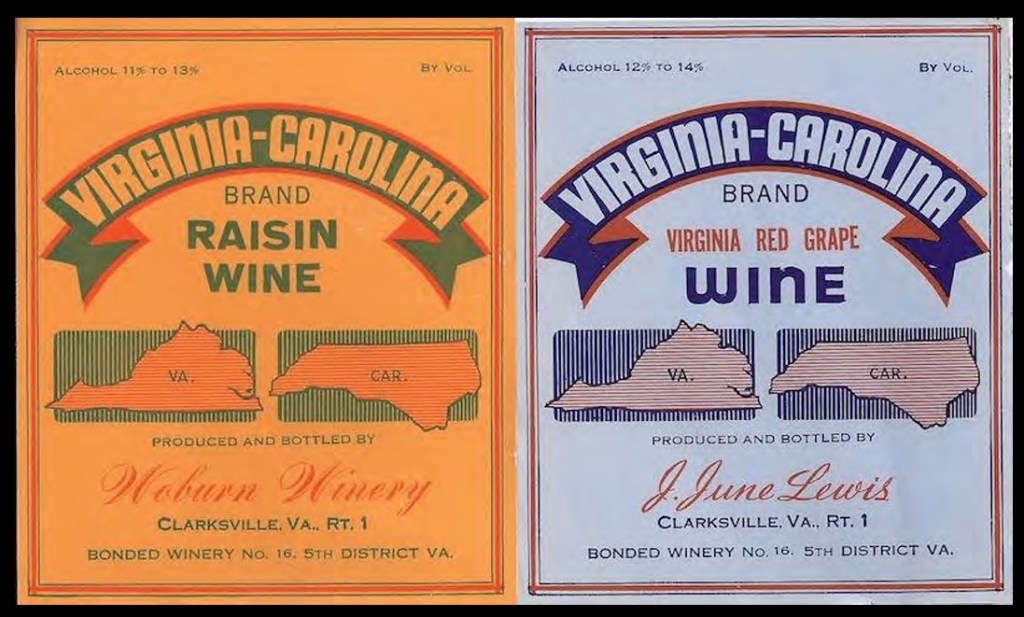
Even so, it was years before he could start a winery. Prohibition destroyed the wine industry, and it wasn’t until its end in 1933 that Lewis could pursue wine as a profession.
The ink announcing Prohibition’s end was barely dry when Lewis planted 10 acres of hybrid and native vines on the former Burwell farm. In 1940, this property became Woburn Winery.
Lewis was a trailblazer in other ways as well. During a time when most wineries used California grapes, Woburn made wine from their own vines. The Lewis family also sourced fruit locally, including some from North Carolina.
Woburn stayed in business for over 30 years, closing shortly after Lewis’s death in 1974.
The Visit Finally Happens!
In late 2025, I discovered the Instagram account of June Lewis III, grandson of Woburn’s founder. A few months later, June replied to one of my messages; his family was having a ‘soft launch’ of the Woburn brand, and I was invited.
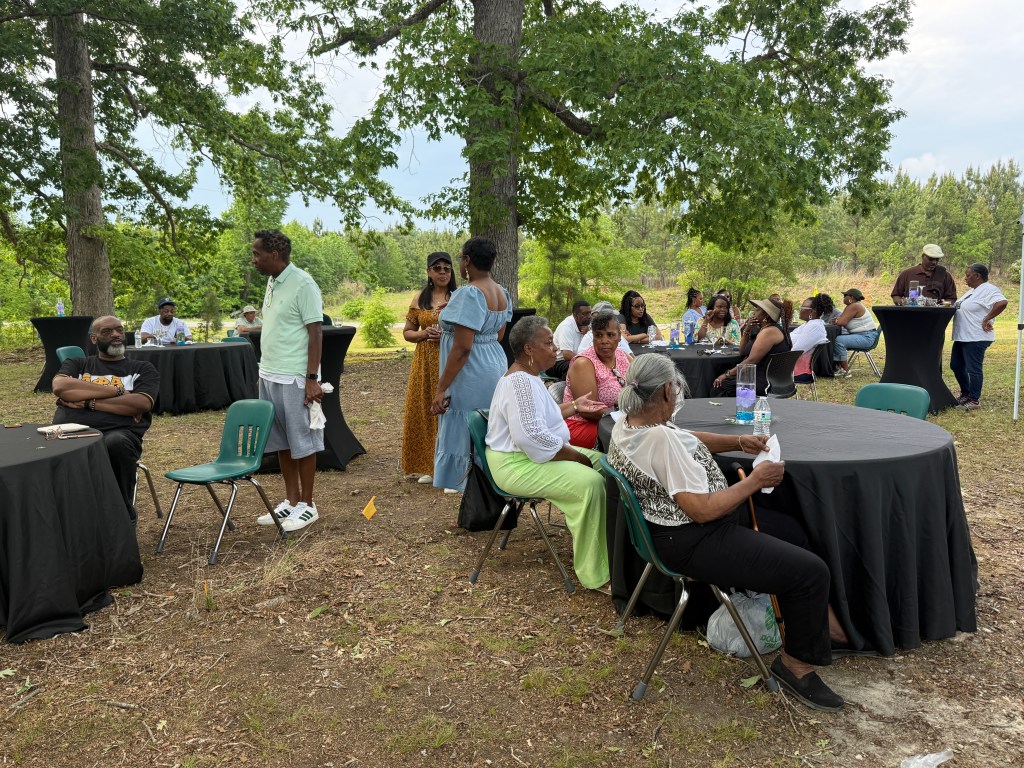
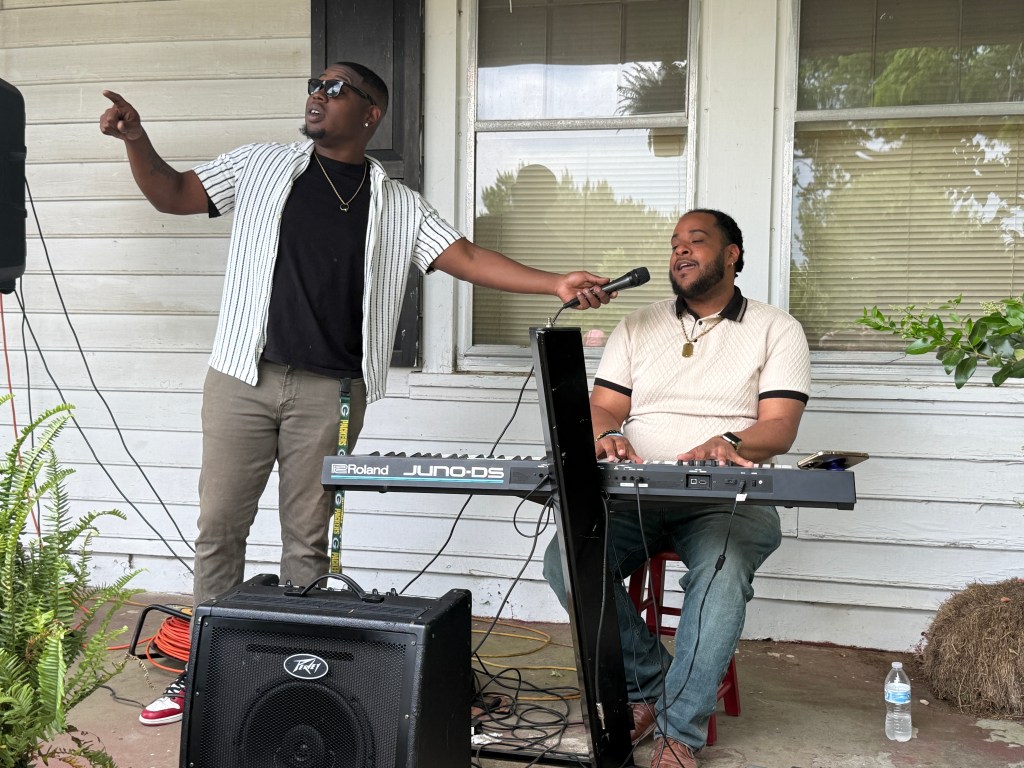
It turned out this launch was less of an opening and more of a family reunion at the old Woburn vineyard. While the winery was long closed, the property remained the home of his father John June “Ducky” Lewis, Jr., until his passing in 2022.
While giving tours of his father’s house, June and his wife, Ayana, floated several ideas for restarting the Woburn brand. June said he planned to restore the home and convert it into an event center, but nothing was set in stone. I gave my best sales pitch as to why he should keep the winemaking in Virginia, but I suspect such plans are years away.
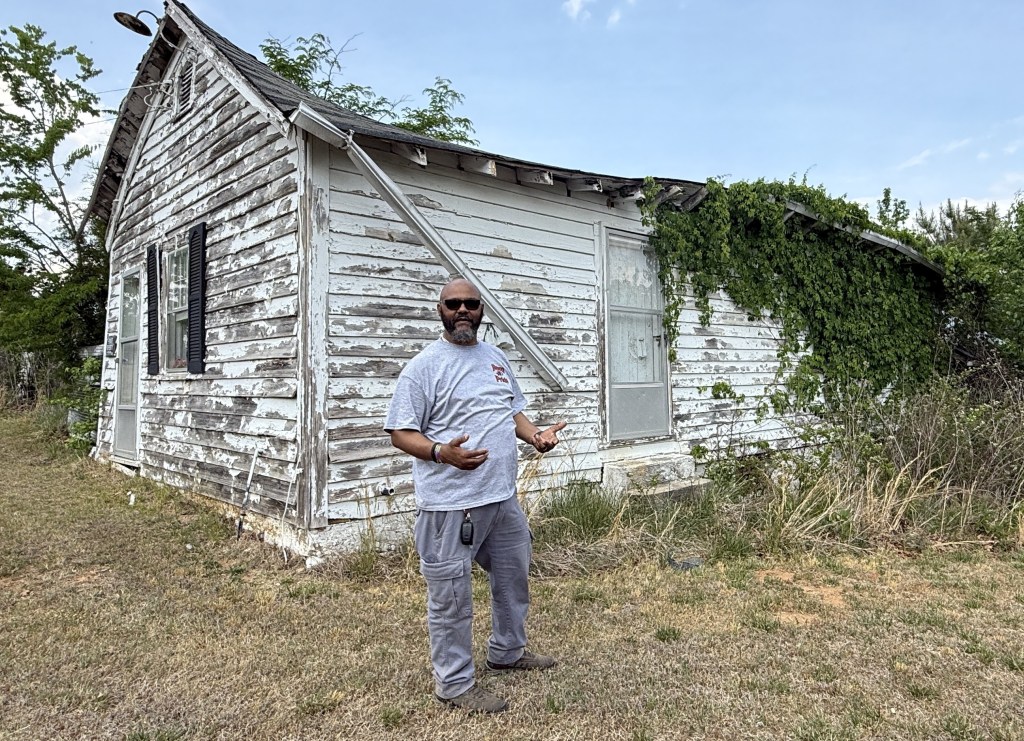
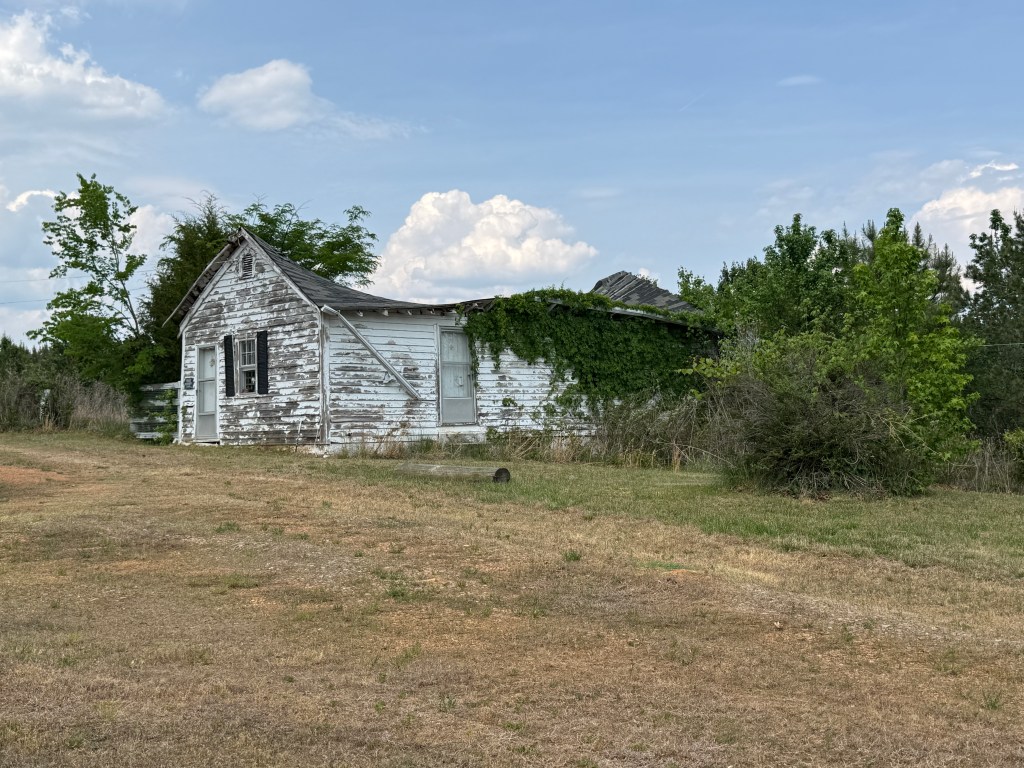
Fortunately, June gave me a brief tour of the property before the rest of the guests arrived. June professed he wished he paid closer attention to his father’s stories, but was now committed to reviving the Woburn legacy.
The vineyard is long gone, but the former wine production building is somewhat intact. I peered through the window, trying to imagine John June Lewis Sr. at work. June did pose for a photo, as did his son (also named June).
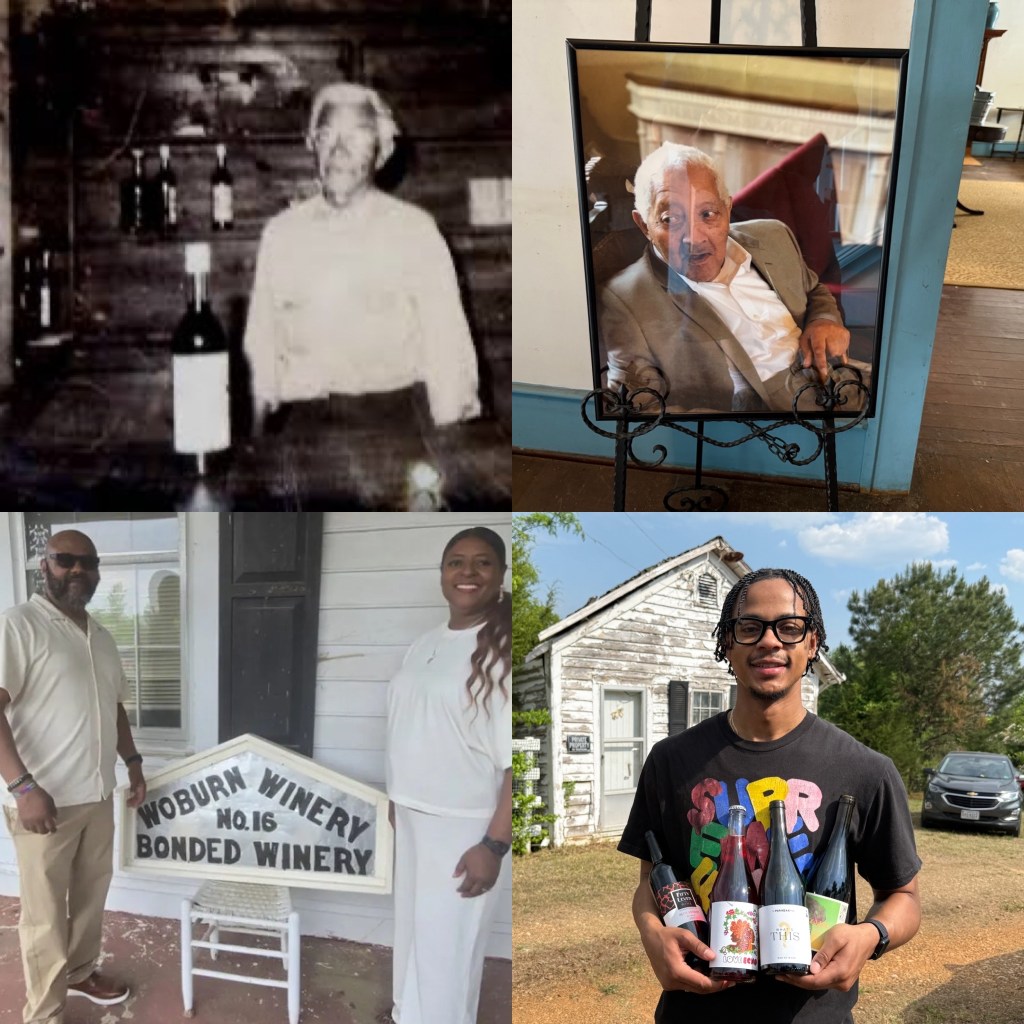
(From left to right: John June Lewis, Sr, John June “Ducky” Lewis, Jr., John June III and his wife Ayana Lewis, John June)
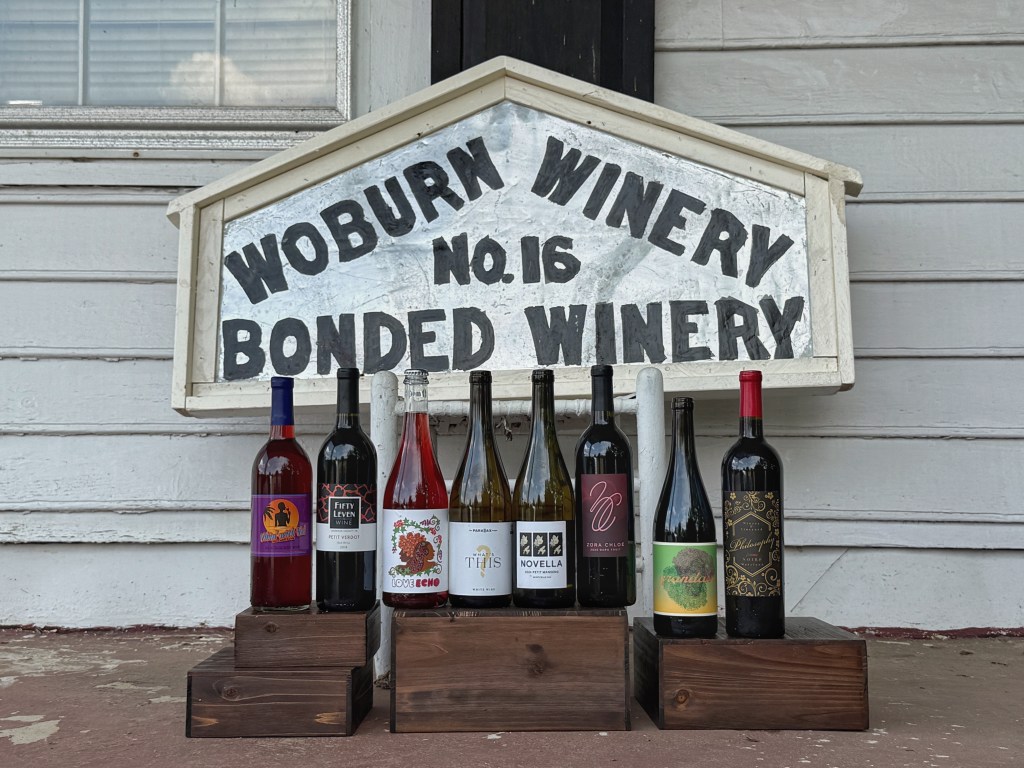
One relic that survived is the original “Woburn Winery” sign. I propped it up on a chair and surrounded it with bottles from every local Black-owned winery I could acquire. We later popped open several for his guests to enjoy, and I gifted him the rest.
While I didn’t leave with firm details regarding Woburn’s potential reopening, I achieved my original goal. I spent an hour snapping photos of an array of Black-owned wine brands in front of America’s first Black-owned winery.
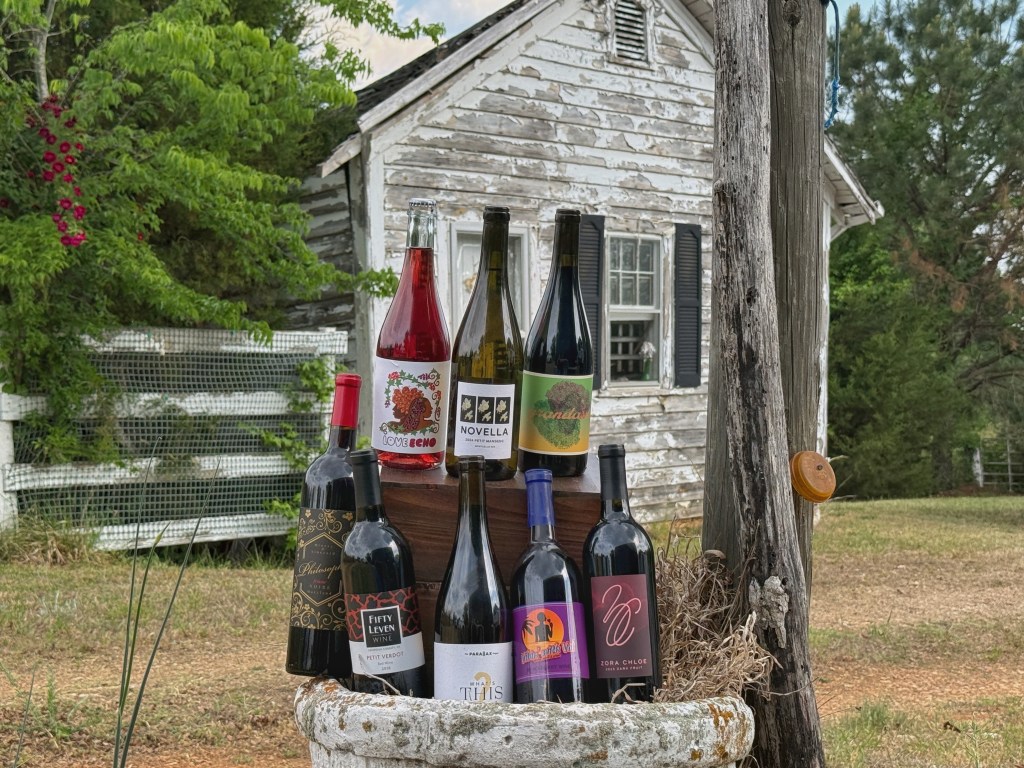
Seeing these bottles in front of Woburn Winery felt like history coming full circle.
(Featured wines: Commonwealth Crush Love Echo, Novella Wine, Commonwealth Crush Grandassa, Philosophy Winery, Fifty Leven, The Parallax Project, Vibin With Val, Zora Chloe)
 Wine Trails and Wanderlust
Very interesting. Thanks for taking the time to research this piece.
LikeLike