
The European wine industry is steeped in tradition, much of which is codified into law. Bordeaux famously regulates everything from the kind of grapes grown within its borders, the amount of irrigation its wineries can use, and even the level of alcohol.
While the Virginia wine industry isn’t bound by the kind of regulations found in Europe, winemaking traditions derived from the ‘Old World’ still dominate the state. It has taken Virginia wineries decades to appreciate that not everything that works in Europe can be replicated locally.
This gives leeway to innovators to redefine how wine should be made. Whether it be trying out new grape varieties, exploring new blends, or creating new twists on old favorites, local innovators are pushing the industry’s boundaries forward.
Dennis Horton might be Virginia’s foremost innovator. When he founded Horton Vineyards in the early 1990s, Virginia wineries were relying upon either popular but fragile grapes such as cabernet sauvignon, or tougher but less commercially desirable hybrid grapes. Not satisfied with either option, he planted a dizzying array of less famous vinifera including viognier, petit manseng, touriga nacional, and tannat.
Dennis discovered these grapes by researching which wine growing regions have climates similar to Virginia. He reasoned that if a place like Condrieu had hot summers coupled with cool wet winters, then a Condrieu grape such as viognier would work here.
Given the changing landscape of the wine industry, this out-of-the box thinking remains relevant. Many grape varieties are becoming vulnerable to climate change in places they long called home, while others are flourishing in new locations.
At the same time, the clientele the industry caters to is changing. Younger buyers prefer sustainability and affordability over a wine’s fancy classification. Such consumers are open to wines that ‘break the rules.’
For oenophiles who want to try something new, here are four options from wineries that lean into this spirit of innovation.
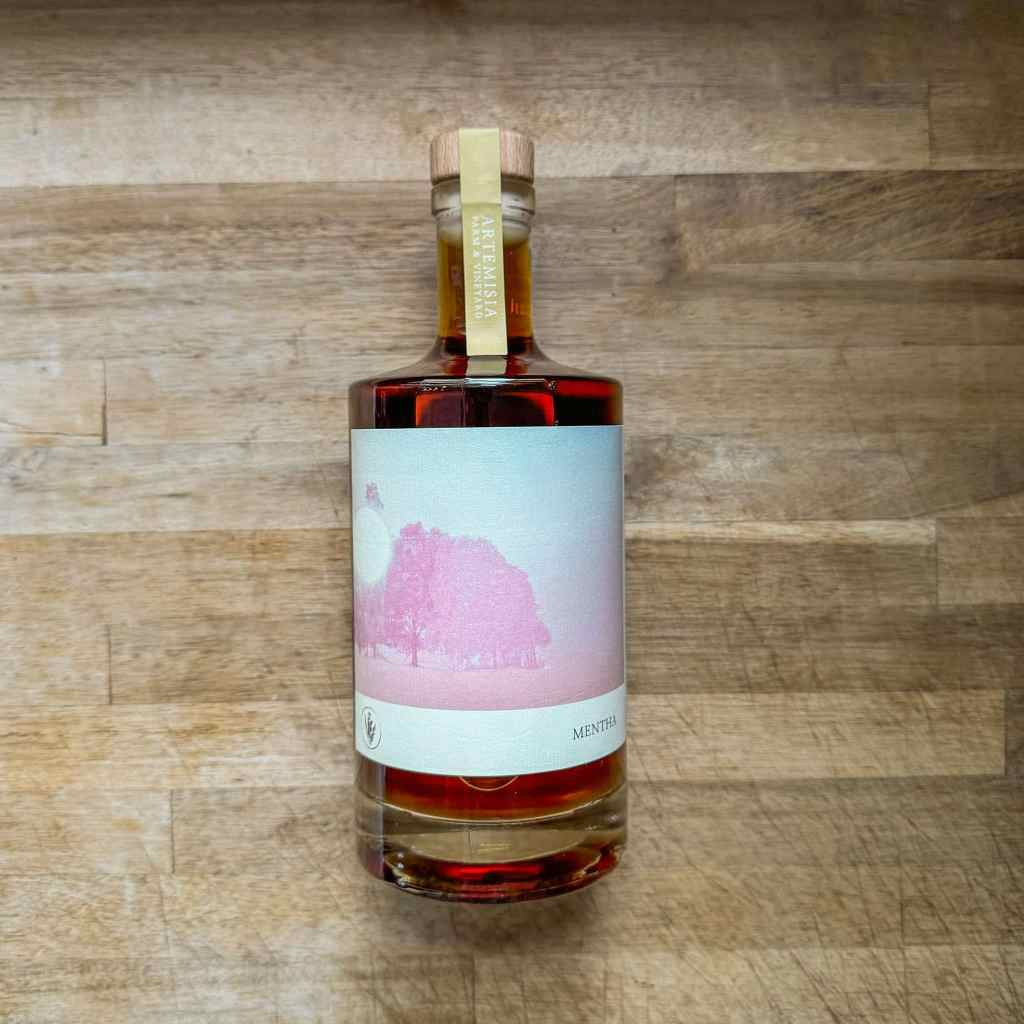
Artemisia Farm & Vineyard’s Mentha
Artemisia is one of a handful of Virginia farms crafting vermouth, an aromatized, fortified wine. Vermouth may seem an odd choice for wine lovers, but Artemisia is proving doubters wrong with an assortment of uniquely crafted options.
Vermouth is typically thought of as a cocktail mixer, but Artemisia’s bottles are finding an audience as a stand-alone drink with ingredients that emphasize their local nature. Co-owner Kelly Allen explained, “We want to capture Virginia’s terroir as an abstract essence”.
One vermouth that particularly shines is Mentha, a mint-rhubarb aperitif made with traminette. Mentha is aged in apple wood and pecan, bittered with dandelion and wormwood, and infused with Kentucky colonel mint, mojito mint, and spearmint. The last ingredient is especially prevalent, giving it a full, fresh flavor.
Briedé Family Vineyards’ 2023 Arandell Special Reserve

Owners Paul and Loretta Briedé originally farmed their vineyard to organic standards. While harsh weather forced the Briedés to drop their organic certification, they continue to apply many of the same techniques.
One lesson they took to heart is organic farming requires grapes that are naturally disease resistant. That led them to plant a number of hybrid and native grapes, including cayuga, marquette, la crescent, and arandell.
That last variety deserves special mention. Arandell was created by Cornell University, which is developing a new generation of hybrid grapes that are as flavorful as they are hardy.
Arandell’s flavor profile combines earthiness and acidity, with a hint of tobacco. While many oenophiles tend to look down their nose at hybrid grapes, such snobbery is uncalled for. Arandell is a standout in the pantheon of hybrids and is one of the few hybrid wines to earn a Gold medal at the 2024 Shenandoah Wine Cup competition.
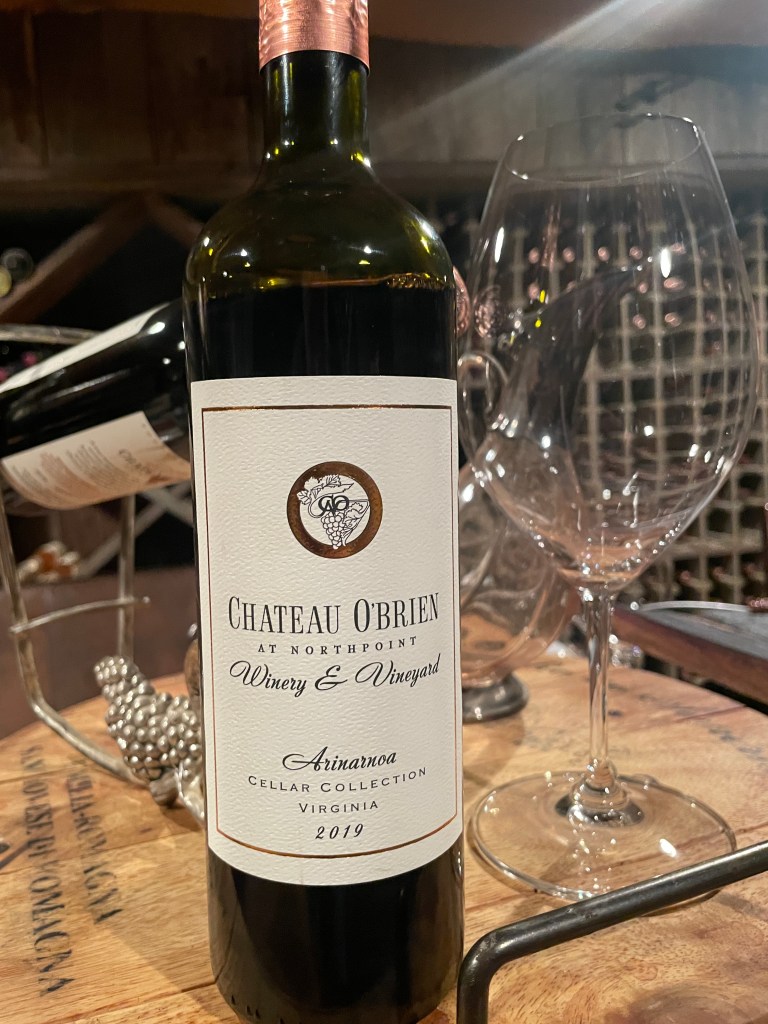
Chateau O’Brien 2019 Arinarnoa
The French wine industry is notorious for being a stickler for tradition. This means when arinarnoa was announced as one of a handful of varieties now authorized for planting in Bordeaux, the wine industry took notice.
Arinarnoa is a cross of tannat and cabernet sauvignon, making it suitable to both Virginia’s and Bordeaux’s increasingly warm climate. Chateau O’Brien is the first winery on the east coast to plant this grape.
Owner Howard O’Brien explained, “I got the idea to plant arinarnoa during one of my trips to Uruguay, where they plant it next to their tannat. In the vineyard, it has characteristics from both of its parents. Arinarnoa has a leaf structure like tannat, berries like cab sauv, ripens like cab, and its growing season is very similar to tannat. I only do 1-3 tons an acre, but it crops very well.”
Howard’s arinarnoa showcases a nice balance of earth and mushroom notes on the nose, with soft tannin and some dark fruit on the palate.
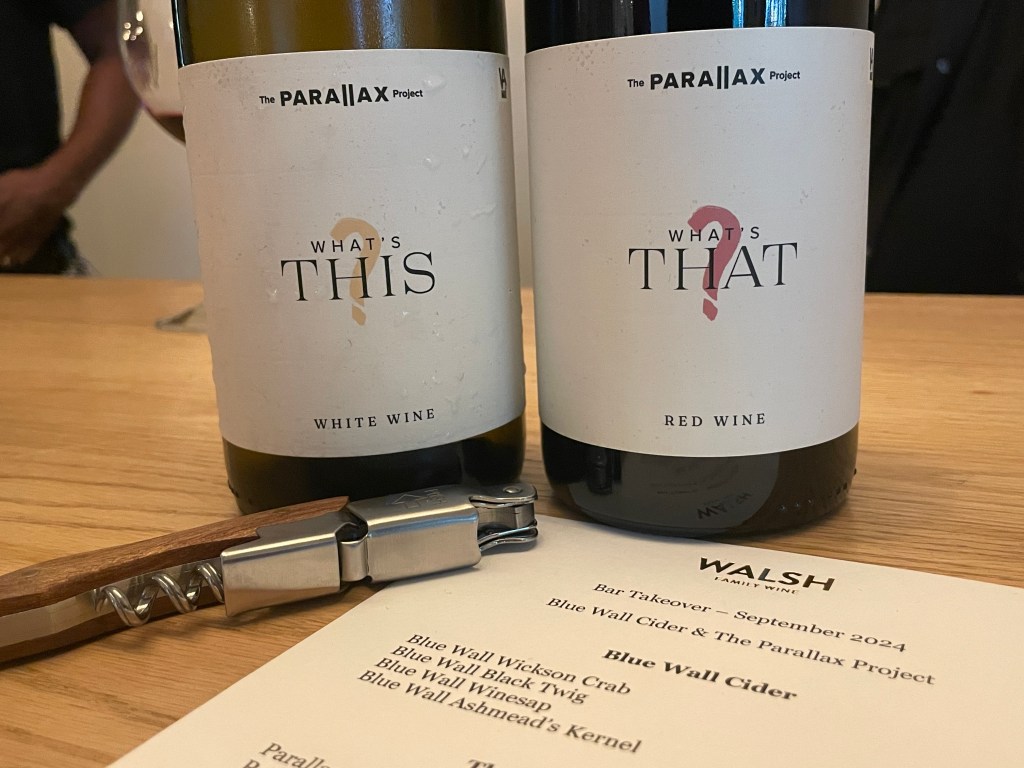
The Parallax Project What’s This? and What’s That?
The Parallax Project is a collaboration between winemakers Ben and Tim Jordan and owners Lance Lemon and Reggie Leonard. The Jordan brothers already have a flair for unusual blends, but these wines topped even their wildly creative imagination.
The project’s name was inspired by what’s called “The Parallax Effect”, which is “a difference in the apparent position of an object when viewed along two different lines of sight”. That name was inspired by how these two wines were crafted.
While What’s This? and What’s That? were both made using vidal blanc, chardonel, tannat, petit manseng, traminette, and albariño, they are very different wines. What’s This? is a white wine that leans more heavily on vidal and chardonel, giving it citrus notes and a floral aroma. “What’s That?” is a juicy red made with 83% tannat, yet it’s low on tannin and highly aromatic.
 Wine Trails and Wanderlust
I loved the Parallax, especially the what’s this? Great stuff!
LikeLiked by 1 person
Thanks for including our work! A much needed reassessment of Virginian wine identity.
LikeLiked by 1 person