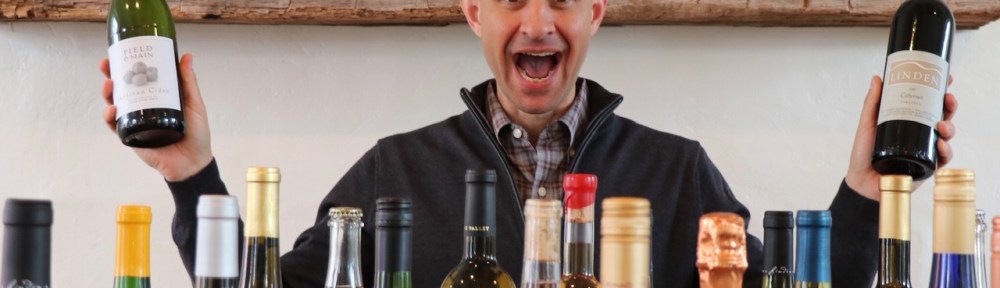
Have you ever looked for a bottle of Virginia wine but didn’t want to drive to a winery to find one? If so, then check out “The Stewards of Virginia Wine”.
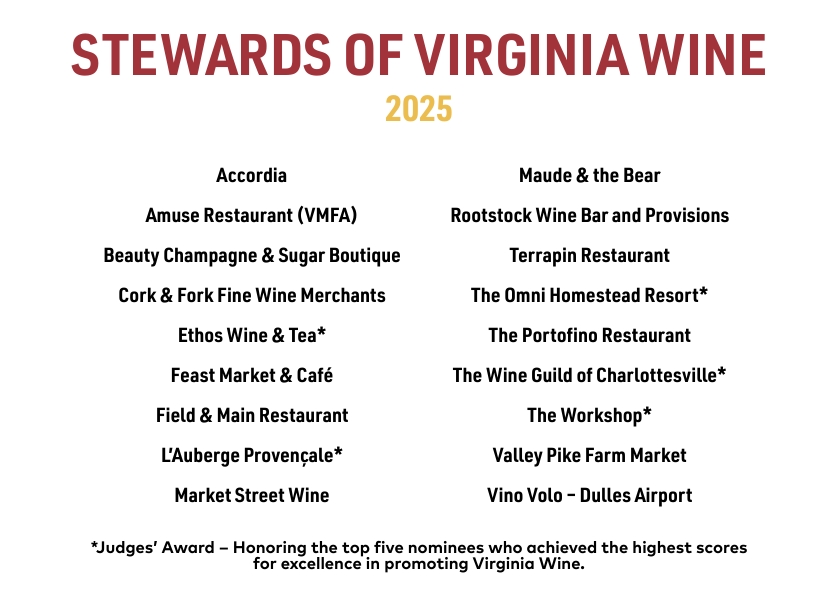
This initiative from the Virginia Wine Marketing Office recognizes restaurants, bars, and retailers who have championed the Virginia wine industry. These businesses were rated on criteria such as their partnership with local wineries, presence on shelf space or wine lists, and overall commitment to Virginia wine.
A set of judges recognized 18 ‘Stewards’ in the inaugural list, released in October 2025. The Judges Award went to the top 5 scoring businesses, namely Charlottesville-based Ethos Wine & Tea, L’Auberge Provencale in the Shenandoah Valley, The Omni Homestead in Hot Springs, The Wine Guild of Charlottesville wine store, and Charlottesville’s The Workshop wine and coffee bar.
These Stewards play an important marketing role for the Virginia wine industry. In 2019, an economic impact study found only 5.3% of wine sold in Virginia was locally produced. If Virginia is to increase this number, it will need retailers, restaurants, and bars such as these to increase the footprint of the local wine industry.
Sales from these venues also offer a ‘prestige factor’ that is hard to replicate. Horton Vineyard’s 1993 Viognier was the first Virginia wine ever sold at The French Laundry, one of the most prestigious restaurants in the US. This was a marketing boon for the then-nascent Virginia wine industry.
Why Virginia wine is hard to find outside the winery
The lack of availability of Virginia wine is linked to two intertwined culprits: high bottle prices and low production.
Most Virginia wineries make under 3,500 cases/year; only a handful produce more than 40,000 cases. The boutique nature of the business means wineries seldom achieve the economy of scale necessary to compete in the $25 and under market, even assuming they have bottles to spare. Many of Virginia’s most famous wineries price their premium bottles in the $45-$70 range.
These prices make it difficult for bars and restaurants to include Virginia wine on the menu. Around 21% of restaurant sales are from alcohol, according to data from the National Restaurant Association. Given alcohol is such a significant revenue stream, these venues are more inclined to include a less-pricy wine they can markup, rather than try to sell an already relatively expensive (but unknown to consumers) local bottle.
This pricing also makes it difficult for wineries to distribute their wine.
American alcohol sales are governed by the ‘Three Tier’ system of producers, distributors (who buy from wineries at a reduced price), and retailers (who buy from distributors and sell to consumers). The ‘farm winery’ license uses by most wineries allow them to cut out the distributer and producer middlemen and sell directly to consumers. This is why 77% of Virginia wine is sold directly from the tasting room.
Adding those second and third tiers means the winery must sell at a price barely above the cost of production. While some feel the increased exposure is worth the cost, it’s far less profitable for them to take this route.
If that’s not enough, marketing Virginia wine is also challenging. Virginia wine lacks the name-recognition enjoyed by California, Bordeaux, or even smaller wine producing states such as Oregon. Some Virginia winemakers toy with the idea of rallying around a specific grape to focus their advertising, but previous efforts have proven contentious.
Retailers and restaurants a key to industry growth
Even with these challenges, the Virginia wine industry’s future may rest with these restaurants, bars, and retailers. The Stewards of Virginia wine are leading the charge here, but they can’t do it alone.
The VA wine industry’s business model is heavily reliant upon agro-tourism, which inherently limits its audience. If it’s to grow beyond the boundaries of Virginia, these wineries must find a way to distribute their wine.
This will prove challenging. Many wineries are already hospitality-focused venues, relying upon the view and overall experience as much as the quality of their wine. Only a handful can afford the cost of using an intermediary.
Ultimately, it will be consumer demand that allows Virginia wine to rise to this challenge.
When accepting the award for the 2025 Virginia Governor’s Cup, Barboursville winemaker Luca Paschina told the audience, “When you go to your favorite restaurant, you must demand they carry Virginia wine!”. These Stewards are doing their part in advertising local vino, but it’s up to consumers to convince their favorite venues to include wine from the Dominion state.
So get out there and demand your local restaurant to sell Virginia wine!
 Wine Trails and Wanderlust
Thanks for the link! I love to see the movement supporting Va wine growing!
LikeLike
Enjoyed this read – great information on the challenges faced to make VA wine more readily available.
LikeLike